Micellar water or makeup-removing oil: which is best to remove your makeup?

Micellar water or makeup-removing oil: which is best to remove your makeup?


By Hélène Betoux

Published on: Tuesday, March 12, 2024, Updated on: Wednesday, October 28, 2026

Not sure whether to choose a micellar water or a cleansing oil for your makeup remover? It all depends on a few factors: your skin type (dry, sensitive, oily), but also your sensory preferences and how much time you want to set aside each evening for removing your makeup. While micellar water offers a quick, refreshing solution, cleansing oils tend to be the go-to choice for tackling waterproof makeup. Each option can offer multiple beauty benefits and fit effortlessly into a natural routine.

Contents

Related products

The importance of proper makeup removal

Makeup removal is the first step in our evening routine, and undoubtedly the most important (along with moisturising!). Much of the effectiveness of the skincare products we apply afterward depends on how well this step is done. Beyond that, it's a key factor in maintaining our skin's beauty over the years.

It involves removing makeup and impurities from the surface of our skin. Over time, this opacifying film can cause our pores and follicular ostia to become clogged. By dissolving this film, the makeup removal ritual allows the skin to "breathe" and thus perform its natural functions unimpeded, particularly its vital nighttime cellular regeneration. Removing makeup is therefore the foundation of a radiant complexion and healthy-looking skin, at any age.

Removing makeup is therefore the foundation of a radiant complexion and healthy-looking skin, at any age.

To remove your makeup, you can choose from several categories of products:

  • Makeup-removing oils

  • Micellar waters

  • Makeup remover milks

  • Makeup-removing gels

  • Solid makeup removers

Which makeup remover should I choose based on my skin type?

  • I have dry skin: Opt for rich-textured cleansing milks (preferably alcohol-free) as well as leave-on cleansing oils. These two types of products will leave a thin protective film that helps strengthen your hydrolipidic film.

  • I have combination or oily skin: You can turn to micellar waters and facial cleansing oils. Also consider cleansing gels if you don’t like the “greasy” feeling on your skin.

  • I have sensitive skin: Opt for skincare products that are as minimalist as possible. The ideal choice is a "raw" plant oil from our Carnet Nature, free of surfactants. To remove any excess product, you can wipe your face with a makeup remover pad soaked in lukewarm water.

For more information, read our special guide to makeup removal by skin type.

What is the difference between a makeup-removing oil and micellar water?

Facial makeup remover oil: oil to dissolve oil

Oil-based makeup removal is based on the theory that “like dissolves like”. In practice, you use an oil-based makeup remover to dissolve the oil in oil-based makeup. This technique has the advantage of being both simple and effective, since it works even on waterproof makeup. It is particularly suitable for heavy makeup, including on the eyes. It is gentle enough for most skin types, as it removes makeup without stripping the skin’s surface of its natural oils.

 There are two types of oils for removing facial makeup:

  • No-rinse oils: these are virgin (or blended) plant oils that, by nature, do not mix with water and therefore cannot be rinsed off. In this case, you remove the excess with a cloth soaked in warm water, gently rubbing it over the skin after cleansing.

  • Rinse-off oils: These are oils with a transforming texture, meaning they turn into a milk-like emulsion when they come into contact with water. They contain a surfactant that makes them “rinseable,” preventing the buildup of oily residue.

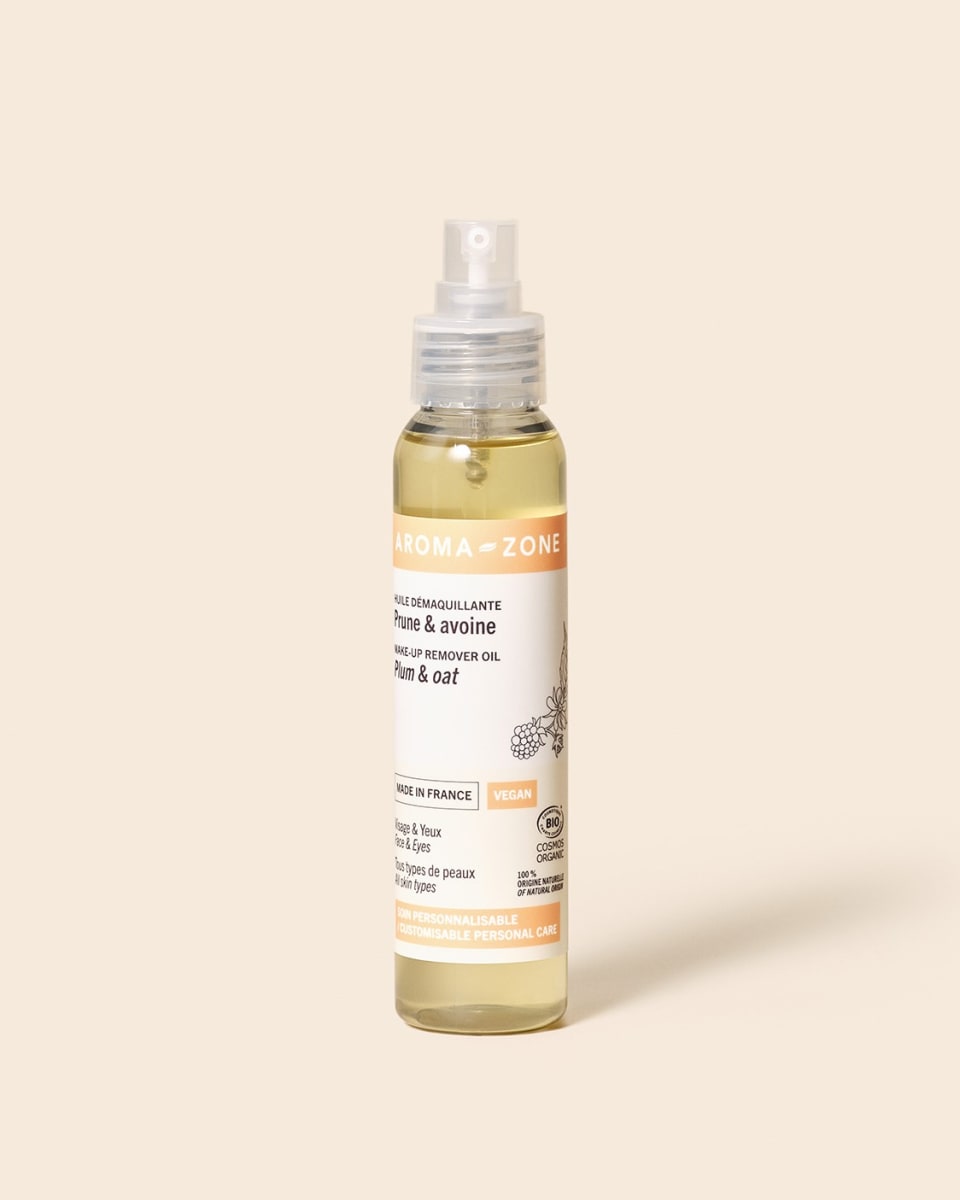
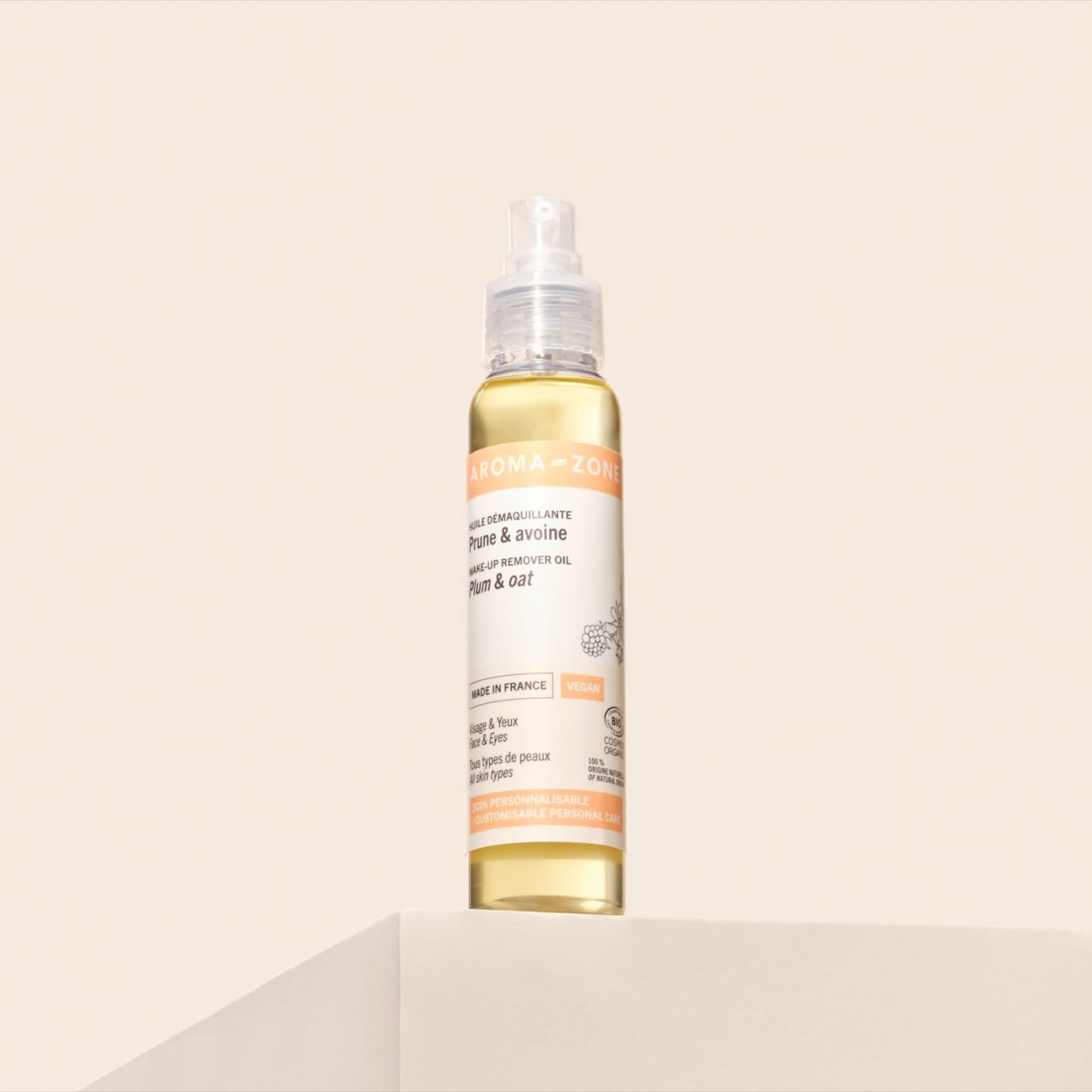
Plum & Oat Cleansing Oil

Spotlight on the Plum & Oat Cleansing Oil

100% naturally derived, this makeup-removing oil removes makeup (even waterproof), excess sebum and impurities in a single step. This 3-in-1 treatment cleanses without drying, effectively removes makeup and nourishes the skin in a single step. Its minimalist formula, featuring four precious oils, plum, oat, castor and jojoba, offers an ultra-gentle texture suitable for all skin types, even the most delicate. Upon contact with water, the cleansing oil transforms into a milky veil, making rinsing easy and pleasant. The essential step for clean, radiant and comfortable skin. Use it as is or customise it.

Discover the Plum & Oat Cleansing Oil

Micellar water: micelles to capture impurities

Micellar waters, on the other hand, are water-based formulas. They contain micelles, which are aggregates of surfactant molecules. These particles, invisible to the naked eye, have the unique ability to attract both oil and water. When removing makeup, they capture all daily impurities and trap them—without the need to rub the product in or rinse it off. Thanks to this technology, traces of makeup and dirt transfer from your skin to the cotton pad.

 This type of makeup remover can be considered to combine the effectiveness of an oil with the lightness of a floral water. It is appreciated for its refreshing effect after use, but also for how quickly it works (ideal for those of us in a hurry). However, it may prove slightly less effective than a makeup-removing oil on very heavy makeup or waterproof formulas.

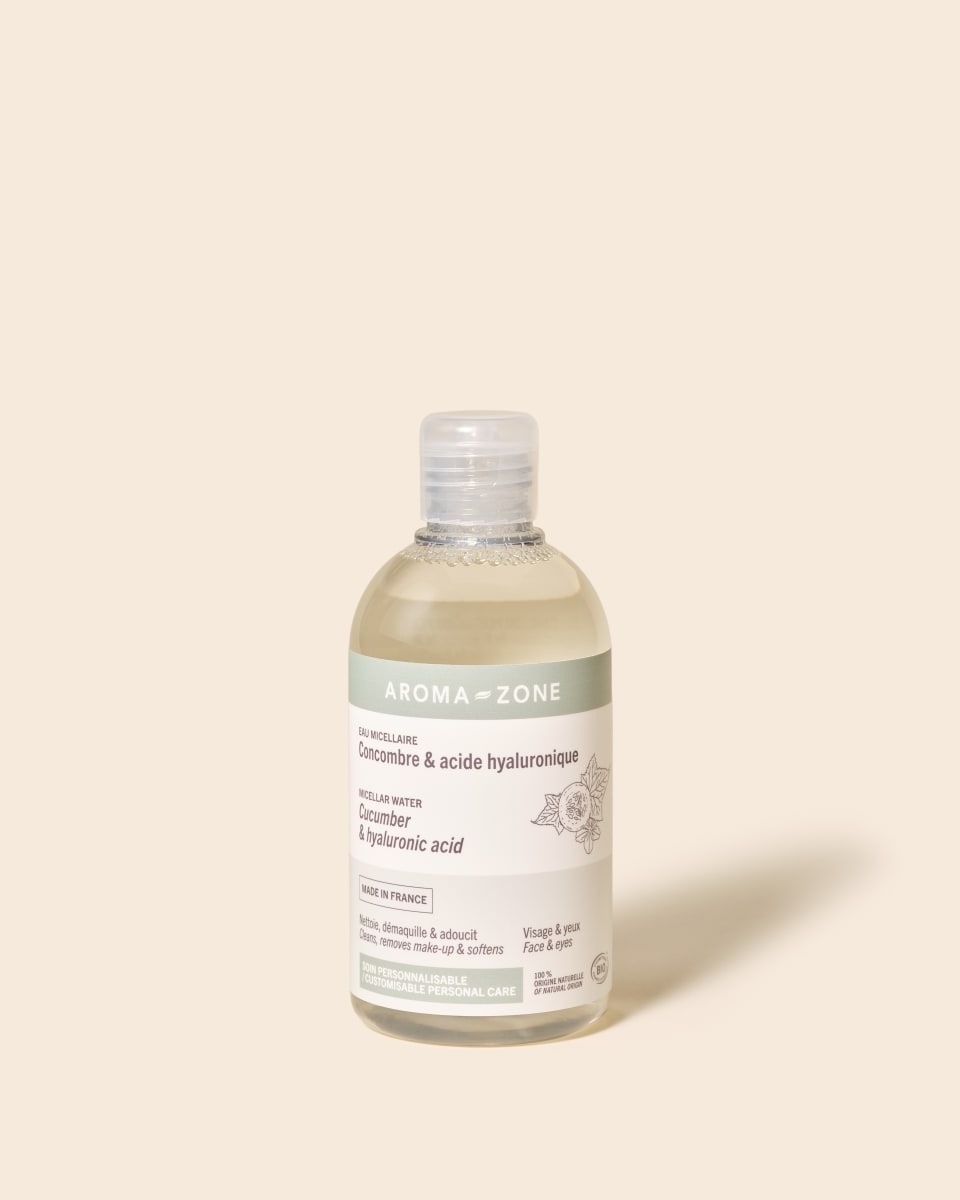
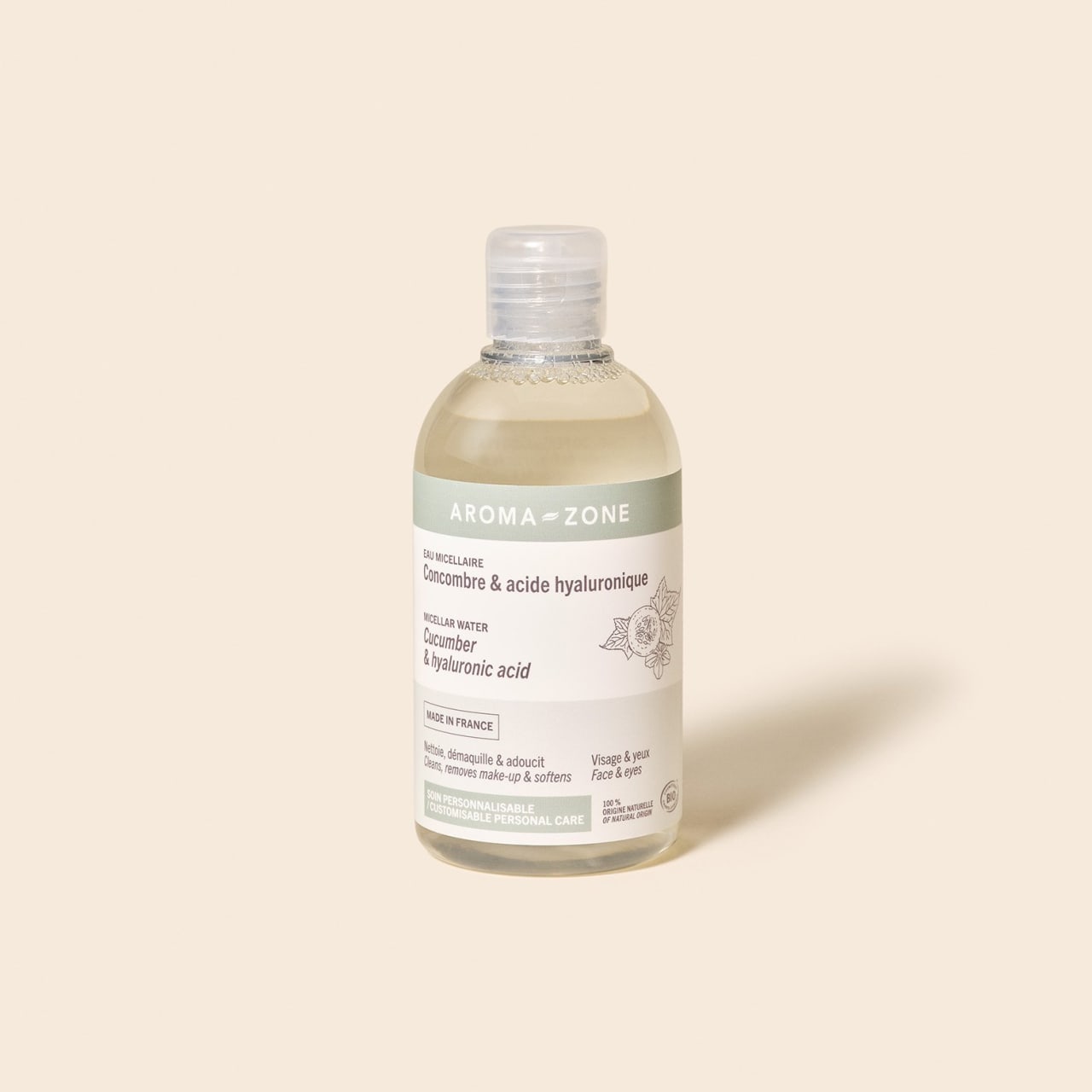
Organic_Cucumber_Micellar_Water_&_Hyaluronic_Acid

Spotlight on Organic Cucumber & Hyaluronic Acid Micellar Water

Suitable for use on the entire face, eyes, and lips, this micellar water removes makeup, impurities, and pollution residue without irritating the skin’s surface. It is infused with fresh organic cucumber (refreshing and soothing) and enriched with hyaluronic acid (hydrating). In a single step, it leaves the skin feeling fresher, cleaner, and more radiant. Tip: Use it as is or customise it with active ingredients of your choice (see our recommendations on the product sheet).

Discover Organic Cucumber & Hyaluronic Acid Micellar Water

How do you remove makeup with a cleansing oil?

Which plant-based oil should you choose for makeup removal?

All plant-based oils, by nature, have the ability to dissolve oil, and therefore makeup. To remove makeup from your face, simply avoid "powerful" oils such as mustard (potentially irritating) and nigella (do not apply near the eyes or mucous membranes). Here are some of our favourite oils for this delicate step in your evening routine.

Plum & Oat Cleansing Oil

Makeup Removing Oil: This 3-in-1 treatment cleanses without drying out the skin, effectively removes makeup, and nourishes the skin in a single step.

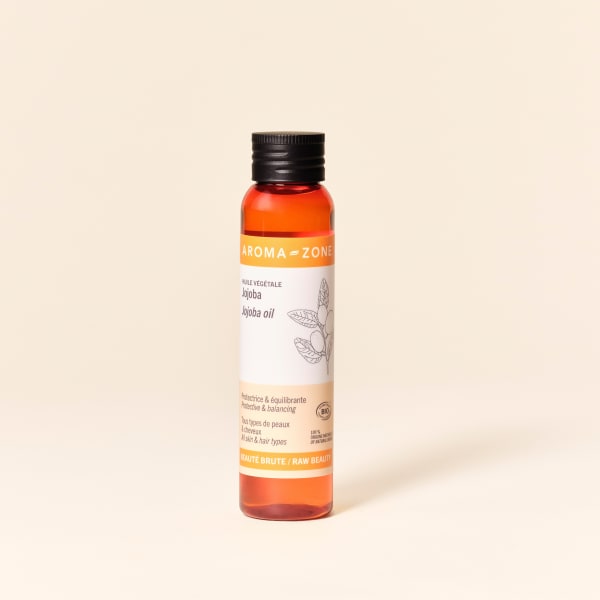
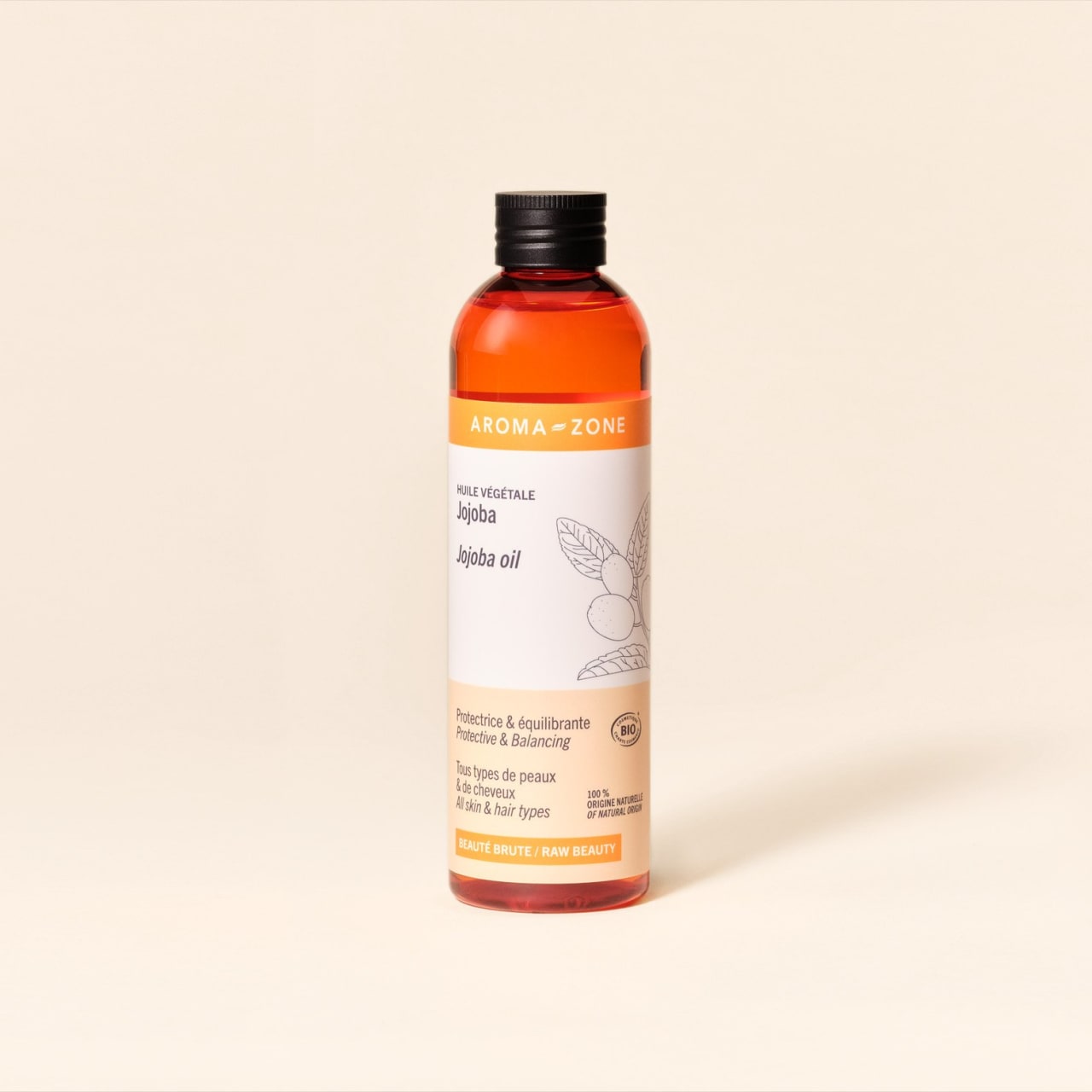
Jojoba

Organic Jojoba Oil: Generally favoured by those with oily skin, it helps regulate sebum production with a dry, penetrating texture.

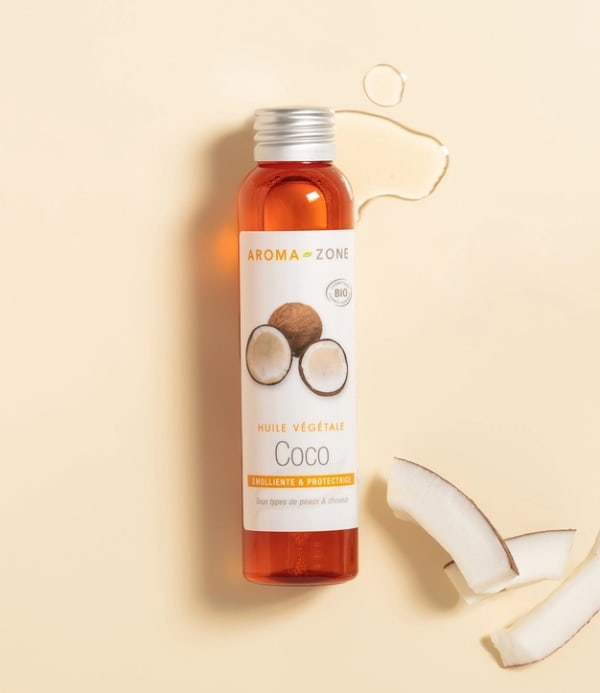
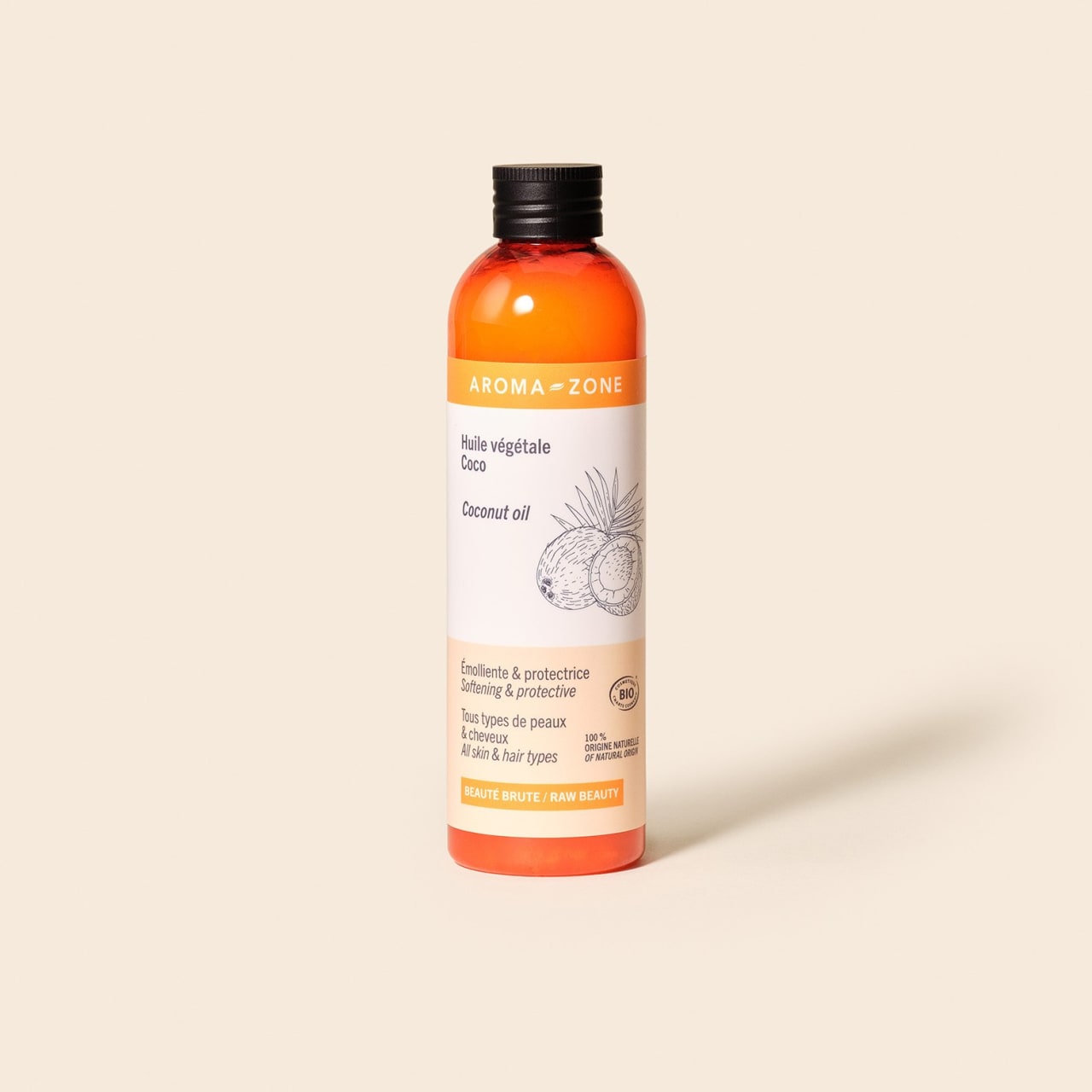
Organic Coconut Oil: Ideal for dry and rough skin, it is very rich in lauric acid (a saturated fatty acid) and can be massaged into the skin for an extended period.

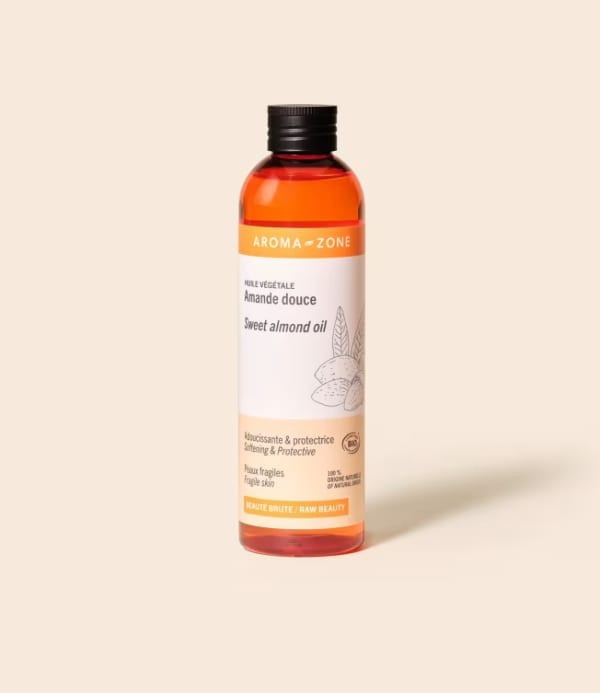
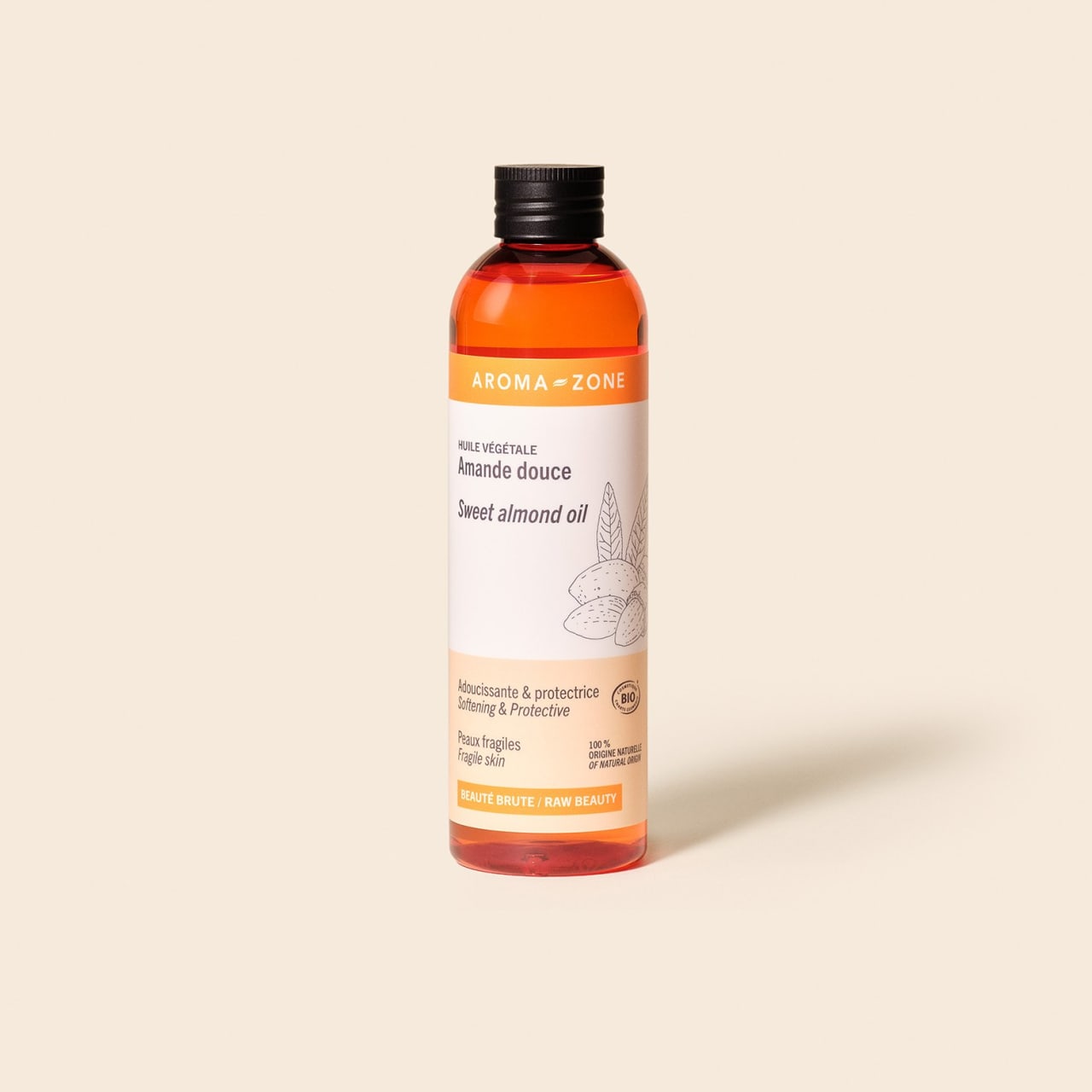
Organic Sweet Almond Oil

Organic Sweet Almond Oil: Often recommended for sensitive skin due to its emollient, soothing, and fortifying effects.

DIY Recipes: I Make My Own Makeup Remover Oil

A few techniques for removing makeup with oil

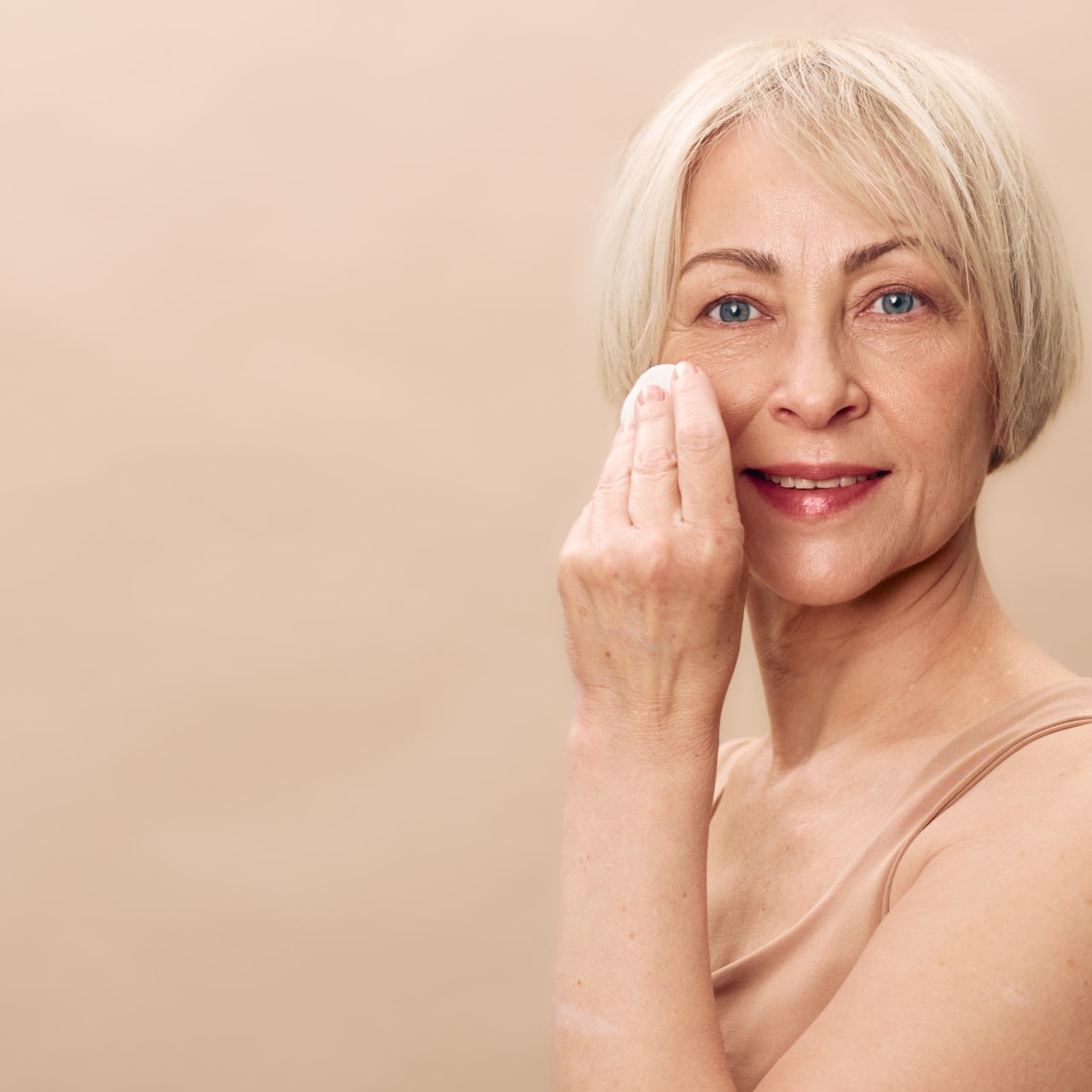
  • For light makeup. Moisten a makeup remover pad, squeeze out the excess, then apply a small amount of makeup remover oil. Gently rub to remove all makeup. This method is best suited for skin with minimal makeup and for targeted removal (for example, if you only need to remove eye makeup).

  • For leave-on oils. Massage a small amount of oil into your dry face until foundation, lipstick, mascara, etc., are completely dissolved. Soak a makeup remover pad in warm water, wring it out, then wipe it over your face to remove most of the oil and pigment residue. Ideally, follow up with a traditional cleanser.

  • For rinse-off oils. Place a small amount of oil in the palm of your hand, then massage it into dry skin using circular motions. Once the makeup has dissolved, wet your hands and continue massaging your face. Your oil will gradually transform into a milky emulsion. Finish by rinsing thoroughly with clean water.

Focus on micellar water

What are the benefits of micellar water?

  • Gentle cleansing: Micellar water effectively removes impurities, makeup, and excess sebum from the skin without drying it out or causing irritation. The micelles in micellar water act like magnets to attract and trap dirt and makeup particles, leaving the skin clean and fresh.

  • Hydration: Unlike some harsh cleansers, micellar water does not dehydrate the skin. It often contains moisturising ingredients such as hyaluronic acid or glycerin, which help maintain the skin’s natural moisture, leaving it soft and supple.

  • Soothing: Some types of micellar water are formulated with soothing ingredients, such as thermal water or chamomile extract, which help calm sensitive or irritated skin. This makes it an ideal choice for people with sensitive skin or skin prone to redness.

  • Suitable for all skin types: Micellar water is suitable for all skin types, including dry, oily, combination, and sensitive skin. It offers a gentle, non-irritating alternative to harsh cleansers, making it a versatile choice for all skincare needs.

  • Ease of use: Micellar water is quick and easy to use. Simply apply a small amount to a cotton pad and gently wipe it over your face to remove impurities and makeup. No rinsing is required, making it a convenient choice for daily use or when you’re on the go.

How do you remove makeup with micellar water?

  1. Apply a few drops of micellar water to a clean, dry cotton pad.

  2. Gently wipe the cotton pad over your face, focusing on areas with heavy makeup.

  3. Repeat the process until your skin looks clean and clear. Flip your cotton pad regularly and re-soak it with product as needed.

Our makeup removal recipes: I make my own micellar water

Expert advice

Micellar waters and makeup-removing oils do not cleanse the skin: they simply remove makeup. This is why it can be beneficial to use the double-cleansing technique, which involves following makeup removal with a skin-cleansing step. The cleansing step will refine the makeup removal process and truly leave the skin "bare" (or almost!) to optimise the absorption of more active formulas, such as serum and night cream. For this second step, you can, for example, use a cold-processed (ultra-rich) soap.

Want to learn more? Here are 7 tips for properly removing makeup from your skin (click here).

Learn more

Spotlight on Our Writer, Hélène Betoux

Hélène Betoux is a French beauty journalist specialising in digital media. She writes practical tips, advice and guides to help readers choose the right beauty products. Passionate about natural, organic and clean beauty, she explores the latest trends and innovations in the industry.