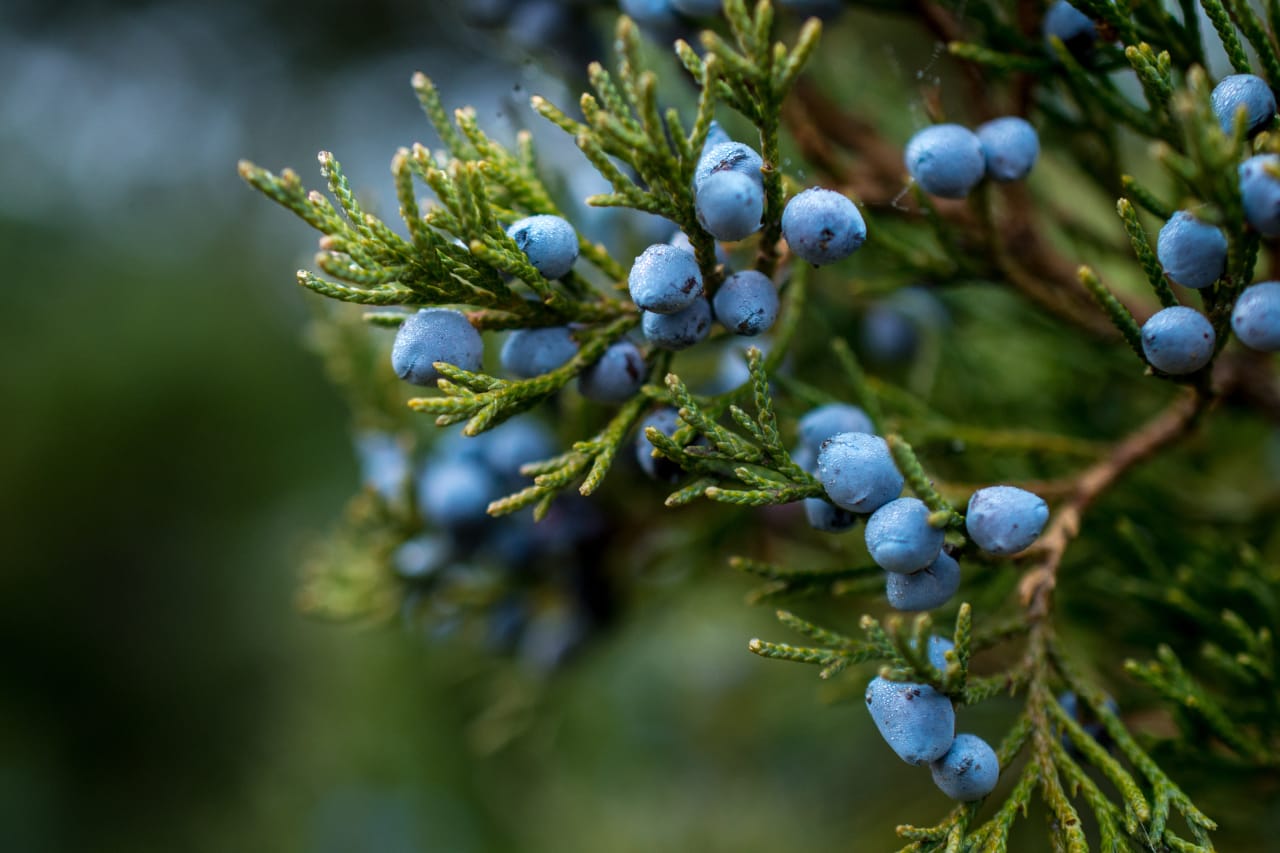
Juniper (Juniperus communis): Benefits and Our Tips for Use

Juniper (Juniperus communis): Benefits and Our Tips for Use


By Lauréna Valette

Published on: Wednesday, October 25, 2023, Updated on: Wednesday, October 28, 2026

Although best known for its use in gin, juniper is not just an ingredient in spirits. For centuries, its berries have been used for their health benefits. Let’s explore this plant, its benefits, and how to use it.

Contents

Juniper: What Is It?

Juniper (Juniperus communis) comes in various forms, from an upright tree 4 to 10 metres tall to a very low, bushy shrub. Known as ‘grassi’ in the Romandy dialect, but also nicknamed ‘the poor man’s pepper’, it belongs to the Cupressaceae family. It is recognisable by its green, golden, or silvery leaves, and its berries, which are green when young and dark blue when ripe.

Where Can You Find Common Juniper?

It is found in various regions of the world, mainly in temperate and cold climates. It grows in a variety of habitats, from mountains to coastal regions, including forests and heathlands, across Europe, Asia, and North America.

Are Juniper Berries Edible?

Juniper berries are the most prized parts of this plant, both in cooking and in medicine. Often mistaken for true berries, they are in fact fleshy cones with exceptional flavours. While they are primarily recognised for their role in flavouring gin, juniper berries have much more to offer than just alcoholic notes. Their flavour profile, imbued with citrusy, resinous, and peppery notes, makes them ideal for enhancing the flavour of dishes. Whether adding a fragrant touch to a stew or using their aromatic properties in a marinade, juniper berries are prized for their distinctive flavours and versatility in the kitchen.

Juniper Leaves

The leaves of the common juniper are the parts of the plant that stand out for their dark green colour. They are harvested and then dried for use as aromatic herbs in cooking, thanks to their powerful flavour and strong aroma, which add a special touch to many dishes. Also prized for their antiseptic and antifungal properties, they are an ideal choice for flavouring sauces or dishes. Furthermore, they can be steeped to create a drink rich in vitamins and antioxidants. This infusion is often used as a natural remedy for stress and sleep disorders. However, it is important to consume these leaves in moderation and to consult a healthcare professional if using them for medicinal purposes.

What Are the Benefits of Juniper?

Juniper offers a host of health benefits. Its properties include: 

  • Diuretic: It promotes the elimination of toxins and supports kidney health by cleansing the urinary tract. This makes it useful for relieving urinary tract infections

  • Anti-Inflammatory: The compounds found in the tree have anti-inflammatory properties that can reduce inflammation and associated pain

  • Antifungal: Juniper has antifungal properties that are useful for combating yeast and other fungal infections

  • Analgesic: It can help relieve pain, including period pain

  • Antimicrobial: Its antimicrobial properties help to combat bacteria and strengthen the immune system

  • Antioxidants: As a study points out, juniper is rich in antioxidants that help neutralise free radicals, thereby helping to prevent premature ageing and reduce the risk of chronic diseases

  • Antibacterial: It combats bacterial infections

Furthermore, common juniper aids digestion by reducing flatulence and bloating, while helping the body to digest fatty and heavy meals. It is also known as a tonic, particularly useful for frail children, to relieve sore throats and colds. When used externally, in the form of an ointment, juniper relieves rheumatic pain and joint stiffness.

How Should Juniper Be Used?

As a Juniper Herbal Tea

You’ll need around 20 to 30g of juniper leaves or berries per litre of water. Place a teaspoon of dried leaves in a cup of hot water. Leave to infuse for 5 to 10 minutes, depending on the desired strength of flavour. If using berries, you can crush them slightly before infusing to release more flavour. Once the infusion is ready, strain the liquid to remove the leaves or berries. You can add a touch of honey and lemon to enhance the flavour. Drink this infusion once or twice a day to enjoy its benefits. It is renowned for its diuretic properties, its role in relieving period pain and its ability to aid digestion.

External Use

Juniper ointment or oil helps to relieve rheumatic pain, joint stiffness and muscle cramps. Always ensure you dilute juniper essential oil in a carrier oil before applying it to the skin.

In a Bath

Juniper baths are particularly prized for their ability to relieve rheumatic pain and joint stiffness. Add the juniper berries to your hot bath water. When they come into contact with the water, they release their aroma and beneficial compounds, creating a relaxing and refreshing atmosphere – ideal for unwinding after a long day.

Juniper Berries in Cooking

Juniper is a versatile plant, and its berries are highly prized in cooking. They are commonly used as a spice to flavour a variety of dishes. Their distinctive flavour is slightly lemony, resinous and peppery, making them a unique and valuable ingredient in cooking. Juniper berries enhance the flavour of various dishes. You can add them to sauces to give them a touch of originality, use them in marinades to add aromatic notes, or incorporate them into stews for a deep, rich flavour. Young juniper shoots can be an excellent addition to your salads.

Freshening Your Breath

The berries of this tree are not just a culinary condiment or a wellness remedy. They help to freshen your breath naturally. When you need a quick fix for bad breath, chew one or two freshly picked juniper berries. They have antibacterial properties and an aromatic flavour that can help mask unpleasant odours. However, it is essential to chew them in moderation, as they have a strong taste. Once chewed, they will leave a fresh sensation in the mouth – a natural alternative to chewing gum or mints, and a practical way to keep your breath fresh throughout the day.

Using Juniper Essential Oil

In the Bath

Add a few drops of juniper essential oil to your bath water to relax your muscles, relieve rheumatic pain and refresh your skin.

In Hair Care

Mix a few drops of juniper essential oil into your shampoo or a hair oil, then massage into your scalp. Aroma-Zone offers, among other products, juniper hydrosol, which can help stimulate hair growth and prevent dandruff.

For Internal Use

You can take juniper essential oil orally, but make sure it is food-grade and consult a healthcare professional before doing so. It can be used for its digestive benefits by diluting it in a teaspoon of honey or adding it to a herbal tea.

Contraindications

  • Pregnancy and Breastfeeding: Pregnant and breastfeeding women are advised not to consume it

  • Gastrointestinal Problems: Juniper seeds are known to have carminative properties, meaning they can help reduce gas and bloating. However, if you suffer from serious gastrointestinal conditions, such as stomach ulcers, it is best to consult a healthcare professional before adding these seeds to your diet

  • Drug Interactions: If you are taking specific medicines, particularly anticoagulants, antiplatelet drugs, or diabetes medication, consult a healthcare professional. Juniper berries may interact with certain medicines and affect their effectiveness

Spotlight On Our Writer: Lauréna Valette

Lauréna Valette

Lauréna is a journalist specialising in lifestyle, wellness and psychology. Alongside her writing, she travels the world, discovering all it has to teach us.

Bibliography

  1. A Phytopharmacological Review of a Medicinal Plant: Juniperus communis

    Souravh Bais, Hindawi Publishing Corporation

  2. A phytopharmacological review of a medicinal plant: Juniperus communis. International scholarly research notices, 2014.

    Bais, S., Gill, N. S., Rana, N., & Shandil, S. (2014)

  3. A Study on the In Vitro Antioxidant Activity of Juniper (Juniperus communis L.) Fruit Extracts

    Dr Majfuz Elmastas, Analytical Letters, 39:1, 47–65