
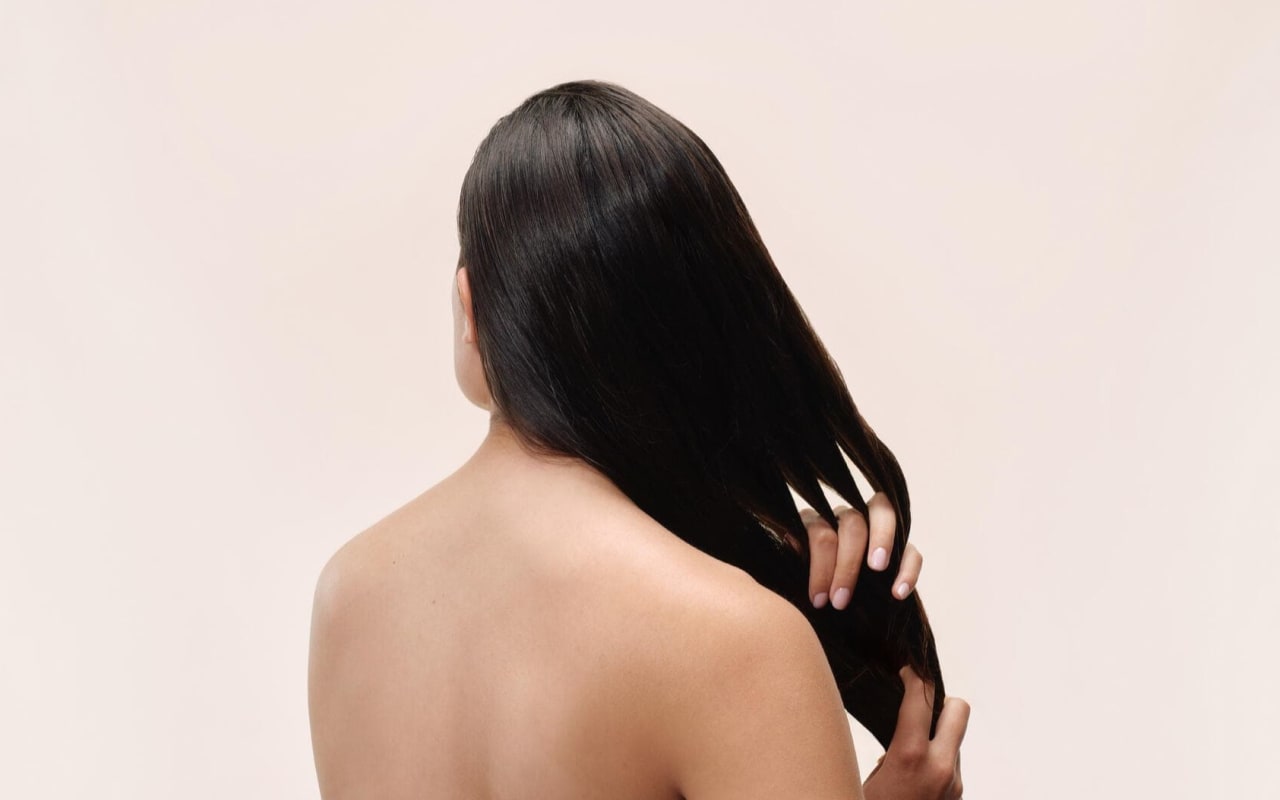
I have fine hair – how can I give it more volume without weighing it down?
Published on: Monday, June 29, 2026, Updated on: Wednesday, September 30, 2026
If you have fine hair, the quest for volume is probably your number one hair concern. To add volume to fine hair without weighing it down, the most important thing is to choose lightweight formulations and the right styling techniques. The aim is to alter the mechanical behaviour of your hair fibres, since you can’t change their biology. A volumising routine is based on a key concept in trichology: increasing your hair’s flexural stiffness. Discover the products and techniques that will help to give flat hair a new lease of life.
Contents
Related products
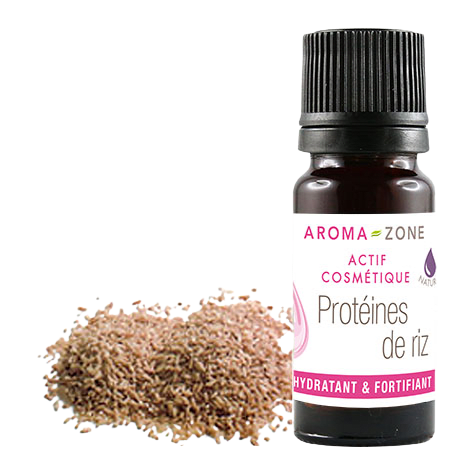
Hydrolysed Rice Protein Active Ingredient
Hair strengthening
£2.00
10 ml
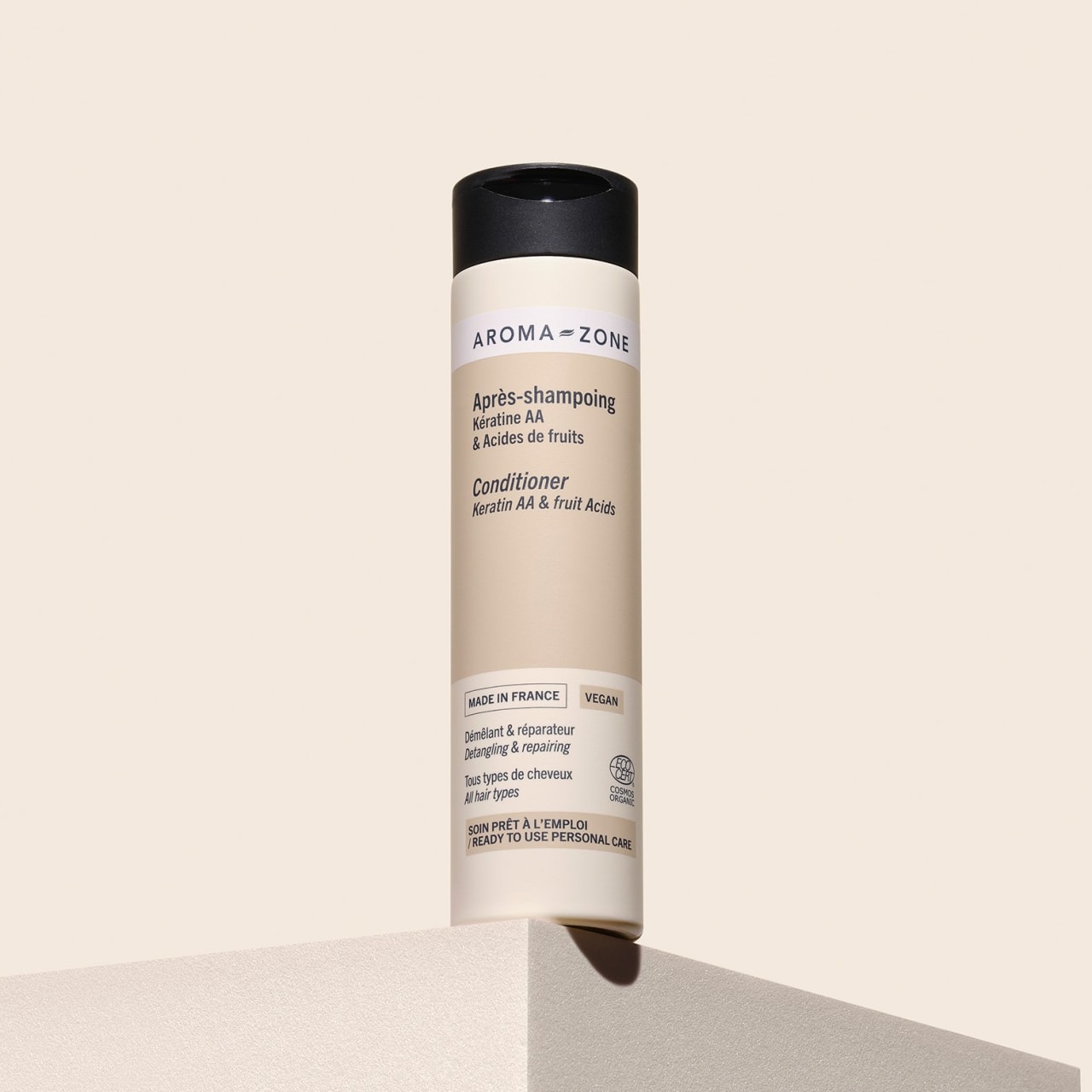
Keratin AA & Fruit Acids Detangling and Repairing Conditioner
Repairing
Detangling
£9.00
200 ml
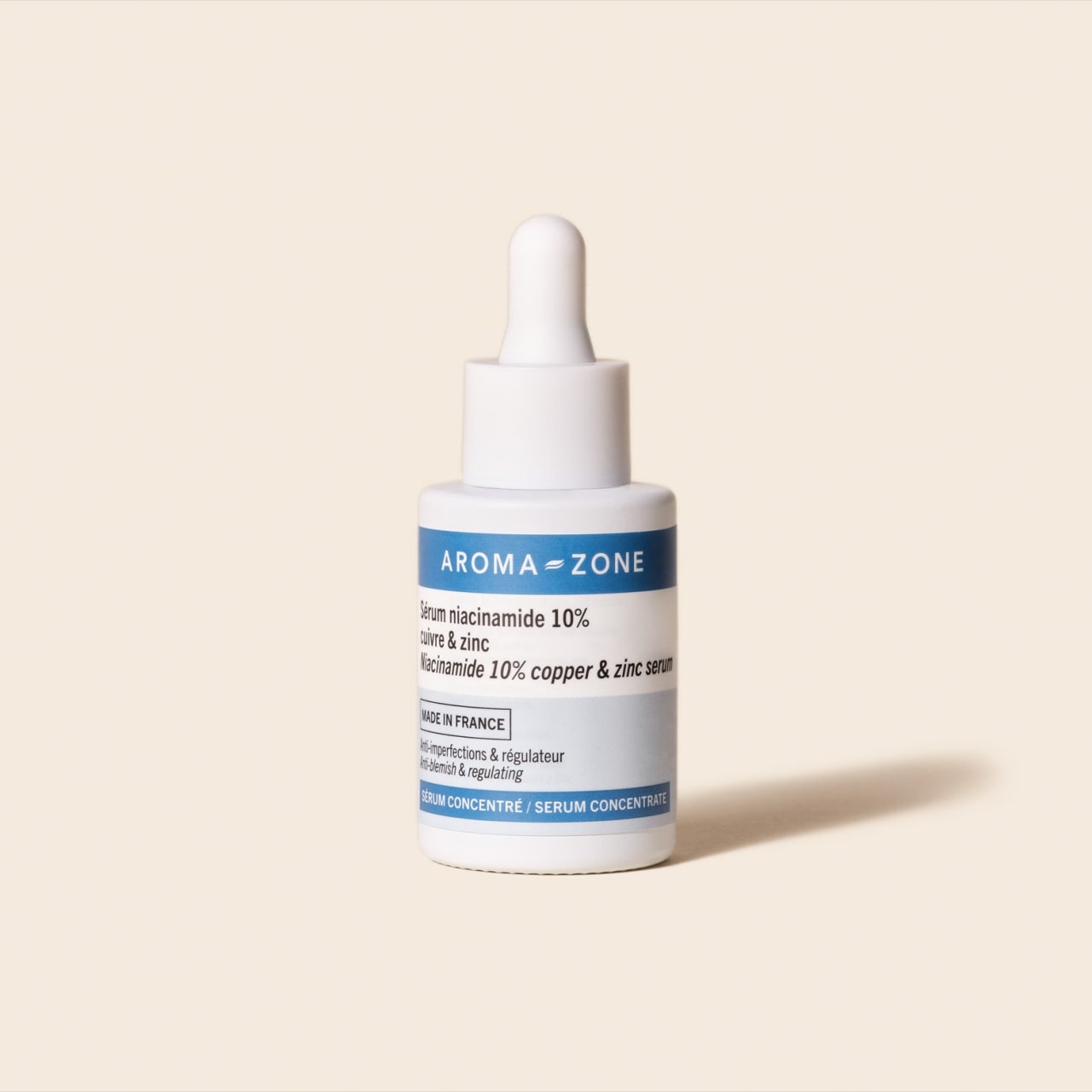
Niacinamide 10%, Copper & Zinc Serum
Anti-blemishes
Sebum-regulating
£8.00
30 ml
4 options
£20.00
1 article
£7.00
1 article
In brief
In short:
Fine hair lacks volume because it bends too easily.
Increasing volume requires, in particular, boosting stiffness and friction.
Water-based volumising sprays and texturising powders deliver good results in terms of volume without weighing the hair down.
Why is my fine hair flat and lacking in volume?
Volume results from a balance between the forces your hair exerts on one another.
The volume of your hair depends on several interrelated factors, and your hair’s diameter is probably the most important of these, ahead of your hair density (1).
However, you don’t have flat hair simply because your hair shaft lacks thickness. The proof: some people have fine hair but good hair density, which allows them to achieve perfectly satisfactory volume. In reality, your hair lies flat because this creates a specific physical characteristic in the way your hair fibres behave.
When we talk about volume, we shouldn’t think of the hair as an isolated factor; rather, we should view it as a piece of a fibre puzzle. It is the way the fibres behave when they come into contact with one another that determines the level of volume in your hair. And these interactions themselves depend on the individual mechanical properties of the hair fibres; volume is, in a sense, a chain reaction.
Does having fine hair necessarily mean less rigidity?
Fine hair lacks volume because it sags under its own weight or under external forces.
We were just talking about the physics of hair fibres. In this case, when the hair shaft is fine, it is much less rigid than a thick fibre. This is based on a very specific concept: that of flexural rigidity, which has been the subject of numerous experimental studies (2). It allows us to quantify the resistance of a fibre (such as a hair) when we try to bend it. And in this equation, the diameter of the fibre is raised to the power of four. This means that the diameter of the hair influences its rigidity mechanically: the finer it is, the less rigid it is.
In practical terms, imagine that your fine hair is a copper wire. You bend this copper wire into shape, then attach a small weight to one end to mimic the effect of gravity. What happens is that the wire will bend very easily, because it is not rigid enough to resist the bending. Conversely, if you repeat the same experiment with a wire or a copper wire of a larger diameter, it will resist deformation more effectively, in the same way as a thick hair.
It is precisely this mechanism that explains why your fine hair looks flat. As it lacks rigidity, it tends to lose its shape and follow the direction dictated by gravity. It therefore lies flat against your scalp, whereas volume requires a vertical lift. This is also why your volumising blow-dries lose their shape very quickly.
Does less rigidity automatically mean less volume?
Fine hair and a supple hair fibre give the hair a compact appearance.
The fact that fine hair lacks rigidity also influences how it interacts with the other hairs in your head of hair. This was demonstrated by an experiment conducted by Raymond E. Goldstein (3). The experiment shows that a ponytail retains its characteristic shape thanks to a balance between the weight of the hair, its natural curvature and the collective behaviour of the hair fibres.
In the case of fine, flat hair, these interactions can take the form of friction, compression or simple points of contact. For example, less rigid strands that come into contact with one another deform each other. They will therefore impart a similar movement that will mechanically reduce the space between the strands, ultimately giving your hair a more compact appearance. However, this is the opposite of the airy volume you wish to achieve.
Good to know: issues related to hair stiffness, particularly the lack of volume, are not exclusive to fine hair. If you have damaged hair (due to colouring, bleaching, straightening, perms, etc.), your hair shaft may be stiffer than before.
How can you achieve volume if you have fine hair?
You need to alter the hair fibre’s ability to deform and its interactions with other fibres.
It’s not the lack of thickness that you need to target, but rather the mechanical behaviour of your hair fibres as a whole. The aim in gaining volume is to alter this behaviour. The result will always be temporary; but for a night out or just for fun, it’s well worth the effort.
Increase your hair’s stiffness. To do this, use volumising products that contain film-forming polymers, such as pullulan, acacia gum, alginates or hydrolysed proteins. As they dry on the hair, they form a sort of coating that modulates the fibre’s resistance and its ability to be shaped (4).
Use the right blow-drying techniques. If you’re using a volumising styling product (particularly one containing polymers), remember to shape your hair and create the desired movement before the product has had time to dry and set. To maximise the volume of your fine hair, focus in particular on drying your hair upside down, lifting the roots, using rollers and round brushes.
Prevent excess sebum. Sebum is essential for maintaining shiny, healthy-looking hair. However, when it flows down the hair shaft in excessive quantities, it can cause strands to stick together and reduce the perceived volume. Adjust how often you wash your hair to find the right balance between lightness in the lengths and scalp comfort. Between washes, use a dry shampoo to absorb the excess sebum whilst restoring a little volume-boosting friction between the hair fibres.
Don’t overuse conditioners. Conditioning formulas are, in a way, the enemies of your natural volume. Their primary purpose is to lubricate the hair: they form a thin film designed to make the hair softer, shinier and easier to detangle (5). In other words: they reduce friction, so your hair ends up sliding and flattening against each other.
Which haircare treatments and styling products add volume without weighing the hair down?
Should you really avoid ingredients that are too ‘heavy’?
No, there are no ingredients that can, on their own, weigh down fine hair.
We sometimes hear that fine hair must absolutely avoid silicones, cationic agents such as quats, or even butters and certain ‘heavy’ plant-based oils. The reason? They are said to leave a film on the hair’s surface that weighs down the hair shaft and saps its natural volume.
Many of these recommendations are based on misconceptions and lack solid scientific evidence. In reality, if you have fine hair and are looking for volume, it would be simplistic to tell you to banish this or that ingredient from your bathroom. Of course, this can give you a starting point, but it would be a shame to choose your haircare products solely on this basis. A haircare product isn’t just a list of individual ingredients; it’s primarily about synergies and formulation. And it’s this last point, in particular, that you should pay attention to.
So, which volumising products should you choose?
Water-based formulas (lotions, volumising sprays and styling mousses) and texturising powders are the best options for adding volume to fine hair without weighing it down.
Generally speaking, it’s best to opt for predominantly water-based formulations, as these are the lightest. These include moisturising sprays, detangling sprays, volumising sprays, styling mousses and lotions. You can also choose serums, provided they are water-based or formulated with a relatively volatile base. Conversely, use creams, balms and oils more sparingly.
Another formulation to consider is texturising powders, which are almost essential for fine hair. Unlike mousses, which primarily add body, these powders alter the surface interactions between the hair fibres and effectively increase friction, which widens the space between the fibres. The result? Your hair appears to ‘breathe’ and looks instantly more voluminous. If you’re prone to greasy roots, powders are also ideal for absorbing excess sebum and maximising the lightness of your volume between washes.
Don’t forget that ‘build-up’ (residue build-up) is also caused by layering styling products. Therefore, try to stick to a simple routine, without piling on too many products, adopting a minimalist approach.
The trichologist’s advice
"At what point should a loss of volume prompt you to consult a professional rather than simply using more styling products? Hormone-related hair loss generally begins with a gradual thinning of the hair shaft, which leads to a reduction in hair volume. The most important factor to consider is how the condition changes over time. You should seek professional advice if the loss of volume is progressive, persistent and noticeable, despite using suitable hair care products.
There are several warning signs: a ponytail that is gradually becoming thinner, a scalp that is becoming more visible at the parting or the crown (top of the head), hair that appears increasingly fine and brittle, or a sense of reduced density even when the hair is clean and styled. When styling products, volumising powders or changes to your hairstyle are no longer enough to compensate for this loss of volume, it is advisable to seek professional advice."
Dalila Belmokhtar, Doctor of Pharmacy and trichologist @dalilahairscience
Our natural haircare products to help you achieve lighter, more voluminous hair
The following products are perfectly suited to fine hair. Their formulations are light enough to prevent any feeling of heaviness, particularly during the delicate conditioning stage. You can use them separately or combine them as part of a volumising routine.
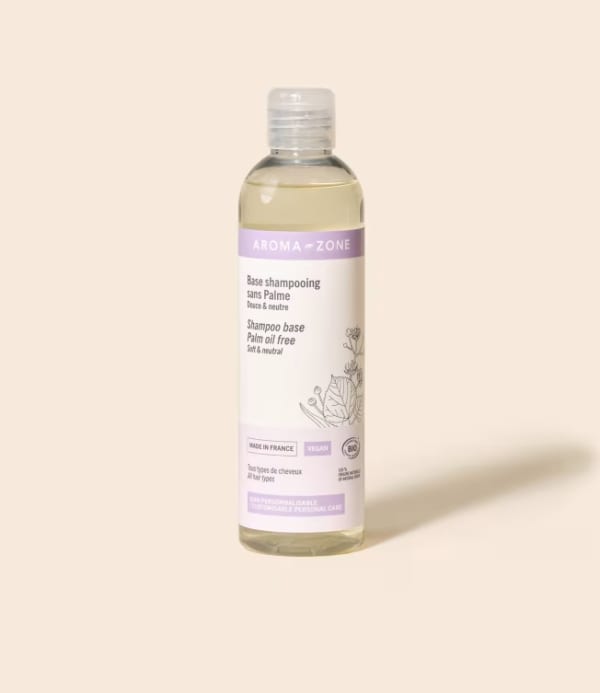
Palm-free neutral shampoo base
Its gentle, sulphate-free formula is suitable for all hair types; it produces a light, airy lather that’s easy to rinse out. You can use it on its own or customise it with our hydrolysed rice protein active ingredient for targeted volume-boosting action right from the shampooing stage (max. 10 ml per 250 ml bottle of shampoo); customisation is recommended for adults only.
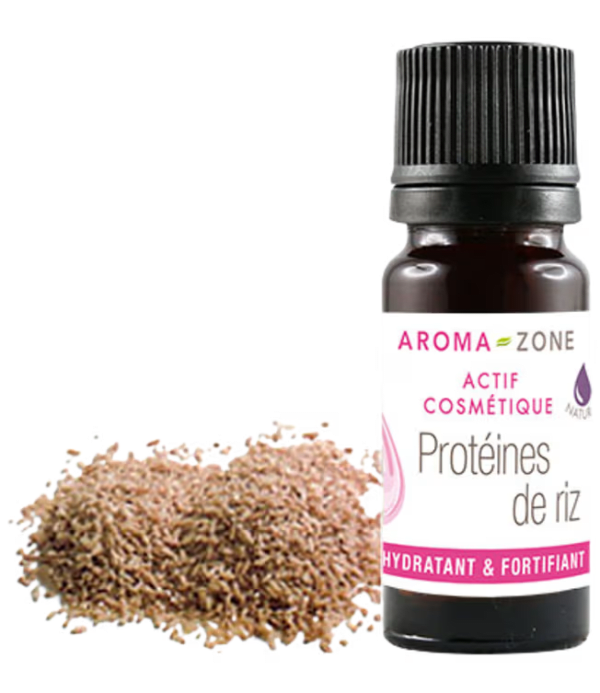
Active Ingredient: Hydrolysed Rice Proteins
This active ingredient is particularly suitable for fine, limp hair lacking volume. Thanks to its moisturising, coating and strengthening properties, it adds volume to the hair and makes it easier to style. Use it to customise our shampoo base or to make a lightweight conditioner. Recommended dosage: 0.5–5 per cent of the total weight of your formulation.
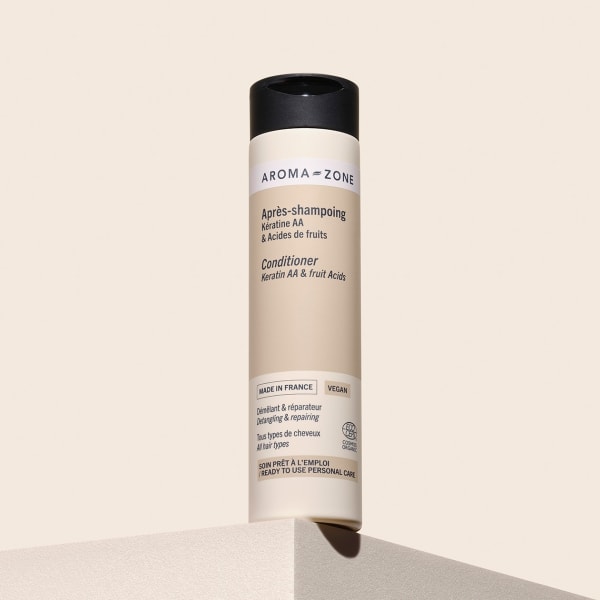
Detangling and Repairing Conditioner with Keratin AA and Fruit Acids
Its silicone-free formula leaves hair shiny, supple and silky, without weighing it down. Thanks to its 100% naturally derived cationic surfactant from beetroot and rapeseed, it preserves the hair’s lightness without any heavy build-up. If you have fine hair, leave it on for just 1 to 2 minutes, applying it only to the lengths and ends.
Discover the AA Keratin and Fruit Acids Detangling and Repairing Conditioner
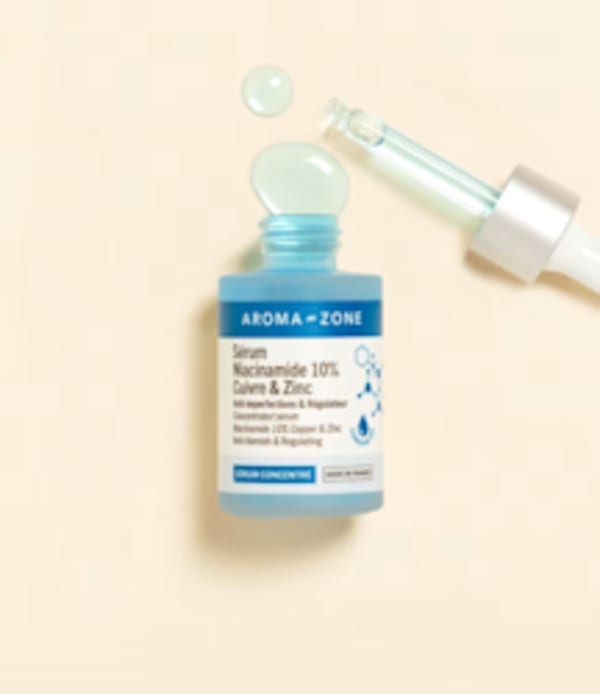
10% Niacinamide, Copper & Zinc Concentrated Serum
When applied to the scalp, this serum helps prevent excess sebum – which is often a factor in hair losing its body – and boosts volume right from the roots thanks to its pro-keratin strengthening effects.
Discover the 10% Niacinamide, Copper & Zinc Concentrated Serum
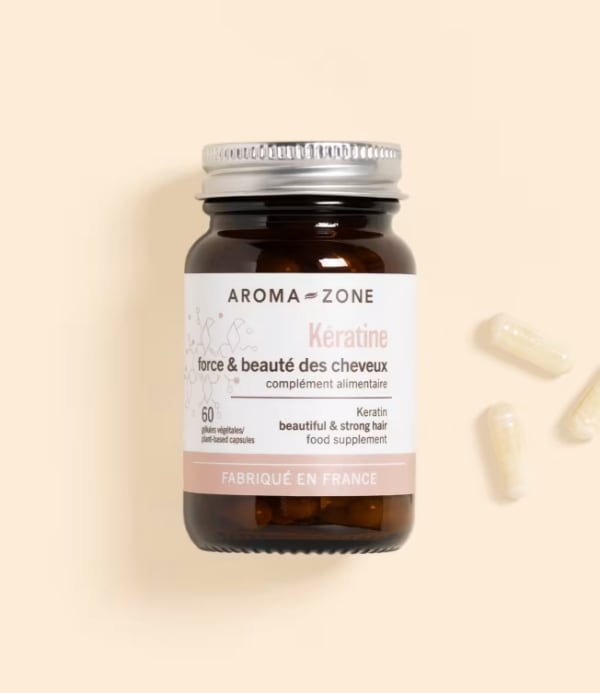
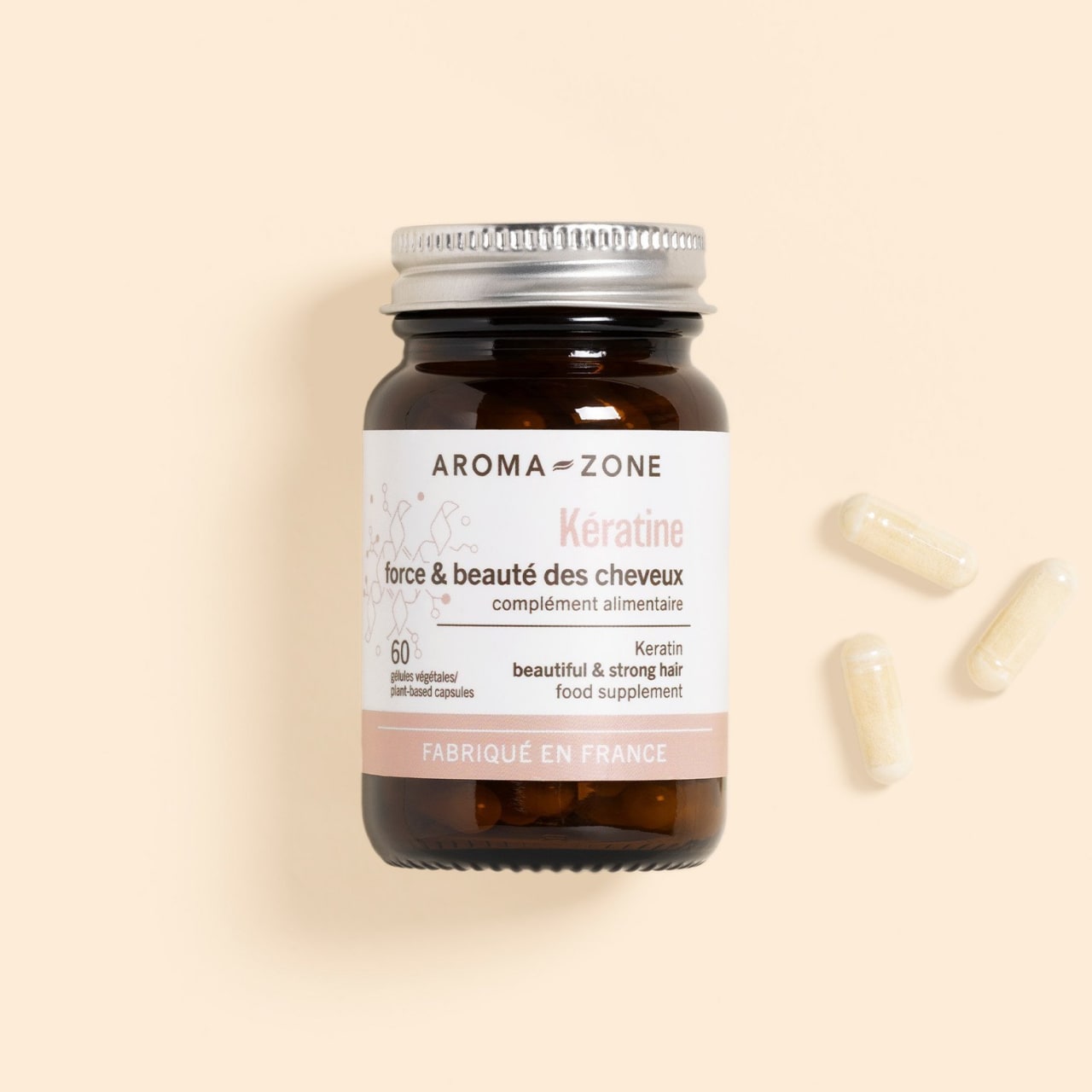
Keratin (dietary supplement)
It contains Cynatine HNS®, a patented active ingredient that increases hair strength, restructures the hair fibre, slows hair loss and promotes healthy growth. It also helps to improve the hair’s shine. Recommended dose: 2 capsules per day. Not recommended for pregnant or breastfeeding women.
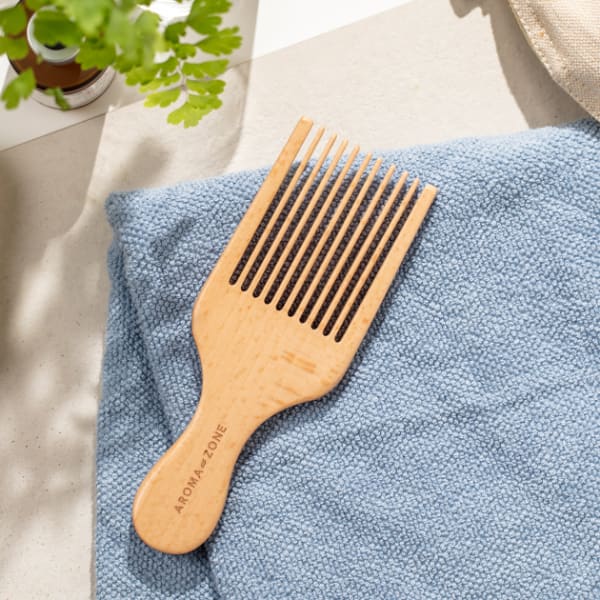
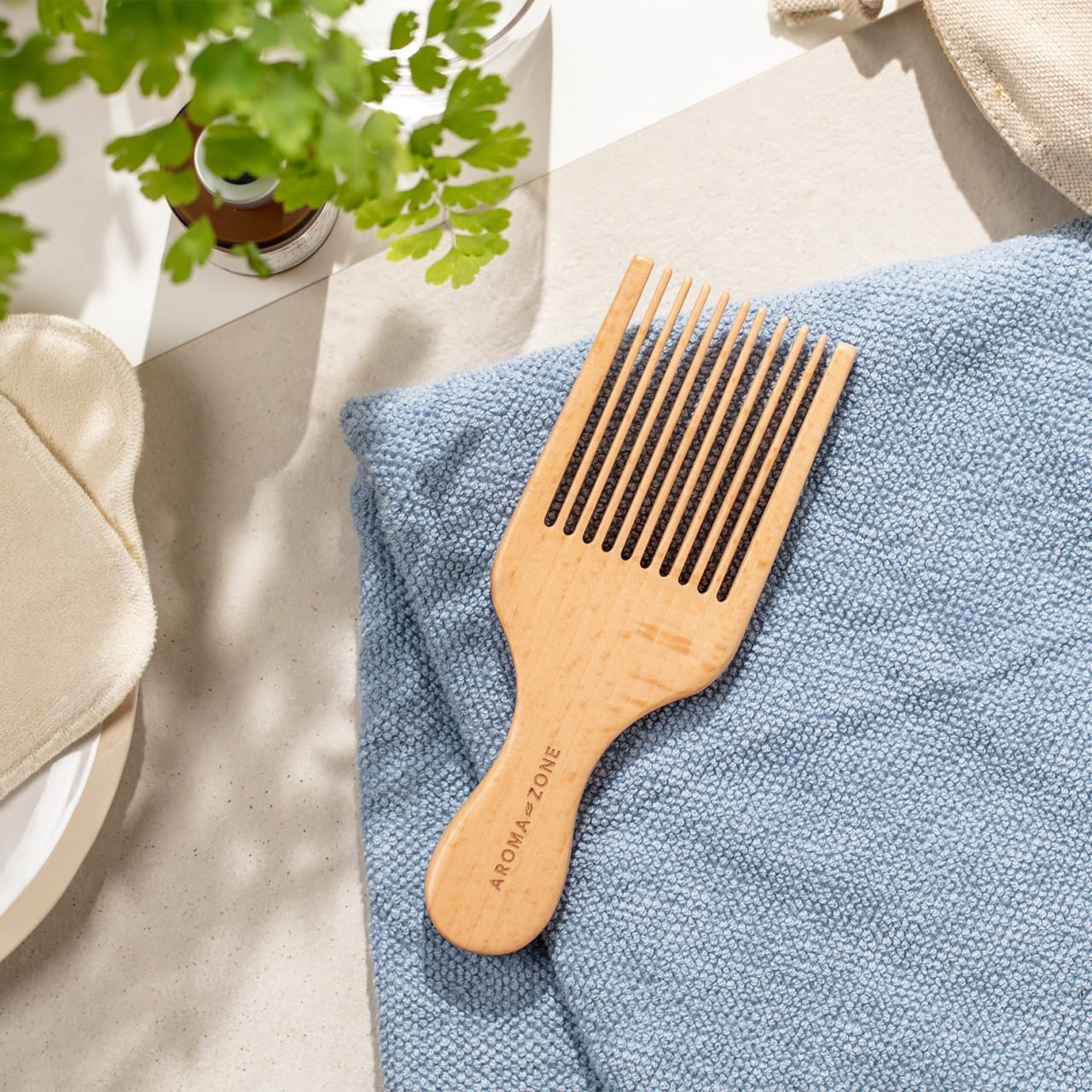
Beechwood Volume Curl Comb
Sourced from sustainably and responsibly managed forests, this accessory is ideal for adding volume to thick, textured hair. It can be used on damp or dry hair. Its long, fine teeth glide easily through the hair to add volume and suppleness to natural curls without damaging them. To add volume to frizzy or curly hair and naturally enhance your curls.
Precautions
The haircare products you apply come into contact with your skin: your scalp, the nape of your neck, your face, your shoulders, your back, etc. As a precaution, always carry out a sensitivity test before incorporating a new product into your haircare routine, even if it is a natural and/or organic product. Apply a small amount of the product to a hidden area of skin, such as the crook of your elbow. Wait 48 hours to check for any adverse reactions (redness, irritation, itching, a burning sensation, etc.).
Expert advice
Even with a minimalist routine, excess sebum, pollution particles and product build-up will always eventually accumulate on your hair cuticle. Fine hair is affected more quickly than other hair types, which automatically weighs it down. To prevent this, consider using a clarifying shampoo from time to time. It helps to strip your hair shaft (almost) bare.
Focus on Our Writer: Hélène Betoux

Hélène Betoux is a French beauty journalist specialising in web media. Every day she writes tips, advice, and guides to help consumers choose the right beauty products. With a strong interest in natural, organic, and clean cosmetics, she analyses and shares trends and innovations in the sector.
Bibliography
Hu D, Tu P, Yang S. Comparison Between Trichoscopic and Histopathological Evaluations of Hair Parameters.
Clin Cosmet Investig Dermatol. 10 May 2022;15:843–849. doi: 10.2147/CCID.S365670. PMID: 35592733; PMCID: PMC9113037.
Cloete E, Khumalo NP, Van Wyk JC and Ngoepe MN (2019) Systems Approach to Human Hair Fibres: Interdependence Between Physical, Mechanical, Biochemical and Geometric Properties of Natural Healthy Hair.
Front. Physiol. 10:112. doi: 10.3389/fphys.2019.00112
Goldstein RE, Warren PB, Ball RC. Shape of a ponytail and the statistical physics of hair fibre bundles.
Phys Rev Lett. 17 Feb 2012;108(7):078101. doi: 10.1103/PhysRevLett.108.078101. Epub 13 Feb 2012. PMID: 22401258.
McMullen RL, Gillece T. Development of a three-point cantilever bending technique to study the mechanical properties of hair styling ingredients.
Skin Res Technol. 2023 Jan;29(1):e13256. doi: 10.1111/srt.13256. PMID: 36704888; PMCID: PMC9838769.
Gavazzoni Dias MF. Hair cosmetics: an overview.
Int J Trichology. 2015 Jan–Mar;7(1):2–15. doi: 10.4103/0974-7753.153450. PMID: 25878443; PMCID: PMC4387693.
Frequently Asked Questions
Associated tips
Hair care tips


