How Can You Fight Foot Odour?

How Can You Fight Foot Odour?


By Amandine Granger

Published on: Monday, May 27, 2024, Updated on: Friday, October 30, 2026

Smelly feet, even after washing, are a common and embarrassing problem for many people. Despite regular hygiene, the unpleasant odour often persists due to a combination of excessive sweating and bacterial growth.

This can be uncomfortable and affect self-confidence. Fortunately, natural solutions exist to combat smelly feet. In this article, we share effective natural remedies to keep your feet fresh and odour-free.

Contents

Related products

Why do feet smell?

The unpleasant odours that sometimes emanate from our feet are caused by bacterial growth. These bacteria feed on our dead skin cells and then secrete waste products responsible for foul odours.

But why do these bacteria thrive so much on our feet? First and foremost, it's important to know that these microorganisms are naturally present on the surface of our skin. The ideal conditions for them to multiply are heat, moisture and darkness. Feet enclosed in shoes are therefore a paradise for them.

In fact, the accumulation of sweat creates an environment that is extremely conducive to bacterial growth. And the parts of the body with the most sweat glands, which are responsible for sweat secretion, are the feet.

Skin fungal infections, poor hygiene and excessive sweating are factors that exacerbate foot odour. Taking care of your feet every day helps fight this type of discomfort.
What causes excessive foot sweating?

The more your feet sweat, the more bacteria multiply, and the worse they smell. Excessive sweating is therefore the main cause of unpleasant odours. The most common causes of excessive foot sweating are:

  • Wearing ill-fitting shoes: Shoes that are too small, too tight or lack ventilation prevent sweat from evaporating. The buildup of sweat and heat creates an Amazon rainforest-like environment, ideal for bacteria.

  • Hormonal changes: Puberty, pregnancy and menopause cause significant hormonal fluctuations. Changes in hormone levels affect body temperature and the activity of sweat glands, which can lead to increased sweating.

  • Hyperhidrosis: This condition causes excessive sweating, typically localised in the armpits, hands and feet. It is likely caused by a nervous system disorder that overstimulates the sweat glands. Discover our natural solutions to combat excessive sweating.

  • Stress: When under significant stress, our body releases large amounts of adrenaline and noradrenaline. These two hormones contribute to sweat production by activating the sweat glands.

  • Genetic factors: Excessive sweating often affects several members of the same family.

Why do feet still smell even after washing?

Having smelly feet, even after washing them, can stem from several causes. Most often, this is due to:

  1. Insufficient cleaning: Just hopping in the shower isn’t enough. To get rid of foot odour, you need to eliminate the bacteria on your skin. To do this, you must scrub thoroughly, especially between your toes.

  2. Shoes that are still damp: Perhaps your shoes haven’t had time to dry completely since the last time you wore them. And when you put them back on, even with clean feet, the conditions are already ripe for bacteria to grow. As a result, the unpleasant odours return very quickly.

How to get rid of foot odour? Natural solutions.

To eliminate foot odor naturally, you need to adopt a two-pronged strategy: reducing sweating and eliminating bacteria on your feet and in your shoes.

Take Foot Baths to Cleanse the Skin

To purify the skin, nothing beats foot baths. Plus, they also help stimulate blood circulation, relieve tired feet, and give you a little moment of relaxation.

Green Tea Foot Soak: Green tea contains tannins with astringent properties that help regulate perspiration. To enjoy its benefits, steep 3 or 4 tea bags in 2 L of water and soak your feet for 20 minutes.

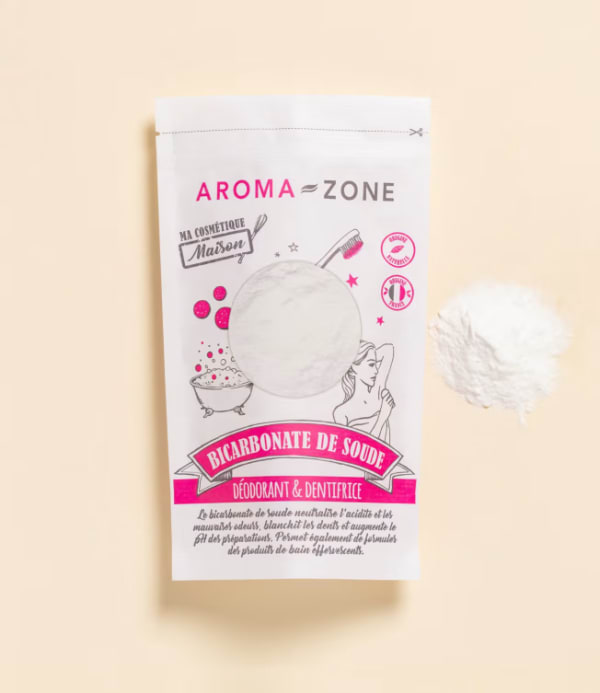
Baking Soda Foot Bath: Baking soda is a very effective natural deodoriser. It is therefore an excellent product for eliminating foot odour. It also softens the skin and helps remove dead skin cells. Use 1 tablespoon per 2 liters of water.

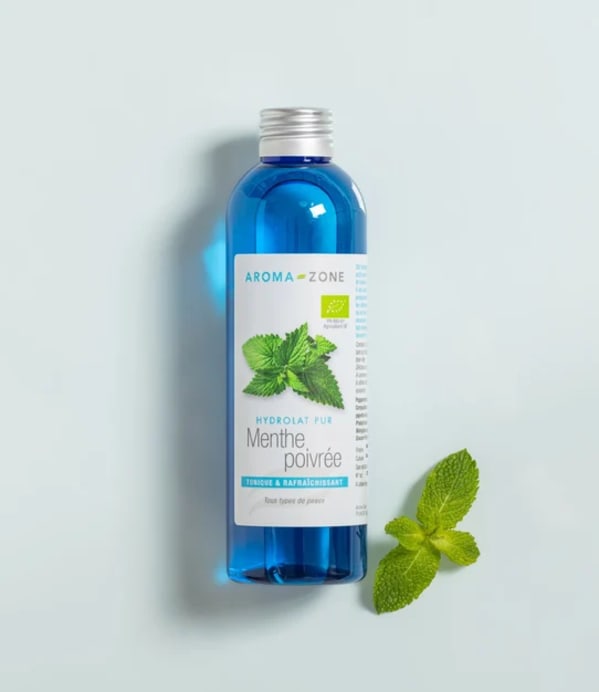
Foot Baths with Hydrosols: Peppermint hydrosol is known to help regulate excessive sweating. Palmarosa hydrosol, on the other hand, is highly valued for its purifying properties. When used together, they will leave your feet feeling pleasantly clean and refreshed.

Traditional Remedies

Herbal tea: Certain herbs, such as sage, have astringent properties. Drinking herbal tea regularly can help regulate sweating.

Baking soda in shoes: You can also take advantage of baking soda’s deodorising properties for your shoes. Place 1 teaspoon in each shoe and leave for at least 8 hours. The baking soda will absorb excess moisture as well as odours.

Lemon juice: Lemon juice has natural antibacterial and deodorising properties. Pour a few drops into the bottom of your shoes and let them air dry.

What natural products help combat foot odor?

Baking Soda

Its deodorising and purifying properties make baking soda a must-have for combating foot odour. Used in a foot bath, as an ingredient in a deodorant recipe, or to clean shoes, the ways to use baking soda are endless!

Discover our Baking Soda

catalog_hy_palmarosa_1

Palmarosa Hydrosol

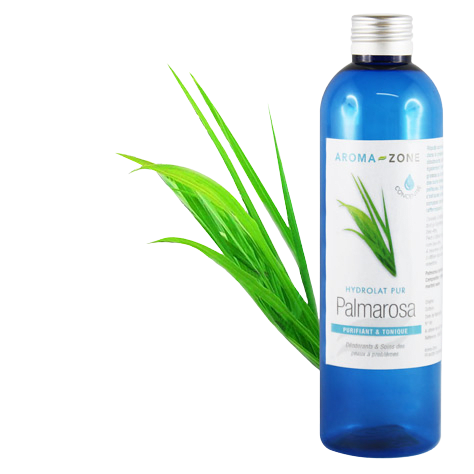
Palmarosa hydrosol is a key ingredient in natural deodorants. Its purifying and cleansing properties help prevent the growth of odour-causing bacteria. You can use it in foot baths, apply it directly to the skin, or incorporate it into a foot deodorant recipe.

Discover our Palmarosa Hydrosol

Organic Peppermint Hydrosol

Peppermint hydrosol is highly valued for its invigorating and refreshing properties. It helps regulate excessive sweating and provides a sensation of lightness in the legs. It perfectly complements the benefits of Palmarosa hydrosol.

Discover our Organic Peppermint Hydrosol

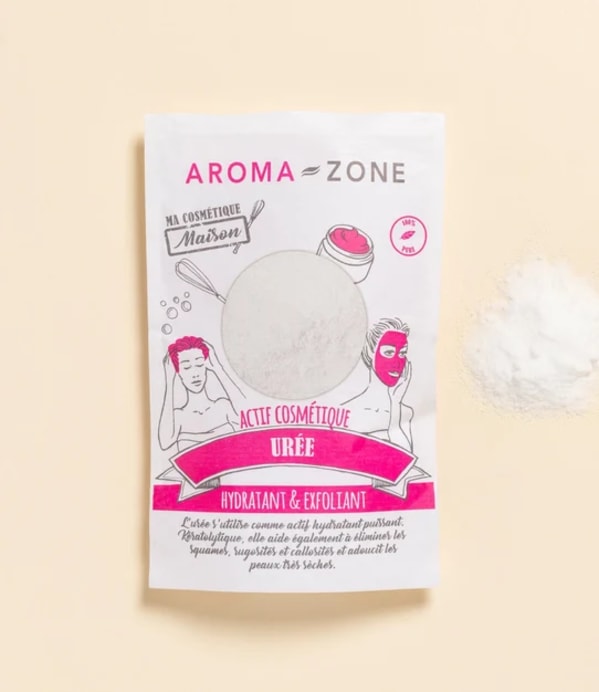
The Active Ingredient: Urea

Both purifying and moisturising, Urea is an ideal active ingredient for naturally caring for your feet. Its exfoliating power helps fight calluses, thereby reducing the food sources for bacteria. When incorporated into your skincare routine, it purifies the skin while leaving it supple and soft.

Discover our Urea Active Ingredient

How can you stop your feet from smelling? What steps should you take?

Here are our recommendations to help you prevent foot odor.

  1. Wash your feet daily and after every workout. You can use a soap rich in antibacterial ingredients to prevent your feet from still smelling bad after washing. Be sure to dry them thoroughly, especially between the toes, to prevent moisture buildup.

  2. Regularly remove dead skin using a pumice stone or foot file. Bacteria feed on dead skin cells. By exfoliating your skin once a week, you limit their growth. You can also perform foot scrubs. 

  3. Wear breathable shoes that allow sweat to evaporate. We also recommend alternating your shoes to allow them to dry properly between uses.

  4. Choose cotton socks , which absorb moisture unlike synthetic materials. Don’t hesitate to change your socks several times a day if they become too damp.

  5. Apply foot deodorant daily.

Our natural recipes to stop foot odour

With these 3 recipes, create natural treatments with highly effective ingredients to stop foot odour:

Smelly feet and natural solutions: what precautions should you take?

In general, we recommend always performing a skin test before using a new product. This allows you to check that you are not sensitive or allergic to it.

  • Hydrosols are pure products, free of preservatives. As a result, they should be stored in the refrigerator and can be used for up to 6 months after opening.

  • Palmarosa hydrosol is not recommended for pregnant women.

Expert Tip

If you're keeping up impeccable hygiene and the problem persists, we recommend consulting a doctor. A very strong, unpleasant odour can sometimes be a sign of pitted keratolysis, a foot infection that gives the skin a white, cracked appearance. If you'd like to see a healthcare professional, the best approach is to book an appointment with your GP, who can then refer you to a podiatrist or dermatologist depending on what they feel is most appropriate.

Spotlight on Our Specialist Writer, Amandine Granger

Amandine is a writer specialising in natural health. Passionate about alternative medicine, she is currently training to become a naturopath. Through her articles, she shares her knowledge in an accessible way, helping readers explore simple ways to bring more balance and wellbeing into their everyday lives.

Bibliography

  1. https://www.magazine-avantages.fr/en-finir-avec-les-pieds-qui-sentent-mauvais,192670.asp

  2. https://www.aroma-zone.com/page/pieds-qui-sentent-mauvais-causes-et-astuces-naturelles

  3. https://cliniquepodiatriquedelaval.com/pieds-qui-puent/

Frequently Asked Questions

Frequently Asked Questions