Canker Sores: Soothing Them Naturally

Canker Sores: Soothing Them Naturally


By The Aroma-Zone editorial team

Published on: Thursday, April 13, 2023, Updated on: Friday, October 02, 2026

Do you feel a tingling sensation in your mouth? A painful bump? A localised burning feeling? There is a good chance that a canker sore has developed on your oral mucosa.

No need to worry, Aroma-Zone tells you everything you need to know about canker sores: what they are, where they appear, and what causes them. Most importantly, discover what you can do at the first signs, as well as natural preventive and soothing solutions to help care for them. Follow the guide.

Contents

What Is a Canker Sore?

Canker sores are also known as aphthae or aphthous ulcers, terms that stem from the Greek word "haptein", meaning "to burn".

A canker sore is an inflammatory lesion of bacterial or fungal origin. It is characterised by a superficial ulceration of the oral or pharyngeal mucosa.

It can be recognised in the mouth by its round, whitish wound shape, surrounded by a bright red border. Its size varies considerably, averaging between 1mm and 1cm in diameter.

Although painful for a few days, it can sometimes take several weeks to disappear on its own. Aphthosis is the term used to describe the repeated, recurring appearance of canker sores.

Where do canker sores appear?

Canker sores can appear on the inside of the cheeks, the inner surface of the lips, the tongue, or even on the roof of the mouth or gums. They are not contagious.

Why Do We Get Canker Sores?

A number of factors are reported to statistically precede the onset of one or more canker sores:

  • a superficial injury to the oral mucosa (hitting your mouth with a spoon, brushing too vigorously, biting the inside of your cheek, etc.)

  • consumption of certain foods ((nuts, cheeses, etc.)

  • a deficiency in iron, zinc, or vitamins B9 or B12

  • taking certain medications

  • quitting smoking

  • a period of fatigue or intense stress or even hormonal changes

How to Get Rid of a Canker Sore Quickly?

A canker sore usually heals on its own, but using natural remedies can help soothe discomfort and support the healing process. As with many minor ailments, these approaches are most effective when used at the very first signs of a canker sore, such as tingling sensations or the beginning of an ulcer forming.

Pay attention to any early sensations and choose the natural remedies that best suit your needs from the options listed below.

5 Natural Remedies for Canker Sores on the Tongue, Mouth, or Lips

Aroma-Zone has put together a list of the 5 main natural remedies that may help soothe canker sores, support faster healing, and potentially reduce the frequency of recurrences.

1. Baking Soda: The Classic Home Remedy for Canker Sores

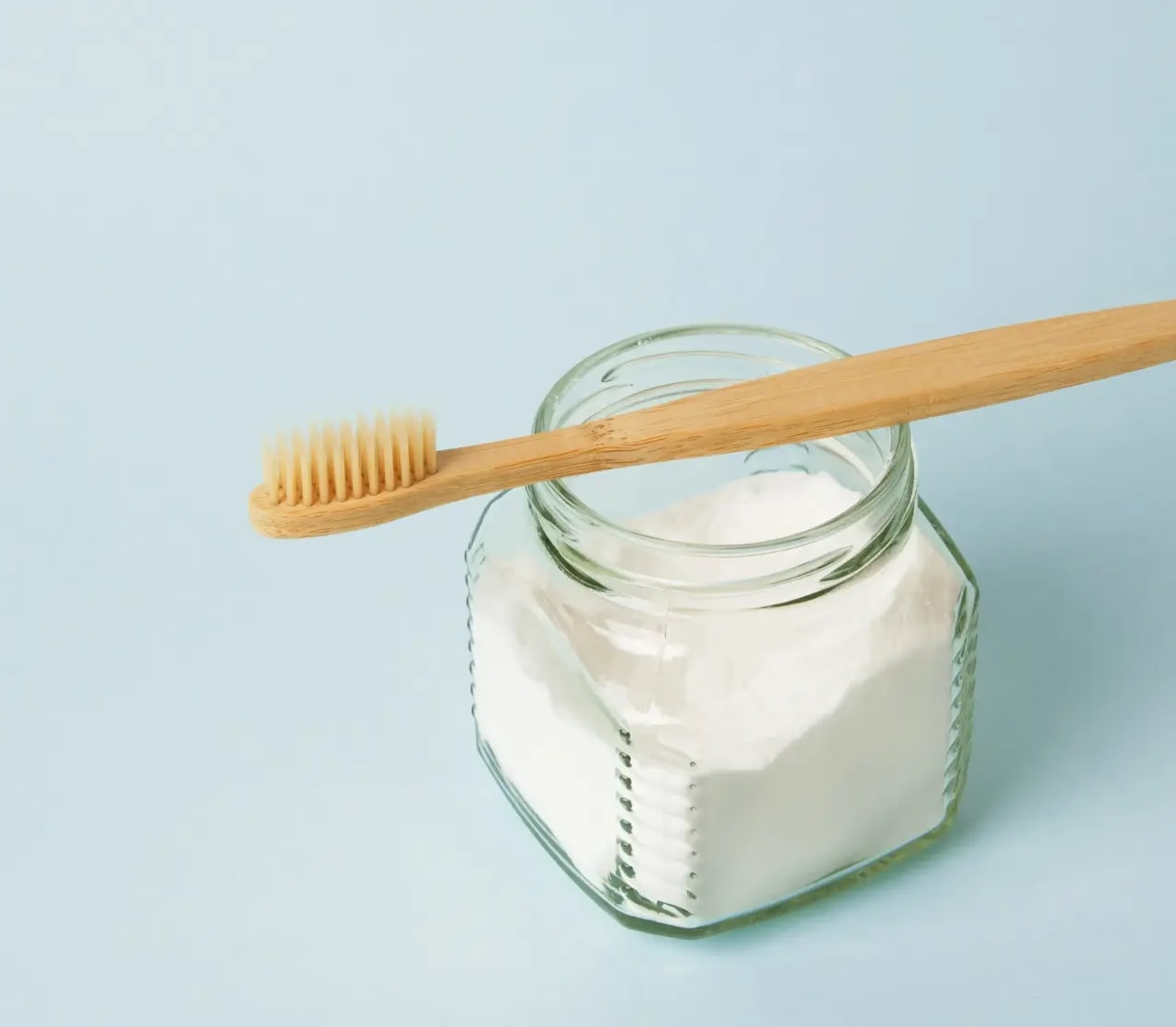
By locally rebalancing the pH, limiting bacterial growth, and promoting healing, baking soda is a 100% proven home remedy for canker sores.

How to use it: Mix 1 teaspoon of baking soda in a glass of lukewarm water. Gargle with the solution, then spit it out. Frequency: once a day until the canker sore has disappeared.

2. Probiotics: An Essential Tip to Help Reduce Canker Sores

By helping to support the balance of the oral microbiome, the beneficial bacteria found in probiotic strains (available in pharmacies and health food stores) may help soothe and reduce canker sores.

To use them, the simplest method is to open a probiotic capsule and apply the contents directly to the canker sore once a day until symptoms improve.

3. Propolis: A Powerful Ally Against Canker Sores

Anti-inflammatory, antibacterial, and antifungal, organic propolis extract applied topically is particularly effective against canker sores.

Apply 1 to 2 drops of propolis extract to the canker sore 2 to 3 times a day, and let it sit for a few minutes without drinking or rinsing your mouth, until the sore has completely healed.

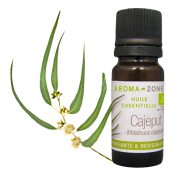
4. Essential Oil Blends Specifically Designed for Canker Sores

Aromatherapy literature describes essential oil blends with antibacterial and antifungal properties that may be used to help care for canker sores, either alone or combined with a healing plant oil macerate.


5. Apple cider vinegar

Apple cider vinegar is a well-known home remedy for many ailments. Rich in enzymes, vitamins, and minerals, it’s an excellent antiseptic and pH regulator. Its ability to kill bacteria can help clear up your canker sore. 

You can use it in several ways: 

  • as a mouthwash: Mix 3 teaspoons of apple cider vinegar into a glass of water, then rinse your mouth with the solution for 30 seconds to one minute. After spitting out the solution, rinse your mouth with water so the vinegar doesn’t damage your tooth enamel. Do this only once a day.

  • Topical application: Apply 1 to 2 drops of apple cider vinegar to a cotton swab, then gently dab the affected area for a few seconds. The apple cider vinegar will gradually cleanse and then heal the canker sore. You can do this 2 to 3 times a day

However, the vinegar may sting when it comes into contact with the canker sore. If this is painful, try another remedy.

Preventing Canker Sores: A Few Steps to Avoid Them

In naturopathy, there are two key areas to focus on to effectively prevent canker sores and recurrent mouth ulcers:

  • promote good digestion: by paying close attention to how you chew your food, its quality, and its quantity, and so on. But also by consulting a healthcare professional to ensure you are not prone to food intolerances (nuts, gluten, etc.) or an underlying yeast infection that could contribute to the chronic recurrence of canker sores

  • strengthen your immunity: by providing the body's natural defences with the support they need (rest, time in nature, rebalancing gut flora, adequate intake of vitamin C, zinc, etc.).

Expert Advice

We often overlook it in our daily lives, but the mouth is the first stage of the digestive process, and a particularly important one.

Although generally harmless, recurrent canker sores should therefore be considered as a potential sign that the digestive system may need attention.

If you frequently experience canker sores, consider reviewing your lifestyle habits with a naturopath and, at the same time, seek advice from your doctor or a gastroenterologist.

Learn more about oral care