6 herbal teas that are good for your skin: restore a radiant and glowing complexion

6 herbal teas that are good for your skin: restore a radiant and glowing complexion


By Camille Clément

Published on: Friday, February 16, 2024, Updated on: Tuesday, October 20, 2026

Having a radiant complexion doesn’t just depend on the skincare products you apply. Hydration, diet and certain herbal teas can also help maintain skin balance. Certain herbal teas for the skin are particularly prized for their antioxidant or soothing properties. When consumed regularly, they can help maintain a more radiant complexion.

Chamomile, Green tea, Rooibos... Discover 6 simple herbal teas to include in your daily routine to support your skin’s natural radiance.

Contents

In brief

  • Herbal infusions such as burdock, wild pansy, nettle or green tea can help improve the skin’s radiance, especially when used alongside a suitable skincare routine and a balanced diet.

  • Their benefits stem from specific properties such as a detoxifying effect or antioxidant action, but their effectiveness depends in particular on the choice of plants and how regularly they are consumed.

  • The article points out that these herbal teas are no substitute for topical skincare products or a healthy lifestyle, and advises caution during pregnancy or whilst undergoing medical treatment, as certain plants may have contraindications.

What is a radiant, glowing complexion?

A radiant complexion is often associated with skin that looks fresh, even-toned and well-hydrated. The skin then reflects light better, giving the impression of natural radiance. Conversely, a dull complexion may appear when the skin lacks moisture, when cell renewal slows down, or when irregularities in texture or colour become apparent.

Radiant skin is often a sign of a healthy lifestyle: adequate hydration, a varied diet, restful sleep and a skincare routine suited to your skin type.

Like any drink, a herbal tea primarily contributes to your daily water intake, which is essential for keeping your skin supple and comfortable. Some plants used in herbal teas also contain polyphenols, flavonoids or other plant compounds naturally found in the plant kingdom. These substances are known for their antioxidant properties, which help maintain the body’s balance in the face of oxidative stress. Incorporating a skin-care herbal tea into your daily routine can therefore be a simple step; however, regular hydration, a varied diet and skincare tailored to your skin type remain the key factors in maintaining a radiant complexion.

Different skin types and imperfections, and their specific needs

Every skin type has its own specific characteristics and may have particular needs to maintain its comfort and radiance. Here are the main skin types and their essential needs:

  • Normal skin: balanced and without any particular problems, it needs regular moisturising and gentle care to maintain its natural radiance

  • Dry and/or dehydrated skin: dry skin mainly lacks lipids, whilst dehydrated skin lacks water. In both cases, this can cause a tight, tight sensation and requires nourishing and moisturising care to support the skin barrier

  • Oily and/or blemish-prone skin: characterised by increased sebum production, it can be prone to blackheads, spots and shine. It requires skincare that helps balance sebum whilst maintaining the skin’s moisture levels

  • Combination skin: this generally combines an oilier T-zone (forehead, nose, chin) with drier cheeks. The aim is therefore to maintain a balance between hydration and sebum regulation

  • Sensitive skin: more reactive to external irritants, it may show signs of redness or feel tight or itchy. Gentle, soothing skincare products are generally preferred

  • Mature skin: over time, the skin may gradually lose firmness and elasticity. It benefits from nourishing and moisturising skincare to maintain its comfort and appearance.

Every skin type can benefit from herbal teas designed to hydrate, purify or soothe the skin from within.

What are the signs of skin lacking radiance?

When the skin loses its radiance, certain signs may appear:

  • Dull complexion: the skin appears less radiant and reflects light less well

  • Uneven skin texture: the skin’s texture may appear less smooth, with more visible pores or a less even surface

  • Lack of hydration : the skin may appear drier, less supple or less comfortable

  • Visible signs of tiredness: the complexion looks duller, particularly when you’re sleep-deprived or stressed

  • Complexion irregularities: certain areas may appear more pronounced or show slight differences in colour.

These signs can be influenced by various factors such as lack of sleep, stress, exposure to pollution, insufficient hydration or a skincare routine that is unsuitable for your skin type.

The 6 best herbal teas for the skin

Certain plants are frequently associated with skin concerns in herbal medicine and nutrition. When brewed as infusions, they can help maintain skin balance and a radiant complexion. Here are a few plants that often feature when discussing skin beauty.

Green tea infusion (Camellia sinensis)

Green tea is rich in polyphenols, particularly catechins. These compounds are studied for their antioxidant activity and their ability to limit certain processes linked to oxidative stress (1). When consumed regularly, green tea is often associated with drinks that promote a radiant complexion and healthy skin.

Rooibos tea (Aspalathus linearis)

Naturally caffeine-free, rooibos is a plant native to South Africa. It contains several polyphenols, including aspalathin and nothofagin. These plant compounds are being studied for their antioxidant properties (2), which explains the popularity of rooibos in drinks associated with skin beauty.

Turmeric Infusion (Curcuma longa)

Turmeric is a spice rich in curcuminoids, compounds known for their antioxidant properties. As a tea, it is often consumed in drinks associated with maintaining the body’s overall balance. It can therefore be incorporated into a routine aimed at preserving a radiant complexion.

Burdock tea (Arctium lappa)

References to Burdock (3) when looking for a phytotherapeutic approach to skin imperfections. Its root contains, in particular, polyphenols and inulin.

Wild Pansy Infusion (Viola tricolor)

The wild pansy is a herbaceous plant whose above-ground parts are used in herbal medicine. It contains, in particular, flavonoids and salicylic derivatives. It is frequently cited as one of the plants associated with blemish-prone skin and oily skin concerns.

Nettle Infusion (Urtica dioica)

The nettle is a plant particularly rich in minerals and trace elements, notably iron, calcium and silica. For this reason, it is often used in routines designed to promote skin balance.

Our product selection

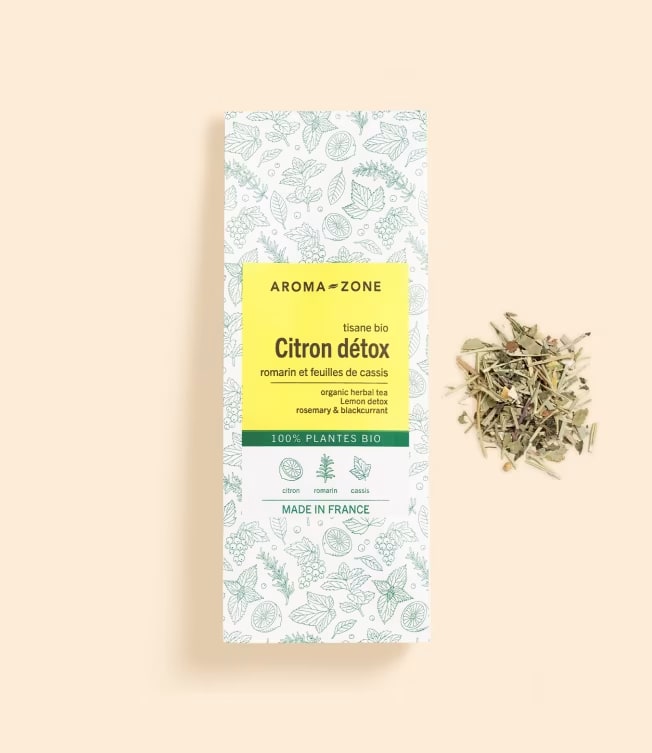
Organic Lemon Detox Herbal Tea

Organic Lemon Detox Herbal Tea

This herbal tea combines several plants known to support the body’s detoxification processes, notably rosemary and stinging nettle. The Rosemary is the main herb in this blend: when brewed as a tea, it is valued for its role in supporting the body’s natural drainage processes. Nettle, also included in the formula, is often mentioned in herbal medicine when discussing natural elimination processes. When discussing skin balance, the role of the digestive and hepatic systems in the body’s functioning is sometimes also mentioned. This is why a herbal tea such as this one can be perfectly incorporated into a skincare routine. Its fresh, lemony flavour makes it a pleasant herbal tea to drink throughout the day.

Discover the Organic Lemon Detox Herbal Tea

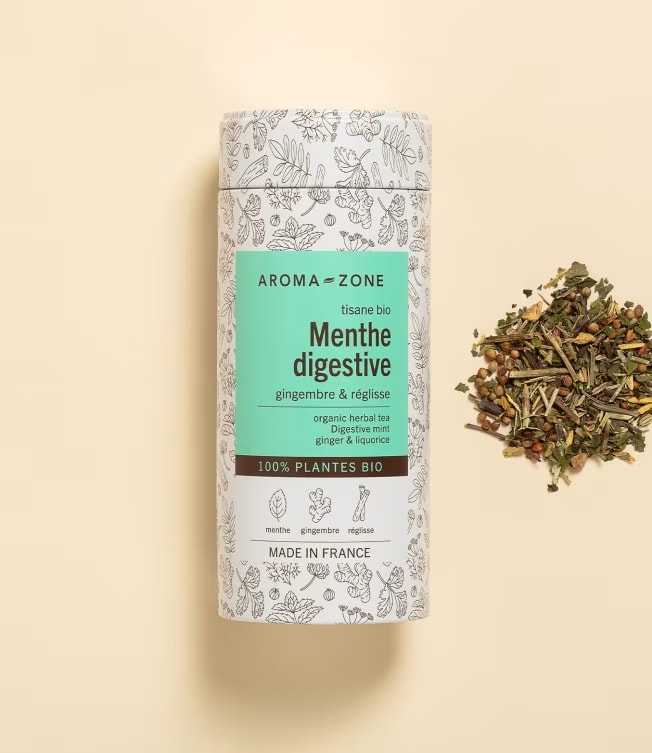
Organic Digestive Mint Herbal Tea

The Digestive Mint Herbal Tea is a blend of herbs known to aid digestion after meals: peppermint, fennel, coriander and ginger. This herbal blend is primarily designed to provide a feeling of lightness and digestive comfort.

Digestion plays a part in the body’s overall functioning, which can also be reflected in the appearance of the skin. With this in mind, some people choose to incorporate digestive herbal teas into their daily routine. The very fresh taste of mint, enhanced by slightly spicy notes, makes this a particularly pleasant tea to enjoy after a meal.

Discover the Organic Digestive Mint Herbal Tea

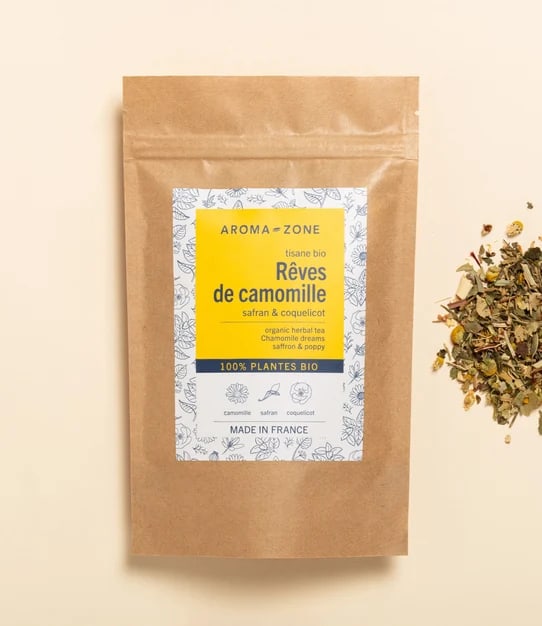
Organic Chamomile Dreams Herbal Tea

With its floral and honeyed notes, the Rêves de Camomille herbal tea is designed to accompany moments of relaxation at the end of the day. It combines several herbs renowned for their soothing effects, such as German chamomile, lemon balm and lime blossom.

Stress and restless nights can sometimes take their toll on the complexion. Taking the time to wind down in the evening, with a gentle and comforting herbal tea, is one of those simple little rituals that contribute to overall balance. In this context, this herbal tea naturally fits into a self-care routine.

Discover the Organic Chamomile Dreams Herbal Tea

Precautions for use

The information presented in this article is provided for informational purposes only and forms part of a holistic approach to wellbeing. It is in no way a substitute for the advice of a healthcare professional. In the event of persistent skin problems, unusual symptoms or any doubts, it is recommended that you seek advice from a doctor or a qualified healthcare professional.

Certain plants may have contraindications or may not be suitable for some people (pregnancy, breastfeeding, ongoing medical treatment, allergies, etc.). In specific circumstances, it is best to consult a healthcare professional before consuming any herbal teas or plants.

Expert tip

If you’d like to incorporate herbal teas into your skincare routine, try varying the herbs throughout the week rather than always drinking the same one. Each herb provides different plant compounds (polyphenols, flavonoids, minerals, etc.). For example, alternating an antioxidant-rich herbal tea such as green tea with more purifying herbs such as nettle or burdock helps to diversify these benefits. In the long term, this variety is often more beneficial than consuming a single herb continuously.

Spotlight on Our Writer: Camille Clément

Camille specialises in writing about beauty, health, and natural well-being. Her passion for these subjects has led her to write for major media outlets, helping readers take a natural, holistic approach to self-care.

Bibliography

  1. Cabrera C., Artacho R., Giménez R. (2006). Beneficial effects of green tea: a review. Journal of the American College of Nutrition, 25(2), 79–99. pubmed.ncbi.nlm.nih.gov/16582024/

  2. Joubert E. et al. (2008). South African herbal teas: Aspalathus linearis, Cyclopia spp. and Athrixia phylicoides. Journal of Ethnopharmacology, 119(3), 376–412. pubmed.ncbi.nlm.nih.gov/18621121/

  3. European Medicines Agency (EMA). (2011). Arctium lappa L., radix – Community herbal monograph. Committee on Herbal Medicinal Products (HMPC). ema.europa.eu/en/medicines/herbal/arctii-radix

Frequently Asked Questions

Frequently Asked Questions