
Meet our producers!
French and international
French and international
At Aroma-Zone, we work with French and international producers to source our raw materials. Roughly half of our raw materials come from Europe. It is important to us to source raw materials as close as possible to their place of origin. That is why we source our argan oil from Morocco and our cacay oil from Colombia. Raw materials from France are also grown and extracted with respect for their natural environment: our fine lavender comes from the high plateaus of the Vaucluse, whilst our helichrysum originates from Corsica. As for the quality of our raw materials: we apply strict selection criteria to our producers to guarantee the highest possible quality. We require our producers to adhere to the responsible sourcing charter and we monitor the quality of all our raw materials. Thanks to this approach, we are able to supply high-quality ingredients while respecting the environment and supporting local, European and international producers. In this article, we would like to shine a spotlight on the committed producers with whom we are fortunate enough to work. These are profiles of 10 passionate plant growers.
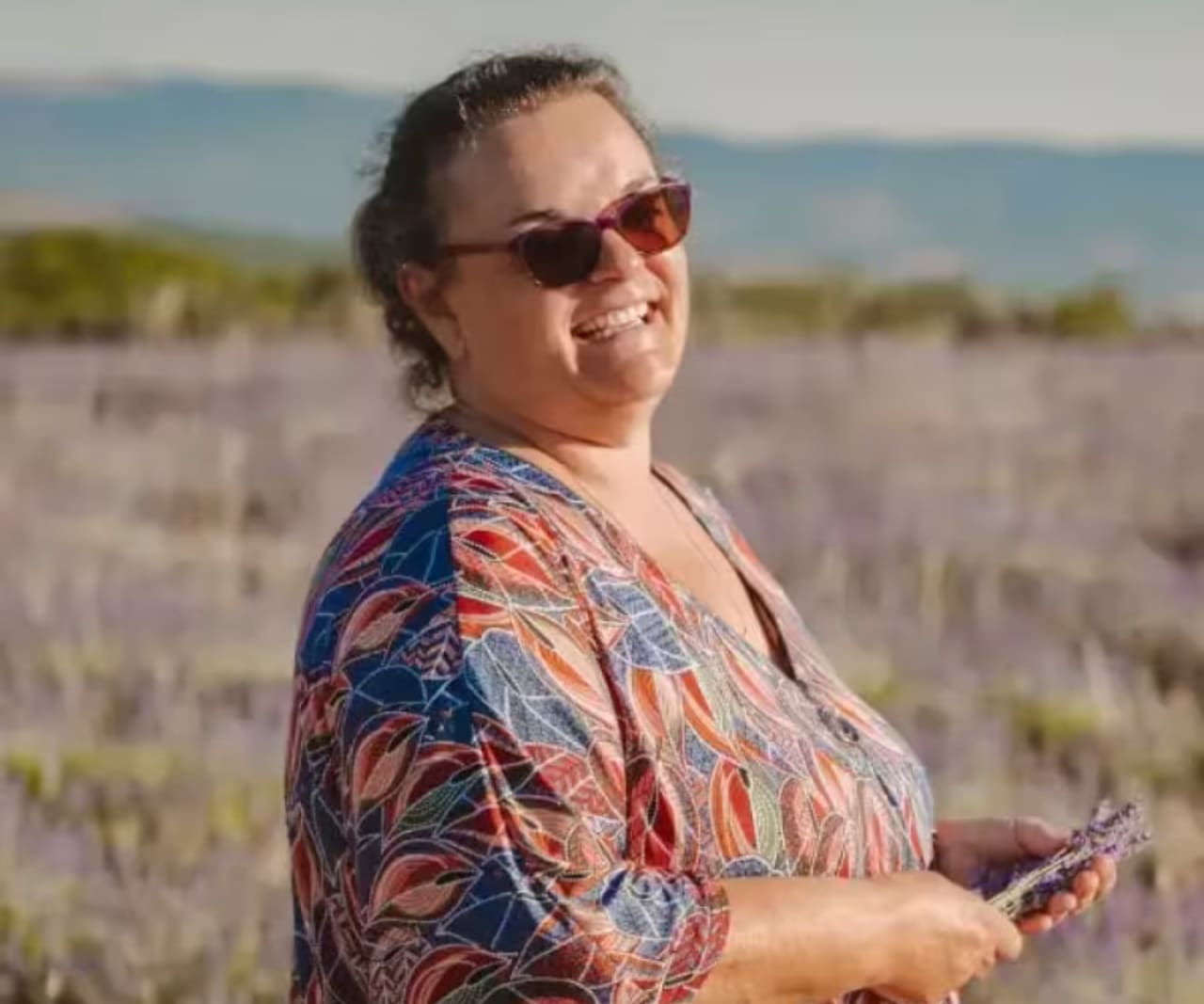
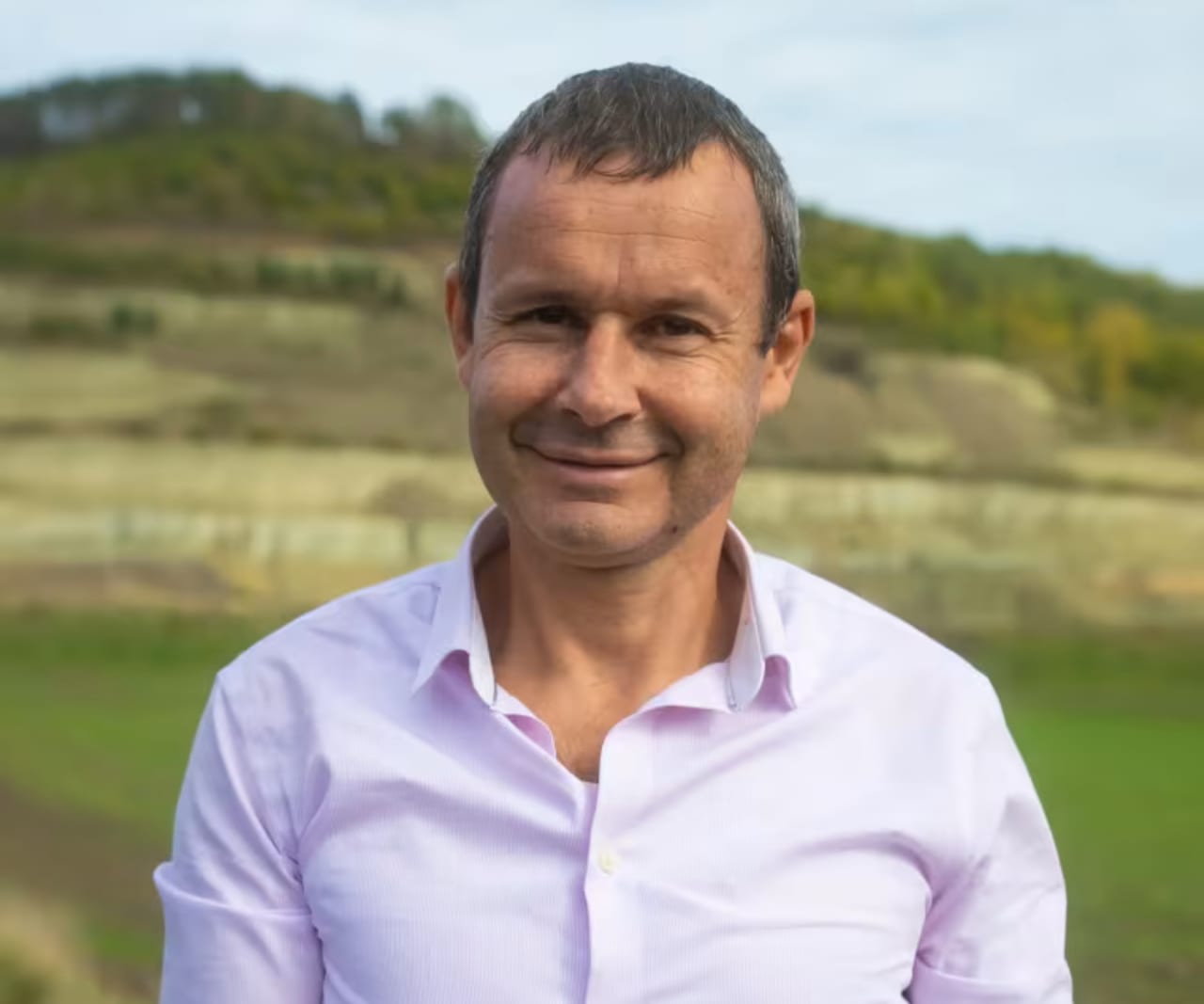
“Our lavender is exceptional not only for its molecular composition and fragrance, but also for the way it is grown with respect for nature. My husband’s father, Maurice Fra, converted our farm to organic farming back in 1979.”
The Fra family works in Lagarde d’Apt, between Mont Ventoux and the Luberon, continuing an ancient tradition spanning seven generations. Their wild lavender is grown at an altitude of over 1,100 metres, on the highest plateau in the Vaucluse. In fact, only lavender grown at altitudes between 600 and 1,200 metres is eligible for the ‘Lavande fine’ PDO.
When the farm was first established in 1880, the lavender was distilled on site using mobile stills and horses. Today, Christine also oversees a dedicated distillery.
“Lavender teaches patience: you have to learn to live at its pace; it is sown in the autumn and we only harvest it four years later.”
Lavender essential oil was already being used in Roman times to perfume clothes and homes. An essential pillar of aromatherapy, it helps combat stress, promotes sleep, relieves headaches and soothes insect bites.
If you’d like to find out more about Christine Fra, read her story here.
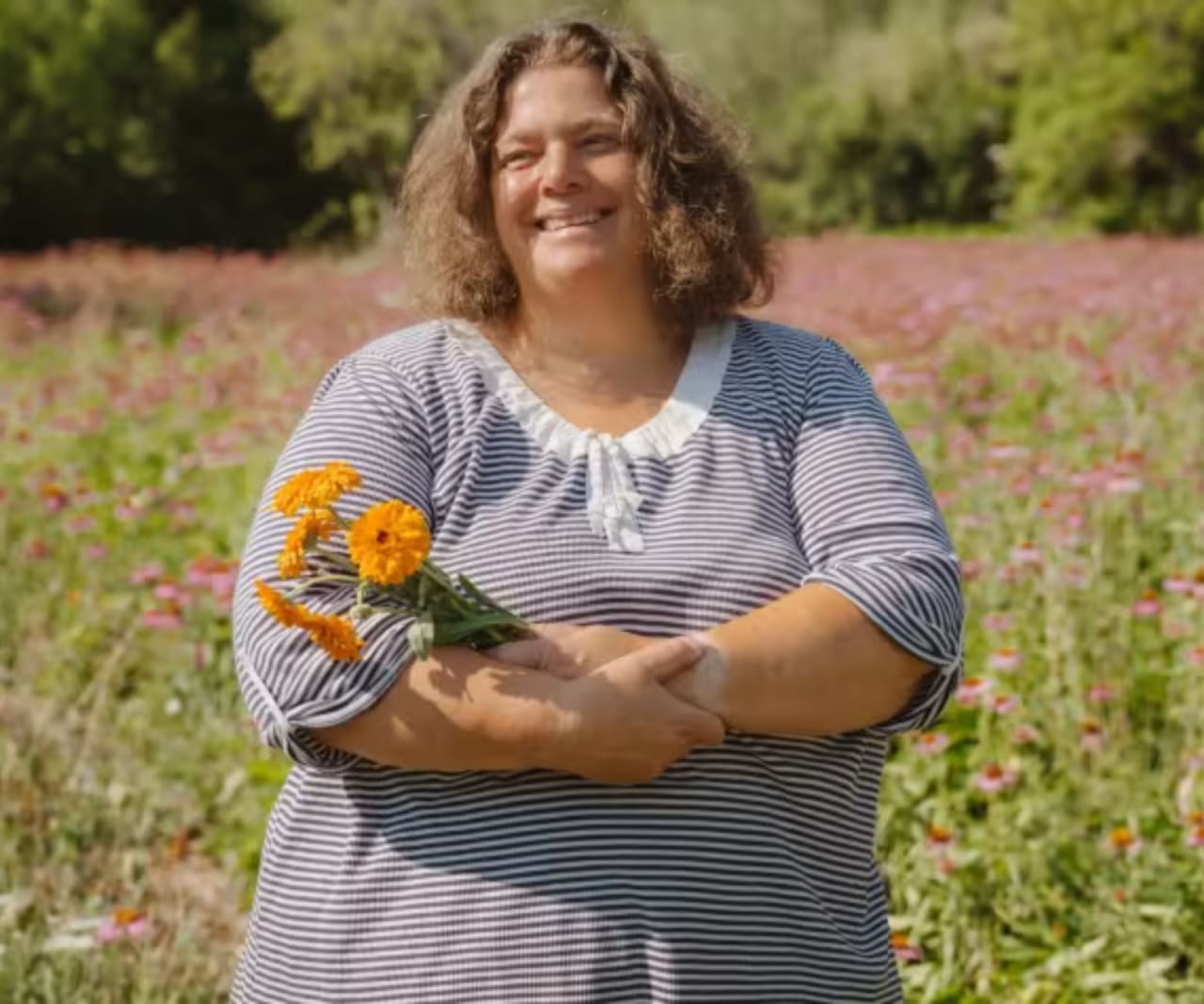
“The fresh flowers are dried before maceration: 1,240 g of fresh flowers yield 10 g of dried flowers, which are used to make approximately 100 ml of macerate.”
Near Die, a small village nestled in the Drôme mountains, Dominique grows Calendula – an orange, sun-kissed flower with a sweet scent.
The calendula flower has the distinctive trait of opening when the sun is high in the sky and closing at nightfall. In English it was historically known as the "Poet’s Marigold": This name relates directly to its sun-tracking habit. It was famously described by William Shakespeare in The Winter's Tale as "The Marigold that goes to bed with the sun, / And with him rises weeping.
Known since the Middle Ages for its healing and soothing properties, particularly for insect stings or reptile bites, calendula oil macerate is highly valued for sensitive and delicate skin, as well as for the skin of very young children. It possesses restorative and protective properties that are a lifesaver for irritated skin.
Produced by macerating calendula flowers in sunflower oil, it is widely used in cosmetics for making homemade skincare products such as liniments for changing nappies or gentle make-up removers.
To find out more about Dominique, read our dedicated guide here.
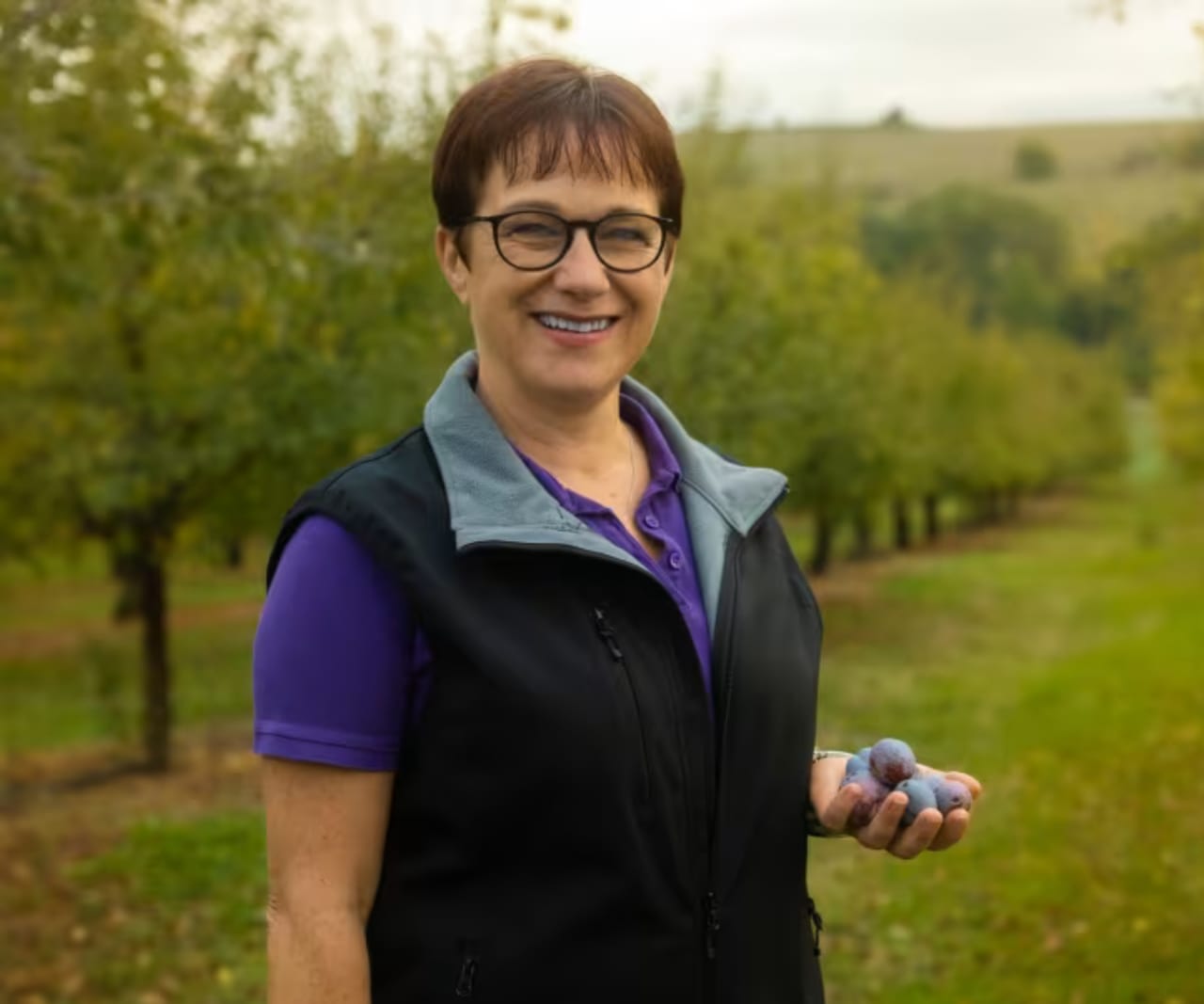
At Nathalie’s, we’re in the cradle of plum cultivation: traces of plums being shipped by boat dating back to Gallic times have been found in the Agen region.
Nathalie is the heir to a family business that has been running for over 20 years. She produces organic Gascogne plum oil from the Ente plum, a purple variety with blue highlights grown in Lot-et-Garonne.
Gascogne Plum oil is actually derived from the plum kernel, located within the stone of the plum, which is pressed, squeezed and dried before the oil is extracted. Its use in cosmetics is a valuable way of making use of this part of the fruit that is not utilised by the food industry.
Naturally rich in vitamin E and omega-9, with softening and antioxidant properties, Gascogne Plum oil is ideal for helping to combat the signs of skin ageing, prevent dehydration and restore the skin’s radiance.
To find out more about Nathalie’s farm, read our dedicated guide.
Anti-inflammatory, healing, purifying and protective, green clay can be used in beauty masks or as a soothing poultice.
At the foot of the Auvergne volcanoes, in the town of Le Puy-en-Velay, lies a 13-hectare clay quarry, which has been in operation on this site for over 30 years and is now designated a Natural Area of Ecological, Faunistic and Floristic Interest.
It is here that superfine pink, yellow, white, red and green clays are produced by an expert family-run business, which has specialised in clay for 40 years and now mines its own deposits.
The green illite clay, to name but one, is 100 per cent natural and of the highest quality. It has a very fine grain size, around 80 microns, and its mineralogical purity is rigorously controlled: it is guaranteed to be free from sand and quartz and is particularly rich in trace elements.
Furthermore, it comes from a single deposit, which allows for better traceability of batches. As it is non-irradiated, it complies with the COSMOS and Nature & Progrès standards.
To find out more about Emmanuel and his Clay, read our dedicated guide.
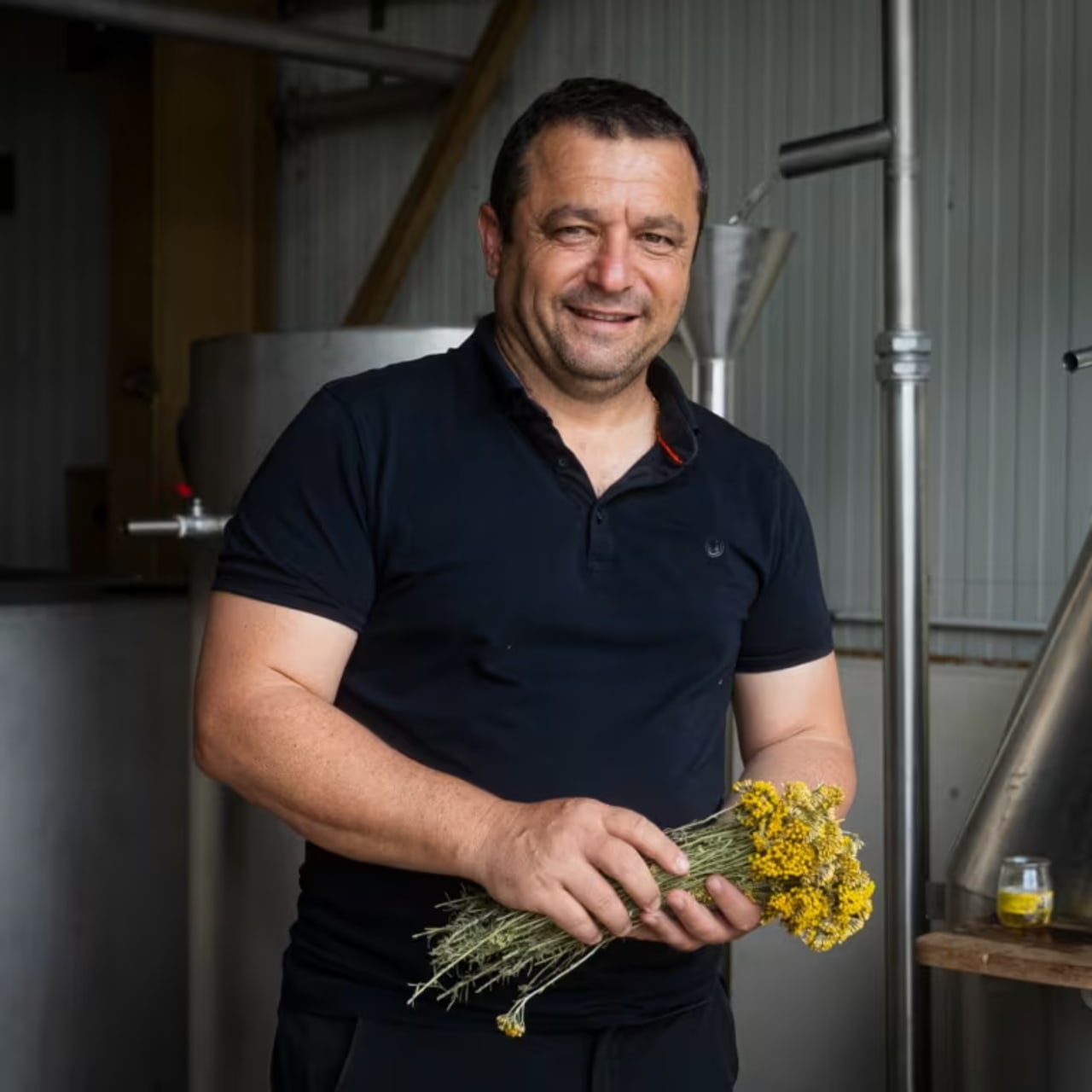
“We grow Helichrysum italicum. The name comes from Greek: ‘Helios’ means ‘sun’.”
In the sunny, golden fields of Haute Corse we meet Stéphane, who has been a producer and distiller of Italian Helichrysum essential oil for over 20 years. He cultivates the plant known as Corsican Immortelle organically and with passion, expertise and respect, alongside 14 other varieties of aromatic and medicinal plants. Committed to farming practices that preserve biodiversity, he bans the use of pesticides, practises mixed cropping and avoids artificial irrigation to conserve water resources.
Helichrysum grows wild in the Corsican maquis and on rocky, sun-drenched soil. When cultivated, it requires more care and close monitoring, as Stéphane explains. Planting is done by hand, after which the grower closely monitors flowering before delicately harvesting them in June. When fully mature, the flower gives off an unmistakable scent, typical of the Corsican maquis, with notes of honey, hay and curry.
The flowers are then sorted and prepared before being distilled in large stills using steam extraction. Once distillation is complete, Stéphane collects the precious essential oil from Organic Italian Helichrysum from Corsica and the organic Italian Helichrysum hydrosol from Corsica.
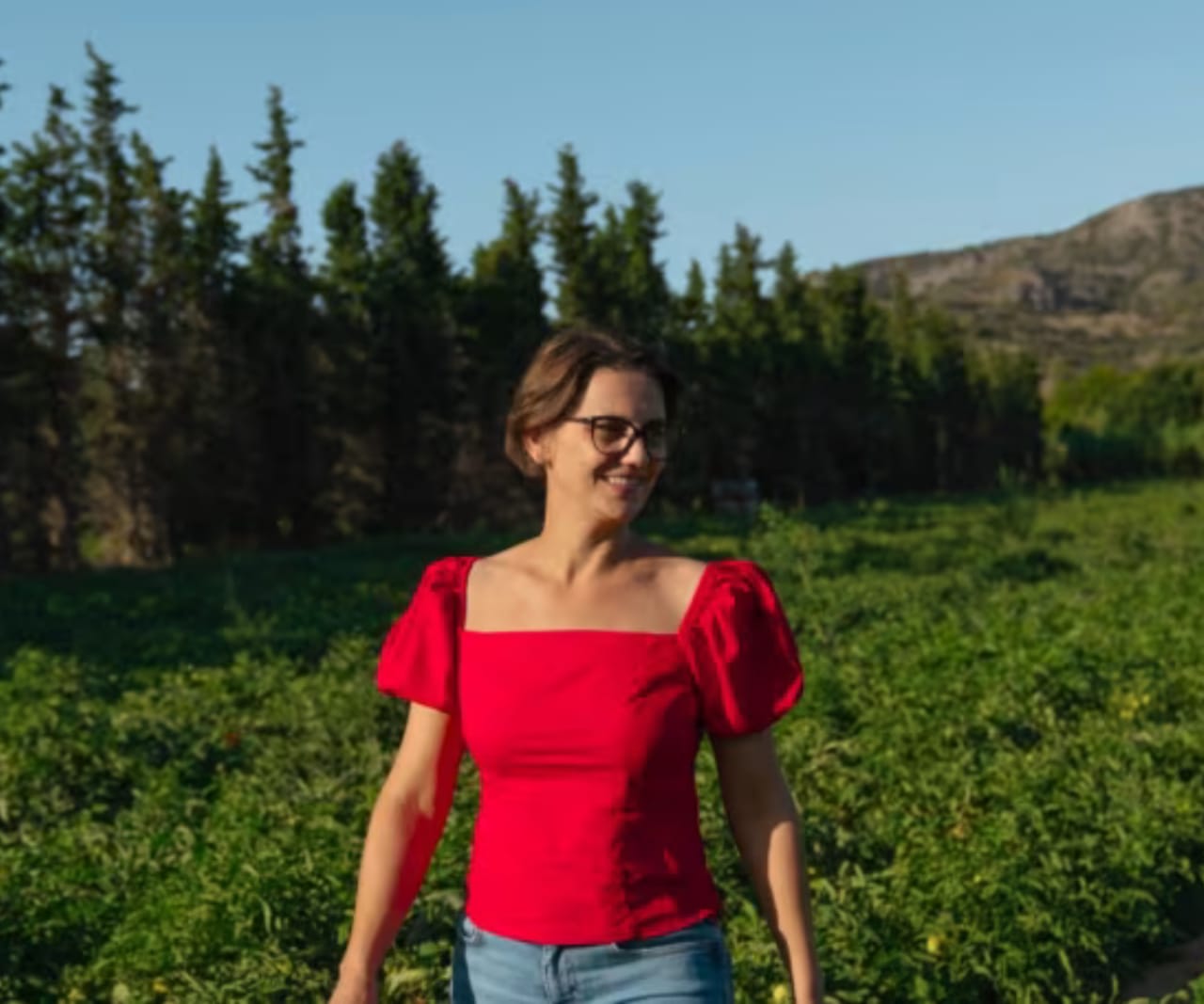
Immerse yourself in the fascinating world of Leila and Organic Provence tomatoes, an exciting adventure in the heart of the beautiful Provence region, just 60 km from Aix-en-Provence.
A doctor of pharmacy who specialises in the production of tomato oil, Leila tells us about her collaboration with the Pécout family, heritage tomato growers spanning three generations.
Discover the well-kept secrets behind the production of Organic Tomato Oil from Provence. We’ll begin our exploration with a detailed profile, exploring the production site 60 km from Aix-en-Provence where the Pécout family has been working for three generations. They aim to promote a short-supply-chain economy, showcase the Provence region and support socially responsible farming. They cultivate a virtuous cycle, emphasising the promotion of local produce and a reduced carbon footprint.
Finally, we’ll reveal the exceptional benefits of Organic Tomato Oil from Provence. As a skincare oil, it offers antioxidant properties to combat the signs of skin ageing, and is enriched with saturated fatty acids and omega-6 to protect, moisturise and brighten the skin. Immerse yourself in this sensory experience and discover Organic Provence Tomato Skincare Oil and its treasure trove of benefits for your skin.
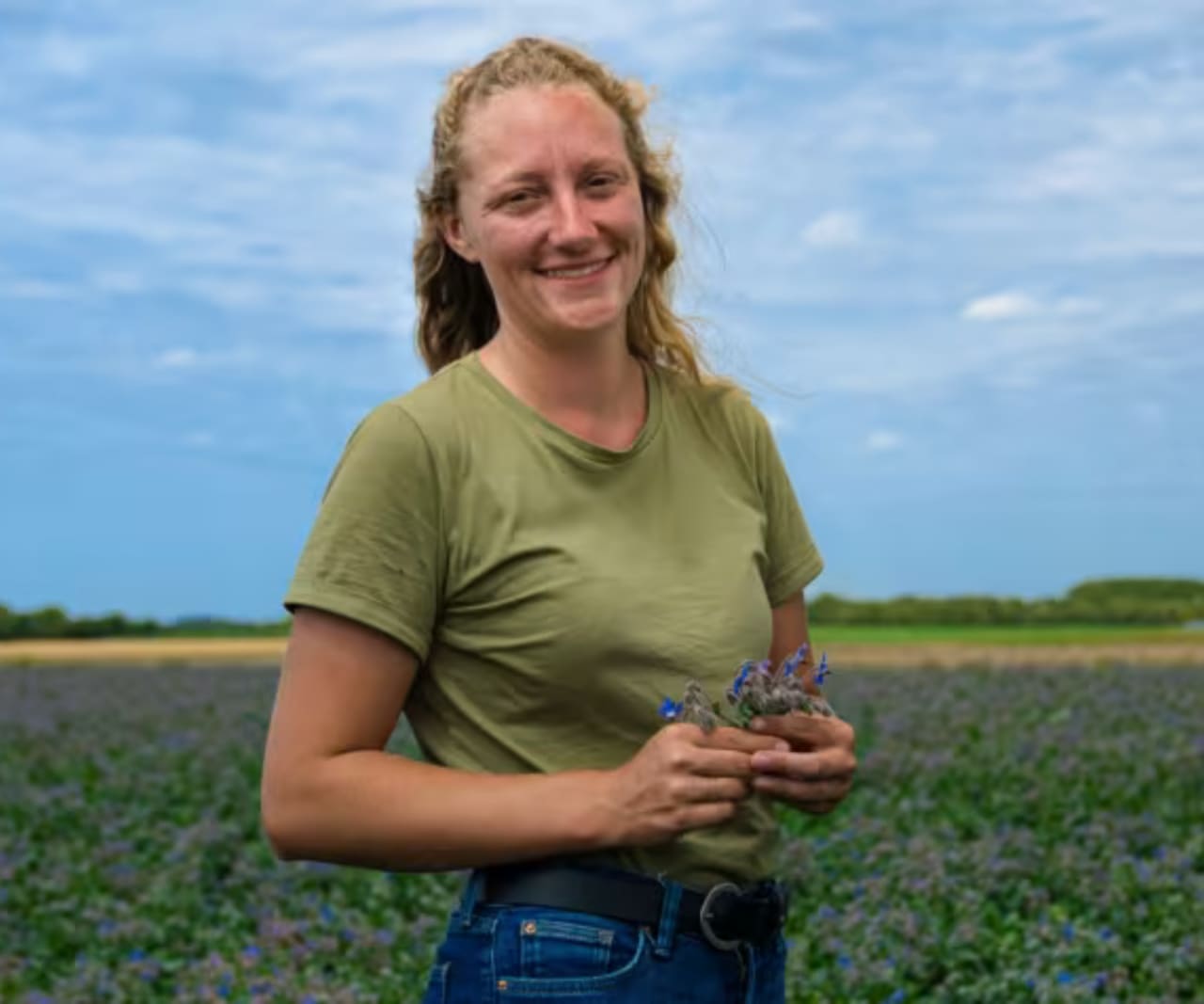
Explore the captivating world of Emeline and organic borage oil, an adventure that combines a passion for agriculture with a dedication to nature.
As an agricultural engineer, for the past two years Emeline has been using her expertise to guide farmers in the production of borage, a plant with exceptional properties. Nestled in Eure-et-Loir, at the edge of the Conie plateau, this farm covers eight hectares and has been making a name for itself in the organic cultivation of borage for the past four years.
Our exploration begins with a detailed profile of organic borage oil, revealing its place of production in Eure-et-Loir, the process by which the oil is extracted from borage seeds through grinding or mechanical pressing, and the differences between organic and conventionally produced products.
Then we'll delve into the production of borage, a plant that is reborn each year from its carefully sown seeds. Emeline guides us through the rapid growth cycle of borage, from flowering in June and early July to harvest in late July. Discover the various stages, from cutting the plant at maturity to harvesting the seeds using a combine harvester, before sending them to the oil mill to extract their precious essence.
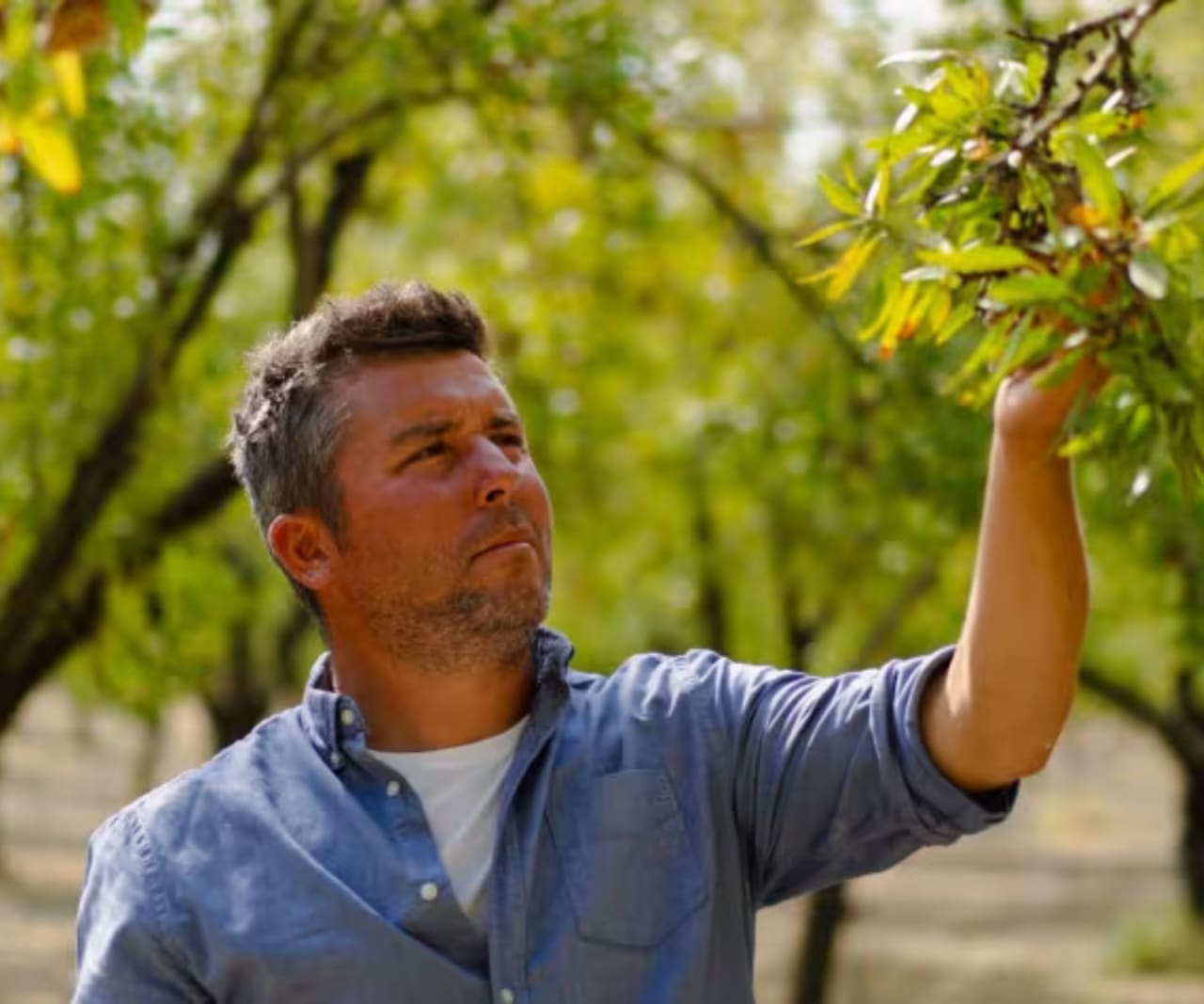
Immerse yourself in the world of organic sweet almond oil production with Michele, an organic almond grower, and Andrea Parodi, a sweet almond oil producer.
The cycle begins in September with soil fertilisation, closely followed by tree pruning and the removal of non-productive branches. Flowering in March–April, weather permitting, leads to the formation of fruit, which is harvested in August. The almonds then undergo a cleaning and sorting process before being fed into the machine, ensuring a high-quality end product, with oil of characteristic clarity and a fine, blanched flour suitable for various uses.
Finally, discover the benefits of sweet almond oil. Renowned for its soothing and softening properties for delicate and dry skin, it offers a velvety feel, nourishing the skin and helping to combat dryness. As an emollient, it stimulates the skin’s repair process and soothes irritation. A quick dip into a world where a natural product is transformed into a beneficial oil for the skin.
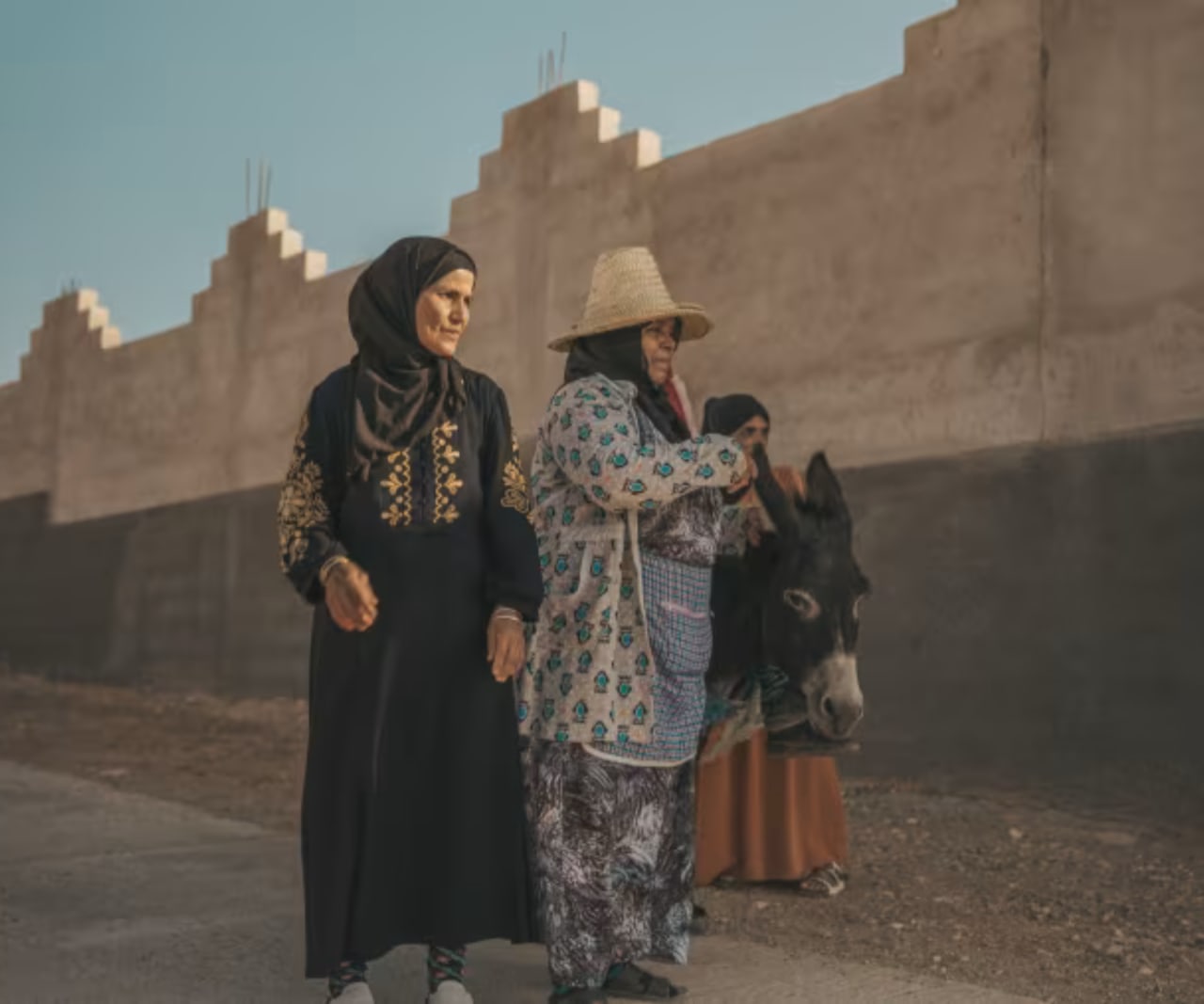
Recognised as a leading anti-ageing treatment, argan oil is the fruit of the sun and soil of south-western Morocco.
Above all, this is the result of the invaluable work of a community of over 300 women. Every bottle of this liquid gold bears the mark of their expertise, from harvesting the finest fruit to the meticulous crushing of the argan kernels.
Today, we wish to highlight the work of these women producers, these communities of women without whom none of this would be possible. Women who face significant challenges: the aftermath of the 2023 earthquake, drought linked to global warming, and pressure from industrialists on this resource.
“The argan tree has always been a woman’s business”, as Hanane, Chair of a women’s cooperative specialising in the production of argan oil, puts it. It is the women who oversee every stage of production. This work enables them to improve their economic and social situation, for example by paying their children’s school fees.


