
Worms in cherries: is there really cause for concern?

Worms in cherries: is there really cause for concern?


By Dimitri K

Published on: Friday, June 20, 2025, Updated on: Wednesday, October 28, 2026

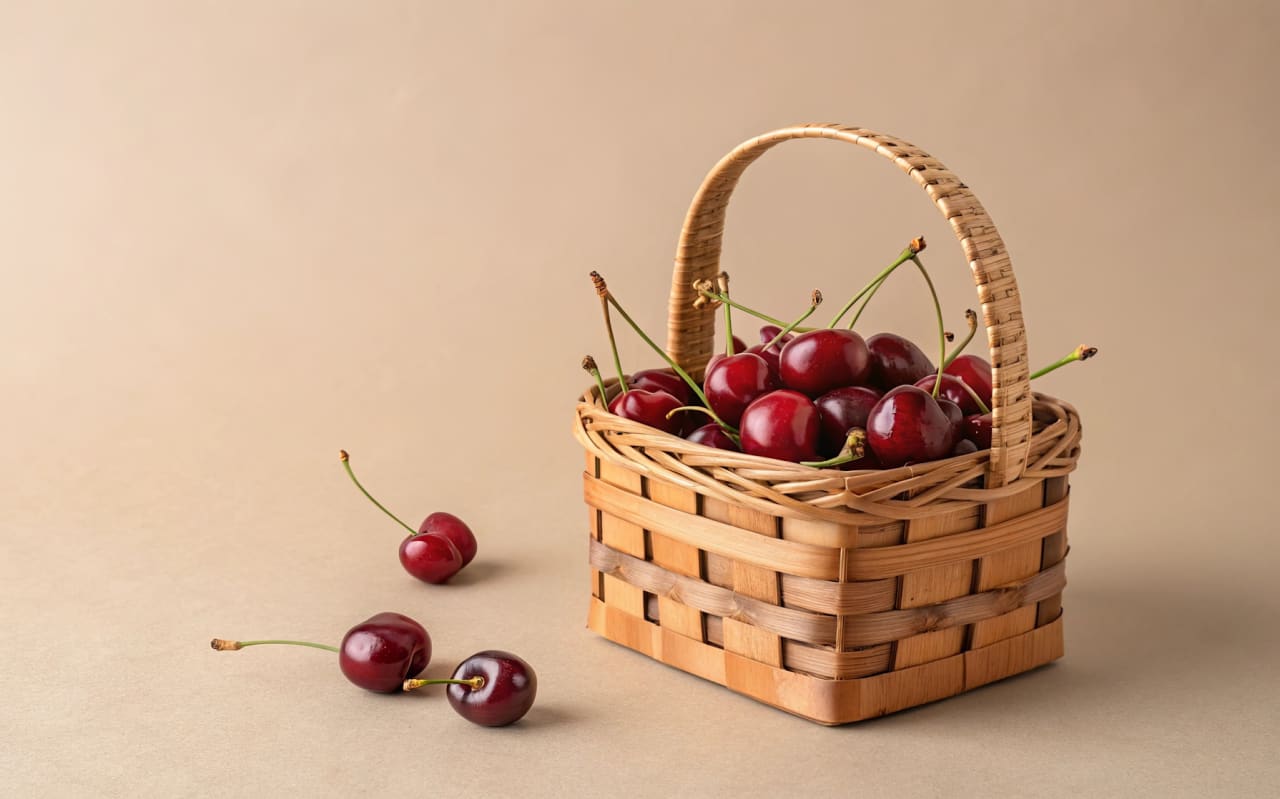
It's a familiar ritual when summer comes around: the cherry trees are covered in bright, sweet red fruit just begging to be picked. However, behind this apparent perfection often lies a little surprise… a worm. A white larva tucked away discreetly in the fruit’s flesh. Discovering one while eating might make you feel queasy, but it also raises an important question: is it safe to eat a cherry with a worm in it? And, even more importantly, how can you avoid them without resorting to chemicals? Here’s a closer look and some natural solutions.

Contents

Related products

Where do the worms in cherries come from?

A clearly identified culprit

A cherry ‘worm’ is none other than the larva of the Rhagoletis cerasi fly. This tiny insect lays its eggs inside cherries that are still green. Once hatched, the larva feeds on the flesh until the fruit ripens, making the cherry rather unappetising for some people in the process.

Fruit that's more at risk than you might think

Organically grown or untreated cherries are more likely to contain these larvae, simply because no synthetic insecticides are used. During hot and humid periods, flies multiply, increasing the risk of infestation.

Impossible to spot with the naked eye

A worm-infested cherry often shows no outward signs. It is only when you bite into it or cut it open that you discover the tiny whitish larva. This phenomenon is therefore more common than you might expect, even in cherries bought at the farmer's market or picked by hand.

Is it dangerous to eat a cherry with a worm in it?

More a matter of disgust than danger

The good news is that accidentally swallowing a cherry worm poses no health risk. The larva does not carry any known diseases and does not produce any toxins. Whilst the thought of it may be unpleasant, it does not cause any digestive problems.

A reality accepted elsewhere

In many countries, particularly in Asia, eating fruit containing an insect or a larva is seen as a positive sign of naturalness, indicating that the fruit has been free from chemical treatment. This is a cultural difference, as in Europe the idea is generally seen as more off-putting.

What should you do if you’re worried they might be there?

For those who are a bit wary, soaking the cherries in lightly salted or vinegared water often causes the larvae to rise to the surface. Rinsing them afterwards with clean water means you can enjoy the fruit with peace of mind, without compromising their freshness.

How can you prevent them from appearing using natural products?

Neem: a formidable ally against fruit pests

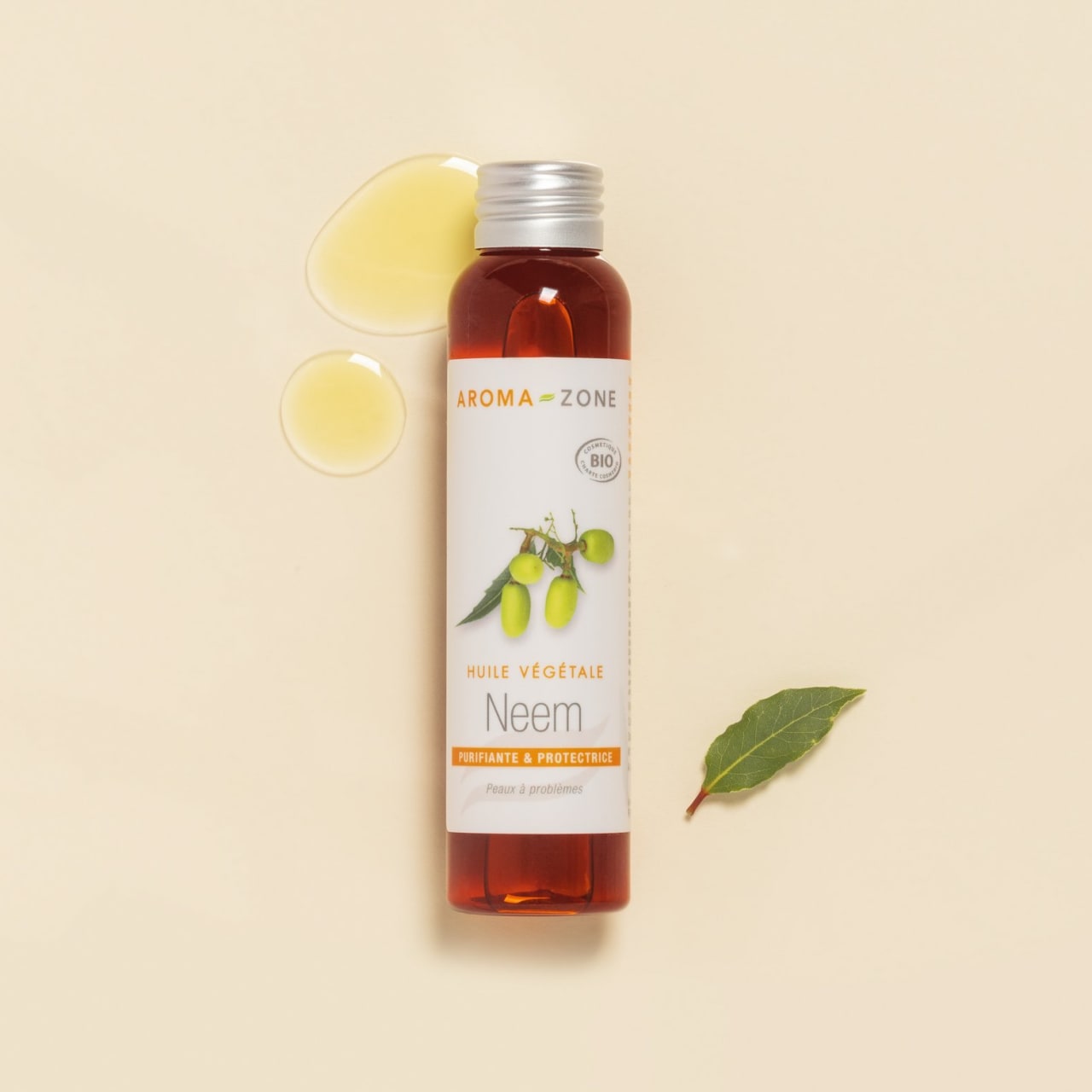
Aroma-Zone’s organic neem oil is a natural solution well known for its repellent properties. It can be diluted (5–10 per cent) in water and sprayed onto foliage or branches before the egg-laying season. Its strong odour repels insects while being safe for the plant.

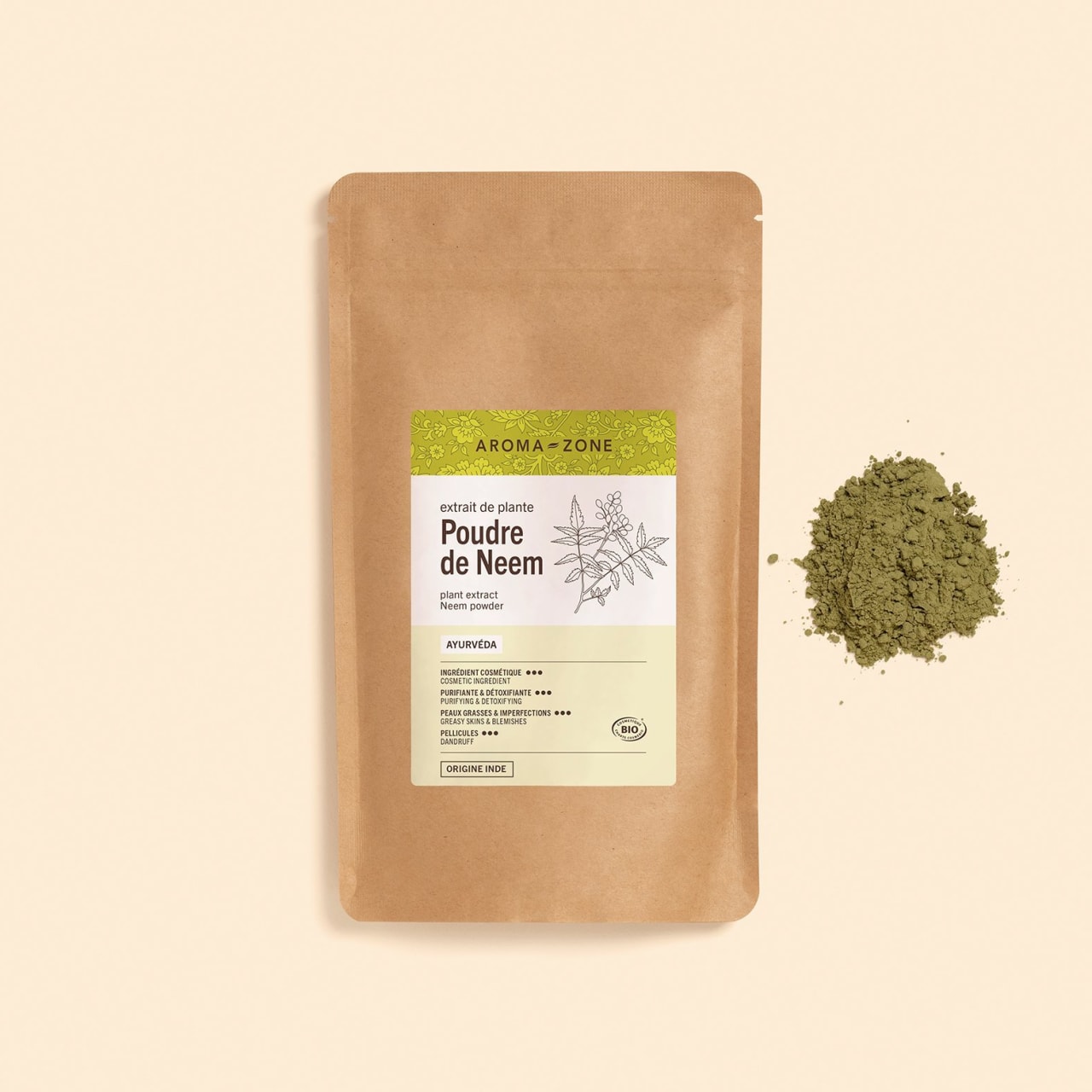
For additional action on the soil, organic neem powder, also available from Aroma-Zone, can be worked into the soil at the base of trees to strengthen the soil against pest attacks. It promotes healthy soil and limits the development of larvae.

Are you familiar with the purifying and detoxifying properties of Neem for beauty and health?

Hydrosols to repel flies naturally

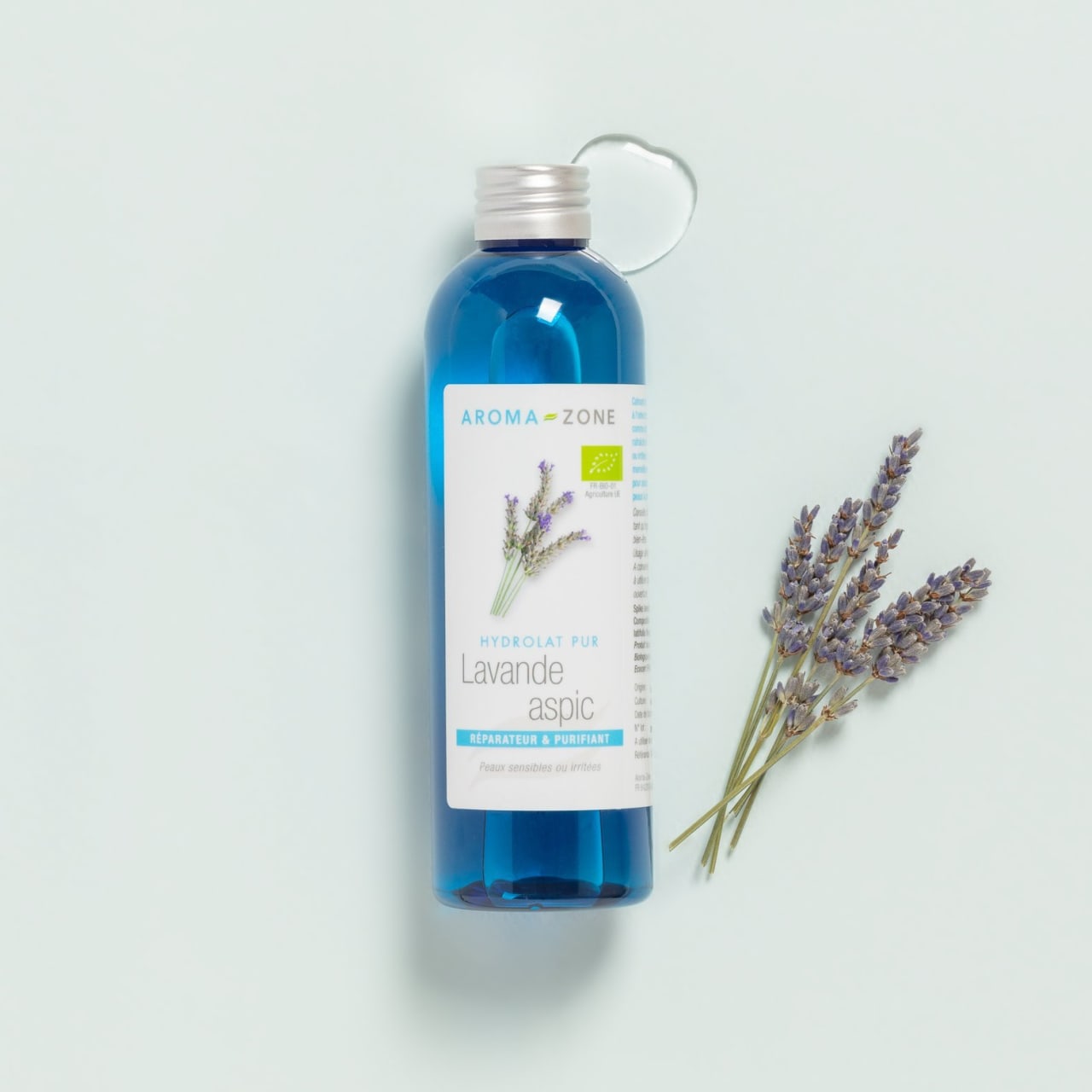
The organic spike lavender hydrosol, with its purifying and mildly insect-repellent properties, can be sprayed around the tree. Its gentle scent makes it harder for the flies to locate the fruit.

Alternatively, organic linalool thyme hydrosol, which is more invigorating but just as natural, can enhance the deterrent effect while providing a pleasant fragrance. This hydrosol is also perfect for the final cleaning of fruit after harvest.

Gentle prevention right up to the moment of eating

Once the cherries have been picked, simply rinsing them in water enriched with organic linalool thyme hydrosol is a good way to clean the fruit whilst leaving them with a subtle herbal flavour.

Also worth discovering: the properties of cherry stalks.

Spotlight on Our Writer: Dimitri K

Dimitre Krammer

Dimitri has been interested in the connections between nature, health, and well-being for several years. As a writer, he loves to make complex topics accessible, with a strong preference for simple, natural, and effective approaches. Whether the topic is cosmetics, nutrition or wellness routines, he enjoys sharing practical and informed advice for a healthier everyday life.

Associated tip