What is natural melatonin?

According to the Baromètre de Santé publique France (Barometer of Public Health France), almost 28% of people were in sleep debt in 2017. And yet, although we have a culture that doesn't value sleep enough and underestimates its importance on a daily basis, sleep is our number one health and well-being guarantor.

Unfortunately, getting peaceful, restful sleep can be easier said than done. For some people prone to anxiety or living in noisy environments not conducive to relaxation, it can be a real obstacle. If that's you, melatonin, known as the sleep hormone, can be a natural and effective solution for regulating the circadian rhythm and restoring quality sleep.

Reading time: 0 min.

What is melatonin? Definition and impact on sleep

Melatonin is a hormone produced naturally by the pineal gland in the centre of the human brain. It plays a crucial role in helping us to fall asleep and regulating the sleep-wake cycle, also known as the circadian cycle or rhythm. Its secretion, which is triggered by darkness, promotes sleep.

Here's an overview of its roles in the body, as identified to date by research:

  • Sleep-wake alternation: often called the "sleep hormone", melatonin levels play an important role in the transition from wakefulness to sleep, and vice versa. Secreted in response to darkness, it signals to the body that it is time to go to sleep.

  • Synchronisation of circadian rhythms: the conductor of the body's internal clock, governed by alternating light and darkness, melatonin plays an essential role in regulating physiological functions, such as blood pressure, body temperature and the cascading secretion of other hormones.

  • Antioxidant: melatonin also acts as a powerful antioxidant in the body, helping to protect cells from damage caused by free radicals. Melatonin can help protect cells from this oxidative stress, boost the immune system and maintain tissue health and function.

  • Fertility: melatonin also plays a significant role in fertility. It influences reproductive hormone secretion and is found in the follicular fluid of the ovaries, helping to protect and develop oocytes.

  • Effects on mental health: some research suggests that melatonin may have beneficial effects on mental health, particularly by helping to reduce anxiety and depression. However, there is no certainty, and the Anses (French National Health and Safety Agency) does not recommend taking melatonin as an antidepressant.

Melatonin fulfils several important functions in the body, from regulating sleep and modulating circadian rhythms to cell protection and fertility.

Why do I sleep badly? Possible causes of poor sleep quality

Sleep problems can be caused by a variety of factors, ranging from lifestyle habits to underlying medical conditions. Some insomnia problems are directly correlated with low levels of melatonin, which in turn are due to the environment, age or other factors. Here is a list of possible reasons why you may be sleeping badly:

  1. Stress and anxiety: financial worries, stress at work, family problems or other sources of stress can contribute to anxiety and cycling thoughts, which directly impact your ability to fall asleep. Disorders, such as depression or anxiety disorders, can also cause sleep difficulties.

  2. Sleep disorders: conditions, such as sleep apnoea, restless leg syndrome, chronic insomnia, snoring or circadian cycle disorders, can disrupt the normal sleep cycle.

  3. Poor pre-bedtime habits: no pre-bedtime routine, irregular hours, excessive exposure to blue light from electronic screens (telephones, computers, video games, etc.), stimulant consumption (alcohol, caffeine, etc.) too late in the day, late or heavy meals and prolonged naps can disrupt our circadian cycle, reducing melatonin levels and leading to insomnia and difficulty falling asleep.

  4. Inappropriate sleeping environment: a bedroom that is too hot or cold, poorly ventilated, noisy or bright can have a negative impact on sleep quality. Poor bedding can also hamper your sleep. So, make sure your bedroom is a soothing place that promotes a good night's sleep.

  5. Environmental factors: time differences, changes in routine or time zones, moving house, a full moon or extreme weather conditions can disrupt the sleep cycle.

  6. Hormonal factors: hormonal variations and changes to pregnancy, the menopause or the menstrual cycle can explain some cases of insomnia. Last but not least, like many other hormones, melatonin production generally declines with age, which can lead to increased sleep problems in the elderly.

  7. Health problems and medication: certain health problems, such as asthma, allergies, Parkinson's disease, arthritis, hyperthyroidism, acidity or gastrointestinal problems, can disrupt sleep. In addition, certain drugs, such as decongestants, corticosteroids or antidepressants, can have side effects that can lead to insomnia. Genetic predisposition can make some people more prone to developing sleep disorders, including chronic insomnia. In particular, some people suffer from disorders that affect the pineal gland or the central nervous system, which can interfere with melatonin production.

If you are having difficulty identifying the causes of your restless nights, we recommend consulting a healthcare professional. Your GP will be able to assess your symptoms, taking your medical history into account. They may arrange for you to undergo tests (for example, measuring your melatonin levels) to identify the reasons for your sleep problems.

Where can I find melatonin naturally? How can I increase my melatonin levels?

Natural melatonin in food

One way to naturally stimulate melatonin secretion is to eat a varied diet. Although the hormone is produced naturally by the human body, it is not directly present in our diet. Certain foods contain melatonin or tryptophan, an amino acid that influences melatonin production in our body. What are these foods?

Foods rich in tryptophan: tryptophan is an amino acid found in food. It is a precursor of serotonin, a hormone that is in turn converted into melatonin in the brain, and influences the secretion of the famous "sleep hormone". Foods rich in tryptophan include eggs, poultry, pulses, brown rice, bananas, plums, dates, figs, soya, walnuts, almonds, seeds (pumpkin, squash, sesame), fish and dairy products (sparingly). A small square of chocolate can also help to secrete melatonin, provided you eat it in moderation!

Melatonin-rich foods: some foods contain small amounts of natural melatonin. Sources of melatonin include cherries (especially sour cherries), pineapple, grapes, walnuts, flaxseed and tomatoes. Some plants, such as St John's wort, also contain melatonin.

That said, the best way to optimise the natural secretion of melatonin is to maintain a regular sleep routine, a healthy lifestyle and a sleep-friendly environment in the bedroom.

Natural melatonin food supplements

A closer look at our natural plant melatonin

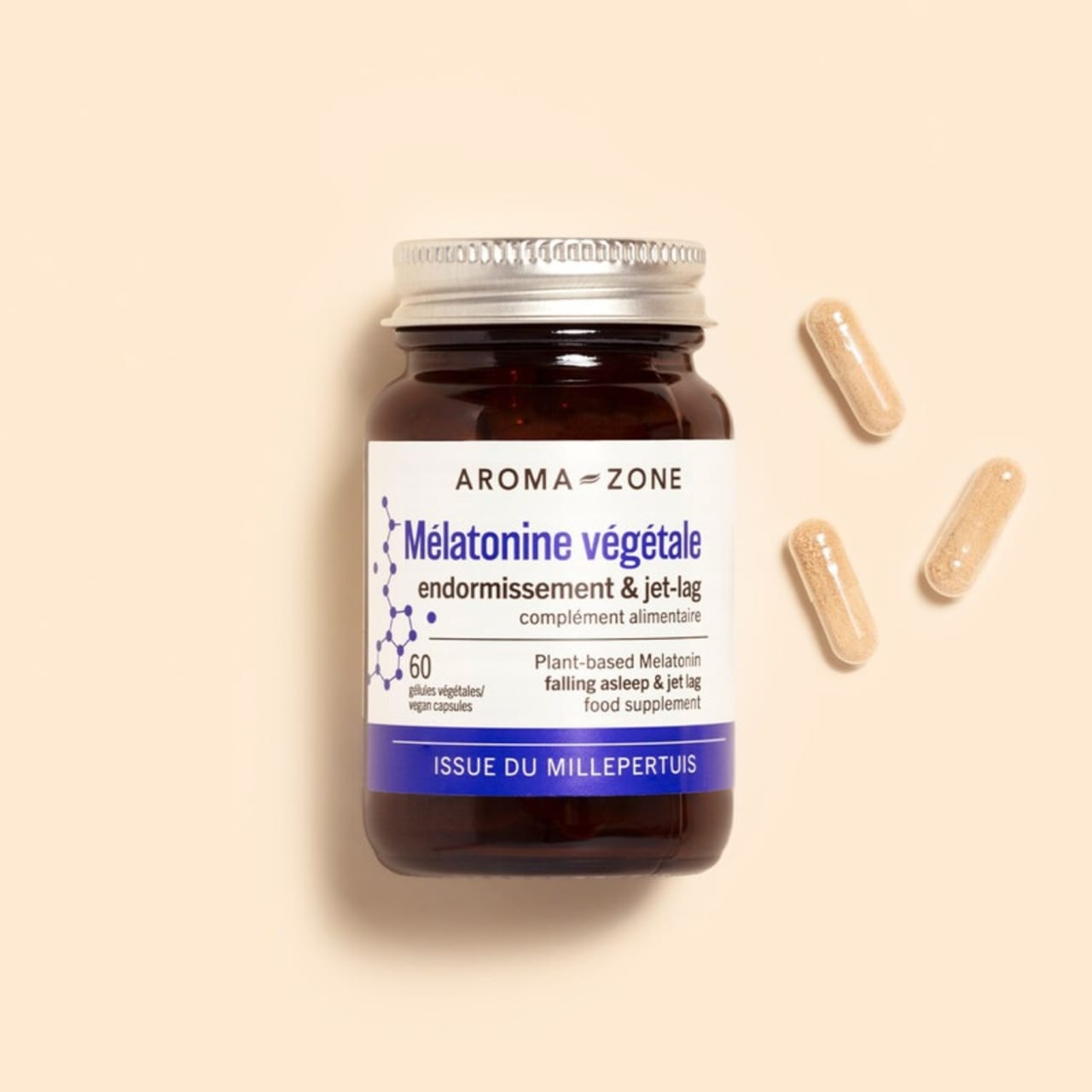
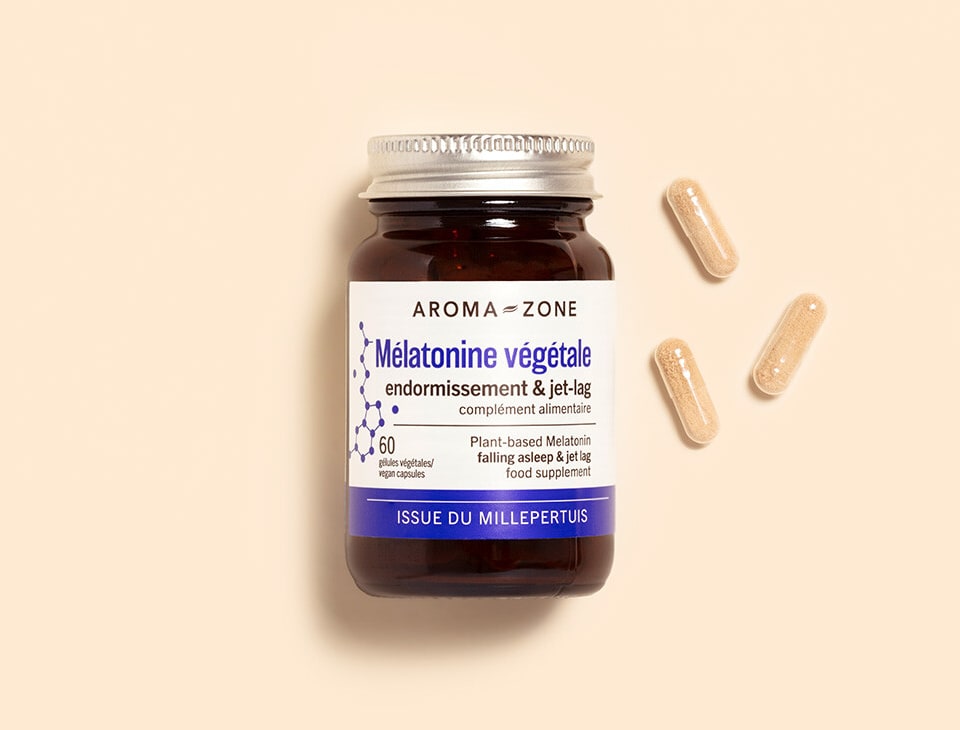
A natural melatonin extracted from St John's wort, with a high dose and no controversial additives, to be used as a food supplement to combat difficulty falling asleep, reduce night-time waking and reduce the effects of jet lag. Essential if you suffer from sleep disorders, this plant melatonin helps you to fall asleep without waking up the next day feeling drowsy and doesn't create an addiction. The recommended dose is 1 or 2 capsules to be swallowed with a large glass of water, according to your needs.


Discover our natural plant melatonin

What can you do to get a good night's sleep? Our 10 tips for a peaceful, restful night's sleep

Would you like to get back to deep, peaceful, restful sleep? Here are our top 10 tips for getting quality sleep naturally:

  1. Establish a regular sleep routine: try to go to bed and wake up at the same time every day, even at weekends, to help regulate your internal body clock.

  2. Create an environment conducive to sleep: make sure your bedding is of good quality and that your bedroom is dark, quiet and at a moderate temperature (around 17°C). Use blackout curtains, earplugs or an eye mask if necessary.

  3. Create a relaxing routine before going to bed: read a book, take a hot bath, listen to soothing music or make a herbal tea with calming or relaxing properties (camomile, hemp, peppermint, etc.).

  4. Reduce exposure to blue light in the evening: blue light can disrupt melatonin production, so avoid electronic screens, such as mobile phones, tablets and computers, at least one hour before bedtime.

  5. Avoid stimulants: cutting down on alcohol and caffeine, especially when consumed late in the day, can only improve your sleep. Although alcohol can help you to fall asleep, it can also alter the quality of your sleep and cause you to wake up several times during the night.

  6. Avoid heavy meals before bed: avoid hearty, spicy or fatty meals just before bedtime, as they can take a long time to digest and disrupt your night's sleep. The ideal meal? Have dinner 2 to 3 hours before bedtime to avoid raising your body temperature, which needs to be low to allow you to sleep.

  7. Exercise regularly: regular exercise can help you improve the quality of your sleep by making you feel tired naturally. However, avoid strenuous exercise just before bedtime, so you don't over-stimulate your body. In the evening, opt for gentle, moderate exercise, such as stretching.

  8. Do relaxation exercises: before going to bed, try relaxation techniques, such as meditation, deep breathing, yoga or progressive muscle relaxation, to calm your mind and prepare your body for sleep.

  9. Avoid long naps: need to get through the "nap" stage? Opt instead for micro-naps and set your alarm clock for 20-30 minutes to avoid disrupting your circadian cycle.

  10. Managing stress: are you struggling with anxiety? We recommend trying exercises such as journaling, meditation and self-relaxation. And if that's not enough, seek the support of a mental health professional, who will be able to help you ease your anxiety.

See also:

Taking melatonin: advice on use, dosage, contraindications and side effects

Not only is it advisable to consume melatonin supplements as part of a healthy lifestyle and balanced diet, but they should be taken with caution and in the recommended doses.

What's more, although melatonin supplements are available over the counter in many places, it's always best to consult your GP before starting a course of melatonin, especially if you're planning to take it long-term. Food supplements have contraindications and may cause reactions, especially if they interact with other medicines.

Recommended dosages

It is important not to exceed the recommended daily dose, which generally ranges between 0.5 mg and 5 mg per day, although some healthcare professionals may recommend higher doses in certain cases.

It is often advisable to start with a lower dose and gradually increase it if necessary. Individual response to melatonin may vary: the effective dose for one person may not be the same for another.

At what time of day should I take it?

For maximum effectiveness, melatonin should be taken at the right time, i.e. around 30 minutes to 1 hour before bedtime. To help you fall asleep and reduce the number of times you wake up during the night, 2 capsules of melatonin supplements are generally recommended to reduce the time it takes to fall asleep.

If you have jet lag, it is recommended that you take 1 capsule of a melatonin supplement at bedtime in the new time zone (not before nightfall).

What you need to know before starting a course of melatonin:

  • Melatonin consumption may interact with certain medications (contraceptives, antidepressants, anticoagulants, antidiabetics, sleeping pills). If you are taking any other medication, ask your doctor for advice.

  • Taking this compound is not without risk and can cause a number of undesirable side effects, depending on your individual sensitivity: daytime sleepiness, headaches, dizziness, agitation, nightmares and nausea. To avoid these unpleasant side effects, follow the recommended dosages and stop your course of treatment if you feel too uncomfortable.

  • Due to a lack of sufficient safety data, melatonin consumption is not recommended for childrenor pregnant or breastfeeding women. You can turn to other natural methods to promote sleep if you feel the need (infusions, hydrosols, etc.). For more details on how to combat insomnia naturally during pregnancy and/or while breastfeeding, please read our article: Which Aroma-Zone products should you use or avoid during pregnancy?

Find out more

Which foods contain the most melatonin?

Cherries, particularly sour cherries, are often cited as one of the foods containing the highest levels of natural melatonin. That said, these levels can vary depending on various factors, such as the variety of cherry, the harvesting season and the growing method.

How long does a course of plant-based melatonin food supplements last?

Melatonin food supplements are reserved for occasional use. If your sleep is persistently disturbed, we advise discussing this with your doctor.

What is the most powerful natural sleeping pill?

Supplementing melatonin, also known as the 'sleep hormone', can be helpful for some people who have difficulty falling asleep or staying asleep throughout the night. However, it is important to consult a healthcare professional before you start taking melatonin supplements, especially if you are already taking medication.

What is the difference between natural and synthetic melatonin?

Natural melatonin, also known as phytomelatonin, comes from plant sources. Melatonin is extracted from plants or algae, such as rice, alfalfa or chlorella. At Aroma-Zone, our food supplements contain natural melatonin extracted from St John's wort. Synthetic melatonin, on the other hand, is made using chemical synthesis processes.

Where can I buy melatonin?

Melatonin is available over the counter in pharmacies, health shops and online, as well as in specialist shops, such as our Aroma-Zone stores and workshops. Products containing melatonin are generally sold without a prescription.

What is melatonin?

Melatonin, also known as the sleep hormone, is produced naturally by the pineal gland in the brain and its role is to regulate our sleep cycle, also known as the circadian rhythm.

Melatonin production is influenced by light. It increases at the end of the day when light decreases, helping to signal to your body that it's time to get ready for sleep. Conversely, melatonin production decreases in the morning with exposure to light, helping you to wake up.

Why take melatonin supplements?

The natural production of melatonin declines with age, which can contribute to sleep disorders in the elderly. Supplementation can help compensate for this decline and improve sleep.

But supplementation can also be used to treat various sleep disorders, including insomnia, jet lag and circadian rhythm disorders, such as sleep phase delay syndrome. It also helps if you work shifts.

How do you take it?

Melatonin supplements are strictly reserved for adults and should only be taken occasionally. It is neither addictive nor habit-forming.

At AZ, we recommend:

  • To reduce the time it takes to fall asleep, take 2 capsules with a large glass of water 30 minutes to 1 hour before going to bed, i.e. 1.9 mg of melatonin.

  • To reduce the effects of jet lag, take 1 capsule, i.e. 0.95 mg of melatonin, before going to bed on the first day of your trip and for a few days after arriving at your destination.

Spotlight on our specialist editor, Louise Hourcade

After graduating from ESCP in 2020, Louise launched her career as an editor in 2021. Today, she mainly writes a newsletter where she shares cultural recommendations, as well as more personal articles (dating apps, therapy and career guidance). At the same time, she writes for the media, brands and agencies on subjects such as well-being, mental health, culture and society.