
To determine the moon’s actual influence on sleep, one must examine scientific publications. In several studies, sleep onset tends to occur later on nights when outdoor brightness is higher, particularly as the full moon approaches (1). Sleep duration sometimes follows the same pattern, with slightly shorter nights during these brighter periods. These observations are seen in both rural and urban settings, highlighting the role of light in different living environments. Conversely, other recent analyses find no influence of the moon on sleep, neither on total duration nor on perceived quality. This coexistence of results shows that the moon’s influence on sleep is neither systematic nor uniform across populations.
What do we know today about the moon’s influence on sleep?
Published on: Monday, January 15, 2024, Updated on: Tuesday, November 03, 2026
The moon’s influence on sleep has long been a subject of intrigue, blending traditions with everyday observations. Recent research sheds more light on the matter, even if the results do not always align. Some teams report a slight delay in falling asleep or a shorter night’s sleep when lunar brightness increases (1,2). Other studies, conducted on larger groups, find no perceptible change (3). This diversity of conclusions shows that the moon’s influence on sleep remains subtle and dependent on light exposure.
Contents
Related products
What is the moon’s actual impact on our sleep?
Why does the full moon keep us awake?
When changes are observed, they are primarily related to light intensity in the early evening, which can delay the onset of sleep. A sometimes shorter sleep duration has also been reported in certain analyses, always in connection with this higher “luminance.” Other studies, however, show no variation from one lunar cycle to the next (3). In other words, the effects attributed to the full moon do not stem from the astronomical phenomenon itself, but rather from the light it provides in the hours leading up to sunset.
How long do these effects last, and who is affected?
The studies describe a limited window: variations appear in the nights preceding the full moon, a period when outdoor brightness may be more pronounced (1). It must nevertheless be reiterated that results vary from one group to another, with some showing a modulation of sleep while a broader analysis observes none. No specific duration is mentioned beyond this interval related to nighttime light.
What other factors can delay falling asleep?
The moon isn’t the only factor influencing sleep... Several everyday elements can disrupt the ability to fall asleep.
Light remains one of the major factors. Exposure to screens in the evening increases the emission of blue light, a light spectrum that inhibits the secretion of melatonin (the hormone that regulates the sleep-wake cycle). When this hormone is delayed, the brain remains in a prolonged state of wakefulness. Bright lighting or very well-lit rooms at the end of the day can produce a similar effect, particularly in people who are sensitive to changes in light.
Eating habits also play a role. A late meal, high in fat or simple sugars, leads to prolonged digestion. This digestive process keeps the body in a state of activity incompatible with falling asleep. Similarly, consuming stimulants in the late afternoon (coffee, tea, energy drinks) can prolong the period of wakefulness. Caffeine’s effects often last longer than six hours, which explains its impact on sleep even when consumed relatively early in the day.
Stress also acts as a sleep inhibitor. When it sets in, it maintains a high level of alertness and stimulates the production of cortisol (a hormone associated with a state of alertness). Mental rumination, heightened emotions, or work-related concerns are sometimes enough to prevent the relaxation needed to fall asleep. People with a fast-paced lifestyle, or whose day involves a heavy cognitive load, frequently report taking longer to fall asleep.
Physical activity also influences the onset of sleep. Exercising during the day promotes more stable nighttime sleep. On the other hand, an intense workout late at night can delay the drop in body temperature and keep the body in “active” mode. The body then needs more time to return to a state compatible with the transition to nighttime.
Finally, environmental factors are often underestimated. A bedroom that is too hot or too cold, irregular noise levels, an uncomfortable mattress, or unsuitable bedding can lead to micro-awakenings or a longer time to fall asleep. Temperature fluctuations or external noises, even faint ones, alter the sense of security and hinder the onset of rest.
All of these factors show that falling asleep depends on a balance between light, activity, diet, emotional state, and environment. A change in just one of these factors is sometimes enough to delay the onset of sleep.
How can you sleep well despite the moon’s impact?
Here are a few tips to help you fall asleep and get restful sleep:
Set up your bedroom to reduce brightness: use thick curtains or blackout shades to block out the light of the full moon. Turn off artificial lights and use soft nightlights if you want to keep a little light in your room
Avoid screens before bedtime: The blue light from screens can disrupt melatonin production. Avoid smartphones, tablets, and computers at least one hour before bedtime; opt for a book, for example
Establish a relaxation routine: Engage in relaxing activities before bed, such as reading a book, meditating, or doing light stretches to calm your mind. Massaging the soles of your feet for a few minutes before bed will also help release tension built up during the day
Maintain a regular sleep routine: Try to go to bed and wake up at the same time every day, even during full moon phases, to strengthen your circadian rhythm.
Create a conducive sleep environment: Make sure your bedroom is cool, quiet, and comfortable. Invest in a quality mattress and pillows to improve your comfort, and lower the temperature to around 18°C
Practice stress management: Full moon phases can be associated with increased stress. Practice stress management techniques such as deep breathing, progressive muscle relaxation, or yoga
Limit caffeine and stimulants: Avoid caffeine and energy drinks in the afternoon and evening, as these substances can disrupt sleep
Expose yourself to natural light during the day: Natural daylight can help regulate the circadian rhythm. Spend time outdoors during the day to promote a healthy sleep-wake cycle.
What natural routine should you adopt if you’re sensitive to light?
An evening routine is essential for ensuring a good night’s sleep, especially during the lunar phases that concern you:

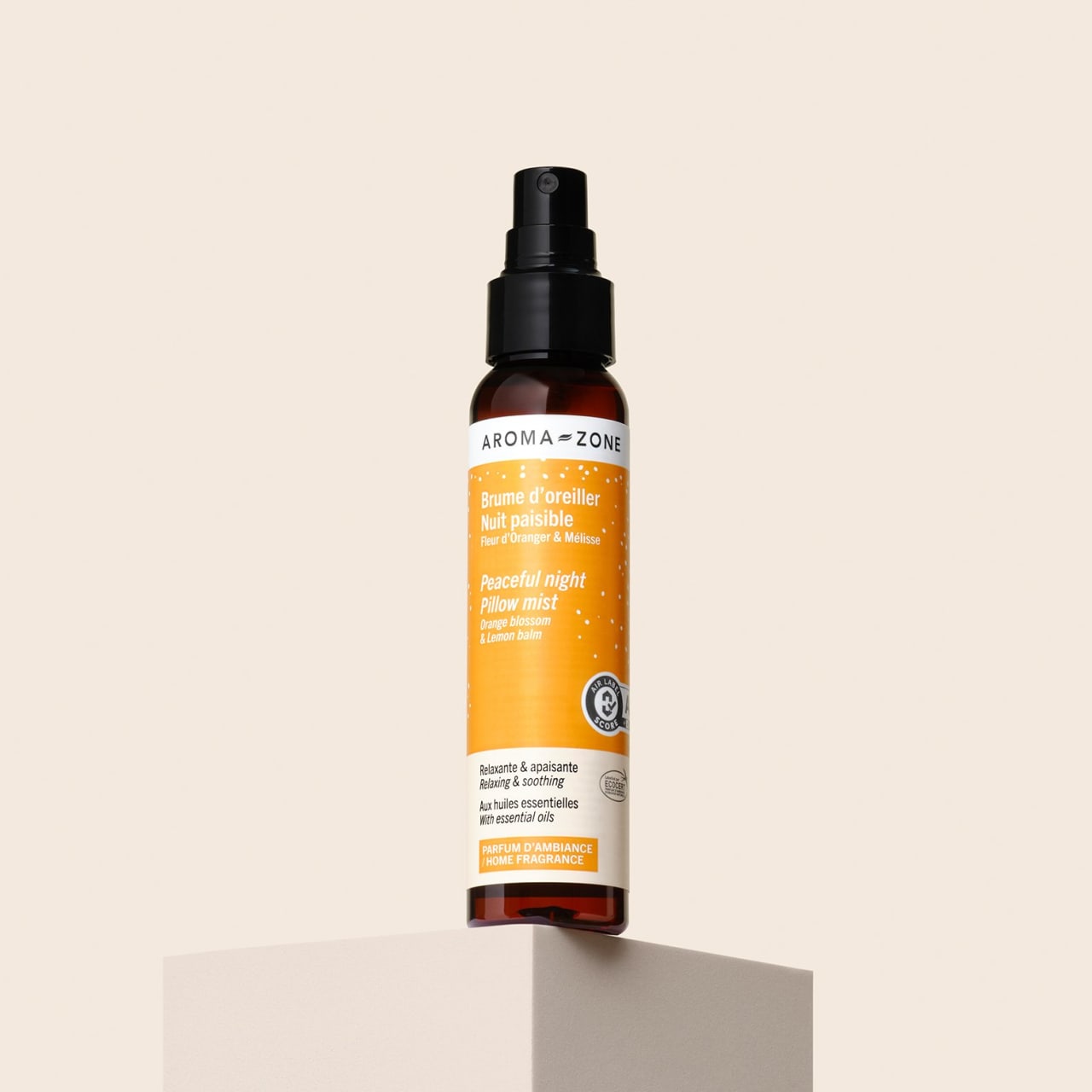
1. Prepare for the early evening: gradually reducing light sources, slowing down, and choosing a calming activity help initiate a gradual relaxation. Spray the Peaceful Night Pillow Mist with Lemon Balm and Orange Blossom in the bedroom. Contains sweet orange essential oil and linalool. May cause an allergic reaction. Highly flammable liquid and vapours. Causes severe eye irritation. Keep out of reach of children. Keep away from heat, hot surfaces, sparks, open flames, and other ignition sources.

2. Promote relaxation: A warm, non-stimulating drink or a calm activity often helps relieve tension built up throughout the day. You can try the Organic Chamomile Dreams Herbal Tea. It is an organic blend combining German chamomile flowers, silver linden bracts and flowers, lemon balm leaves, poppy petals, and a very small percentage of saffron stigmas.

3. Promote restful sleep: the organic Ashwagandha dietary supplement, derived from a powerful adaptogenic plant that combats stress, supports restful sleep without causing dependency. Take 1 to 2 capsules daily, with a glass of water. For adults only. Not suitable for pregnant or breastfeeding women. Not recommended for individuals with endocrine, thyroid, liver, or heart conditions, or for those taking medications that depress the central nervous system.
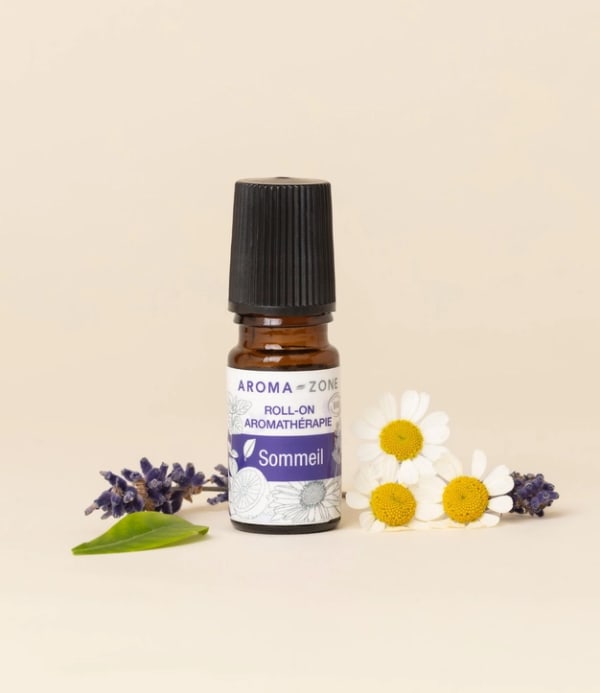
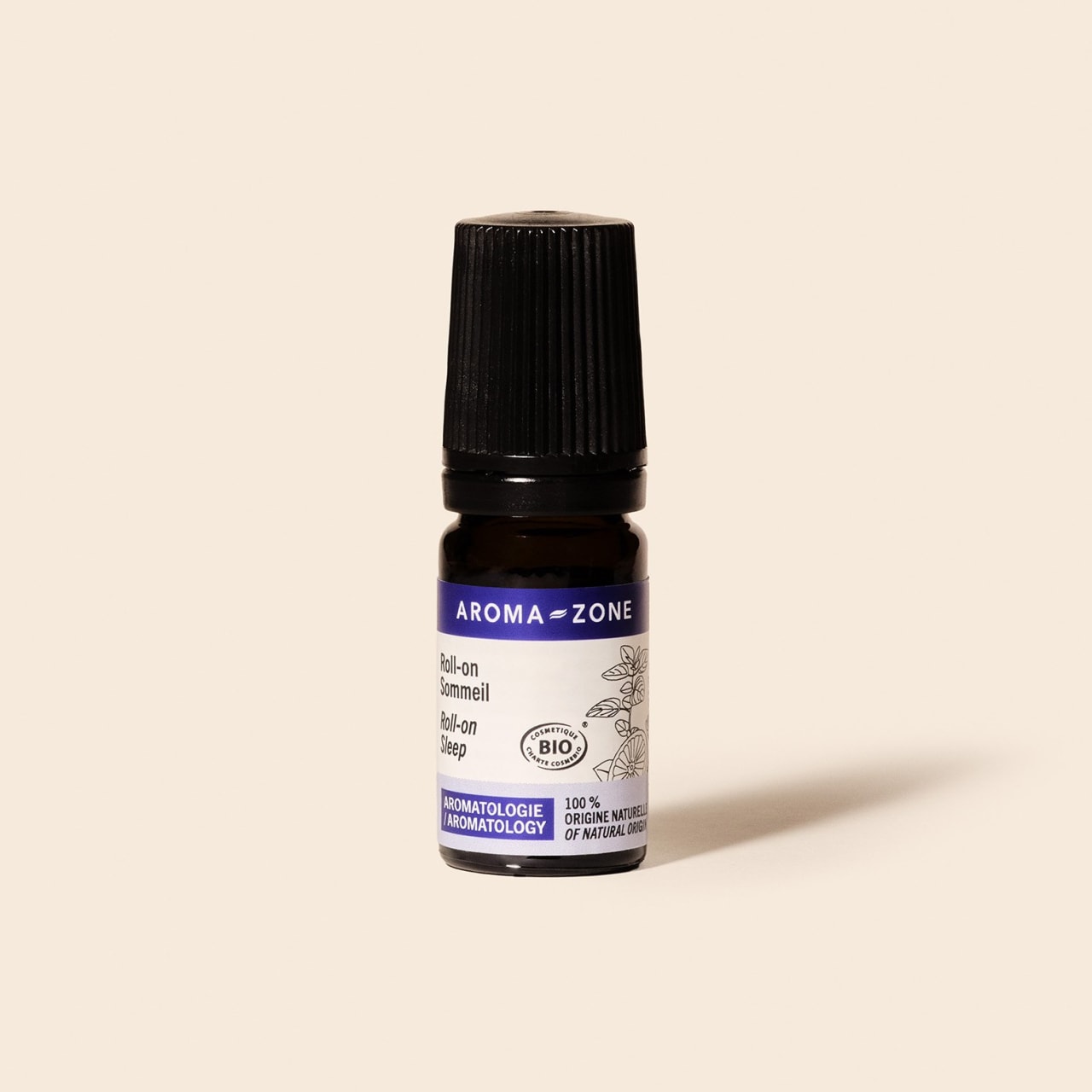
4. Adopt a final wellness ritual: featuring a blend of 6 organic essential oils selected for their calming effects, the Sleep Essential Oil Roll-On has a gentle, soothing scent that calms the mind and promotes sleep. In the evening before bedtime, apply the roll-on to the inner wrists. For a more pronounced calming effect, also apply the roll-on to the solar plexus. Breathe deeply by bringing your wrists close to your nose. For a moment of deep relaxation, the roll-on can also be applied to the arches of the feet. Do not use on pregnant or breastfeeding women or on children under 7 years of age.
Precautions
If sleep difficulties persist, a medical consultation is necessary to identify their cause. The moon’s influence alone is not sufficient to explain long-term sleep disorders. Wellness rituals can complement, but do not replace, professional advice when discomfort sets in.
Expert advice
Available studies show that outdoor brightness can slightly affect the time of falling asleep or the duration of sleep in certain situations, while a broader analysis finds no impact (1–3). This contrast underscores that the moon’s influence on sleep remains limited and depends primarily on the lighting environment. To maintain more consistent rest, it is helpful to create a calming atmosphere in the bedroom, reduce light sources before bedtime, and adopt a more relaxed pace in the evening. These adjustments help restore a more consistent daily balance.
Spotlight on Our Writer, Laura Almeras

Laura is a health, beauty and lifestyle writer. Passionate about travel and gastronomy, she shares all her nutritional advice on how to combine pleasure with well-being. Through her articles, she is committed to providing you with meaningful information and practical advice to nourish your body and mind.
Bibliography
Casiraghi L, Spies G, Munch M, et al. Synchronization of human sleep with the moon cycle under natural conditions. 2021
https://pmc.ncbi.nlm.nih.gov/articles/PMC7840136/
Burgess HJ, Baird B, Molina TA, et al. Lunar cycling in sleep and mood in individuals with bipolar disorder and healthy controls. 2022
https://pmc.ncbi.nlm.nih.gov/articles/PMC9760582/
Nguyen P. No mythical effect of moon cycles on sleep. 2024
https://pmc.ncbi.nlm.nih.gov/articles/PMC11646031/
Harvard Health, Moonlight may affect sleep cycles 2021
https://www.health.harvard.edu/staying-healthy/moonlight-may-affect-sleep-cycles



