What are some natural solutions for sleep apnoea?
Published on: Wednesday, February 14, 2024, Updated on: Friday, October 02, 2026
Considered a common respiratory disorder, sleep apnoea is characterised by interruptions in breathing during sleep that can last from a few seconds to a few minutes, leading to frequent awakenings. As a result, this syndrome can impair the recovery typically provided by sleep and increase the risk of various physical and mental health issues. Although conventional treatments are sometimes necessary to avoid any danger, there is growing interest in natural solutions that can help alleviate the symptoms of this disorder. In this article, we will explore various complementary natural approaches to help those affected regain deep, uninterrupted, and restorative sleep.
Contents
Related products
£4.50
5 ml
Vitality
Stress
£15.00
article
What is sleep apnoea?
Sleep apnoea is a respiratory disorder characterised by pauses in breathing during sleep. These breathing pauses can last from a few seconds to several minutes and may occur several times per hour. Sleep apnoea is generally associated with an obstruction of the airways, although in some cases, it may be due to an impairment of the brain's control over breathing.
There are three main types of sleep apneoa:
Obstructive sleep apnoea (OSA): This is the most common type of sleep apnoea. It occurs when the throat muscles relax during sleep, partially or completely blocking the airway. This leads to a decrease in oxygen supply and an increase in carbon dioxide in the blood, which triggers the brain to briefly wake the person so they can resume breathing.
Central sleep apnoea (CSA): This type of sleep apnoea is caused by a failure of the brain's control over breathing. The brain fails to send the necessary signals to the respiratory muscles to maintain regular breathing. People with central sleep apnoea may experience breathing pauses similar to those in OSA, but without airway obstruction.
Mixed sleep apnoea: This type of sleep apnoea is a combination of OSA and CSA. People with mixed sleep apnoea experience both airway obstructions and periods during which the brain stops sending respiratory signals.
Sleep Apnoea: How to Recognise the Symptoms
Recognising the symptoms of sleep apnoea is crucial for early management, as untreated sleep apnoea can lead to serious complications such as: high blood pressure, cardiovascular disease, strokes, and metabolic disorders. It is important to know how to recognise these symptoms or to consult a doctor.
You snore loudly: In fact, if you snore consistently and regularly during your sleep phases, regardless of the temperature in your bedroom (which affects the swelling of your mucous membranes and thus your snoring), this may be an early warning sign.
You wake up several times during the night: Waking up during the night is nothing out of the ordinary. But if you wake up briefly, for no apparent reason (bad dream, sudden movement), and experience a feeling of suffocation, you may have sleep apnoea. The sudden interruption of your breathing can wake you up.
You feel drowsy: If you experience signs of persistent fatigue and episodes of drowsiness during the day, even though you get enough sleep overall, and despite your best efforts, your energy levels do not improve, this may be a telltale sign that you have this condition. People with sleep apnoea consistently report feeling very tired, even though they sleep 8 hours or more a day.
You suffer from recurring headaches: Among other unknown causes, this may be explained by the fact that sleep apnoea causes pauses in breathing, and thus in the oxygenation of your brain. The brain, deprived of oxygen for sometimes several tens of seconds at a time, becomes impaired. Mood can also be affected by sleep apnea.
All these symptoms can vary in intensity and in frequency depending on your health, but if you have any doubts, it is crucial to consult a healthcare professional, most often an ENT doctor, who can address these concerns.
Can sleep apnoea go away? Is there a cure?
Considered a chronic condition, sleep apnea may require ongoing treatment. However, in some cases, regular medical follow-up combined with lifestyle changes or appropriate treatments can significantly alleviate symptoms, or even eliminate them.
Without external intervention, weight loss in overweight or obese individuals can sometimes reduce airway obstruction and cause the symptoms of sleep apnea to diminish or disappear. Similarly, measures such as quitting smoking, reducing alcohol consumption, and avoiding certain medications can help reduce episodes of apnoea.
Continuous positive airway pressure (CPAP) therapy, which is the most common treatment for sleep apnea, can effectively control symptoms and improve patients’ quality of life. However, CPAP does not cure sleep apnea. Similarly, surgery may be an option for correcting anatomical abnormalities that contribute to sleep apnea, though it does not guarantee a complete or risk-free cure either.
To find the most effective treatment for their individual needs, it is important for people with sleep apnoea to be monitored by a healthcare professional.
What is the best treatment for sleep apnoea?
The optimal treatment for sleep apnea depends on the severity of the condition, the patient’s preferences, and the underlying cause of the disorder. Here are some treatment options that may be prescribed as part of your medical care:
Therapy may be recommended:
Continuous Positive Airway Pressure (CPAP) Therapy: CPAP is the most common treatment for sleep apnoea. It treats sleep apnoea by delivering a constant flow of air through a mask worn over the nose or mouth during sleep. This pressure the airways open, thereby preventing blockages and breathing pauses.
Positional therapy: Because willpower alone is not always enough to correct the problem, some patients may benefit from devices or techniques designed to prevent them from sleeping on their backs, where sleep apnoea symptoms are often more pronounced, and instead encourage a side-sleeping position.
But also to recommend other devices such as:
Mandibular Advancement Devices (MADs): These devices, which resemble mouthguards, are worn at night to keep the lower jaw forward and keep the airways open.
As a last resort, and for the most advanced cases:
Surgery: For severe sleep apnoea syndromes, or when other treatments fail, surgery may be recommended to correct physical abnormalities in the airways.
Of course, it is recommended that anyone suffering from sleep apnoea discuss treatment options with a healthcare professional who can assess the severity of the condition and recommend the most appropriate treatment based on the patient’s needs.
How can sleep apnoea be treated naturally?
Treating sleep apnoea without the use of a device such as CPAP (continuous positive airway pressure) may be possible in some cases. This depends, of course, on the severity of this sleep disorder and on the nature of its causes. In cases of moderate to severe sleep apnoea syndrome, treatment without a device may not be sufficient to control symptoms and prevent potential complications.
That said, certain lifestyle changes and natural measures can complement these conventional treatments and help you better manage your sleep apnoea and its symptoms on a daily basis. Here are a few suggestions for approaches that may help alleviate symptoms:
Manage your weight if necessary: If you are overweight, losing weight through a balanced diet and regular physical activity is one way to reduce potential pressure on the airways (if this is indeed the cause of your sleep apnoea). If you are unable to lose weight despite these changes, don’t hesitate to seek help from a healthcare professional to identify possible hypothyroidism, insulin resistance, or any other obstacle to achieving this balance.
Improving your lifestyle: Limiting your consumption of alcohol or sedatives, as well as quitting smoking, can help reduce muscle relaxation that may cause airway obstruction during sleep. Finally, reducing exposure to allergens, such as dust and environmental allergens, can help prevent inflammation and airway obstruction.
Sleeping on your side: If you usually sleep on your back, we recommend sleeping on your side or on your back, with your upper body tilted at a 45-degree angle. Since the cause of sleep apnoea is mostly mechanical, these positions will help keep your airways clear during the night. Using an ergonomic pillow can help you find a comfortable position.
Do muscle-strengthening exercises: Exercises targeting the muscles of the tongue, throat, and soft palate can strengthen these areas and reduce the risk of airway obstruction. Your primary care physician can provide guidance on this. Targeted osteopathy sessions can improve pharyngeal stability and facilitate airflow through the throat after falling asleep. Similarly, speech therapy sessions may help improve the positioning of your tongue during sleep.
Create a sleep-friendly environment: Before going to bed, make sure your bedroom is completely dark and that the temperature is between 19 and 21 degrees. In addition, stick to a regular sleep schedule, avoid screens at least one hour before bedtime and avoid stimulants (caffeine, theine, sugar, heavy meals...) in the hours leading up to bedtime. Finally, feel free to use soothing essential oils in a diffuser, such as lavender.
Engage in physical activity: Many experts also emphasize the benefits of regular exercise as a preventive measure against sleep apnea. Exercises such as swimming, cycling, and walking, as well as sports like yoga or tai chi, can improve breathing, reduce stress, help you fall (back) asleep more quickly, and lower the risk of sleep apnoea.
While these approaches do not necessarily “cure” sleep apnoea, they can truly help mitigate its onset and symptoms.
All Aroma-Zone natural solutions that contribute to quality sleep
Spotlight on the Sleep Essential Oil Roll-On
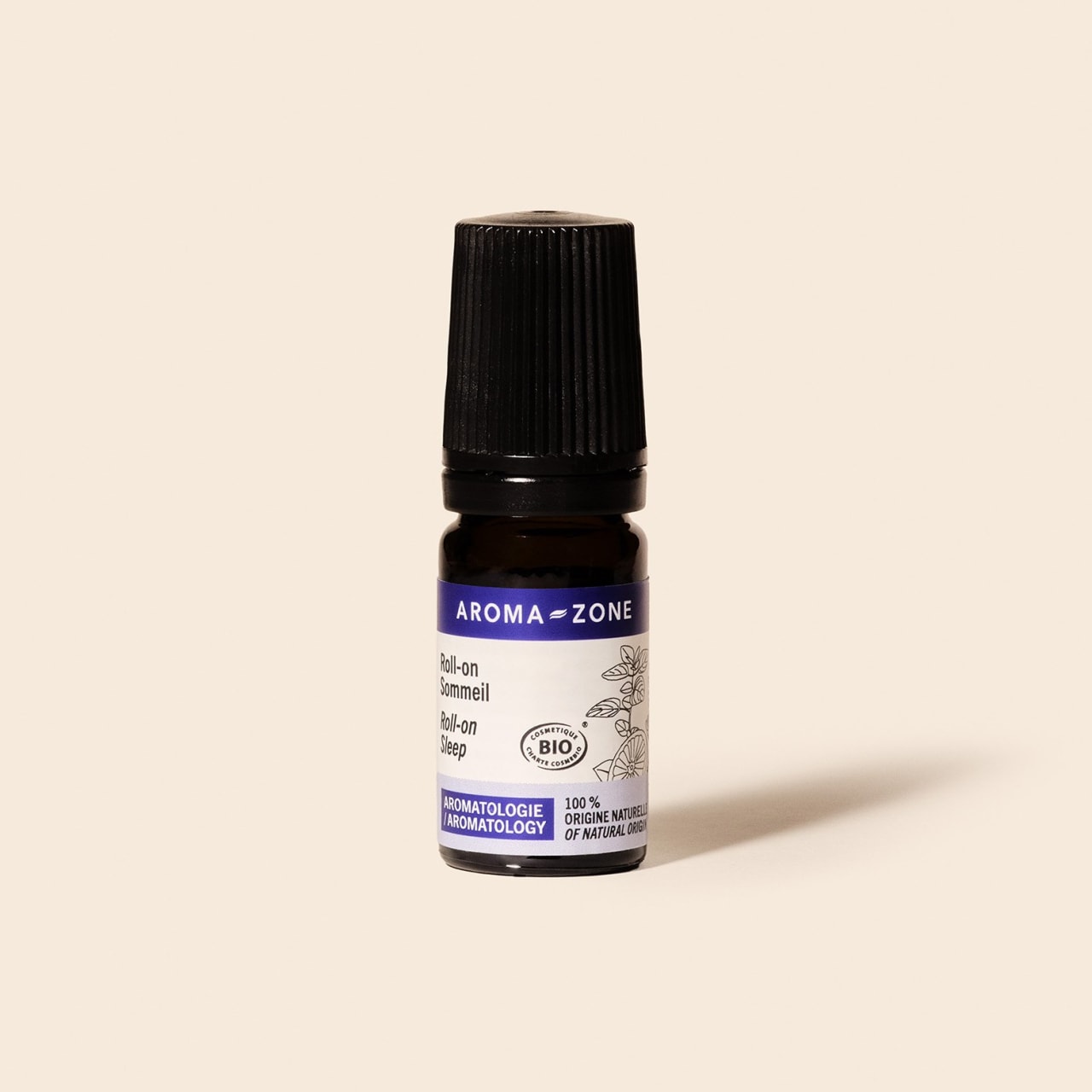
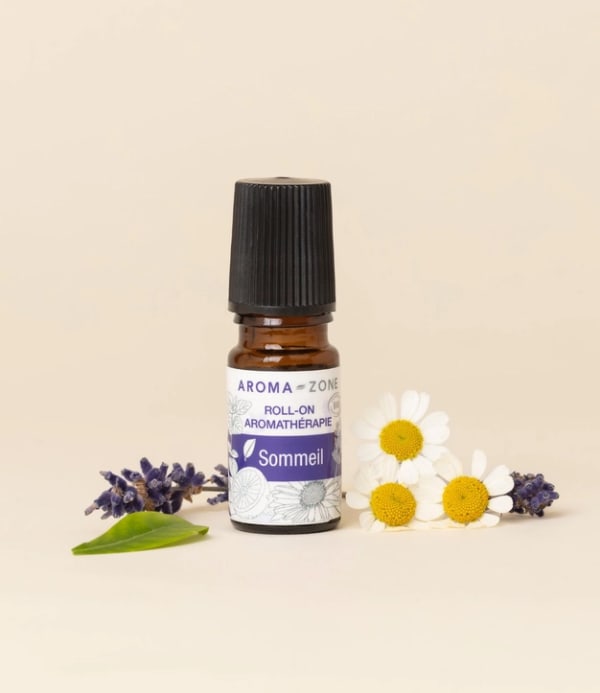
With a gentle, soothing scent, this blend combines the essential oils of True Lavender, renowned for its sedative effects; Bitter Orange Petitgrain and Roman Chamomile, known for releasing tension and calming mental ruminations; Shell Marjoram, a powerful balancer of the nervous system; and Red Mandarin and Sweet Orange, two citrus essences recommended for relaxation and a peaceful night’s sleep. Apply to the inner wrists at bedtime. Do not use on pregnant or breastfeeding women or on children under 7 years of age.

Spotlight on Organic Chamomile Dreams Herbal Tea
Relaxing and soothing, this tea is ideal to enjoy in the evening for a moment of relaxation to promote a good night’s sleep. Be sure to drink your tea well before bedtime to avoid waking up during the night to use the restroom.
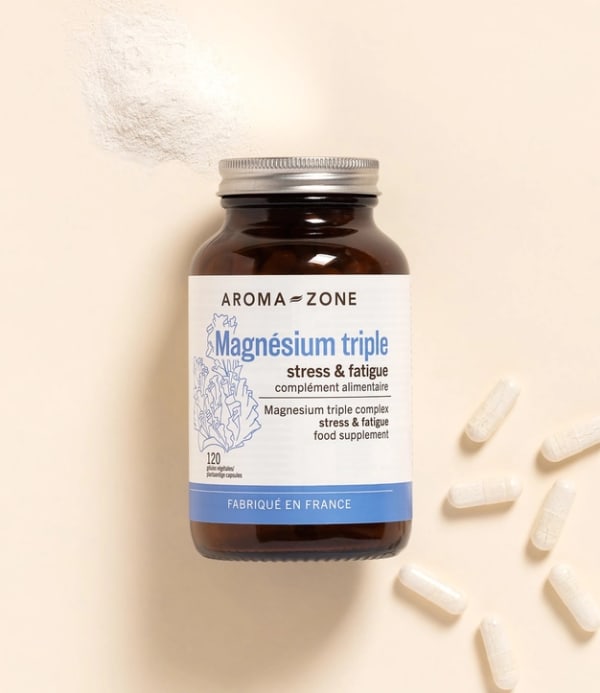
Spotlight on the Aroma-Zone Triple Magnesium Dietary Supplement
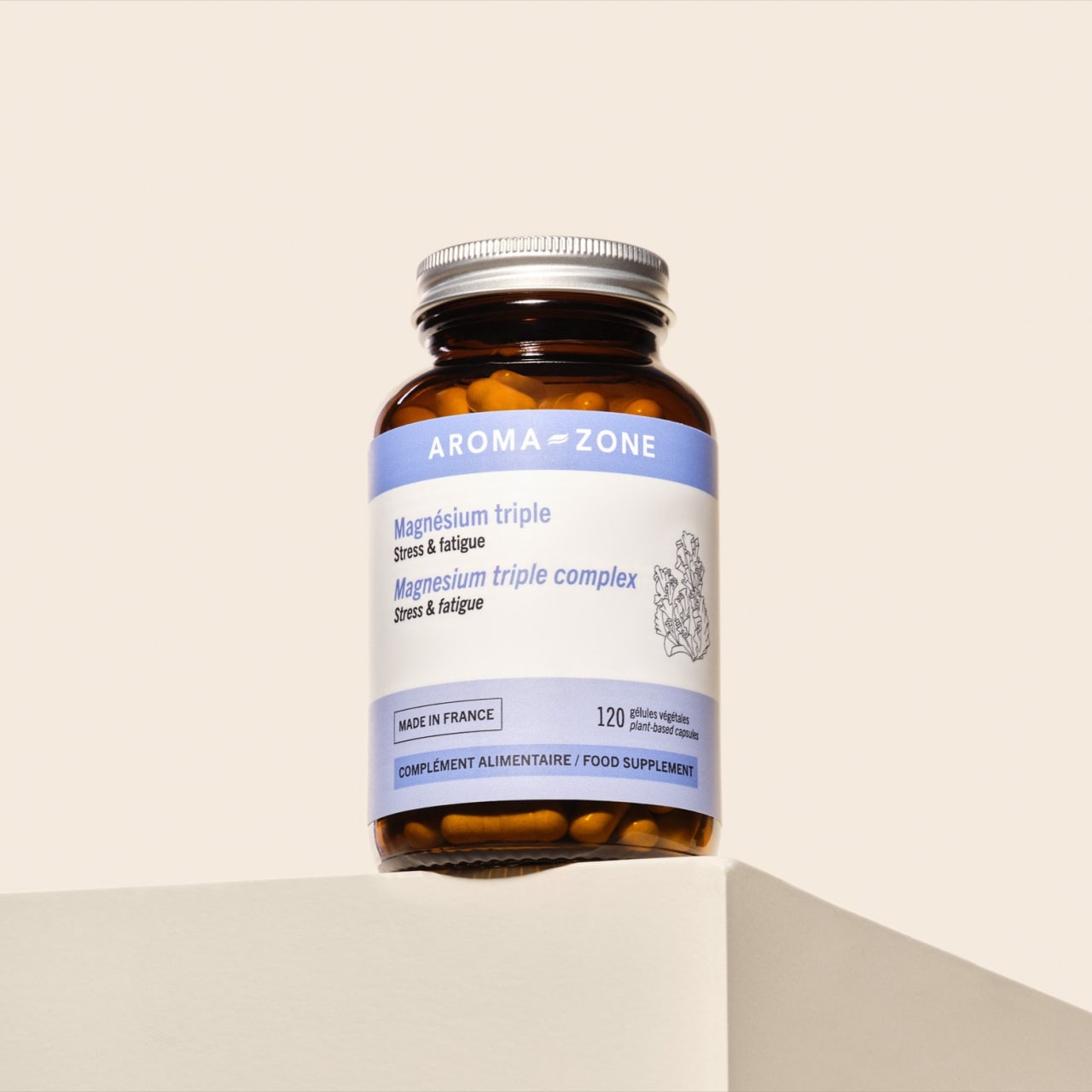
Magnesium, an essential mineral for the human body, is vital for our nerve cells. It protects against stress, mood disorders, and depression, as well as cardiovascular diseases by preventing high blood pressure. Our vegan marine magnesium dietary supplement combines a unique synergy of three forms of magnesium for enhanced bioavailability, good digestive tolerance, and optimal absorption. It is recommended for fatigue, stress, muscle recovery, and proper nervous system function.
Essential Oils for Sleep
Essential oils can be excellent allies in combating insomnia and promoting restorative sleep. Here are some of the most recommended essential oils for falling asleep:

True Lavender (Lavandula angustifolia): Lavender is widely recognized for its soothing and relaxing properties. It is one of the most commonly used essential oils to promote sleep. Caution is advised, however, as this essential oil is not recommended during the first 3 months of pregnancy or in cases of allergy.

Roman Chamomile (Anthemis nobilis): This oil is well known for its calming and sedative properties, which can help relieve anxiety and restlessness. This oil should not be used during the first 3 months of pregnancy or in cases of allergy.

Mandarin (Citrus reticulata): It has calming properties and is often recommended to aid in falling asleep, especially in cases of restlessness or hyperactivity. Since this oil is photosensitizing, we advise against sun exposure for 8 hours following topical application. It is not recommended during the first 3 months of pregnancy or in cases of allergy.
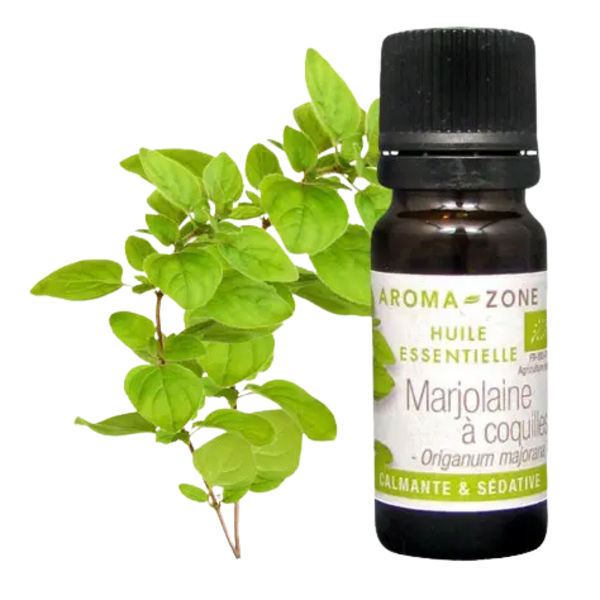
Marjoram (Origanum majorana): This oil is valued for its relaxing and balancing properties on the nervous system. However, it is not recommended during the first 3 months of pregnancy and should always be used diluted.
Warning
Essential oils should never be applied undiluted to the skin. Dilute them in a carrier oil. For more information, see our special feature "How to Sleep Better with Essential Oils".
Spotlight on Our Writer: Louise Hourcade

After graduating from ESCP Business School in 2020, Louise began her career as a writer in 2021. Today, she writes a newsletter where she shares cultural recommendations and more personal articles, such as dating apps, therapy, and career guidance. She also writes for the media, brands and agencies on subjects such as well-being, mental health, culture, and society.