Tips for Reducing Facial Puffiness in the Morning

Tips for Reducing Facial Puffiness in the Morning


By Lauréna Valette

Published on: Monday, December 18, 2023, Updated on: Thursday, October 29, 2026

Mornings often go the same way: creased skin with pillow marks, bags under the eyes, puffy eyelids, and more. As the night goes on, the face can seem to swell more and more. Whether or not you've had a rough night's sleep, the skin goes through a lot while you sleep, and it shows come morning. Let's explore some tips for reducing facial puffiness in the morning.

Contents

Related products

Why is my face puffy when I wake up in the morning?

In the morning, when the alarm goes off, your face is slightly puffy, dark circles mark your eyes, and your eyelids may be swollen. These symptoms vary in visibility from person to person. While they aren’t serious health concerns, they’re particularly unpleasant and can make you look tired. A slightly puffy face upon waking is due to normal fluid retention during the night. When you sleep, you’re lying down, and fluid accumulates in your face. While this is a normal process, various factors can cause it to be more pronounced.

Causes of a puffy face in the morning

  • Skin ageing

The skin on your face, like the rest of your body, ages. It’s inevitable. Over time, it becomes less supple. Collagen and elastin production decreases, so your face can no longer properly smooth out pillow lines.

  • Sleeping position and sleep quality

Two factors in one: sleep affects your puffy face when you wake up. If you sleep on your stomach, this will cause fluid to accumulate in your face. Similarly, if you sleep too much or not enough, your face may be more prone to puffiness and wrinkles upon waking.

  • Dehydration

Generally speaking, dehydrated skin will show more puffiness. So, if you don’t apply enough moisturiser in the morning and at night, you may experience water retention and facial swelling.

  • Lack of skincare

Similarly, if you don’t remove your makeup and go to sleep with mascara or foundation on, you could experience a skin reaction (contact dermatitis) that will cause redness, irritation, and puffiness under the eyes.

  • Diet

Diet plays a key role in water retention. Certain foods high in sodium, such as fast food, processed meats, soy sauce in sushi, or potato chips, increase the risk of water retention in the body and, consequently, fluid buildup in the face. Similarly, alcohol causes puffiness upon waking.

What medical conditions cause facial swelling?

If you suffer from health issues such as a sinus infection or hypothyroidism, you may notice your face swelling. This is also one of the symptoms caused by menstruation. Finally, an allergic reaction to environmental allergens (pollen, dust mites, pets, dust) inhaled during the night can cause facial swelling in the morning.

Why does the face swell as we age?

As we age, the skin produces less collagen, a protein that ensures firmness and elasticity. As a result, the face loses firmness, while water retention increases, causing facial swelling. Additionally, fatty tissue can shift or redistribute, which can affect the structure and shape of the face. For example, a loss of volume in certain areas can create the appearance of swelling in others.

How can you avoid a puffy face in the morning?

To reduce facial puffiness in the morning, there are certain healthy habits to adopt. First and foremost: lifestyle. You’ll need to drink enough water throughout the day to avoid dehydration, but also limit your intake of salt and alcohol, which not only cause dehydration but also contribute to water retention. To minimise sagging facial contours and skin ageing, adopt a good beauty routine every morning and evening. Take care of your skin with products suited to your skin type that deeply hydrate. Try sleeping with your head slightly elevated by using an extra pillow. This can help reduce fluid buildup in the face. Finally, choose a satin pillowcase over cotton; this material won’t leave marks on your skin.

How to reduce puffiness in your face?

  1. Wake up your face with cold water: Every morning when you wake up, splash cold water on your face to decongest and refresh your skin.

  2. Cold compresses: To reduce puffiness, apply cold compresses and leave them on for a few minutes while you eat breakfast. You’ll also notice your pores tightening.

  3. Drink plenty of water: Throughout the day, drink at least the recommended 1.5 liters of water and prioritise water-rich foods, especially at dinner.

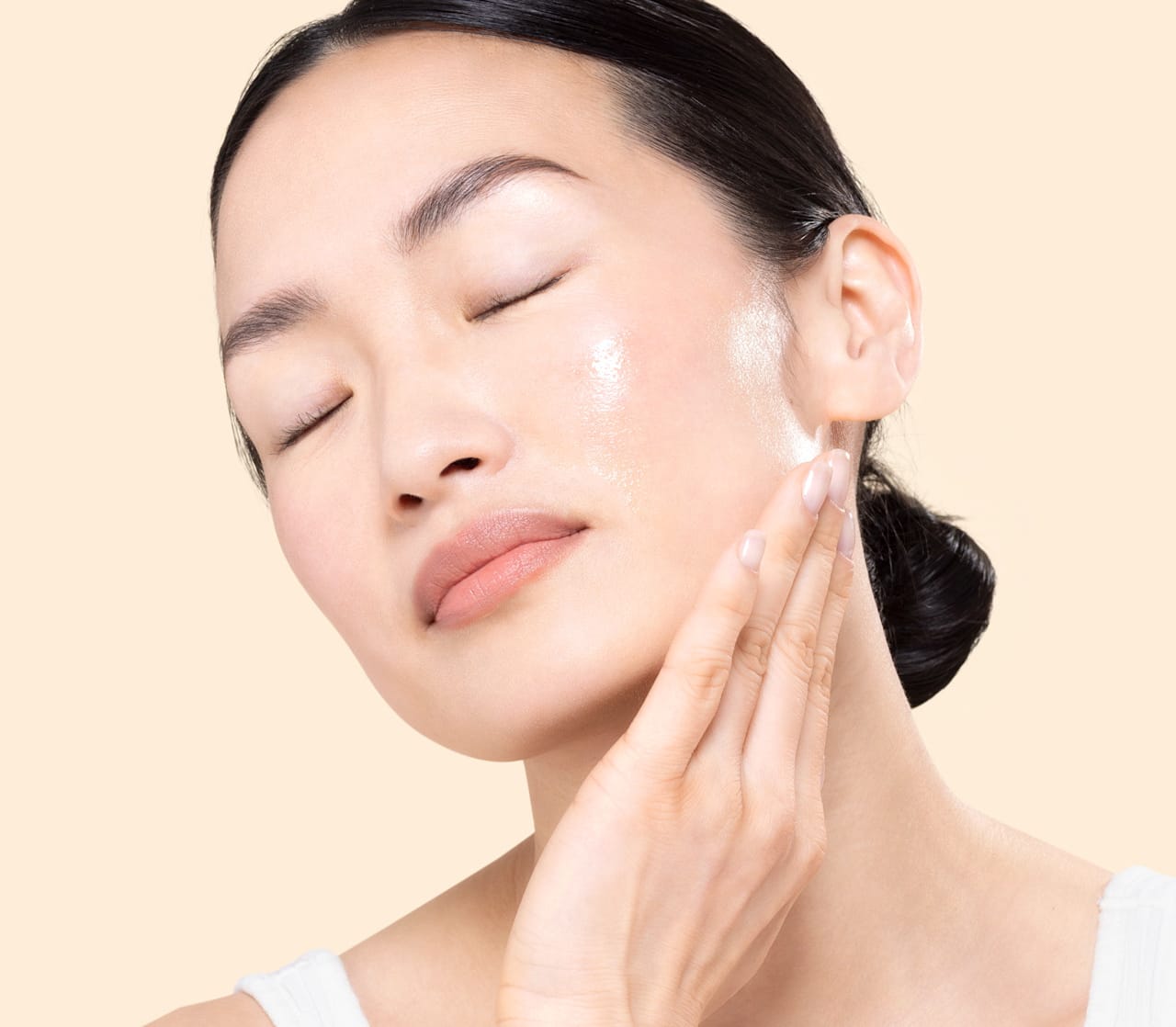
  4. Apply cream and massage your face: In the morning and at night, apply moisturiser to your face and neck for deep hydration. Use circular motions to gently massage the skin, which will stimulate blood and lymphatic circulation.

  5. Use a jade roller: Especially when massaging your face, you can use a jade roller to help drain lymphatic fluid.

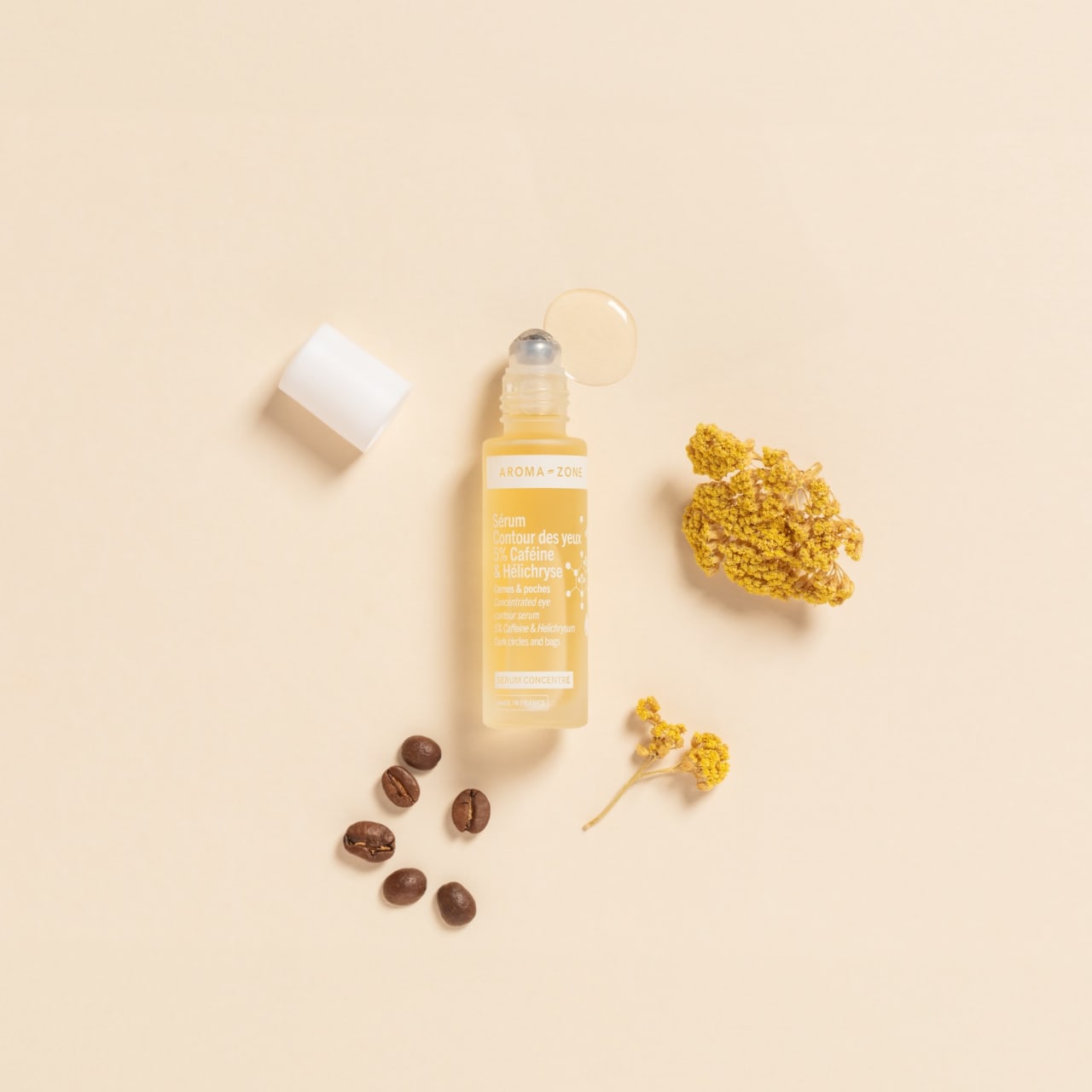
  6. Apply a decongesting treatment: Certain products are specifically designed to decongest the skin and improve its texture upon waking, as they have toning and stimulating properties.

Traditional remedies to reduce facial puffiness in the morning

Reduce puffy eyelids: Place two teaspoons in the freezer and rest them on your closed eyes every morning, with the inside of the spoon covering your eyes. This old-fashioned remedy will reduce the appearance of puffiness.

Relieve dark circles: Place two cold cucumber slices over your eyes to reduce inflammation and soothe the skin.

Decongest other areas of the face: Put cotton pads in the freezer and apply them to puffy areas of your face in the morning. 

In the evening, to prevent a puffy face, apply aloe vera gel to your face before bed. Aloe vera has anti-inflammatory and moisturising properties.

Spotlight On Our Writer: Lauréna Valette

Lauréna Valette

Lauréna is a journalist specialising in lifestyle, wellness and psychology. Alongside her writing, she travels the world, discovering all it has to teach us.

Bibliography

  1. High-resolution skin ultrasound in the differential diagnosis between nodular basal cell carcinoma and facial sebaceous hyperplasia: A pilot study

    https://www.sciencedirect.com/science/article/pii/S0151963815004883

  2. What You Need to Know About Anatomy to Address Facial Aging

    https://www.sciencedirect.com/science/article/pii/S0151963815002495