
The Oak: A Tree with Many Natural Benefits

The Oak: A Tree with Many Natural Benefits


By Coralie Techer

Published on: Wednesday, October 25, 2023, Updated on: Friday, October 02, 2026

The oak belongs to the botanical genus Quercus. A common sight in European landscapes, it is known for its dense wood, acorns and thick bark. In traditional herbal medicine, it is the oak bark that is of particular interest, especially that from the young twigs of certain European species.

Contents

Related products

Definition: What Is Oak (Quercus)?

The term oak refers to trees and shrubs of the genus Quercus, belonging to the Fagaceae family. This botanical family also includes beech and chestnut trees. The genus Quercus comprises numerous species, found mainly in the Northern Hemisphere. They are distinguished by their size, foliage, bark, acorns and adaptation to different environments.

In Europe, several species of oak are common: 

  • The Pedunculate Oak, Quercus robur, is one of the best-known species. It is found in many temperate regions and produces acorns borne on a peduncle, i.e., a small stalk

  • The Sessile Oak, Quercus petraea, also known as the common oak, bears acorns that are almost directly attached to the twig

  • The Downy Oak, Quercus pubescens, is more commonly found in drier, calcareous areas

These three species are those selected by the European Medicines Agency for the monograph on bark. This does not mean that all parts of these trees have the same uses, nor that all oak species can be used interchangeably.

Other species are found in Mediterranean landscapes, such as the holm oak, Quercus ilex, or the cork oak, Quercus suber. The latter is mainly harvested for its thick bark, which is used in the production of cork. The American red oak, Quercus rubra, is also planted in Europe, particularly as a timber or ornamental tree.

The fruit of the oak is the acorn. Its composition varies according to the species and degree of ripeness. The leaves, meanwhile, may be deciduous or evergreen, lobed or more leathery, depending on the species. This diversity explains why botanical identification sometimes requires careful observation.

What Are the Characteristics of This Tree?

The properties traditionally associated with this tree are mainly linked to the composition of its bark. The bark contains tannins, plant compounds belonging to the large family of polyphenols. Tannins have astringent properties: they can bind to certain surface proteins, resulting in a sensation of tightness or slight dryness upon contact with surface tissues.

This astringency explains some of the traditional uses of the bark. The European Medicines Agency classifies the bark as a plant-based substance for traditional use in certain preparations. This classification is based on a history of use, with specific indications and a limited duration of use. 

The properties of oak can therefore be summarised with caution: the bark is rich in tannins, it has an astringent profile, and certain traditional uses are recognised within a defined European framework. The available data do not justify extending these uses to all forms of oak or to all situations.

What Are Its Benefits?

The best-documented part of the oak in traditional uses is its bark. This is naturally rich in tannins, plant compounds known for their astringent properties. 

A Bark Rich in Tannins

Oak bark contains tannins, phenolic compounds that occur naturally in certain plants. These molecules are particularly known for their astringent effect, that is, their ability to cause a tightening sensation in the surface tissues. This high tannin content explains many of the traditional uses associated with oak bark.

Traditional Astringent Properties

Oak bark is traditionally used for its astringent properties. This property is sought after in certain local applications, where the aim is to support the comfort of the skin’s outer layers. However, it should not be interpreted as having a broad medicinal effect, but rather as a traditional use linked to the bark’s specific composition.

Topical Applications

Oak bark is mentioned in European texts in connection with certain local remedies, particularly for minor skin complaints. These uses remain traditional and clearly defined. They do not allow us to attribute a general effect on the skin to the oak, nor to present it as a solution for a specific skin condition.

Preparations for Use on Superficial Mucous Membranes

Certain preparations made from oak bark are described in European monographs for topical application to superficial mucous membranes. They are generally prepared as a decoction and must be used strictly under medical supervision. The concentration, duration of use and associated precautions depend on the type of preparation and the context of use.

Topical Baths for Traditional Use

Oak bark is also documented in certain traditional uses in the form of localised baths. These preparations are intended for specific situations and should not be generalised. They require precautions, particularly regarding the duration of use, the age of the person concerned and certain health conditions.

A Digestive Use to Be Approached With Caution

Oak bark is one of the plant substances traditionally described in Europe for use in certain short-term oral preparations. This use should be presented with great caution, as it does not apply to the oak tree as a whole and should not be extrapolated to its leaves. In the event of persistent, unusual or other symptoms-associated digestive problems, medical advice remains necessary.

Which Parts Can Be Used?

The oak can provide several plant-based materials, but they are not all used in the same way. The bark is the part best documented in European sources. Acorns and wood also have uses, but the level of documentation, their status and the precautions associated with them differ significantly.

The Bark: The Best-Documented Part

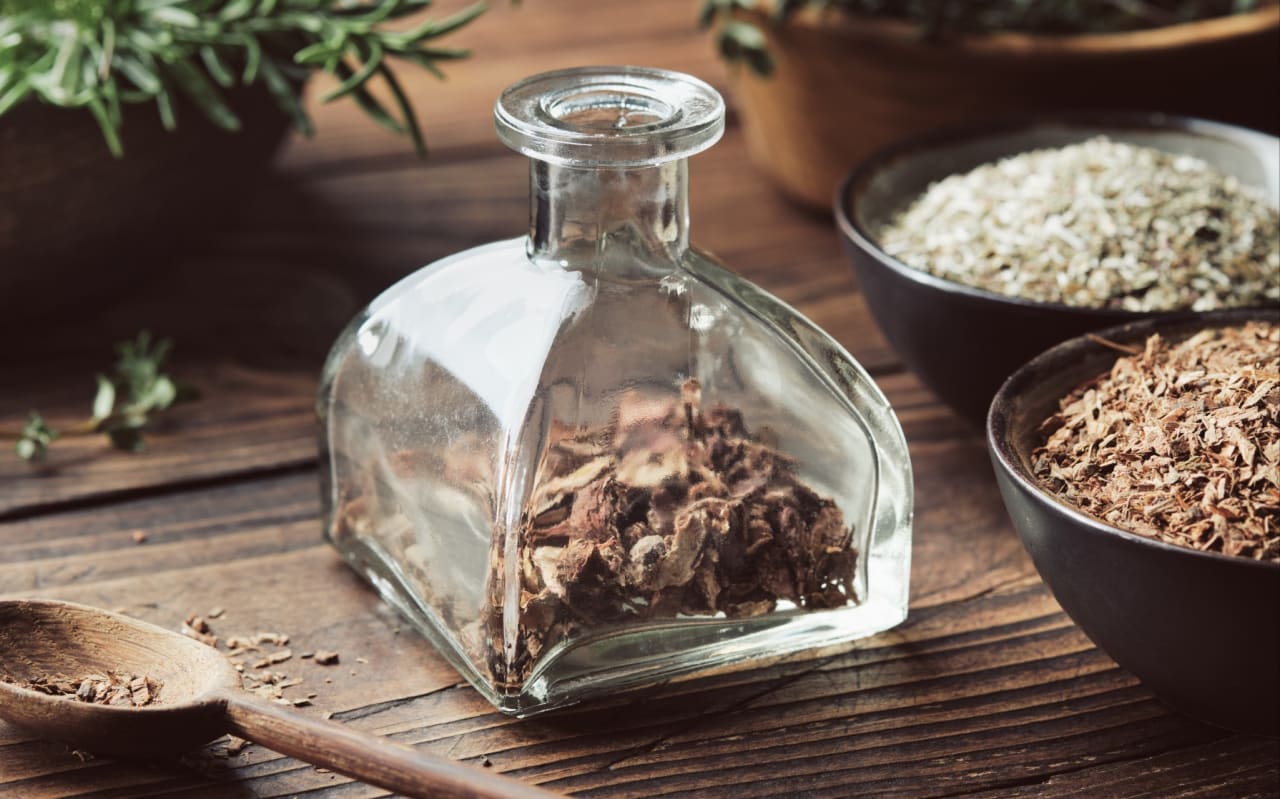
The bark is the part of the oak most frequently cited in traditional uses. The monograph by the European Medicines Agency focuses specifically on the bark of Quercus robur, Quercus petraea and Quercus pubescens. It covers cut and dried bark from young branches, as well as certain forms of preparation: chopped herb, powder, dry extract or decoction, depending on the product.

Its value lies primarily in its high tannin content. These plant compounds are responsible for its astringent properties, that is, its ability to cause a tightening sensation upon contact with superficial tissues. It is this profile that explains certain traditional uses of the bark in topical applications, localised baths, or in supervised preparations.

In practice, the bark may be found in various types of products: plant extracts, preparations intended for topical use, cosmetic formulations or products classified as traditional herbal medicines. These categories are not interchangeable. An extract incorporated into a cosmetic product must not be used as an oral preparation, and a traditional decoction is no substitute for medical advice when symptoms persist.

Acorns: A Traditional Food Source, Not to Be Eaten Raw

Acorns are the fruit of the oak. They have been consumed in certain culinary traditions, particularly after processing. This step is essential, as raw acorns are often very rich in tannins, which give them a strong bitterness and marked astringency. Their composition varies depending on the species of oak, the degree of ripeness and the preparation methods.

In traditional culinary practices, acorns could be dried, ground, leached or cooked to reduce their tannin content before being turned into flour or incorporated into certain dishes. This type of preparation requires specific expertise. 

The Wood: Used in Crafts, Not in Cosmetics

Oak wood is in a league of its own. It is prized for its density, hardness and durability. These qualities explain its use in joinery, carpentry, furniture-making, parquet flooring and cooperage. In the latter field, oak wood is valued for its physical properties and for the aromatic compounds it can release when in contact with certain liquids.

In summary, every part of the oak tree has its own specific uses. The bark is the best documented for certain traditional, regulated uses. Acorns are used in ancient culinary traditions following processing. The wood, for its part, is mainly used in craftsmanship and for technical purposes.

How Can This Plant Be Used in Everyday Life?

How the oak is used depends mainly on the chosen form and the part of the plant used. The bark or plant extracts incorporated into finished skincare products are not used in the same way. Before use, it is therefore important to consider three factors: the part of the oak used, the form of the product, and the area of the skin being treated.

In Cosmetic Skincare

In a cosmetic formulation, oak may be present in the form of a plant extract. It is then incorporated into a finished product: lotion, rinse-off treatment, gel, mask, shampoo, toothpaste or cosmetic mouthwash, depending on the specific formulation. In this context, the raw bark is not used directly, but rather as a measured ingredient incorporated into a formulation designed for a specific area.

Its benefits are generally linked to the presence of tannins, which have an astringent effect. An astringent substance creates a tightening sensation upon contact with the skin’s surface. In practice, oak can therefore be found in skincare products for combination or oily skin, for scalps that become greasy quickly, or in formulations designed to provide a sensation of freshness and cleanliness. This use is purely cosmetic: it relates to appearance, comfort or hygiene, without claiming any medicinal effect.

It is best to follow the instructions for use provided with the finished product. 

In a Localised Bath or as a Traditional External Application

Oak bark is also described in local traditional practices, particularly in the form of a decoction or a preparation intended for a bath. A decoction involves boiling a plant in water to extract certain compounds. This type of use mainly concerns the bark, rather than the leaves or acorns.

In practice, this may involve preparations intended for spot application to a limited area, in accordance with the product’s instructions. Strict guidelines must be followed: short duration, a well-defined area, no extensive wounds, and no prolonged use without professional advice. Hot baths containing herbal preparations are not suitable in certain situations, particularly in cases of fever, infection, heart failure or high blood pressure.

This treatment must not be improvised using bark that has been gathered, crushed or measured out approximately. The tannin content varies depending on the species, the age of the twigs, the part used and the method of preparation.

For Oral or Oromucosal Use

Certain oak bark preparations are described in European monographs for topical use on the mouth or superficial mucous membranes. The term ‘oromucosal’ refers to application in contact with the oral mucosa, for example as a mouthwash or gargle, depending on the product in question.

Here too, its use must remain strictly regulated. A product intended for oral use must not be swallowed unless the instructions for use specify otherwise. Nor should it be used on persistent irritation, severe pain, bleeding, or a lesion that is not healing. In such situations, advice from a healthcare professional is required.

What Are the Best Practices to Follow?

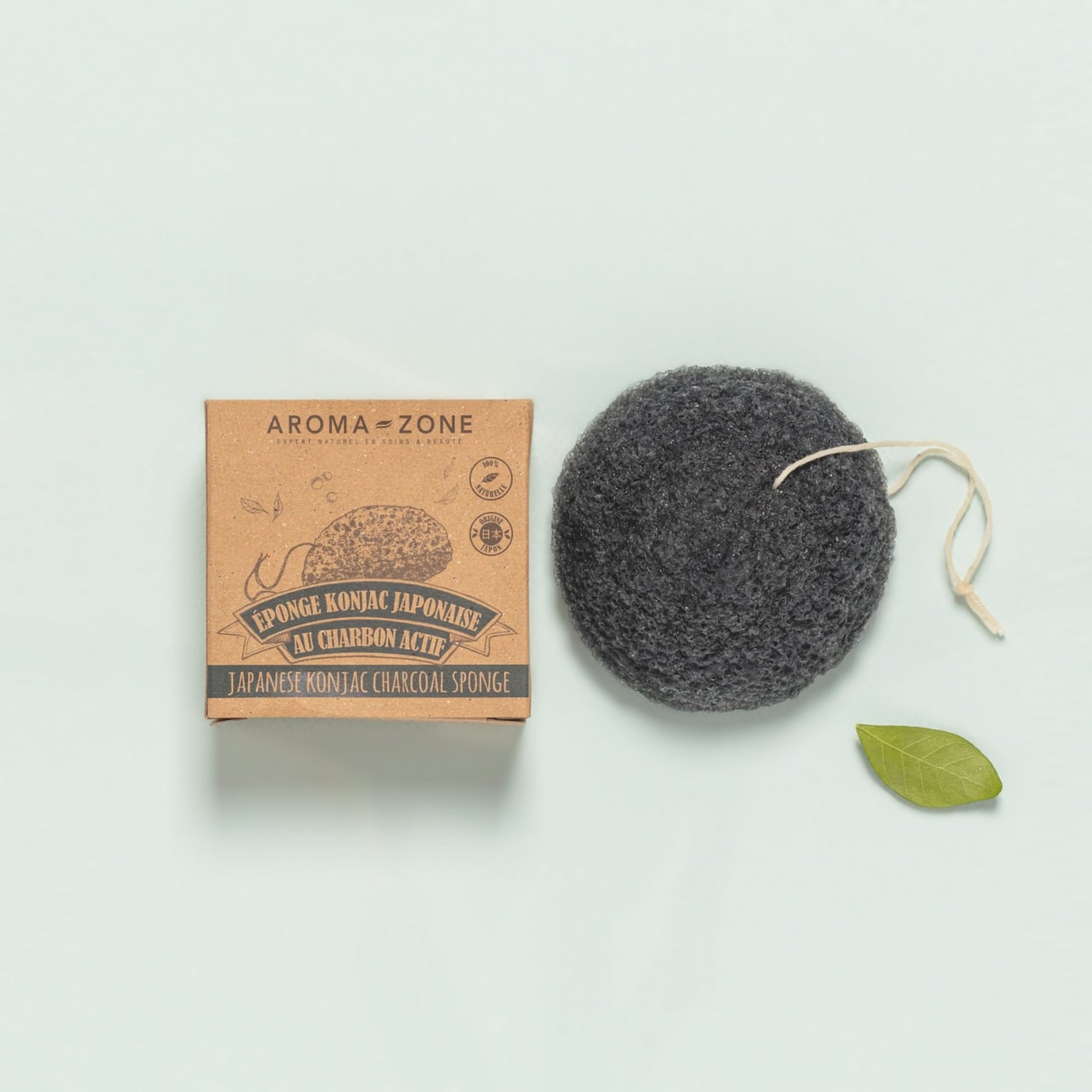
To use oak correctly, one must read the product label carefully and adopt a measured approach, particularly when dealing with bark or extracts rich in tannins. When it comes to exfoliation, even greater caution is required: exfoliation involves removing some of the dead cells from the skin’s surface, which can improve the appearance of the skin’s texture but may also weaken the skin barrier if done too frequently or too abrasively.

  1. Choose a Product Suitable for Exfoliation: Ensure that it is indeed a cosmetic product intended for this purpose, and not a raw plant-based preparation

  2. Opt for a Gentle Approach: Usie light, circular movements without rubbing too hard, as exfoliating too vigorously can cause redness, tightness or a burning sensation

  3. Adjust the Frequency to Suit Your Skin Type: Space out exfoliation sessions if you have dry, sensitive, reactive or redness-prone skin, and avoid daily use unless the product is specifically designed for this

  4. Avoid Delicate Areas: Particularly the eye area, mucous membranes, irritated areas, inflamed spots, sunburn, minor cuts or skin lesions

  5. Do Not Combine Harsh Treatments: Avoid using mechanical exfoliation, exfoliating acids, cosmetic retinoids, highly astringent skincare products or harsh cleansers on the same day, especially if your skin already feels tight

  6. Rinse Thoroughly if the Product Requires It: If so, then apply a simple moisturiser to minimise skin discomfort after exfoliation

  7. Discontinue Use in the Event of an Unusual Reaction: Particularly in the event of a burning sensation, persistent itching, marked redness, bleeding, extensive lesions, pain, or if you are currently undergoing dermatological treatment

Precautions

Oak bark is not recommended for children and adolescents under the age of 18, nor during pregnancy or breastfeeding, due to a lack of sufficient data. People who are allergic to oak or who experience a skin reaction should stop using it and seek professional advice. Hot baths containing herbal preparations should be avoided in cases of fever, infection, heart failure, or high blood pressure.

Expert Advice

The oak deserves a detailed description: it is a tree with a wide range of uses, but the best-documented data mainly concern its bark. This bark contains tannins, which give it its astringent properties. This astringency explains some of its traditional uses.  

For cosmetic use, the focus must be on the finished product. A formulation containing oak is not limited to this single ingredient: excipients, concentration, pH, area of application, and frequency of use all influence tolerability. On dry or sensitive skin, overly frequent use of astringent active ingredients may be poorly tolerated.

Spotlight on Our Writer: Coralie Técher

Coralie has spent seven years working as a journalist specialising in women’s issues. With a particular passion for beauty and well-being, she is committed to exploring natural self-care approaches. She keeps up to date with current research and trends and enjoys sharing relevant, reliable information with her readers.

Bibliography

  1. European Medicines Agency. Final Community Herbal Monograph on Quercus robur L., Quercus petraea (Matt.) Liebl., Quercus pubescens Willd., cortex. EMA/HMPC/3203/2009. 2011.

    https://www.ema.europa.eu/en/documents/herbal-monograph/final-community-herbal-monograph-quercus-robur-l-quercus-petraea-matt-liebl-quercus-pubescens-willd-cortex_en.pdf

  2. European Medicines Agency. Assessment report on Quercus robur L., Quercus petraea (Matt.) Liebl., Quercus pubescens Willd., cortex. EMA/HMPC/3206/2009. 2011.

    https://www.ema.europa.eu/en/documents/herbal-report/final-assessment-report-quercus-robur-l-quercus-petraea-matt-liebl-quercus-pubescens-willd-cortex_en.pdf

  3. European Medicines Agency. Quercus cortex, herbal medicinal product.

    https://www.ema.europa.eu/en/medicines/herbal/quercus-cortex

  4. European Medicines Agency. Addendum to assessment report on Quercus robur L., Quercus petraea (Matt.) Liebl., Quercus pubescens Willd., cortex. EMA/HMPC/645526/2018. 2020.

    https://www.ema.europa.eu/en/documents/herbal-report/addendum-assessment-report-quercus-robur-l-quercus-petraea-matt-liebl-quercus-pubescens-willd-cortex_en.pdf

  5. European Parliament and Council of the European Union. Regulation (EC) No 1223/2009 of 30 November 2009 on cosmetic products.

    https://eur-lex.europa.eu/eli/reg/2009/1223/oj

  6. European Commission. Nutrition and Health Claims.

    https://food.ec.europa.eu/food-safety/labelling-and-nutrition/nutrition-and-health-claims_en

  7. Royal Botanic Gardens, Kew. Quercus robur L. Plants of the World Online.

    https://powo.science.kew.org/taxon/304293-2

Frequently Asked Questions

Frequently Asked Questions