
The Jacobson relaxation technique for a moment of deep relaxation

The Jacobson relaxation technique for a moment of deep relaxation


By Eloise Dubois-Gaché

Published on: Friday, September 12, 2025, Updated on: Tuesday, September 15, 2026

There is no shortage of relaxation techniques these days: breathing, meditation, cardiac coherence, yoga… But have you ever come across the Jacobson relaxation technique? This method of muscle relaxation, developed a century ago, is based on a simple yet incredibly effective principle: tensing and then relaxing your muscles to release tension. Little by little, the body relaxes completely and the nervous system calms down, making this method a ritual particularly well-suited for the evening, to prepare the body for sleep. In this article, we explain how this muscle relaxation method works and, above all, how you can easily practise it at home in just a few minutes.

Contents

Related products

What is the Jacobson relaxation technique?

Jacobson’s progressive muscle relaxation was developed in the 1920s by the American doctor Edmund Jacobson, a specialist in the physiology of stress. He started from a simple idea: psychological tension is always accompanied by muscular tension, and learning to relax the body inevitably helps to calm the mind. This approach is now regarded as a progressive muscle relaxation technique, as it acts directly on the muscles to promote a state of physical and mental relaxation.

In practice, the method involves deliberately tensing and then relaxing different muscle groups, one after the other. By observing the contrast between tension and relaxation, the person becomes aware of their bodily sensations and learns to identify and then release stress-related tension.

Today, Jacobson’s relaxation technique is used in many fields: stress management, preparing for sleep, pain management and even improving concentration. Its strength lies in its simplicity: it requires no equipment and can be practised almost anywhere, in just a few minutes.


Why practise Jacobson’s relaxation technique?

The Jacobson relaxation technique is not just another relaxation method: it has a targeted effect on both body and mind. Its benefits have been studied and it continues to be used in modern approaches to stress management and sleep.

Reducing stress and anxiety

By learning to tense and then relax the muscles, Jacobson relaxation creates a contrast that helps to identify built-up tension. This exercise promotes body awareness and activates the parasympathetic nervous system, which is responsible for relaxation. The result is a measurable reduction in heart rate and breathing rate, which helps to reduce stress and anxiety.

Improving sleep quality

When practised at the end of the day, this method naturally prepares the body for rest. By gradually releasing tension, it makes it easier to fall asleep and reduces light sleep and night-time awakenings linked to a state of hypervigilance. Progressive relaxation can be incorporated into sleep hygiene protocols to promote deeper, more restorative sleep. Moreover, a recent meta-analysis confirms the effectiveness of progressive muscle relaxation on sleep quality in various clinical contexts.

Promoting muscle and body relaxation

Tensing and then relaxing muscle groups helps to loosen up the body and reduce feelings of stiffness. This muscle relaxation can be beneficial after a day spent sitting, or to relieve tension caused by maintaining the same posture for long periods. More than just a relaxation exercise, the Jacobson method teaches you to listen more closely to your body and prevent chronic tension from setting in.

Managing certain types of pain

The Jacobson relaxation technique is not limited to mental calm: it also offers benefits in pain management. A clinical study conducted following gynaecological surgery highlighted a marked improvement in comfort, with reduced pain and better sleep quality when the method was practised regularly. Other studies confirm its effectiveness in treating chronic lower back pain, by significantly reducing the perception of pain and improving comfort during everyday activities.

What are the benefits of this progressive relaxation technique?

This relaxation method offers numerous benefits for physical and mental wellbeing. Here are the main benefits of this practice: 

  • Reduced stress and anxiety: by activating the parasympathetic nervous system (the part of the nervous system that promotes relaxation and slows down vital functions), the method helps to calm breathing and the heart rate, leading to overall relaxation

  • Improved sleep: practised in the evening, it makes it easier to fall asleep and promotes deeper, restorative rest by releasing built-up tension

  • Relief from muscle tension: contracting and then relaxing muscle groups helps to loosen up the body and soothe tension caused by stress or poor posture

  • Management of certain types of pain: several studies show that progressive relaxation can help reduce the perception of pain

  • Enhancing body awareness: by learning to identify areas of tension, the Jacobson relaxation technique encourages greater self-awareness, making it easier to anticipate tension before it sets in.

How do you practise the Jacobson method?

The Jacobson relaxation technique can be practised almost anywhere, provided you have a few quiet minutes to yourself. The aim is to focus all your attention on the alternation between muscle contraction and relaxation.

  1. Take a few minutes for yourself: this technique can be practised almost anywhere, provided you are in a quiet place where you feel at ease. The aim is not to ‘do it right’, but to observe the sensations of tension and then relaxation.

  2. Get comfortable: sit or lie down in a position that you can maintain effortlessly throughout the session.

  3. Start by breathing calmly: take a few slow breaths to refocus and prepare your body for relaxation.

  4. Tense a muscle group, then release: for example, your hands, arms or shoulders. Hold the tension for 5 to 10 seconds, then release completely, without any sudden movements.

  5. Take the time to feel: after each release, allow yourself a few seconds to notice the difference between the tensed and relaxed muscles. It is this awareness that lies at the heart of progressive muscle relaxation.

  6. Gradually work your way through the whole body: hands, arms, shoulders, face, jaw, chest, stomach, legs and feet. There’s no need to rush: try to proceed slowly rather than trying to do everything in quick succession.

  7. Finish with a few deep breaths: stay still for a moment and let the feeling of relaxation settle in before resuming your activities.

  8. Adjust the duration to suit your needs: a session often lasts between 10 and 20 minutes, but even a few minutes are enough to release tension if you’re short of time.

  9. Prioritise regularity: practising two or three times a week generally leads to more lasting effects, although a one-off session is still beneficial after a stressful day.

  10. Listen to your body: the contractions should remain comfortable. If an area is painful or tender, reduce the intensity or move on to the next muscle group.

  11. Choose the right time: the end of the day or just before bedtime are often the best times to fully enjoy the relaxing effects of this method.

Natural remedies to complement Jacobson’s relaxation technique

There are natural remedies that can help you relax as part of your relaxation routine. Find out more below: 

Peaceful Night Pillow Mist Orange Blossom & Lemon Balm

‘Peaceful Night’ Pillow Mist with Orange Blossom and Lemon Balm: ideal for setting the mood, this natural mist can be used alongside the Jacobson relaxation technique, particularly in the evening. A few sprays on your pillow are enough to create a soothing scent that helps release tension in the body.

Warning: this product contains sweet orange essential oil and linalool, which may cause an allergic reaction. Flammable liquid and vapour: keep away from heat, flames and sources of ignition. Avoid contact with the eyes; in case of contact, rinse thoroughly with water for several minutes and seek medical advice if irritation persists. Keep out of reach of children and dispose of the container in accordance with current regulations.

Discover the ‘Peaceful Night’ Pillow Mist

Magnesium Triple dietary supplement: Magnesium is a mineral essential for the proper functioning of the nervous system and for muscle regulation. It can therefore enhance the effects of the Jacobson relaxation technique by helping to release tension.

Please note: this dietary supplement should be stored in its tightly sealed jar, away from light, heat and moisture. It is not a substitute for a varied and balanced diet, the recommended dose must not be exceeded, and it is intended for adults only. Keep out of reach of children. Pregnant or breastfeeding women should seek advice from a healthcare professional. Magnesium may have a laxative effect in some people. If you have a thyroid condition, seek advice from your doctor due to the presence of iodine in the organic sea lettuce extract.

Discover Triple Magnesium

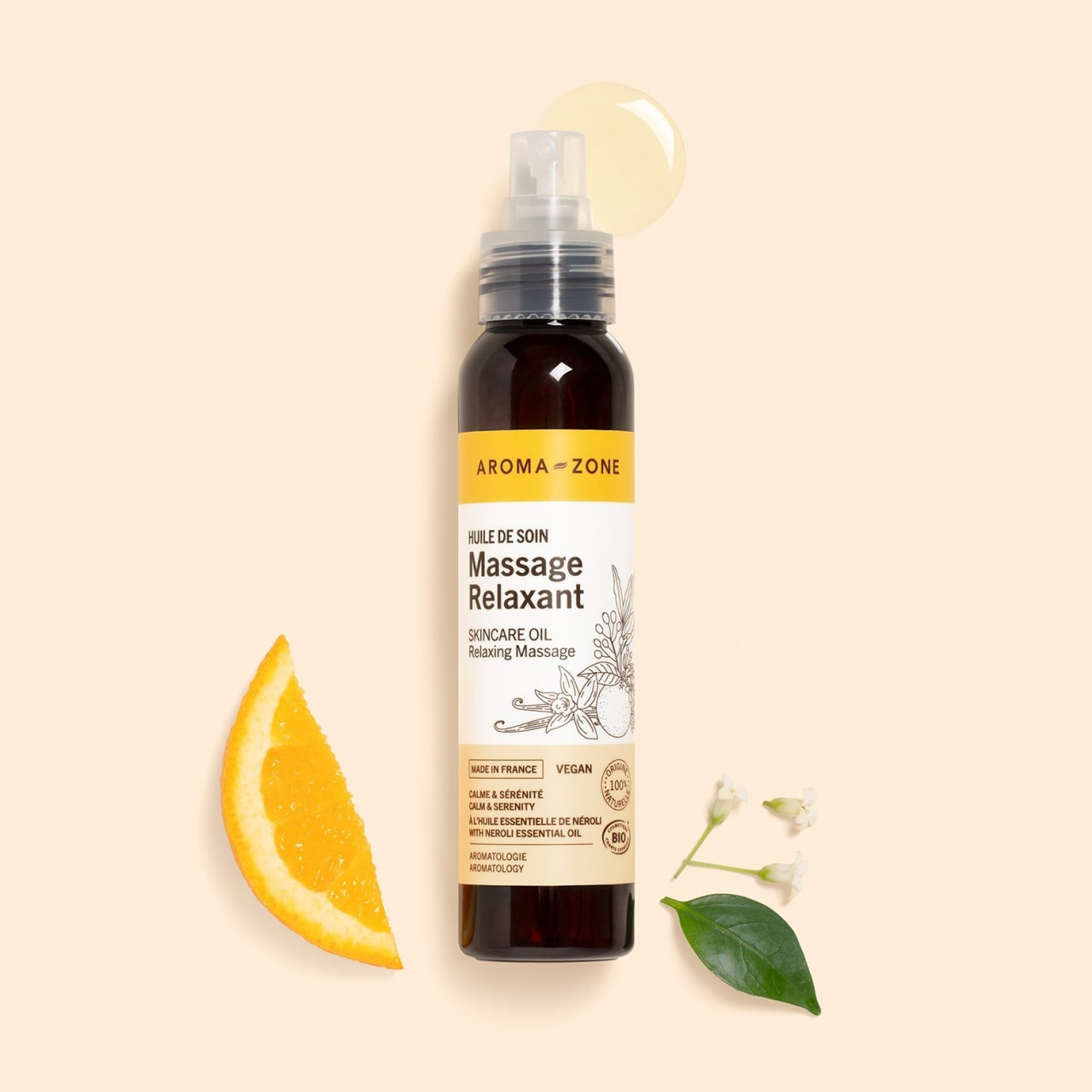
Organic Relaxing Massage Oil: made from plant-based oils such as sesame, cotton and almond, enriched with petitgrain and neroli essential oils and vanilla oil macerate, this blend promotes relaxation of both body and mind. Used for a gentle self-massage before or after a Jacobson session, it enhances or prolongs the feeling of deep relaxation.

Warning: this product must not be used on children, or by pregnant or breastfeeding women. Avoid contact with the eyes. In case of contact, rinse thoroughly with clean water. Do not expose yourself to the sun after application.

Discover the Organic Relaxing Massage Oil

What is a natural routine for relaxing muscles and joints?

To support your muscle relaxation practice, we invite you to discover this simple and effective relaxation routine, which you can adapt to suit your needs. 

How can you prevent stress in your daily life?

Where possible, it’s best to put in place the necessary practices to prevent stress before it arises. That way, stress doesn’t become a long-term issue and remains a one-off occurrence that’s well managed. Here are our common-sense tips for staying calm in your daily life: 

  1. Take proper breaks throughout the day: sometimes just a few minutes are enough to take the pressure off. Use this time to let your shoulders drop, relax your jaw, breathe more slowly or simply step away for a few moments from whatever is stressing you out.

  2. Get moving regularly, even without doing intense exercise: a few minutes’ walk, some stretching or simply changing your position regularly helps to relieve the physical tension caused by stress. The body needs movement to naturally return to a more relaxed state.

  3. Look after your sleep: a lack of rest often makes you more sensitive to the stresses of everyday life. Maintaining a regular sleep schedule, winding down before bedtime and avoiding overly stimulating screens in the evening can help the body recover more effectively.

  4. Learn to listen to your body’s signals: tiredness, irritability, neck tension or difficulty concentrating are sometimes signs that it’s time to take a step back. Spotting these early on allows you to take action before stress takes hold.

  5. Practise a relaxation technique that suits you: Jacobson’s progressive muscle relaxation, cardiac coherence or even a few breathing exercises can help calm the body’s stress responses. The important thing is to choose a method that you enjoy and can realistically incorporate into your daily life.

  6. Create moments to disconnect from digital devices: taking a few minutes to read, listen to music, spend time in nature or do an activity you enjoy without a screen allows your mind to take a breather. These little breaks play an important role in emotional balance. See also our article: Why and how should you disconnect from digital devices?

  7. Organise your daily life without striving for perfection: writing down your priorities, setting aside time to rest and accepting that you can’t control everything often helps to reduce your mental load. Sometimes, slowing down a little is also a way of staying more effective in the long run.

  8. Don’t hesitate to ask for support: talking about what’s on your mind with a loved one or a professional can help you gain some perspective and ensure you don’t have to go through a difficult time on your own. If you feel stress setting in, don’t keep it to yourself. 

Precautions

The recommendations provided in this article are for information purposes only. They are not a substitute for personalised advice from your GP. Jacobson’s relaxation is a wellness technique that does not replace medical care. It is not recommended in cases of chronic pain, muscle inflammation or mobility difficulties. If you have a mental health condition, it is essential to seek advice from a professional. Finally, before starting to take any dietary supplement, be sure to seek advice from your healthcare professional. 

Expert advice

If you find it difficult to count the seconds whilst trying to relax, let an app or a YouTube video guide you: like a virtual coach, they set the pace and remind you when to breathe in, tense your muscles, and then breathe out to relax. It’s a great way to practise without overthinking it and to really enjoy the moment.

Focus on our naturopathic writer, Eloïse Dubois-Gaché.

EDG.jpg

Eloïse is a certified ‘naturopathic practitioner’ by the Institut Supérieur de Naturopathie (ISUPNAT) and has been practising naturopathy for over five years. Thanks to her extensive experience working in various herbalist shops, Éloïse provides, where necessary, comprehensive and precise advice on phytotherapy, aromatherapy, gemmotherapy and micronutrition when drawing up a personalised lifestyle programme tailored to each individual.

Bibliography

  1. Bernstein, D. A., & Borkovec, T. D. (1973). Progressive Relaxation Training: A Manual for the Helping Professions. Research Press.

    https://eric.ed.gov/?id=ED117637

  2. Jacobson, E. (1938). Progressive Relaxation. University of Chicago Press.

    https://www.scirp.org/reference/referencespapers?referenceid=1209603

  3. Conrad, A., & Roth, W. T. (2007). Muscle relaxation therapy for anxiety disorders: It works but how? Journal of Anxiety Disorders.

    https://pubmed.ncbi.nlm.nih.gov/16949248/

  4. Ibrahim, H. A., Elgzar, W. T., & Hablas, R. M. (2021). The effect of Jacobson’s progressive relaxation technique on postoperative pain, activity tolerance, and sleep quality in patients undergoing gynaecological surgery.

    https://pubmed.ncbi.nlm.nih.gov/34422608/

  5. Kahreh, F. S., Abdi, A., Khatony, A., Salari, N., Paveh, B. K., Aznab, M., Naghibzadeh, A., & Mohammadi, M. (2024). The effect of the Jacobson relaxation technique on sleep quality in cancer patients undergoing chemotherapy: A randomised clinical trial.

    https://pubmed.ncbi.nlm.nih.gov/39371424/

  6. Lauche, R., Cramer, H., Haller, H., & Dobos, G. (2013). A systematic review and meta-analysis of mindfulness-based stress reduction for chronic pain conditions. The Journal of Pain.

    https://pubmed.ncbi.nlm.nih.gov/24290038/

  7. McCallie, M. S., Blum, C. M., & Hood, C. J. (2006). Progressive muscle relaxation. Journal of Human Behaviour in the Social Environment.

    https://www.semanticscholar.org/paper/Progressive-Muscle-Relaxation-McCallie-Blum/42a7ca1a7364f550dd6546e87e933137098d9735

Frequently Asked Questions

Frequently Asked Questions