


Dietary Supplements With the Highest Vitamin B12 Content

Dietary Supplements With the Highest Vitamin B12 Content


By Charlie Morel

Published on: Tuesday, January 20, 2026, Updated on: Friday, October 30, 2026

Vitamin B12, or cobalamin, is a nutrient essential for the body to function properly. It plays a role in the production of red blood cells, the health of the nervous system, DNA synthesis, and energy metabolism. However, intake is often insufficient, particularly among vegetarians or vegans, older people, or those with digestive disorders. When dietary intake or absorption is insufficient to meet the body’s needs, dietary supplements offer an effective and safe solution to prevent deficiencies. However, it is important to choose suitable forms of Vitamin B12 that can be easily absorbed. In this article, we help you better understand Vitamin B12, its role in the body, the benefits of supplementation, and the precautions you need to be aware of to make an informed choice.

Contents

Related products

What Is Vitamin B12?

Vitamin B12 is a water-soluble vitamin belonging to the group of B vitamins. Its scientific name is cobalamin, referring to cobalt, a trace element that forms part of its chemical structure. It is a unique vitamin due to its molecular complexity and the biological mechanisms required for its absorption and metabolism.

Origin and Natural Sources of Vitamin B12

Vitamin B12 is produced exclusively by micro-organisms (bacteria and archaea). Unlike other vitamins, it is not synthesised by plants or animals themselves. Animals accumulate Vitamin B12 through their diet or their gut microbiota, which explains why the main dietary sources of Vitamin B12 are of animal origin: meat (beef, lamb, liver), fish and seafood (sardines, mackerel, clams), eggs, dairy products, etc. Plant-based foods do not naturally contain active Vitamin B12, with the exception of certain algae or fermented foods, the bioavailability of which remains highly controversial from a scientific perspective.

Biological Role of Vitamin B12

Vitamin B12 plays a central role in several major physiological functions:

  • DNA Synthesis: It acts as an enzymatic cofactor in cell replication, which is essential for cell renewal

  • Red Blood Cell Formation: A B12 deficiency can lead to megaloblastic anaemia, i.e., the presence of abnormally large and dysfunctional red blood cells

  • Nervous System Function: Vitamin B12 is essential for the synthesis of myelin, the protective sheath surrounding nerves

  • Homocysteine Metabolism: It plays a part in the conversion of homocysteine (an intermediate amino acid) into methionine, thereby contributing to cardiovascular health

  • Energy Production: Indirectly supports the metabolic reactions involved in the release of energy from nutrients

Daily Requirements and Storage

The recommended dietary intake of vitamin B12 for adults is approximately 2.4µg per day. Vitamin B12 is stored in the liver, sometimes in sufficient quantities to cover several years’ worth of requirements. However, these stores do not provide complete protection against deficiencies, particularly when absorption is impaired.


Why Take Dietary Supplements to Support Vitamin B12?

Taking Vitamin B12 supplements can be advisable in many situations, as this vitamin has specific absorption characteristics that mean that even with a balanced diet, one's dietary intake is insufficient. Indeed, Vitamin B12 requires a complex digestive process involving gastric acidity, intrinsic factor (IF), and the integrity of the intestinal mucosa. Even the slightest impairment of any of these mechanisms can significantly reduce its absorption, gradually leading to a decrease in liver stores.

 Certain groups are particularly at risk of deficiency. People following a vegetarian or vegan diet do not consume natural sources of Vitamin B12 (of animal origin), which makes supplements essential to prevent deficiency. In older people, the physiological decline in the secretion of hydrochloric acid and intrinsic factor impairs the absorption of Vitamin B12, even when dietary intake is sufficient. This is because a certain amount of hydrochloric acid is required to release B12 from dietary proteins. Similarly, chronic digestive disorders or certain intestinal conditions can permanently limit the absorption of this vitamin. 

Furthermore, long-term use of certain medicines, such as antacids or metformin (an antidiabetic), is associated with a reduction in Vitamin B12 status. In these circumstances, dietary supplements provide a measured dose, stable, and bioavailable form of Vitamin B12, tailored to each individual’s specific needs.

How Can Dietary Supplements Support Vitamin B12?

Provides a Bioavailable Form of Vitamin B12

Dietary supplements provide Vitamin B12 that can be directly absorbed by the body, in forms specifically selected for their stability and biological efficacy. The most common are cyanocobalamin, methylcobalamin, adenosylcobalamin, and hydroxocobalamin. Once ingested, these forms can be utilised by the body as they are or converted into active coenzymes, which are necessary for essential metabolic reactions. This controlled bioavailability ensures a reliable supply, even when dietary intake is insufficient to meet requirements.

Overcomes Poor Absorption

The physiological absorption of Vitamin B12 depends on intrinsic factor, a protein secreted by the stomach. In the event of a deficiency of this factor or digestive disorders, absorption is significantly reduced. Dietary supplements, particularly when formulated at higher concentrations, allow for partial absorption via passive diffusion in the intestine. This mechanism, which is independent of intrinsic factor, is particularly beneficial for older people, those suffering from digestive disorders or who have undergone gastric surgery.

Supports the Functioning of the Nervous System

Certain forms of Vitamin B12, particularly methylcobalamin, play a direct role in the synthesis and regeneration of myelin, the protective sheath surrounding nerve fibres. Appropriate supplementation therefore helps to maintain cognitive function, the optimal transmission of nerve impulses and the prevention of neurological disorders associated with prolonged deficiency, such as numbness, balance problems, or memory difficulties.

Helps Regulate Homocysteine Levels

Vitamin B12 plays a role in the metabolism of homocysteine, an amino acid whose accumulation is associated with an increased cardiovascular risk. Working in synergy with Vitamin B9 and Vitamin B6, it facilitates the conversion of homocysteine into methionine, thereby helping to maintain normal physiological levels. Dietary supplements support this biochemical balance, which is essential for cardiovascular and cellular health.

Supports Energy Metabolism and Reducing Fatigue

As an enzymatic cofactor, Vitamin B12 plays an indirect role in the reactions involved in energy production at the cellular level, particularly in the mitochondria. Appropriate supplementation helps to optimise the utilisation of nutrients and to minimise fatigue associated with a deficiency, which is often mistaken for a lack of sleep or chronic stress.

Prevents Anaemia and Supports Tissue Oxygenation

Vitamin B12 is essential for the normal formation of red blood cells. Dietary supplements help to prevent megaloblastic anaemia, characterised by inefficient production of red blood cells. By supporting optimal haematopoiesis (the formation of blood cells), they promote better tissue oxygenation and help maintain the body’s overall vitality.

Which Dietary Supplements Can Help Boost Vitamin B12?

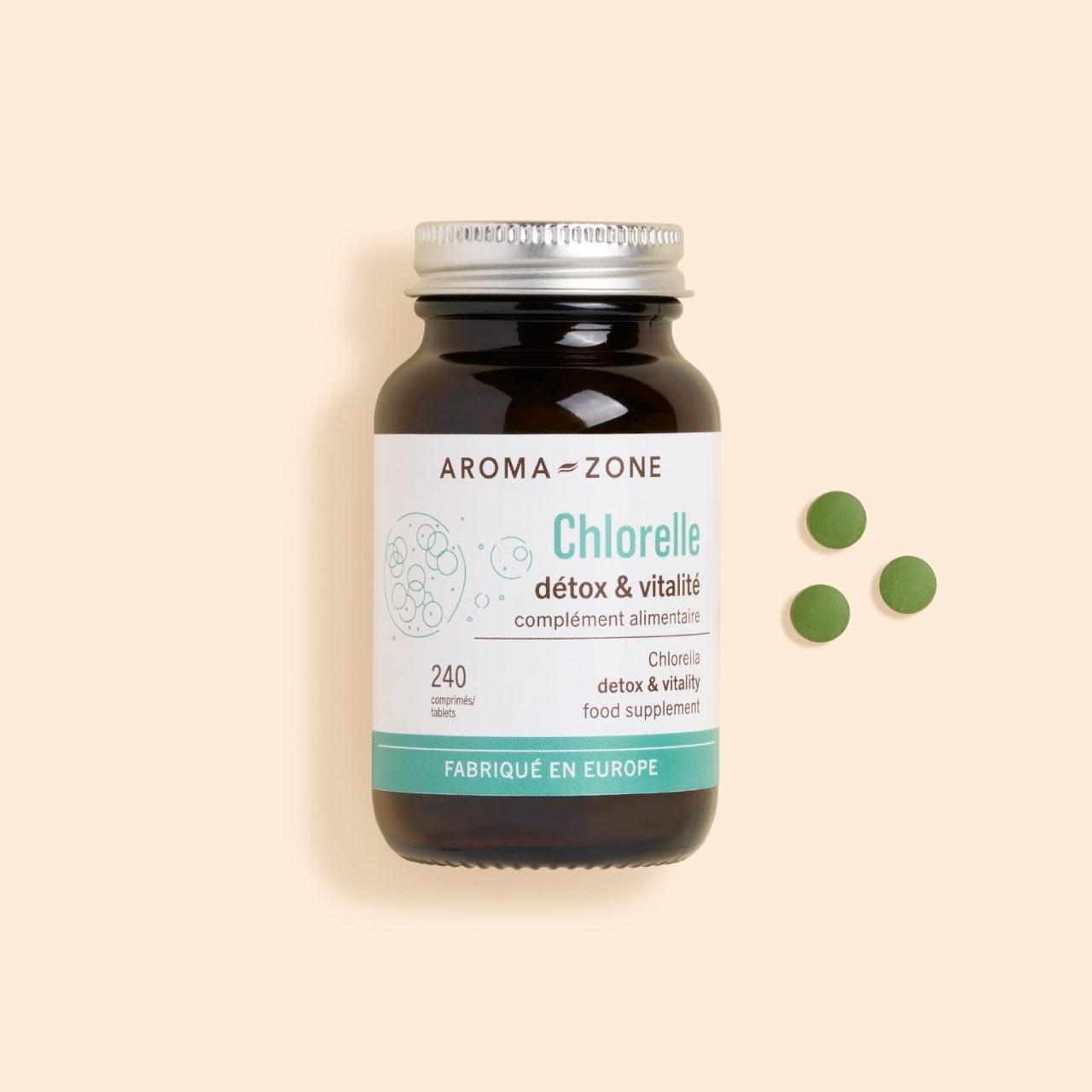
Chlorella – 240 Tablets – Dietary Supplement

This dietary supplement is made from 100% natural chlorella, grown in Europe under controlled conditions to guarantee its quality and purity. This plant is renowned for supporting the body’s natural detoxification process and contributes to healthy liver function. Thanks to its high content of Vitamin B12, fibre, protein, and antioxidants, this dietary supplement restores energy and vitality in cases of temporary fatigue, supports the immune system and gut health, and helps to maintain the body’s natural defences, energy levels, and general well-being. The tablets can be chewed or swallowed easily as part of a daily wellness routine.

Discover Chlorella – 240 tablets – Dietary supplement

How Can You Optimise Your Vitamin B12 Intake?

Optimising your Vitamin B12 status does not rely solely on supplementation. Diet is the first essential step wherever possible. Regular consumption of foods naturally rich in Vitamin B12, such as fish, seafood, eggs, dairy products, and offal, helps to maintain an adequate physiological intake. The quality of food also plays a role, as products from sustainable sources that have undergone minimal processing generally offer a higher nutritional density.

Digestive health is a key factor in the absorption of Vitamin B12. Sufficient gastric acidity is required to release Vitamin B12 from dietary proteins, while adequate production of intrinsic factor is essential for its absorption in the gut. Chronic digestive disorders, intestinal inflammation, or hypochlorhydria can permanently compromise absorption. Supporting the digestive system through a balanced diet, rich in fibre, and by maintaining a diverse gut microbiota indirectly contributes to better utilisation of Vitamin B12.

Nutritional interactions must also be taken into account. Vitamin B12 acts synergistically with other micronutrients, notably Vitamin B9 and Vitamin B6, which are involved in the same metabolic pathways, particularly in the metabolism of homocysteine. An adequate intake of iron and zinc is also important for supporting the formation of red blood cells and tissue oxygenation.

Finally, lifestyle has a significant influence on optimising the availability of Vitamin B12. It is necessary to limit the consumption of alcohol, as this impairs the body’s absorption of the vitamin. It is also important to manage chronic stress, which can affect digestion and the absorption of micronutrients.

Precautions

Taking Vitamin B12 as a dietary supplement should be tailored to an actual need and should not be taken routinely. It is recommended that you adhere to the recommended dosages, avoid prolonged use of high doses without medical advice, and opt for targeted supplementation (for vegetarians, older people, or those with absorption disorders). A excessively high blood level of Vitamin B12 can have adverse effects on the body. If in doubt, or when taking the supplement long-term, a blood test and consultation with a healthcare professional are recommended.

Expert Advice

Vitamin B12 is essential, but supplement use must be targeted and sensible. There is no point in increasing the dose if your intake is already sufficient as this does not provide any extra energy and may lead to side effects. In pregnant and breastfeeding women, Vitamin B12 plays a part in the baby’s neurological development. Supplement use may be necessary, but it must be appropriate and supervised by a healthcare professional.

Spotlight on Our Specialist Writer: Charlie Morel

charlie.jpg

Charlie holds a Master’s degree in cosmetic formulation. Passionate about cosmetology and a lover of words, she decided in 2020 to become a web editor specialising in cosmetics and beauty. Her desire for a career change inspired her to go freelance, giving her the freedom to work from anywhere in the world.

Bibliography

  1. Angelica Loup-Leuciuc, Pierre-Jean Loup, Tommaso Lombardi, Jacky Samson. Vitamin B12 deficiency (Part 1): an update. Journal MBCB, 2011.

  2. Obeid R, Andrès E, Češka R, Hooshmand B, Guéant-Rodriguez R-M, Prada GI, Sławek J, Traykov L, Ta Van B, Várkonyi T, et al. Diagnosis, Treatment and Long-Term Management of Vitamin B12 Deficiency in Adults: A Delphi Expert Consensus. Journal of Clinical Medicine. 2024; 13(8):2176.

  3. Moravcová M, Siatka T, Krčmová LK, Matoušová K, Mladěnka P. Biological properties of vitamin B12. Nutrition Research Reviews. 2025;38(1):338–370.

  4. Anaïs Dreistadt. Vitamin B12 deficiency and oral health. Life Sciences [q-bio]. 2019.

Frequently Asked Questions

Frequently Asked Questions

Associated tips
