
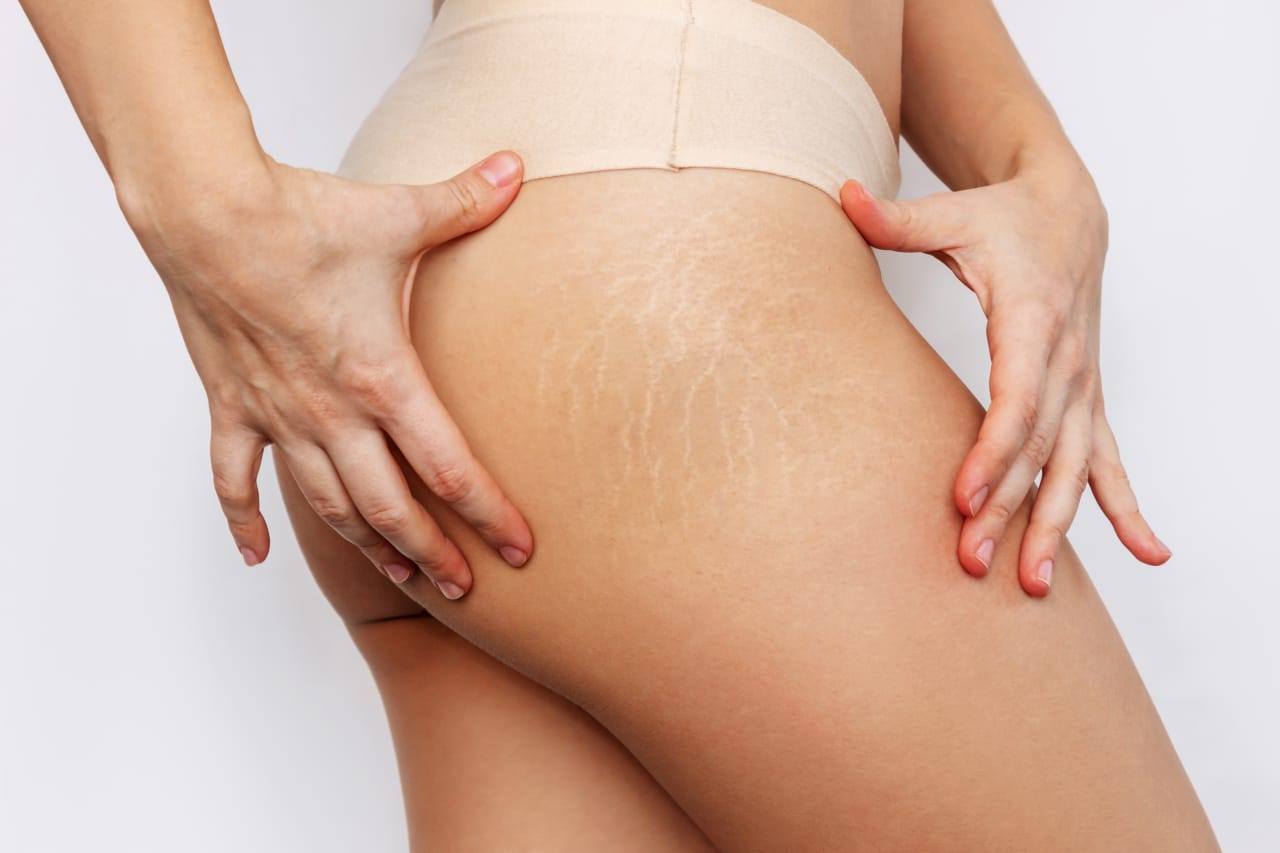
Stretch marks on the buttocks: what causes them and how can they be reduced?
Published on: Thursday, January 25, 2024, Updated on: Monday, November 23, 2026
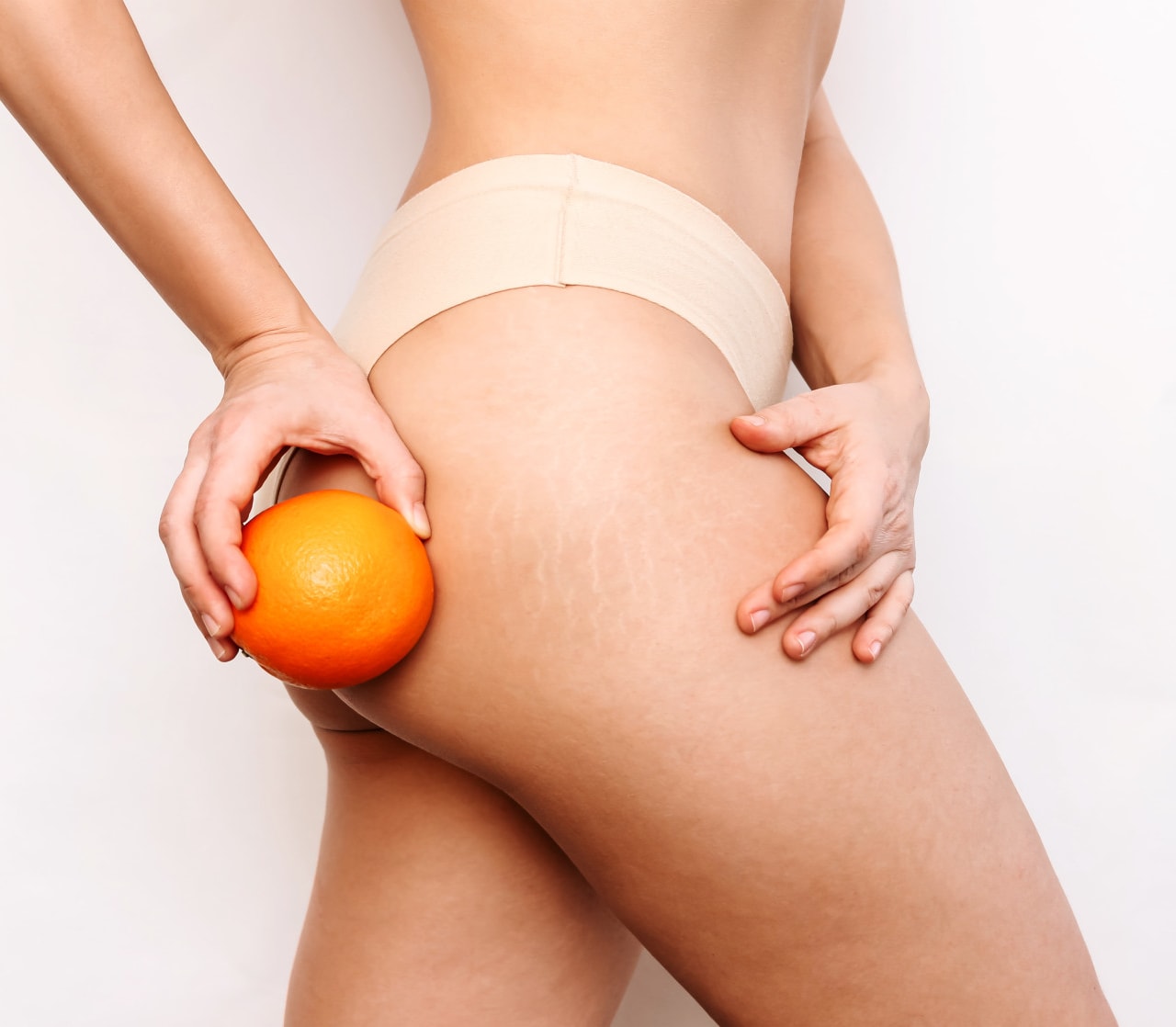
Stretch marks on the buttocks are not inevitable, but they can cause some cosmetic concerns. These skin marks result from rapid bodily changes and require a careful approach. This article explores practical advice and solutions for minimising and preventing stretch marks on this often-overlooked part of the body.
Table of contents
Related products
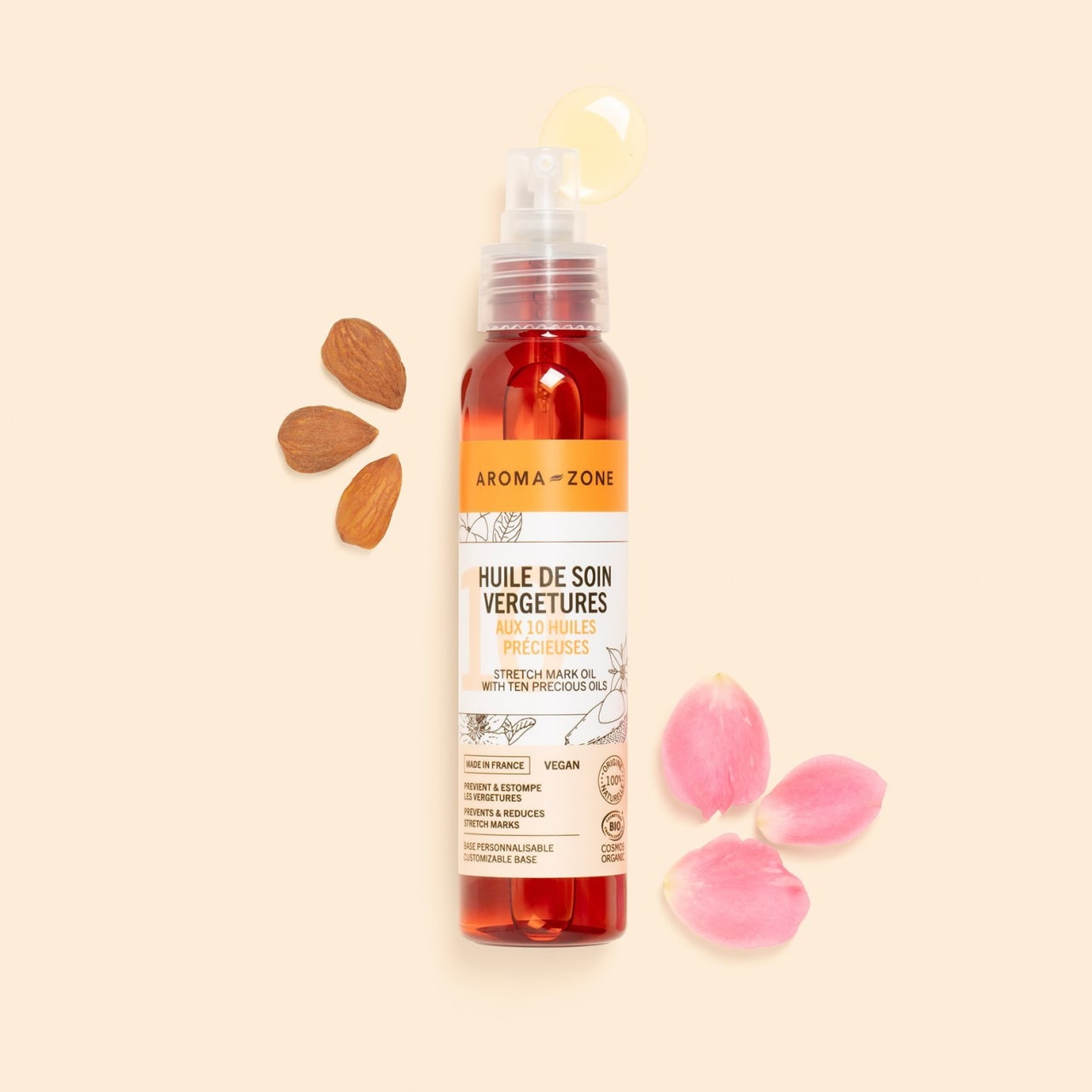
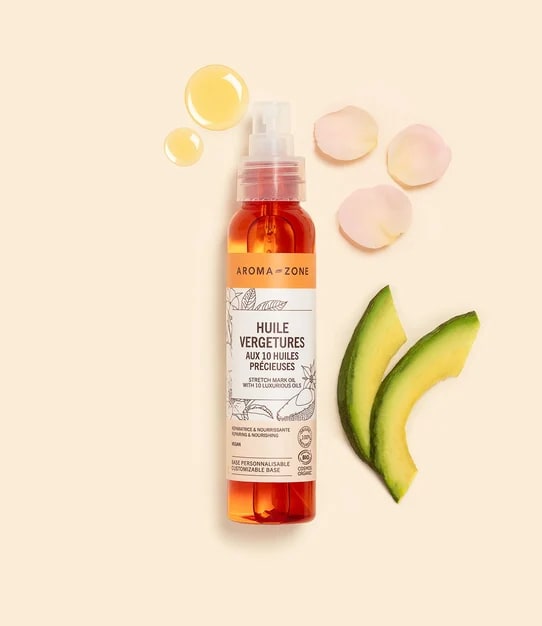
Nourishing
£9.00
100 ml

£5.00
100 ml
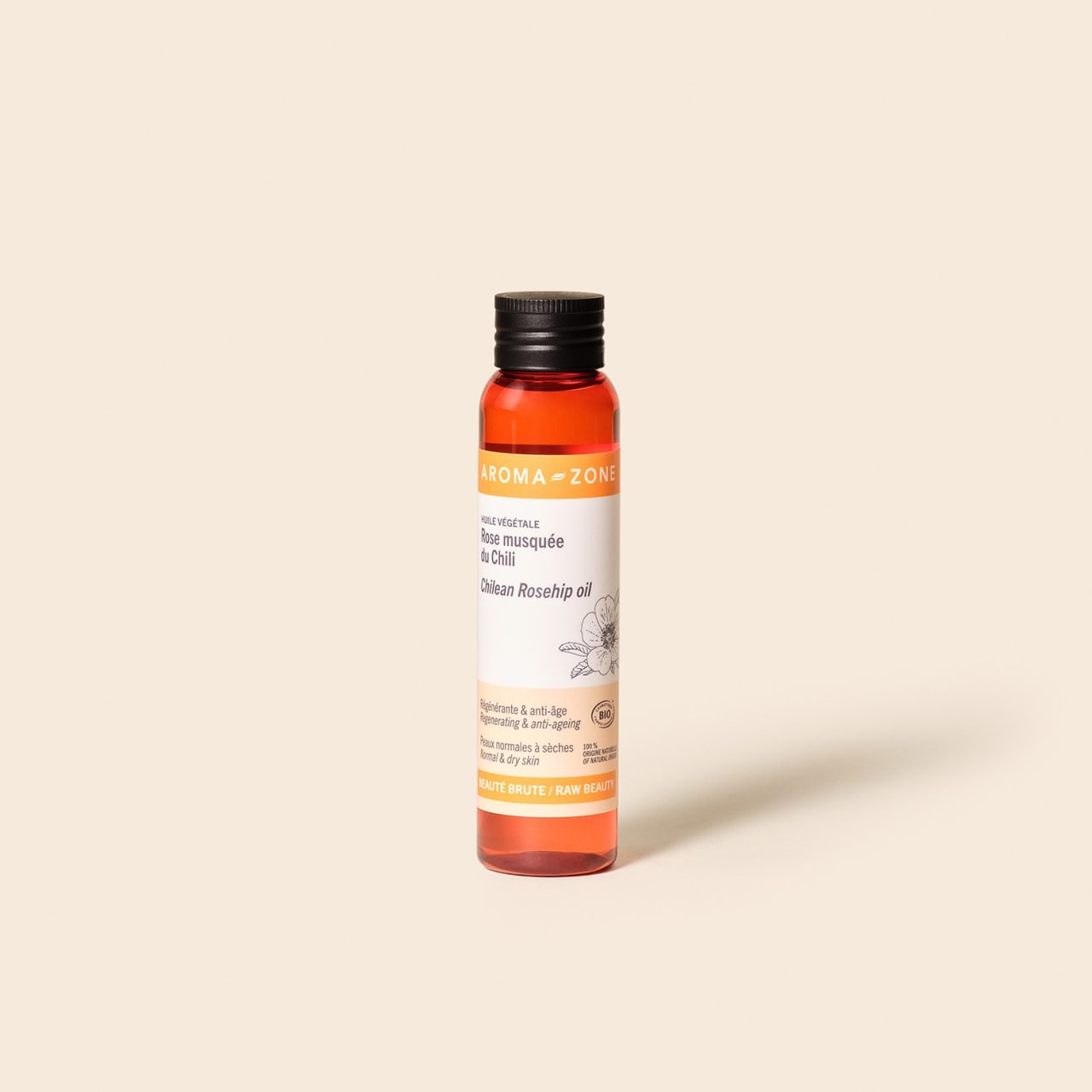
Anti-ageing
£21.00
100 ml
2 options
What are the possible causes of stretch marks on the buttocks?
Stretch marks on the buttocks can be caused by several factors:
Rapid weight gain or loss: Significant fluctuations in weight can stretch the skin rapidly and suddenly, leading to the formation of stretch marks.
Puberty: During puberty, rapid growth and hormonal changes can cause the skin to stretch excessively, particularly on the buttocks.
Pregnancy: Physical changes during pregnancy, including weight gain and hormonal changes, can also cause stretch marks on the buttocks.
Hormonal: Hormones play a crucial role in the skin’s elasticity. High levels of cortisol, for example, can weaken the skin’s fibres, making stretch marks more likely.
Genetics: Heredity can also influence the likelihood of developing stretch marks. If your parents had stretch marks, you may also be more likely to develop them.
Intensive weight training: Rapid muscle mass gain can also cause the skin on the buttocks to stretch rapidly, leading to the formation of stretch marks.
By understanding these causes, it is possible to better prevent and treat stretch marks on the buttocks through appropriate skincare and lifestyle changes.
Regular moisturising to prevent stretch marks on the buttocks
Keeping the skin on the buttocks well moisturised is essential for improving its elasticity. The delicate nature of the skin in this area requires special attention to prevent stretch marks, unwanted marks that can occur due to excessive stretching.
Choosing moisturisers
Using moisturisers specifically designed to promote skin health is crucial. Opt for products rich in vitamins E and C, two antioxidants known to promote cell regeneration and protect the skin against oxidative damage.
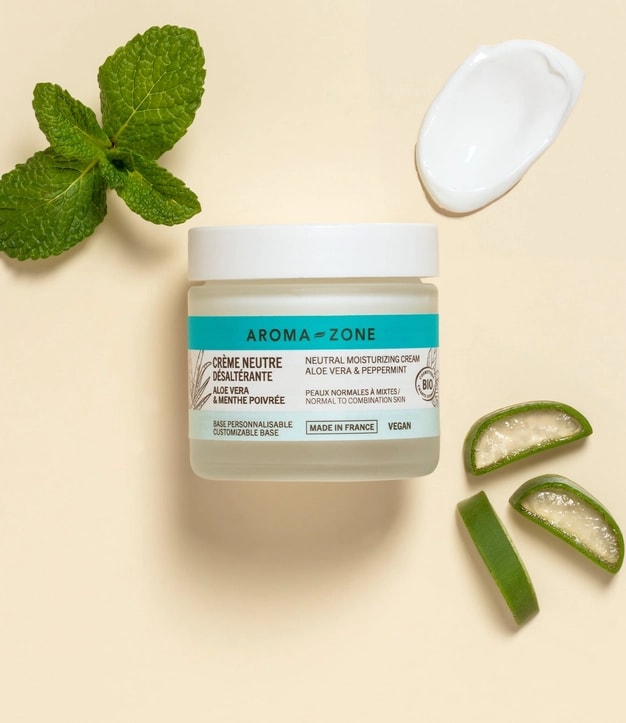
The role of vitamins E and C
Vitamins E and C play a crucial role in preventing stretch marks. As antioxidants, they help to strengthen the skin’s resilience. Their effect on cell regeneration helps to minimise existing stretch marks and prevent new ones from appearing.
Applying moisturiser straight after a shower
Applying these moisturisers is particularly effective after a shower. At this point, the skin is slightly damp, which helps the nutrients to be absorbed. Apply the cream generously to lock moisture into the upper layers of the skin.
A beneficial daily routine
Make this part of your daily routine to look after the delicate skin on your bottom. As well as preventing stretch marks, regular moisturising helps to keep your skin soft, smooth and well-nourished.
The importance of massage in preventing stretch marks
Massaging the buttocks, when combined with nourishing oils, offers a holistic approach to preventing stretch marks. Opt for oils such as sweet almond, argan or coconut oil, which are known for their nourishing properties and skin benefits. When these oils are massaged into the skin, they stimulate blood circulation, thereby promoting cell regeneration.
Skin tissue regeneration
Regular massages help to soften the skin tissue on the buttocks. Applying gentle pressure combined with circular movements encourages the nourishing oils to penetrate the deeper layers of the skin. This action promotes the flexibility of the skin fibres and can help to reduce the appearance of existing stretch marks.
Choosing nourishing oils
Sweet almond oil is rich in vitamins and essential fatty acids, providing deep hydration. Argan oil, meanwhile, is renowned for its regenerative properties and its ability to improve the skin’s elasticity. Coconut oil, with its moisturising benefits, deeply nourishes the skin, helping to keep it healthy.
Targeted exercise to tone the buttocks and reduce stretch marks
Incorporating targeted physical exercises into your routine can play a crucial role in preventing stretch marks on the buttocks. These exercises aim to strengthen the subcutaneous muscles, which helps to tone the skin, thereby improving its elasticity and reducing the appearance of stretch marks.
Recommended exercises
Squats and lunges are among the most recommended exercises for strengthening the gluteal muscles. Squats engage the lower-body muscles, including the glutes, whilst lunges specifically target the thigh and gluteal muscles. These muscle-strengthening movements can promote the regeneration of skin tissue, creating a solid foundation for firmer skin.
The versatility of strength-training exercises
As well as squats and lunges, other strength-training exercises can be beneficial. Leg raises, hip extensions and resistance exercises can also be incorporated into your training programme to target various gluteal muscles.
Consistency and progression
Consistency in performing these exercises is essential for optimal results. Incorporating these movements into your training routine on a regular basis can help to gradually strengthen the gluteal muscles. A gradual progression in terms of intensity and resistance can also be considered to keep the muscles challenged.
Combining with other preventative measures
Targeted physical exercise can be combined with other preventative measures such as regular hydration and massages using nourishing oils. Together, these elements help to create a comprehensive approach to preventing stretch marks on the buttocks.
Incorporating targeted physical exercises into your routine can bring significant benefits for the health of the skin on your buttocks. By strengthening the muscles, these exercises help to tone the skin, thereby reducing the appearance of stretch marks. Be consistent with your exercise programme and adapt it to your fitness level, thereby creating a holistic approach to preserving the natural beauty of your skin.
A balanced diet: the key to healthy skin
A balanced diet plays a crucial role in maintaining healthy skin, including the prevention of stretch marks on the buttocks. Essential nutrients such as vitamins A and C, zinc and collagen help to strengthen the skin’s structure, thereby promoting its elasticity and resilience.
Vitamin A and collagen
Vitamin A, found in foods such as carrots, spinach and sweet potatoes, plays a key role in cell regeneration, promoting healthy skin. Collagen, found in foods such as bone broth or as a dietary supplement in powder form (marine collagen), helps to maintain the skin’s structure and elasticity.
Vitamin C and zinc
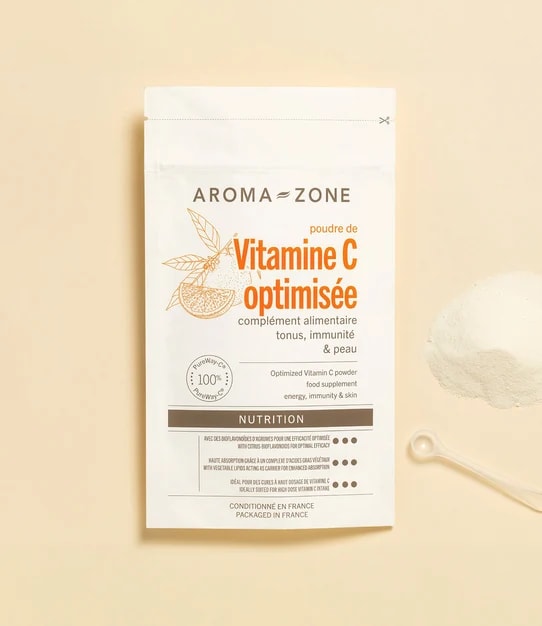
Vitamin C, found in abundance in citrus fruits, strawberries and peppers, is a powerful antioxidant that promotes collagen production. Zinc, found in nuts, seeds and seafood, helps repair skin tissue, thereby strengthening the skin barrier.
Incorporating healthy foods
Include foods rich in these nutrients in your daily diet. Fruit such as oranges and berries, leafy green vegetables, nuts such as almonds, and oily fish such as salmon are excellent choices for promoting healthy skin.
Hydration from within
As well as specific nutrients, maintaining adequate hydration by drinking enough water is essential for healthy skin. Water hydrates the skin from within, promoting its elasticity and helping to prevent the formation of stretch marks.
Balance through variety
Aim for a balanced and varied diet, incorporating a range of foods to ensure an adequate intake of different nutrients. Diets rich in variety provide a comprehensive range of vitamins, minerals and antioxidants necessary for healthy skin.
Focus on collagen to minimise stretch marks
Marine collagen is a protein found in the connective tissues of fish and other marine organisms. It is often used as a dietary supplement due to its potential health benefits. Here are some potential benefits of marine collagen:
Support for skin health: Collagen is an essential component of the skin, contributing to its structure and elasticity. Some suggest that marine collagen supplementation may help reduce the signs of skin ageing by promoting hydration and reducing wrinkles.
Support for joint health: Collagen is also found in joints, tendons and ligaments, contributing to their structure and elasticity. Some believe that taking marine collagen can support joint health by strengthening these tissues.
Improved hair and nail health: Some users of marine collagen report an improvement in the health of their hair and nails. Collagen contributes to the structure of hair and nails, and taking supplements may promote their growth and appearance.
Digestive support: Collagen is present in the intestinal lining, and some believe that taking marine collagen may help support digestive health by strengthening this intestinal barrier.
Support for bone health: Collagen is an essential component of bones. Although research is limited, some believe that marine collagen supplementation may contribute to bone health.
Cellulite reduction: Some advocates of marine collagen suggest that it may help reduce the appearance of cellulite by strengthening the skin’s structure.
Research into the specific benefits of marine collagen is still ongoing, and it is always advisable to consult a healthcare professional before starting any supplementation programme. Furthermore, a balanced and healthy diet, combined with an active lifestyle, remains essential for maintaining good general health.

Spotlight on our expert writer: Coralie Técher

Coralie has been a journalist and editor specialising in women’s interests for seven years. With a particular interest in topics related to beauty and wellbeing, she is committed to highlighting the solutions offered by nature for self-care and is always keen to stay informed on the subject so she can share the very best insights.
Bibliography
Camus, D., Leymarie, M. C., Lémery, D., & Sauvant-Rochat, M. P. (2022). Use of anti-stretch mark products during pregnancy. Revue d’Épidémiologie et de Santé Publique, 70, S227.
https://www.sciencedirect.com/science/article/pii/S0398762022005995
Viennet, C., Bride, J., Cohen-Letessier, A., & Humbert, P. (2001). Mechanical behaviour of stretch mark fibroblasts embedded in collagen lattices. Journal of the Society for Biology, 195(4), 427–430.
https://www.biologie-journal.org/articles/jbio/abs/2001/04/jbio200119504p427/jbio200119504p427.html
Roos, N. A BIBLIOGRAPHIC AND CRITICAL ANALYSIS OF TREATMENTS FOR STRETCH MARKS.
http://www.grdec.com/jdec/download/presentation/ROOS%20N.-%20Vergetures.pdf
Letonturier, D. (2006). Stretch marks and pregnancy. Medicine, 2(3), 103–103.
https://www.jle.com/fr/revues/med/e-docs/vergetures_et_grossesse__267935/breve.phtml?cle_doc=0004169F
Associated tip
Body Care Tips


