
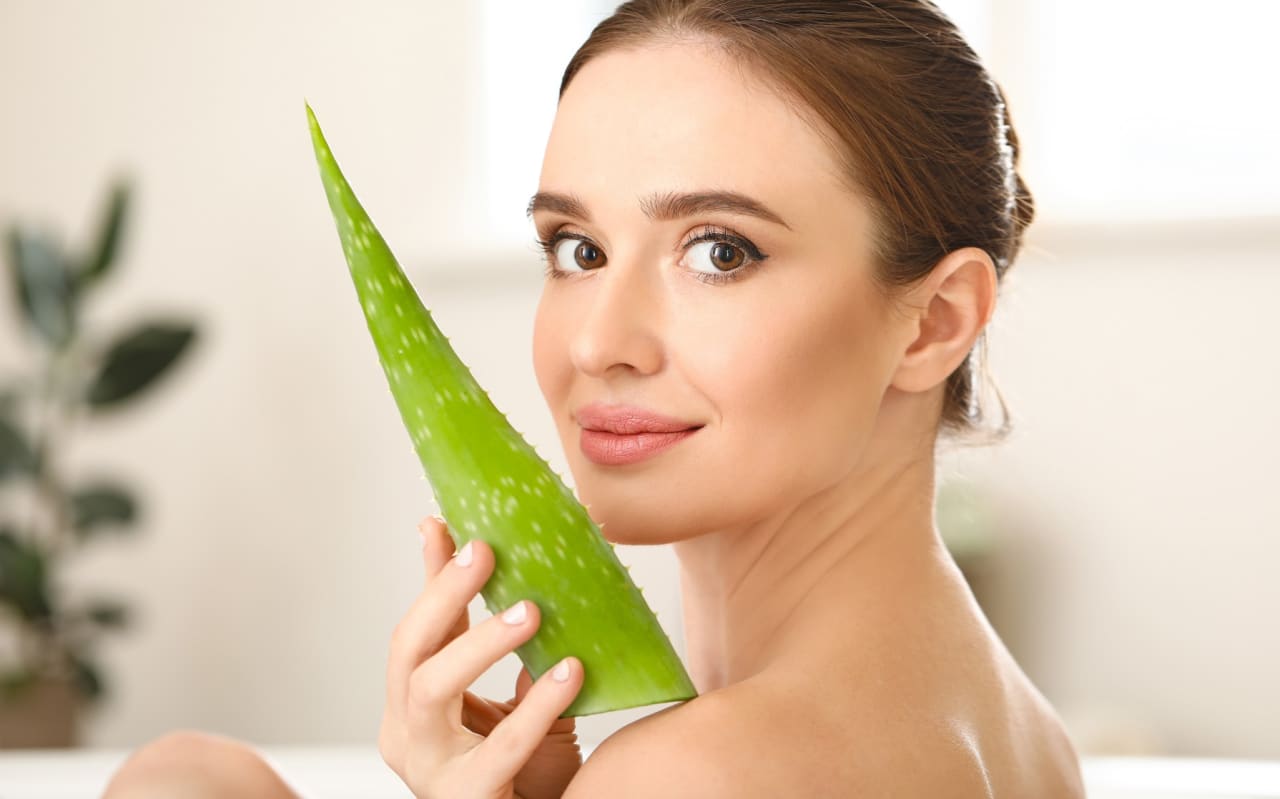
Aloe vera is a succulent plant of the genus Aloe, belonging to the Liliaceae family. It grows easily in hot, dry climates and is highly drought-resistant thanks to its ability to store water in its thick leaves. What mainly sets aloe vera apart are its leaves, which are filled with a clear gel that is rich not only in water but also in vitamins, minerals, amino acids and antioxidants. It is this rather complex chemical composition that is responsible for its many beneficial properties for health and beauty.
Storing Aloe vera: best practice?
Published on: Thursday, May 02, 2024, Updated on: Friday, October 02, 2026
Aloe vera is a plant with a myriad of benefits, prized for its moisturising and soothing properties. Whether you use it for cosmetic or therapeutic purposes, or just as a nice house plant, storing it correctly is essential to preserving its benefits. Here is a detailed guide to optimising the storage of your Aloe vera, whether it’s the whole plant or its precious gel.
Contents
Related products
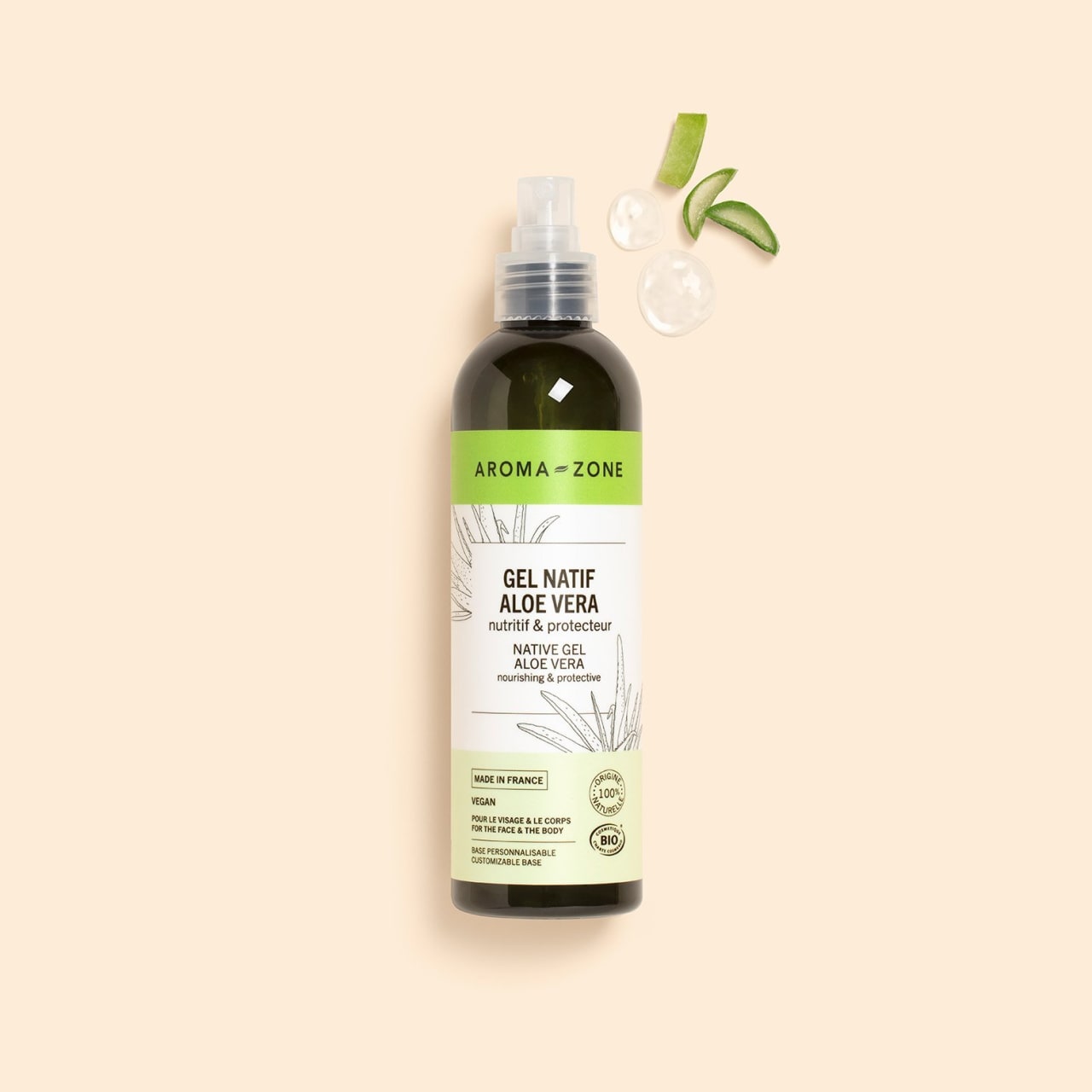
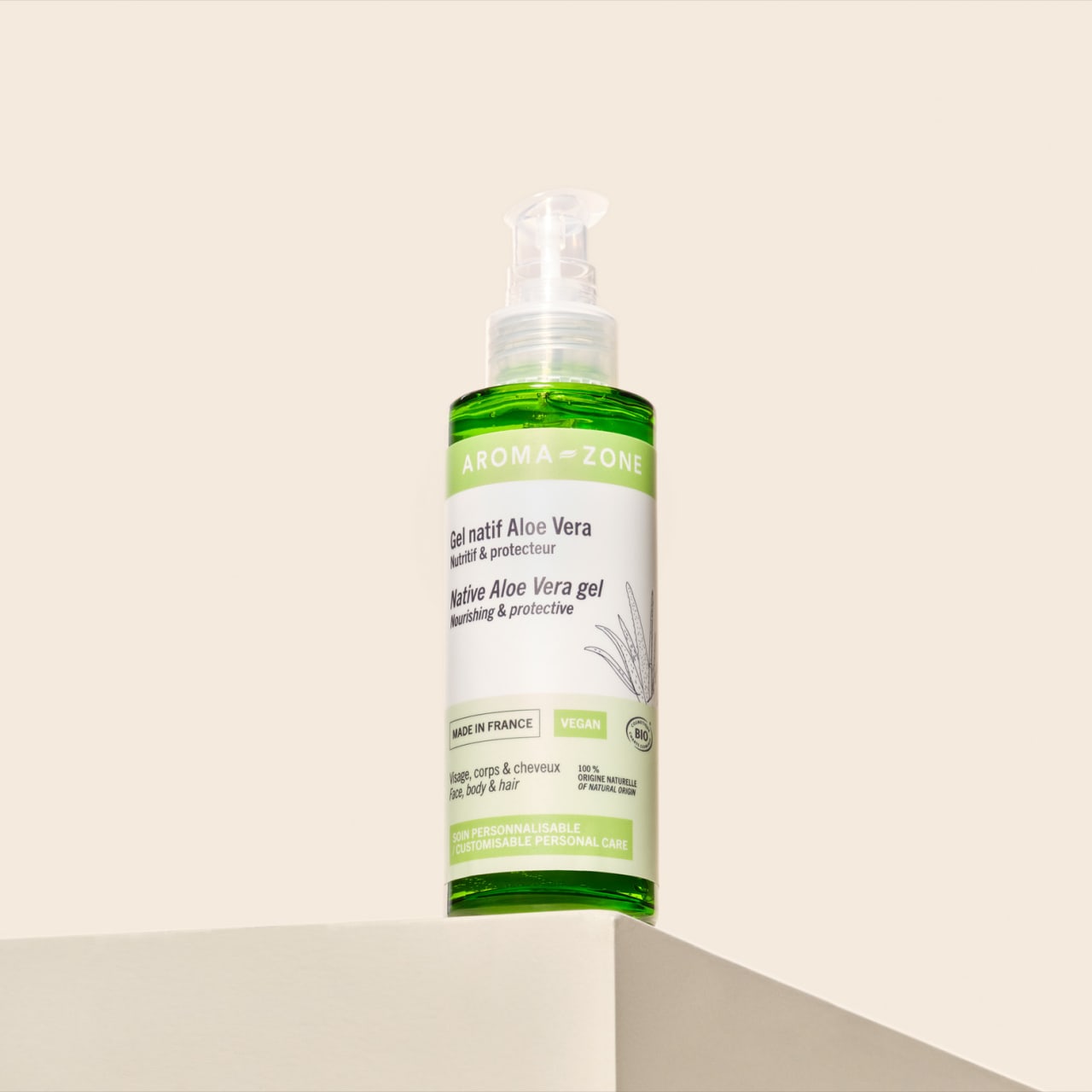
Organic Native Aloe Vera Gel
Protective
Nourishing
£10.00
250 ml
3 options
£8.50
100 ml
What is aloe vera?
The well-known and recognised benefits of aloe vera
Aloe vera gel has been used for thousands of years, both in traditional remedies and in modern skincare products.
Skin hydration: Aloe vera gel is highly moisturising, making it ideal for soothing dry and irritated skin. It absorbs quickly without leaving a greasy feeling.
Anti-inflammatory properties: Thanks to compounds such as acemannan, aloe vera can help reduce inflammation, which is useful in treating conditions such as acne, psoriasis and dermatitis.
Accelerated healing of burns: When applied to burns, including sunburn, aloe vera gel promotes skin regeneration thanks to its cooling and restorative properties.
Soothing effect on rashes and grazes: The gel can be used to treat minor cuts, grazes and rashes. It helps to soothe the skin and reduce redness.
Improved digestive health: Aloe vera juice is often used to soothe and reduce the symptoms of digestive disorders such as gastro-oesophageal reflux and ulcers (consultation with and advice from a healthcare professional is recommended).
Antioxidant properties: Rich in antioxidants, aloe vera helps combat free radicals which contribute to the ageing process and can damage cells. This makes it a good anti-ageing ingredient for facial skincare.
Reduction of dental plaque: Used as a mouthwash, aloe vera juice can help reduce dental plaque just as effectively as chlorhexidine, an antiseptic commonly used in commercial mouthwashes.
How should you store aloe vera?
Aloe vera comes in several forms, all of which are useful for our everyday wellbeing and beauty. Whether you choose it in its most natural form as a plant or processed into cosmetic products, it’s worth knowing how to store it.
How should you care for an aloe vera plant?
Aloe vera is a hardy plant that requires little maintenance, but a few precautions can extend its life and help you maximise its potential.
Location: The aloe vera plant thrives in a bright environment but must be protected from direct sunlight, which can scorch its leaves. Placing it in a room with an east- or west-facing window is ideal.
Watering: Aloe vera prefers dry soil, so watering should be moderate. Allow the soil to dry out completely between waterings to prevent root rot.
The right temperature: Keep your aloe vera in an environment where the temperature does not fall below 10 °C, as it is sensitive to the cold.
Repotting: Repot your aloe vera every two to three years to revitalise the soil and give the plant more space. Use a potting mix specifically designed for cacti and succulents.
How should you store pure aloe vera gel?
Aloe vera gel is renowned for its healing properties, particularly for soothing sunburn, moisturising the skin and as an ingredient in various beauty products.
Extraction: To extract the gel, cut a leaf from the base of the plant, split it in half, rinse it to remove the yellow, sticky film (aloin) which can be irritating, then use a spoon to scoop out the gel.
Storage: Keep the gel fresh in an airtight container in the fridge. For long-term storage, the gel can be frozen in ice cube trays for future use.
Natural preservation: To extend the shelf life of the aloe vera gel, you can add a little vitamin C or vitamin E, which act as natural preservatives.
How should you store the gel?
The best way to store your aloe vera cream, such as the hydrating face and body cream
Store it in the fridge to maximise its benefits.
Avoid letting water get into the aloe vera cream container, as this can encourage the growth of bacteria.
As for the maximum shelf life, always remember to check the instructions on the packaging.
How should you store aloe vera once it has been cut?
If you have an aloe vera plant and are able to cut off the leaves to extract the gel directly, you can store the leaves in the freezer until you’re ready to use them. This is the best way to preserve the gel they contain. When you’re ready to extract the gel, simply take the leaf out of the freezer, run it under cold water for a few minutes, split it in half and scrape out the gel.
Focus on Organic Pure Aloe Vera Gel
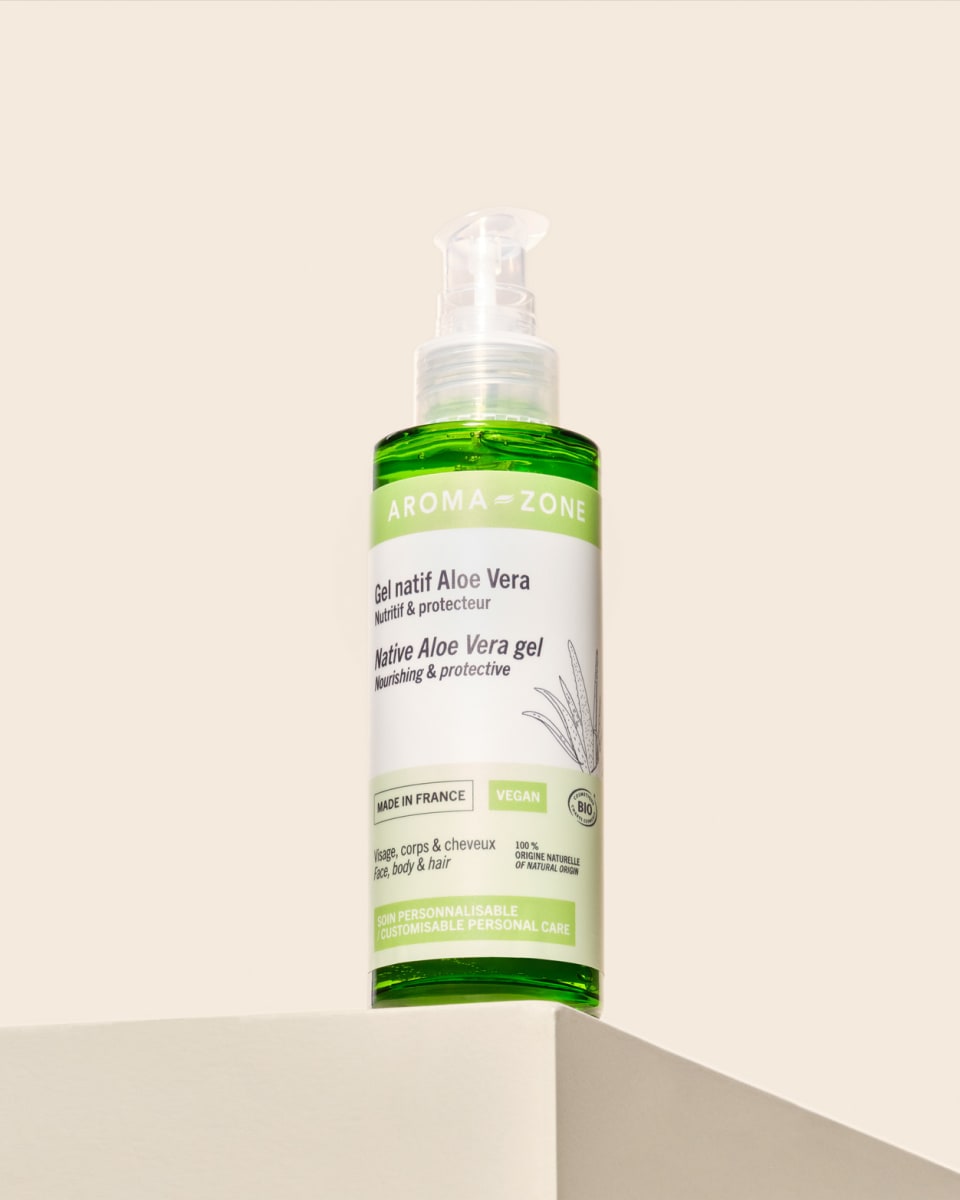
This aloe vera gel is made from fresh, unprocessed juice, with a guaranteed aloeverose content of at least 1,200 mg/L, extracted from the heart of the aloe vera plant through the simple addition of a natural gelling agent (xanthan gum), a natural preservative, and arginine (a naturally derived pH adjuster) to create a formula suitable for cosmetic use. This gel is cold-processed to preserve its high content of mucilage, vitamins and nutrients. Aloe vera juice is renowned for its many skin-benefiting properties… A true treasure of nature and a must-have for all skin types!
How can you tell if your aloe vera gel is still good?
Aloe vera gel does not keep indefinitely; to check whether it is still suitable for use, there are several signs to look out for:
Its appearance: Fresh aloe vera gel is usually clear or slightly opalescent. If the gel turns pink, yellow or takes on an unusually dark colour, this is a sign of deterioration or contamination. Remember to check whether the gel has any mould or foreign particles. Any sign of mould – which may appear as white, green or black spots – means the gel should no longer be used!
Its smell: Aloe vera gel has a fresh, slightly herbaceous smell. If you notice any unpleasant, rancid or fermented odours, this is a clear sign that the gel has gone off and should not be used.
Its texture: Aloe vera gel should have a viscous, smooth consistency. If it is excessively runny or lumpy, this may be a sign of spoilage.
How it feels on the skin: If you decide to apply a small amount to your skin (assuming that the appearance, smell and texture seem normal), watch out for any unusual reactions such as a stinging sensation, redness or itching. These symptoms usually indicate that the gel has gone off or that your skin is reacting badly to it.
Aroma Zone products containing aloe vera
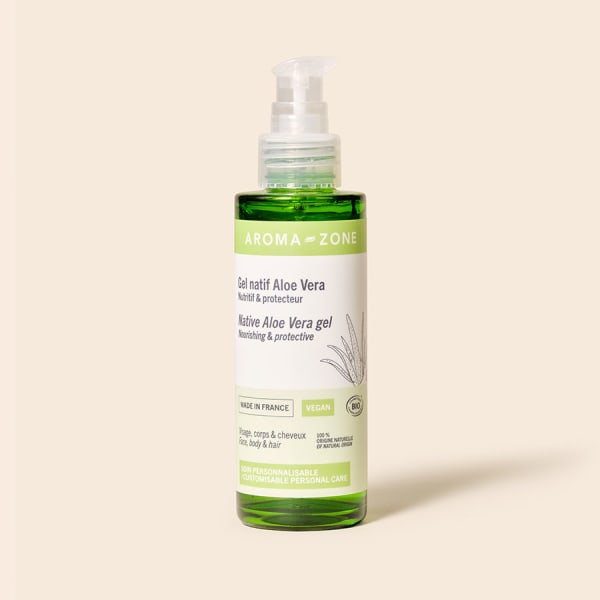
Organic Pure Aloe Vera Gel
This aloe vera gel is made from fresh, unprocessed juice, with a guaranteed aloeverose content of at least 1,200 mg/L, extracted from the heart of the aloe vera plant through the simple addition of a natural gelling agent (xanthan gum), a natural preservative, and arginine (a naturally derived pH adjuster) to create a formula suitable for cosmetic use.
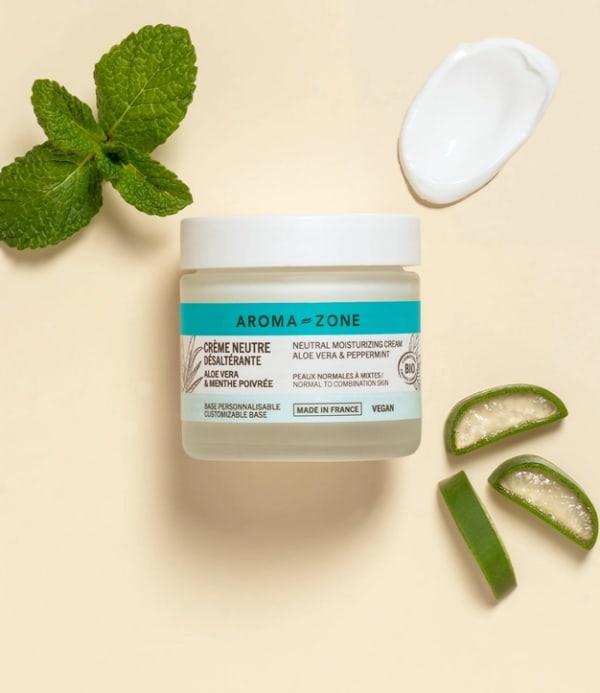
Hydrating Face and Body Cream
This certified organic face and body cream, 100% natural, enriched with aloe vera and peppermint hydrosol – active ingredients known for their moisturising and refreshing properties – provides your skin with intense, long-lasting hydration for up to 8 hours after application.
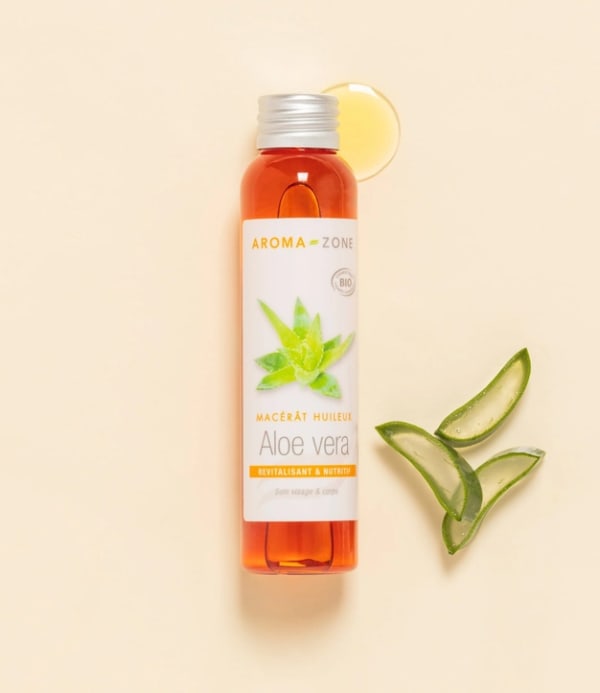
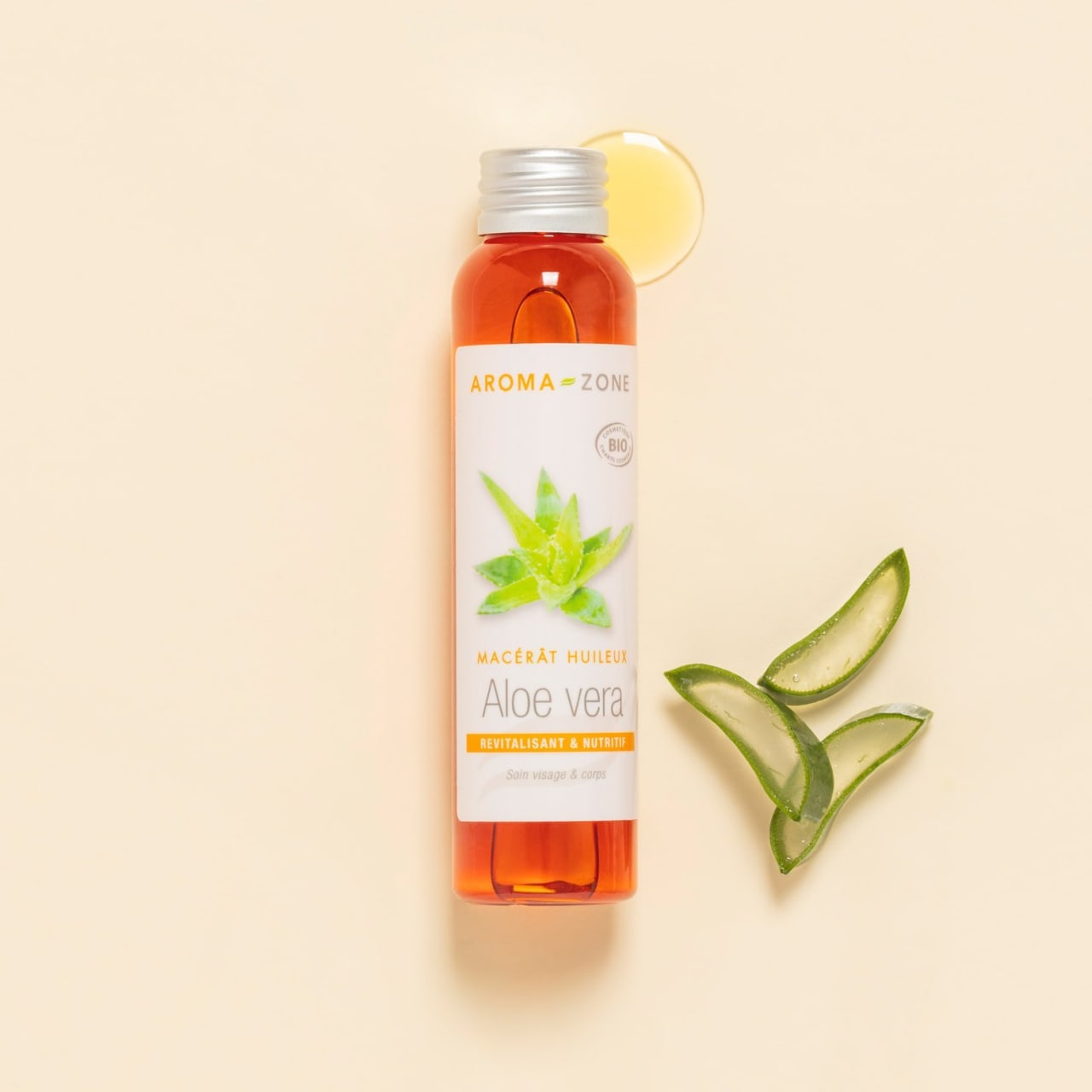
Organic Aloe Vera Oil
Revitalising and smoothing, this oily macerate is an ingredient of choice for restoring elasticity to your skin. It leaves the skin more supple and the complexion more radiant.
Aroma Zone recipes featuring aloe vera
Precautions to take with aloe vera
Before using aloe vera, especially if it’s your first time, carry out a skin test. Apply a small amount of gel to a discreet area of your skin, such as the inside of your elbow, and wait 24 hours. If you notice any redness, itching, swelling or other signs of irritation – which is not normal – avoid using the product.
Good to know: People who are allergic to garlic, onions or tulips may be sensitive to aloe vera, as they share similar allergens.
Expert advice
Always ensure that the tools used to cut the plant or extract the gel are clean to prevent contamination. Remember to check the plant’s condition regularly for any signs of disease or stress, such as wilted leaves or spots.
Above all, always make sure you use fresh, organic ingredients – this is the best way to ensure they are free from pesticides and harmful chemicals.
Spotlight on Our Writer: Coralie Técher

Coralie has spent seven years working as a journalist specialising in women’s issues. With a particular passion for beauty and well-being, she is committed to exploring natural self-care approaches. She keeps up to date with current research and trends and enjoys sharing relevant, reliable information with her readers.
Bibliography
Aloe vera: the guide to the miracle plant
https://blog.lafourche.fr › laloe-vera--le-guide-dutilisati...Aloe vera: a guide to using the miracle plant
Is it possible to make your own aloe vera gel?
theplacetobeauty.comhttps://www.theplacetobeauty.com › producing-aloe-v-gel...
Aloe vera gel: benefits, uses and storage
Journal des Femmes Santéhttps://sante.journaldesfemmes.fr › 2719585-gel-d-aloe...
Aloe vera: how to choose and care for it properly
grazia.frhttps://www.grazia.fr › beauty › face-and-body-care › to...
Frequently Asked Questions
Associated tips

Nutrition tips
Face care tips


