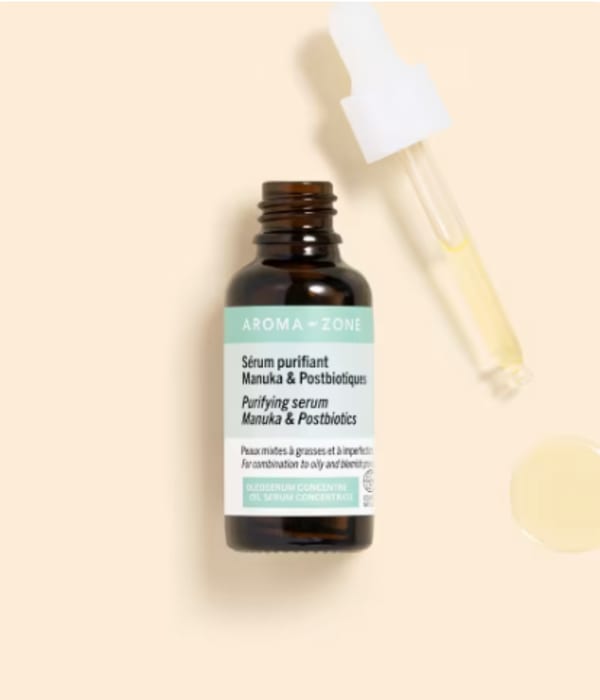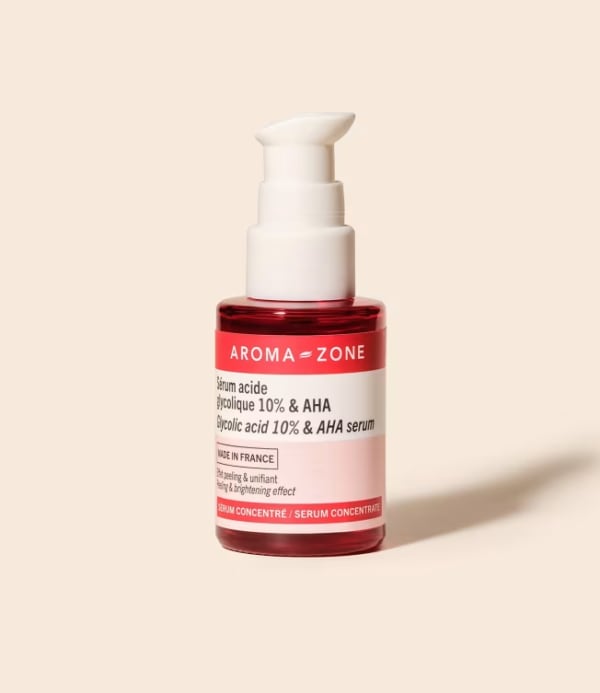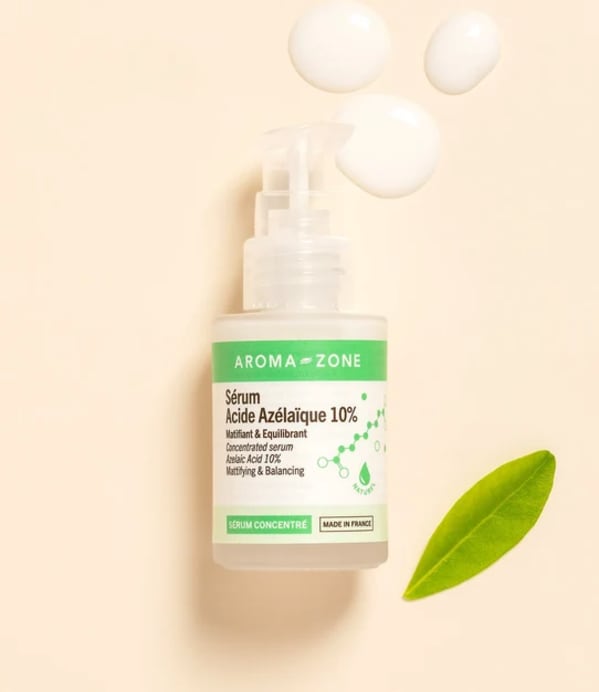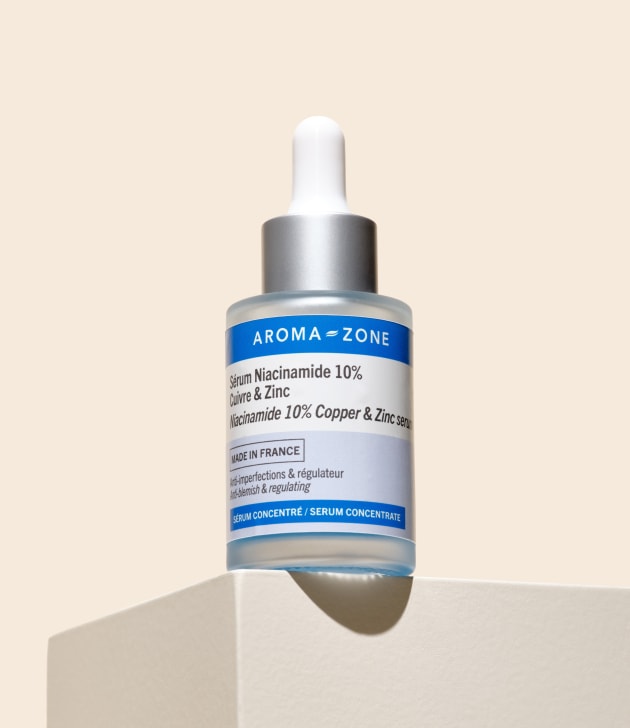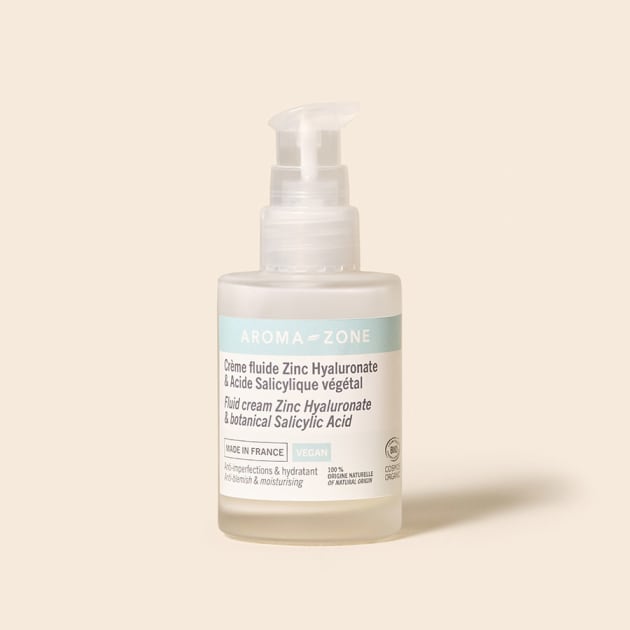
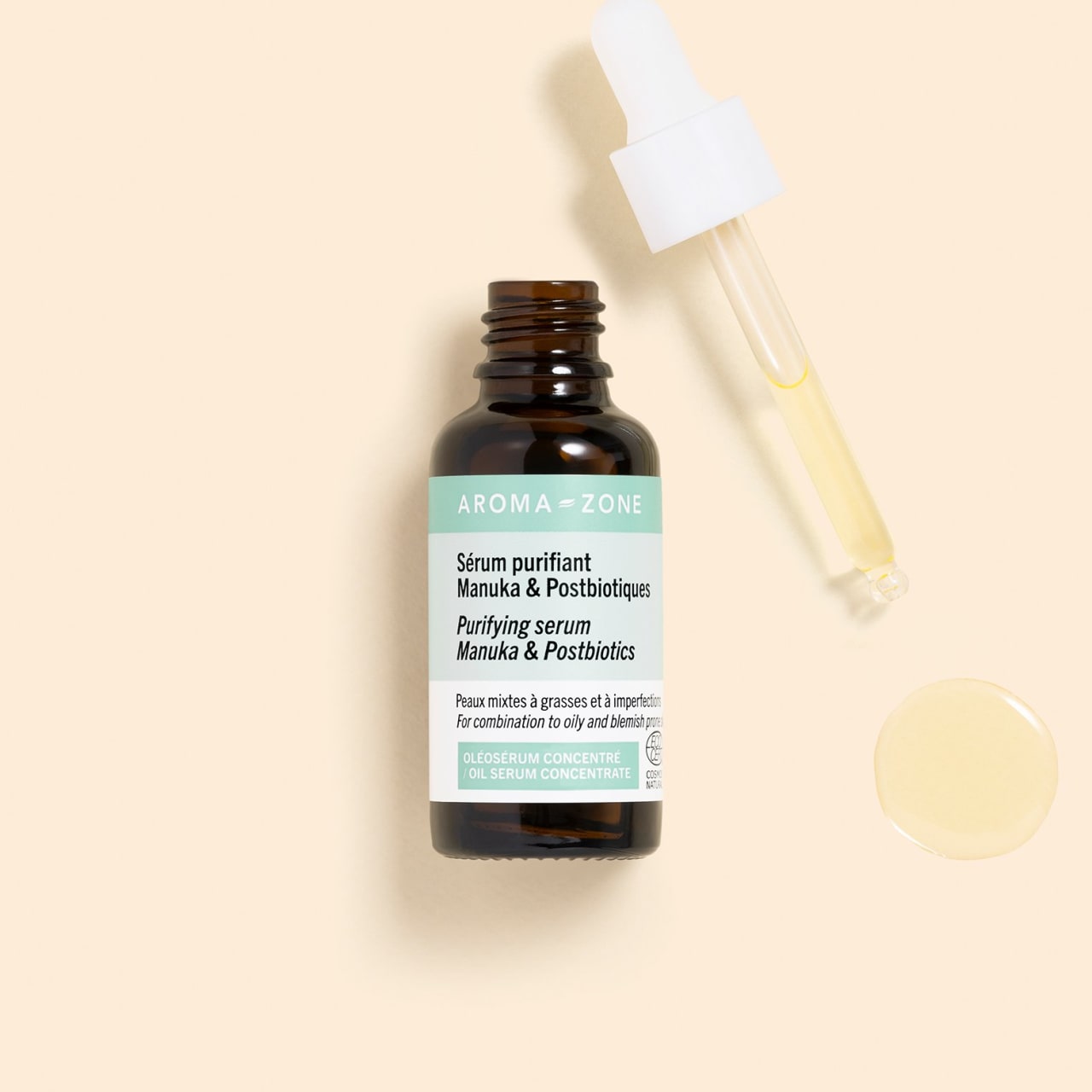
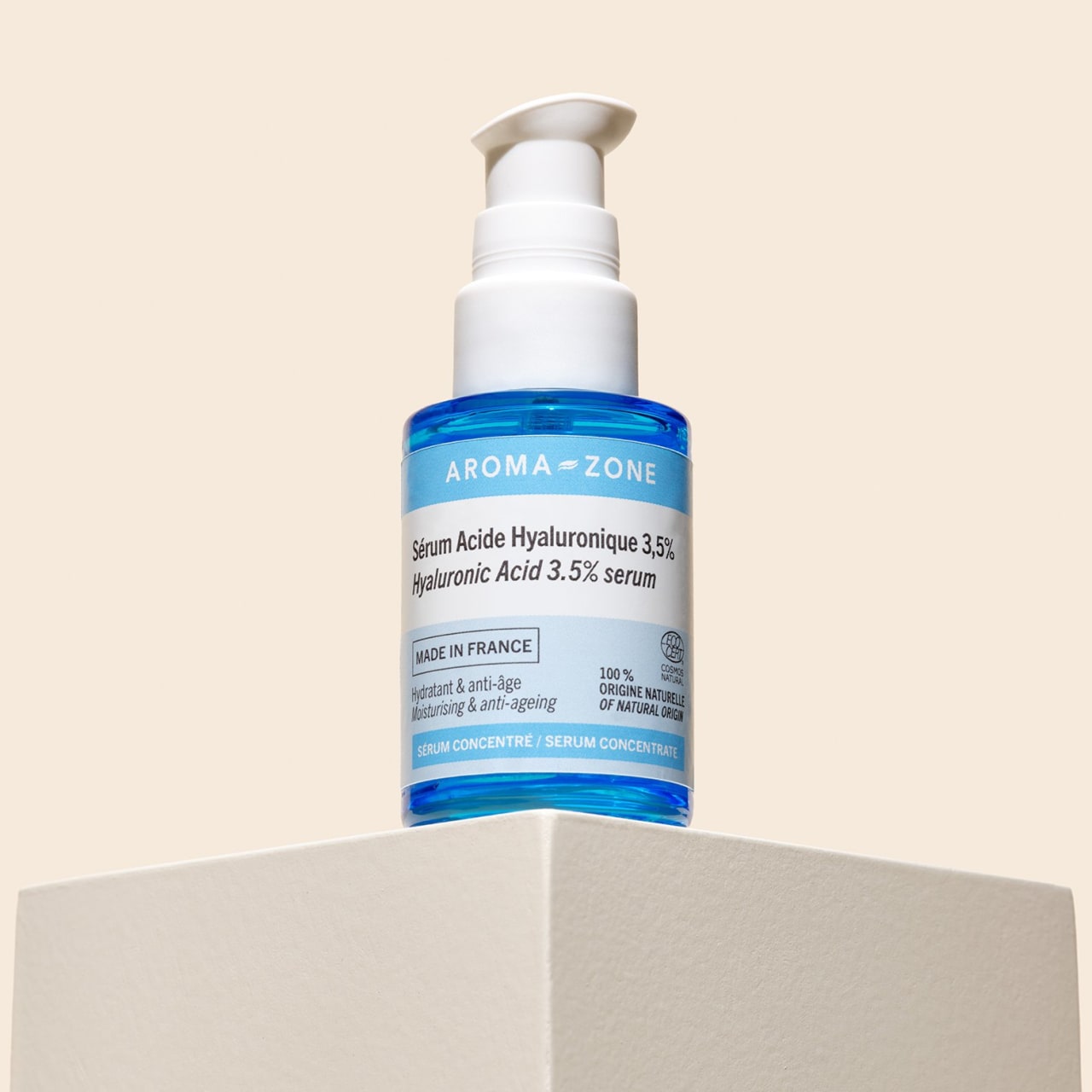
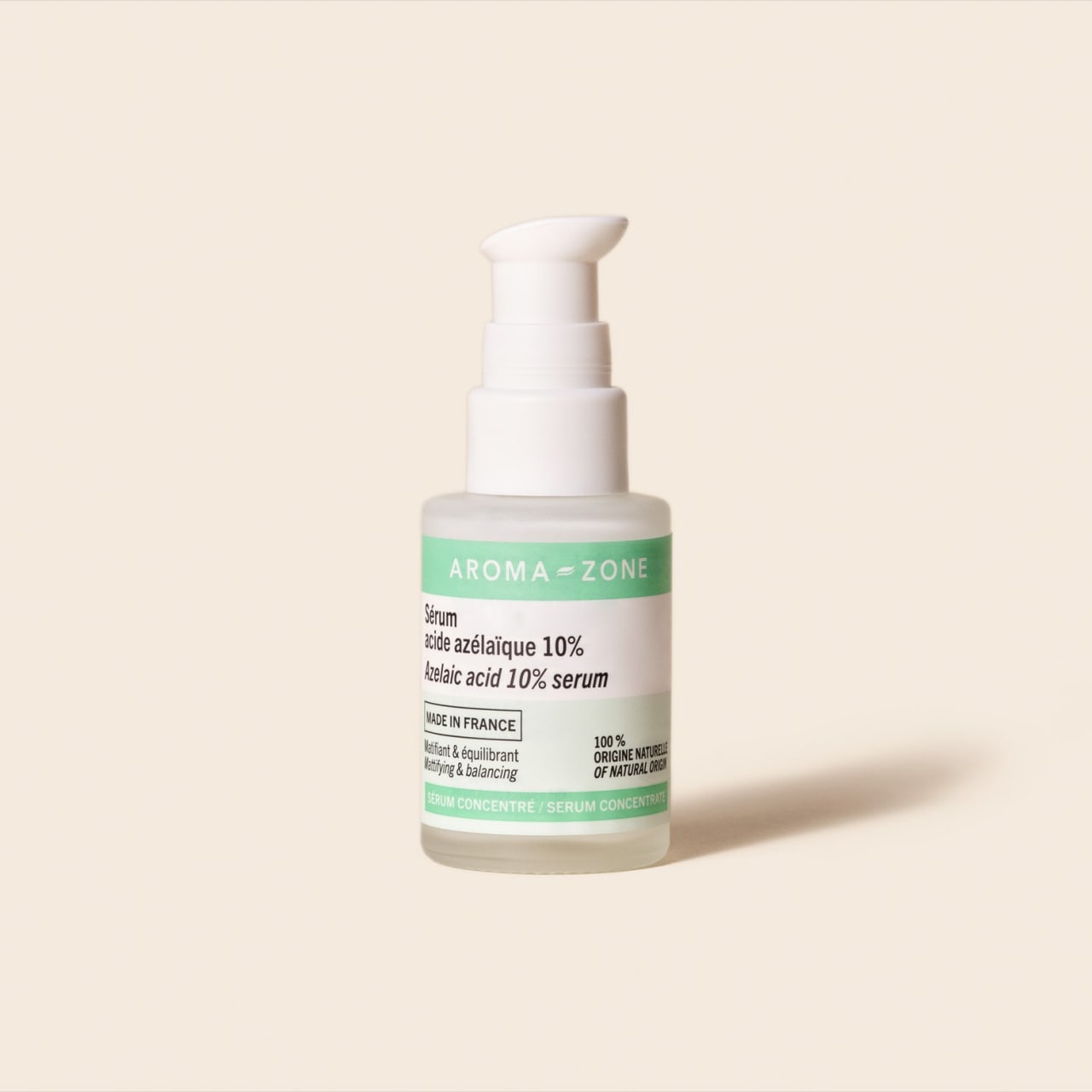
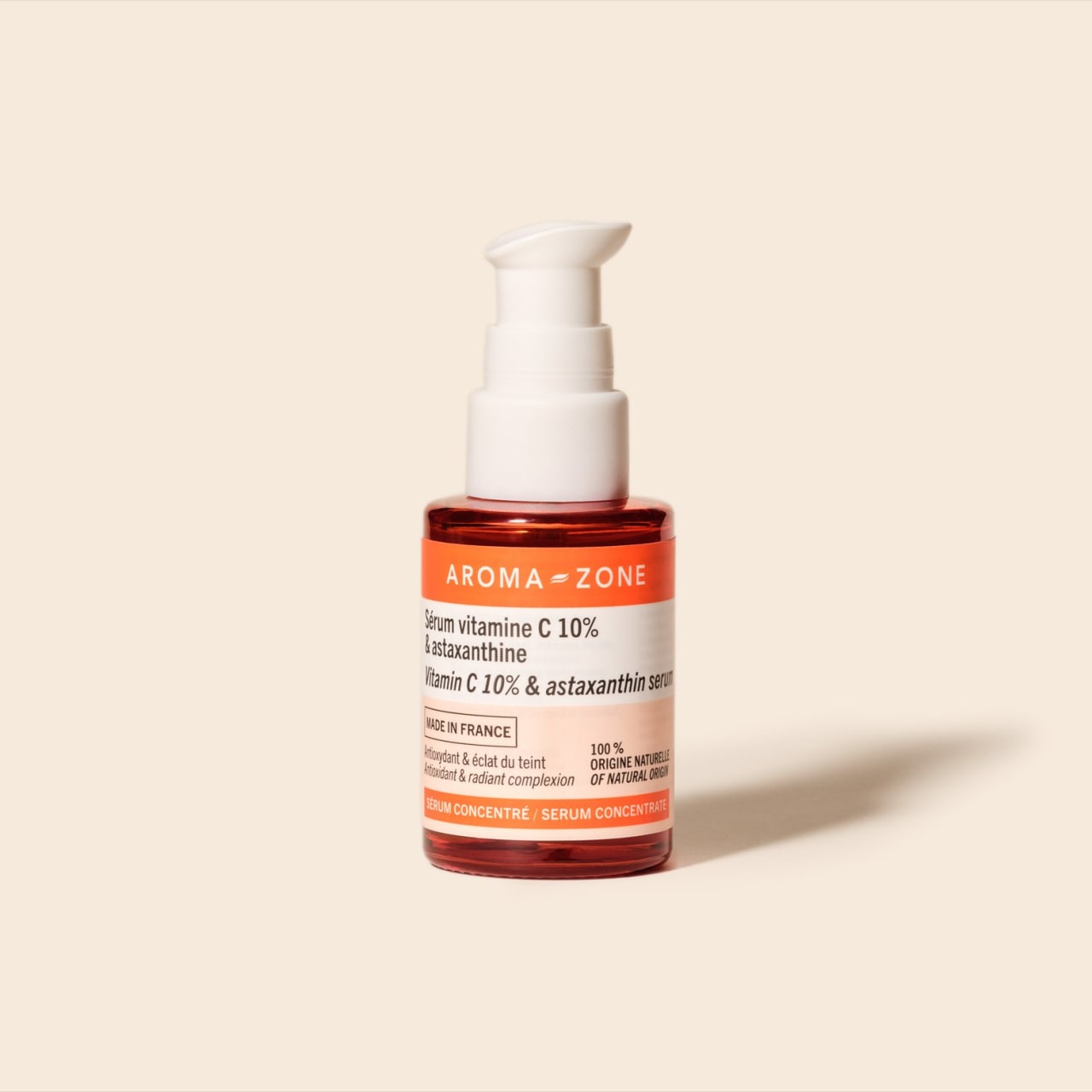
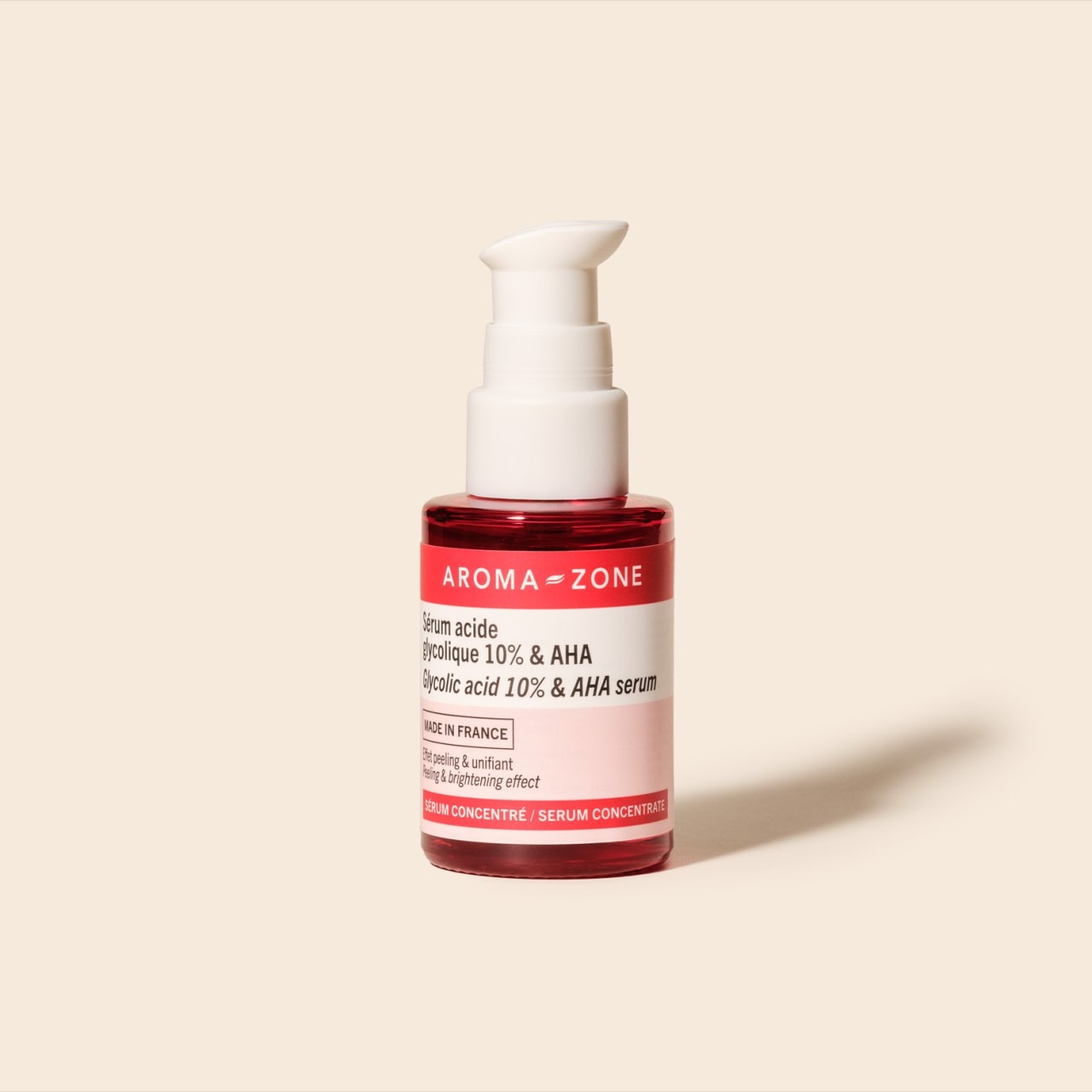
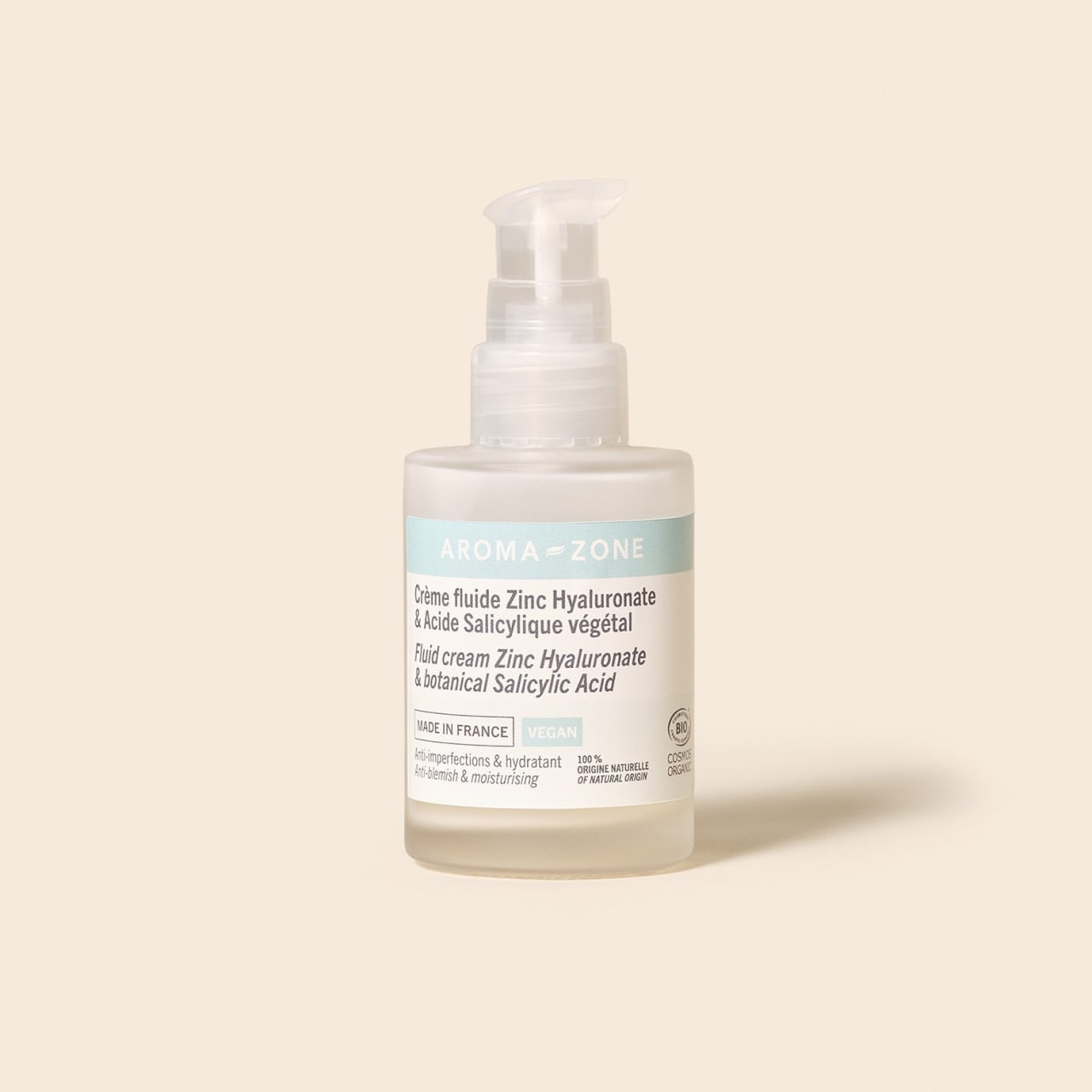
A serum is a highly concentrated cosmetic product packed with active ingredients. It is designed to penetrate deep into the skin and target specific skin concerns:
Hydration: Some serums are formulated to provide intense hydration using ingredients such as hyaluronic acid, glycerin, or ceramides. These ingredients help lock moisture into the skin and keep it hydrated and supple.
Anti-ageing: enriched with ingredients such as peptides, retinoids, or antioxidants like vitamin C, these serums aim to reduce the appearance of wrinkles and fine lines, stimulate collagen production, and improve skin firmness and elasticity.
Radiance and Even Skin Tone: Some serums are designed to lighten dark spots, reduce the appearance of acne scars, or improve uneven skin tone. They contain ingredients with brightening properties, such as vitamin C, or exfoliating ingredients, such as AHA fruit acids.
Sebum Control: Serums for oily skin (the ones we’re focusing on in this article!) are formulated to regulate sebum production and reduce excessive shine. They may contain ingredients like salicylic acid or niacinamide to purify pores and balance the skin.
Acne Treatment: Some serums are specifically designed to treat acne using antibacterial ingredients. They help reduce pimples, blackheads, and inflammation associated with acne.
The high concentration of active ingredients in a serum makes it highly effective at targeting a specific skin concern, as a complement to a day or night cream. It can therefore be used as a treatment regimen, morning and night, to address a particular skin condition. A serum can also be used alone or in combination with other skincare products.