
Ringworm in cats, also known as feline dermatophytosis, is a fungal skin infection caused mainly by dermatophyte fungi (such as Microsporum canis). In addition to affecting cats, it can also affect other pets and even humans. This infection usually presents as circular skin lesions, itching and hair loss.
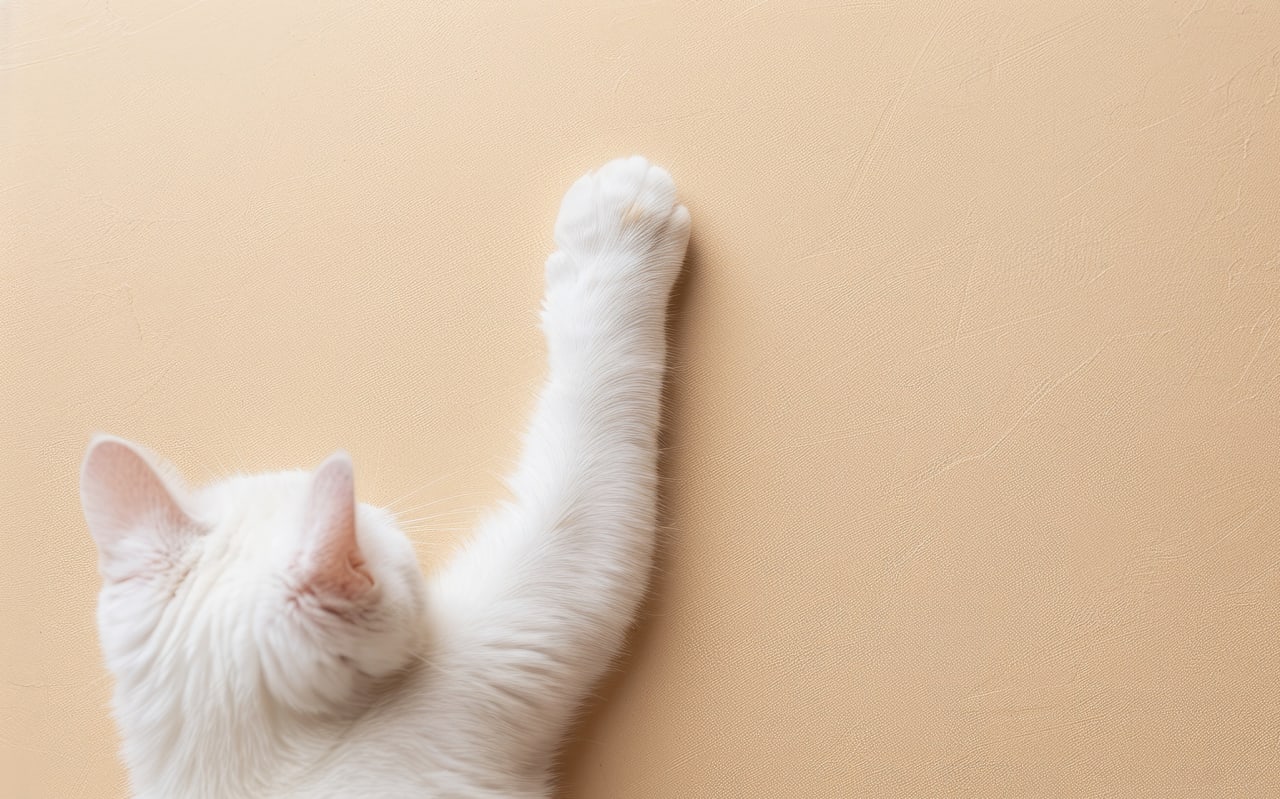
Ringworm in Cats: Is There a Natural Remedy?
Published on: Thursday, April 25, 2024, Updated on: Wednesday, October 28, 2026
Is your cat showing skin lesions, itching and bald patches? Your cat may have feline ringworm. This common fungal infection can make your pet uncomfortable and requires veterinary care. In this short guide, we share our natural solutions to help soothe the symptoms and support the antifungal treatments prescribed by a professional, along with our tips for preventing it.
Contents
Related products
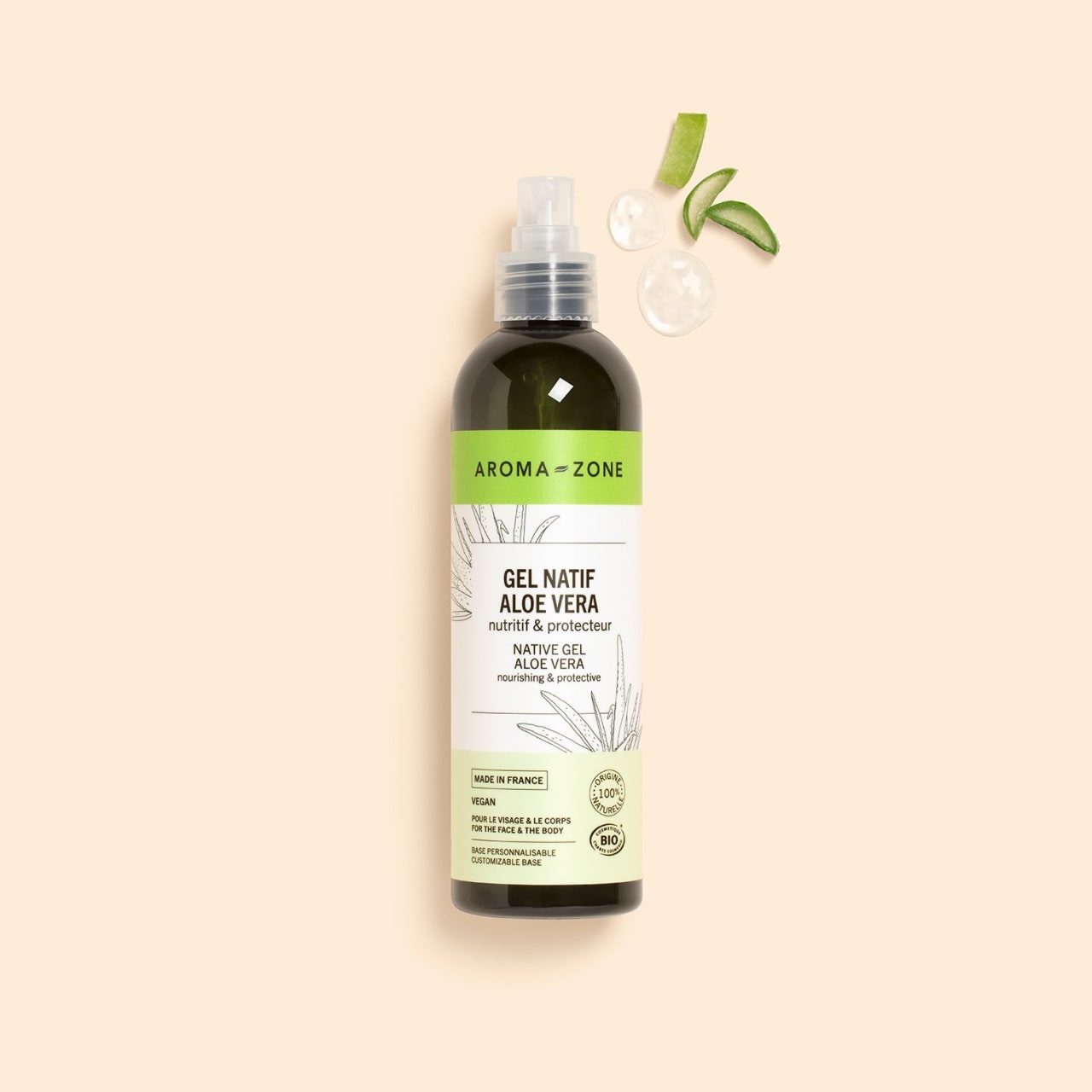
Organic Native Aloe Vera Gel
Protective
Nourishing
£10.00
250 ml
3 options
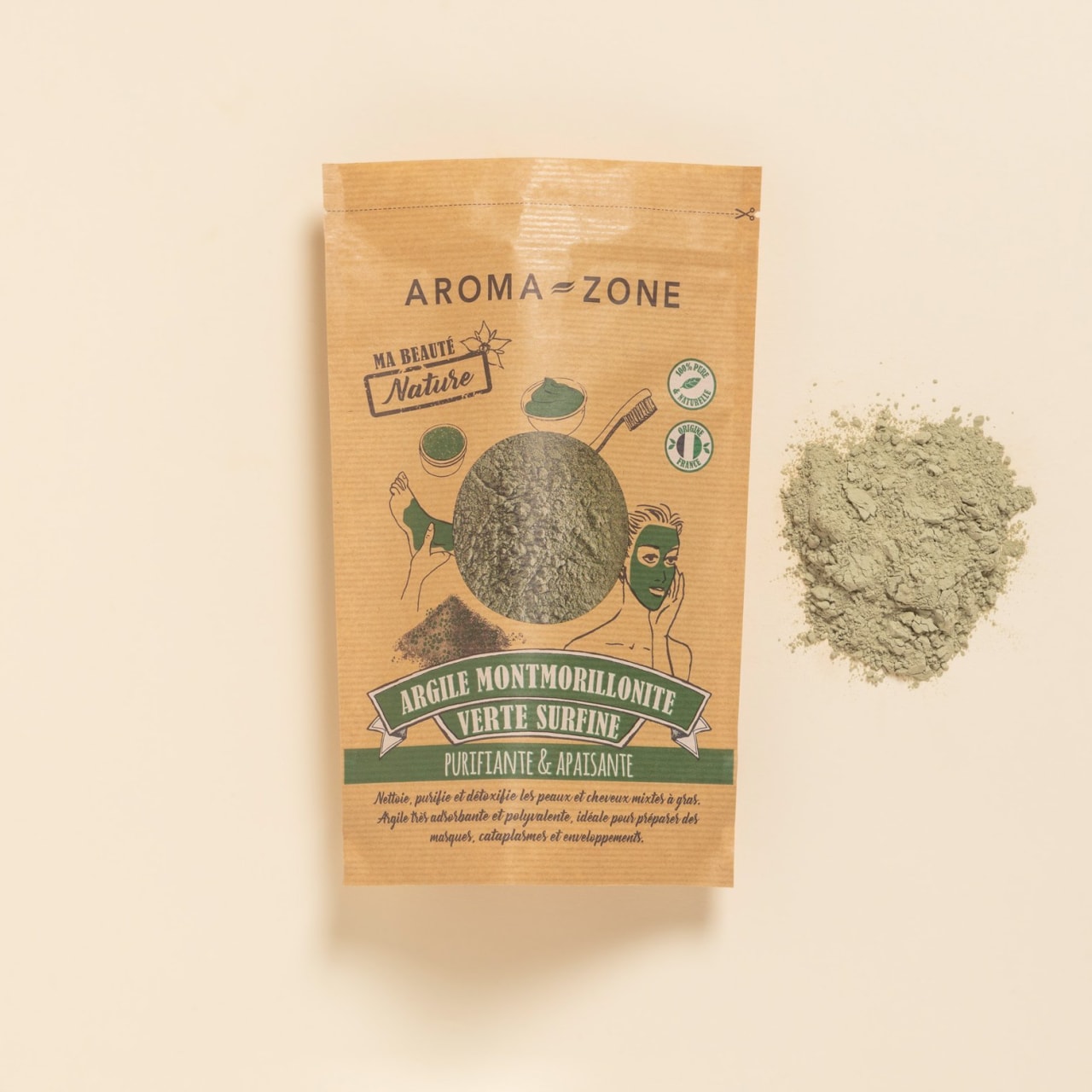
Superfine Montmorillonite Green Clay (Smectite)
Cleansing
Anti-blemishes
£5.50
500 g
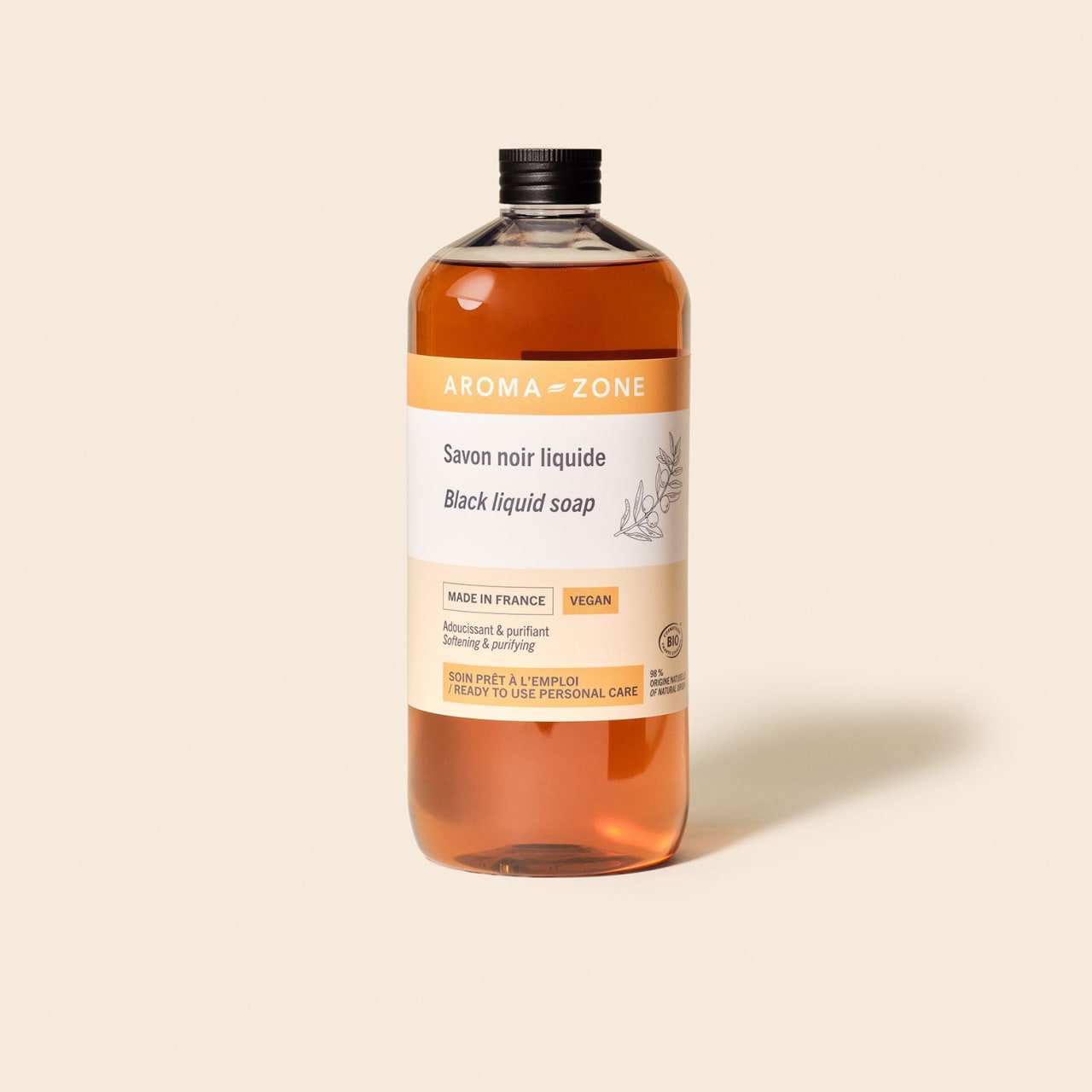
Organic Liquid Black Soap (Savon Noir)
Cleansing
Nourishing
£13.00
1 l
What Is Ringworm?
How Does a Cat Catch Ringworm? The Causes
Cats can contract ringworm through direct contact with fungal spores present in a contaminated environment. Among the main causes are:
Contact with an infected animal
A damp and poorly ventilated environment that encourages fungal growth
Stress, a weakened immune system or poor living conditions, making the cat more vulnerable to infection.
What Are the Symptoms Associated with Ringworm in Cats?
The symptoms of ringworm in cats can vary, but they generally include:
Circular skin lesions, such as red patches often accompanied by scabbing or flaking
Hair loss, usually in the form of irregularly shaped patches
Itching and discomfort
The possibility of transmission to humans, with similar skin lesions
Some of these symptoms may also be associated with other skin conditions, so it is essential to consult a vet as soon as possible for an accurate diagnosis and an appropriate treatment plan. The vet can perform skin tests and thorough examinations to confirm ringworm in cats and rule out other causes of similar symptoms. An early diagnosis enables effective ringworm treatment and helps prevent the infection from spreading to other animals or even to family members.
What Natural Solutions Can Help Soothe a Cat’s Symptoms?
If your cat has ringworm, we recommend that you first follow your vet’s advice on the appropriate treatment. To relieve symptoms and aid recovery, you can use natural remedies and traditional home remedies:
Aloe vera gel: Our Aloe Vera Gel has soothing, calming, anti-inflammatory and healing properties for the skin. Apply a thin layer of aloe vera gel to your cat’s skin lesions and leave it to dry. Repeat this several times a day to relieve itching and promote healing.
Cider vinegar: Apple cider vinegar is a natural ingredient with antifungal and antibacterial properties. It helps to eliminate the fungi responsible for ringworm whilst disinfecting your cat’s skin. Its mild acidity can also help restore the skin’s pH balance, promoting healing. Regular use can help to soothe itching and reduce inflammation. Mix one part apple cider vinegar with one part water to create a gentle topical lotion. Using a clean cloth or a spray bottle, apply this lotion to the affected areas of your cat’s skin. Leave to air dry. Repeat the application once or twice a day for best results.
Green clay poultices: Green clay poultices also offer a natural solution for soothing itching and promoting the healing of skin lesions caused by ringworm. The absorbent properties of green clay help remove toxins and impurities from the skin, while its soothing, anti-inflammatory, and healing properties relieve itching and reduce inflammation. Mix green clay powder with water to form a thick paste. Apply it directly to the affected areas of your cat’s skin and leave it on for about 20 to 30 minutes, then rinse thoroughly with lukewarm water.
Black soap: Black soap can also be used as a topical treatment to help relieve the symptoms of ringworm in your cat. It works by deeply cleansing the skin and killing the fungi responsible for ringworm, whilst soothing itching and promoting healing. Dilute a small amount of black soap in lukewarm water to create a gentle solution. Using a clean sponge or cloth, gently apply this solution to the affected areas of your cat’s skin. Massage gently to work the black soap into the coat and skin. Leave it on for a few minutes, then rinse thoroughly with clean water to remove any soap residue. Repeat this treatment once or twice a week, depending on your cat’s needs. If you notice any adverse reaction, stop using it immediately and consult your vet.
Disinfect the environment: As well as treating your cat directly, it is crucial to disinfect its environment to eliminate the fungal spores responsible for ringworm. Vacuum carpets, furniture and any areas where your cat likes to rest regularly to remove hair, dead skin and spores. After vacuuming, clean the surfaces with a disinfectant solution, such as diluted bleach or white vinegar. White vinegar is particularly effective as it is both antifungal and non-toxic to animals. Wash your cat’s bedding, blankets, and toys regularly in hot water with detergent to remove fungal spores and prevent reinfection.
Our natural products to relieve symptoms
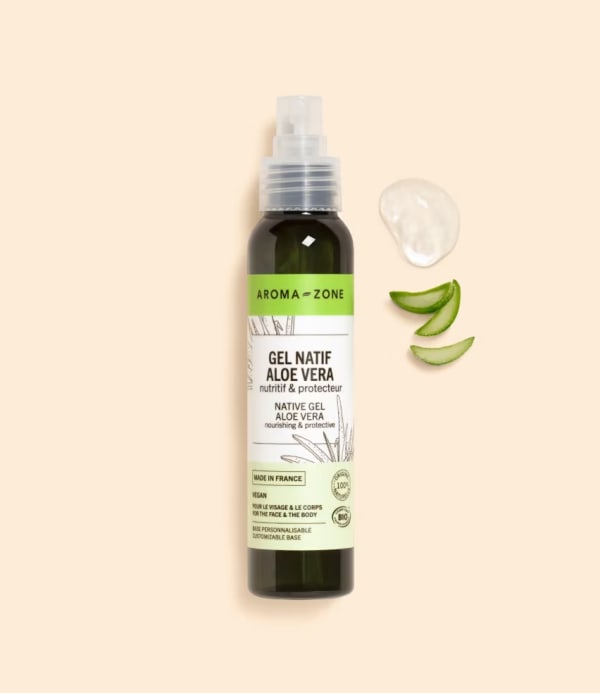
Organic Aloe Vera Gel
This Aloe vera gel is made from fresh, unprocessed juice, with a guaranteed aloeverose content of at least 1200 mg/L, extracted from the heart of the Aloe vera plant by simply adding a natural gelling agent (xanthan gum), a natural preservative, and arginine (a naturally derived pH adjuster) to create a formula suitable for cosmetic use. This gel is cold-processed to preserve its high content of mucilage, vitamins and nutrients.
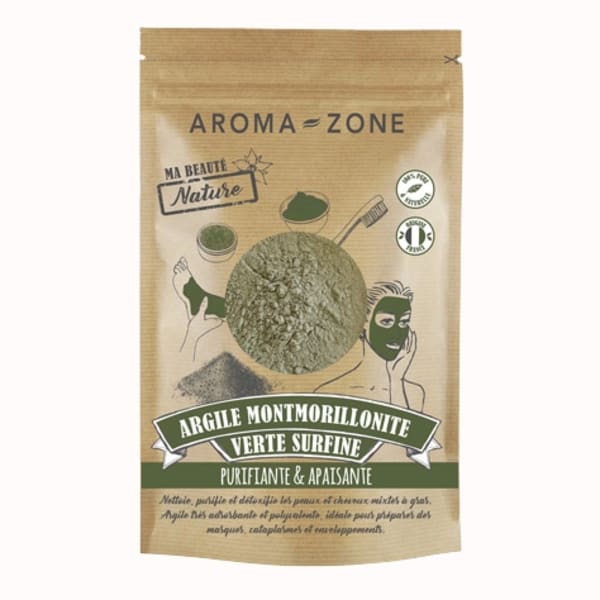
Extra-Fine Green Montmorillonite Clay (Smectite)
Green montmorillonite clay has been known for hundreds of years; it gets its name from the town of Montmorillon, in the Vienne department. We extract our superfine green montmorillonite clay from French quarries. Rich in mineral salts and trace elements, and possessing a high adsorption capacity, this clay has purifying properties for the skin. It is ideal for preparing cleansing treatments for oily or blemish-prone skin and for oily or flaky scalps.
Plant-Based Liquid Black Soap
A versatile product for the whole family, this eco-friendly, economical liquid soap is formulated without palm oil. Very gentle, it works as a liquid hand wash, a body wash instead of shower gel, and even on hair. Made by saponifying organic vegetable oils, it is naturally rich in glycerine and vitamin E and leaves the skin supple and soft.
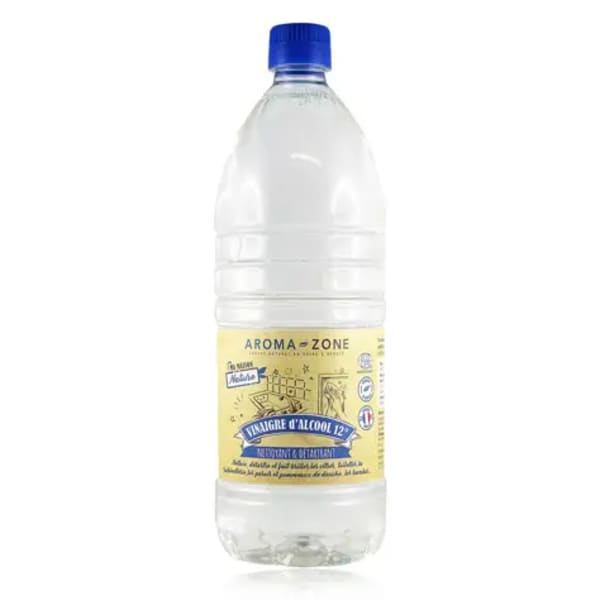
12° Alcohol Vinegar – Eco-Friendly Cleaning Product
Highly concentrated, this natural white vinegar with 12% acidity is ideal for all household uses. It is highly effective for cleaning, descaling, and making windows, taps, showers, sinks, washbasins, and toilet bowls shine, as well as for deep-cleaning and descaling household appliances (coffee machines, washing machines, etc.). 100% plant-based, it is essential for natural household cleaning!
Please note that these remedies are not a substitute for advice from a vet. Always consult a professional for an accurate diagnosis and appropriate treatment.
To discover more tips on how to look after your little furball naturally, we invite you to explore our two dedicated guides: How can I look after my cat naturally? And How can we look after our dogs and cats properly using natural products?
What routine should you follow to prevent ringworm in cats? Our advice
Prevention is key to significantly reducing the risk of ringworm infection in your cat and maintaining its skin health. To prevent ringworm in your four-legged friend, here are our simple and effective tips to follow:
Keep the environment clean and well-ventilated: The fungi responsible for ringworm thrive in warm, damp environments. So make sure your cat’s litter tray, resting areas and play areas are cleaned and aired regularly. Use mild, non-toxic cleaning products to avoid causing skin irritation to your cat.
Limit contact with stray or infected animals: Avoid, as far as possible, your cat coming into contact with stray animals or those showing signs of ringworm infection. If you have several pets, ensure they are all checked regularly by a vet and treated for parasites.
To find out more, check out our guide containing all our tips: Keeping cats away from your home: natural techniques and tips
Boost your cat’s immune system: A balanced diet tailored to your cat’s nutritional needs is essential for maintaining a strong immune system. Choose high-quality food and consult your vet for specific recommendations if necessary. In addition, ensure your cat gets enough exercise and mental stimulation to promote its overall wellbeing.
Check your cat’s skin regularly: Get into the habit of carefully examining your cat’s skin during regular grooming sessions. Look out for signs of skin lesions, redness or areas of hair loss. If you notice anything unusual, consult your vet immediately for a thorough examination.
Treat your cat regularly with anti-parasite products: Use anti-parasite products recommended by your vet to protect your cat against fleas, ticks and other external parasites. These products can also help prevent fungal infections such as ringworm by reducing the risk of contact with sources of infection.
Precautions for use
Although natural remedies can be effective against the symptoms of ringworm in cats, they may not be suitable for all cats. Be sure to test the remedies on a small area of skin before applying them more widely, and stop using them immediately if you notice any adverse reaction. If in doubt, consult your vet.
Expert advice
As well as natural remedies or medicated treatments, don’t forget the importance of the environment in your cat’s recovery. Create a calm and comfortable space for your faithful companion, where they can rest and recover in peace. Avoid exposing them to stressful situations as much as possible and ensure they receive plenty of attention and affection for optimal emotional wellbeing. Your presence and support are invaluable in helping your little furball through this difficult time and in helping them regain their usual vitality.
Article Written by Stéphanie Catrysse, Naturopath

Stéphanie Catrysse is a naturopath (certified by the FENA), a wellness massage and lymphatic drainage practitioner, and a personal development coach. Passionate about alternative medicine, she practices with a holistic approach to health.



