
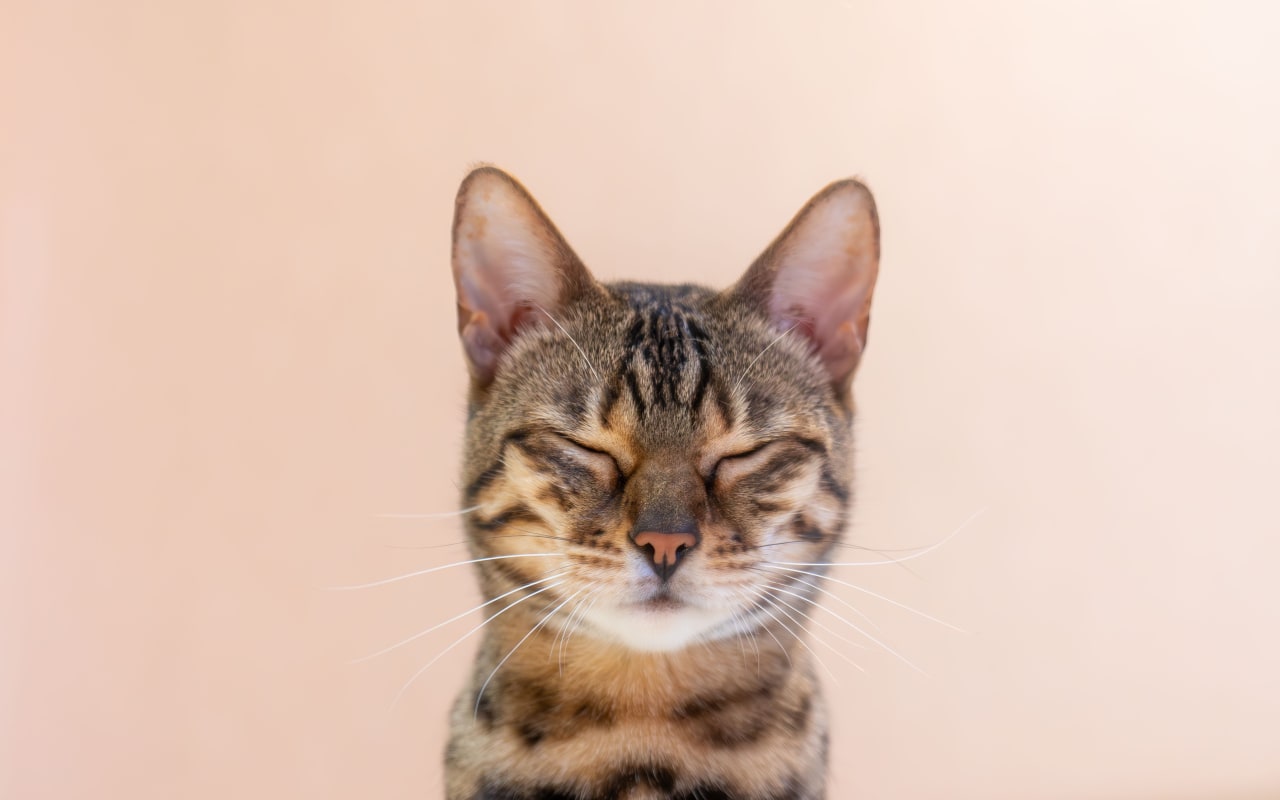
Keeping cats away from your home: natural techniques and tips

Keeping cats away from your home: natural techniques and tips


By Laura Almeras

Published on: Friday, December 15, 2023, Updated on: Friday, November 13, 2026

If you’ve ever owned a cat, you’ll know just how important a part they play in family life. As true members of the family, we love to pamper them, stroke them, spoil them – in short, make them feel like royalty. But although they’re pets and seem to spend their days sleeping, they haven’t lost their hunting instincts, and their curiosity sometimes gets the better of them. As a result, it’s not uncommon to find several stray cats wandering around your home, keen to find out what’s going on inside. What should you do in such situations? How can you get them to leave without hurting or scaring them, whilst making it clear that they’re not welcome? We’ll tell you everything in this dedicated article.  

Contents

Understanding cat behaviour

An explanation of cats’ natural behaviour when exploring and marking their territory.

It might be hard to believe, but cats are actually born hunters with a keen sense of curiosity. Although they spend their time sleeping and begging for cuddles and kibble, they haven’t lost their adventurous spirit. It’s therefore not uncommon to see domestic cats wandering around housing estates in search of a new playground or a new home to mark.

For, just like dogs, cats mark their territory. When they rub against or scratch furniture, they are actually marking their territory. Using glands located under their heads, as well as under their paw pads, they leave a scent as a sign of ownership. By scratching and clawing with their paws, they assert themselves as the master of the premises and lets other cats know that this space belongs to them.

Identify the reasons why cats are approaching your home.

Before identifying the reasons why cats are coming to your home, the first thing to do is to establish whether the cat in question is a stray or not. This is because a stray cat with no family will be drawn to your home for different reasons to a domestic cat living in the neighbourhood. 

What attracts stray cats?

Stray cats are primarily looking to meet their basic needs, namely to drink, eat and keep warm. If they discover a small, sheltered and covered space in your garden or cellar, there’s a good chance they’ll make it their home. If you’ve set mechanical traps for rats or hedgehogs in your garden, baited with dry food or small pieces of food, you can be sure they’ll smell them and come along for a snack. Puddles are also a favourite spot for cats who like to meet other animals.  

If a cat sees that food is regularly left out and isn’t chased away from the spot, you can be sure it will return regularly.  

What attracts domestic cats?

If a domestic cat is prowling around your home, it’s probably not to find food or a warm place to sleep, but rather out of curiosity. 

If you have a cat or a dog, it will probably be curious and try to approach other cats or dogs to play or to make friends. During the heat cycle, if you have a female cat and she isn’t spayed, it’s possible that the pheromones she gives off will attract cats from the neighbourhood.

If you’ve ever been kind to a cat, stroked it and shown it affection, expect it to return. As cats are territorial animals, it will try to get into your home and mark everything it can. It claims your house or flat as its own to demonstrate its superiority over other cats. 

Non-invasive solutions for scaring cats away naturally

Plants that naturally repel cats

Garden lovers will be delighted to know that cats are very sensitive to smells, particularly those of plants and herbs. You can choose them strategically to deter cats from approaching your home:

  • Valerian, which has a scent that is appealing to humans, gives off an odour that cats find repellent. Plant some in your flowerbeds and cats won’t venture there.

  • Lavender, has the power to repel cats thanks to the presence of essential oils, such as linalool. Cats have an aversion to these compounds, which may be due to their natural origin, reminding them of potentially toxic plants or the presence of predators in their environment.

  • Rosemary is also known to be an effective natural repellent. Camphor and cineole are responsible for the intense scent it gives off, which cats find particularly unpleasant and even irritating.

  • Lemongrass, renowned for its insect-repellent properties, also has the power to deter cats. 

TIP

If you live in a flat and your balcony is connected to your neighbours’ balconies, consider placing pots on it in which you can grow herbs that cats detest. It’s a win-win: your neighbour’s cat won’t come onto your balcony any more, and you’ll be growing your own herbs!  

Smells that cats hate

Smells play a vital role in cats’ lives; they guide their behaviour and influence their perception of the world. Here are a few common smells that cats hate and which can be used as natural repellents:

  1. Coffee grounds: As well as being used as a plant fertiliser, coffee grounds have the advantage of giving off a strong smell that cats often find unpleasant. This smell can interfere with their sense of smell and discourage them from scratching at plants, for example. 

  2. White vinegar: white vinegar is a versatile repellent that is also effective against cats. Its strong, tangy smell acts as a deterrent to cats. By spraying it in the areas you wish to protect, you create an olfactory barrier that cats will prefer to avoid.

  3. Lemon: The intense, tangy smell of lemon is another option for deterring cats. Citrus fruits, in general, give off scents that cats find unpleasant. By using lemon peel or lemon juice diluted in water, you can create a natural repellent for animals that is pleasant for humans.

  4. Raw garlic and onions: The sulphur compounds found in raw garlic and onions give off strong odours that cats do not like (and neither do humans, for that matter… hello, watery eyes). These ingredients can be used by placing them in small cloth bags or by mixing them into liquid solutions to be placed around sensitive areas to create a deterrent scent barrier.

  5. Freshly ground black pepper acts as an effective repellent and can be scattered in flower pots or anywhere else frequented by our feline friends.

Surfaces that cats dislike

Cats are known to be particular about their environment. They notice everything, including the textures of the surfaces they walk on. Certain surfaces can discourage them from staying in a particular place. It may seem surprising, but cats are sensitive to various textures that can be unpleasant for their delicate little paws. Here are a few examples of surfaces that cats generally don’t like:

  1. Wet surfaces: Cats have a particular aversion to water, and walking on a wet surface is generally not a pleasant experience for them. By lightly sprinkling specific areas or creating damp patches, even temporarily, you’ll discourage cats from venturing into these spaces.

  2. Sticky surfaces: Sticky surfaces, such as double-sided adhesive tape or sticky sheets designed for outdoor use, can be effective at deterring cats. When they come into contact with these textures, they may find it unpleasant and struggle to get rid of it. Rest assured that after that, they’ll avoid the area!

  3. Unstable surfaces: Cats prefer stable, solid surfaces. Introducing unstable elements such as gravel or pebbles into specific areas can be a strategy to prevent them from settling in comfortably. Although they tend to rest in unusual places (the smaller the better), texture plays an important role in their choice of napping spot.

  4. Noisy surfaces: Cats have sensitive hearing, and surfaces that produce loud or unpleasant noises can scare them away. Using materials that make a sound when stepped on, such as bells or discreet sound-making devices, can create a deterrent acoustic barrier.

These techniques can be particularly effective when your cat is scratching your sofa, for example. Try sticking strips of double-sided tape to the arms of the sofa, and your cat won't be tempted!

In practice, how does it work?

How can I stop my neighbour’s cat from coming onto my property?

If you live in a house right in the middle of a housing estate or a family-friendly neighbourhood, you’ve no doubt faced this problem before: the neighbour’s cat keeps turning up at your door. To stop it from hanging around your property, here are three ideas: 

  1. Talk to the owner: Strike up a friendly conversation with the cat’s owner to discuss the situation. Express your concerns and suggest collaborative solutions to ensure their cat stays at home and no longer visits yours. 

  2. Create deterrent zones: Set up areas in your garden using natural repellents or uncomfortable surfaces to deter the cat without harming its health. For example, you could plant several of the repellent plants mentioned earlier in the article. 

  3. Offer alternatives: Suggest alternative solutions to the cat’s owner, such as creating a specific outdoor space for their pet, equipped with toys and distractions.

How can you scare off your neighbours’ cats without hurting them?

Scaring off neighbours’ cats without harming them requires a very delicate approach:

  1. Safe repellents: Use natural repellents that are safe for cats. Avoid harsh chemicals and opt for environmentally friendly solutions such as lemon, for example. If you harm their cat, it could damage relations between neighbours.  

  2. Talking to neighbours: Communicate openly with the cats’ owners to explain your concerns. Suggest solutions that protect the animals’ health and wellbeing whilst respecting your privacy. 

  3. Sharing information: Tell your neighbours about the natural methods you use to keep cats away, thereby encouraging a collective and respectful approach.

  4. Shelters for stray cats: Support the establishment of shelters for stray cats in the neighbourhood, thereby offering alternatives to cats seeking new territories and, why not, new homes.

There are many ways to stop cats from coming onto your property without having to touch them or harm them. Through dialogue or using entirely natural repellents, you’ll no longer have to deal with unwanted furry intruders. 

How can you keep cats out of your vegetable patch?

Cats can be curious and may scratch the ground or urinate in vegetable patches. To protect your crops without harming the animals, here are some natural and effective tips:

  1. Using repellent plants: Certain plants are naturally disliked by cats, such as rue, geranium and lavender. Planting these varieties around your vegetable patch can discourage cats from approaching.

  2. Citrus peel: Cats hate the smell of citrus fruits. Scatter orange, lemon or grapefruit peel around your vegetable patch to deter them from going near it.

  3. Lay down an unpleasant mulch: Cats avoid walking on surfaces that are uncomfortable for their paws. Use walnut shells, thorny twigs or wood chips as mulch around your plants. This will deter cats from digging in your vegetable patch.

  4. Spray repellent essential oils: Dilute a few drops of citronella essential oil, peppermint or lavender in water, then spray this solution around your plants. Make sure you reapply the solution regularly to maintain its effectiveness.

  5. Physical barriers: You can also install grilles or nets to protect your plants from intruders, whilst allowing your crops to breathe.

Cat repellents to avoid

Although you may be looking for ways to keep cats away, it’s essential to do so whilst respecting their welfare and avoiding harmful methods. Here are the repellents you must absolutely avoid:

  1. Cat poisons: Using toxic substances is not only cruel, but also illegal. Poisons can cause excruciating suffering and irreparable harm to cats, as well as posing risks to other domestic or wild animals that might accidentally ingest them.

  2. Ultrasonic speakers or ultrasonic devices: Although they are often marketed as ‘non-invasive’ solutions, these devices can cause hearing damage to cats, which have extremely sensitive hearing. They can cause stress and confusion in the animals. Consequently, it is advisable not to use these devices to deter cats.

  3. Bleach: The idea that bleach repels cats is false. On the contrary, this substance attracts them and can cause severe poisoning if ingested. As well as being dangerous to animals’ health, bleach is a harsh chemical that is harmful to the environment.

Spotlight on our expert writer, Laura Almeras

The_Luuxx_Photographer_-_Pro_Shoot_Laura-15.jpg

Laura is a health, beauty and lifestyle writer. Passionate about travel and gastronomy, she shares all her nutritional tips for combining pleasure with wellbeing. Through her articles, she is committed to providing you with meaningful information and practical advice to nourish your body and mind.

Bibliography

  1. https://www.lefigaro.fr/jardin/repulsifs-pour-chat-5-solutions-simples-et-naturelles-20210505#:~:text=White%20vinegar%2C%20an%20essential%20item%2C%20elsewhere%20than%20in%20its%20litter.

  2. https://www.santevet.com/articles/concoctez-un-repulsif-naturel-pour-le-chat