Retinol or hyaluronic acid: which anti-ageing active ingredient should you choose?
Hyaluronic acid or retinol: which is better for an anti-ageing skincare routine? The answer depends on your expectations of cosmetic effectiveness. Although both are widely recommended for mature skin, they do not work in the same way, nor have the same limitations. Hyaluronic acid is the easiest to use, but retinoids can offer highly targeted results for certain skin concerns, provided they are used properly. Here are a few tips to help you make the right choice for your skin. For those who can't choose: combine them!

Hyaluronic acid and retinol: definition
What is hyaluronic acid?
Hyaluronic acid is a must-have cosmetic ingredient. It stands out from other anti-ageing active ingredients due to its exceptional hygroscopic properties. This means that it has the ability to capture surrounding water and trap it in the epidermis. It therefore produces different degrees of a superficial plumping and wrinkle-firming effect, depending on its molecular weight and the resulting penetration effectiveness. The smaller its molecules, the easier it penetrates.
It is unique in that it is already naturally present in our bodies. It belongs to a special group of carbohydrates called glycosaminoglycans (GAGs). Omnipresent in the extracellular matrix, it hydrates connective tissue and gives our skin a plump appearance.
What is retinol?
Retinol is another well-known anti-ageing active ingredient. This time it is a type of retinoid, a family of substances derived from vitamin A. Once applied to the skin, it automatically undergoes a process of metabolisation by our skin cells. This transformation is essential for it to become 'active' and stimulate the natural physiological functions of our epidermis. From retinol, it is gradually transformed into retinal, then retinoic acid.
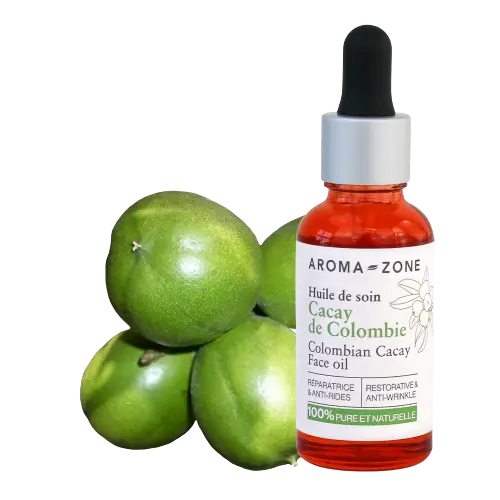
Retinol may be synthetic in some cosmetic products, but it exists in a natural state (when taken from animal and plant sources). It is naturally present in cacay carrier oil (in the form of trans-retinoic acid).
Hyaluronic acid and retinol: the benefits
What are the effects of hyaluronic acid on the skin?
According to studies, topical application (= on the skin) of hyaluronic acid may have the following benefits.
It forms a film that reinforces the skin's protective barrier
It increases hydration of the stratum corneum
It makes the skin more elastic
Improves skin texture
Brightens and evens skin tone
Smoothes fine lines and wrinkles
It is generally well tolerated by the skin
What are the benefits of retinol for the skin?
Multiple scientific and dermatological studies attribute the following properties to retinol when used topically:
It supports the natural renewal of skin cells
Stimulates fibroblast activity and collagen synthesis
It reduces the depth of wrinkles
It improves the signs of sun-related ageing
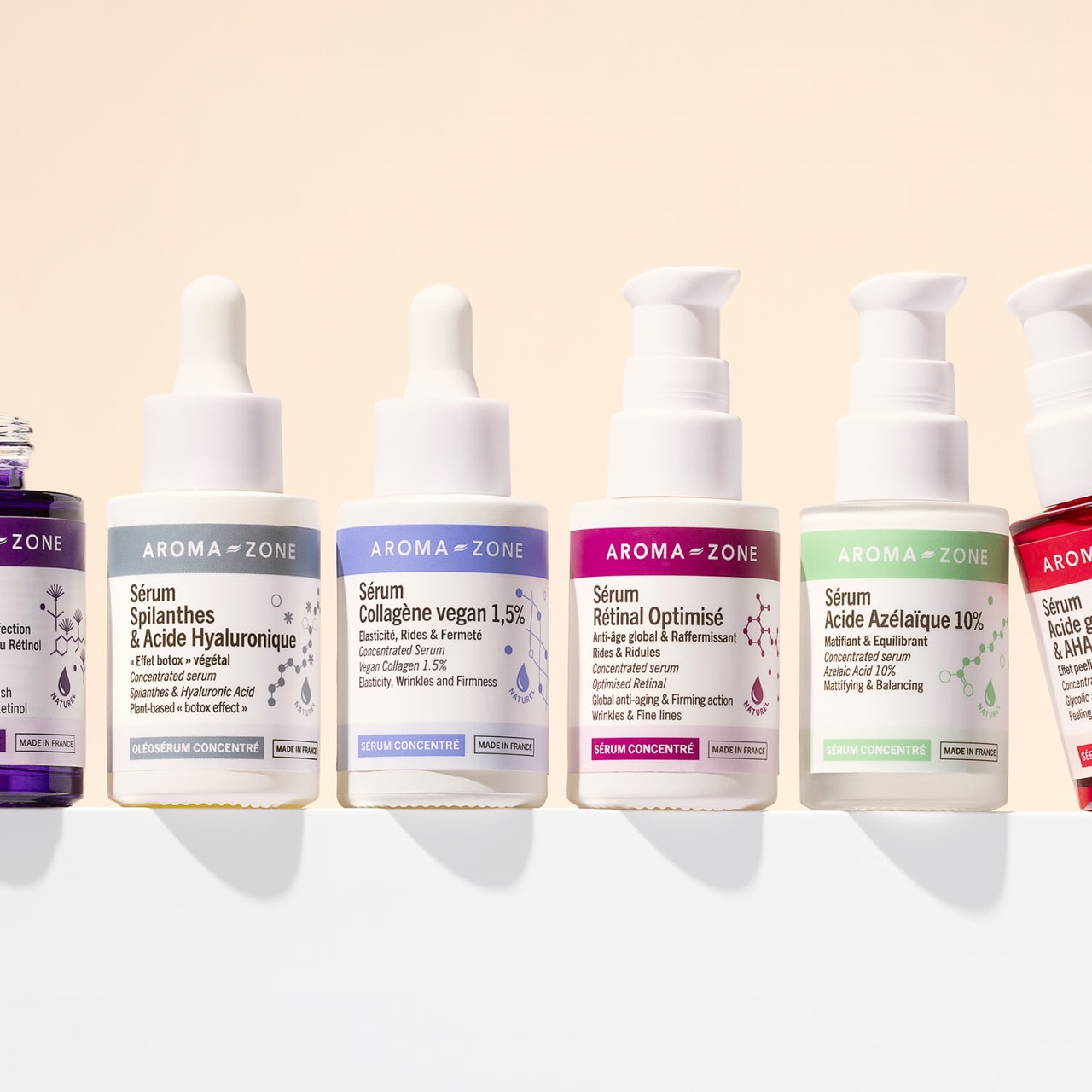
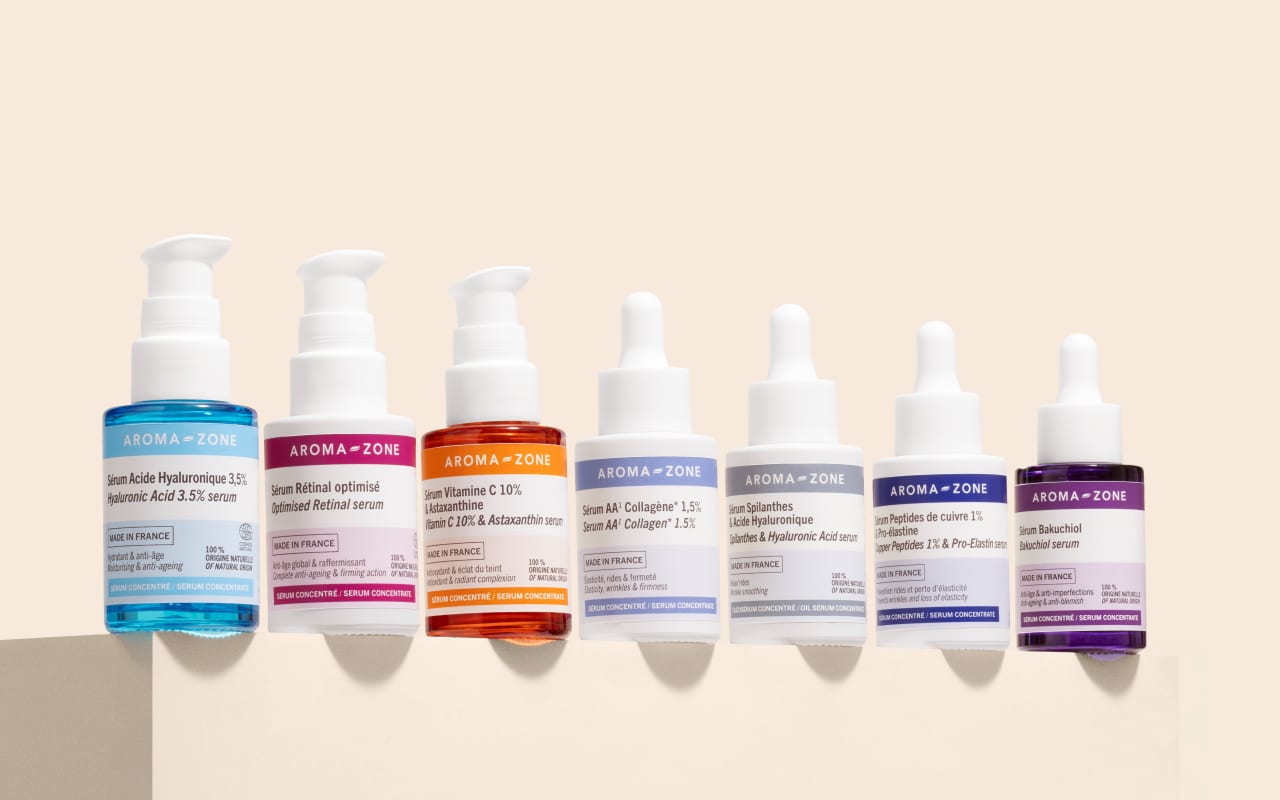
A closer look at our serums

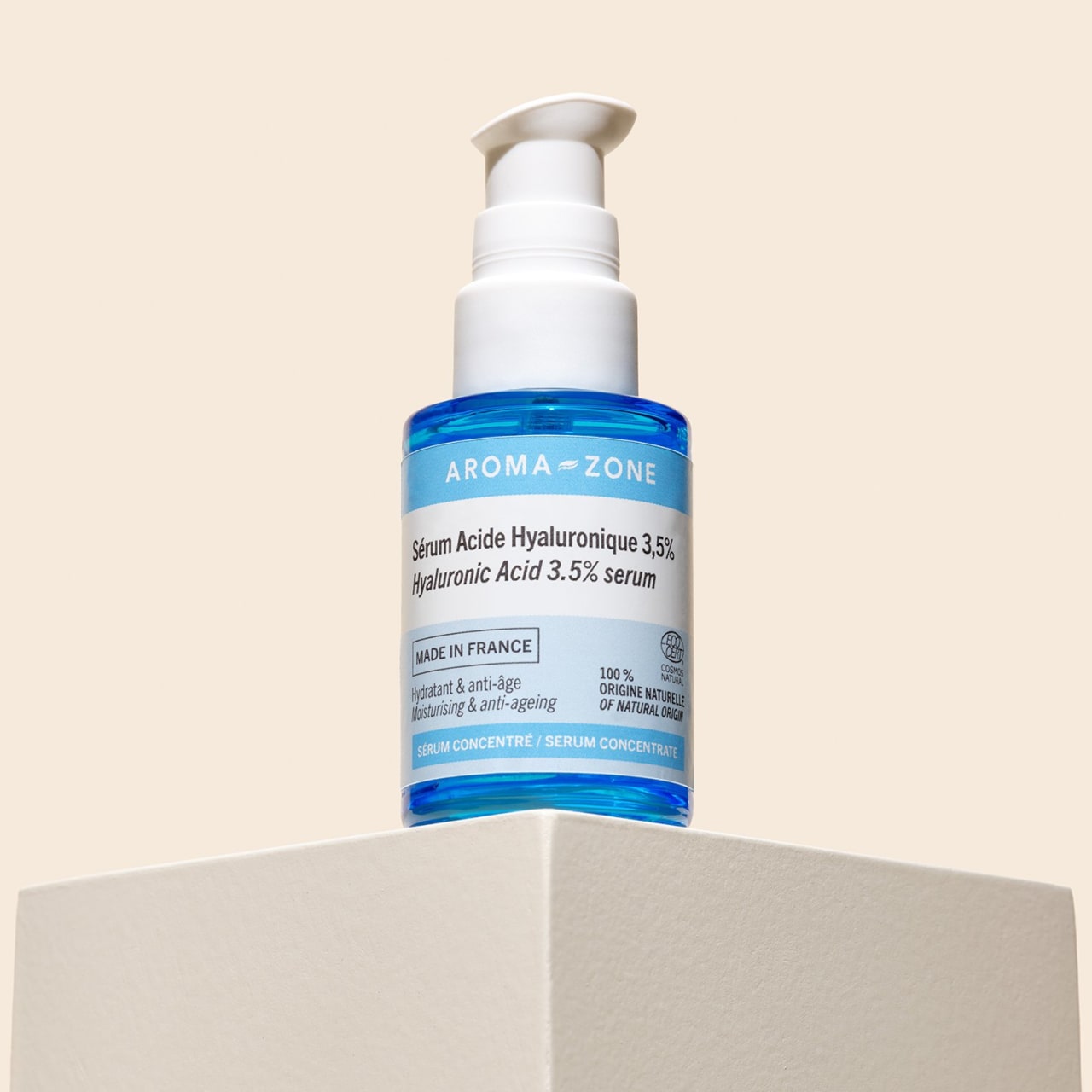
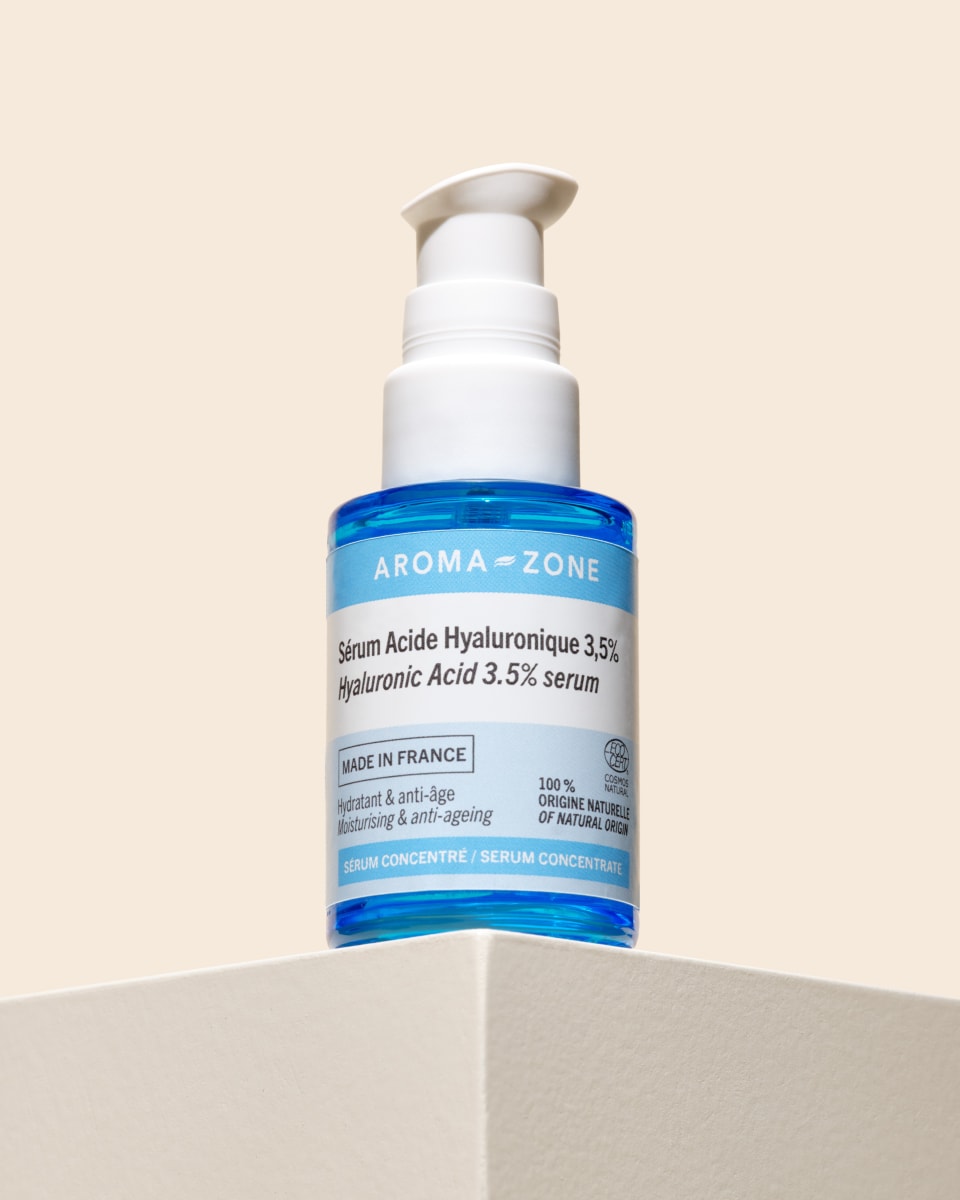
Focus on Hyaluronic acid serum concentrate
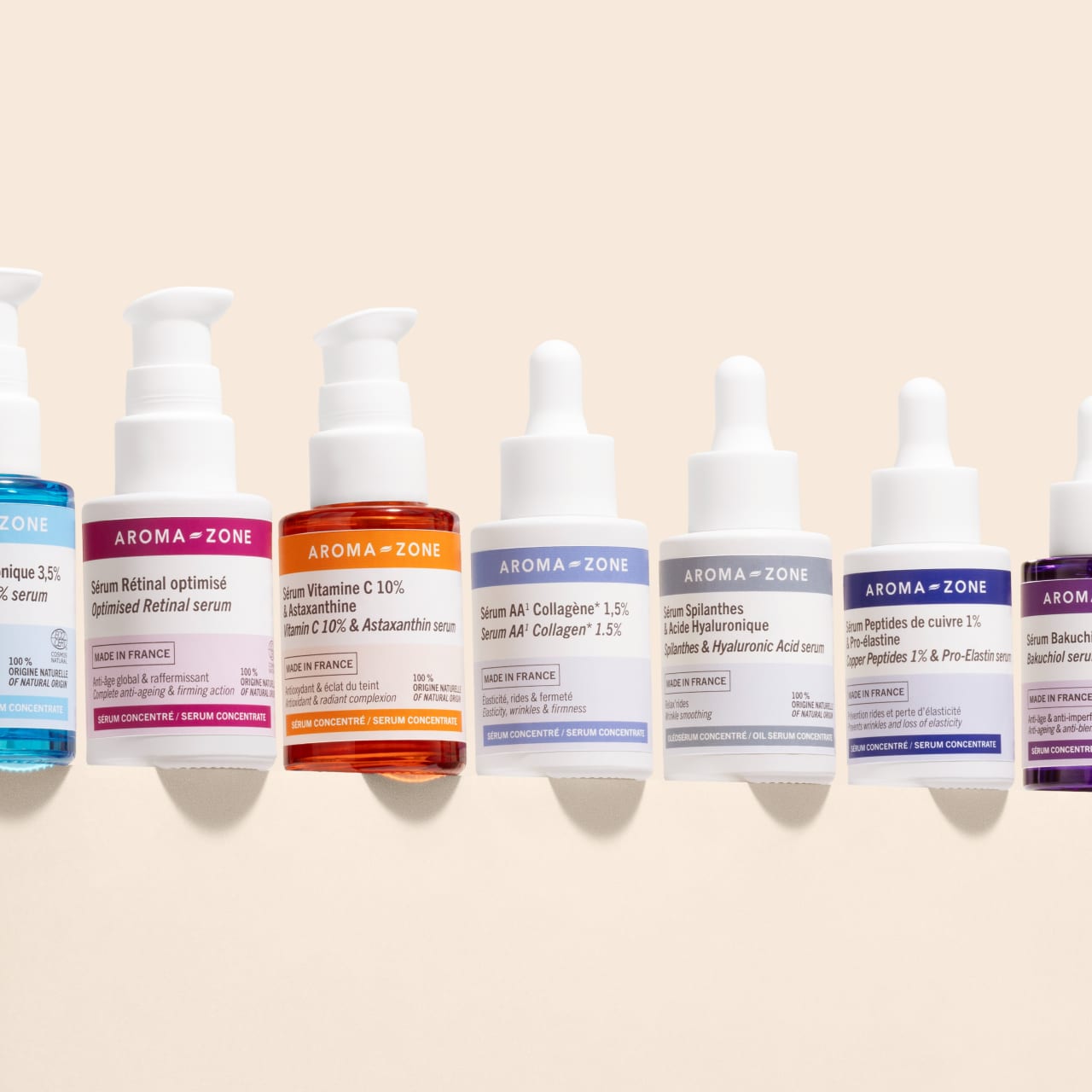
This 100% natural hyaluronic acid serum is one of the most concentrated on the market: 3.5% compared with 0.1 to 1% hyaluronic acid in conventional cosmetics. Recognised for smoothing, moisturising and plumping the skin, its fresh, naturally gelled texture penetrates instantly without leaving bits on your skin or pulling. Its effectiveness as an anti-ageing serum has been tested. It has been proven to fill wrinkles, moisturise and improve skin elasticity. Our hyaluronic acid serum also works wonders on dry, damaged hair, softening and restructuring it. This anti-ageing face moisturising serum can be used on its own or can be personalised with other active ingredients. It's new formula contains no alcohol. Available in recyclable and inexpensive eco-refill packs for easy refilling to reduce waste. Find out about the different possible additions and their dosages in this fact sheet.

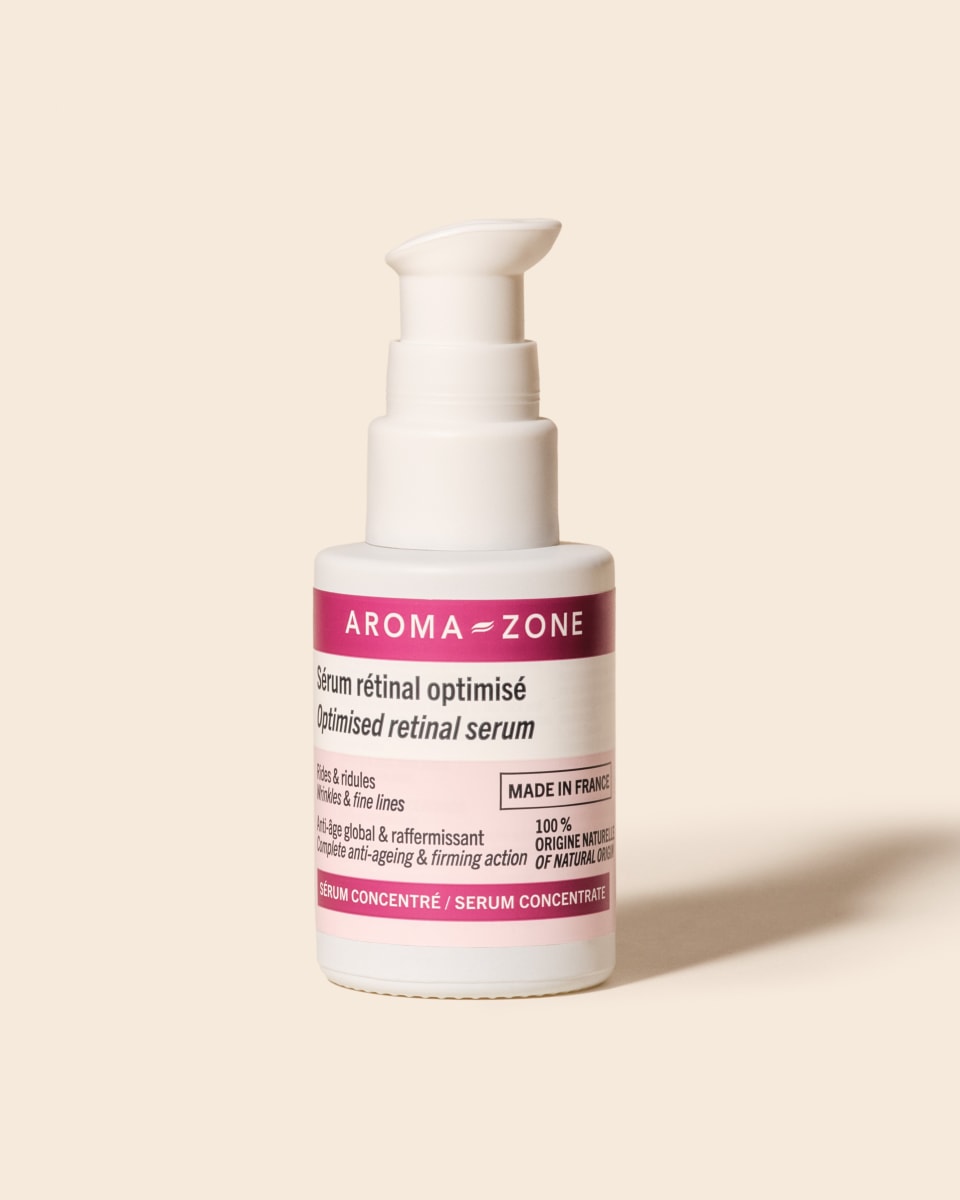
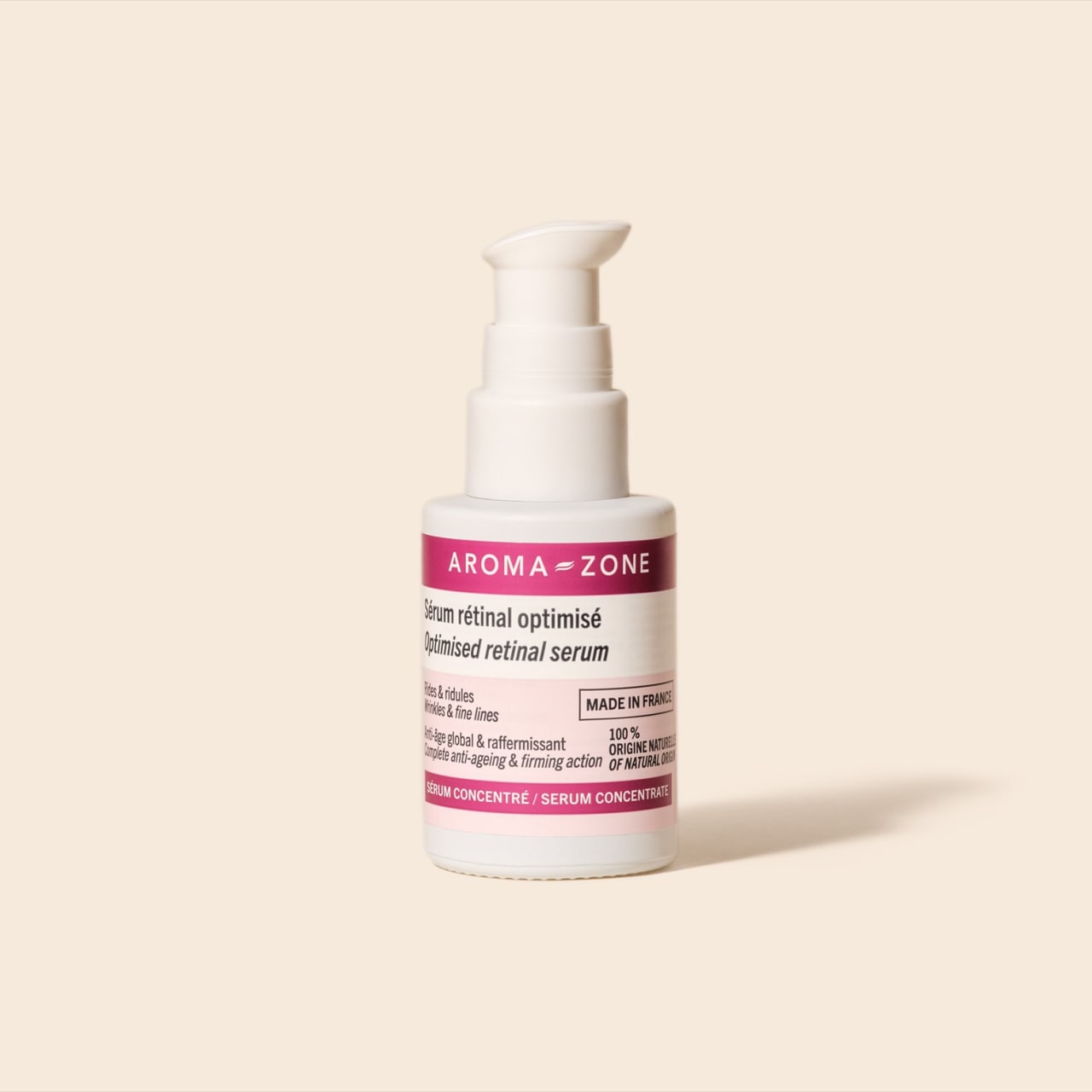
A closer look at Optimised Retinal Serum Concentrate
A global anti-ageing agent, this serum has concentrated retinal, the precursor of retinoic acid, the only active form of vitamin A. An essential multi-targeting active ingredient for combating the signs of ageing, retinal firms the skin, reduces wrinkles and fine lines, fades spots and rosacea and brightens the complexion. Also renowned for treating acne-prone skin, it has anti-inflammatory effects, eliminates impurities, purifies, evens out and regulates oily skin. Combined with an extract of mastic tree, which helps stop the breakdown of retinoic acid naturally present in your skin, retinal's anti-ageing power is legendary! Available in a recyclable and economical eco-refill, so you can easily fill up your bottles again while reducing waste.
Which anti-wrinkle active ingredient is right for my skin type?
As well as retinol and hyaluronic acid, there are many other anti-ageing cosmetic ingredients to choose from. Here is a selection of the most renowned of them to help you adapt your choice to your skin type.
Retinol: recommended for mature, oily and not very sensitive skin.
Retinal: recommended for mature, delicate skin with blemishes.
Hyaluronic acid: recommended for normal, dry and dehydrated skin.
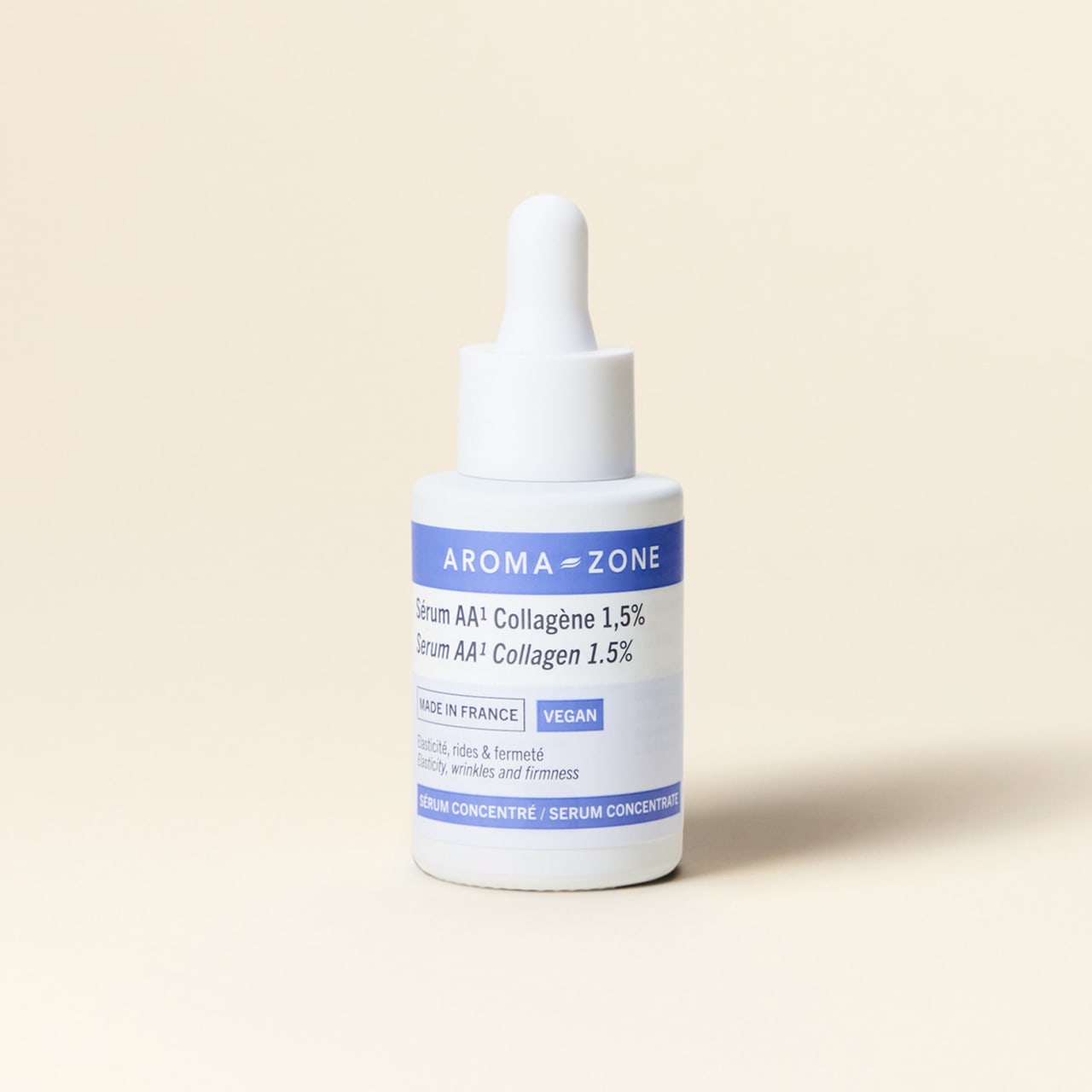
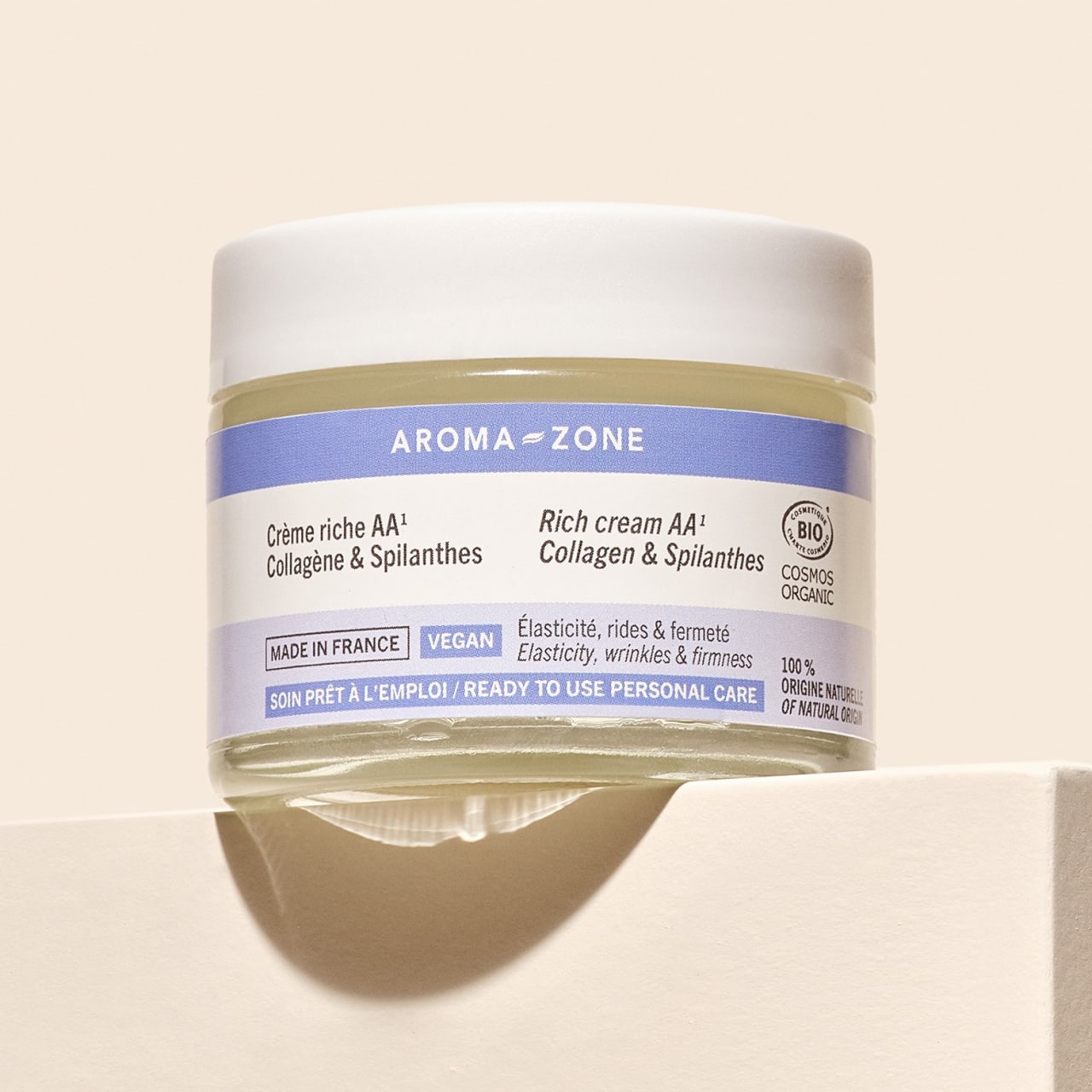
Collagen: recommended for mature, sagging and dehydrated skin.
Vitamin C: recommended for normal, dry and dull skin.
Bakuchiol: recommended for normal, dry, oily and combination skin with a mature tendency.
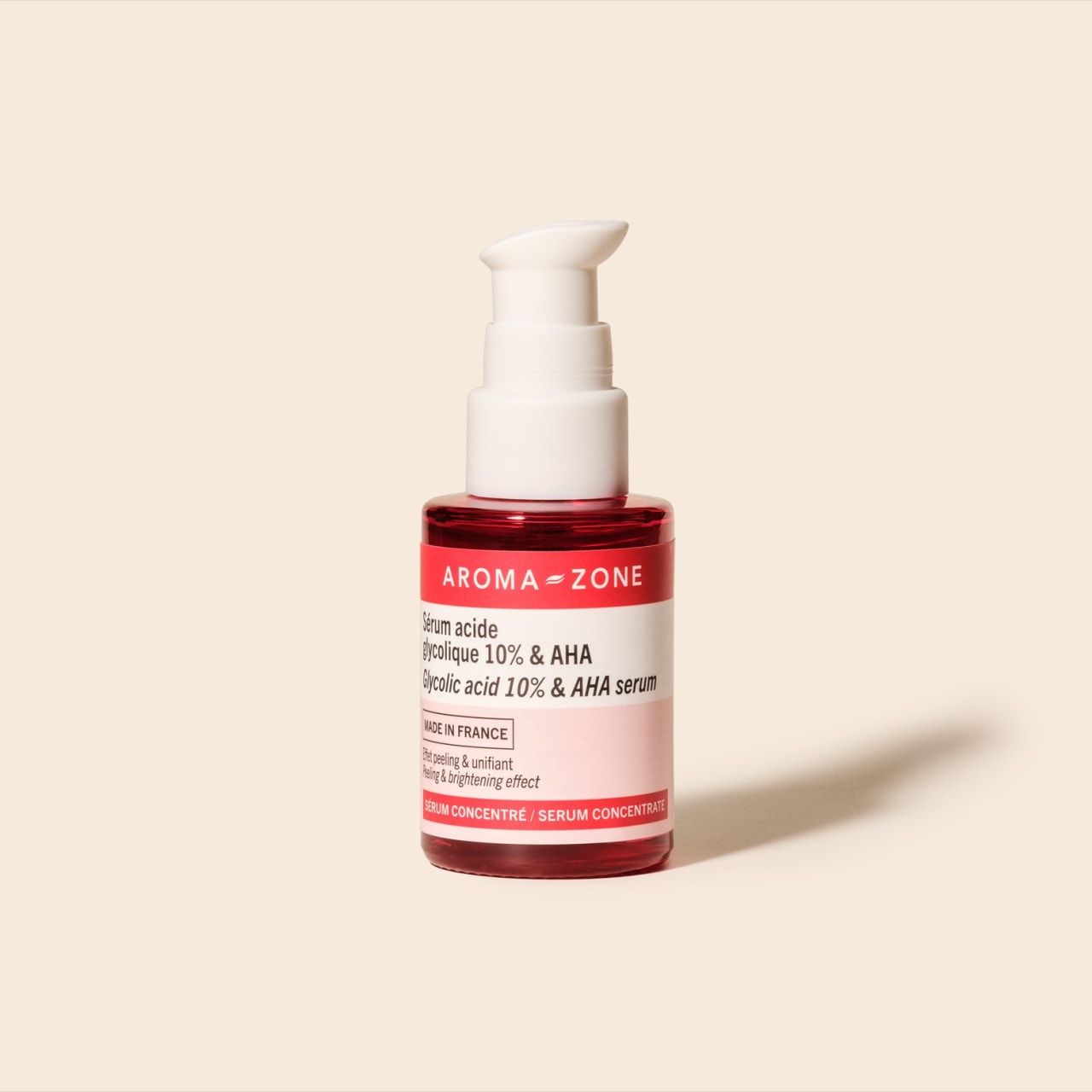
Glycolic acid (AHA): recommended for oily, blemish-prone and slightly sensitive skin.
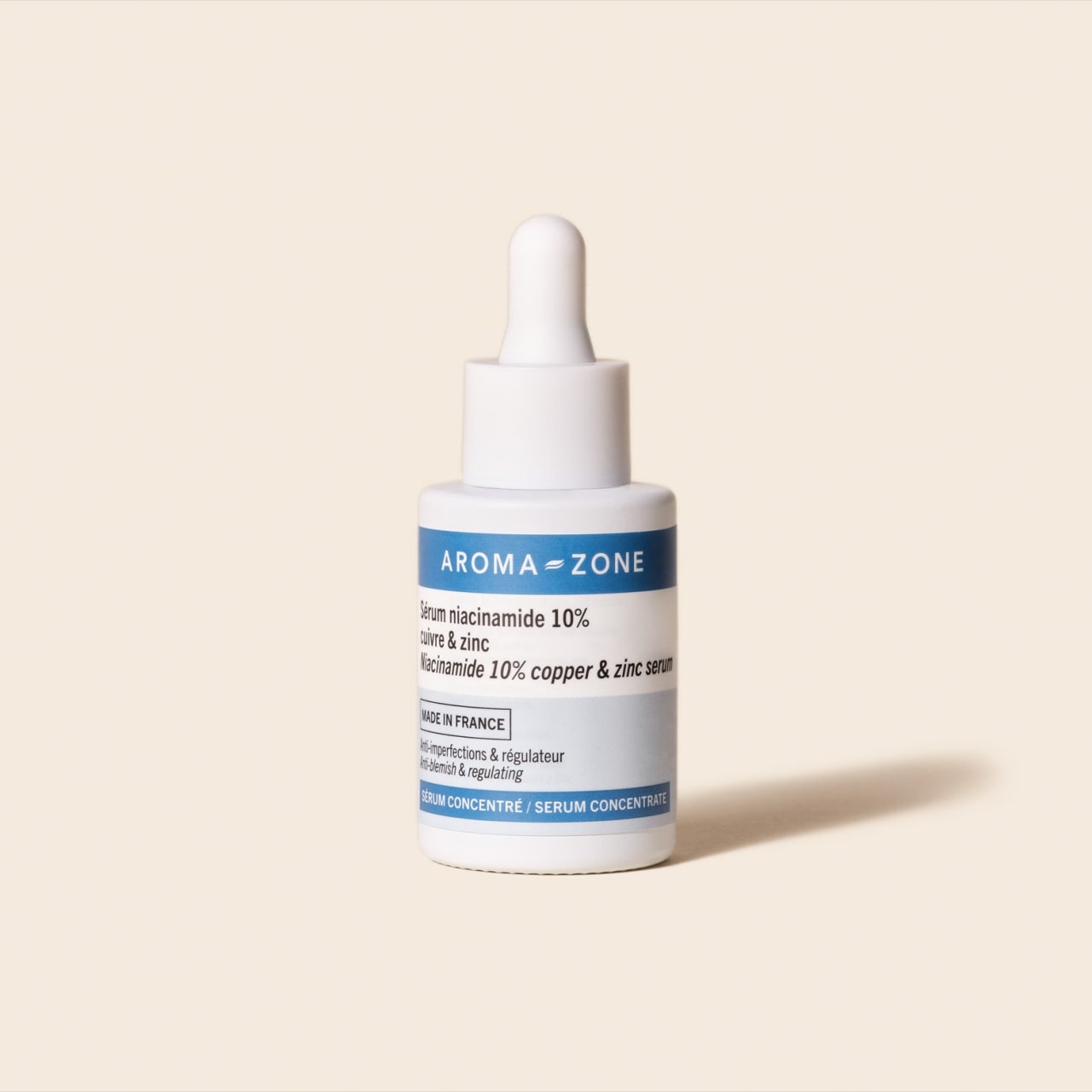
Nicotinamide (vitamin B3): recommended for combination to oily skin.
Retinol or hyaluronic acid: how do I introduce them into my skincare routine?
Our application advice
If you opt for a retinol treatment. Use it preferably in the evening, without forgetting to protect your skin with a sunscreen the next day. It's best to introduce retinol into your routine gradually. The idea is to gradually increase the frequency of its use, but also the concentration of the formula. You can start with one application a week at a concentration of 0.01% to 0.03% maximum, for example. Pay close attention to how you feel (tingling, overheating) and adjust your use if necessary.
If you opt for a hyaluronic acid treatment. This active ingredient is much easier to incorporate into your skincare routine. You can use it at night or in the morning (or even both). It's available as a cream, serum, mask, etc. In terms of concentration, it can improve skin elasticity from as little as 0.1%. If you'd like a more concentrated formula, there's no need to allow time for adaptation.
Can retinol and hyaluronic acid be mixed?
Yes, absolutely! This combination can even be beneficial for maintaining optimal skin hydration levels and preventing the minor discomforts commonly associated with the use of retinol. For example, you could use a retinol product in the evening, followed by a hyaluronic acid product the next morning.
Our recipes for making your own anti-ageing skin care product with retinol and hyaluronic acid

Concentrated anti-ageing face cream with cacay oil

Concentrated anti-ageing face cream with cacay oil

All-round anti-ageing cream with hyaluronic acid

All-round anti-ageing cream with hyaluronic acid
Precautions for using hyaluronic acid and retinol
The disadvantages of hyaluronic acid
Hyaluronic acid has almost none! You simply have to bear in mind that, as with any cosmetic substance, the risk of allergy can never be completely ruled out. Make sure you do a sensitivity test in the crease of your elbow 48 hours before using the formula on your face.
The disadvantages of retinol
It can cause irritation and redness in sensitive skin. However, this is less pronounced than with other retinoids.
It is photosensitising: it increases the skin's sensitivity to the sun's UV rays.
It needs to be used with greater care than hyaluronic acid.
It is contraindicated for pregnant and breast-feeding women.
It must be stored away from air and sunlight to preserve its effectiveness.
Expert advice
Whether you use retinol or not, get into the habit of applying a sun cream to your face every day. This will protect your skin from sun-related ageing. This is premature ageing caused by UV rays. It adds on top of biological ageing and can cause (among other things) open pores, thickening of the epidermis, deep wrinkles and pigmentation spots.
Find out more

Retinol serum: before or after hyaluronic acid?

Retinol serum: before or after hyaluronic acid?
If you choose to layer the serums, start with your retinol. Wait a few seconds and then continue with your hyaluronic acid serum. The order of application may change depending on the type of product you're using. For example, a retinol cream is applied on top of a hyaluronic acid serum.

What should I not mix with retinol?

What should I not mix with retinol?
Retinol is a powerful and potentially drying substance. So it's best not to combine it with other substances known to irritate the skin. More especially, avoid combining it with fruit acids (AHA - glycolic acid), especially if you have sensitive skin.

Is retinal stronger than retinol?

Is retinal stronger than retinol?
It is an intermediate form of the oxidation of retinol to retinoic acid. This metabolised form spares the skin from a sometimes stressful transformation stage. A concentration of 0.05% would be enough to produce beneficial results on the signs of sun-related ageing.
Spotlight on our specialist editor, Hélène Betoux

Hélène Betoux is a French beauty journalist specialising in web media. Every day she writes tips, advice and guides to help consumers choose the right beauty products. With a strong interest in natural, organic and clean cosmetics, she analyses and shares trends and innovations in the sector.
Bibliography
1
Benefits of topical hyaluronic acid for skin quality and signs of skin aging: From literature review to clinical evidence.
Bravo B, Correia P, Gonçalves Junior JE, Sant'Anna B, Kerob D. Dermatol Ther. 2022 Dec;35(12):e15903. doi: 10.1111/dth.15903. Epub 2022 Oct 21. PMID: 36200921; PMCID: PMC10078143. Online : https://www.ncbi.nlm.nih.gov/pmc/articles/PMC10078143/
2
Retinoids in the treatment of skin aging: an overview of clinical efficacy and safety.
Mukherjee S, Date A, Patravale V, Korting HC, Roeder A, Weindl G. Clin Interv Aging. 2006;1(4):327-48. doi: 10.2147/ciia.2006.1.4.327. PMID: 18046911; PMCID: PMC2699641. On line : https://www.ncbi.nlm.nih.gov/pmc/articles/PMC2699641/
3
Efficacy and safety of retinaldehyde 0.1% and 0.05% creams used to treat photoaged skin: A randomized double-blind controlled trial.
Kwon HS, Lee JH, Kim GM, Bae JM. J Cosmet Dermatol. 2018 Jun;17(3):471-476. doi: 10.1111/jocd.12551. Epub 2018 Apr 16. PMID: 29663701. Online: https://pubmed.ncbi.nlm.nih.gov/29663701/