Pregnancy acne: advice from Dr. Aoun

Pregnancy causes profound hormonal, emotional, and skin changes. Around 40% of women experience blemishes from the first trimester onwards. The challenge is to take effective action without putting the baby at risk. Why does the skin react in this way? And how can acne be treated safely during pregnancy? Here's what you need to know about the causes, symptoms and medical and natural solutions for caring for blemished skin during this special time.

Reading time: 0 min.

Why can acne appear during pregnancy?

The appearance of blemishes during pregnancy can be explained by various biological mechanisms. Hormonal changes influence sebum production and the balance of the pilosebaceous follicle, promoting pore blockage and inflammation.

The role of hormones in sebum production

Acne is linked to an imbalance in the pilosebaceous follicle, i.e. the structure formed by a hair and the gland that produces sebum, the oily substance naturally secreted by the skin to protect it and keep it supple. During pregnancy, hormonal changes are significant. The sebaceous glands are particularly sensitive to androgens, so-called "male" hormones that women also produce naturally, particularly in the adrenal glands. These hormones stimulate sebum production. When produced in excess, the skin becomes oilier and pores can become clogged more easily.

The process of pore blockage and skin inflammation

At the same time, a phenomenon called keratinization may occur. This involves a thickening of the cells lining the hair follicle canal. When these cells accumulate, they can block the pore. This blockage creates an environment conducive to the development of certain bacteria naturally present on the skin, notably Cutibacterium acnes. Their proliferation can trigger an inflammatory reaction, causing the appearance of blackheads, comedones, and pimples that may or may not be inflammatory.

The impact of hormonal changes during pregnancy on the skin

During pregnancy, hormonal changes can increase sebum production and promote these mechanisms. Blemishes can therefore appear as early as the first trimester, sometimes after stopping hormonal contraception. They can also occur later, particularly in the third trimester, depending on the individual's skin sensitivity to hormonal changes.
What are the characteristics of blemishes during pregnancy?

Skin symptoms related to pregnancy can vary from one woman to another, but certain characteristics are frequently observed:

  • Possible onset at different stages of pregnancy: blemishes can occur at any stage, but they appear more often at the beginning or end of pregnancy, periods marked by significant hormonal changes

  • Variable progression over time: breakouts may subside spontaneously, sometimes as early as the second trimester or after childbirth. In some women, however, they may persist throughout pregnancy

  • Presence of inflammatory lesions: pregnancy acne most often manifests as red pimples, sometimes topped with a white head containing pus

  • Lesions predominantly on the face: the cheeks, jawline, and forehead are the areas most commonly affected, but lesions can also appear on the décolleté, shoulders, or back

  • Possible association with comedones: blackheads (open comedones), whiteheads, or microcysts (small bumps under the skin) may also be present, usually in smaller numbers

  • Increased sebum production: the skin may become oilier, particularly in the T-zone of the face (forehead, nose, chin, and nasolabial folds).

Our selection of products

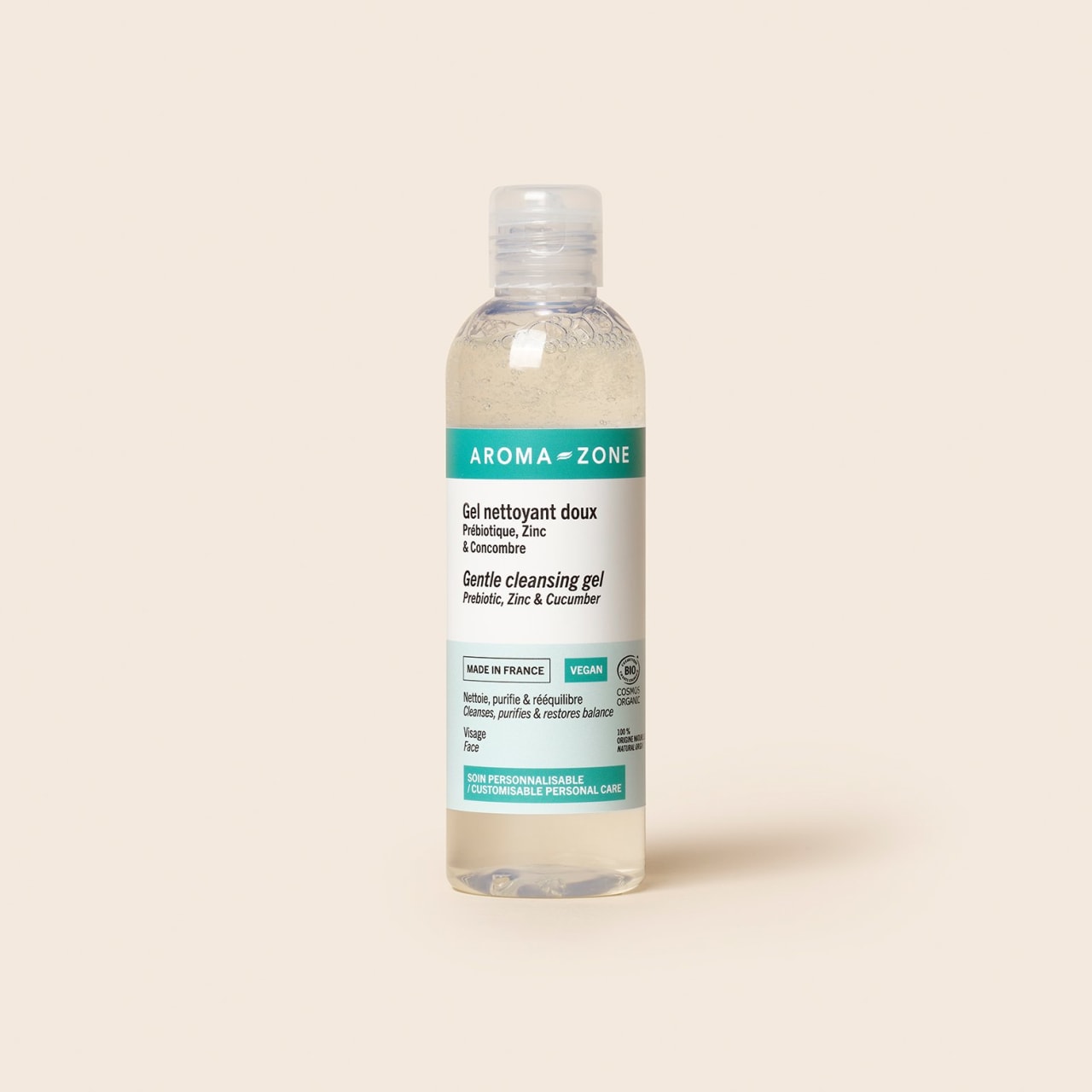
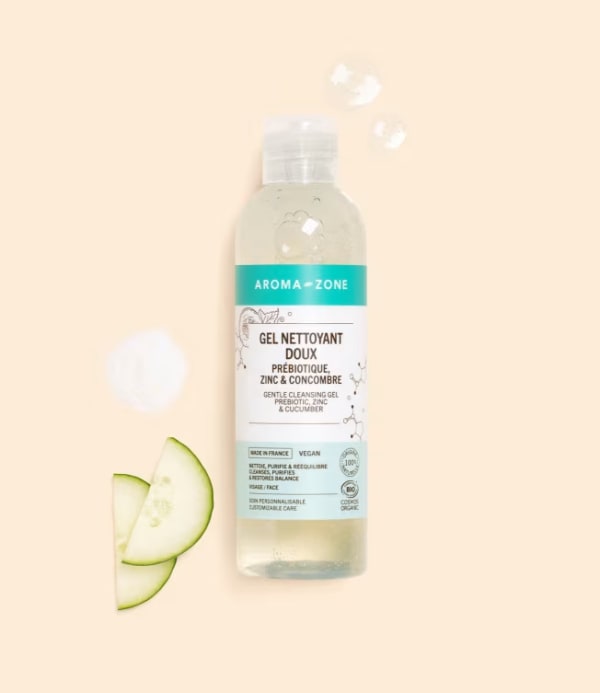
Morning and evening, start by cleansing your skin with our Prebiotic, Zinc & Cucumber Gentle Cleansing Gel. Its gentle formula helps to purify the skin while respecting its balance.

Discover the Prebiotic, Zinc & Cucumber Gentle Cleansing Gel

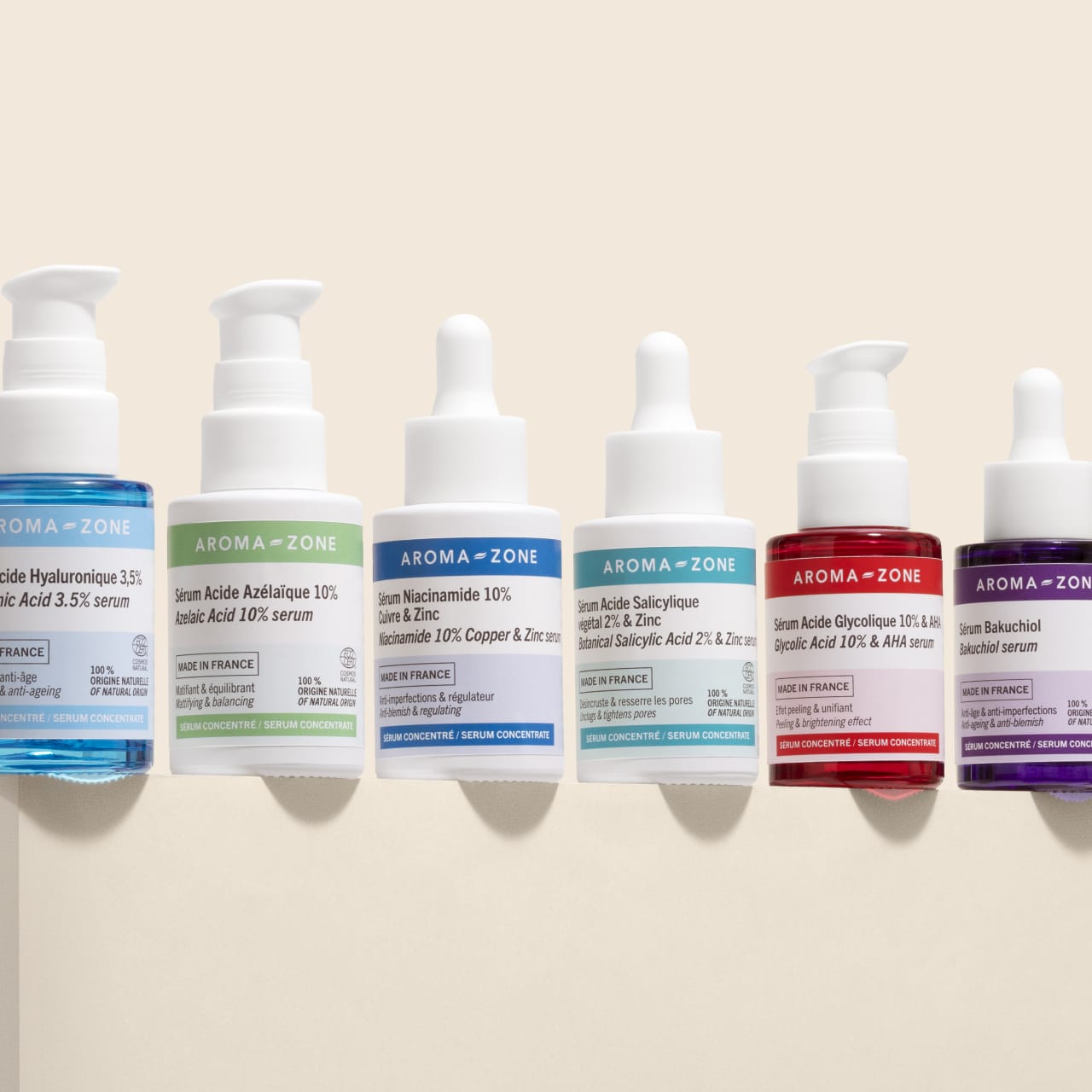
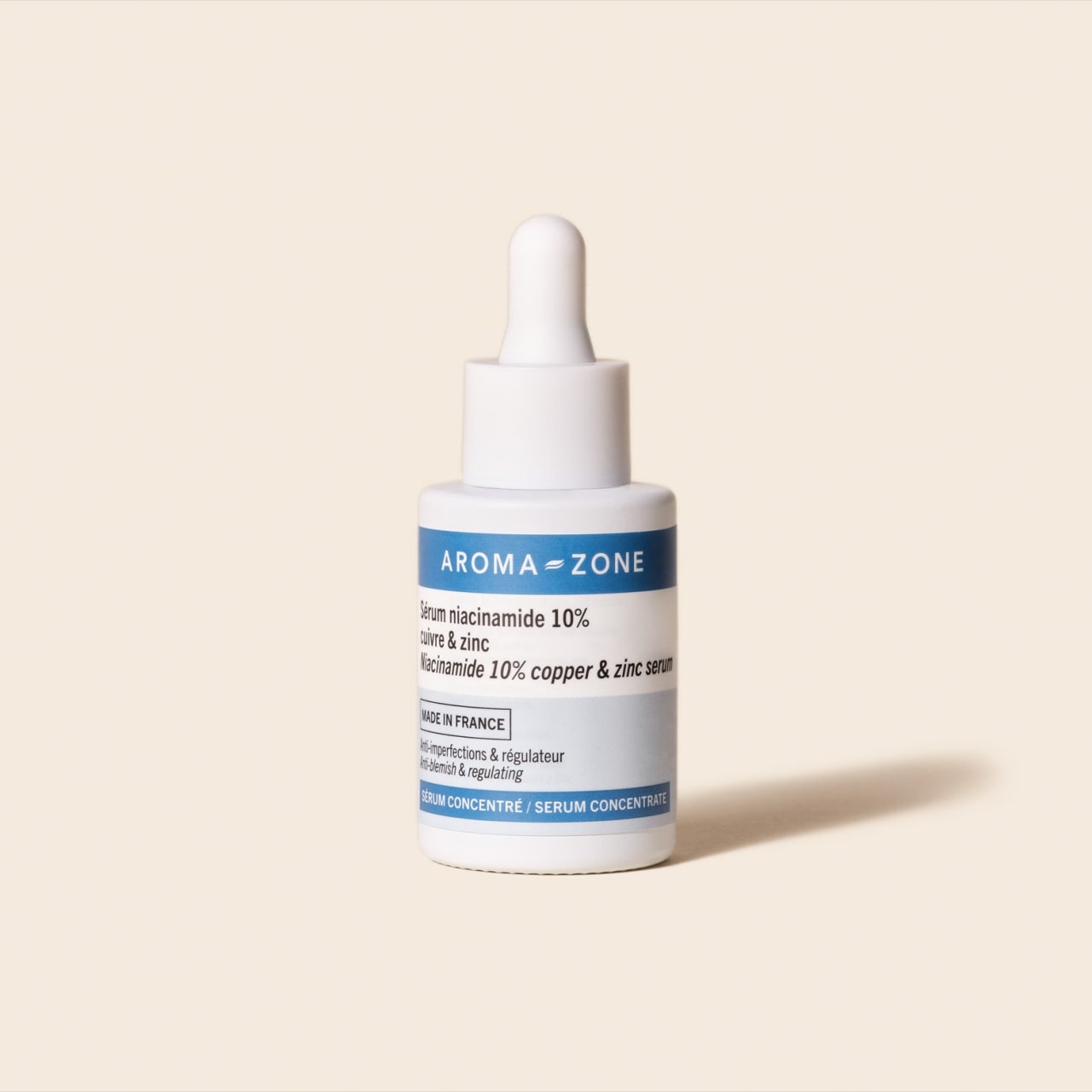
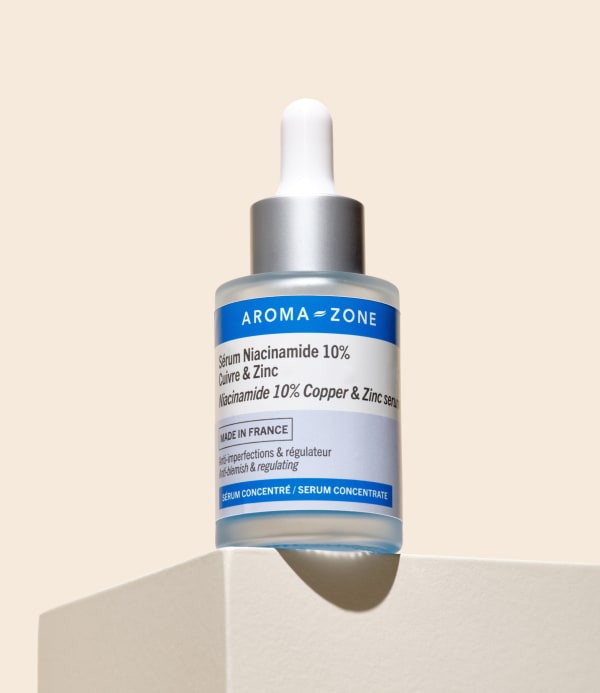
To target shine and unevenness, apply Concentrated Serum with 10% Niacinamide, Copper & Zinc, which helps rebalance the skin and improve its appearance, particularly in cases of excess sebum or visible pores.

Discover the Niacinamide 10%, Copper & Zinc Concentrated Serum

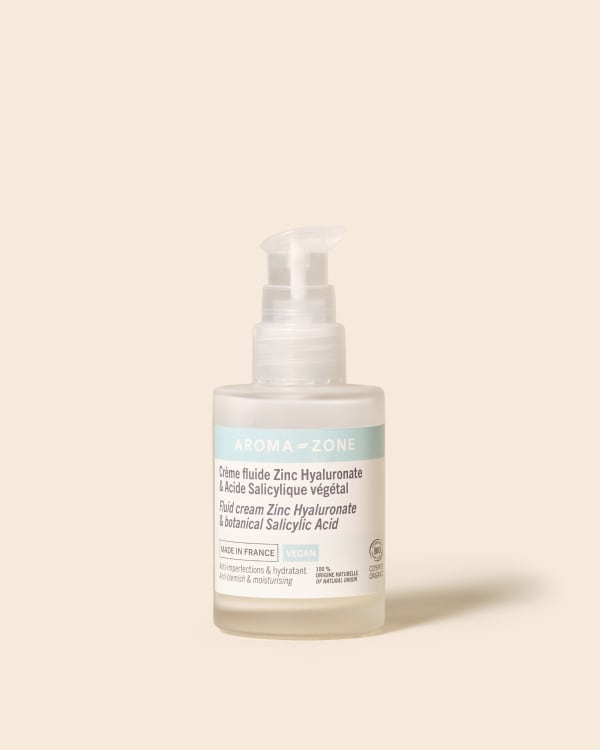
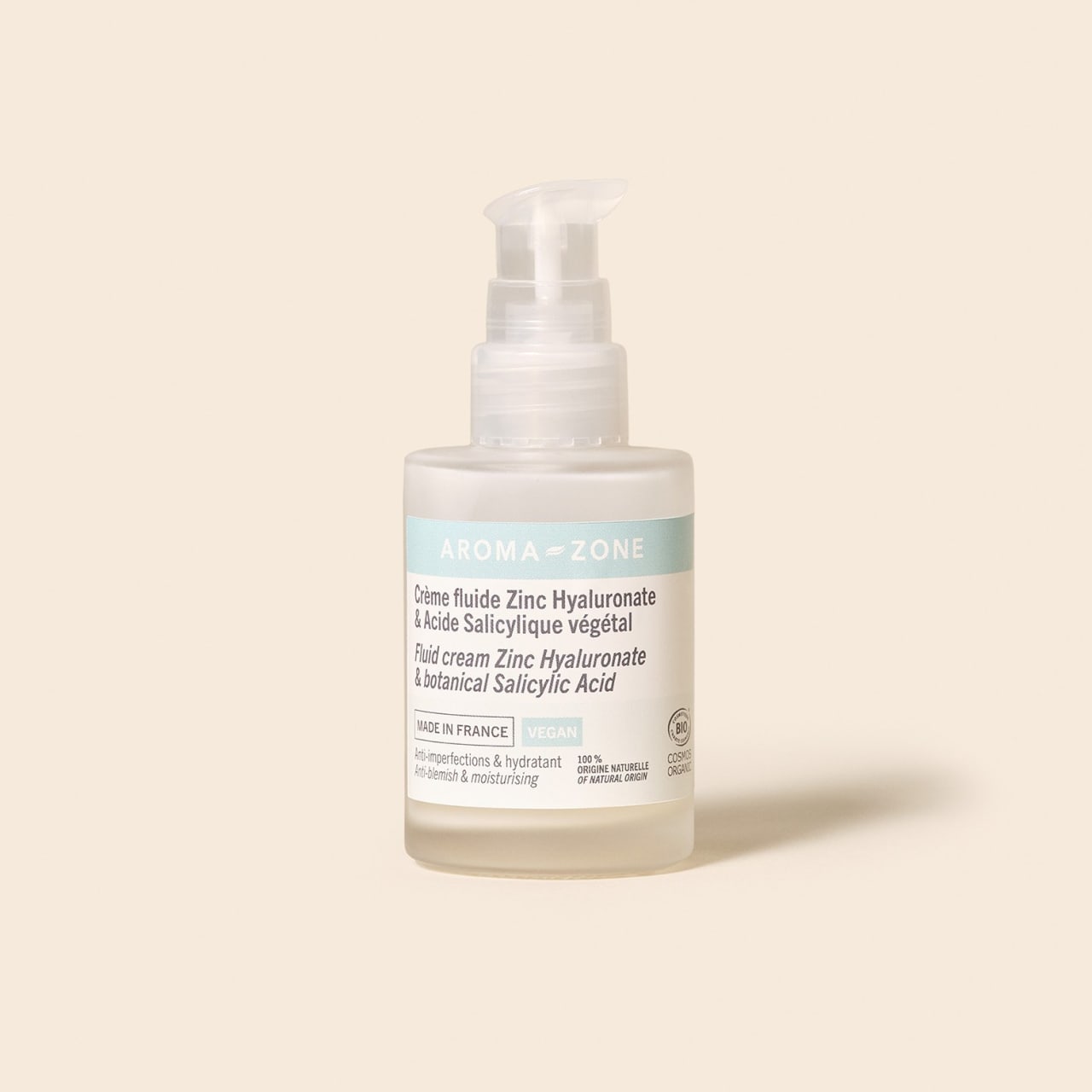
To optimally moisturize and mattify your skin, use our Zinc Hyaluronate & Plant-Based Salicylic Acid Fluid Cream. Its fluid, non-greasy texture is suitable for combination to oily skin and helps maintain light hydration while providing a feeling of freshness.

Discover Zinc Hyaluronate & Plant-Based Salicylic Acid Fluid Cream

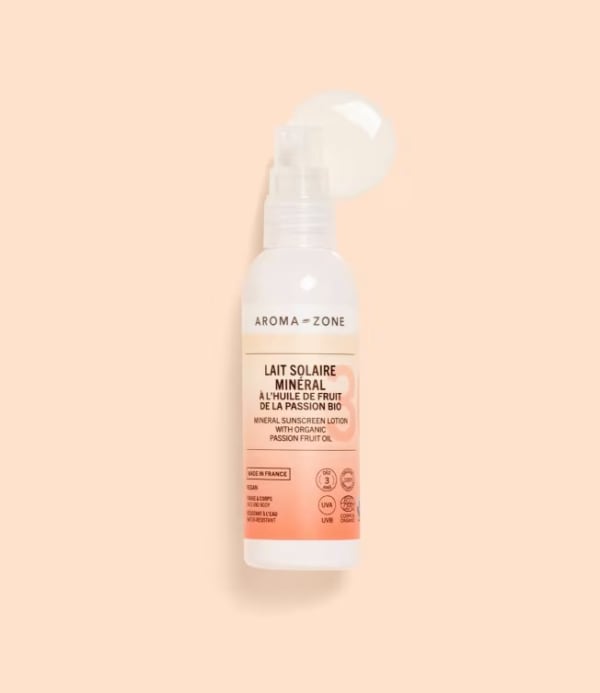
Finish your routine with sun protection using Mineral Sunscreen Lotion SPF 30. This product protects the skin from the harmful effects of the sun with its mineral filters, while leaving a soft and comfortable finish.

Discover our Mineral Sunscreen Lotion SPF 30

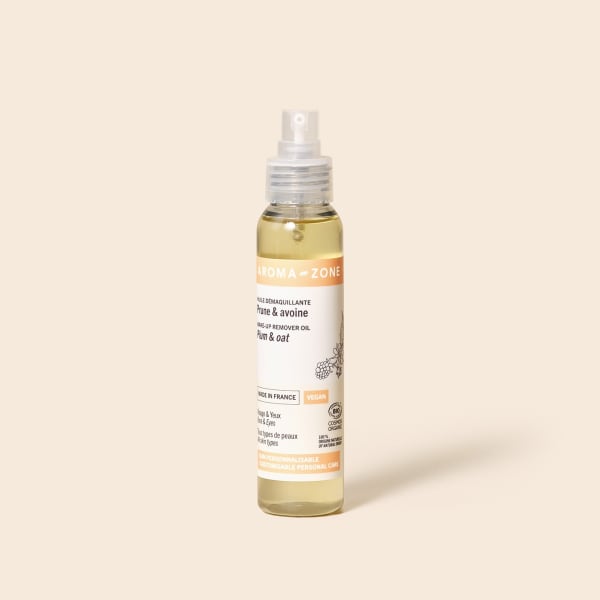
In the evening, to gently remove your makeup, you can opt for thePlum & Oat Cleansing Oil, ideal for dissolving impurities and makeup while respecting the skin's natural balance.

Discover Plum & Oat Cleansing Oil

How can you reduce facial blemishes during pregnancy?

Treating acne during pregnancy requires special precautions, as many commonly used treatments are contraindicated due to risks to the fetus. Before using any medication or dermatological product, it is recommended to check its compatibility with pregnancy, in particular via the CRAT (Reference Center on Teratogenic Agents) website or with a healthcare professional.

However, there are several approaches that can help to safely reduce blemishes:

1. Cleanse the skin gently and regularly: cleansing morning and evening helps remove excess sebum, impurities, and makeup residue that can clog pores. Choose a gentle cleanser without irritating agents, and avoid harsh scrubs or excessive rubbing, which can increase inflammation.

2. Choose simple, well-tolerated skincare products: During pregnancy, the skin can become more reactive. It is best to use skincare products formulated for sensitive skin, without potentially irritating or occlusive ingredients. Opt for non-comedogenic products to limit pore blockage. Certain oils or very rich textures can promote blemishes: coconut oil, for example, is often not recommended for use on the face.

3. Moisturise the skin without clogging pores: Even when acne is present, the skin needs moisture. A light, non-comedogenic cream helps maintain skin comfort and preserve the balance of the skin's protective barrier. Good overall hydration, by drinking enough water, also contributes to the proper functioning of the body.

4. Limit factors that promote inflammation: A varied diet rich in fruits, vegetables and antioxidant nutrients can help support skin balance. Avoid popping or scratching pimples as much as possible, as this increases the risk of scarring and prolonged inflammation. Moderate sun exposure can sometimes temporarily dry out lesions, but appropriate sun protection is still essential to prevent pigmentation marks.

5. Use certain active ingredients that are compatible with pregnancy: When blemishes are more pronounced, certain treatments may be considered under medical supervision. Dermatological options generally considered safe include benzoyl peroxide, used locally on inflammatory lesions, and erythromycin, which can be prescribed for topical application or, in some cases, for oral use. Zinc supplementation may also be recommended from the second trimester onwards, depending on the needs and recommendations of the healthcare professional.

Certain topical active ingredients are also frequently well tolerated during pregnancy. This is particularly the case with azelaic acid, which is useful for reducing inflammation and minimiing the marks left by pimples, and glycolic acid, which is used in low concentrations to promote skin renewal.

However, other substances are generally not recommended, particularly retinoids and high concentrations of salicylic acid.

6. Consult a doctor if the lesions persist or worsen: as every pregnancy is different, skin reactions can vary. If the acne becomes severe, painful or does not improve despite the measures taken, a dermatologist will be able to offer appropriate and safe treatment.

How can you reduce facial blemishes during and after pregnancy?

Hormonal changes during pregnancy can throw your skin out of balance for several months. Fortunately, there are things you can do to slow down the appearance of blemishes and help your skin recover after giving birth.

During pregnancy: maintaining skin balance

The skin can be more reactive during this period, which is why it is important to take a few precautions.

  • Avoid touching pimples: touching or squeezing lesions can increase irritation and promote the appearance of persistent marks.

  • Choose products that are well tolerated by the skin: opt for products with a short list of ingredients that are non-comedogenic and suitable for sensitive skin

  • Opt for light, non-comedogenic makeup: choose textures that are suitable for sensitive or blemish-prone skin, and clean brushes and accessories regularly to limit the accumulation of impurities

  • Protect your skin from the sun: excessive exposure can increase inflammation and promote pigmentation marks

  • Maintain good hydration and a balanced diet: these habits contribute to the proper functioning of the body and skin comfort

  • Engage in appropriate physical activity whenever possible: this contributes to overall well-being and the body's overall balance.

After pregnancy: helping the skin regain its balance

After giving birth, hormonal fluctuations gradually decrease, but the skin can take time to stabilize. Certain habits can help limit the persistence of blemishes.

  • Gradually resume using skincare products suited to your skin type: choose non-comedogenic products that are well tolerated in order to maintain the skin's balance

  • Protect your skin from the sun on a regular basis: appropriate protection helps prevent the appearance or accentuation of pigment marks left by pimples

  • Avoid touching lesions: touching or squeezing pimples increases the risk of scarring and prolongs inflammation

  • Take care of your lifestyle: Getting enough sleep, eating a varied diet, and staying well hydrated will help your skin gradually regain its balance

  • Consult a healthcare professional if blemishes persist or worsen: a medical opinion will help you evaluate possible treatment options after pregnancy.

Precautions for use

During pregnancy, the skin often becomes more reactive and sensitive. The use of natural skincare products therefore requires special attention so as not to upset this fragile balance. Before adopting a new ingredient, always test it on the inside of your elbow to check for tolerance. Choose simple formulas that are suitable for combination to oily skin or acne-prone skin. To moisturize without clogging pores, opt for light, non-comedogenic textures. As certain natural active ingredients are not recommended during pregnancy, always check the precautions for use for each product. Finally, if blemishes persist or become painful, seeking medical advice is still the best option for getting appropriate advice.

Learn more

Can pregnancy acne leave lasting marks?

Yes, especially in cases of severe inflammation or if the lesions are manipulated. Pimples can leave pigment spots or persistent marks, especially on darker skin or if the skin is not adequately protected from the sun. A sunscreen applied daily and appropriate skincare after pregnancy can generally reduce their appearance over time.

Should you consult a healthcare professional if you have acne during pregnancy?

Medical advice is recommended if the lesions are extensive, painful, persistent, or accompanied by cysts or nodules. Pregnancy limits the use of many dermatological treatments, so a healthcare professional can recommend options that are compatible with this period and adapted to the situation.

Can pregnancy acne reappear during a subsequent pregnancy?

Yes, it is possible. Skin can react differently from one pregnancy to the next, but pre-existing hormonal sensitivity increases the risk of blemishes reappearing in subsequent pregnancies. However, the intensity and duration of breakouts vary greatly from person to person.

Focus on our dermatologist editor: Dr. Aoun

Dr. Agathe AOUN - COUSSIEU is a dermatologist in Martinique, where she practices general, surgical, and cosmetic dermatology. Sensitive to skin wellness, she also provides advice and treatments that are as natural as possible and tailored to sensitive or specific skin types. She has also created an Instagram account where you can find her favorite products, explanations of skin conditions, and skin care tips (@dragatheaoun).

Bibliography

1

Chien, A. L., Qi, J., Rainer, B., Sachs, D. L., & Helfrich, Y. R. (2016), Treatment of acne in pregnancy, Journal of the American Board of Family Medicine

DOI: 10.3122/jabfm.2016.02.150165

2

Hasanbeyzade, S. (2025), Retrospective analysis of efficacy and side effects of topical 4% erythromycin versus 1% clindamycin versus 20% azelaic acid during pregnancy, Journal of Cosmetic Dermatology

DOI: 10.1111/jocd.70410

3

Bozzo, P., Chua-Gocheco, A., Einarson, A., & Koren, G. (2011), Safety of skin care products during pregnancy, Canadian Family Physician

4

Rau, A., Keri, J., & Murase, J. E. (2024), Management of acne in pregnancy, American Journal of Clinical Dermatology

DOI: 10.1007/s40257-024-00851-6

5

Dall’Oglio, F., Nasca, M. R., Fiorentini, F., & Micali, G. (2021), Diet and acne: Review of the evidence from 2009 to 2020, International Journal of Dermatology

DOI: 10.1111/ijd.15390

6

Meixiong, J., Ricco, C., Vasavda, C., & Ho, B. K. (2022), Diet and acne: A systematic review, JAAD International

DOI: 10.1016/j.jdin.2022.02.012