1
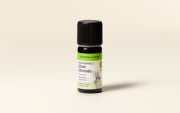
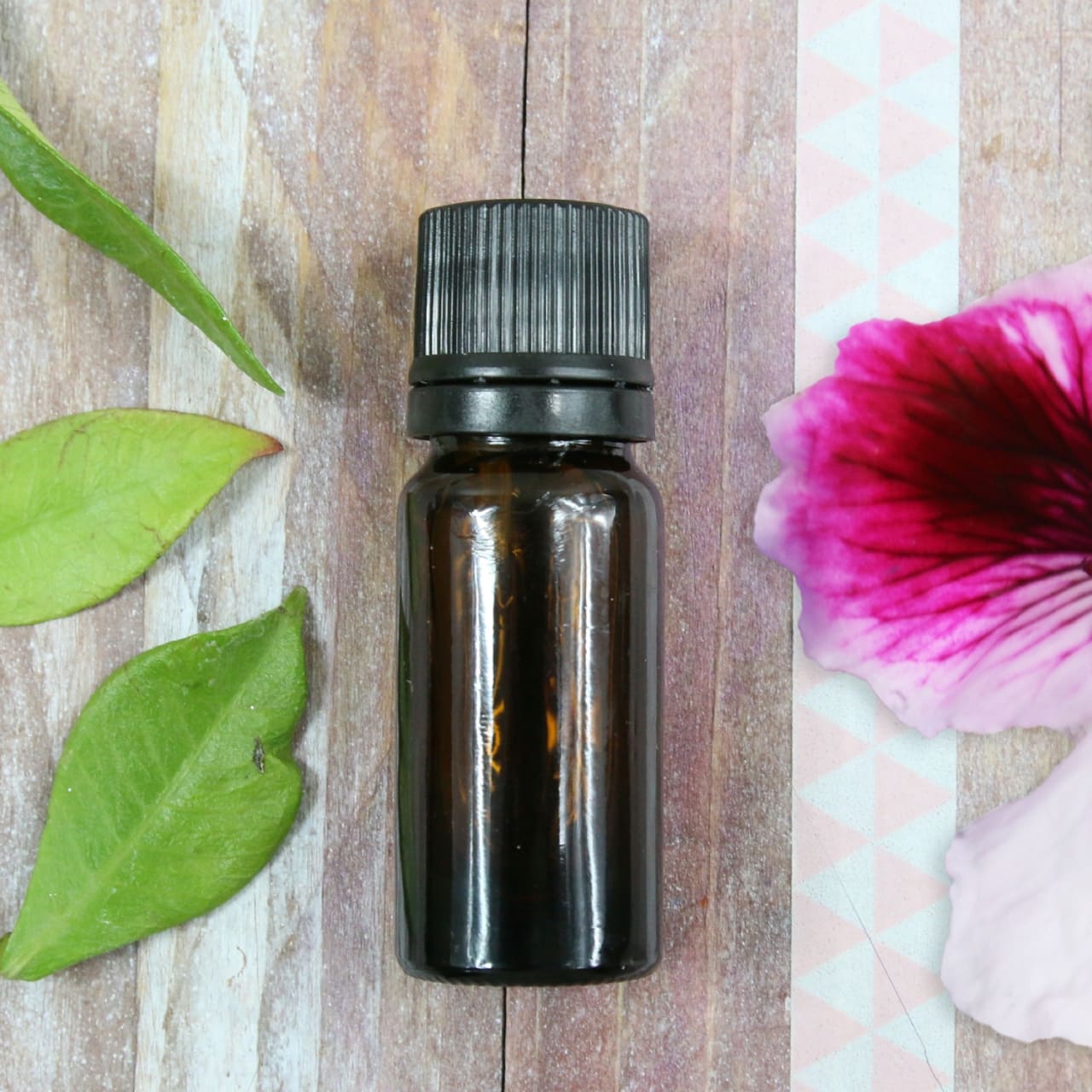
Pour the essential oils directly into a 10 ml dropper bottle or into a diffuser.
Flies – those little intruders we often find in our homes – can quickly become a real nuisance. They invade our kitchens, buzz around our meals, and can even carry bacteria that are harmful to our health. In this article, discover all our natural solutions for keeping these unwelcome guests at bay, whilst protecting your health and that of your loved ones.

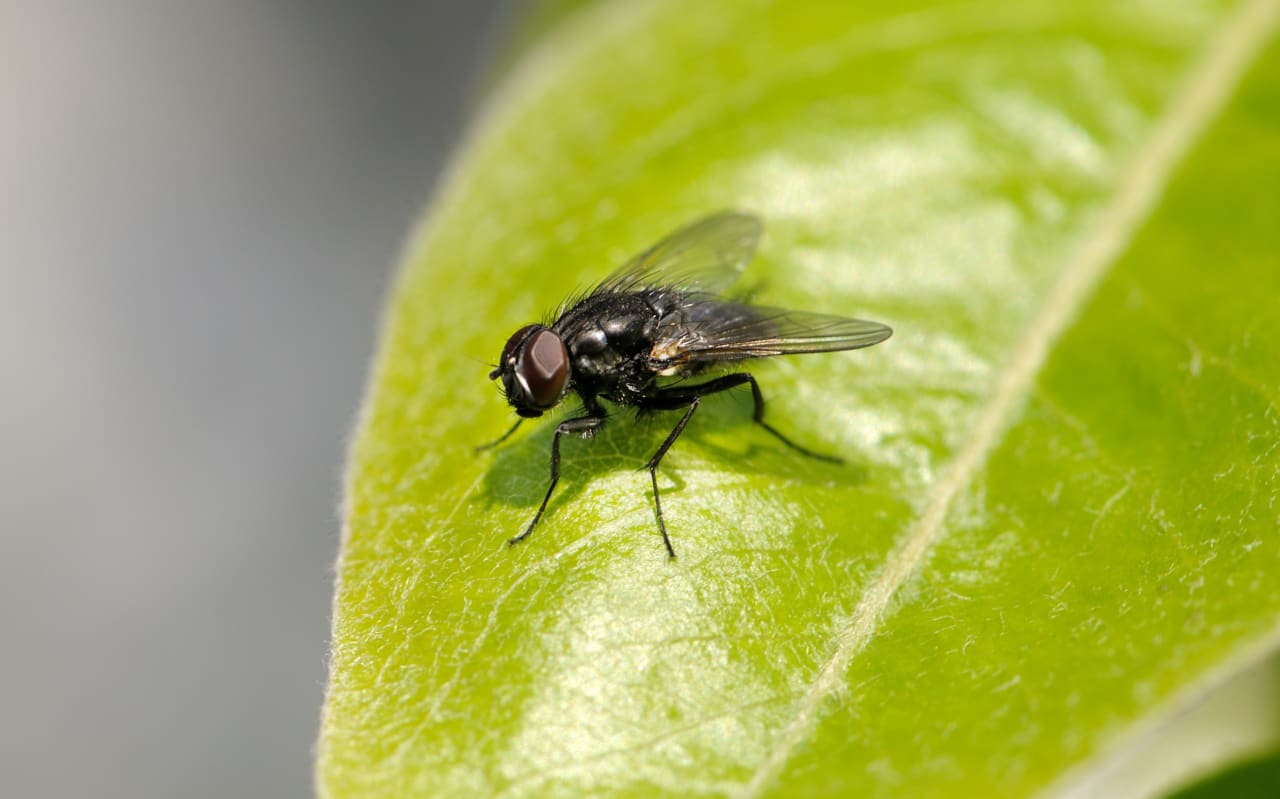
Flies belong to the order Diptera, a large family of insects comprising over 120,000 species worldwide. The most common variety in our homes is the housefly (Musca domestica). These insects are generally attracted to food scraps, rubbish and decaying matter. Their life cycle is rapid: a fly can lay up to 500 eggs at a time, which hatch in less than 24 hours! These larvae then develop into pupae (maggots), eventually emerging as adults in the space of just a few days.
Flies play an important ecological role in breaking down organic matter, but their presence inside our homes can be a problem. As well as being a nuisance, they can carry pathogens and contaminate our food. For these reasons, it is important to keep them at bay.
It can be tempting to opt for conventional insecticides to get rid of flies quickly, but these products are not without risk. Insecticides often contain toxic chemical compounds, such as organophosphates or pyrethroids, which can have adverse effects on human and animal health. These substances can cause skin irritation, respiratory problems and, in the long term, serious illnesses.
Furthermore, the use of insecticides has impacts on the environment. The chemicals disperse into the air, contaminate water and soil, and can affect local wildlife, including pollinating insects such as bees.
By choosing natural remedies, you protect your health, that of your loved ones and your pets, and help to preserve our environment. Natural solutions can be just as effective at repelling flies, while respecting the ecosystem.
There are many natural methods for keeping flies away without resorting to harmful chemicals. Here is our selection of fly-repelling remedies:
Insect-repellent plants
Certain aromatic plants, such as lavender, basil, peppermint, rose geranium (or scented geranium), rosemary and lemongrass, give off scents that flies detest. Place these plants in pots near your window frames, or make bouquets to display around your home to create an olfactory barrier.
Essential oils
Essential oils such as lemongrass, eucalyptus and tea tree are particularly effective against flies. You can diffuse them throughout your home using a diffuser or mix them with a dispersant and water to create a homemade spray.
Warning: Essential oils are powerful and must be used with care, particularly around children, pregnant women or pets.
Cloves and Lemon
Stick some cloves into a lemon cut in half and place it in areas where flies are present. The scent given off by this combination effectively repels the insects.
Our tip: for maximum effectiveness, you can also stick cloves into an onion… as long as the smell doesn’t bother you too much.
Homemade fly traps
Make a simple fly trap by cutting a plastic bottle in half. Turn the top half of the bottle upside down to form a funnel and place it inside the bottom half. Add some apple cider vinegar (not to be confused with spirit vinegar) or a piece of fruit inside to attract the flies. They’ll fly into the bottle but won’t be able to get out.
Fly paper
Fly paper s a simple and effective way to catch flies. Hang up this sticky tape specially designed to trap flies in the areas where they are most active. The flies will be attracted to the tape and get stuck, allowing you to significantly reduce their numbers without using chemicals

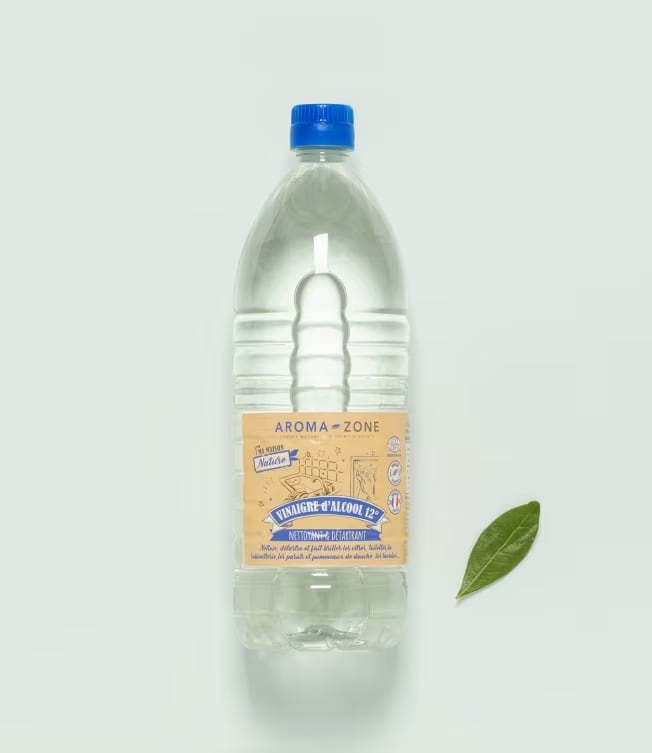
White vinegar (or spirit vinegar) is a must-have for naturally combating flies. As well as its cleaning and descaling properties, white vinegar is a highly effective natural fly repellent.
Its strong smell keeps them at bay without the need for harmful chemicals. You can use it undiluted or diluted with water, spraying it onto surfaces or in areas where flies are present. It is also ideal for cleaning your kitchen surfaces, thereby removing food residues that might attract these insects.
Prevention is always better than cure… There’s nothing like prevention when it comes to keeping flies at bay. Here are our everyday tips to prevent them from appearing and to keep them away naturally:
Keep everything spotlessly clean: Flies are attracted to food scraps and rubbish. Clean your kitchen regularly, particularly worktops, crockery and bins. Don’t leave food lying around uncovered.
Eliminate sources of damp: Flies thrive in damp environments. Make sure your sinks, baths and showers are completely dry after each use. Repair any water leaks to prevent damp areas where flies might breed.
Ventilate regularly: Good ventilation helps reduce dampness and dispel odours that attract flies. Open your windows every day, preferably early in the morning or late in the evening, when flies are less active.
Use fly screens: Fit fly screens to windows and doors to prevent flies from entering while allowing fresh air to circulate. This is a simple and effective solution, particularly in summer.
Avoid sugary and strongly-smelling foods outdoors: When eating outdoors, avoid leaving sugary drinks or food uncovered. Cover your dishes and put away leftovers straight away so as not to attract flies
Clean your drains regularly: Flies can breed in sinks and drains. Regularly pour bicarbonate of soda followed by white vinegar down your drains, then rinse with hot water to sanitise them and prevent any infestation.
A blend of essential oils to diffuse to keep mosquitoes and insects at bay
1
Pour the essential oils directly into a 10 ml dropper bottle or into a diffuser.

Geranium Anti-Bite Tranquility Candle
1
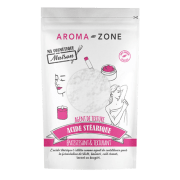
Melt phase A (soya wax + olive oil + stearic acid) in a bain-marie over a low heat, then remove from the heat.
2
Soak your pre-cut cotton wick (cut to a length of 4 cm) in the mixture for 2 minutes.
3
Take the cotton wick and place it on a piece of aluminium foil.
4
Shape it with your fingers so that it sticks as well as possible to the aluminium foil, making sure it remains upright at all times.
5
Leave your wick to cool in an upright position, then place the aluminium foil with the wick in the freezer.
6
Meanwhile, add phase B (the remaining ingredients), mixing thoroughly after each addition.
7
Take the wick out of the freezer and peel it off the aluminium foil. It should be straight and stiff.
8
Once your wick is nice and stiff and straight, place it in the hole in the metal base provided for this purpose, then pinch the base of the metal base using pliers or a pair of scissors to secure the wick in the holder.
9
Pour your candle wax into the aluminium tin and immediately place the wick in the centre, making sure the base touches the bottom of the tin.
10
Leave the candle to set at room temperature.
* Shelf life: When stored correctly and manufactured under optimal hygienic conditions, your product will keep for at least 6 months.
Natural remedies are generally safe, but it is important to take a few precautions.
Essential oils, for example, should be used in moderation, especially if you have children, pets or are pregnant. Some oils can cause skin irritation or allergic reactions. Always consult the Comprehensive Guide to Essential Oils, always carry out a patch test on a small area of skin first, and consult a healthcare professional if in doubt.
Avoid spraying natural solutions directly onto food or food preparation surfaces, as it is best to avoid ingesting them.
Keep your fruit and vegetables in the fridge. Flies and gnats love ripe fruit. To prevent them from appearing, store your fruit in the fridge as soon as it starts to ripen.
What smell repels flies?
Flies hate strong smells such as those of lemongrass, eucalyptus, peppermint and white vinegar.
Why are there so many flies in my home?
Flies are attracted to food scraps, rubbish and damp environments. Poor management of bin waste, food left out in the open or damp areas in your home can encourage them to appear.
What is the most effective fly trap?
A simple and effective trap involves using a plastic bottle filled with a mixture of cider vinegar and washing-up liquid. The flies, attracted by the vinegar, fly into the bottle but cannot get out again.

Stéphanie Catrysse is a naturopath (certified by the FENA), a wellness massage and lymphatic drainage practitioner, and a personal development coach.
Passionate about alternative medicine, she practices a holistic approach to health.