

Lentils: Understanding Their Calories and Nutritional Benefits

Lentils: Understanding Their Calories and Nutritional Benefits


By The Aroma-Zone editorial team

Published on: Tuesday, August 12, 2025, Updated on: Wednesday, October 28, 2026

An ancient legume, the lentil holds a special place in a natural, fibre-rich, and balanced diet. Recognized for its nutritional richness and health benefits, it fits easily into many dietary plans. In this article, discover everything you need to know about the calorie content of lentils, their different varieties, their nutritional benefits, and practical tips for incorporating them into your daily life.

Contents

Related products

What Are Lentils?

Origin and History of Lentils

Cultivated for over 10,000 years, the lentil is one of the oldest plants domesticated by humans. Native to the Fertile Crescent (the Near East), it has played a part in the history of civilisations, becoming a staple in the traditional diets of many countries. Its success stems from its ability to grow in poor soil and provide essential plant-based protein.

The Different Varieties of Lentils

There are several varieties of lentils, each with specific characteristics, both nutritionally and in the kitchen.

Green Lentils

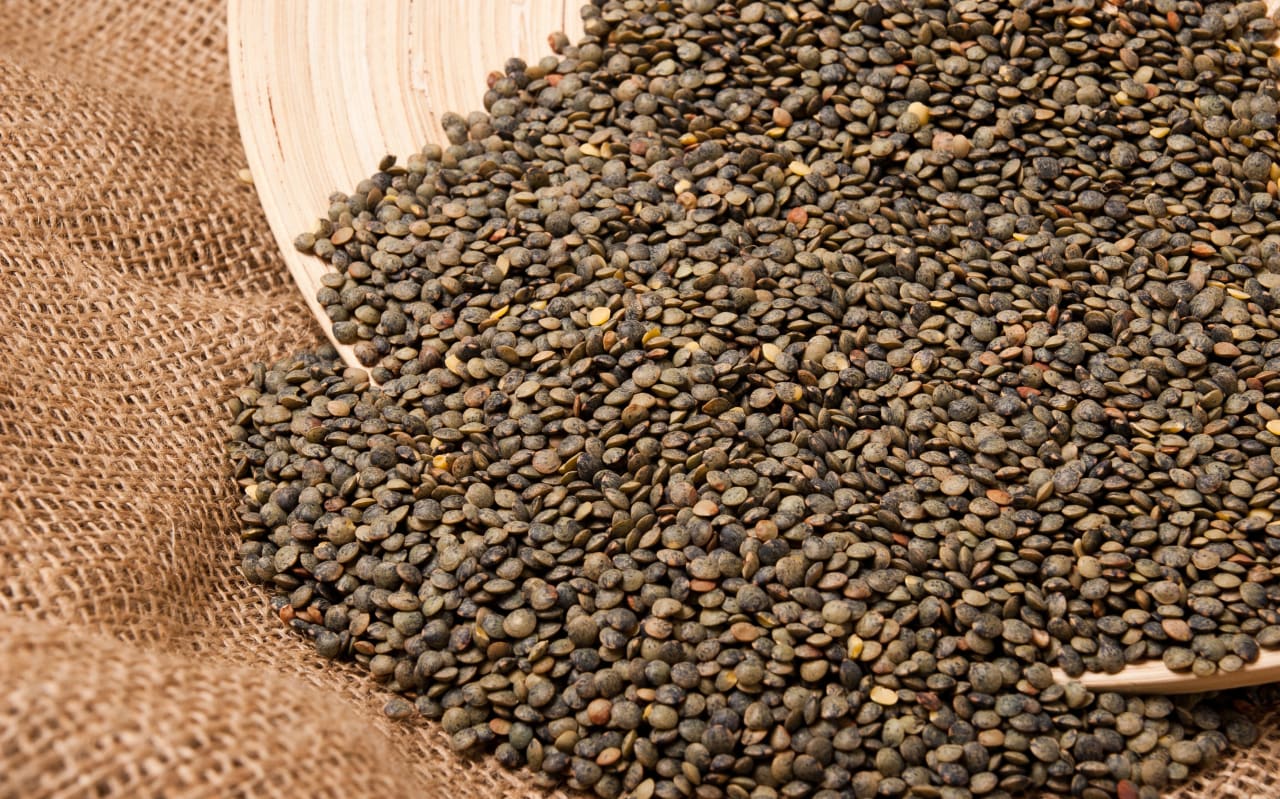
Green lentils, including Lentille Verte du Puy, a French variety known for its firm texture and subtle flavour, are perfect in salads or as a side dish.

Coral lentils

Coral lentils, recognisable by their orange colour, are widely used in Middle Eastern cuisine. They cook quickly and are perfect for soups, creamy soups, and purées.

Blond lentils

Blond lentils are larger in size and have a mild flavour. They are popular in stews.

Red lentils

Similar to coral lentils, red lentils cook quickly and have a tender texture, making them ideal for dahls and soups.

Botanical Characteristics and Cultivation of Lentils

The lentil (Lens culinaris) belongs to the Fabaceae family. It produces small, flat seeds contained within pods. Easy to grow, the lentil thrives in light, well-drained soil. It is sown in spring and harvested when mature, once the pods have dried naturally. It is a hardy plant that requires little water and is well-suited to organic and environmentally friendly farming practices.
Lentils and Calories: Everything You Need to Know for a Natural and Balanced Diet

Lentils: Fruit or Vegetable?

Botanically, the lentil is a seed from a legume plant and is classified as a pulse in food classification. It is neither a fruit nor a fresh vegetable but belongs to the category of starchy foods.

Are Lentils a Starchy Food?

Yes, lentils are classified as a starchy food due to their high content of complex carbohydrates. They provide sustained energy and are characterised by a low glycemic load, making them suitable for a balanced diet.

Caloric Content of Lentils

The calorie content of lentils varies depending on their state (raw, cooked, canned) and variety.

100 g of cooked lentils: 116 kcal

Cooked red lentils provide about 110 kcal per 100g and have a softer texture.

Dried Lentils: 340 kcal/100g

Dried lentils are more energy-dense, with about 340 kcal per 100g. However, after cooking, their water content increases, which reduces their calorie content per serving.

Canned Lentils: 79 kcal

Canned lentils (drained, without sauce) have a calorie content of about 79 kcal per 100g, as they have a higher water content.

Analysis of Nutritional Composition

Nutrient

Per 100g (cooked)

Energy (kcal)

116

Protein (g)

9

Carbohydrates (g)

20

Of which sugars (g)

1.8

Fat (g)

0.4

Fibre (g)

7.9

Vitamin C (mg)

1.5

Iron (mg)

3.3

Magnesium (mg)

36

Potassium (mg)

369

Other Vitamins and Minerals

Vitamins B1, B6, phosphorus, zinc

Nutritional value of lentils (fresh)

What Are the Benefits of Lentils?

Health Benefits

Lentils offer numerous health benefits:

Antioxidants

They contain natural antioxidants, particularly polyphenols, which help protect cells against oxidative stress.

Impact on the Immune System

Thanks to their vitamin and mineral content, including Vitamin B9, lentils contribute to the proper functioning of the immune system.

Blood Sugar Regulation

Their high fibre content and low glycemic index help limit blood sugar spikes after meals, thereby promoting a gradual release of energy.

Benefits for the Skin

Moisturizing and Restorative Properties

Lentils, particularly in powder or macerate form, are used in certain natural skincare products for their ability to soften, moisturise, and revitalize the skin.

Natural Skincare Products Made with Lentils

Lentil powder or extracts are incorporated into masks or scrubs for their purifying properties and gentle nature, making them suitable for all skin types.

Incorporating Them into Your Diet

Are Lentils Good for Weight Loss?

Yes, thanks to their high fibre content, low fat content, and moderate calorie count, lentils promote satiety and can fit well into a weight-management diet.

Weight Management and Fullness

Including lentils as part of a balanced meal helps prolong the feeling of fullness, thereby reducing snacking between meals.

Specific Diets: Vegetarian, Vegan

Lentils are an excellent source of plant-based protein and are ideal for vegetarian and vegan diets. They help diversify sources of essential amino acids.

A Word from the Dietitian

"A source of high-quality plant-based protein

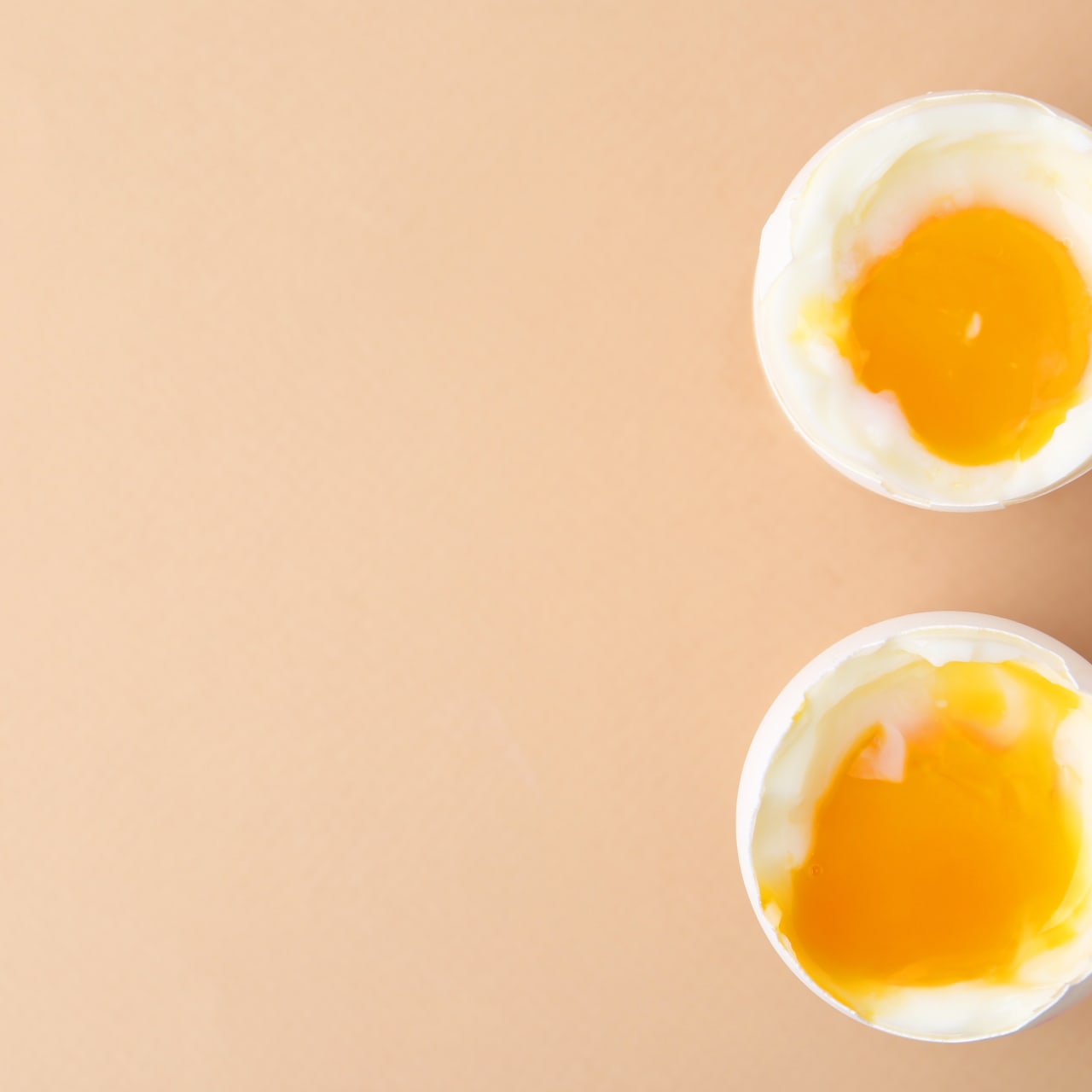
Lentils and their various varieties are an excellent source of plant-based protein: 70 g of dried lentils provide about 18 g of protein, which is more than two hard-boiled eggs, for example. While their essential amino acid profile is incomplete due to a lack of methionine, they can easily be paired with grains (rice, quinoa, whole-grain bread). A clinical study published in The American Journal of Clinical Nutrition (Mitchell et al., 2017) showed that legume proteins, when incorporated into a balanced diet, effectively contribute to maintaining muscle mass and promoting satiety. A key asset in athletic or vegetarian diets."

Raquel Barros - Dietitian, Nutritionist

The Role of Lentils in a Balanced Diet

Incorporating Them into Daily Meals

Lentils naturally fit into everyday meals: salads, soups, stews, vegetable fillings, or side dishes. They can be used as an alternative to grains or potatoes.

Enjoy Them as a Snack or After Physical Activity

After physical activity, lentils provide protein and complex carbohydrates that support muscle recovery. As a snack, paired with vegetables or seeds, they provide a nourishing option.

Practical Tips for Incorporating Lentils into Your Daily Life

Recommended Portions and Tips for Avoiding Overeating

It is recommended to consume about 60 to 80g of dry lentils per person per meal (or 150 to 200g cooked). To get the most out of their benefits, vary your side dishes and opt for home-cooked meals without excessive fat.

Natural and Balanced Recipes Featuring Lentils

Creamy Red Lentil Soup

Sauté an onion, add 150g of red lentils, 1 diced carrot, and 1 litre of water. Cook for 20 minutes, blend, and season with cumin and a drizzle of olive oil.

Green Lentil Salad with Seasonal Vegetables

Mix cooked green lentils with diced cucumber, cherry tomatoes, and fresh coriander. Add a lemon vinaigrette for a fresh and balanced starter.

Spiced Lentil Patties

Blend cooked lentils with spices (turmeric, cumin, coriander) and a little chickpea flour, then shape into patties. Bake in the oven or in a frying pan, and serve with a plant-based yoghurt sauce.

Natural Cosmetic Uses

Macerates and Powders for Skin Care

Lentil powder, obtained by finely grinding dried seeds, can be used in scrubs or to gently purify the skin. Lentil macerates, made with vegetable oils, allow you to benefit from their softening properties.

Lentil-Based Face Masks

Mix one tablespoon of lentil powder with a little water or hydrosol to form a paste. Apply as a mask to the face, leave on for 10 minutes, then rinse for soft, radiant skin.

Serving Suggestions

Consume in Moderation Based on Individual Caloric Needs

The amount of lentils to consume depends on age, physical activity level, and individual energy needs. For a balanced diet, it is recommended to vary your sources of protein and fibre throughout the week.

Optimal Storage and Origin of Lentils

Storage Life of Dry and Cooked Lentils

Dried lentils can be stored for several months, away from light and moisture, in an airtight container. Cooked lentils can be kept in the refrigerator for 3 to 4 days in a sealed container.

Organic, Local, or Imported: Making the Right Choice

Opt for organic lentils and, if possible, locally grown ones to reduce your carbon footprint. Choosing lentils with recognised quality certifications can also provide greater traceability.

Possible Allergies Related to Lentils

Precautions for People with Allergies

Although rare, allergic reactions to lentils can occur. People with allergies are advised to consult a healthcare professional if in doubt.

Sprouted Lentils

Sprouted lentils are particularly nutritious, but strict hygiene must be observed during the sprouting process to avoid any microbiological risks.

Bibliography

  1. ANSES – Ciqual Table 2024

  2. USDA FoodData Central – Lentils, raw

  3. WHO / PNNS Recommendations

  4. https://www.sciencedirect.com/science/article/abs/pii/S0958694619303237 (Scientific article on the health and nutritional value of lentils)

  5. https://www.fao.org/3/i5382f/i5382f.pdf (Lentils, FAO – fact sheet)

  6. https://www.lanutrition.fr/les-aliments/legumineuses/lentilles-naturelles-superaliments (Nutrition – Lentils, a Superfood)

Frequently Asked Questions

Frequently Asked Questions

Associated tips
