
Hyperkeratinisation is a pathological process characterised by an excessive increase in the production of keratin, a protein that makes up the outer layer of the skin, hair and nails. This increased production of keratin can lead to a thickening of the skin’s stratum corneum and is often associated with various skin conditions: acne, psoriasis, keratosis pilaris, corns and calluses…
Hyperkeratinisation: causes and symptoms
By Gipsy Dauge
Published on: Tuesday, August 06, 2024, Updated on: Thursday, October 29, 2026
Hyperkeratinisation can cause a range of skin problems. In this article, find out what this condition is, what causes it and what other symptoms it is usually associated with, to help you understand it better.
Contents
What is hyperkeratinisation?
Why does hyperkeratinisation occur?
Hyperkeratinisation usually occurs in response to several factors that disrupt the normal skin cell renewal cycle.
Genetic factors also play an important role, but one of the main causes is hormonal fluctuation, particularly changes in androgen levels, which can increase sebum production and overstimulate keratinocytes, leading to a build-up of keratin. Chronic inflammation, present in skin conditions such as psoriasis, can also cause overproduction of keratin. Furthermore, exposure to irritants or constant friction can trigger a protective response in the skin, leading to overproduction of keratin to strengthen the skin barrier. Finally, certain cosmetics and skincare products that are comedogenic can block the pores, thereby exacerbating the process of hyperkeratinisation.
What are the symptoms associated with hyperkeratinisation?
Symptoms associated with hyperkeratinisation include a range of discomforts:
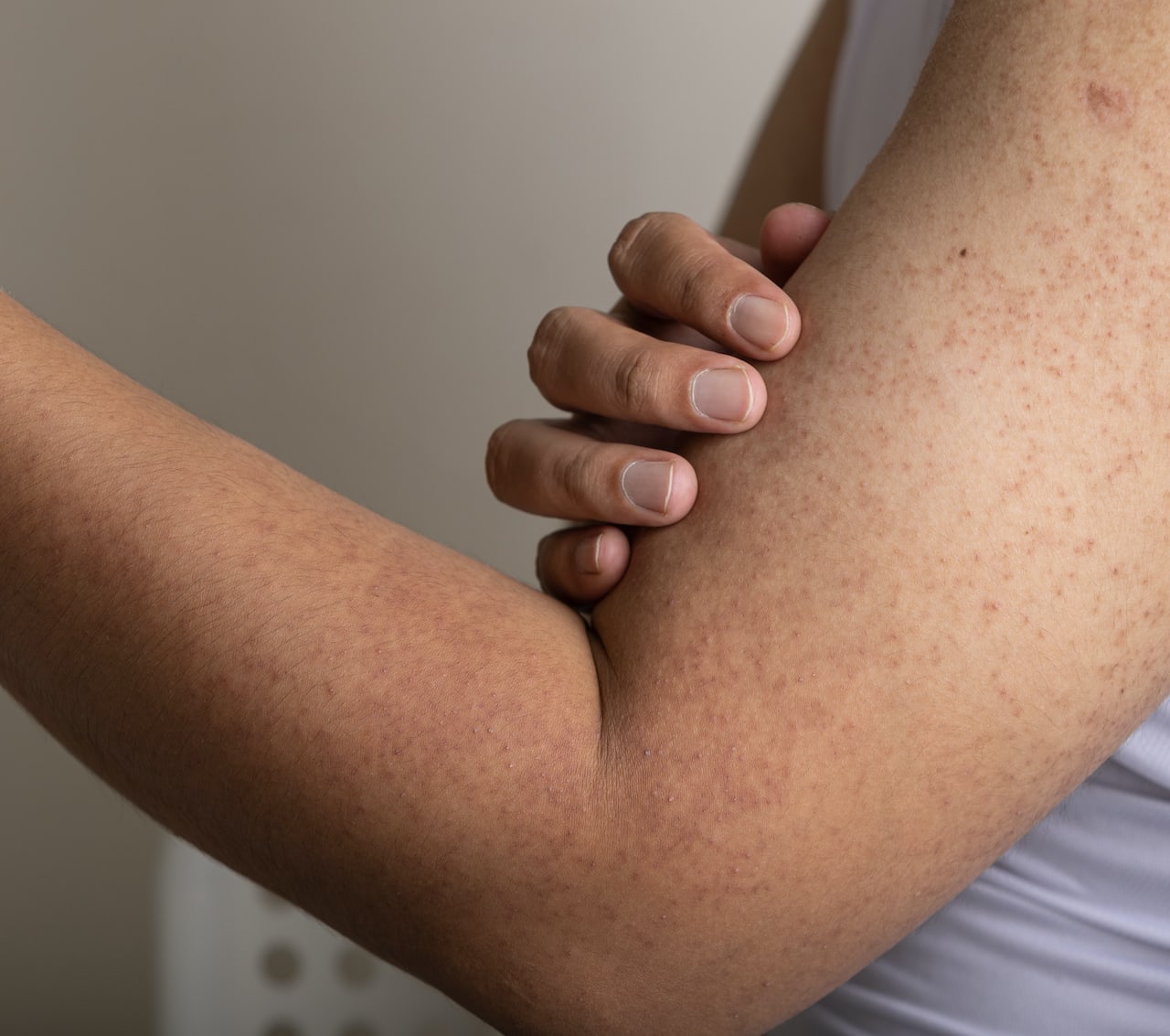
The main symptoms are areas of thick, rough skin, often accompanied by small bumps, such as those seen in keratosis pilaris, where keratin plugs form in the hair follicles.
Those affected may also develop dry, scaly patches, as seen in psoriasis flare-ups.
Acne is another common symptom, where pores blocked by excess keratin and sebum lead to the formation of comedones, blackheads and inflamed spots.
Finally, calluses and corns may appear on areas subject to repeated pressure or friction, due to localised thickening of the skin.
Hyperkeratinisation: why do I have spots on my face?
Spots on the face linked to hyperkeratinisation result from an excessive build-up of dead skin cells that block the pores. This blockage promotes the formation of comedones (blackheads and whiteheads) and creates an environment conducive to bacterial growth, leading to inflammation. To manage these spots, it is essential to cleanse the skin regularly, use chemical exfoliants and non-comedogenic moisturisers, and consult a dermatologist for appropriate treatments. An appropriate skincare routine can help reduce hyperkeratinisation and skin rashes.
How can hyperkeratinisation be prevented?
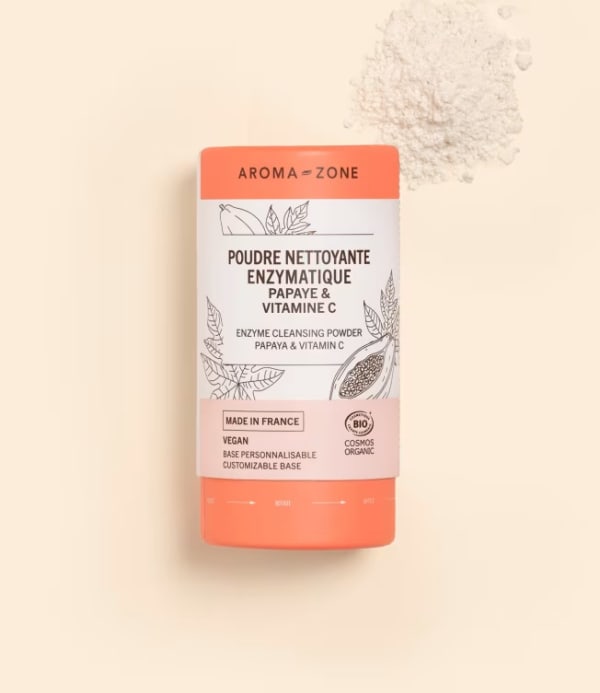
1. Cleanse your skin daily with a gentle cleanser to remove dead skin cells and reduce the build-up of keratin. For this step, why not try our Papye & Vitamin C Enzymatic Cleansing Powder.
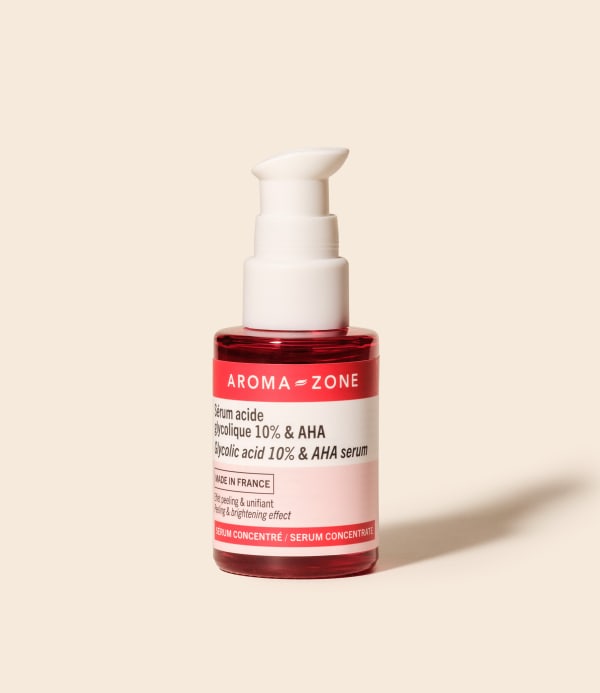
2. Use an exfoliating serum as part of a regular treatment regime, such as the 10% Glycolic Acid and AHA Serum, applied once daily in the evening.
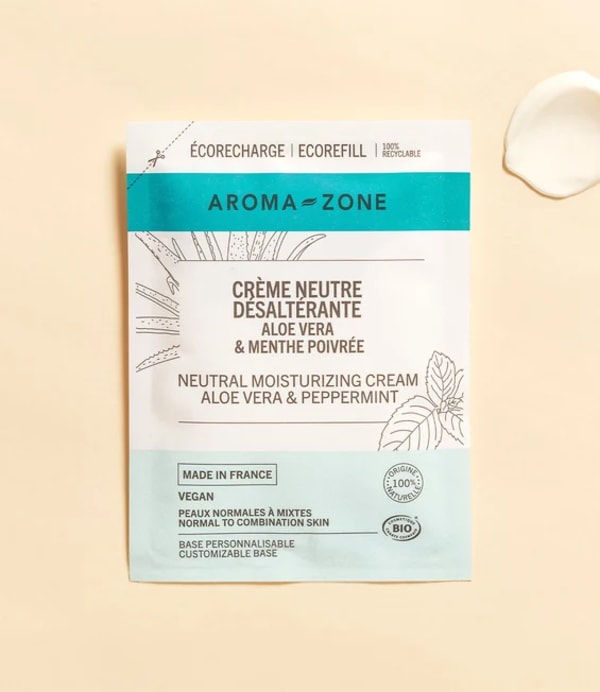
3. Moisturise your skin regularly with non-comedogenic products to maintain its moisture balance without clogging the pores. The hydrating cream is ideal.
Finally, adopt a healthy lifestyle by managing stress, following a balanced diet and avoiding individual triggers as much as possible.
Established hyperkeratinisation: what advice is available?
In cases of severe or persistent hyperkeratinisation, we recommend that you consult a dermatologist, who will be able to prescribe more effective treatments.
Precautions for use
Use sun protection daily and avoid exposure to the sun for up to a week after your last application of the 10% Glycolic Acid and AHA Serum.
Expert advice
Effective for all skin conditions, follow the advice to adopt a diet rich in antioxidants and essential fatty acids will help you sustainably support your skin’s health from within. Do give it some thought.
Spotlight on Our Writer: Gipsy Dauge

Gipsy graduated from ESJ Paris and spent 10 years working in general and women’s magazines before specialising in health and wellbeing. Now a certified Yin Yoga teacher, she combines her passion for writing with her love of yoga. Through her articles, she aims to share simple, practical habits that support wellbeing and encourage a more mindful approach to everyday life.
Bibliography
Making peace with your skin: spots, acne, scars… all the best solutions
Dr Good’s ‘My Skin Looks Better’ Guide

Frequently Asked Questions
Associated tips

Natural actives


