How Long Do Periods Last During Perimenopause?

How Long Do Periods Last During Perimenopause?


By Marine Leleux

Published on: Friday, March 29, 2024, Updated on: Friday, October 30, 2026

Perimenopause can bring a range of hormonal changes. How long periods last is one of the things that can shift during a woman's transition towards menopause. Perimenopause symptoms can raise plenty of questions for women going through it. Understanding the hormonal fluctuations behind perimenopause is key to making informed choices about your wellbeing and navigating this phase with confidence.

Contents

What Is Perimenopause?

Perimenopause, or the menopause transition, refers to the period leading up to a woman's menopause. During perimenopause, the body begins preparing to end its fertile years. Ovarian hormone levels gradually start to decline as the ovaries become progressively less active.

Fluctuating oestrogen and progesterone levels can bring on symptoms that may affect everyday life.

What Age Does Menopause start?

The age at which menopause begins can vary quite a bit from woman to woman. On average, though, it's generally considered to happen around age 50. Menopause can also come with its own set of minor discomforts. Looking for a little extra support? Discover the best natural treatments to help you through the menopause.

How Do I Know If I'm in Perimenopause?

Perimenopause comes with a range of signs that can indicate a woman's hormonal balance is shifting. Here are the main symptoms:

  • Hot flushes: Perimenopause leads to a decrease in oestrogen production. When oestrogen levels in the blood fluctuate, the hypothalamic-pituitary system is altered. Because this system regulates body temperature, you may experience sudden rises in temperature during perimenopause: the well-known hot flushes. Hot flushes are characterised by a sudden sensation of heat that occurs locally in the chest, neck and face.

  • Irregular cycles: Irregularities in the menstrual cycle are one of the main symptoms of perimenopause. During the phase leading up to menopause, it is common for the menstrual cycle to become irregular. Periods may occur erratically as hormone levels fluctuate. If you notice that your periods stop for several months and then return, you may be going through pre-menopause.

  • Weight gain: As the menopause approaches, a woman’s metabolism gradually slows down. As metabolism slows, the body finds it harder to burn calories and begins to store more fat. Many women in perimenopause therefore notice an increase in their body fat. 

  • Vaginal dryness: During perimenopause, the drop in oestrogen levels affects the Bartholin’s glands, which are responsible for vaginal lubrication. During perimenopause, it is therefore common to experience vaginal dryness, which can affect the quality of one’s sex life.

  • Reduced libido: Hormonal fluctuations during perimenopause, as well as changes in blood flow to the genital area, often lead to a reduction in libido. This decrease in sexual desire is entirely normal and very often temporary. 

  • Heavy periods: During perimenopause, the reduction in progesterone relative to oestrogen can lead to a thickening of the endometrium. During menstruation, blood flow is therefore heavier than usual. If you notice that your periods are longer or heavier than usual, you may be approaching perimenopause. Please contact your GP to discuss this. It is entirely possible to experience heavy periods during the premenopausal phase. Hormonal changes in the body can lead to significant changes in the duration and heaviness of your periods. 

  • Emotional sensitivity: It’s well known that hormonal fluctuations can trigger strong emotions! As perimenopause sets in, many women say they feel more emotional and on edge. This transitional period can also be accompanied by a certain amount of anxiety regarding the physiological changes taking place within the body.

How Long Does Perimenopause Last?

The duration of the perimenopausal phase varies from woman to woman. It depends on various factors such as age, hormonal status and the individual’s lifestyle. Generally speaking, the pre-menopausal period lasts between 2 and 4 years. It begins around the age of 47 for most women and ends with the onset of menopause.

What is the normal duration of periods during the perimenopausal phase?

Period duration during pre-menopause also varies from woman to woman. For some, the menstrual cycle lengthens and periods become less frequent. For others, periods occur every 15 days and last longer and flow more heavily.  Generally speaking, the duration of periods during perimenopause varies between 5 and 7 days. However, some women experience much longer periods with spells of spotting that can last up to 10 days.

How can you manage the perimenopausal phase naturally?

Perimenopause can be a difficult time for many women. However, natural solutions can help you cope with this transitional phase and improve your well-being.

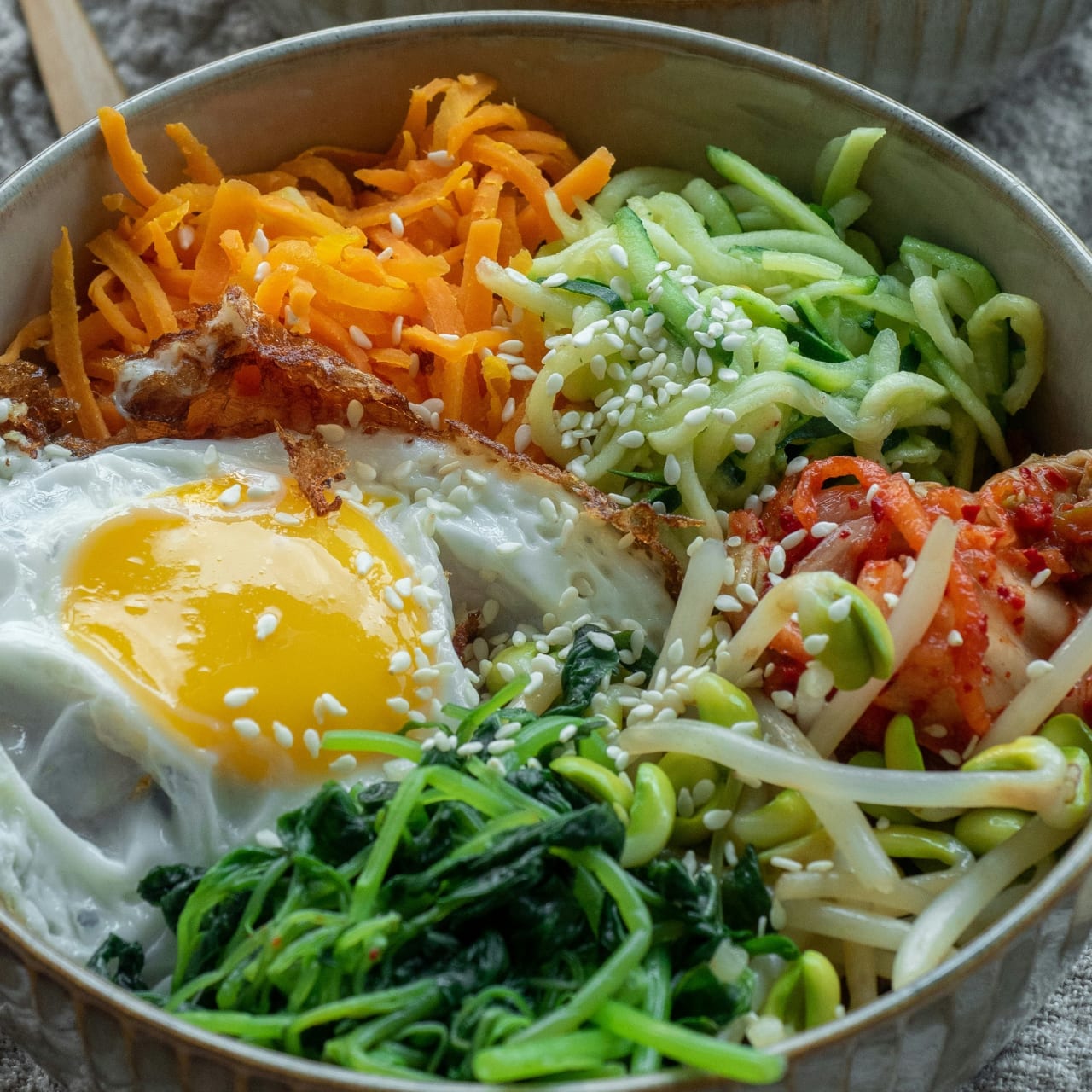
  1. Healthy diet: This is essential for maintaining women’s wellbeing during the pre-menopausal phase. Choose a diet rich in fresh fruit and vegetables, whole grains, and lean proteins. Our advice? Vary your diet by including both animal proteins (eggs, dairy products, meat, fish, etc.) and plant-based proteins (lentils, chickpeas, nuts, tofu, etc.) in your daily meals.

  2. Physical activity: Regular physical activity supports the natural regulation of reproductive hormones. To stay in shape, include at least 30 minutes of exercise in your daily routine. 

  3. Herbal medicine: The use of certain herbs can be an excellent way to support the body during perimenopause, such as sage, chaste tree or hops.

  4. Acupuncture: Acupuncture can be a valuable ally during perimenopause. One study has shown a link between regular acupuncture sessions and a reduction in certain common symptoms during the perimenopausal phase, such as hot flushes, reduced libido, vaginal dryness and mood swings. However, consult a trusted professional.

  5. Stress management: Perimenopause can cause significant emotional upheaval in women. Our female hormonal system is closely linked to neurotransmitter production and, therefore, to our mood! When cortisol levels rise in our bloodstream, our bodies struggle to maintain the delicate balance between oestrogen and progesterone. Try to calm your nervous system in a simple, effective way through yoga, meditation, writing, walking, art, etc. 

Need some more advice? Discover 4 tips to help you cope better during this time.

What natural solutions are there for maintaining a healthy hormonal balance?

Red Clover

Red clover (Trifolium pratense) contains phytoestrogens, active compounds that can mimic the action of oestrogen in the human body. The symptoms of perimenopause caused by falling oestrogen levels (hot flushes, mood swings, etc.) can be alleviated by taking red clover. 

Would you like to incorporate red clover into your wellness routine? It’s very simple! Twice a day, prepare a herbal tea by steeping 2 teaspoons of dried red clover flowers in 250 ml of boiling water for 10 minutes. Strain and sip your herbal tea with half a teaspoon of honey.

Le Gattilier

Gattiler (Vitex agnus-castus) is a plant commonly used to support women during the luteal phase of their menstrual cycle. Taking chaste tree helps to naturally support progesterone production in women. Chaste tree may help alleviate symptoms such as sleep disturbances or irregular periods. 

To enjoy the benefits of chaste tree, we recommend taking it as a mother tincture. Add 20 to 30 drops of chaste tree mother tincture to a small glass of water, stir well, and drink. Take chaste tree mother tincture twice a day for optimal results. 

Note: Chasteberry has a profound effect on the female hormonal system. To benefit from its properties, you may need to use it long term. Please seek guidance from a professional trained in herbal medicine to obtain a personalised treatment plan.

Dong quai

Dong quai (Angelica sinensis), also known as Chinese angelica, is a plant widely used in Traditional Chinese Medicine (TCM) for its regulating properties on the female menstrual cycle.

During the perimenopausal period, the active constituents of Dong quai, such as phytosterols and flavonoids, help reduce hot flushes, mood swings, vaginal dryness, and insomnia, while effectively regulating the menstrual cycle. 

Dong quai can be taken as dried herb capsules at a dose of 500 to 1000 mg per day. You can swallow the capsule with a large glass of water or, in some cases, open it and mix it with food.

Sage

Sage (Salvia officinalis) is an essential plant for female hormonal wellbeing. During perimenopause, it promotes balance and alleviates symptoms linked to fluctuations in oestrogen levels. 

What’s its added bonus? Sage helps to soothe the nervous system. It is therefore an excellent ally for women who wish to maintain their hormonal balance whilst improving their emotional wellbeing during perimenopause.

Would you like to incorporate sage into your daily routine in a simple and effective way? Why not try hydrosol? Sage hydrosol is a gentle, low-concentration product that allows you to enjoy the benefits of sage with complete peace of mind.

You can spray sage hydrosol directly onto your skin to support your well-being, or add one capful to your bath water under running hot water.


Precautions

The advice provided in this article is for guidance only and is in no way a substitute for a consultation with your GP. Always seek medical advice before taking dietary supplements or using herbal remedies.

The plants mentioned may interact with certain medicines. If you want to use plants to improve your wellbeing during perimenopause, seek advice from your GP first.

Expert advice

A holistic approach to caring for women in the perimenopausal phase is essential for maintaining a good balance. The period leading up to menopause brings changes, both physiological and emotional.

It is the ideal time to look after yourself in every way! Take time to notice the changes happening in your body, and be patient with yourself. Enjoy reviewing your diet, resuming gentle physical activity and prioritising activities that bring you peace.

Find out more

Would you like to find out more about perimenopause and menopause? Click here!

Further reading: perimenopause

Spotlight on Our Naturopathic Writer: Marine Leleux

Photo_Marine_Leleux.jpg

Marine is a naturopath specialising in children’s well-being and a parenting coach. With 10 years’ experience supporting families, she now channels her passion into serving her community by sharing natural and caring advice.

Bibliography

  1. Pre-menopause and prolonged periods:

    https://www.laboratoire-moninchanteaud.fr/nos-conseils/confort-feminin/la-pre-menopause/pre-menopause-et-regles-qui-durent/

  2. Pre-menopause: how are periods affected?

    https://www.femmeactuelle.fr/sante/sante-pratique/pre-menopause-comment-les-regles-sont-elles-impactees-2158986

  3. Menopause and pre-menopause: a guide to diagnosis:

    https://ifeen.fr/premenopause-et-menopause/