
A dental retainer is a clear plastic orthodontic device generally used to improve tooth alignment. Dental retainers also exist to protect teeth from bruxism or to enhance teeth whitening. In all cases, you must clean these devices daily to maintain your oral health and keep the aligner in good condition.

How Do I Clean My Dental Retainer?
Published on: Friday, January 31, 2025, Updated on: Wednesday, October 28, 2026
Planning to straighten your teeth with a dental retainer? Already have an aligner and looking for the best way to clean it? Dental retainers are essential for correcting tooth alignment or preventing teeth grinding. That said, you need to care for them properly to prevent bacteria and plaque from building up on the device. So, how do you clean a dental retainer effectively? Discover all our tips for a thorough clean.
Contents
Related products
Organic Coconut Oil
Nourishing
Protective
£8.00
250 ml
3 options
What is a dental retainer ?
Why do you need to clean a temporary dental retainer?
A temporary dental retainer is in direct contact with the teeth and a small part of the gums. It is therefore also in contact with saliva, food debris, oral bacteria and dental plaque. Without thorough cleaning, it can become a breeding ground for microbes and cause oral health problems, including bad breath, tooth stains, or even gum problems.
Good to know: Always remove your mouthguard before eating and clean your teeth before putting it back in.
What are the risks of not cleaning a plastic dental retainer?
Failing to look after your dental aligner can have several consequences:
Build-up of plaque and tartar: When you wear your retainer, dental plaque builds up on it, just as it does on your teeth. Over time, this can lead to the formation of tartar. Tartar, in turn, is likely to cause tooth decay
Discolouration and yellowing of the aligner: Several factors can cause a dental retainer to become discoloured or yellow, including dietary habits (coffee, tea, red wine, curry, sugary fizzy drinks, etc.), smoking and poor oral hygiene
Persistent bad breath: A poorly cleaned aligner accumulates bacteria and dental plaque, both of which cause bad breath and the development of tooth decay
Growth of fungi and bacteria: A dental retainer is constantly in a warm, moist environment, which is ideal for the growth of fungi and bacteria. The mouth is, moreover, one of the parts of the body that contains the most bacteria. It is therefore essential not to allow them to proliferate, otherwise, gum problems may develop
What are some natural ways to clean your dental aligner?
What can you use to clean a dental mouthguard apart from so-called ‘traditional’ solutions such as over-the-counter mouthwashes?
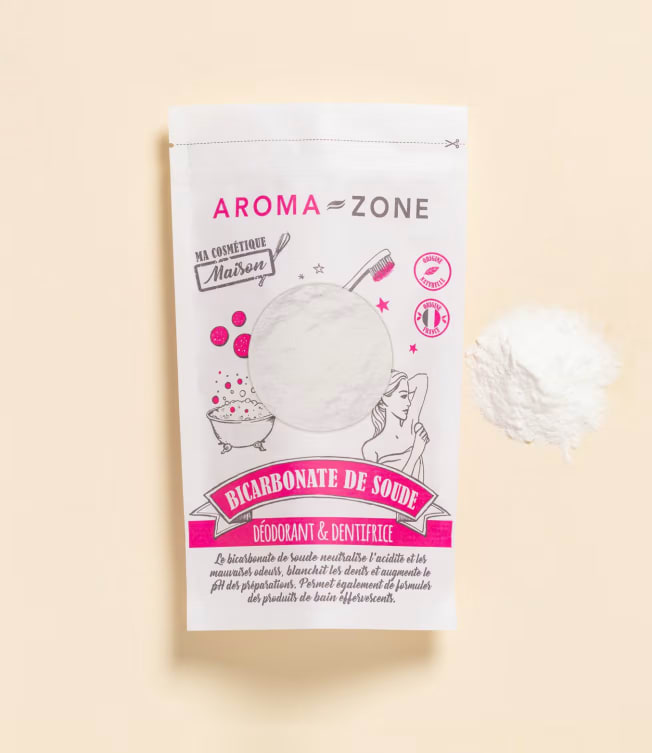
Cleaning a dental aligner with bicarbonate of soda
Bicarbonate of soda is ideal for cleaning a dental mouthguard. Dissolve a teaspoon of bicarbonate of soda in a glass of lukewarm water and leave your mouthguard to soak for 30 minutes before rinsing it and putting it back in.
What’s more, bicarbonate of soda can have a whitening effect on your teeth.
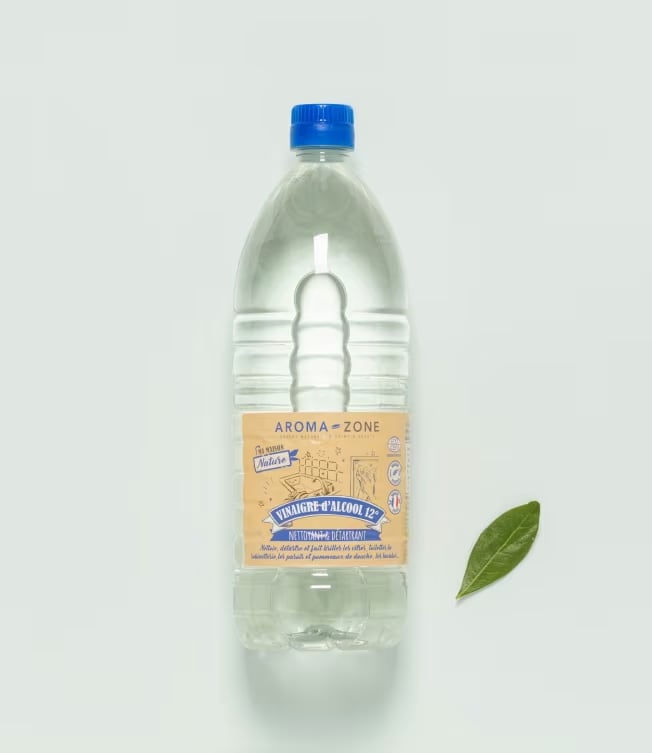
Cleaning a dental mouthguard with white vinegar
White vinegar is a natural disinfectant. Soak your mouthguard in a mixture of white vinegar and lukewarm water for an hour to remove impurities. In terms of proportions, it is advisable to use ¼ vinegar to ¾ water.
Although harmless to health when used undiluted, white vinegar is still highly acidic. If used undiluted, it may damage the material used to make certain dental guttering.
What dental retainer care routine should you follow?
Cleaning a dental retainer is simple and can be done in just 4 steps:
Preparation: Remove the retainer and rinse it under clean running water for 20 seconds to remove as much plaque as possible
Cleaning: Brush the inside and outside of the mouthguard with a soft-bristled toothbrush and a bicarbonate of soda paste for about 2 minutes. To make this paste, mix lukewarm water and bicarbonate of soda until it has the consistency of toothpaste
Disinfection: Soak the mouthguard in white vinegar and water (1/4 vinegar and ¾ water) for 30 minutes, twice a week
Drying: Make sure your mouthguard is completely dry before storing it.
Precautions for use
When cleaning your dental retainer, you must not use boiling water. The heat could warp it and render it unusable. Similarly, don't use standard toothpaste to clean it. Most commercial toothpastes are too abrasive and could make the mouthguard porous. This would cause it to accumulate more bacteria and dental plaque. Always store your mouthguard in a clean, well-ventilated box when you’re not using it.
Expert advice
How do you clean a yellowed dental retainer? If your retainer is starting to turn yellow, soak it in a mixture of baking soda and white vinegar for 10 minutes once a week. Excessive exposure to coloured drinks (tea, coffee) or infrequent cleaning can cause this discolouration.
Spotlight on Our Beauty Writer: Alice Blanchard

Formerly a manager at an organic shop, Alice spent several years helping her customers choose healthy products that respect both their health and the natural world. Having suffered from endometriosis since her teenage years, she chose to prioritise natural solutions to ease her symptoms and improve her day-to-day well-being. Drawing on her knowledge of naturopathy, she has always explored the benefits of plants and nutrition. Passionate about ecology and deeply connected to nature, Alice makes her own cosmetics and household products to reduce her impact on the planet and all its inhabitants.
Bibliography
Mission Signal
https://www.missionsignal.fr/conseils/appareil-dentaire-orthodontie/comment-nettoyer-une-gouttiere-dentaire.html
Journal des Femmes
https://sante.journaldesfemmes.fr/fiches-sante-du-quotidien/2674785-gouttiere-dentaire-prix-comment-la-nettoyer/

Frequently Asked Questions
Associated tip

Oral care tips


