How to Naturally Prevent Sweaty Feet

How to Naturally Prevent Sweaty Feet


By Hélène Betoux

Published on: Thursday, May 30, 2024, Updated on: Friday, October 30, 2026

Though perfectly natural, sweaty feet can sometimes be a real source of discomfort in everyday life. Beyond the damp, clammy feeling it leaves in your shoes, it also causes the unpleasant odour typically associated with feet that stay moist for too long. To help ease the discomfort of plantar hyperhidrosis, we recommend natural solutions such as a vinegar foot soak, bicarbonate of soda, or sage hydrosol. You can also make your own foot deodorant to use whenever you need it.

Contents

Related products

What causes sweaty feet?

Sweating from the feet is a completely natural process that is beneficial to our bodies. It enables our bodies to regulate their internal temperature. When our sweat glands detect a significant temperature difference between the internal and external environments, they begin to secrete sweat. This sweat, when it reaches the skin’s surface, is intended to evaporate partially. It is this evaporation that ‘cools’ us down.

The skin on our feet is unique in that it contains a large number of these tiny sweat-producing glands. What’s more, they are constantly active, if only to help the soles of our feet ‘glide’ just the right amount on the ground as we move.

Why do my feet sweat so much?

However natural it may be, sweating or even excessive sweating of the feet can be perpetuated or exacerbated by several factors. Where possible, it is best to tackle the exact cause first in order to prevent excessive sweating of the feet.

  • Wearing closed shoes, particularly those made of plastic (trainers, boots, safety shoes, etc.).

  • Wearing synthetic socks or nylon stockings (such as certain compression stockings used to relieve heavy legs).

  • Taking part in high-intensity sports (particularly jogging, brisk walking and cycling, which place a lot of strain on our feet).

  • Being overweight, obesity or an unbalanced diet (particularly one that is too high in animal protein).

  • Psychological triggers, such as a bout of intense stress or persistent anxiety.

  • Genetics (plantar hyperhidrosis sometimes runs in the family!)

  • Certain medical conditions or underlying neurological disorders.

What are the symptoms of excessive foot sweating?

When the amount of sweat produced by our feet exceeds the body's needs for thermoregulation, this is often referred to as hyperhidrosis. When it is confined to the feet, it is known as "localised hyperhidrosis" or "plantar hyperhidrosis". This excessive sweating leads to a whole host of unpleasant consequences.

  • A persistent feeling of dampness: Your feet seem constantly clammy, and they may even be dripping inside your shoes. Generally, excessive sweating subsides at night.

  • Unpleasant odours: Sweaty feet smell bad, because of the bacteria on the surface on the skin, which breaks down the sweat (which is normally odourless).

  • Skin problems: People who sweat heavily from their feet may develop a specific form of eczema (also known as ‘dyshidrosis ’).

  • Bacterial or fungal infections: When the feet are left to macerate in warm, damp conditions, this creates an environment conducive to the development of warts or the well-known athlete’s foot.

What natural remedies for sweaty feet should you use?

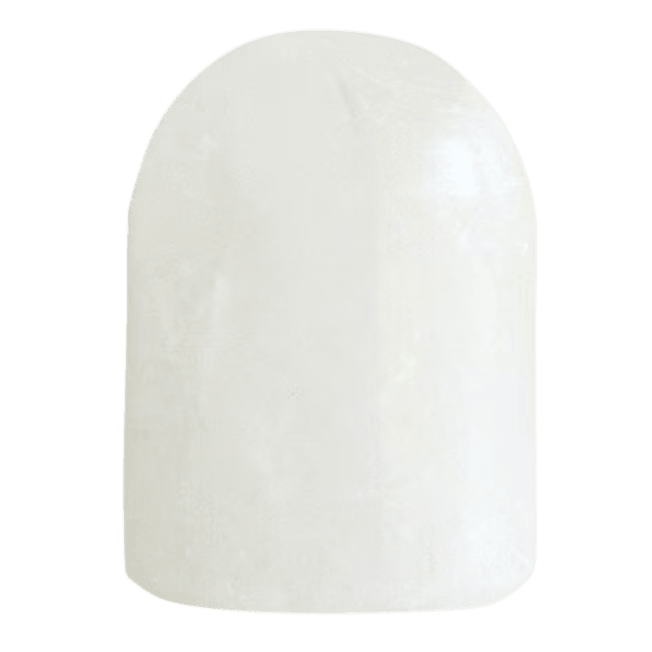
100% natural polished alum stone

Spotlight on our 100% Natural Smooth Alum Stone

Alum stone is a natural mineral traditionally used as an alternative to conventional deodorants and antiperspirants. As an astringent, it tightens the skin's pores and helps regulate perspiration. It is therefore ideal for combating sweaty feet, amongst other things. Simply dampen it, then roll it over the arch of your foot for a few seconds. Tip: moisten it with botanical hydrosols (sage, palmarosa, mint, etc.).

Discover our 100% Natural Smooth Alum Stone

The best old-fashioned remedies for sweaty feet

Bicarbonate of soda – you’re bound to have some in your kitchen or utility cupboards! And that’s (really) handy, as it’s an excellent deodorising ingredient. If you suffer from excessive sweating of the feet, it’s a powerful ally for neutralising sweat odours.

  • As a ‘quick-fix’ deodorant: simply rub a little bicarbonate of soda powder onto the soles of your feet, your heels and the arches. Then put on your socks and/or shoes as usual.

  • To sprinkle in your shoes: in the evening, when you get home from work, sprinkle a little powder onto the insoles of your shoes. Leave it to work overnight to absorb unpleasant odours. Discard the powder before putting your feet into your shoes the next day. Alternative: cornflour, which is said to have similar effects.

Foot baths

  • With herbs. In 1 litre of boiling water, steep 100 grams of thyme OR 50 g of dried bay leaves for 10 minutes. Thyme has long been known for its deodorising properties. Bay leaves, meanwhile, have astringent properties that are ideal for reducing excessive foot perspiration. Strain your mixture, allow it to cool slightly, then pour it into a basin and soak your feet in it for 15 minutes.

  • With vinegar. This is a slightly less aromatic version, but just as popular with our grandmothers. Naturally purifying thanks to its acidic pH, vinegar is also useful for combating unpleasant foot odours. Here, we recommend using cider vinegar or white vinegar. Pour a glassful into your basin and ‘soak your feet’ for 10 to 20 minutes at most.

Essential oils

Among the plants traditionally recommended, peppermint is undoubtedly the best known. It provides a pleasant cooling effect on sweaty, swollen and overheated feet, particularly at the end of a day spent walking, standing or on your feet.

  • In a foot bath. In this case, first dilute a few drops of essential oil in a bath base. This will ensure it dissolves evenly in the water. Then add a small amount of the mixture to your foot bath.

  • In your homemade foot care recipes. This could be a anti-perspirant for the feet, a deodorant powder to put in your shoes, or even a refreshing gel. We’ve included a few remedies for sweaty feet a little further down.

Good to know

If you prefer not to use essential oils, consider peppermint hydrosol (to be sprayed directly onto your sweaty feet or rubbed in morning and evening).

What routine can you follow to keep your sweaty feet fresh every day?

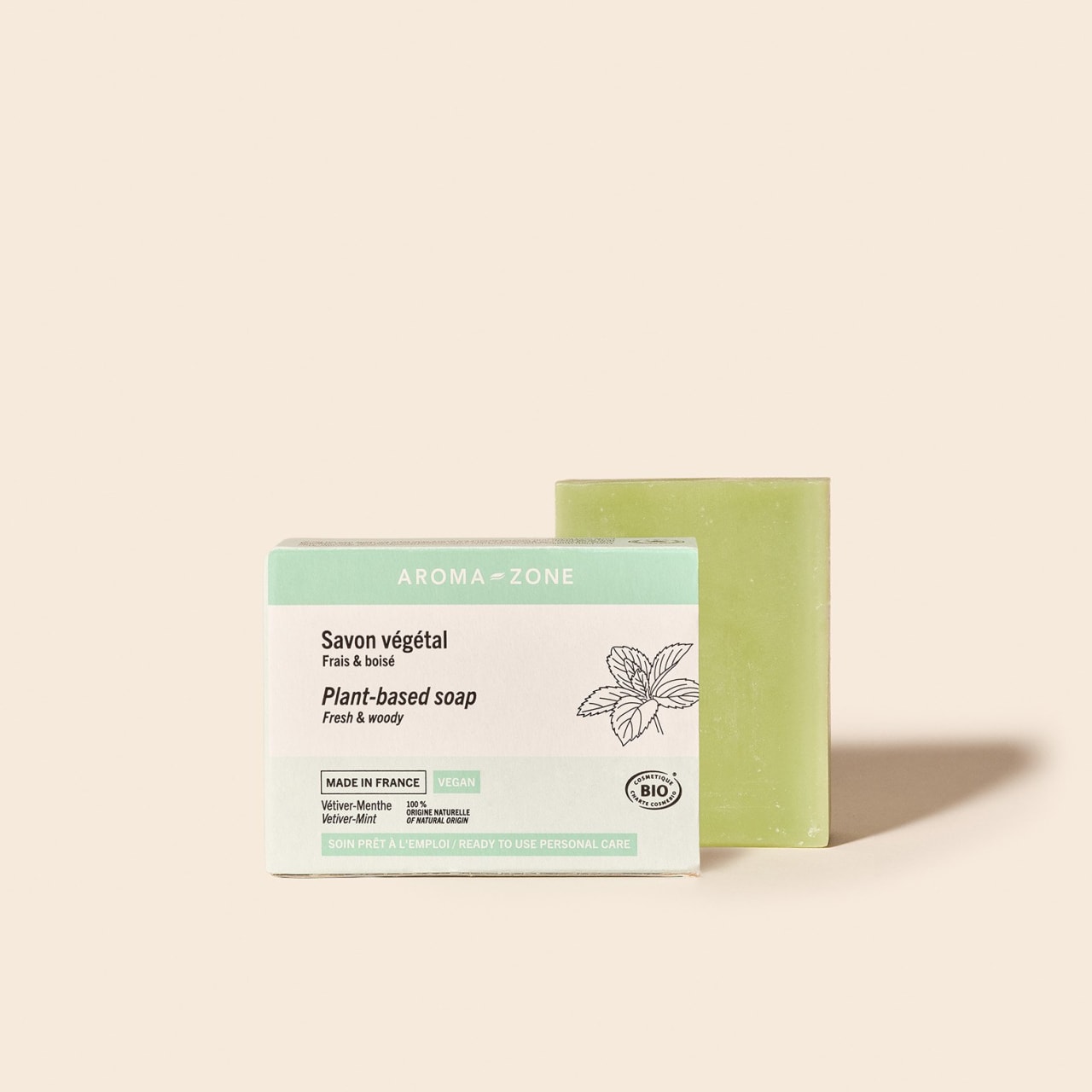
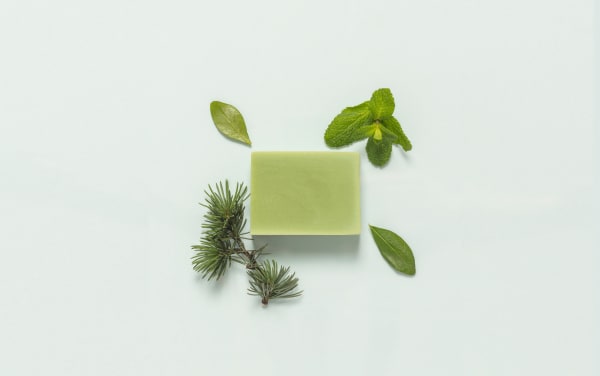
02253-Vetiver_and_Mint_Organic_Soap_100_g-9922.jpg

1. Wash your feet with soap. Ideally, use a soap with a refreshing and purifying effect, such as our handcrafted Vetiver & Mint soap. Work up a lather and massage your toes, the spaces between your toes, the soles of your feet, your heels and the arches of your feet thoroughly. Rinse thoroughly with lukewarm water and dry your feet with a clean terry towel.

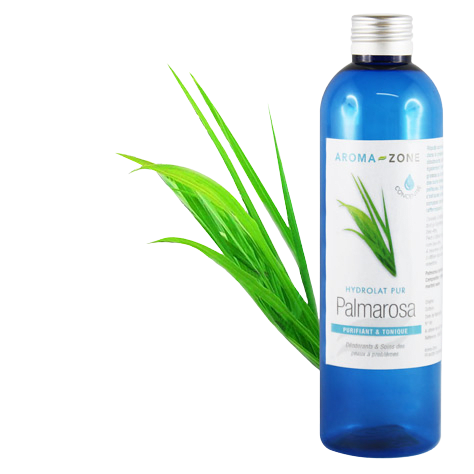
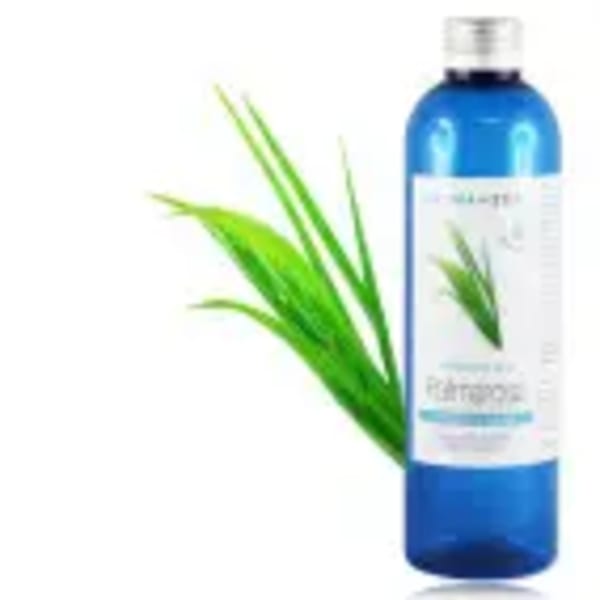
2. Spray on Palmarosa hydrosol. Alternatively, you could use tea tree, lemon litsea, sage or witch hazel. Rub it into the soles of your feet and toes, working your way up to your calves. Leave it to dry for a few seconds. Keep your bottle to hand so you can repeat this as often as you like throughout the day.

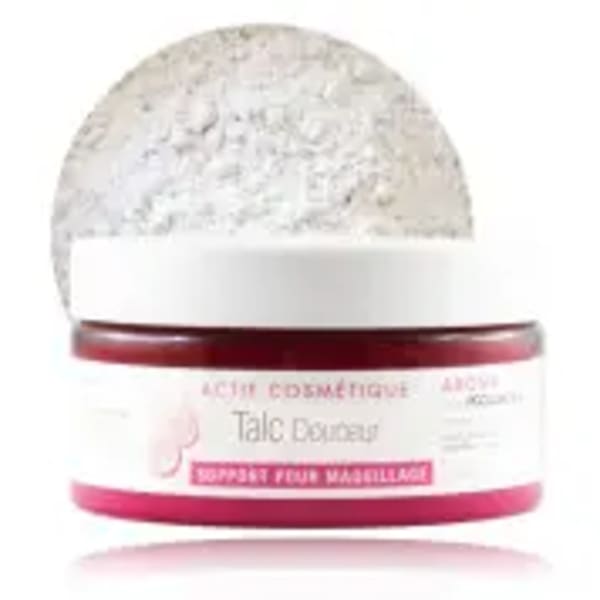
3. Apply a little talcum powder on your feet. Take a small handful of powder and rub it thoroughly into the soles of your feet. You can also sprinkle a little inside your shoes if you wish. Next, put on some cotton socks (if you wear them), then your shoes (ideally open-toed, made of natural leather or canvas).

Our recipes to help with excessive sweating of the feet

Precautions for use

Are you thinking of making a natural remedy to stop your feet from sweating excessively? We recommend that you take the time to test it on a small area of skin 48 hours before use to check for any reaction. Always follow the recommended dosages and concentrations set out in our recipe sheets and technical data sheets. Protect your eyes when handling ingredients or products; rinse them thoroughly in the event of contact and consult a doctor if symptoms persist. Keep ingredients and products out of the reach of children.

  • Bicarbonate of soda: Do not mix with acids in a sealed container (gas release).

  • Palmarosa hydrosol: Avoid use during pregnancy (except during labour) due to its potential uterotonic effects.

  • Talc: A powdery product; do not use near a ventilation source. Wearing goggles and a dust mask is strongly recommended. Do not swallow or inhale.

  • Essential oils: These are potent substances that must be handled and used with care. Certain essential oils are contraindicated for some people. Seek advice from a healthcare professional.

Expert Advice

To combat sweaty feet and all the associated discomfort, one of the best solutions is to maintain impeccable hygiene. Wash your feet every day, change your socks daily and leave your shoes to dry between doors if the insoles are wet. There are also removable insoles that can help you out in the morning. Spray the inside of your shoes regularly with a disinfectant. Check the area between your toes and your toenails for any signs of fungal infections. Don’t hesitate to see a doctor if you’re unsure or if your plantar hyperhidrosis becomes too difficult to cope with. And of course: let your feet breathe whenever you can.

Spotlight on our writer, Hélène Betoux

HELENE-modified_0.webp

Hélène Betoux is a French beauty journalist specialising in online media. She writes daily tips, recommendations and guides to help consumers choose the beauty products best suited to their needs. A firm advocate of natural, organic and ‘clean’ cosmetics, she closely follows trends and innovations in the sector, which she enjoys analysing and sharing.

Bibliography

  1. Maillard H, Lecouflet M. Management of hyperhidrosis.

    Ann Dermatol Venereol. 2015 Apr;142(4):252-61. French. doi: 10.1016/j.annder.2014.11.005. Epub 2015 Feb 16. PMID: 25697587. Online: https://www.sfdermato.org/media/pdf/fmc/1-s2-0-s0151963814012848-main-eade25db48a99b70498569572e6ce330.pdf

  2. Campanelli A, Salomon D. Localised hyperhidrosis: clinical presentation and treatments. Rev Med Suisse, 2009/200 (Vol. 5), pp. 870–875. DOI: 10.53738/REVMED.2009.5.200.0870.

    Online: https://www.revmed.ch/revue-medicale-suisse/2009/revue-medicale-suisse-200/hyperhidrose-localisee-clinique-et-traitements

  3. Rousselet-Blanc, J. *La beauté à l’ancienne*. Éditions Michel Lafon, 2004, p. 143.

Frequently Asked Questions

Frequently Asked Questions