Acidic Sweat: Causes and Natural Solutions

Acidic Sweat: Causes and Natural Solutions


By Marie-Adine Bories

Published on: Friday, June 14, 2024, Updated on: Wednesday, September 30, 2026

Everyone sweats, whether it's in the summer heat, during a workout, or on public transport. But for some people, sweating comes with an intense, persistent odour known as acidic sweat.

Acidic sweat can be socially difficult to deal with, but it can also sometimes be a sign of a physiological imbalance, an overload or poor health. Why does it happen? And how can it be treated?

Contents

Related products

What is Acidic Sweat?

Sweating is a natural physiological process that allows the body to regulate its temperature and eliminate certain toxins. In fact, the body constantly strives to maintain a stable temperature of around 37°C. During physical exertion, in high temperatures, or when running a fever, the sweat secreted by the body helps cool it down through evaporation.

Sweat is secreted by sweat glands located all over the body:

  • Eccrine sweat glands are present in very large numbers throughout the body from birth, but are particularly numerous on the palms of the hands, the soles of the feet, the armpits, and the forehead. The sweat they produce is a clear, odorless liquid composed mainly of water and mineral salts.  

  • Apocrine sweat glands are mainly located in body fold areas: under the armpits, in the genital region and under the breasts. They develop at puberty and are responsible for the appearance of body odours, which can be more or less noticeable and are linked to our individual scent profile.The sweat produced by these glands is thicker and contains a higher concentration of substances such as acids, proteins, sebum, pheromones and other compounds.

In some people, or at certain times in life, sweat can be particularly odorous. This strong odor is caused by an abnormally high concentration of certain acids in the sweat, particularly lactic acid, uric acid, and ascorbic acid. These acids can be metabolized by bacteria present on the skin, thereby producing volatile compounds responsible for unpleasant odors.
What Causes Acidic Sweat?

Stress and anxiety: strong emotions, particularly stress and anxiety, can cause more profuse and odorous sweating because they activate the apocrine sweat glands. 

Diet: eating too much of certain foods can change the smell of sweat and make it acidic. This is the case for garlic, onions and cabbage, for example, as well as spices, chillies, red meat and cured meats.

Personal hygiene and clothing: poor personal hygiene encourages the growth of bacteria on the skin, and it's these bacteria that are responsible for the unpleasant smell of acidic sweat. Certain fabrics made from synthetic fibres stop the skin from breathing and prevent sweat from evaporating properly, which increases bacterial density and encourages the development of acidic odours.

Certain medications or medical conditions: some medications can affect the composition and production of sweat, leading to acidic sweat. In rare cases, certain illnesses and hormonal disorders can also change the smell of sweat and make it acidic.

What Are the Symptoms of Acidic Sweat?

Acidic sweat is very often associated with the following symptoms:

  • An intense and persistent odor: This odor is particularly noticeable in the armpits and feet where the apocrine sweat glands are most active. 

  • Localized skin irritation or rashes: The presence of high concentrations of acids can irritate the skin, causing redness, itching, and rashes. These symptoms are often a sign of inflammation caused by the interaction between acidic sweat and bacteria or yeast on the skin.

  • Discoloration of clothing around sweat stains: Acidic sweat can react with the fibers and dyes in clothing, leading to sweat stains that may fade or turn yellow. This phenomenon is particularly noticeable on light-colored fabrics and can be exacerbated by the use of certain deodorants or antiperspirants containing aluminum salts

Acidic Sweat: What Discomforts Does It Cause?

The main inconvenience of acidic sweat is its unpleasant odor, which is often intense and persistent. This odor of sweat can be very distressing for the person, who may perceive it as a social handicap. It also tends to linger over time, soaking into clothing.

How Can You Remove the Smell of Sweat?

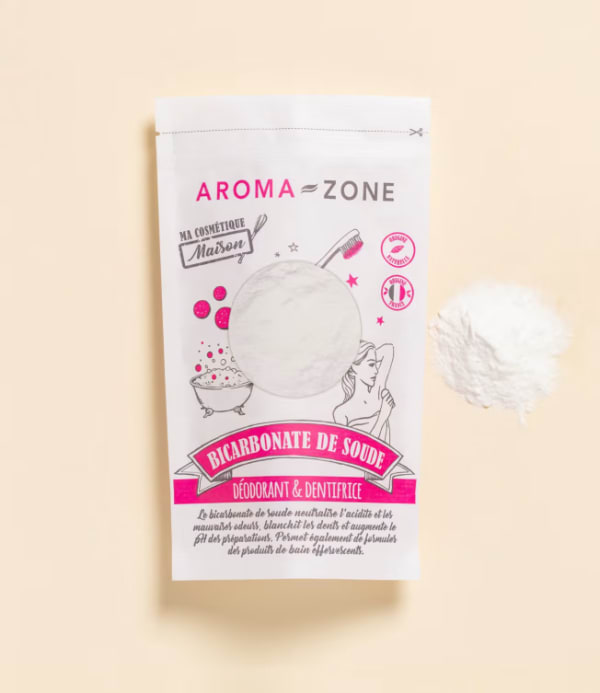
1. To get rid of sweat odor on your clothes: you can sprinkle baking soda on your clothes before putting them in the washing machine. You can also sprinkle some in your sneakers to eliminate bad odors and limit bacterial growth.

Discover our baking soda

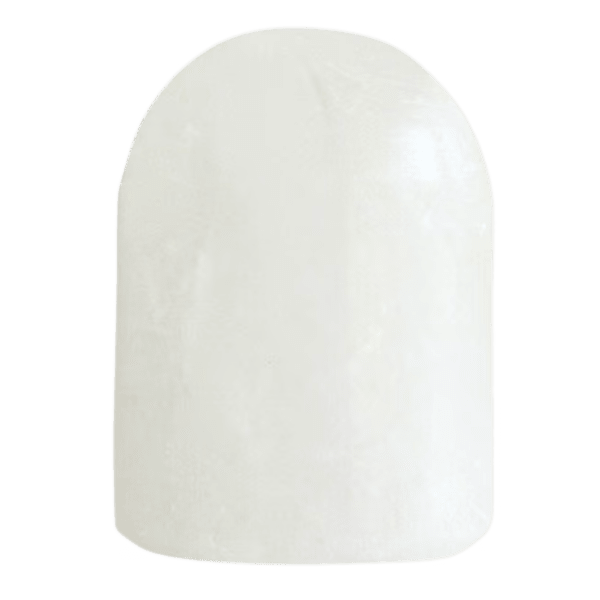
2. Alum stone: a natural antiperspirant, free of harmful additives or aluminum salts, this product can therefore help regulate excessive sweating. Note that the stone must be moistened before being applied to the skin.

Discover our Alum Stone

Note

Certain plants with astringent properties can help reduce excess sweating. This is the case with sage, which can be taken as a plant extract or as a tea, up to 3 cups a day.

How to Prevent Strong or Acidic Sweat?

Some Good Habits to Adopt

  1. Learn to manage your emotions and stress by practicing activities such as yoga, meditation, or nature walks. Therapeutic support from a hypnotherapist or sophrologist can help you acquire emotional management tools you can use in your daily life. Taking breaks to practice diaphragmatic breathing can also help you quickly reduce the effects of stress and anxiety.

  2. Adjust your diet, by favoring alkalizing foods (leafy green vegetables, cabbage, berries) and avoiding acidifying foods (red meat, dairy products, sugar, stimulants). Certain superfoods, such as wheatgrass, can help restore the body’s acid-base balance.

  3. Choose clothing made from natural fibres, such as cotton and linen, which allow your skin to breathe and prevent the buildup of moisture and bacteria.

  4. Wash yourself every day, using an alkaline soap, which regulates the skin's pH. And dry yourself thoroughly with a clean, dry towel, as bacteria thrive on damp skin. Change your clothes immediately after exercising so you don’t keep damp, dirty clothes against your skin. Shave or trim hair in areas where sweating is excessive. Hairy areas also promote the growth of bacteria, which cause unpleasant odors.

Our natural remedies to reduce acidic sweat

Precautions

  • It’s not always easy to pinpoint the cause of acidic sweat. If in doubt, it’s advisable to consult a healthcare professional. 

  • Natural products can be irritating to the skin. Use them with caution and watch for any adverse reactions: tingling, redness, or irritation.

Expert Advice

A great ally against body odour is chlorophyll. Found in green plants, it's a powerful cleanser for the body. Highly alkaline, it helps counter signs of acidity and protect the body against various sources of pollution. A course of liquid chlorophyll extract or wheatgrass juice can therefore effectively reduce body odours, including sweat, breath and menstrual odour.

Spotlight on Our Specialist Editor: Marie-Adine Bories

Marie-Adine is a naturopath and a graduate of the Institut de Naturopathie Humaniste. For several years now, she has been helping her clients to be proactive about their own health by creating personalised, educational programmes. Passionate about our emotions and their impact on our ability to heal, she teaches a range of health techniques to help us manage stress, improve sleep, and boost vitality.

Frequently Asked Questions

Frequently Asked Questions