Hot flushes without the menopause: understanding the causes and natural remedies

Hot flushes without the menopause: understanding the causes and natural remedies


By Louise Hourcade

Published on: Monday, September 15, 2025, Updated on: Monday, November 02, 2026

Hot flushes are not exclusive to the menopause. They can occur at any age, in both women and men, and can be surprisingly intense. This sudden sensation of heat, sometimes accompanied by sweating or redness, can disrupt daily life and sleep. Understanding their causes is essential for coping with them more calmly. As well as hormonal treatments, natural solutions exist to relieve these symptoms and restore a greater sense of comfort. Let’s explore the possible causes and the gentle measures you can take.

Contents

Related products

What is a hot flush?

A hot flush is a sudden physical reaction caused by the rapid dilation of blood vessels. It manifests as an intense sensation of heat, often in the face, neck or chest, and may be accompanied by redness, sweating or palpitations. These episodes usually last from a few seconds to a few minutes.

It is a benign condition, but one that can be experienced as troublesome, particularly when it occurs repeatedly, either during the day or at night. Hot flushes are most often caused by hormonal changes or an internal imbalance linked to the menopause or pregnancy, but they can also be triggered by external factors such as diet or stress. Understanding how they work enables you to adopt natural solutions that are tailored to your needs, gentle and hassle-free.
Hot flushes without the menopause: why do they happen?

Hot flushes outside of the menopause can be attributed to various internal or external factors. Understanding these helps to better guide the choice of natural remedies.

Internal causes (heredity, hormones, etc.)

  • Hormonal fluctuations at different ages: in women, these occur in particular during the menstrual cycle (a drop in oestrogen at the end of the luteal phase), during pregnancy or immediately after childbirth, when hormone levels fall sharply. In men, a gradual decline in testosterone (andropause) can also lead to these episodes.

  • Genetic predisposition and nervous sensitivity: some people have a more reactive autonomic nervous system, which causes blood vessels to dilate rapidly in response to stress or hormonal changes.

  • Endocrine disorders: hyperthyroidism (excess thyroid hormones) speeds up the metabolism and blood circulation, triggering hot flushes and sweating. Conversely, certain cases of hypoglycaemia (a sudden drop in blood sugar) trigger the release of adrenaline, leading to hot flushes and palpitations.

  • Anxiety and intense emotions: stress releases hormones such as adrenaline and cortisol, which stimulate the heart and increase blood flow to the skin, causing this sudden sensation of heat.

External causes (lifestyle, environment, etc.)

  • Stimulating foods: coffee, tea, alcohol or spicy dishes cause vasodilation, intensifying the sensation of heat.

  • Environmental conditions: outdoor heat, humidity or wearing synthetic clothing can trigger hot flushes.

  • Lifestyle habits: smoking, lack of sleep, a sedentary lifestyle or excessive high-intensity exercise disrupt hormonal and nervous system regulation.

  • Chronic stress: by exhausting the adrenal glands, it disrupts thermoregulation and can increase the frequency of hot flushes.

Which medical conditions cause hot flushes in men and women?

Certain medical conditions are known to contribute to these episodes:

  • Thyroid disorders (particularly hyperthyroidism), which speed up the metabolism and disrupt temperature regulation.

  • Diabetes: hypoglycaemia can lead to sweating, palpitations and a feeling of heat.

  • Certain infections (tuberculosis, HIV, malaria) which are accompanied by night sweats and hot flushes.

  • Certain hormone-dependent conditions that cause sudden hormonal fluctuations.

These cases are less common, but warrant medical attention if the hot flushes are persistent and unexplained.

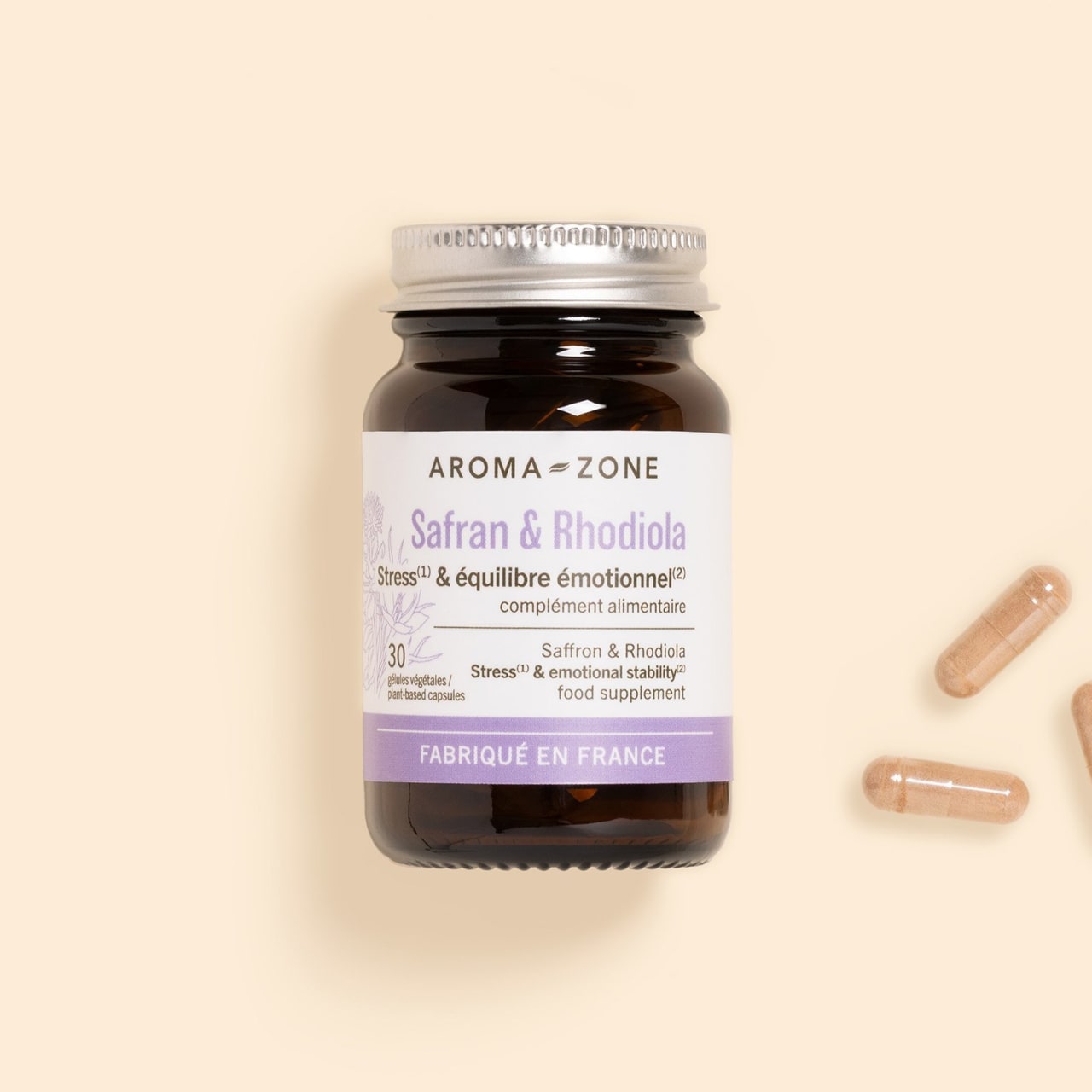
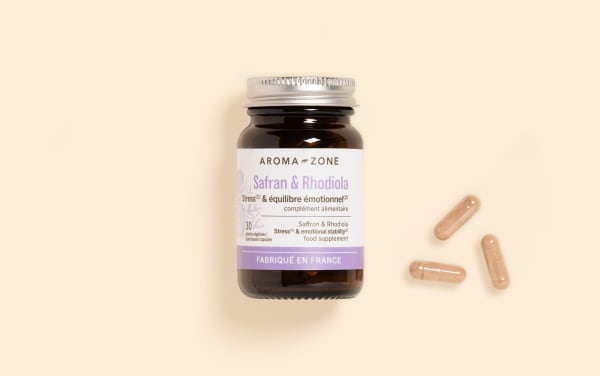
Saffron & Rhodiola – 30 capsules – Dietary supplement
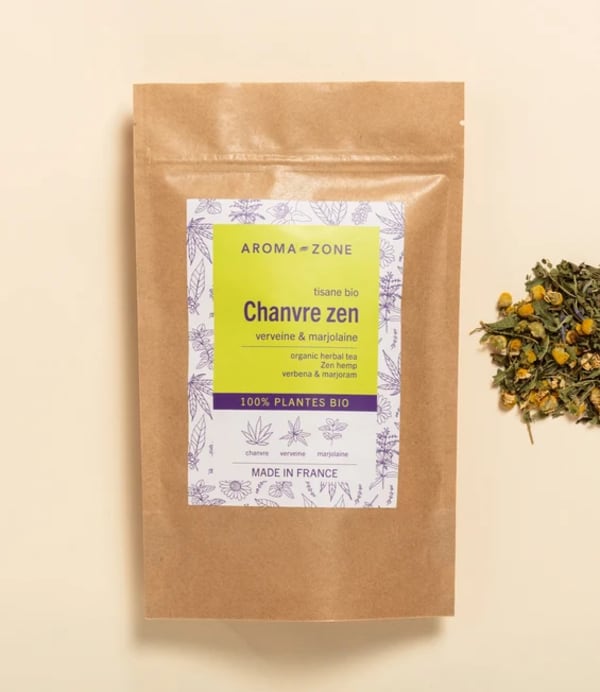
Organic Zen Hemp Herbal Tea

Spotlight on Our Writer: Louise Hourcade

After graduating from ESCP Business School in 2020, Louise began her career as a writer in 2021. Today, she writes a newsletter where she shares cultural recommendations and more personal articles, such as dating apps, therapy, and career guidance. She also writes for media outlets, brands and agencies on subjects such as well-being, mental health, culture, and society.

Bibliography

  1. Freedman R.R. Hot flashes: behavioural treatments, mechanisms, and relation to sleep.

    American Journal of Medicine, 2005.

  2. Avis N.E., Crawford S.L., Greendale G. et al. Duration of menopausal vasomotor symptoms during the menopausal transition.

    JAMA Internal Medicine, 2015.

  3. Thurston R.C., Joffe H. Vasomotor symptoms and menopause: findings from the Study of Women’s Health Across the Nation.

    Obstetrics & Gynaecology Clinics of North America, 2011.

  4. Stuenkel C.A. et al. Treatment of symptoms of the menopause: an Endocrine Society clinical practice guideline.

    Journal of Clinical Endocrinology & Metabolism, 2015.

  5. Daley A., Stokes-Lampard H., MacArthur C. Exercise for vasomotor menopausal symptoms.

    Cochrane Database of Systematic Reviews, 2014.

  6. Tisserand R., Young R. Essential Oil Safety: A Guide for Health Care Professionals.

    Churchill Livingstone, 2014.

Frequently Asked Questions

Frequently Asked Questions