Hormonal Migraines: What Are They?

Hormonal Migraines: What Are They?


By Marie Jeanmougin: rédactrice Naturopathe pour Aroma-Zone

Published on: Monday, March 11, 2024, Updated on: Tuesday, November 03, 2026

Migraines affect three times as many women as men, and hormonal fluctuations play a major role. The terms ‘menstrual’ or ‘catamenial’ migraines describe migraines linked to the menstrual cycle, which can be particularly severe. In this article, we’ll explore the causes of hormonal migraines and share natural ways to relieve them.

Contents

Related products

What Is a Hormonal Migraine and How Long Does It Last?

Hormonal migraines are migraine attacks that occur between the last two days of the cycle and the first three days of menstruation (from D-2 to D+3, with Day 1 being the first day of menstrual bleeding). According to a study carried out in 2021, they affect 20 to 25% of women who suffer from migraines. In most cases, these women have a predisposition to migraines, and the attacks are exacerbated around the time of their period.

Primarily linked to a drop in oestradiol levels, hormonal migraines generally cease when menstruation draws to a close, and FSH (follicle-stimulating hormone) restarts the production of oestrogens. As a result, these migraines can occur every month and affect the daily lives of the women who experience them.

They are often more frequent in the first few years following menarche (the onset of menstruation), in the postpartum period, and during the pre-menopausal phase, as these periods of hormonal transition are associated with oestrogen dominance. By contrast, they are much rarer in the third trimester of pregnancy, as oestrogen levels are relatively stable and accompanied by high levels of progesterone, which has protective effects.

What Causes Hormonal Migraines?

The exact mechanisms involved in the onset of migraines are highly complex and have been the subject of extensive research for several years. They are thought to be linked to abnormal neuronal excitability and influenced by numerous factors, including genetic, hormonal and environmental factors.

As there are different types of migraine, there are also different causes, such as:

A Drop in Oestrogen

With regard to hormonal migraine, the sudden drop in oestrogen levels during the premenstrual period is thought to be a triggering factor. During the menstrual cycle, our oestrogen levels fall moderately for the first time at the time of ovulation, and then more sharply for a second time at the end of the cycle, just before the onset of menstruation. It is this hormonal drop that is thought to contribute to the onset of migraines.

Fluctuations in oestrogen levels, whether natural or synthetic (as is the case with the contraceptive pill), have several effects within the body:

  • An increase in the production of histamine, a molecule involved in the allergic response which, when present in large quantities, contributes to headaches

  • An increase in the production of prostaglandins, molecules involved in acute and chronic inflammation

  • A disruption in the balance of neurotransmitters such as serotonin – commonly known as the ‘happiness hormone’ – and glutamate, an excitatory neurotransmitter in the nervous system

  • Sensitisation of the cells surrounding the trigeminal nerve, which are connected to the blood vessels in the head

Next, we'll look into inflammation, a well-known factor.

Inflammation

Let’s take a look at a well-known mechanism: inflammation. It is a natural reaction of the immune system triggered by an attack: an injury, a viral, or bacterial infection, a burn, a lesion, etc. This mechanism is very often accompanied by pain, redness, swelling and a sensation of heat.

During menstruation, the body releases large quantities of prostaglandins to promote uterine contractions and expel menstrual blood. Levels of these inflammatory substances are higher in women suffering from dysmenorrhoea (period pain) and, more generally, in women with an imbalance between oestrogen and progesterone. This inflammatory state in the body contributes to the onset of catamenial migraines.

For further reading, see also the article: Natural Anti-Inflammatories.

What is known as ‘oestrogen dominance’ or ‘relative hyperoestrogenism’ can therefore contribute to migraines. Indeed, progesterone tends to have anti-inflammatory effects and counterbalances the harmful effects of oestrogen. Women who do not produce enough progesterone in the post-ovulatory phase relative to their oestrogen levels are predisposed to premenstrual syndrome, dysmenorrhoea, and hormonal migraines.

Stress

It can, of course, exacerbate catamenial migraines by negatively affecting progesterone production, promoting inflammation, and disrupting the balance of the nervous system.

Dehydration

Dehydration can also trigger headaches and migraines, particularly during periods of intense physical activity when the body loses a significant amount of fluid. If the body does not receive sufficient water and electrolytes, brain function is disrupted and the mechanisms underlying migraines may be exacerbated.

Hormonal migraines can also occur while taking oestrogen-progestogen contraceptives (combined pill), often accompanied by auras. They frequently occur during the pill-free week or while taking placebo tablets, coinciding with withdrawal bleeding. These are sometimes referred to as ‘withdrawal migraines’. In such cases, we recommend consulting a healthcare professional to consider changing your method of contraception. Migraine with aura is a contraindication to the use of the oestrogen-progestogen pill due to an increased risk of stroke, and the same applies to oestrogen-based hormone replacement therapies.

Nevertheless, some women find that their hormone-related migraines are alleviated by taking the contraceptive pill or hormone replacement therapy: every case is different, and it is difficult to predict the beneficial or adverse effects of the pill, which may also vary depending on the active ingredients used.

How is a Catamenial Migraine Diagnosed, and Who Should You Consult?

To diagnose catamenial migraine, it may be helpful to keep a ‘migraine diary’ to determine the frequency of migraines and establish links with the different phases of the menstrual cycle.

We recommend consulting a healthcare professional, such as your GP or a gynaecologist, who will be able to diagnose catamenial migraine – also known as hormonal migraine – based on your medical history.

According to the International Headache Society, a diagnosis of migraine without aura is made on the basis of five attacks meeting the following criteria:

  • Headache attacks lasting between 4 and 72 hours

  • Unilateral, throbbing headaches, moderate or severe (at least two criteria)

  •  Headaches worsened by everyday activities

  • Headaches associated with at least one of the following symptoms: nausea, vomiting, photophobia, or phonophobia

When migraine attacks recur in line with periods of hormonal fluctuation, the doctor may diagnose a catamenial migraine. In some cases, they may recommend a thorough neurological examination.

The Symptoms of Catamenial Migraines

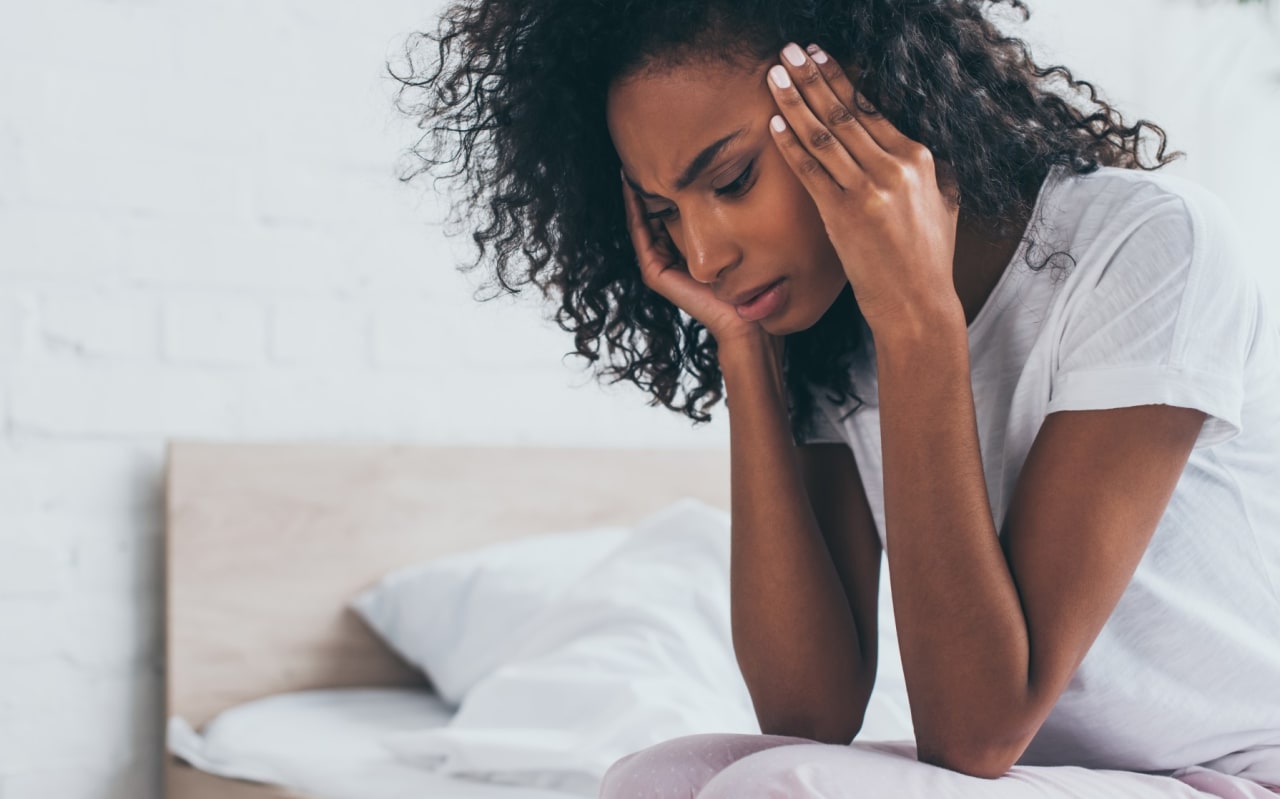
The symptoms of catamenial migraines can vary from one woman to another, but also from one cycle to the next. Although it can vary widely, they still have a significant impact on women's daily lives.

The duration of attacks can vary from 4 to 72 hours depending on the case: we strongly advise you to consult a healthcare professional if they persist for longer than 72 hours.

Let’s take a look at the typical symptoms of catamenial migraine, which is known as ‘aura-free’:

  •  A throbbing headache, sometimes of great intensity

  •  Pain that often occurs on one side of the head

  •  Increased sensitivity to surrounding noises

  • Hypersensitivity to light, requiring you to seek out darkness to relieve the attacks

  •  A strong sensitivity to certain smells (tobacco, petrol, perfumes, etc.), which can exacerbate attacks

  •  Nausea, and consequently, a loss of appetite

  •  Vomiting in the most severe cases

The symptoms listed above are exacerbated by physical activity, screen time (television, smartphones, etc.), stress, an unbalanced diet, alcohol and foods high in histamine, lack of sleep and even changes in the weather.

How Can You Relieve a Hormonal Migraine?

According to Inserm, there is currently no curative medical treatment for catamenial migraines. It is possible to be prescribed symptomatic medication, designed to provide temporary relief from symptoms (without preventing recurrence), or preventive treatments, which can help reduce the frequency of attacks but may have side effects.

For a natural approach, find out how acupuncture could relieve menstrual migraines.

Lifestyle Changes to Adopt if You Suffer from Hormonal Migraines

Here are some basic tips to help prevent hormonal migraines:

  •  Make sure you stay well hydrated throughout the day, as dehydration can trigger headaches (1.5 litres of water a day, or more for those who exercise regularly)

  • Opt for a raw, minimally processed and varied diet

  • Eat small, oily fish rich in Omega-3, which has anti-inflammatory properties, on a regular basis

  • Avoid alcohol as much as possible, particularly red wine, which is likely to exacerbate migraines

  • Limit foods high in glutamate (a flavour enhancer often used in fast food) and tyramine (fermented foods, smoked fish, chocolate, etc.), which may exacerbate migraines

  • Take part in regular, moderate physical activity, especially during the premenstrual period when it is advisable to take it easy

  • Practise relaxation and stress-reduction techniques (cardiac coherence, mindfulness meditation, yoga, etc.)

  • Get 7 to 9 hours of sleep per night, maintain a regular sleep schedule and prioritise good-quality sleep (be mindful of jet lag, for example, if you’re travelling)

 For further reading, see also the article 10 Natural Tips for Relieving Migraines.

How Can You Treat a Migraine Naturally?

Magnesium to Prevent Migraines

Several studies [1,2,3] have shown that taking magnesium-based dietary supplements reduces the frequency of migraines by 40%, as well as the severity of symptoms during migraine attacks. Magnesium deficiency is very common, particularly amongst women. This is because oestrogen tends to lower blood magnesium levels, an effect which is further exacerbated by oestrogen-progestogen contraceptives. Magnesium, however, is a mineral involved in over 300 metabolic functions within the body. It has relaxing and anti-stress effects.

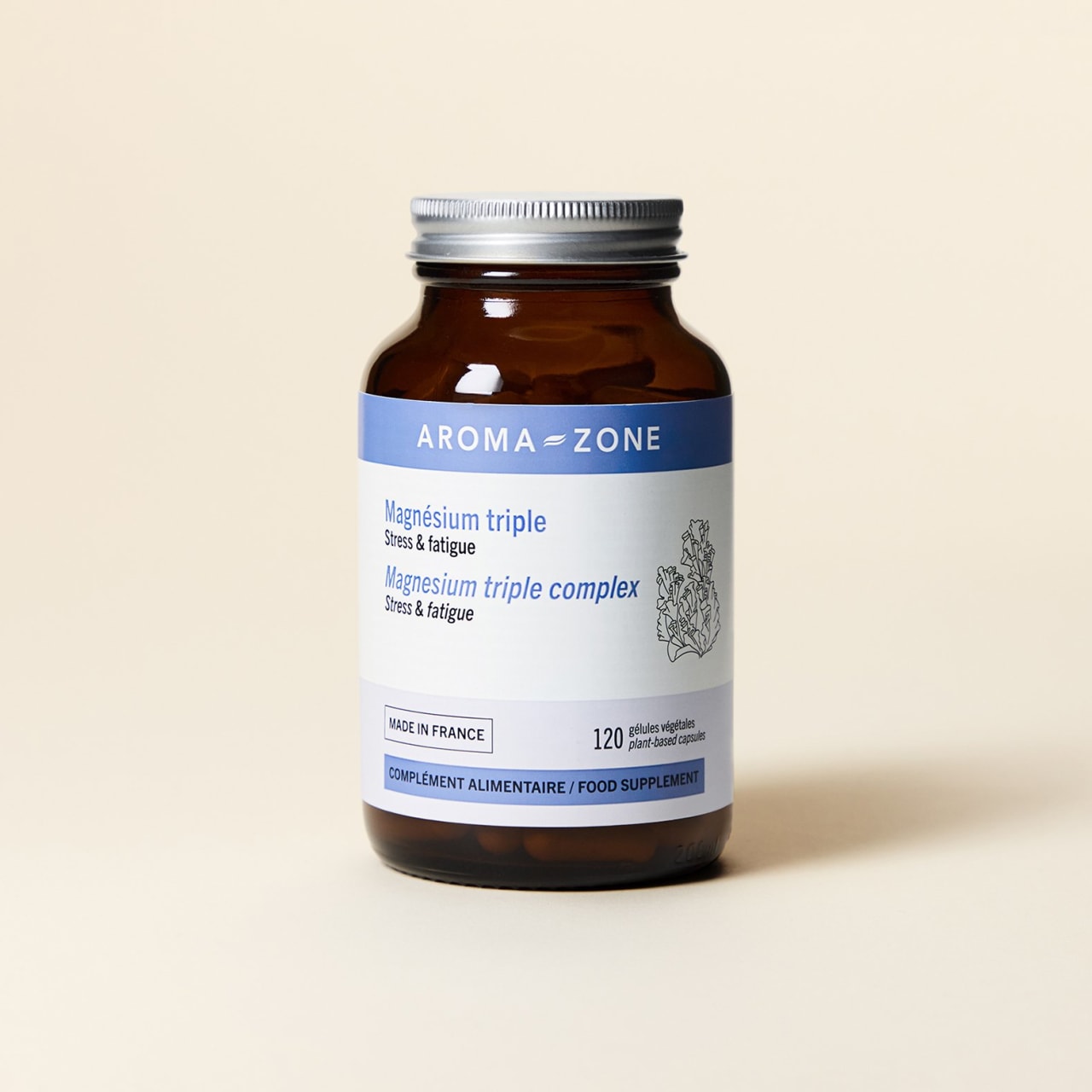
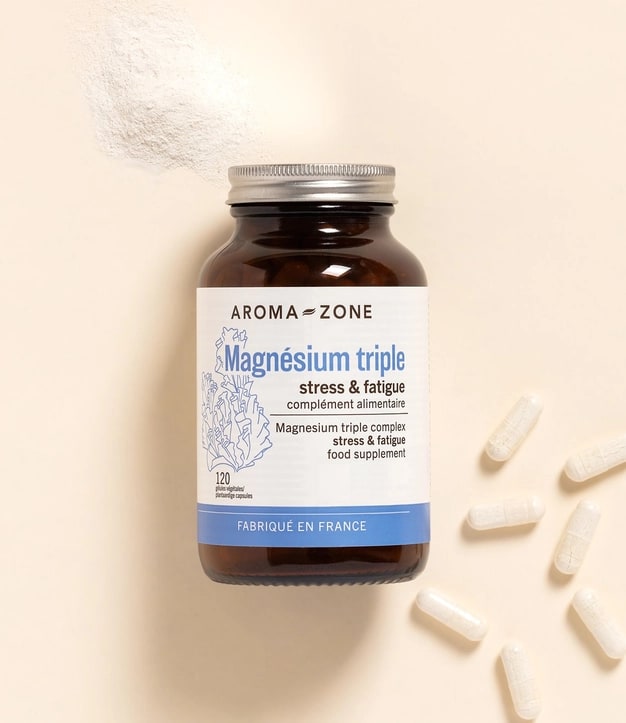
Triple magnesium

The bisglycinate form offers the best bioavailability; you can find it in the Aroma-Zone Magnesium Triple Dietary Supplement. Magnesium may, in some cases, have a laxative effect. If you have kidney problems, seek your doctor’s advice before taking magnesium supplements. Pregnant or breastfeeding women should seek advice from a healthcare professional before taking any supplements. This supplement is for adults only.

Discover Magnesium Tripl Dietary Supplement

For further reading, we recommend our feature: How to Relieve a Migraine Naturally and the article Which Essential Oils should You Choose to Relieve Headaches?

The Different Types of Migraines

There are several types of migraine. It is essential to distinguish between the two main categories: migraine with aura, which is accompanied or preceded by transient neurological symptoms, and migraine without aura. Hormonal migraines, or menstrual migraines, are usually without aura.

A migraine without aura is known as ‘common migraine’ or ‘classic migraine’; this is the most common type. A migraine attack is systematic and is sometimes preceded by warning or prodromal symptoms: tiredness, dizziness, confusion, and mood changes. Furthermore, there are various subtypes of migraine with aura:

  • Aura Without Headache: In this case, there are all the symptoms of a migraine attack with aura (neurological disturbances, nausea, etc.) but without a headache

  • Basilar Migraine: This particularly affects young people (children and adolescents) and is characterised by symptoms of migraine with aura originating in the brainstem: dizziness, poor coordination, tinnitus, or sometimes even fainting

  • Hemiplegic Migraine: A much rarer subtype thought to be associated with a genetic abnormality. This type of migraine with aura is characterised by motor disturbances and at least one other symptom (visual disturbances, speech disturbances, sensory disturbances)

  • Retinal Migraine: Also known as ocular migraine, it is characterised by visual disturbances in one or both eyes, visual field defects, and sometimes even vision loss. It is thought to be rarer and to affect older people in particular

Expert Advice

In terms of micronutrition, the B-complex vitamins may be of particular benefit to people who suffer from migraines. Vitamin B6, for example, works very well alongside magnesium as it facilitates its uptake into cells. It is an anti-stress vitamin that helps to balance the nervous system. Furthermore, Vitamin B2 (riboflavin) has been studied for its potential benefits in relation to migraines, as it appears to reduce their frequency. Indeed, Vitamin B2 helps to normalise serotonin production and is thought to improve energy metabolism in the brain.

Apart from the B vitamins, coenzyme Q10 has also been the subject of promising studies on the treatment of migraine. This powerful antioxidant is thought to reduce the frequency of attacks by supporting mitochondrial function. It also has anti-inflammatory properties and helps combat fatigue.

Focus on Our Specialist Editor, Marie Jeanmougin

IMG20220810095757.jpg

Marie Jeanmougin is a naturopath and micronutritionist specialising in women’s hormonal health. Convinced that hormonal balance begins on the plate, she regularly offers advice on nutritional therapy.

Bibliography

  1. MDPI and ACS Style

    Cegielska, J. Magnesium as an Important Factor in the Pathogenesis and Treatment of Migraine—From Theory to Practice. Nutrients 2022, 14, 1089. https://doi.org/10.3390/nu14051089

  2. AMA Style

    Domitrz I, Cegielska J. Magnesium as an Important Factor in the Pathogenesis and Treatment of Migraine—From Theory to Practice. Nutrients. 2022; 14(5):1089. https://doi.org/10.3390/nu14051089

  3. Chicago/Turabian Style

    Domitrz, Izabela, and Joanna Cegielska. 2022. “Magnesium as an Important Factor in the Pathogenesis and Treatment of Migraine—From Theory to Practice” Nutrients 14, no. 5: 1089. https://doi.org/10.3390/nu14051089

  4. https://www.inserm.fr/dossier/migraine/

  5. https://www.msdmanuals.com/fr/accueil/troubles-du-cerveau,-de-la-moelle-%C3%A9pini%C3%A8re-et-des-nerfs/c%C3%A9phal%C3%A9es/migraines

  6. https://drbrighten.com/menstrual-migraine-relief/

  7. https://pubmed.ncbi.nlm.nih.gov/33600767/

  8. https://www.larabriden.com/birth-control-cause-headaches-migraines/

  9. https://www.pensersante.fr/acides-gras-et-inflammation-penser-sante

  10. https://pubmed.ncbi.nlm.nih.gov/37216708/

  11. https://pubmed.ncbi.nlm.nih.gov/30760195/

  12. https://www.cairn.info/revue-francaise-de-psychosomatique-2008-2-page-87.htm

  13. https://headaches.org/vitamin-b-2/

Frequently Asked Questions

Frequently Asked Questions