
Herpes Simplex Throat Infection is a form of pharyngotonsillitis caused by Herpes simplex virus (HSV), most commonly HSV-1, a DNA virus responsible for orofacial lesions known as cold sores. Transmission occurs through close contact with the saliva or lesions of an infected individual (whether symptomatic or not). In adults, the infection may present with painful vesicles and ulcers on the soft palate and tonsils, sometimes accompanied by gingivostomatitis (inflammation of the gums and oral mucosa). The diagnosis is clinical in the vast majority of cases; a virological test is only considered in specific situations (immunosuppression, severe or atypical forms). Treatment mainly focuses on relieving symptoms, and systemic antivirals are reserved for specific cases.

Herpes Simplex Throat Infection: Symptoms, Causes and Precautions
Published on: Thursday, September 11, 2025, Updated on: Wednesday, October 28, 2026
A herpes simplex throat infection is a painful infection of the throat and tonsils caused by the herpes simplex virus. People often confuse it with herpangina, a different viral infection caused by enteroviruses that mainly affects children. Both can cause a severe sore throat, but they differ in the sores they cause in the mouth and throat, who they typically affect and how they progress. Understanding how these infections develop and how to tell them apart can help prevent confusion and guide simple steps to manage symptoms during recovery.
Contents
Related products
Vitality
Stress
£15.00
article
Regenerating
Nourishing
£9.80
£14.00
100 ml
2 options
What Is a Herpes Simplex Throat Infection?
What are the Causes?
Transmission and Primary Infection
HSV-1 is typically transmitted via oral-oral contact: kissing, sharing utensils, or exposure to saliva droplets. Primary infection, which often occurs in childhood, may go unnoticed or present as febrile gingivostomatitis with odynophagia (pain on swallowing). In some cases, the initial infection presents as herpetic pharyngitis with pharyngeal vesicles.
Reactivation
Following primary infection, HSV-1 remains latent in the sensory ganglia and may reactivate at a later date (stress, fatigue, sun exposure, fever), typically resulting in cold sores. More rarely, reactivation manifests as herpetic pharyngitis in adults.
HSV-2, A Less Common Infection
Through oro-genital contact, HSV-2 can occasionally cause herpetic pharyngitis. This remains a minority occurrence compared with HSV-1.
What Are the Symptoms?
The following are the symptoms generally seen in cases of herpetic angina:
Intense Pharyngeal Pain: The pain worsens on swallowing (odynophagia) and may radiate to the ears via a nerve reflex. The voice becomes hoarse. In herpetic tonsillitis, the pain is accompanied by vesicular or ulcerated lesions on the soft palate, the uvula, and the tonsils
Oropharyngeal Vesicles and Ulcers: Small, clear vesicles rupture, giving way to superficial ulcers surrounded by an inflammatory halo. These are located at the back of the mouth (tonsillar pillars, soft palate) and may suggest herpetic tonsillitis or herpangina, depending on the context
Fever, Malaise, and Lymphadenopathy: A moderate fever, headache, asthenia and tender cervical lymph nodes are common in viral pharyngitis (including herpes simplex throat infection). In children, loss of appetite and excessive salivation may accompany gingivostomatitis.
A strictly unilateral, very severe sore throat, with difficulty opening the mouth (trismus), reflex earache, a muffled hot potato voice and, occasionally, deviation of the uvula towards the opposite side, suggests a peritonsillar abscess (phlegmon). This presentation requires urgent medical assessment.
Herpetic tonsillitis can be confused with herpangina. Herpangina mainly affects children and begins abruptly with fever, sore throat, and sometimes vomiting, followed by small vesicles or ulcers at the back of the throat (soft palate, uvula). It is caused by enteroviruses (particularly Coxsackie) and is unrelated to herpes viruses.
What Is the Typical Progression?
In an uncomplicated herpes simplex throat infection, the condition usually resolves on its own within a few days with comfort measures, as long as the patient is not immunocompromised.
Herpangina typically follows a short course (often 3 to 7 days).
By contrast, unilateral sore throat complicated by an abscess requires drainage and antibiotics.
What Natural Treatments Are available to relieve the symptoms?
Here are some natural remedies to help you get through this unpleasant episode:
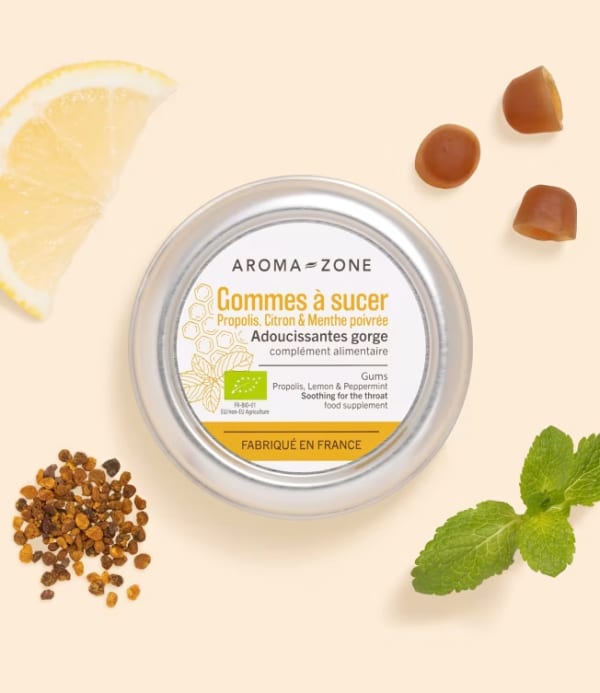
Organic Throat-Soothing Lozenges
This 45g box contains 100 % natural, certified organic, vegan lozenges made in France, designed to promote respiratory comfort in winter. They combine a base of acacia gum and agave syrup with thyme extract, which has antioxidant and soothing properties, as well as a powerful blend of essential oils of peppermint, Scots pine, eucalyptus globulus, and ravintsara, which have purifying effects. Allow to melt in the mouth, up to five per day for seven days.
Discover the Organic Throat-Soothing Lozenges
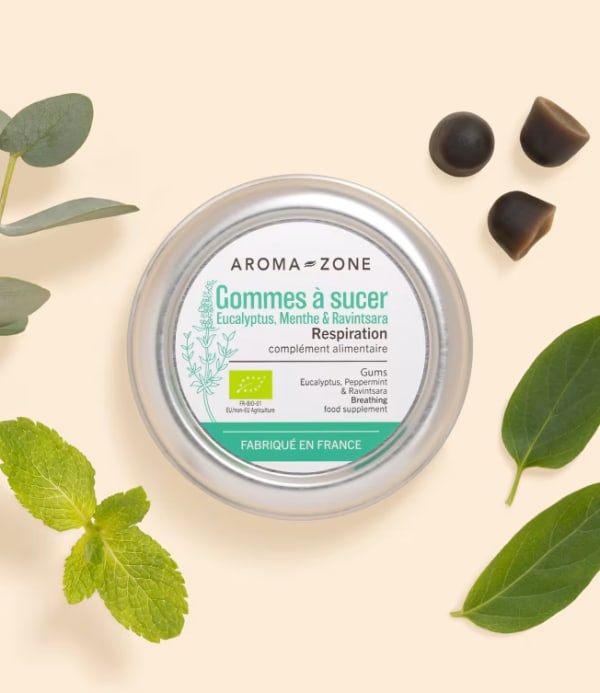
Organic Respiration Chewables
Organic Respiration Chewables (45g) are made from a 100 % natural, certified organic formulation; they are vegan and produced in France. They combine a blend of essential oils of Scots pine, peppermint, Eucalyptus globulus, and Ravintsara, recognised for their purifying and respiratory properties, enriched with thyme extract to support the body’s natural defences. Designed to help clear the nose and support respiratory comfort during the winter months, these chews dissolve gently in the mouth; the recommended dosage is five chews a day for up to seven days.
Discover Breathing OrganicChewables

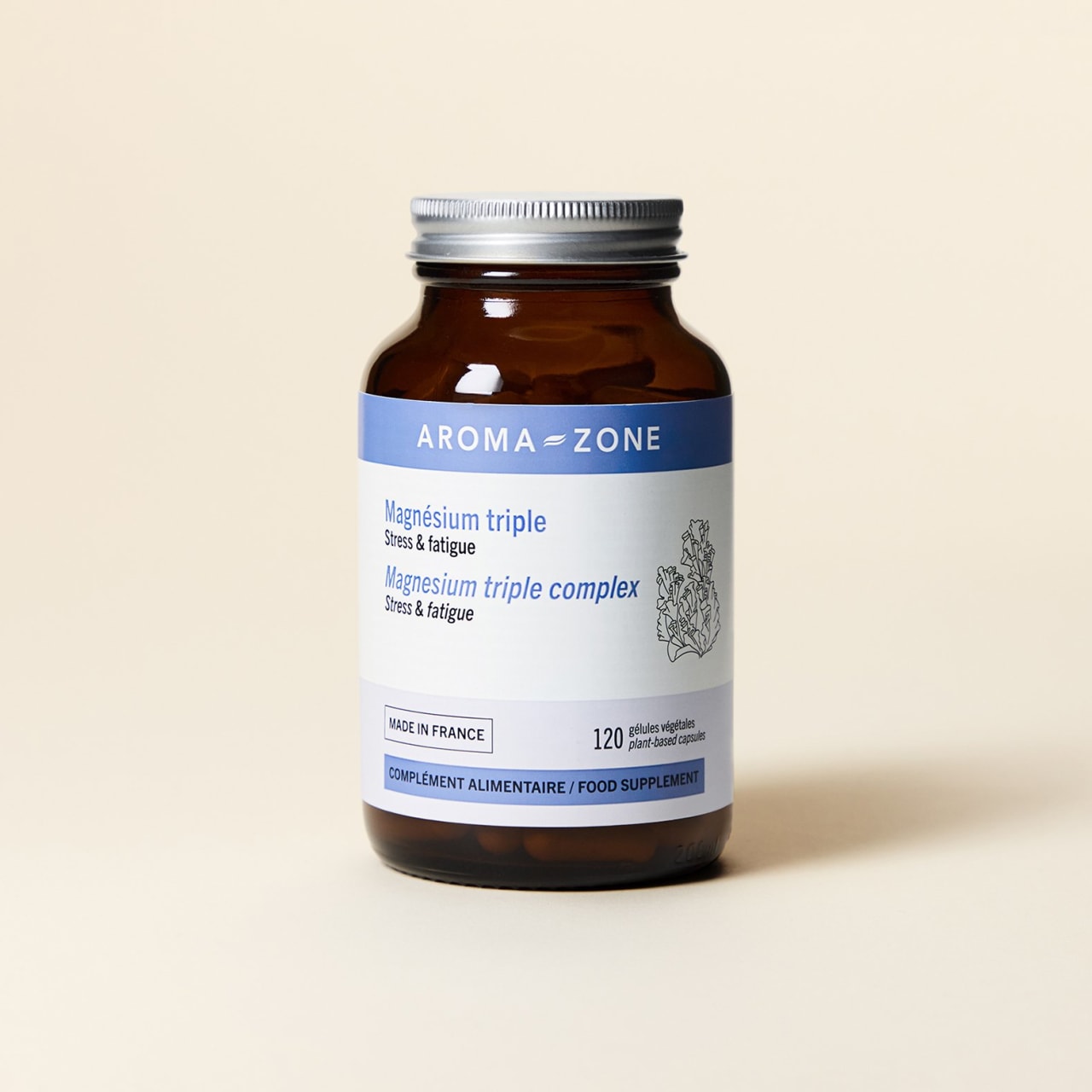
Triple Magnesium
The Magnesium Triple dietary supplement comes in the form of 120 vegetable-based capsules, comprising a combination of three forms of magnesium with enhanced bioavailability: magnesium bisglycinate, marine magnesium and organic sea lettuce extract. Developed and packaged in France, this product is designed to reduce fatigue. The recommended dosage is 1 to 3 capsules per day, ideally with meals, to cover most of the daily intake, over a course of 40 days to three months.
What Are Some Home Remedies to Relieve the Symptoms?
Some traditional home remedies have been passed down through the generations:
Hot drinks sweetened with honey (for adults and children over 1 year old): 1 teaspoon to 1 tablespoon in a cup of hot water or herbal tea to soothe the throat
Gargling with lukewarm salt water (spit out the solution): several times a day
Ice cubes to melt in the mouth or ice lollies: can help relieve pain locally through the cold
Lukewarm broths and soups: help maintain hydration and calorie intake when swallowing becomes difficult
Humidifying the air, gentle ventilation, and vocal rest: these measures help prevent the throat lining from drying out and can reduce pain
Avoid tobacco, very dry air, and irritating drinks (alcohol, very acidic drinks, or drinks that are too hot)
What Routine Should Be Followed in the Event of Tonsillitis?
Here is a suggested routine:
Stay well hydrated: take small sips every 10–15 minutes; drink lukewarm fluids, water or herbal teas
Pain relief/fever reducers: paracetamol if needed; seek medical advice if in doubt
2 to 4 times a day: warm salt gargle (spit out the solution)
2 to 3 times a day: a hot drink with honey (if over 1 year old); you can alternate this with a herbal tea
As a supplement: a neutral acacia gum lozenge to be allowed to dissolve to stimulate saliva production
Watch for warning signs: increasing pain on one side with trismus, hoarse voice, persistent high fever, deviation of the uvula, breathing difficulties, signs of dehydration. Seek medical advice immediately.
Related recipes




Precautions
Dietary supplements and home remedies are intended to provide relief and are not a substitute for medical advice or prescribed treatment. In the event of severe pain on one side of the mouth, trismus, a persistent high fever or difficulty swallowing or breathing, prompt medical attention is required.
Expert Advice
Herpes simplex throat infection is a viral infection of the ENT tract. It differs from herpangina (caused by enteroviruses) in its epidemiological context and lesion appearance, and from unilateral sore throat in that it is not complicated by signs of phlegmon. The best strategy is to combine hydration, local measures (gargling), appropriate pain relief and vocal rest. Hot drinks and certain mild preparations make swallowing more comfortable. Antibiotics are reserved for confirmed bacterial tonsillitis. If you have signs of a serious condition, consult a doctor to rule out a peritonsillar abscess.
Meet Our Expert Writer: Stéphanie Le Guillou

Stéphanie is a pharmacist (since 2010) and holds a PhD in molecular biology (since 2012). Passionate about writing, she has produced medical content for nearly 15 years. Her goal is to make information accessible and easy to understand, without ever sacrificing scientific accuracy.
Bibliography
AP-HM. Sore throat.
https://fr.ap-hm.fr/site/orl-pediatrique/pathologies/pharynx/angine#:~:text=%2D%20Herpetic%20angina%20(herpes,mouth%20in%20all%20cases.

Frequently Asked Questions
Associated tips

Respiratory and ENT discomfort solutions

Respiratory and ENT comfort tips

Aromatherapy advice

Article of the day


