

Hericium Benefits: Discover Its Major Natural Strengths

Hericium Benefits: Discover Its Major Natural Strengths


By Charlie Morel

Published on: Monday, September 22, 2025, Updated on: Wednesday, October 28, 2026

Hericium erinaceus, also known as lion's mane or pom-pom mushroom, is a fascinating medicinal mushroom that's attracting growing interest from researchers and natural health enthusiasts alike. Used for centuries in traditional Asian medicine, it's now recognised for its remarkable properties, particularly for the nervous and digestive systems. Its richness in bioactive compounds makes it a genuinely interesting addition to a wellbeing routine. In this article, we'll take a detailed look at what lion's mane is, how it works, the benefits supported by scientific research, and how to incorporate it into your daily routine.

Contents

Related products

Hericium (Lion's Mane) Mushroom: What Is It?

Hericium erinaceus is an edible and medicinal mushroom whose distinctive appearance resembles a cascading white mane. Native to Asia but also found in Europe and North America, it grows naturally on the trunks of deciduous trees such as beech and oak.

Biochemically, Hericium is particularly rich in beta-glucans, known for their immunomodulatory role, and in unique molecules such as hericenones and erinacins. These compounds are attracting scientific interest as they are thought to stimulate the production of nerve growth factor (NGF), a key protein in the growth and survival of neurons.

Several species are in the genus Hericium, such as Hericium americanum and Hericium coralloides, but Hericium erinaceus has been most extensively studied and used in herbal medicine.

Its action is primarily directed at:

  • The nervous system: Neuronal protection and regeneration.

  • The digestive system: Support for the gastric and intestinal mucosa.

  • The immune system: Modulation of the body’s natural defences.

Factsheet on Hericium erinaceus

  • Scientific name: Hericium erinaceus

  • Family: Hericiaceae

  • Common names: Lion’s mane, pompon mushroom, lion’s mane (English)

  • Origin: Asia, Europe, North America

  • Appearance: white fruiting bodies, growing in tufts, resembling a mane or stalactites

  • Parts used: carpophore (visible part), mycelium

  • Main constituents: beta-glucans, hericenones, erinacins, polysaccharides

  • Available forms: fresh, dried, powder, standardised extract, capsules

  • Traditional uses: digestive support, general vitality, nervous system health

The benefits of the Hericium mushroom (or ‘Lion’s Mane’)

Numerous studies highlight the benefits of Hericium. Its main benefits relate primarily to the brain, digestive system, and immune system.

1. Support for cognitive function

Erynin and hericenones stimulate the production of NGF, which is essential for brain plasticity. Clinical studies show a slight improvement in cognitive function in older people who consume Hericium.

2. Neuroprotective effects and mood

By promoting neuronal regeneration, Hericium may offer benefits in the prevention of neurodegenerative diseases such as Alzheimer’s and Parkinson’s. Some research also suggests a reduction in symptoms of anxiety and depression.

3. Digestive health

Traditionally used to soothe gastric disorders, Hericium protects the stomach lining and may help heal ulcers. Its polysaccharides also promote a better balance of the gut microbiota.

4. Immune support

Its beta-glucans stimulate macrophages and NK cells (Natural Killer cells – granular lymphocytes that form part of the innate immune system), thereby strengthening the body’s defences.

5. Antioxidant and anti-inflammatory effects

Hericium contains phenolic compounds that combat oxidative stress and reduce chronic inflammation, thereby helping to prevent various metabolic conditions.

What Are the Uses of Hericium?

You can consume hericium in various forms, depending on your needs.

In cooking, the fresh carpophore (the visible, above-ground part of a mushroom) is cooked like a vegetable: pan-fried, in a stew or as a meat substitute — and provides protein, fibre and micronutrients. Gentle cooking helps preserve as many beneficial compounds as possible.

In dietary supplements, Hericium is often available in powder or capsule form for daily use. The recommended daily dose for powders derived from the carpophore or mycelium ranges from 500mg to 3g, depending on the desired effect and concentration. Capsules offer a convenient dosage for regular use.

It is also available as ‘standardised extracts’ (aqueous or alcoholic), concentrated in beta-glucans or erinacins/hericenones depending on the extraction method (mycelium is rich in erinacins, whilst the fruiting body is rich in hericenones). Extracts are preferred when a faster and more measurable neurotrophic or immunomodulatory effect is sought.

Combinations & compatibility

For an enhanced combined effect, you can pair lion's mane with other natural compounds, including other medicinal mushrooms, adaptogenic plants, or targeted nutrients.

Medicinal Mushrooms (Complementary Combinations):

  • Reishi (Ganoderma lucidum): a common combination to address relaxation, stress and immune modulation; Hericium provides the neurotrophic effect, whilst Reishi offers a soothing and immunomodulatory effect.

  • Cordyceps (Ophiocordyceps sinensis / Cordyceps militaris): a useful combination for improving vitality and stamina; Cordyceps promotes cellular energy production (ATP), whilst Hericium supports cognitive and nervous system functions.

  • Shiitake (Lentinula edodes) and Trametes (Turkey Tail): combined to boost immune function thanks to their complementary polysaccharide profiles.

Neuroprotective plants: Ginkgo biloba or Bacopa monnieri can be combined with Hericium to enhance memory and concentration, with each plant offering different mechanisms of action (cerebral circulation for ginkgo, cholinergic modulation for bacopa).

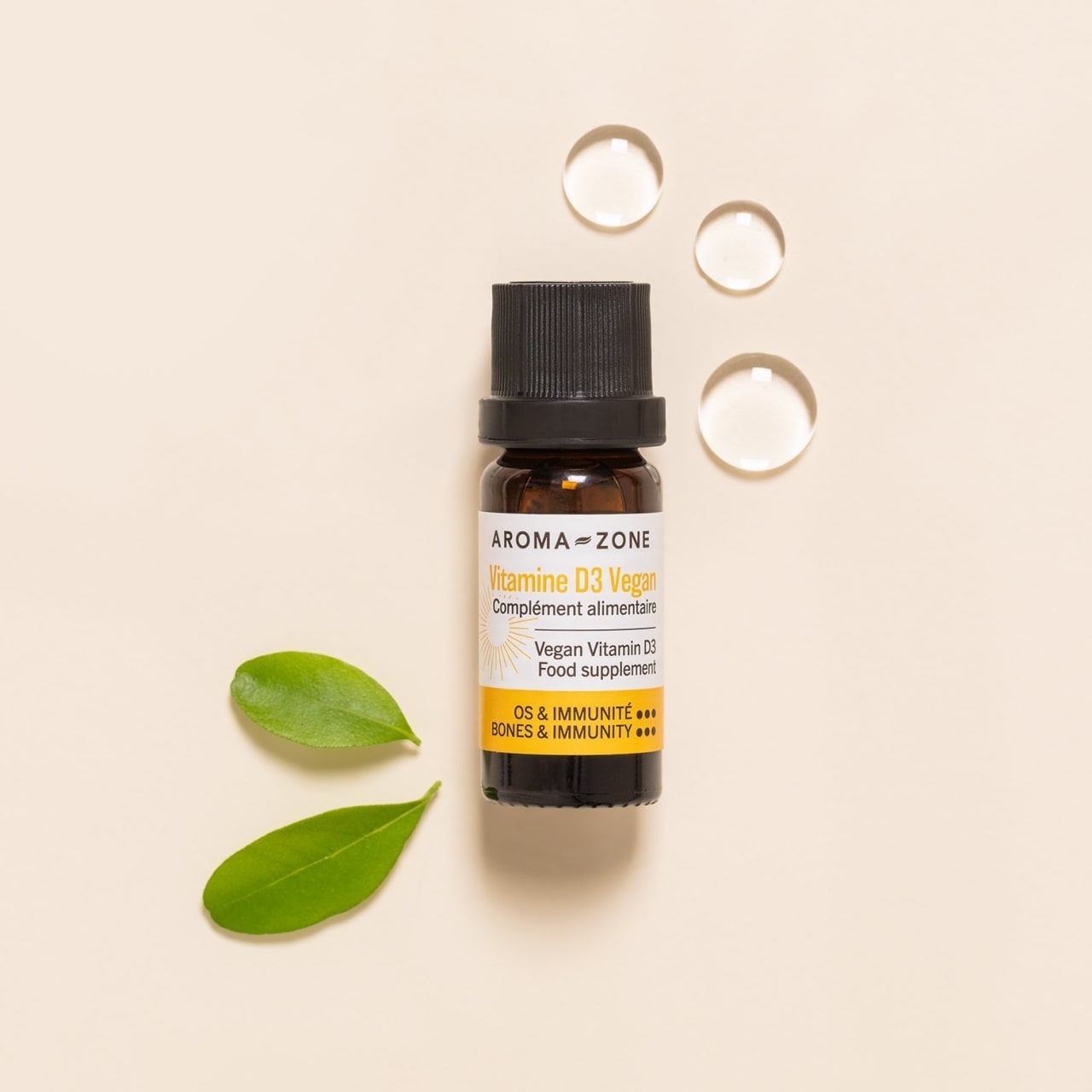
Nutrients and cofactors: Omega-3 (DHA), vitamin B12, or even vitamin D are supplements that support neuronal health and may enhance Hericium's neurotrophic effect.

These combinations are based on complementary mechanisms of action (neurotrophy, immunomodulation, adaptogenesis) and on traditional uses. If you have a medical condition or are taking medication, seek advice from a healthcare professional before combining any supplements.

Storage instructions

 To preserve its properties:

  • Fresh mushroom: Store in the fridge and consume quickly (within 2 to 3 days at most).

  • Dried mushroom: In an airtight jar, away from light, moisture and heat.

  • Powder and capsules: In their original, tightly sealed packaging, in a cool, dry place.

  • Liquid extract: Observe the use-by date specified by the manufacturer and avoid direct exposure to sunlight.

Proper storage ensures the stability of active compounds such as beta-glucans and hericenones, which are essential to the mushroom’s efficacy.

Contraindications and precautions for use

Hericium is generally well tolerated. However, it is essential to be aware of a few precautions:

  • Pregnant and breastfeeding women: Avoid use without medical advice.

  • People taking anticoagulants or immunosuppressants: Risk of interactions.

  • Allergic reactions: Rare but possible in people who are sensitive to mushrooms.

Always seek advice from a healthcare professional before starting any course of treatment, particularly if you have a chronic condition or are taking medication.

Spotlight on Our Specialist Writer: Charlie Morel

charlie.jpg

Charlie holds a Master’s degree in cosmetic formulation. Passionate about cosmetology and a lover of words, she decided in 2020 to become a web editor specialising in cosmetics and beauty. Her desire for a career change inspired her to go freelance, giving her the freedom to work from anywhere in the world.

Bibliography

  1. Yue Qiu, Genglan Lin, Weiming Liu, Fuming Zhang, Robert J. Linhardt, Xingli Wang, Anqiang Zhang.

    Bioactive substances in Hericium erinaceus and their biological properties: a review. Food Science and Human Wellness. Volume 13, Issue 4. 2024. Pages 1825–1844. ISSN 2213-4530.

  2. Benjarong Thongbai, Sylvie Rapior, Kevin Hyde, Kathrin Wittstein, Marc Stadler.

    Hericium erinaceus, an amazing medicinal mushroom. Mycological Progress, 2015.

  3. Contato AG, Conte-Junior CA.

    Lion’s Mane Mushroom (Hericium erinaceus): A Neuroprotective Fungus with Antioxidant, Anti-Inflammatory, and Antimicrobial Potential—A Narrative Review. Nutrients. 9 April 2025.

Frequently Asked Questions

Frequently Asked Questions
