Fruit at the End of a Meal: Is It a Good Idea?

Fruit at the End of a Meal: Is It a Good Idea?


By Dimitri K

Published on: Friday, September 05, 2025, Updated on: Wednesday, September 30, 2026

Finishing a meal with an apple, a bunch of grapes, or a slice of watermelon seems harmless, even beneficial, given how good fruit's reputation is. Rich in vitamins, fibre, and water, fruit is often seen as a symbol of balanced eating. And yet, this habit may not suit everyone. Between gut fermentation and blood sugar spikes, digestion can sometimes suffer or, in other cases, actually benefit. So, should you keep having fruit for dessert, or save it for other times of the day?

Contents

Related products

A valuable nutritional contribution to the body

Valuable vitamins and antioxidants

Fresh fruit is a real goldmine for the body. At the end of a meal, they provide a final boost of vitamin C, beta-carotene or polyphenols, depending on the fruit chosen. An orange, for example, helps the body absorb the iron consumed during the meal more effectively. Products such as organic acerola powder can even be used to enrich yoghurt or homemade fruit compote with a natural source of vitamin C, which is ideal for supporting the immune system.

Spotlight on our Optimised Vitamin C Powder – 150 g

Vitamin C powder formulated with PureWay-C®, combining plant-based lipids and citrus bioflavonoids for optimal absorption and good digestive tolerance. Ideal as a course of treatment to boost immunity, reduce fatigue, stimulate collagen synthesis and combat oxidative stress. Supplied with a measuring spoon, it dissolves easily in a glass of water, juice or a protein shake for athletes.

Discover our Optimised Vitamin C Powder – 150 g

A source of fibre to prolong the feeling of fullness

The benefits of fruit go beyond their vitamin content. Thanks to their soluble and insoluble fibre content, they slow down digestion and prolong the feeling of fullness. At the end of a meal, half a banana or a pear can prevent you from feeling peckish an hour later. To enhance this effect, you can also add chia seeds, which swell in the stomach and help regulate blood sugar levels.

A natural alternative to refined sugar

Many people like to end their meal on a sweet note. Replacing a shop-bought dessert with a piece of fruit allows you to satisfy this craving with a healthier option. Although it contains fructose, fruit is also a source of water, micronutrients and antioxidants. An option such as organic coconut sugar, which has a moderate glycaemic index, can also be used to make homemade compote whilst minimising the impact on blood sugar levels.

When fruit disrupts digestion

Risk of intestinal fermentation in sensitive individuals

Not everyone digests fruit in the same way. For people prone to bloating or irritable bowel syndrome, eating fruit straight after a meal can lead to fermentation. The fibre and simple sugars in fruit can linger in an already full stomach, causing gas or discomfort. In such cases, it is often better to eat fruit as a snack, away from main meals.

An amplified effect after a hearty meal

After a meal high in fat or protein, digestion naturally slows down. Adding a very sweet fruit at this point can increase the time food spends in the stomach, encouraging fermentation. Grapes, cherries or mangoes, for example, have a higher sugar content. When digestion is difficult, it’s better to opt for lighter fruits such as apples or choose a Digestive Mint Herbal Tea, which is gentle on the stomach.

Be mindful of the glycaemic index depending on the time of day

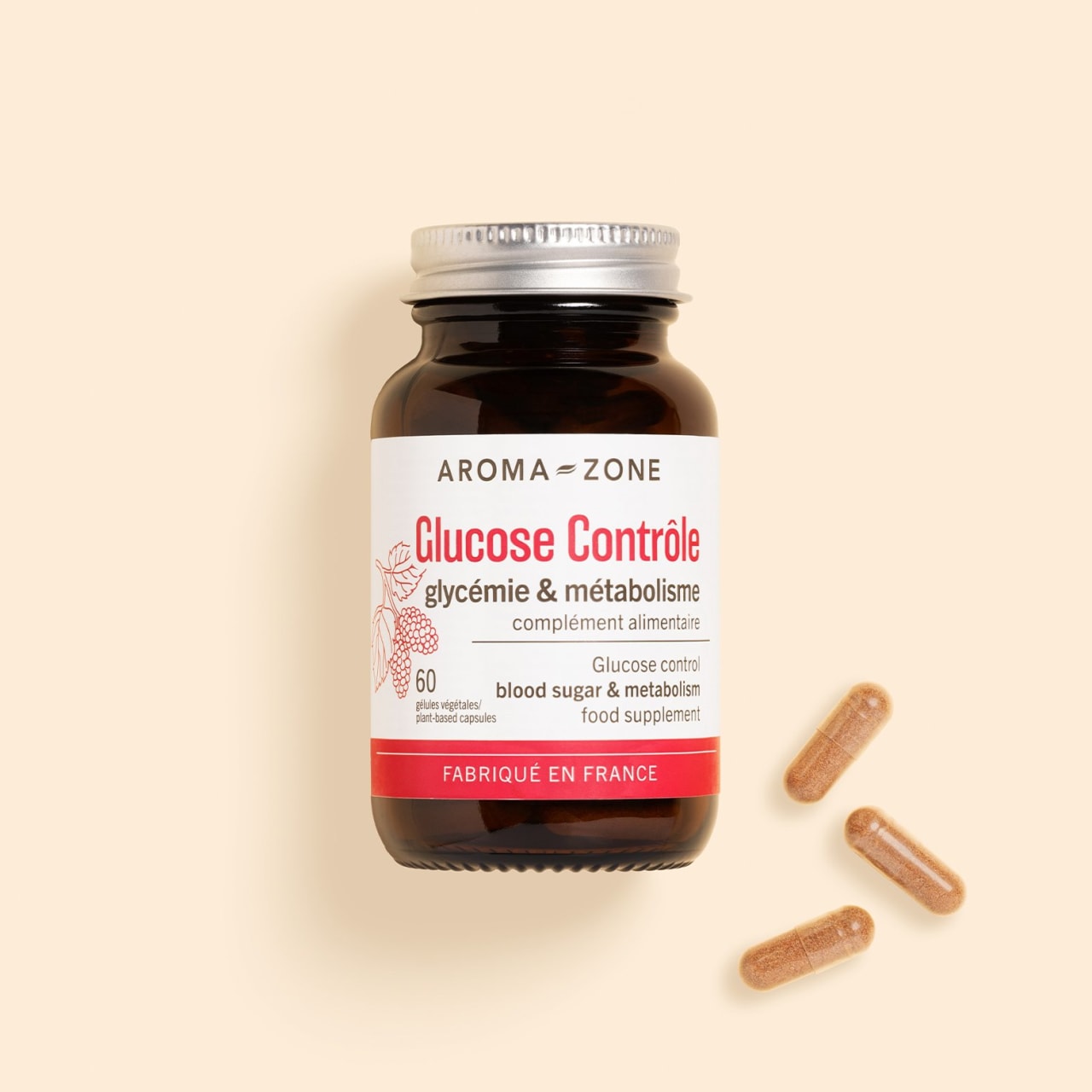
By the end of a meal, blood sugar levels are already on the rise. Adding a fruit with a high GI (Glycaemic Index), such as a very ripe banana or watermelon, can exacerbate this spike. This can be problematic for people with diabetes or insulin resistance. To minimise this effect, it is best to opt for low-GI fruits or combine them with fibre or fats to slow down the absorption of sugars. For example, homemade apple compote can be enriched with golden linseeds, which are known for their high fibre content. Some people also opt for targeted supplements such as Glucose Control, which combines plant extracts and chromium to support blood sugar balance, particularly when you tend to eat rich meals followed by a fruity dessert.

Banner – HP Glucose Control Mobile

Spotlight on our Glucose Control – 60 capsules – Food supplement

Ideal for maintaining blood sugar balance and combating glucose spikes, this Glucose Control dietary supplement is formulated with two high-quality natural extracts: a concentrated extract of Ceylon cinnamon, recognised for its benefits in maintaining blood sugar balance, and the natural Reducose® white mulberry extract, proven to be effective from the very first dose in reducing sugar absorption.

Discover our Glucose Control – 60 capsules – Dietary supplement

Adapting your intake to your metabolism

Listen to your body’s signals

It all depends on each person’s digestive sensitivity. Some people can eat a piece of fruit at the end of every meal without experiencing any discomfort. Others may experience bloating or a heavy feeling in the stomach, particularly after a hearty lunch. Finding out what suits you is still the best way to enjoy the benefits of fruit without any side effects.

Choosing the right time to help your body absorb them better

To optimise digestion, it may be worth eating fruit between meals. As a morning or afternoon snack, it is digested more quickly, without being slowed down by other foods. It’s also an opportunity to combine it with natural ingredients such as pomegranate juice for an antioxidant-rich treat.

Adapting fruit intake to suit different meals

There’s no hard and fast rule: a very watery fruit such as watermelon may be suitable at the end of a light meal, whilst a more concentrated fruit (such as a banana or grapes) will be better tolerated as a snack. Varying your choices whilst listening to your digestive system allows you to get the most out of fruit without compromising your comfort.

Spotlight on Our Writer: Dimitri K

Dimitre Krammer

Dimitri has been interested in the connections between nature, health, and well-being for several years. As a writer, he loves to make complex topics accessible, with a strong preference for simple, natural, and effective approaches. Whether the topic is cosmetics, nutrition or wellness routines, he enjoys sharing practical and informed advice for a healthier everyday life.