Facial Antiperspirant: What Are the Natural Remedies?

Facial Antiperspirant: What Are the Natural Remedies?


By Marie-Adine Bories

Published on: Thursday, May 30, 2024, Updated on: Friday, October 30, 2026

Forehead, temples, nape of the neck, we all sweat on our faces. But for some people, this sweating is excessive and can affect how others perceive them and their self-esteem. Fortunately, there are facial antiperspirants that help control sweating while respecting the skin barrier. However, the ingredients in these antiperspirants aren't always ideal and can have consequences for overall health and well-being.

In this article, I'll discuss the natural remedies available to reduce facial sweating.

Contents

Related products

What is facial sweating?

Sweating is a completely natural phenomenon that helps regulate body temperature. Through a process of evaporation, it allows the body to maintain a stable temperature of around 37°C. The body therefore produces sweat year-round, but this production increases due to heat caused by fever, emotion, intense physical exertion, or summer temperatures.

Facial Sweat

The face, like all other parts of the body, is covered with sweat glands. These are primarily eccrine glands, which produce a watery, odourless sweat. These glands, which are particularly numerous in certain areas such as the forehead, temples, bridge of the nose, and mouth, play an important role in thermoregulation and the stress response.  It is difficult to determine their exact number and distribution. And it appears that these factors vary from person to person.

Excessive sweating or facial hyperhidrosis

Facial hyperhidrosis refers to the medical condition in which people sweat excessively on their face. In other words, their sweat production exceeds what is necessary to regulate the temperature of that area.  Excessive sweating can have a significant impact on the well-being of those affected, leading to a loss of self-confidence or discomfort during social interactions.
What causes facial sweating?

Facial sweating is a physiological mechanism regulated by the autonomic nervous system and triggered by a number of factors.

Heat: The primary role of sweating is to regulate body temperature. Sweat production therefore increases in cases of fever, heat, or physical exercise. It is the evaporation of sweat on the face that helps regulate the body’s temperature. 

Stress and emotions: Certain emotions, such as stress, fear, or anxiety, can cause sweating on the face. In fact, these emotional situations trigger the release of certain hormones into the bloodstream, resulting in a number of physiological reactions, including overstimulation of the sweat glands. 

Physical exercise: Engaging in intense physical activity can lead to increased stimulation of all sweat glands, including those on the face, to regulate the heat generated by muscle work.  

Diet: Consuming certain foods can lead to increased sweating, particularly on the face. This phenomenon is called “gustatory sweating” and mainly involves spicy or hot foods, hot beverages, and alcohol. 

Medical conditions and treatments: Certain diseases and treatments can cause excessive facial sweating. These include hyperhidrosis, mentioned earlier, as well as certain endocrine disorders, high blood pressure, or diabetes.

What are the recognizable signs associated with this condition?

  • Sweating on the face, particularly the forehead, the bridge of the nose, around the mouth, or on the scalp.

  • Shininess of the skin: facial sweating can make the skin look shiny and damp.

  • Increased moisture: Facial sweating can result in wet, sticky skin and hair.

When facial sweating is excessive, these symptoms may be accompanied by increased stress or anxiety caused by the social embarrassment experienced.

What are the natural solutions to relieve and reduce facial sweating?

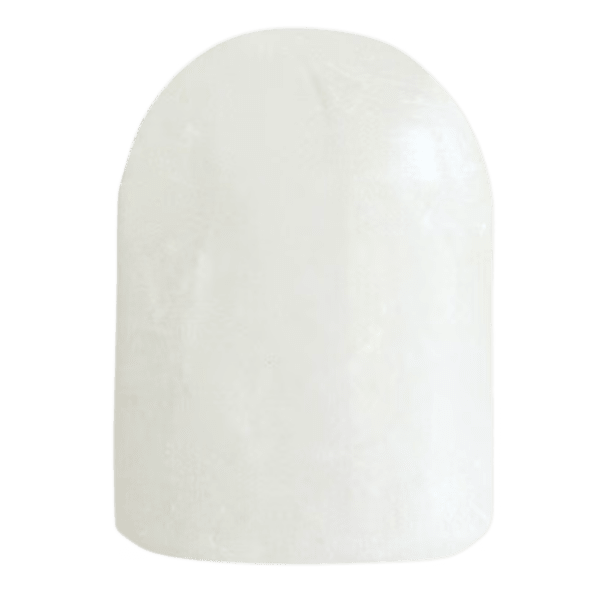
100% natural polished alum stone

Alum Stone

This is a natural antiperspirant, free of harmful additives and aluminum salts. It can therefore be applied to the face, avoiding the eye area. Note that it must be moistened before being applied to the skin.

Discover our 100% natural polished alum stone

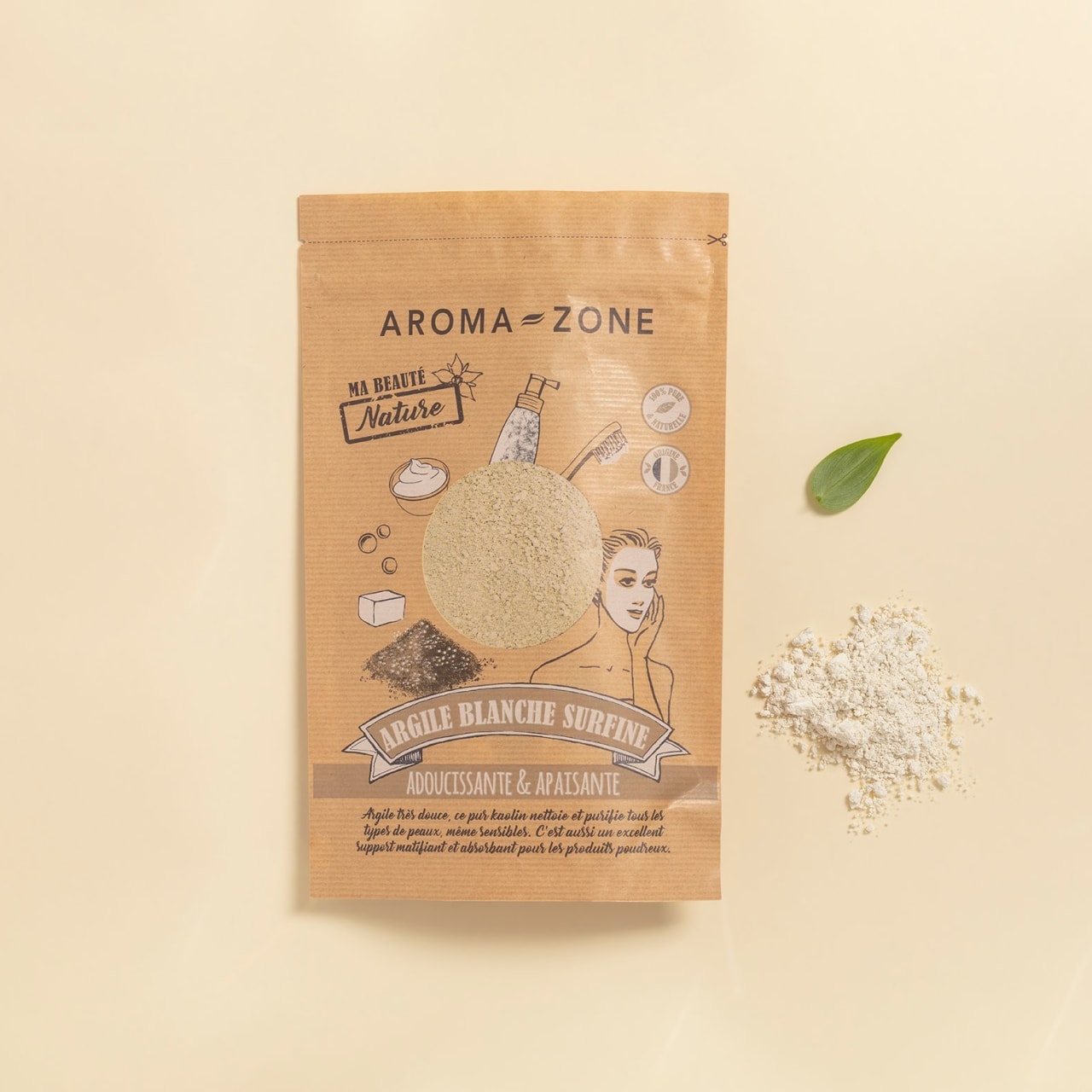
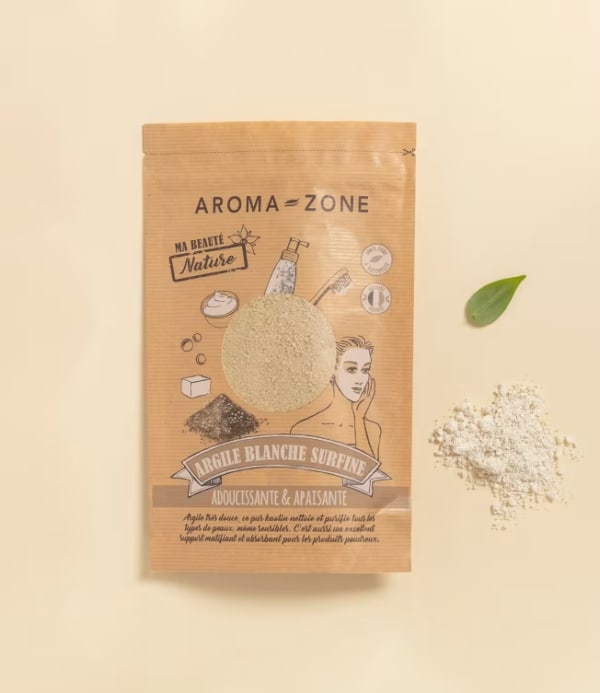
Extra-fine white clay (kaolin)

White Clay

It also has beneficial astringent properties. It can be used as a mask to take advantage of its mattifying and absorbent properties.

Discover our White Clay

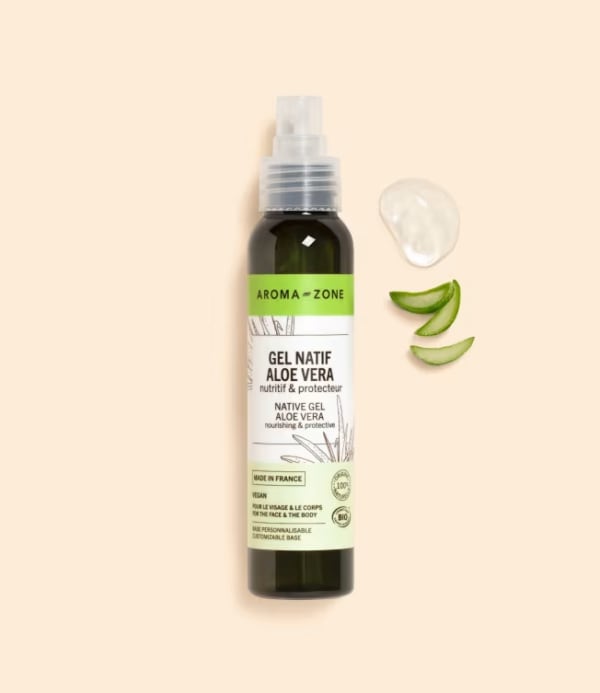
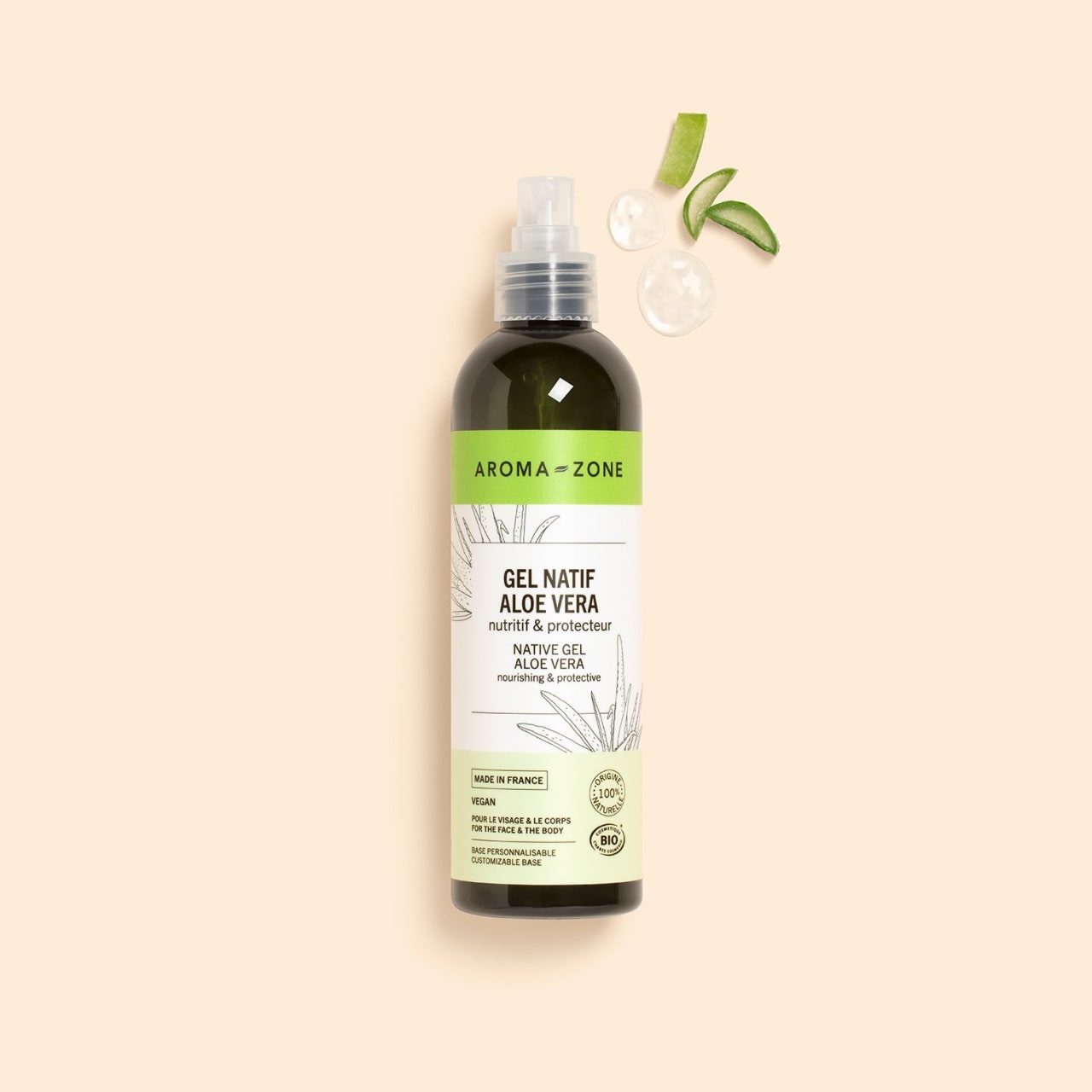
Organic Aloe Vera Gel

Aloe vera gel

Aloe vera has soothing and astringent properties that can help reduce sweating. Apply pure aloe vera gel to your face, leave it on for 20 minutes, then rinse with lukewarm water.

Discover our Aloe vera gel

Which natural home remedies should you try?

Apple Cider Vinegar

  • Properties: Apple cider vinegar has astringent properties that can help reduce sweating.

  • Usage: Mix one part apple cider vinegar with one part water. Apply this solution to your face using a cotton pad in the evening before bed. Leave it on for 30 minutes, then rinse with lukewarm water.

Lemon Juice

  • Properties: Lemon is astringent and can help tighten pores and reduce sweating.

  • Usage: Mix one tablespoon of lemon juice with one tablespoon of water. Apply the solution to your face with a cotton pad, leave it on for 20 to 30 minutes, then rinse with lukewarm water. It’s best to do this in the evening, as lemon can make your skin photosensitive.

Black Tea

  • Properties: Black tea contains tannins that have astringent properties and can help reduce sweating.

  • Usage: Brew a cup of strong black tea, let it cool, then apply it to your face with a cotton pad. Leave it on for 20 to 30 minutes, then rinse with lukewarm water.

What routine should you follow for a facial antiperspirant?

  1. Adopt a suitable skincare routine, prioritizing natural products with fragrance-free formulas that are gentle on the skin. 

  2. Before heading out, apply 100% natural alum stone to your face, temples, and upper lip.

  3. Refresh your face regularly using a thermal water spray or a spray bottle filled with sage hydrosol. 

  4. Apply white clay masks to absorb toxins and regulate sebum and sweat production.

How can you prevent excessive facial sweating?

Avoid spicy foods and caffeine. Spicy foods and caffeine can stimulate sweating. Avoid them as much as possible, along with alcoholic beverages, which can also worsen excessive sweating. 

Practice relaxation techniques. Stress can worsen hyperhidrosis. Learn relaxation techniques, such as meditation, deep breathing, or yoga, to reduce stress and calm your body.

Our recipes for facial sweating

Precautions for Use

When using natural solutions for facial sweating, be mindful of the following points.

  • Perform a patch test first, before applying it to the sensitive skin of your face. 

  • Avoid contact with the eyes: Some products may be irritating; avoid the eye area. If contact occurs, rinse thoroughly.

  • If natural remedies are not enough or if you notice irritation or worsening symptoms, it is essential to consult a healthcare professional.

Expert Advice

The skin is a secondary emunctory organ, meaning that when other elimination organs are overloaded, it takes over and allows the body to eliminate toxins.  A healthy lifestyle—including a balanced diet low in processed foods, effective stress management, and regular physical activity—can help ensure that the primary emunctory organs function at their full potential. 

It is also possible to support the skin by inducing controlled sweating, for example through exercise, sauna use, or hot baths.

Spotlight on Our Specialist Editor: Marie-Adine Bories

Marie Adine.jpg

Marie-Adine is a naturopath and a graduate of the Institut de Naturopathie Humaniste. For several years now, she has been helping her clients to be proactive about their own health by creating personalised, educational programmes. Passionate about our emotions and their impact on our ability to heal, she teaches a range of health techniques to help us manage stress, improve sleep, and boost vitality.

Frequently Asked Questions

Frequently Asked Questions