Dietary supplement for intimate comfort: benefits and instructions for use

Dietary supplement for intimate comfort: benefits and instructions for use


By Emilie Ondet

Published on: Tuesday, January 27, 2026, Updated on: Friday, October 16, 2026

Intimate discomfort is an issue that affects a large number of women, whether occasionally, regularly or at a particular stage in their lives. From a lack of moisture to an imbalance in the vaginal flora, there are many possible causes. Aroma-Zone has developed a dietary supplement designed to address these issues: a combination of patented probiotic strains and hyaluronic acid that is unique on the market. 

Contents

Related products

What is the vaginal flora (or vaginal microbiota)?

The vaginal flora is the collection of microorganisms naturally present in the vagina, primarily those known as lactobacilli.

The composition and structure of the vaginal microbiota have been extensively studied. It undergoes significant physiological changes throughout a woman’s life, from birth to the menopause. 

The pH (hydrogen ion concentration) of the vagina plays a very important role in this balance. The vaginal pH is naturally acidic (between 3.8 and 4.5). The beneficial bacteria that make up the vaginal microbiota help maintain this acidity, by producing lactic acid, which is hostile to pathogens. Acting as protective shields, they thus prevent infections, inflammation and intimate imbalances. 

It has been shown that hormone and glycogen levels in the vagina contribute to fluctuations in vaginal pH, thereby compromising the vaginal balance. (1) This imbalance affects 19 to 24 per cent of women of childbearing age each year (2).

Why can intimate comfort be disrupted?

The balance of the vaginal microbiota is delicate and easily disrupted by various factors throughout a woman’s life. Hormonal imbalances (menopause, premenstrual syndrome, pregnancy and the postnatal period, etc.) are a major cause. Taking antibiotics is another. And as is often the case, overall lifestyle has an impact on the balance of the vaginal flora. 

Vulval hygiene and loss of moisture

Lifestyle and local hygiene in this area are key factors in a woman’s intimate comfort.

Hygiene : vaginal douching appears to have negative effects on the vaginal microbiota: indeed, repeated washing with water alone could cause long-term irritation to the mucous membrane. Using an unsuitable soap can alter the lipid balance of the vaginal mucosa, increasing water loss and heightening the risk of irritation. A very recent study (3) suggests that syndets – synthetic soaps often referred to as ‘soap-free soap’ – have a gentle cleansing effect, promote hydration of the area, maintain a pH suitable for the vulva and protect the vulval microbiota. They are therefore considered the most suitable for vulvar care.

Hormones: After the menopause and in the absence of hormone replacement therapy, the vulval epithelium becomes thinner and gradually atrophies. In postmenopausal women, the reduction in oestrogen levels leads, in particular, to greater epithelial fragility, as well as reduced hydration and increased susceptibility to irritation. (3)

Hydration and diet: Inadequate fluid intake or a lack of polyunsaturated fatty acids in the diet can have a negative impact on vaginal hydration.

Hormonal fluctuations and the vaginal microbiota

A woman’s life is a hormonal symphony. Hormonal fluctuations have a direct influence on vaginal health: hydration and the balance of the vaginal microbiota. 

At puberty, levels of sex hormones gradually rise. This promotes thickening of the vaginal epithelium and the storage of glycogen. These are ideal conditions for the growth and proliferation of vaginal microorganisms. (4)

During menstruation, the pH of the blood (7.2–7.4) causes an increase in vaginal pH (which is normally acidic, around 4). This rise in pH leads to a significant increase in the risk of vaginal dysbiosis (imbalance) and, consequently, discomfort. Furthermore, during menstruation, iron from blood cells becomes a ‘food source’ for a number of bacteria (both beneficial and pathogenic). All of this leads to an increase in vaginal microbial diversity. It is therefore possible to experience intimate discomfort during your period. But nature works in wonderful ways: once your period has ended, sex hormones gradually begin to rise again and the epithelial cells of the vaginal wall thicken, releasing glycogen, which promotes the production of lactic acid, thereby lowering the vaginal pH and encouraging the proliferation of lactobacilli. Vaginal eubiosis (balance) is re-established. The discomfort then normally disappears naturally. 

During pregnancy, the vaginal microbiota of the pregnant woman changes. At the very start of pregnancy, the immune system weakens to facilitate embryo implantation; the diversity of the vaginal flora then increases and the quantity of Lactobacillus decreases. As pregnancy progresses, the vaginal flora stabilises, once again making way for Lactobacillus lactis. These bacteria lower the pH of the vagina (which then becomes more acidic), thereby limiting the colonisation and growth of other bacteria, including harmful ones, and thus reducing the incidence of infections. (4)

During the menopause, the decline in ovarian function leads to a drastic reduction in oestrogen secretion, resulting in significant endocrine, physical and psychological changes. Physical symptoms include: dryness, irritation, pain and reduced lubrication (among others), all of which contribute to significant discomfort. (5) This can be partly explained by changes in the composition of the vaginal microbiota in postmenopausal women. One study showed that nearly 50 per cent of postmenopausal women had low levels of lactobacilli in their vaginal microbiome. Lower levels of lactobacilli are associated with a reduced libido and increased vaginal dryness (compared with women whose vaginal microbiota contains higher levels of lactobacilli). (4)

Antibiotic treatment

The main function of antibiotics is to destroy or prevent the growth of certain microorganisms. It is therefore easy to understand that antibiotics can disrupt the bacterial balance of the vaginal microbiota. 

What are the benefits of the ‘Intimate Comfort’ dietary supplement?

In recent years, the use of probiotics for the management and prevention of vaginal imbalances has increased significantly. Probiotics are thought not only to restore normal vaginal homeostasis (balance) by promoting the proliferation of beneficial microorganisms, but also to reduce associated symptoms (pain, inflammation, discomfort, etc.). (1)

This food supplement is a unique, specifically formulated blend, designed to holistically support women’s intimate wellbeing: 

  • Supporting the balance of the intimate flora: the patented SynbÆctive® Femme probiotic strain blend (comprising Lactobacillus plantarum PBS067, Lactobacillus rhamnosus LRH020, Bifidobacterium lactis BL050) has demonstrated beneficial effects on vaginal comfort in several clinical studies (2), (6), (7). The strains Lactobacillus crispatus and Lactobacillus acidophilus complete the formula to help maintain women’s intimate wellbeing.

  • Promoting intimate hydration: thanks to ExceptionHYAL® Blossom hyaluronic acid, a ‘full-spectrum’ hyaluronic acid – meaning it has a wide range of molecular weights – which has been shown to have positive effects on the hydration of the vaginal mucosa at a dose of 200 mg/day (5).

  • Mucosal wellbeing: vitamin B2 is recognised for helping to maintain normal mucous membranes.

carrousel-ft_confort-intime_1.jpg

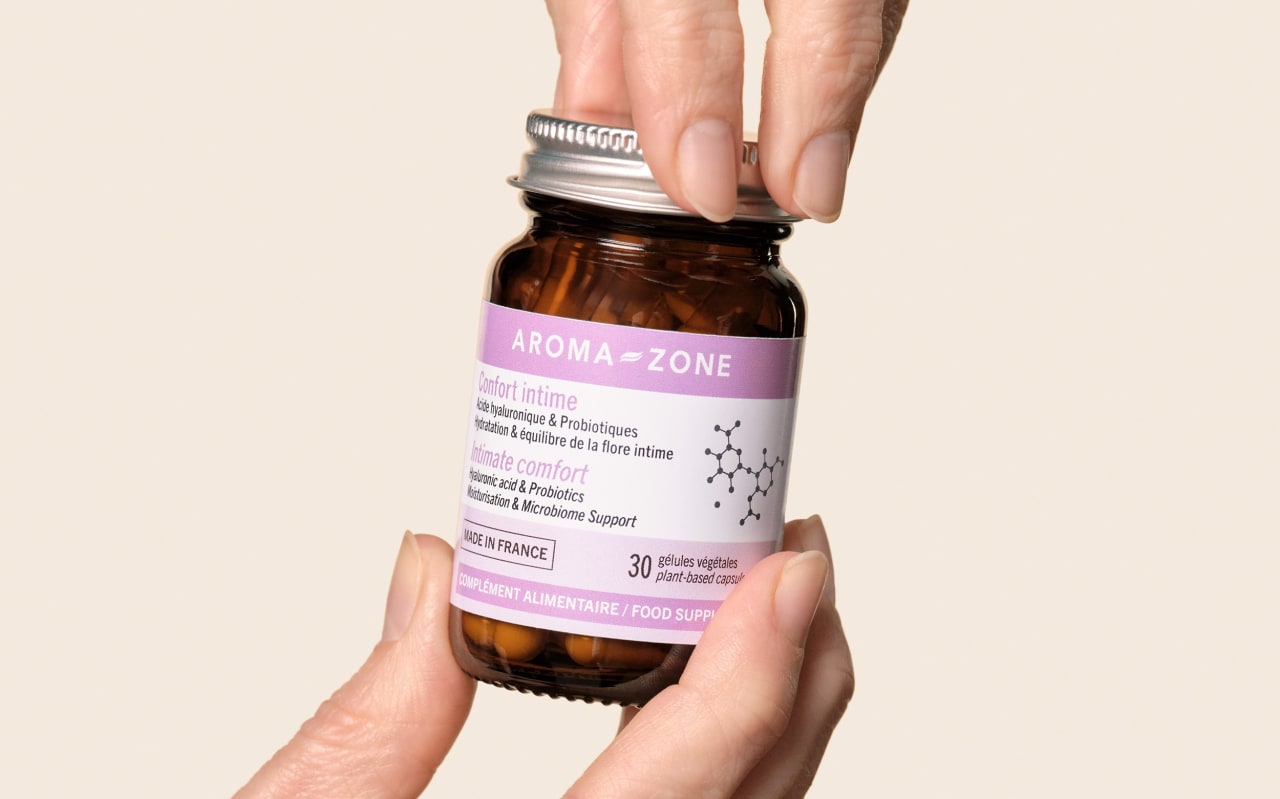
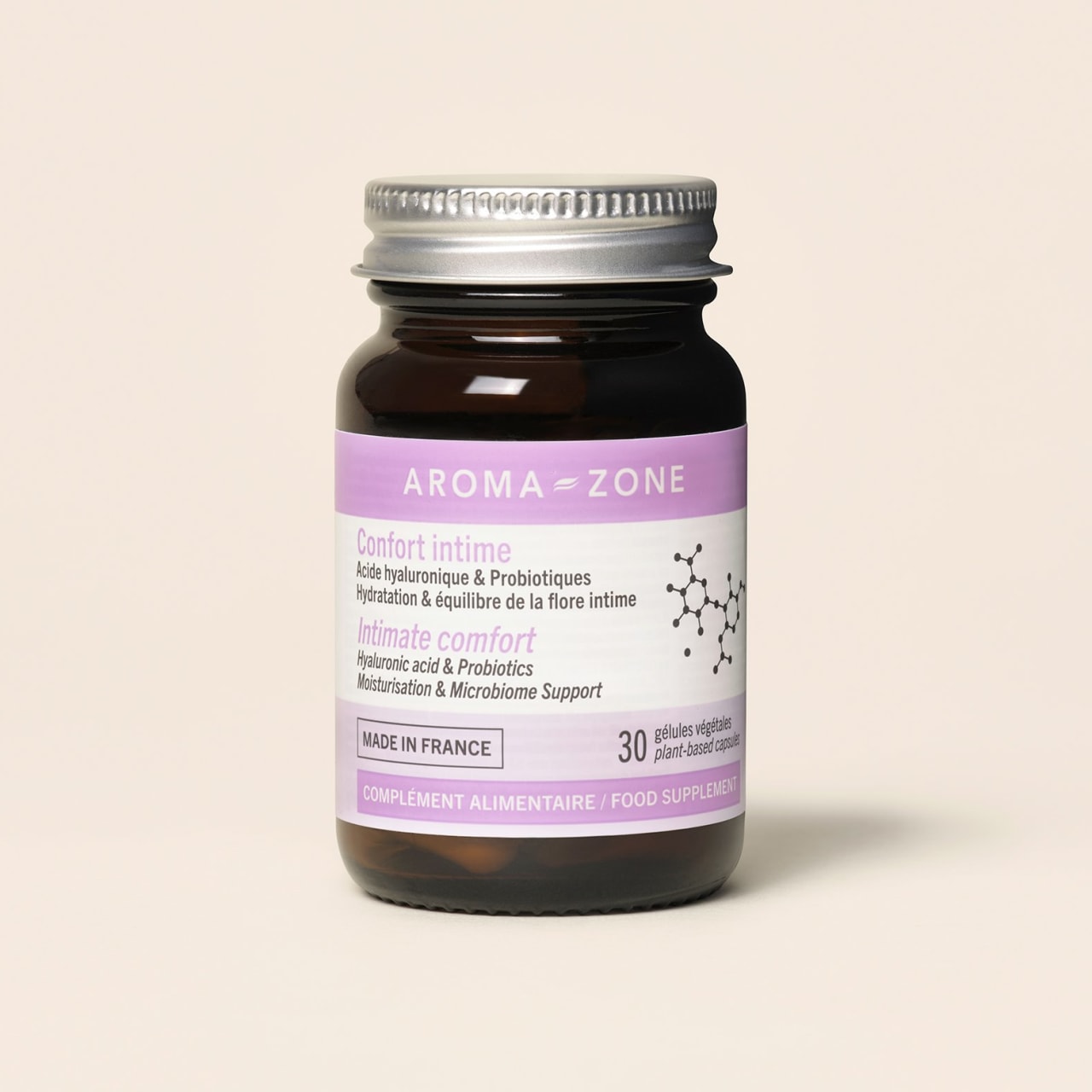
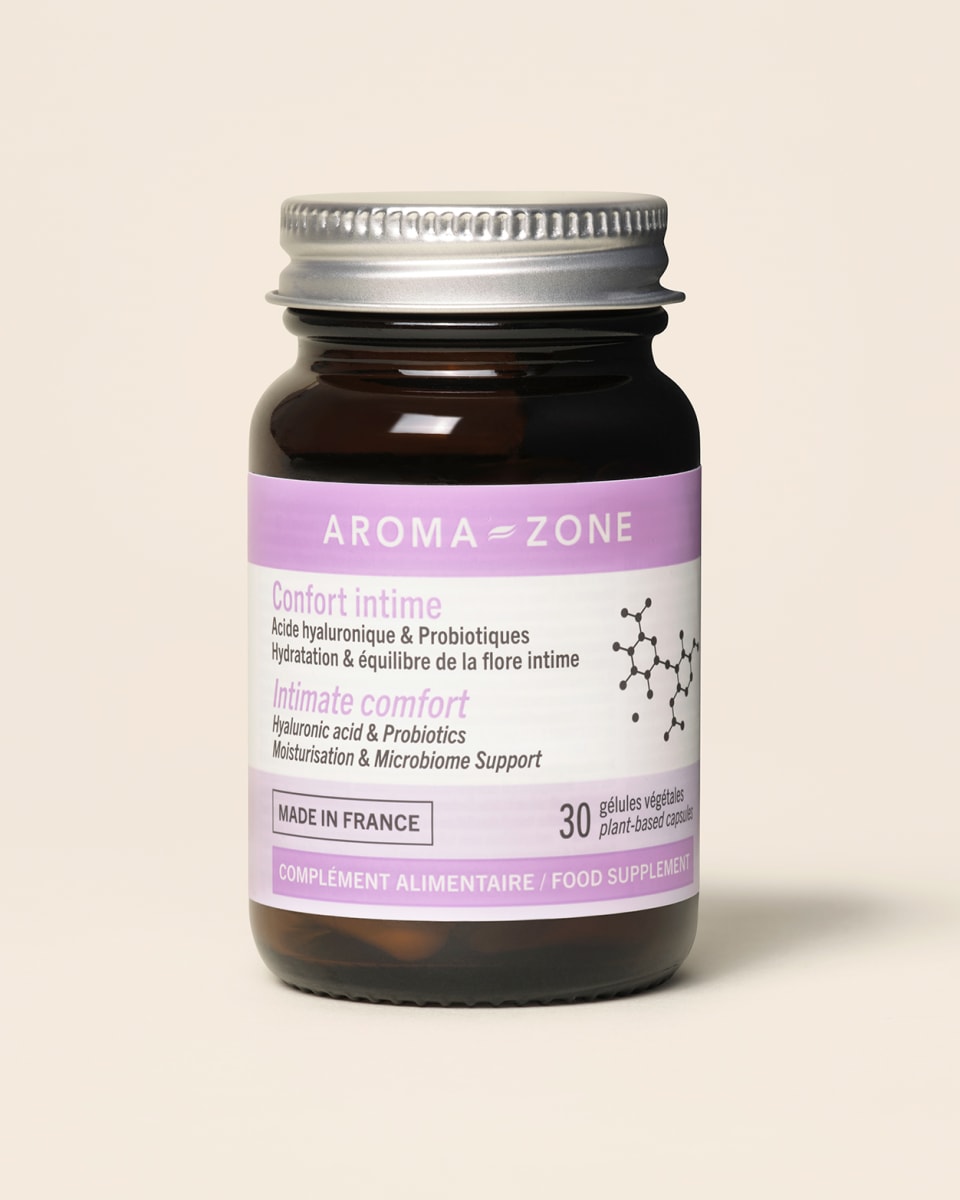
Intimate Comfort – 30 capsules – Dietary supplement

Specifically formulated for intimate comfort, this innovative dietary supplement combines ExceptionHYAL® Blossom hyaluronic acid, probiotic strains specifically selected for their targeted action on the vaginal microbiota, and naturally sourced vitamin B2, recognised for its role in maintaining healthy mucous membranes. A unique formula, designed to support women from their menstrual years through to the menopause and beyond, to promote vaginal balance, hydration and sexual comfort.

Discover Intimate Comfort – 30 capsules – Dietary supplement

When should you take the ‘Intimate Comfort’ dietary supplement?

During periods of intimate imbalance and discomfort

Women are not immune to occasional intimate discomfort. Intense stress, an unbalanced diet, insufficient hydration, inappropriate intimate hygiene… there is no shortage of reasons. In cases of chronic discomfort, studies have shown that SynbÆctive® Femme has a positive impact on the recurrence of certain discomforts. (2)

During or after the menopause

ExceptionHYAL® Blossom hyaluronic acid has been shown to significantly improve symptoms and intimate wellbeing after 8 weeks of taking 200mg per day (5), and taking the SynbÆctive® Femme active ingredient has also led to an improvement in intimate wellbeing after 28 days of use (7). 

After taking antibiotics

Antibiotic therapy is, by definition, a treatment against bacteria. Broad-spectrum antibiotics are more likely to disrupt both the gut and vaginal microbiota. This can lead to discomfort. 

As a preventative measure

Finally, certain life events can lead to intimate discomfort: hormonal changes, periods, travelling, swimming in pools or the sea… It may therefore be worth taking preventative measures. 

What are the key active ingredients in the formulation?

ExceptionHYAL® Blossom full-spectrum hyaluronic acid

Hyaluronic acid is widely known for its powerful moisturising properties. This is a specific form of hyaluronic acid, produced using ExceptionHYAL® technology. This is referred to as ‘full-spectrum’ hyaluronic acid, meaning it has been developed with a broad spectrum of molecular weights. A clinical study involving 30 postmenopausal women experiencing vaginal discomfort was conducted over 8 weeks at a dose of 200 mg/day of hyaluronic acid. This study demonstrated a 21 per cent reduction in all symptoms of vaginal discomfort: improved elasticity, pH, secretions and mucosal integrity. (5)

SynbÆctive® Women’s Probiotic Blend

This is a blend of probiotic strains (Lactobacillus plantarum PBS067, Lactobacillus rhamnosus LRH020, Bifidobacterium lactis BL050), to which the strain Lactobacillus crispatus—recognised for its essential role in maintaining female intimate wellbeing—and the strain Lactobacillus acidophilus, a bacterium naturally present in the vaginal microbiota, as discussed previously.

The SynbÆctive® Femme probiotic blend has been the subject of several clinical studies (2)(6)(7):

  • In women of childbearing age: a significant increase in Lactobacillus and Bifidobacterium populations was observed in women who took SynbÆctive® Femme for 14 days (compared with the placebo group). A reduction in the recurrence of intimate discomfort to 16 per cent was also observed in women who took SynbÆctive® Femme (for 14 consecutive days, followed by one week per month after their period for 4 months), compared with 40 per cent in women who did not take the probiotics as a supplement.

  • In postmenopausal women: a significant improvement in vaginal comfort was observed in women who took SynbÆctive® Femme for 28 days.

Vitamin B2

This naturally sourced vitamin B2 is recognised for maintaining the well-being of the vaginal mucosa. It complements the formula.

What routine should you follow when using this product?

  1. A diet rich in omega-3 and fibre: Omega-3s ensure the natural lubrication of the mucous membranes. Fibre is the ‘natural food’ for our gut bacteria. By ensuring you include high-quality fatty acids (oily fish, nuts and seeds, and vegetable oils rich in omega-3 and omega-6), fruit, green vegetables and whole grains in your daily diet, you’ll be making a positive contribution to the natural hydration of your mucous membranes and the wellbeing of your vaginal microbiota. 

  2. Adequate hydration: Water is the source of life. But it is also essential for keeping your mucous membranes properly hydrated, especially as you get older. 

  3. Effective stress management: stress can disrupt your vaginal microbiota. Natural health solutions are available. The Saffron & Rhodiola dietary supplement is ideal: it helps combat the harmful effects of stress, aids relaxation and promotes emotional balance. Its effectiveness has been clinically demonstrated in improving mood and mental wellbeing. An added bonus: this dietary supplement is also your ally during the menstrual cycle or the menopause, helping to combat mood swings and nervousness. 

  4. Appropriate intimate hygiene: Excessive hygiene or the use of an unsuitable soap can disrupt your vaginal flora. Every woman is unique. Some are more sensitive than others to certain soaps. Syndets are generally formulated for the most delicate areas.

  5. Maintaining gut health: Equally sensitive to stress or an unsuitable diet, the balance of the gut microbiota is fragile. The Intestinal Comfort Probiotics combine five patented and clinically tested probiotic strains, including the SynbÆctive® SmilinGut blend, which has proven beneficial effects on the balance of the gut flora and intestinal comfort. 

  6. Hydrated skin and mucous membranes: one cannot discuss the hydration of mucous membranes and skin without mentioning hyaluronic acid. Hyaluronic acid in capsules is used as a dietary supplement to plump up your skin and mucous membranes from within, preserving their elasticity. The added benefit: it also helps to combat wrinkles.

Should you drink more water if you suffer from vaginal dryness?

Of course! Drinking enough water is essential for keeping the mucous membranes hydrated, including the vaginal mucosa. Let’s not forget that the skin is also made up of fatty acids, which enable the natural lubrication of the mucous membranes. It is therefore a good idea, with a view to maintaining vaginal health, to include foods rich in omega-3 fatty acids in your diet, such as oily fish, linseeds and nuts. 

Precautions and Contraindications

This dietary supplement is for adults only.

It is not recommended for pregnant women. If you are breastfeeding, seek advice from a healthcare professional before taking any supplements.

Expert advice

As we have explained, the vaginal flora of healthy women is dominated by lactobacilli, bacteria that inhibit the growth of pathogenic microorganisms by producing lactic acid and releasing various antimicrobial compounds. Maintaining this (delicate) balance in women’s vaginal flora plays a key role in determining whether or not inflammatory infections of the reproductive system develop. Preserving this balance helps to prevent future complications or infections (4). 

Article Written by Emilie Ondet, Biochemistry Engineer

Photo: Emilie Ondet (1)

Emilie is a biochemistry and natural active ingredients engineer. Emilie is also a naturopath, nutrition adviser and writer specialising in health, nutrition and wellbeing. She has worked for over 10 years in the pharmaceutical industry and in scientific communication, which gives her a comprehensive understanding of health and enables her to discuss the subject with authority and clarity. Science is her foundation; words are her tools. She advocates a more preventative, more reasoned, more scientific and, of course, more natural approach to health!

Bibliography

  1. Malfa, Patrizia, et al. “Evaluation of Antimicrobial, Antiadhesive and Co-Aggregation Activity of a Multi-Strain Probiotic Composition against Different Urogenital Pathogens.”

    International Journal of Molecular Sciences 24.2 (2023): 1323.

  2. F. Murina et al., “Evaluation of an orally administered multistrain probiotic supplement in reducing the recurrence rate of bacterial vaginosis: a clinical and microbiological study”

    Advances in Infectious Diseases. 2019

  3. Bohbot JM, Rebelo C, Nappi RE. Vulvar Care: Reviewing Concepts in Daily Hygiene. Healthcare (Basel).

    26 June 2025;13(13):1523. doi: 10.3390/healthcare13131523. PMID: 40648548; PMCID: PMC12248671.

  4. Shen L, Zhang W, Yuan Y, Zhu W, Shang A. Vaginal microecological characteristics of women in different physiological and pathological periods. Front Cell Infect Microbiol.

    22 July 2022;12:959793. doi: 10.3389/fcimb.2022.959793. PMID: 35937699; PMCID: PMC9354832.

  5. Bertozzi E et al “A Sodium Hyaluronate-Based Oral Formulation as an Adjuvant for Radiofrequency with Radioporation Treatment in Women with Vulvovaginal Atrophy: a Preliminary Study”

    J Nurs Women’s Health 8: 194. (2023) https://doi.org/10.29011/2577-1450.100094"

  6. V. Mezzasalma et al., “Orally administered multispecies probiotic formulations to prevent urogenital infections: a randomised placebo-controlled pilot study”

    Arch Gynecol Obstet, 2016. Erratum in: Arch Gynecol Obstet, 2017

  7. Vicariotto, F et al. “Efficacy of Lactiplantibacillus plantarum PBS067, Bifidobacterium animalis subsp. lactis BL050, and Lacticaseibacillus rhamnosus LRH020 in the improvement of vaginal microbiota in post-menopausal women: a prospective observational clinical trial.”

    Nutrients 2024, 16, 402. https://doi.org/10.3390/nu16030402

Frequently Asked Questions

Frequently Asked Questions