
Dermaplaning is a technique that involves shaving the fine hair on the face and/or neck to remove excess dead skin cells from the surface of the epidermis, as well as fine hairs. This method, which can be performed at a beauty salon or at home, emerged about five years ago on social media and promises numerous benefits.
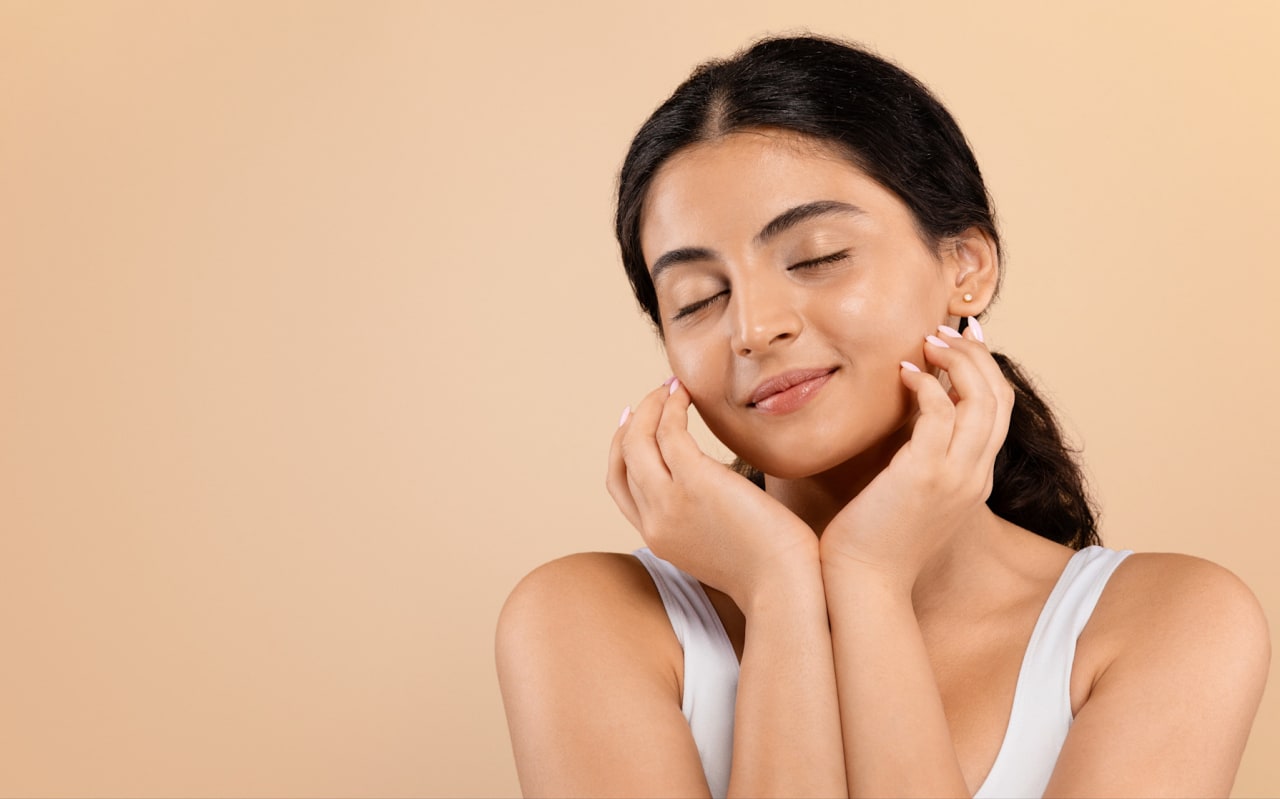
Is dermaplaning worth trying? The benefits and downsides to know
By Agathe Aoun
Published on: Thursday, April 17, 2025, Updated on: Tuesday, October 06, 2026
Dermaplaning, this trendy technique that involves shaving the face with a scalpel or razor blade, promises numerous benefits for the skin, but what’s the truth? How does a session work? What are the pros and cons? We’ll tell you everything you need to know.
Contents
Related products
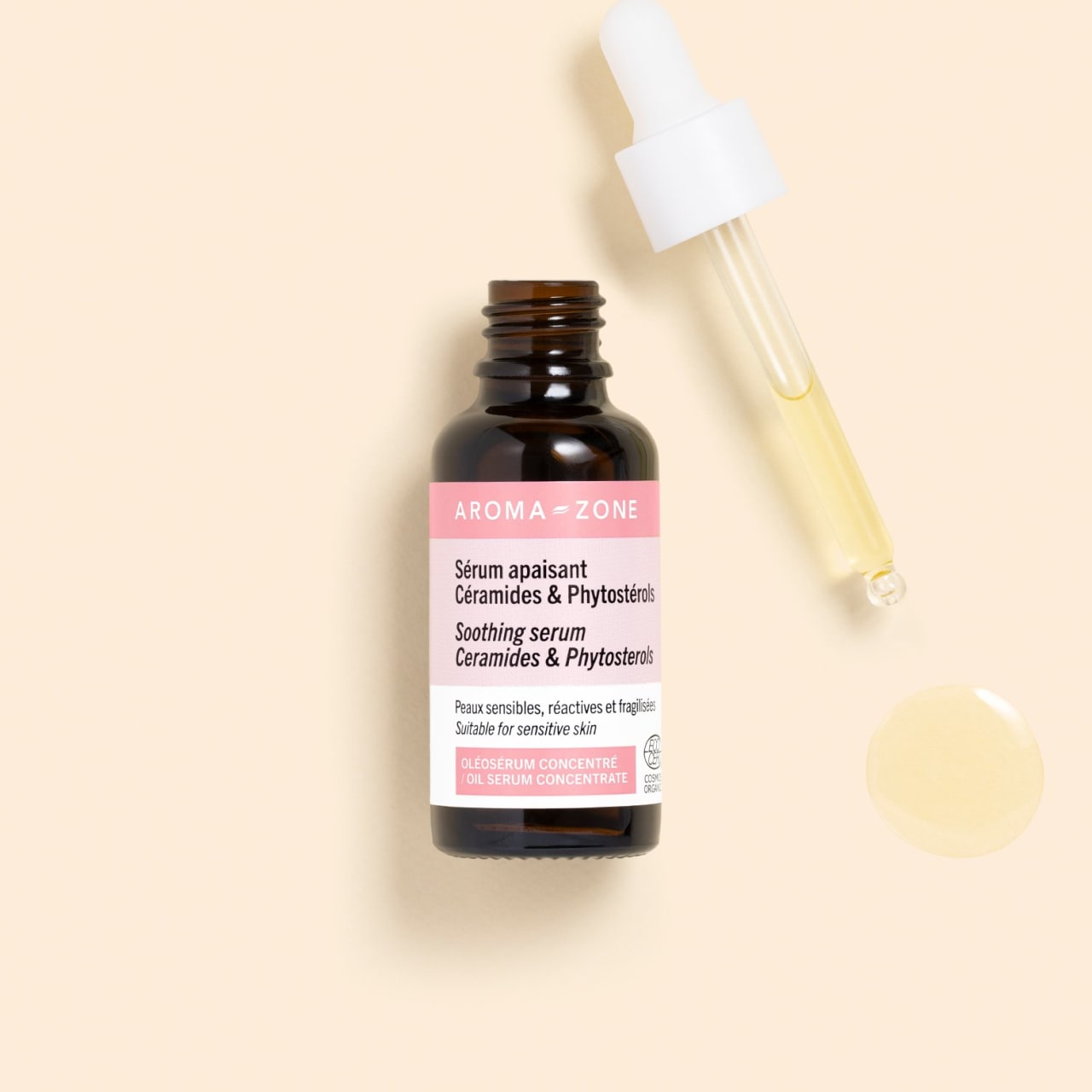
Ceramides & Phytosterols Serum
Soothing
Protective
£9.00
30 ml

Vitamin B12 & Prebiotics Serum
Soothing
Repairing
£9.00
30 ml
2 options
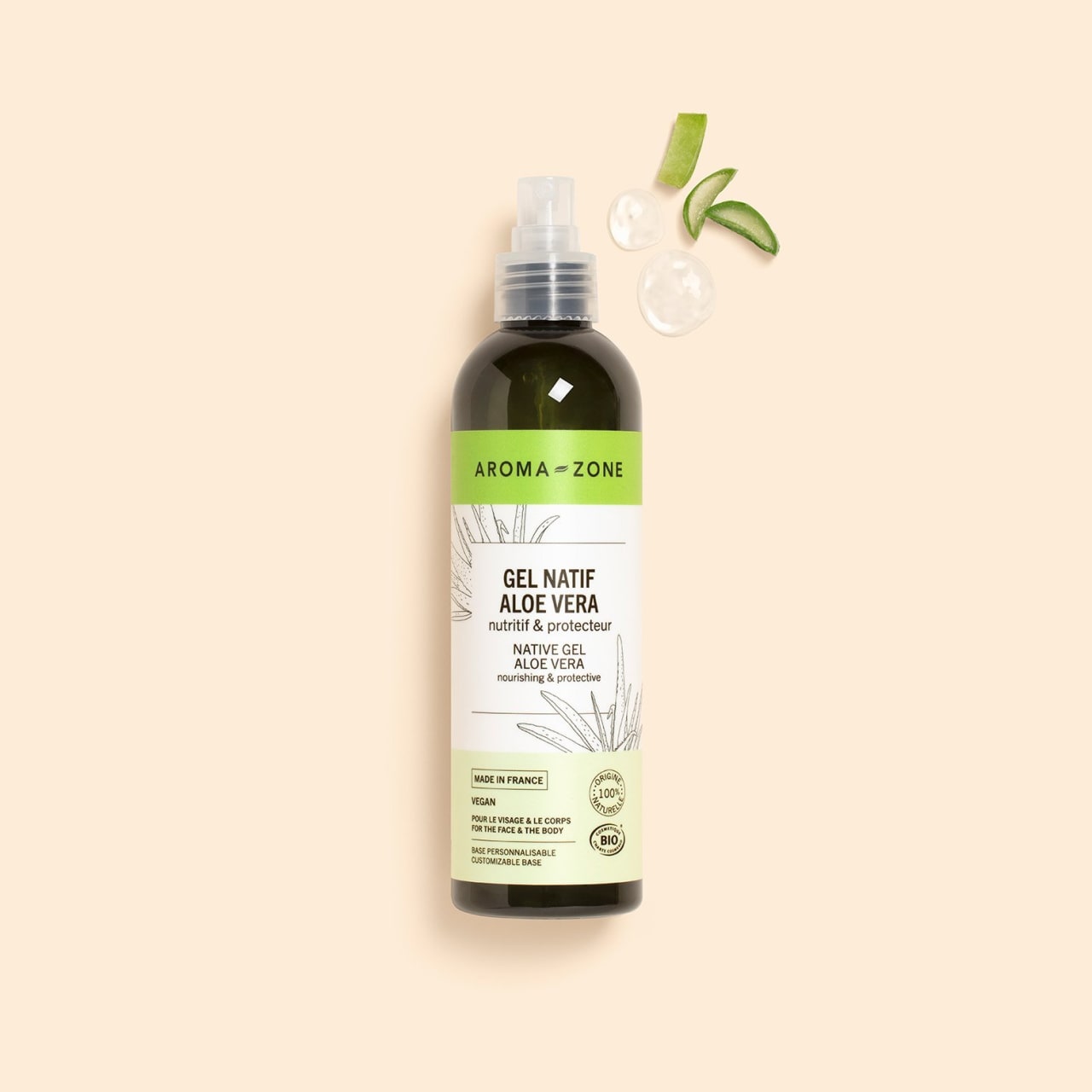
Organic Native Aloe Vera Gel
Protective
Nourishing
£10.00
250 ml
3 options
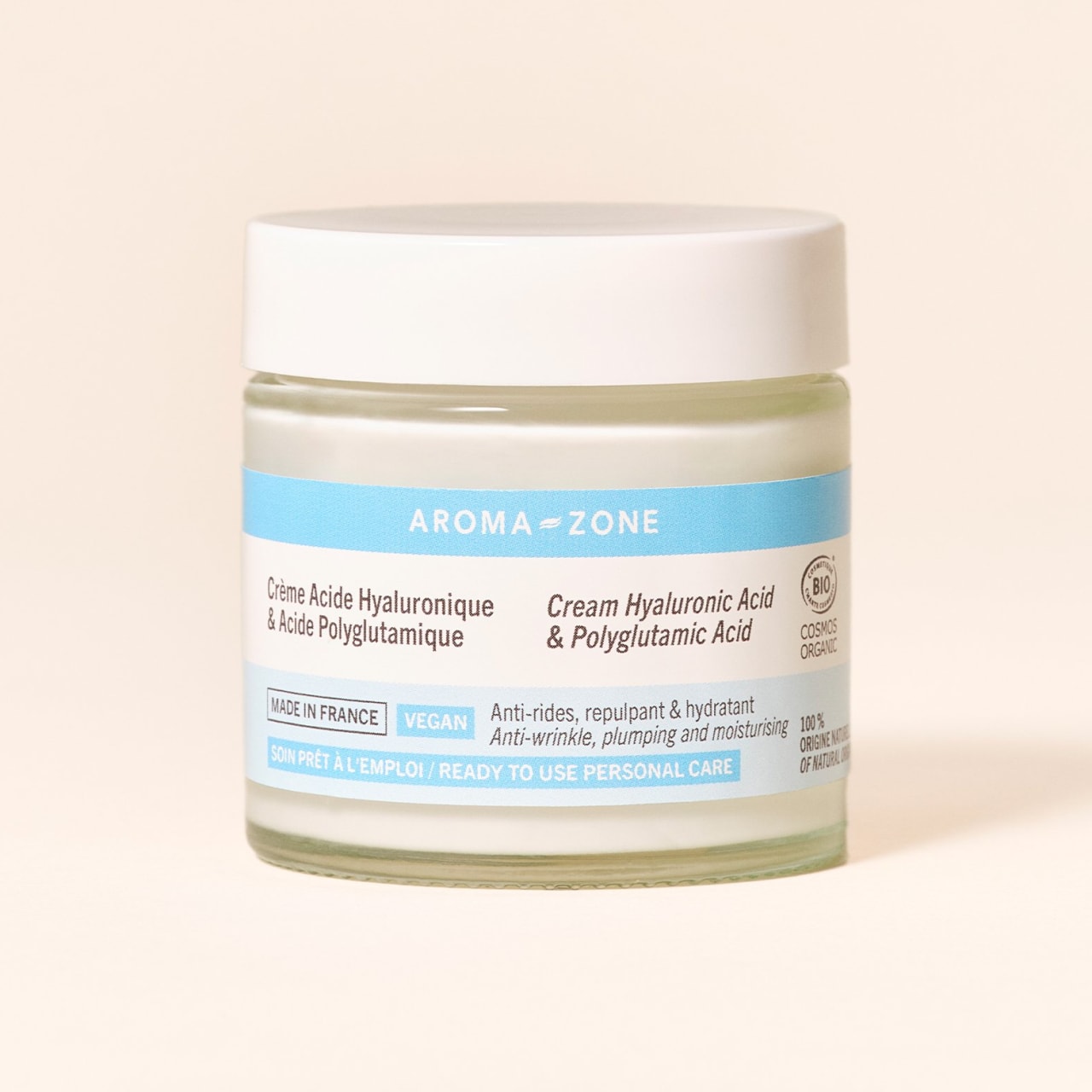
Hyaluronic Acid & Polyglutamic Acid Cream
Plumping
Moisturising
£10.00
50 ml
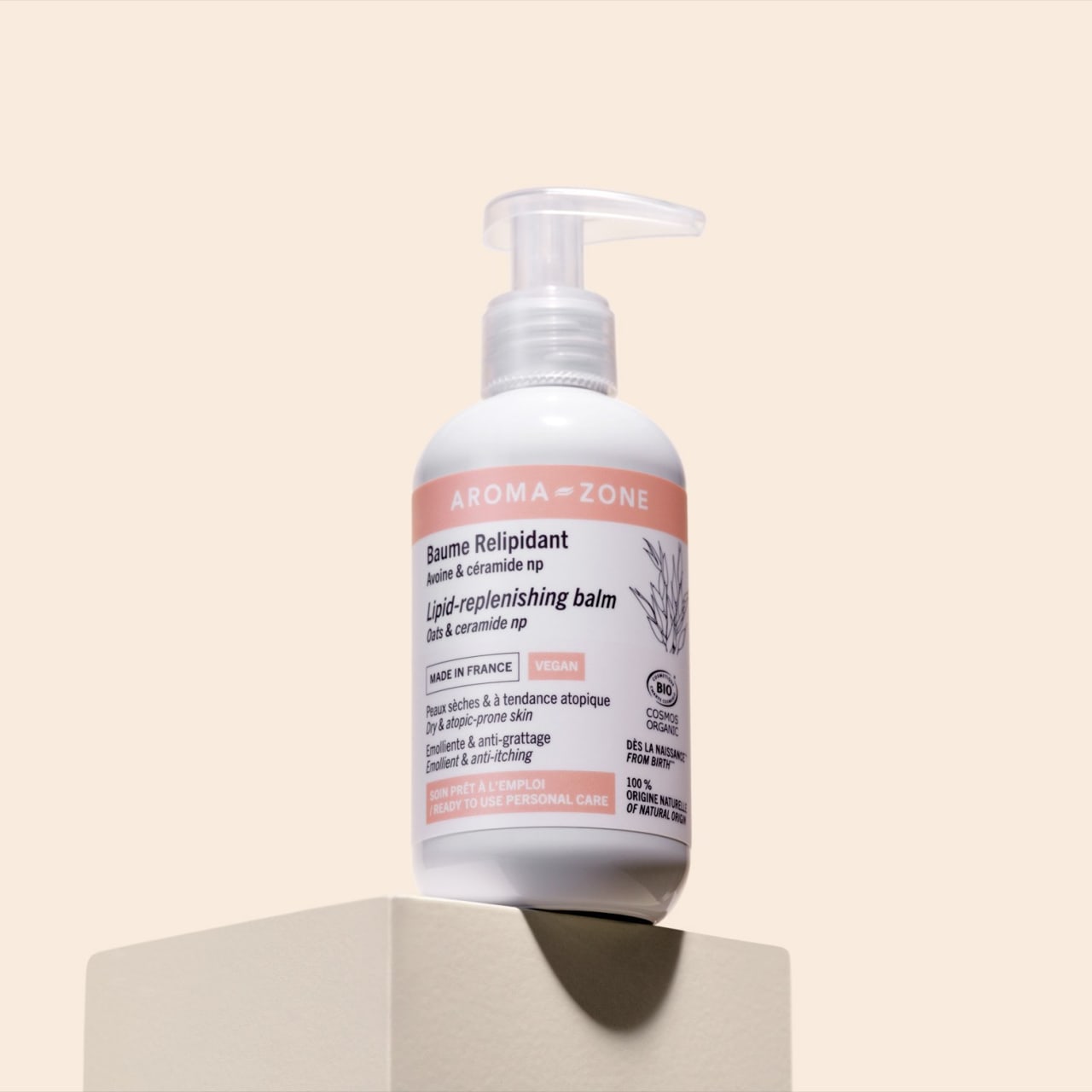
Lipid-Replenishing Balm With Oats & Ceramide NP
Repairing
Nourishing
£12.00
200 ml
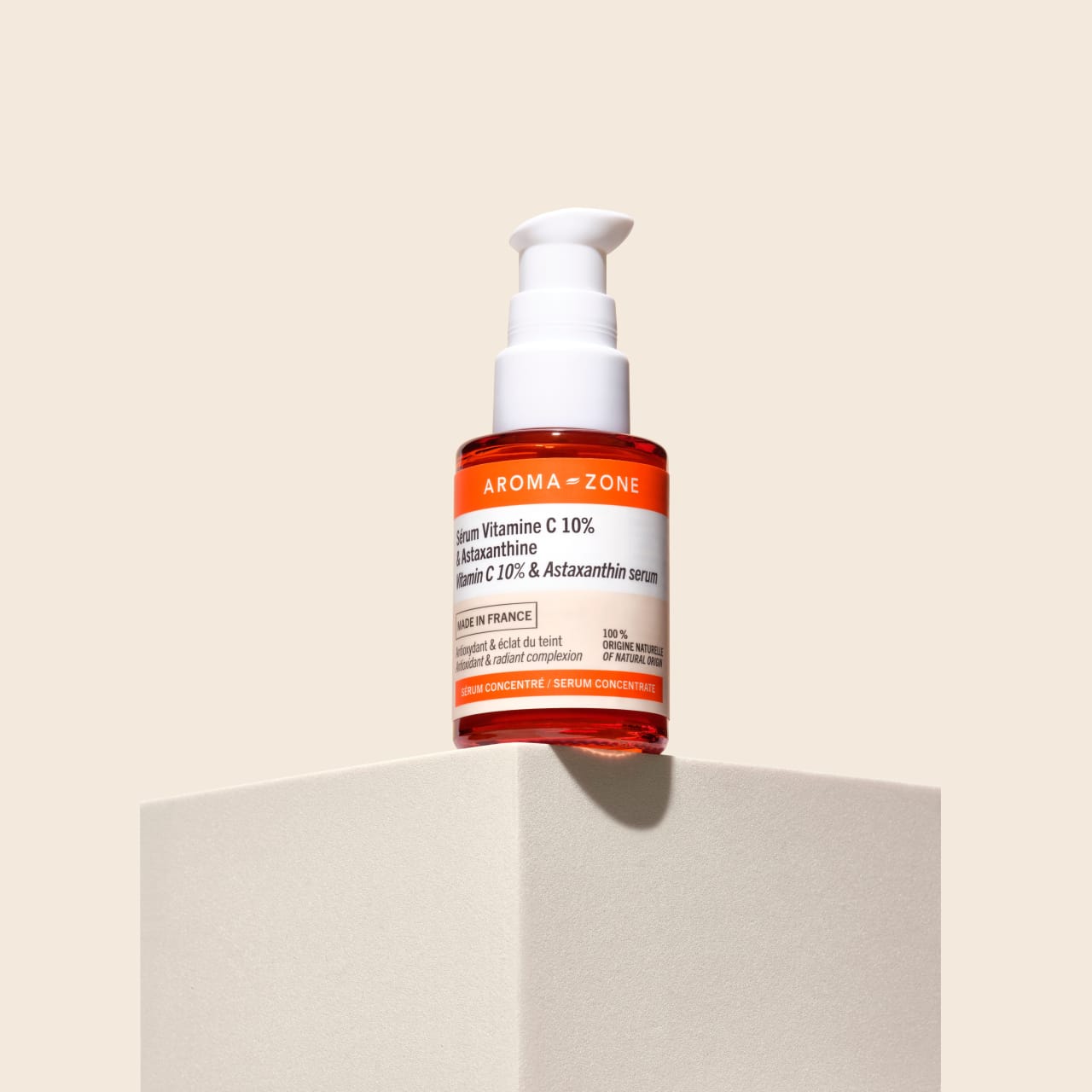
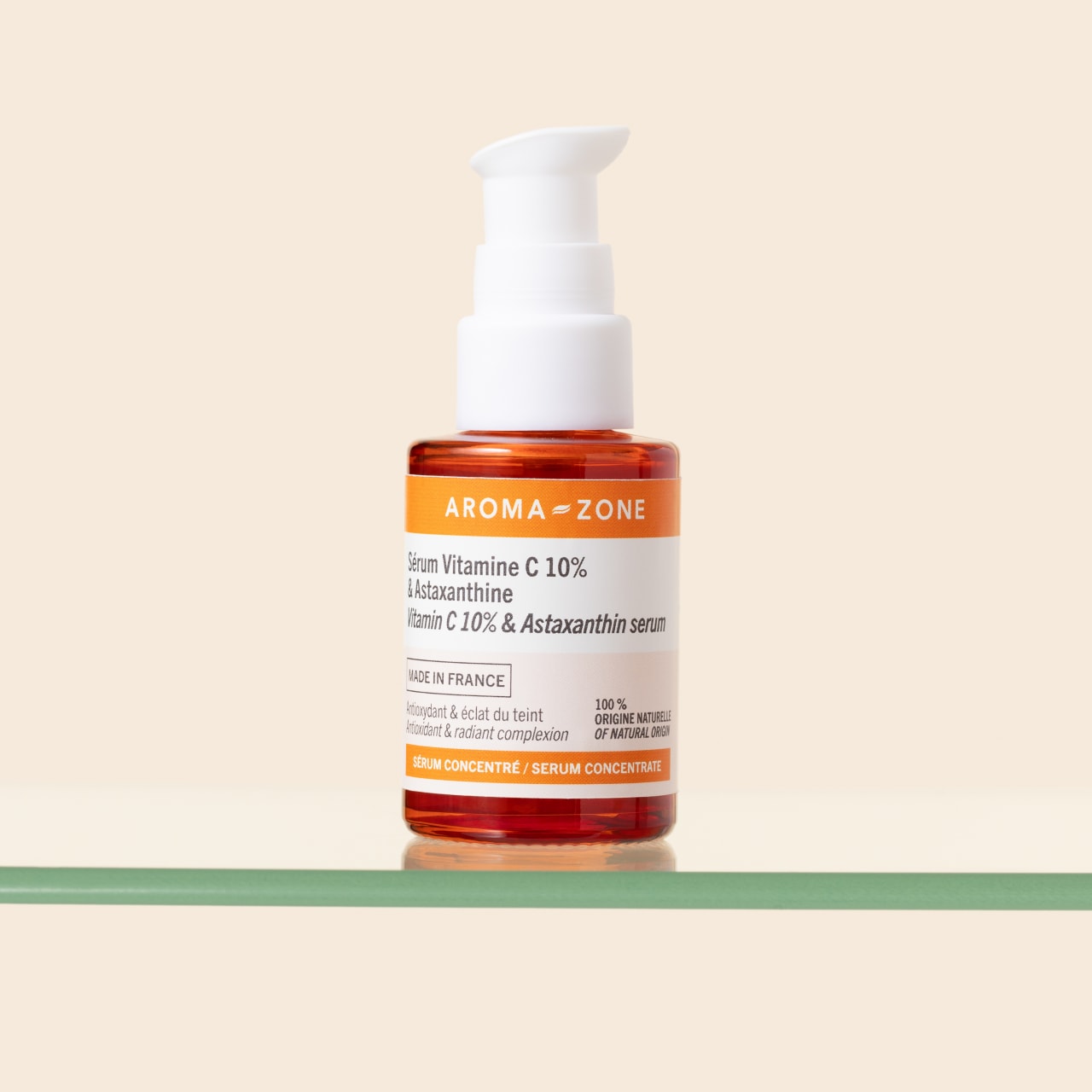
Vitamin C 10% & Astaxanthin Serum
Radiant complexion
Antioxidant
£9.00
30 ml
2 options
What is dermaplaning?
What are the benefits?
Improved complexion
Removal of facial peach fuzz, without aggravation when it grows back
Stimulation of cell renewal
Reduction of fine lines
Reduction of enlarged pores
Improved skin texture, smoother skin
Increased penetration of dermo-cosmetic products
How to do dermaplaning properly?
Here are the essential steps of a session:
Cleansing the skin with a suitable product after carefully removing makeup. Rinsing and gently drying.
Use of a blade (razor or scalpel, single-use) to “shave” the skin against the direction of hair growth across the entire face, taking care to pull the skin taut and avoid overly delicate areas (around the eyes).
Then apply a moisturising or healing cream, followed by sunscreen.
Who can perform dermaplaning?
This technique can be performed at a beauty salon or at home, provided basic hygiene rules are followed. Sessions should be spaced out approximately every month to minimise the risk of irritation and, consequently, skin sensitisation, which can eventually lead to highly reactive skin.
What products should you use after dermaplaning?
Immediately after the session, use moisturising and restorative products for the next 2 to 5 days, such as:
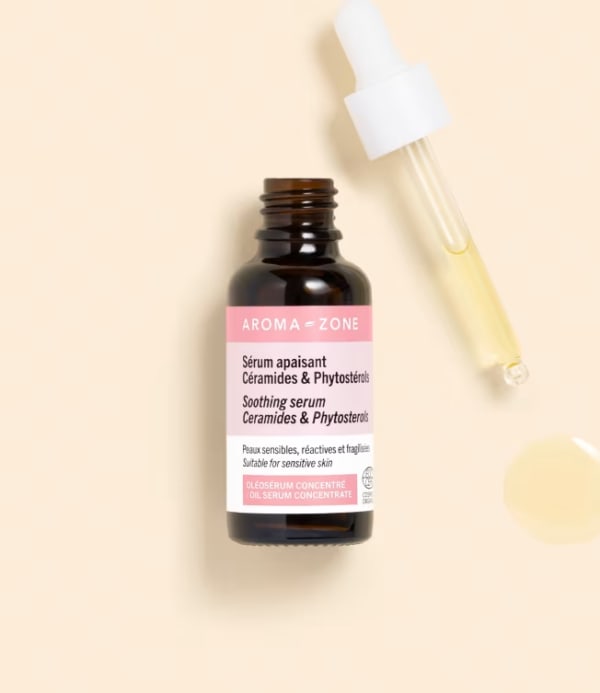
1. A moisturizing and anti-aging serum (retinal, fruit acids etc.) in the evening, before your moisturizer

2. Apply a vitamin C serum in the morning, followed by a moisturizer or even sunscreen (minimum SPF 30)
Afterward, you can resume your usual routine, ideally focusing on :

1. A pure and native organic aloe vera gel
2. A real soothing and moisturizing cream such as our Aloe Vera and Peppermint Cream

What are the downsides of dermaplaning?
Temporary irritation or redness: Immediately after the session, the skin may be red, sensitive, or even slightly irritated, especially if it is reactive.
Risk of cuts: The treatment involves the use of a very fine blade. If done improperly, it can cause small cuts or scrapes.
Pimples or acne breakouts: In some people, especially those with active acne-prone skin, dermaplaning can worsen pimples or cause minor breakouts.
Precautions
For the vitamin C and retinal serum: Store at room temperature, away from heat and light, and close the bottle tightly after use.
This product has a shelf life of 9 months after opening.
Precautions:
If discomfort occurs, use less frequently.
Avoid the eye area.
Keep out of reach of children.
For the glycolic acid serum: Store at room temperature, away from heat and light, and close the bottle tightly after use.
This product has a shelf life of 9 months after opening.
Precautions:
This exfoliating serum is for evening use only. Use daily sunscreen and avoid sun exposure for up to one week after the last application.
Avoid the eye area.
If irritation occurs, discontinue use.
Keep out of reach of children.
Expert advice
My opinion as a dermatologist is simple: if the goal is to remove fine facial hair to even out your complexion, and you don’t have any hormonal issues, then: go for it!
If it’s to reduce signs of ageing, improve your skin texture, etc., then consult a dermatologist instead, who can guide you on the best course of action based on your skin type: a tailored routine, targeted active ingredients, and perhaps chemical peels.

Dr Agathe AOUN - COUSSIEU is a dermatologist in Martinique, where she practises general, surgical and cosmetic dermatology. With a keen interest in skin wellbeing, she also provides advice and treatments that are as natural as possible and tailored to sensitive or specific skin types. She has also set up an Instagram account where you can find her favourite products, explanations of skin conditions and skincare advice (@dragatheaoun).
Bibliography
Tijani AO, Frempong D, Kaur J, Sergent S, Shaw K, Lessaint R, Al Shawi M, Verana G, Puri A. Dermaplaning for Transdermal Drug Permeation Enhancement: A Qualitative and Quantitative Assessment. AAPS PharmSciTech. 2023 Feb 1;24(2):54. doi: 10.1208/s12249-023-02505-y. PMID: 36725790.
Pryor L, Gordon CR, Swanson EW, Reish RG, Horton-Beeman K, Cohen SR. Dermaplaning, topical oxygen, and photodynamic therapy: a systematic review of the literature. Aesthetic Plast Surg. 2011 Dec;35(6):1151-9. doi: 10.1007/s00266-011-9730-z. Epub 2011 May 2. PMID: 21533984.
Frequently Asked Questions
Associated tips
Face care tips
Face care tips
Face care tips

Face care tips
Skin care tips
Skin care tips


