
Delabos Chrononutrition: How to Plan Your Meals?
Published on: Wednesday, July 30, 2025, Updated on: Wednesday, October 21, 2026
Lose weight without depriving yourself, restore better digestive balance, and reconnect with your body’s natural hunger cues… That’s what chrononutrition promises—a method developed by Dr. Alain Delabos. The principle? Eating the right foods at the right time, in harmony with the body’s biological rhythm. Presented in the form of sample menus, this approach is based on dietary chronobiology, a discipline that studies the impact of timing on metabolism. But how do the Delabos menus work? Which foods should you prioritize, avoid, or eat in the evening? And why are yogurts off-limits at certain times? Here’s a comprehensive overview of this method that’s making waves.
Contents
Related products
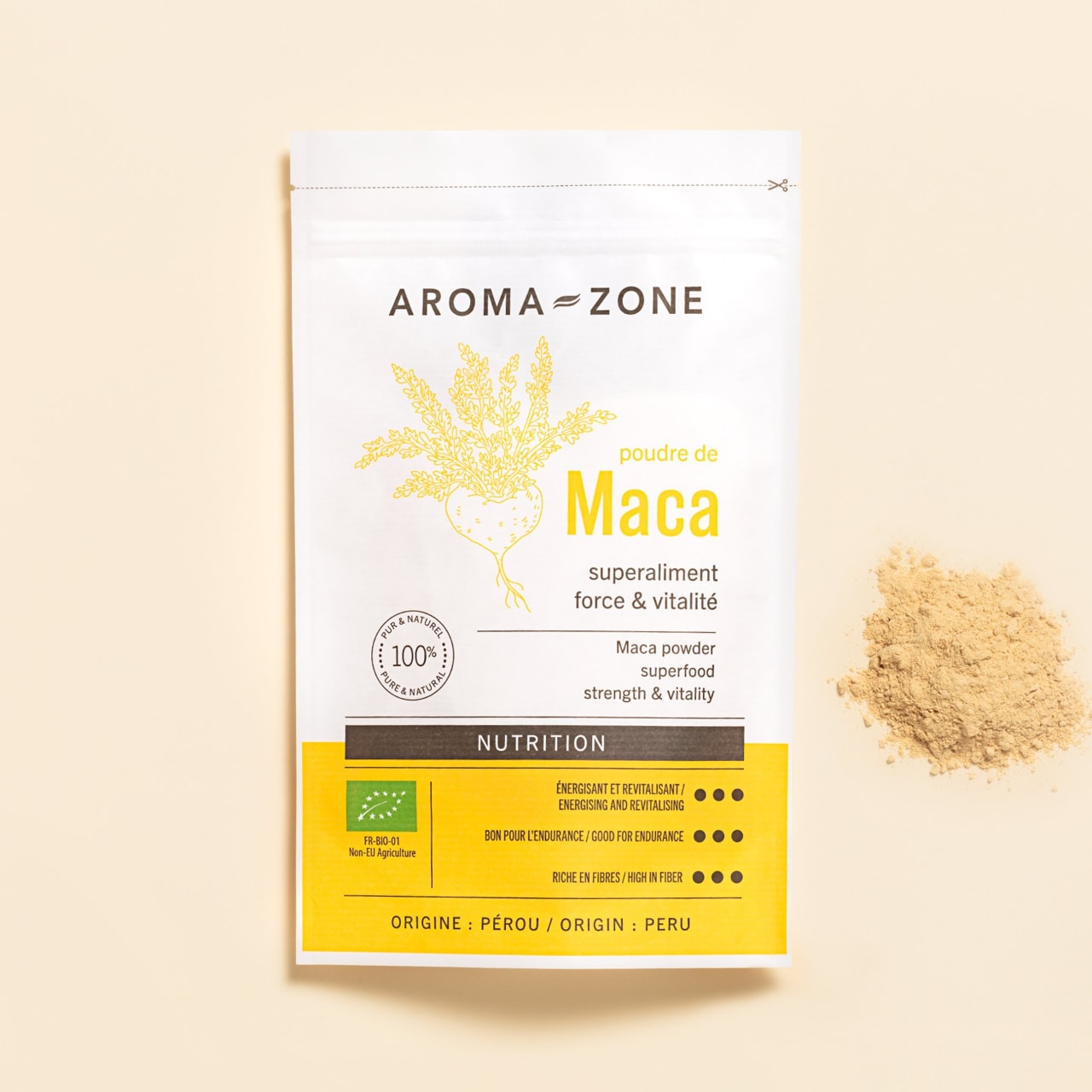
Vitality
£7.00
200 g

Vitality
Stress
£15.00
article
Why follow this method?
Based on the body’s biological rhythms, chrononutrition offers a different way to structure your meals. Rather than focusing on quantities or calories, it focuses on when we eat, in relation to the body’s hormonal and enzymatic secretions throughout the day. This approach can offer many benefits in daily life. Understanding its fundamentals makes it easier to incorporate into your lifestyle.
Respecting the body’s needs
The body does not metabolize fats, sugars, or proteins in the same way depending on the time of day you eat. By consuming each food category at the time when it is best absorbed, chrononutrition optimizes digestion, helps the body make better use of nutrients instead of storing them, and sustains energy throughout the day. In the morning, for example, fats are digested more efficiently, while in the evening, the body slows down its digestive activity. This approach also promotes better metabolic balance. It reduces oxidative stress caused by inappropriate eating habits and alleviates common digestive issues (bloating, heaviness, post-meal drowsiness). By respecting the body’s natural rhythm, we also improve sleep quality and nighttime recovery.
Avoiding Cravings and Fatigue
By structuring meals around the natural secretion of insulin and cortisol, chrononutrition helps better manage blood sugar and feelings of hunger. The afternoon snack, often overlooked in traditional diets, becomes a key meal here to prevent cravings and late-day snacking. The result: greater emotional stability and fewer uncontrollable cravings. This method also helps regulate appetite hormones (leptin, ghrelin), which are responsible for the feeling of fullness. By rebalancing internal signals, chrononutrition helps you reconnect with intuitive, mindful eating—free from obsession or guilt.
Encouraging gradual weight loss
By adapting your diet to your body’s actual needs, without frustration or deprivation, chrononutrition promotes natural and sustainable weight loss. It also encourages a return to a sense of regularity: eating at set times, respecting the digestive system’s active and rest phases, and paying closer attention to your body’s signals. A reassuring framework that helps maintain results over time. Unlike some restrictive diets, this approach can be adapted to different body types, lifestyles, or goals. It is based on a philosophy of dietary re-education rather than temporary restriction, with the goal of overall well-being and better self-awareness.
Delabos Chrononutrition: Which Sample Menus Should You Follow?
In chrononutrition, each meal serves a specific function throughout the day. Quantities and combinations vary depending on body type, gender, height, and activity level. The key is to eat the right type of food at the right time, in sync with natural hormonal and enzymatic secretions. Here is an example of a typical day, meal by meal, inspired by Dr. Delabos’s principles, which you can adapt to your own profile:
Sample breakfast menu
60 to 100 g of hard cheese (Comté, Cantal, Emmental, etc.)
80 to 100 g of white or traditional bread (depending on body type)
Unsweetened hot beverage (tea, coffee, herbal tea)
In the morning, the body naturally secretes lipolytic enzymes (lipases), making it the optimal time to consume animal fats, bread, and protein. This meal prevents morning cravings and helps maintain a good energy level throughout the morning.
Sample Menu for Lunch
150 to 250 g of red meat or fatty fish (salmon, mackerel, etc.)
100 to 150 g of cooked starchy foods (pasta, rice, potatoes)
1 tablespoon of vegetable oil for seasoning
(Vegetables optional, depending on digestive tolerance)
This is the most nourishing meal of the day, designed to support physical and mental activity. It is based on a good balance of proteins, fats, and carbohydrates, and digestion is aided by a natural peak in digestive enzymes around noon.
Sample Menu for an Afternoon Snack
30 g dark chocolate (70% min)
1 handful of nuts (almonds, walnuts, hazelnuts)
(Fresh fruit depending on individual profiles, and to be incorporated with caution)
Often overlooked, the afternoon snack plays a central role here: it helps counteract a natural drop in energy around 4–5 p.m. Foods rich in magnesium, healthy fats, and theobromine support concentration and curb sugar cravings or compulsive snacking.
Sample dinner menu (optional)
150 g of cooked vegetables (zucchini, green beans, leeks…)
1 fillet of white fish or a clear soup
1 tablespoon of mild oil (canola, camelina, flaxseed, etc.)
At the end of the day, your metabolism slows down. A light dinner—or even skipping it altogether, depending on your individual needs—helps reduce the burden on your digestive system and promotes restful sleep. It should not cause a spike in blood sugar or fat levels.







Bibliography

Frequently Asked Questions
Associated tips

Digestion, detox & gut microbiota

Digestion, detox & gut microbiota

Digestion, detox & gut microbiota


