
For years, creatine was labelled as a supplement “for guys who lift weights”. As a result, it was largely absent from the medicine cabinets of people over 60. However, the scientific perspective has evolved. We now understand that it could offer valuable support against progressive muscle loss, which often begins as early as age 50 and accelerates after menopause or andropause. Loss of strength, chronic fatigue, falls, reduced mobility… these are all age-related signs that research links, in part, to a decrease in muscle mass. Without replacing physical activity, creatine could serve as a complementary tool to consider as part of a comprehensive approach to active longevity.
Creatine: an unexpected ally against fatigue and muscle loss after the age of 60
Published on: Thursday, September 11, 2025, Updated on: Friday, October 30, 2026
No collagen, no omega-3, no vitamin D. The supplement everyone over 60 is talking about is unlike any traditional wellness supplement. Long reserved for athletes, creatine is now emerging as a powerful response to ageing. And the science is clear: its potential is far greater than previously thought.
Contents
Related products
Creatine after 60: what are the proven benefits?
Clinical studies are unequivocal: a daily intake of 3 to 5 g of creatine, combined with appropriate physical activity, can:
Boost muscle strength
Increase lean body mass (including in postmenopausal women)
Improve recovery
Make everyday movements easier
Reduce the risk of falls and fractures
The beneficial effect is achieved by consuming 3g of creatine daily in combination with strength training (at least 3 times a week for several weeks).
In other words, to be effective, creatine intake must be combined with sustained physical activity. It is not a promise of eternal youth, but a tool for prolonged independence.
A natural, well-tolerated supplement that remains little known
Despite its “sports” reputation, creatine is naturally present in the body. Its production decreases with age, particularly in vegetarians and vegans. Contrary to several persistent myths, it does not cause excessive water retention or bloating, and does not damage the kidneys at recommended doses.
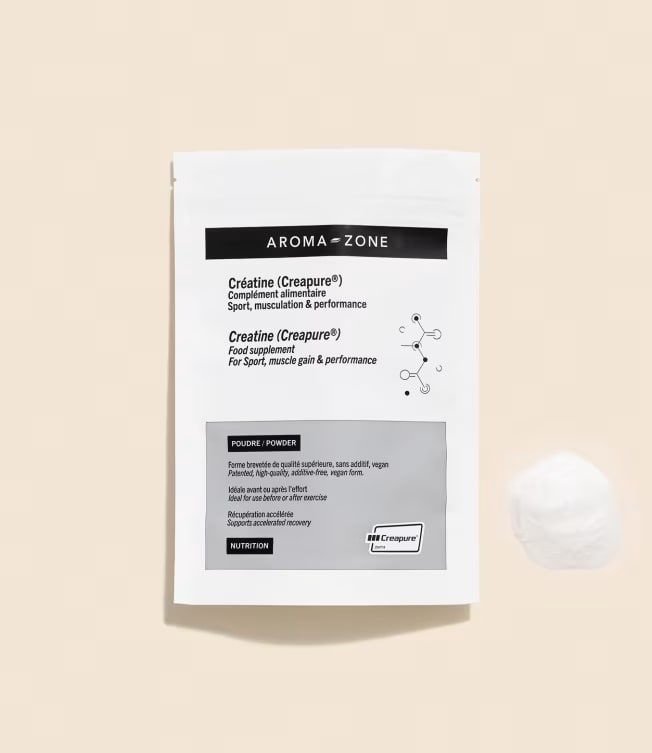
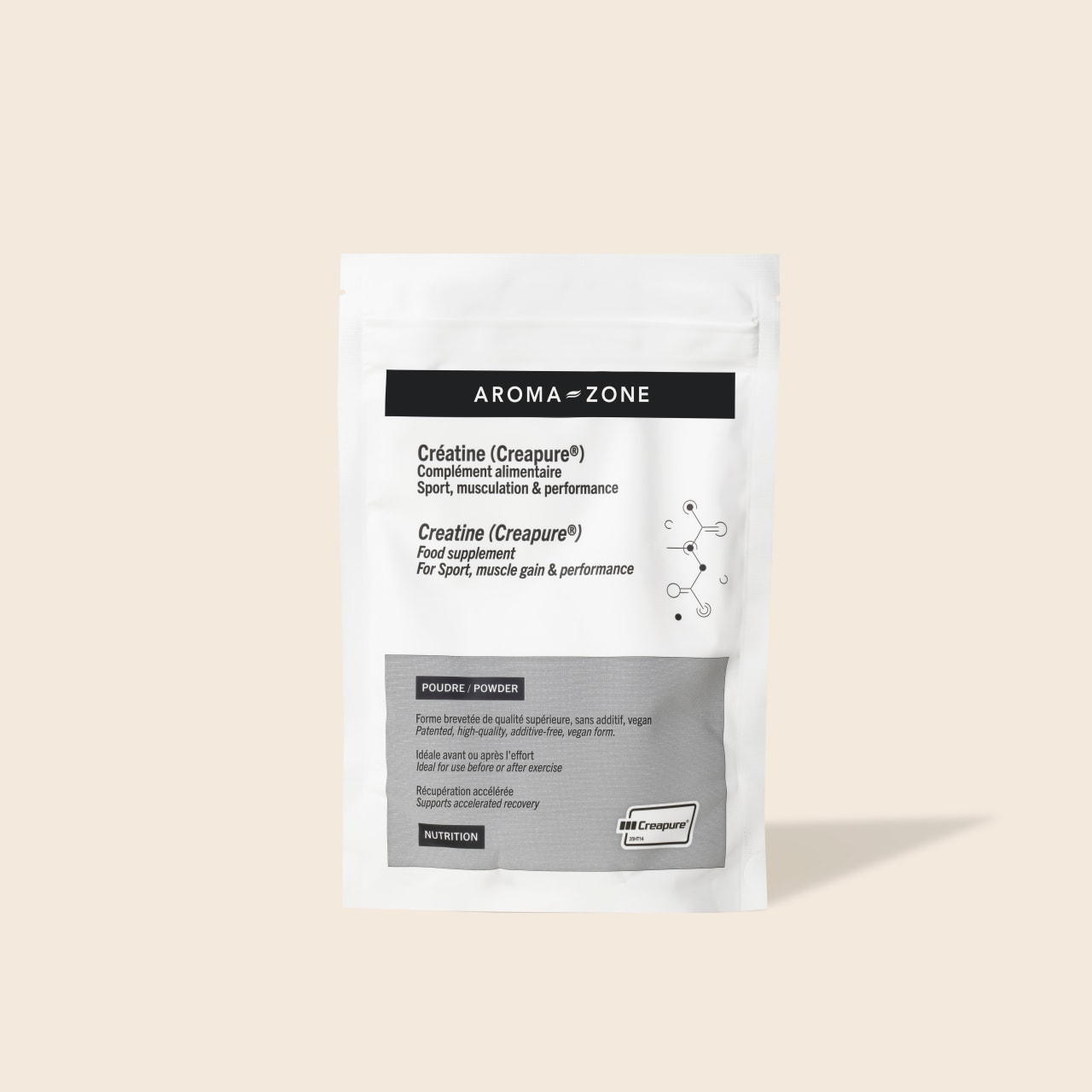
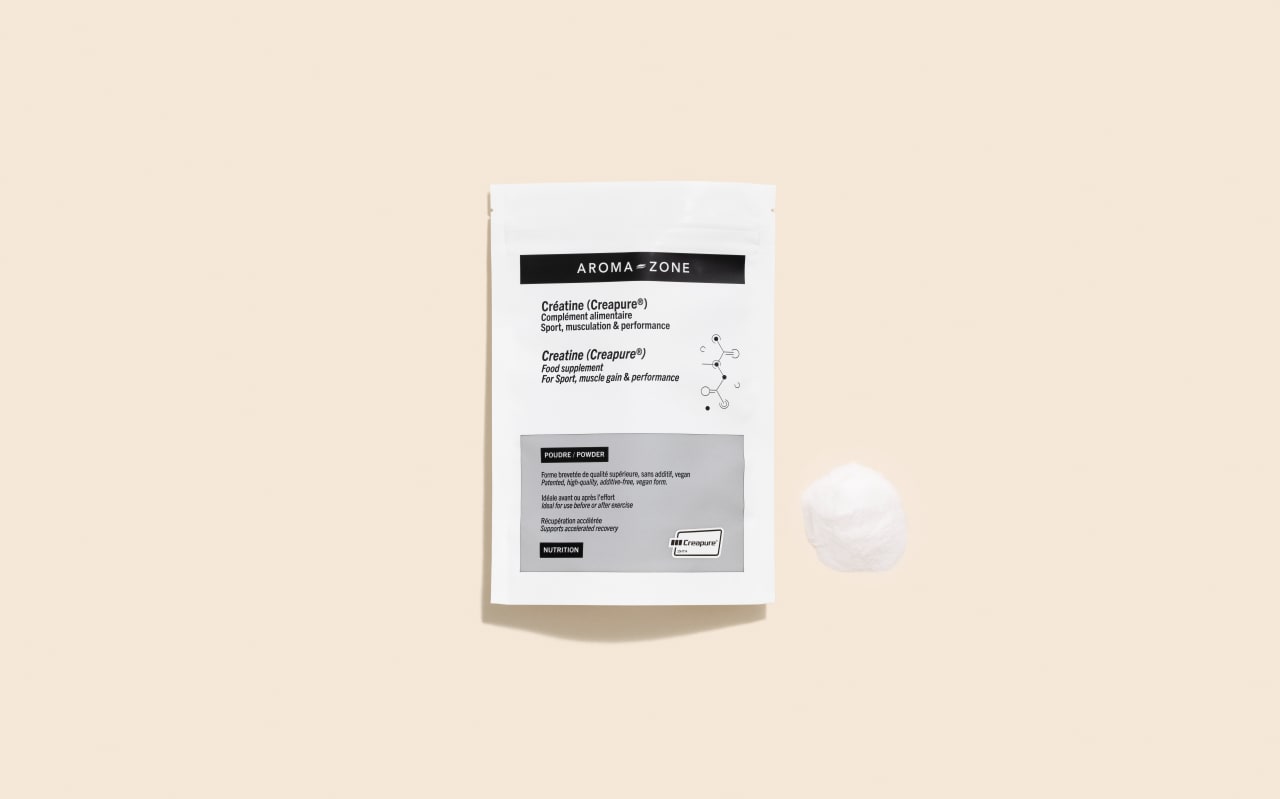
Spotlight on our Creatine (Creapure®) - 300 g - Dietary Supplement
Creapure® Creatine is the ideal partner for your workouts, strength training, and recovery. Involved in cellular energy synthesis, creatine will help you push your limits and achieve your fitness goals. The benefits of creatine supplementation for both women and men have been validated by numerous scientific studies. High-purity German Creapure® quality, free of additives.
Muscle: the new pillar of active longevity
There’s been a lot of talk about antioxidants, the microbiome, omega-3s… But the new health marker for the coming decades may well be muscle mass. Maintaining muscle tone means preserving your balance, mobility, and ability to live life to the fullest. Creatine, while not a miracle solution, fits perfectly into this new approach to ageing: less passive, more proactive, more mindful. What if the true luxury after age 60 isn’t limited to looking good… but staying resilient, strong, and free to move as you please?
Meet our writer, Solène Bonnet

Solène Bonnet, former editorial director at Marie Claire Idées, brings her in-depth expertise in editorial strategy and writing. For eight years, she led the editorial team, ensuring they produced innovative content. As a mother of two, she pays particular attention to product ingredients and all those little details that can improve everyday life. Passionate about an authentic and health-conscious approach, Solène favours products with wholesome ingredients that align with an eco-friendly philosophy.
Bibliography
Antonio J, Candow DG, Forbes SC, Gualano B, Jagim AR, Kreider RB, Rawson ES, Smith-Ryan AE, VanDusseldorp TA, Willoughby DS, Ziegenfuss TN.
Common questions and misconceptions about creatine supplementation: what does the scientific evidence really show? J Int Soc Sports Nutr. 2021 Feb 8;18(1):13. doi: 10.1186/s12970-021-00412-w. PMID: 33557850; PMCID: PMC7871530.
Associated tips

Dietary supplements
Physical activity tips


