What Is the Connection Between Collagen and Tendons?

What Is the Connection Between Collagen and Tendons?


By Christine Barris

Published on: Thursday, April 18, 2024, Updated on: Thursday, October 29, 2026

Tendons connect our muscles to our bones. They guard our mobility, strength, and agility. When they become painful, less flexible, or damaged, our ability to move is impaired. Collagen isn’t just the protein behind our skin’s youthfulness and beauty; it also plays a role in the flexibility of our tendons and joints.

In this article, we’ll take a closer look at the benefits of collagen, its role in our tendons, and how to incorporate it into our diet to maintain flexibility and prevent injuries.

Contents

Related products

What Is Collagen?

Collagen is a protein made up of amino acids. It occurs naturally in the human body. In fact, it is the most abundant protein in the body, accounting for about a third of the body’s total protein content. 

It is found in the skin, bones, cartilage, joint tissues, muscles, tendons, and ligaments. It is also present in many other parts of our body, such as blood vessels, the cornea, and teeth. The term collagen comes from the Greek word ‘kólla’, which means ‘glue’. It can indeed be thought of as the glue that holds all these elements together. 

However, our body’s natural production of it tends to decline with age, which may lead us to seek natural ways to consume it or stimulate its production.

The Benefits of Collagen

Collagen offers a host of benefits for our bodies:

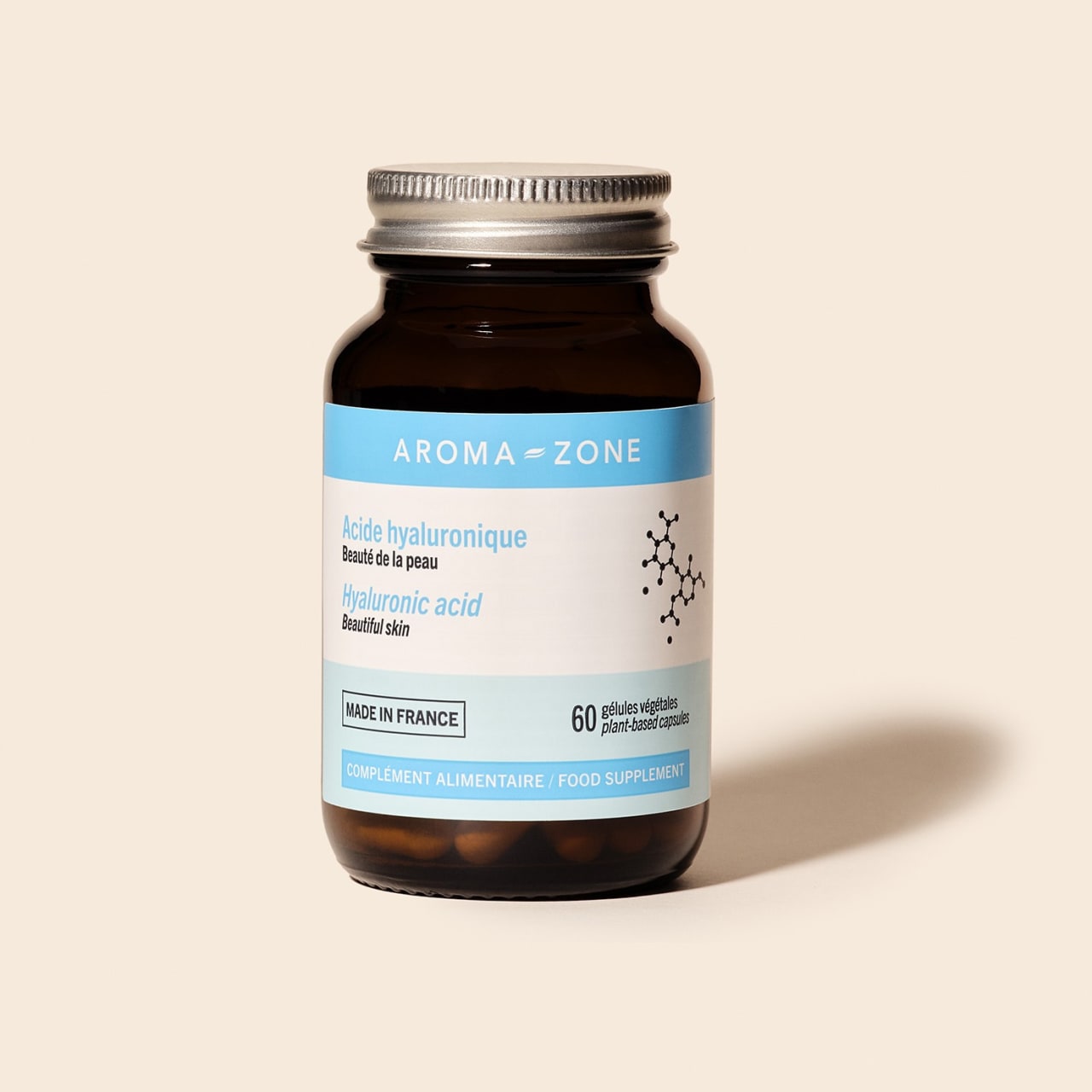
  • Healthy Skin, Nails, and Hair: Collagen helps keep the skin looking youthful by promoting better hydration and minimising the signs of ageing.  It is often recommended in combination with hyaluronic acid, whose benefits it effectively complements. It also promotes wound healing and strengthens nails and hair

  • Joint Mobility: It maintains and improves joint flexibility by playing a role in the structure of cartilage and the elasticity of tendons

  • Bone Density and Strength: It promotes better bone mineralisation, which helps to prevent the risk of fractures. In this respect, a collagen supplement may be beneficial for older people

  • Muscle Performance and Regeneration: It has a beneficial effect on muscle function and recovery. This is essential for athletes, whose muscle regeneration capabilities can decline over time

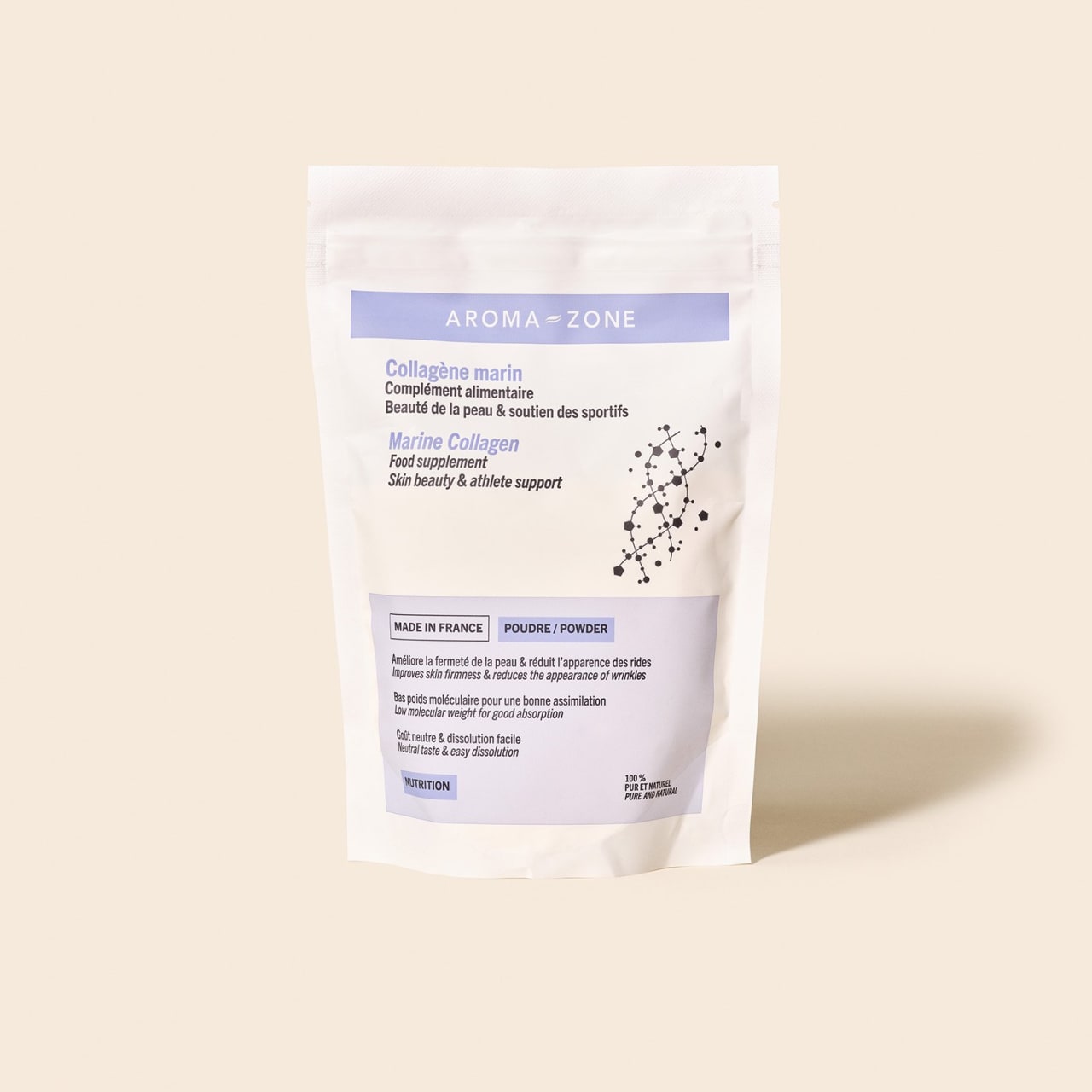
Marine collagen – 250 g – Dietary supplement

Spotlight on Our Dietary Supplement Made from Powdered Marine Collagen Peptides

This dietary supplement is made from high-quality ingredients. Its low-molecular-weight, hydrolysed type I marine collagen peptides are designed for optimal absorption. Type I collagen is not only associated with skin ageing, but also plays an important role in tendon health, making it particularly relevant for athletes. It helps maintain mobility and supports the body’s natural structures.

This neutral-tasting collagen powder dissolves easily in a glass of water or fruit juice. It can be enjoyed at breakfast or as a snack.

Discover the Dietary Supplement Marine Collagen Powder 250g

Why Is Collagen Beneficial for Tendons?

Tendons are made up largely of collagen fibres, which give them their strength and help them withstand mechanical stress. Collagen supplementation is being studied for its potential role in supporting tendon health and recovery following injury. However, its effects on tendon elasticity, regeneration and injury prevention are not yet fully established.

Here are some of the ways collagen may affect tendon health:

  • Supports Tendon Structure: Collagen is the main structural protein in tendons. Adequate collagen intake helps provide the body with the building blocks needed to maintain connective tissues

  • May Support Elasticity and Flexibility: Collagen contributes to the tendons’ ability to withstand stretching and mechanical stress. Research is exploring whether supplementation can help support these properties and tendon function

  • May Support Tendon Repair: Collagen provides amino acids involved in the formation of connective tissue. Supplementation is being studied for its potential to support tendon recovery following injury or inflammation, such as tendinitis

The proper functioning of tendons depends partly on the quality and organisation of their collagen fibres. Maintaining healthy connective tissue is therefore important for tendon function, although collagen supplementation cannot currently be considered a proven way to prevent injuries or accelerate tendon regeneration.

Which Collagen Should You Take for Your Tendons?

We have seen that there are several types of collagen, each of which plays a different role in the body.

Type I Collagen: Particularly Important for Tendons and Muscles

Type I collagen is found in large quantities in tendons, where it is a major structural component. It is also present in other connective tissues, including the skin, bones and ligaments. Type II collagen, on the other hand, is found mainly in articular cartilage.

To find out more about the different types of collagen and their benefits, please consult our articles.

Collagen Treatment

What Is the Recommended Dosage?

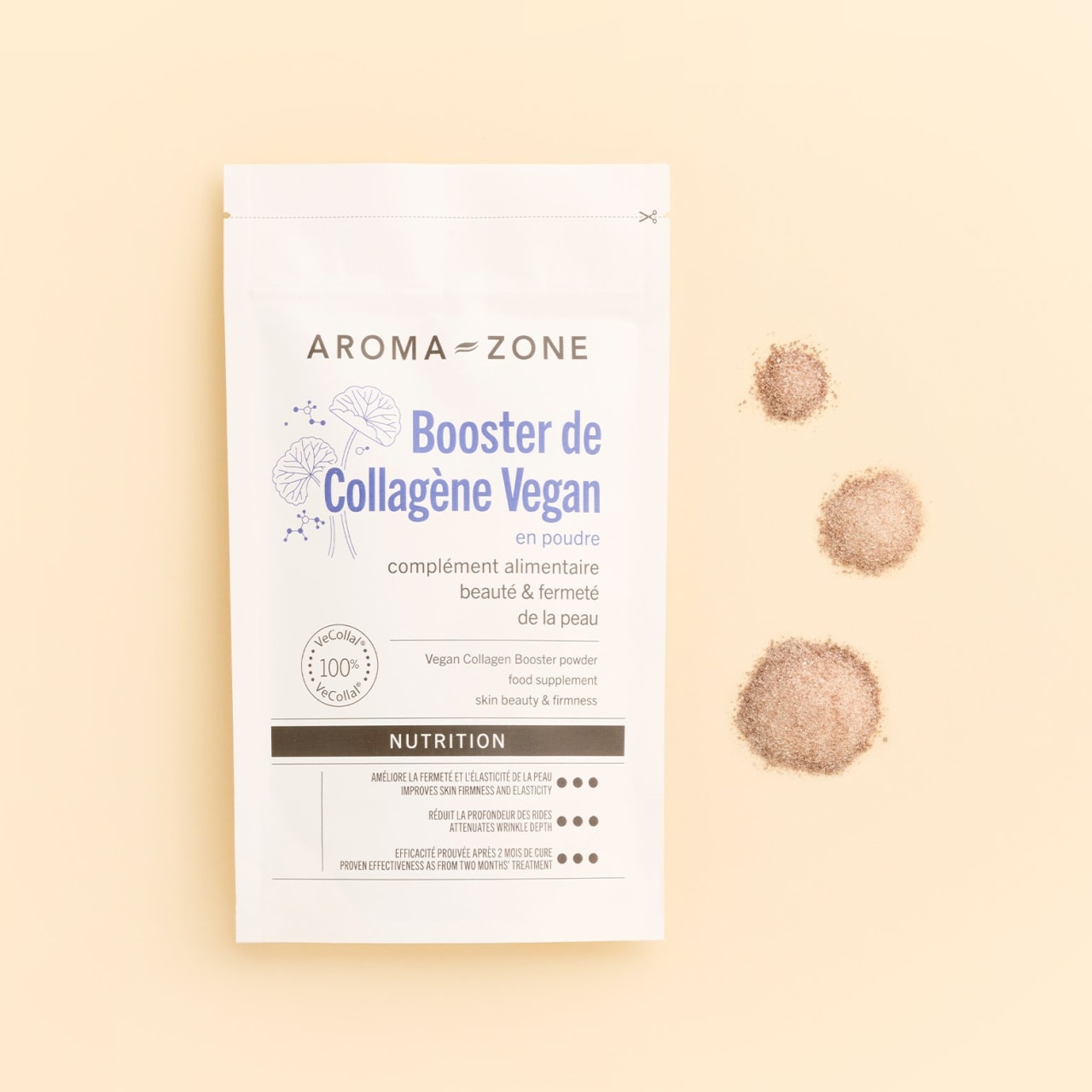
The collagen booster is very convenient and easy to take. Simply dissolve 2 teaspoons of powder in a glass of water or fruit juice. You can also add it to a smoothie, milkshake, or vegetable juice for an even greater vitamin and antioxidant boost.

The recommended daily dose for optimal effectiveness is 2.5 to 10g, depending on your needs.

How Long Does the Course of Treatment Last?

We recommend taking the supplement for 2 to 3 months to fully benefit from the Vegan Collagen Booster’s effects on the skin.

Precautions for Use and Contraindications

A marine collagen supplement may be unsuitable in the following cases:

  • Seafood allergies

  • Kidney failure

  • People under 25 years of age

  • Pregnancy and breastfeeding, unless advised by a healthcare professional

Anyone undergoing medical treatment should seek advice from a healthcare professional before taking any dietary supplements.

Dietary supplements should be used as part of a healthy lifestyle and a varied, balanced diet. To preserve product quality, store them away from heat and light and keep them out of reach of young children.

Alternatively, you can consider our Vegan Collagen Booster, which supports the synthesis of type I collagen. It combines a synergistic blend of amino acids designed to replicate the amino acid profile of type I collagen with natural extracts of ginseng and Centella asiatica, as well as Vitamin C, to support the body’s natural collagen synthesis.

Expert Advice

Lifestyle and diet play a role in maintaining our muscles, tendons, and joint mobility. It is recommended to follow a varied diet, rich in fruit and vegetables. Drink plenty of low-mineral-content water, which helps flush out waste products. Take regular exercise. Ensure good-quality sleep and manage stress through relaxing activities. This is because an excess of toxins caused by an unhealthy diet can affect the condition of our tendons and contribute to inflammation.

Spotlight on Our Naturopathic Writer: Christine Barris

Christine Barris

After completing a master’s degree in management, Christine spent 20 years working for leading companies in the food supplement and natural cosmetics sectors. She then turned her passion for nature into a career. Today she practises naturopathy for people and animals, as well as sophrology, and mentors aspiring naturopaths and sophrologists at various schools.

Bibliography

  1. http://www.collagene-wiki.fr

  2. http://www.nutrition-et-sante.org

  3. trustmyscience.com

  4. www.tuasaude.com/fr

  5. Docheva, D., Müller, S. A., Majewski, M., & Evans, C. H. (2015). Biologics for tendon repair. Advanced Drug Delivery Reviews, 84, 222–239.

  6. Kjaer, M. (2004). Role of the extracellular matrix in the adaptation of tendons and skeletal muscle to mechanical loading. Physiological Reviews, 84(2), 649–698.

Frequently Asked Questions

Frequently Asked Questions