Berberine: What Are Its Benefits?

Used for centuries in Traditional Chinese Medicine, berberine is a plant-derived alkaloid extracted from sources such as barberry (Berberis vulgaris). Today, this natural compound continues to be the subject of extensive research, particularly for its potential role in metabolic balance, including support for healthy blood sugar and cholesterol levels, as well as liver function. Berberine is therefore included in certain food supplements designed to support these areas as part of a balanced lifestyle and healthy habits. Discover the essentials about berberine, including its origins, traditional uses, and important precautions for use.

Reading time: 0 min.

Berberine: an active compound with recognized benefits

Berberine is a naturally occurring bioactive substance. It belongs to the group of alkaloids derived from isoquinoline (isoquinoline alkaloids), and more specifically from tyrosine. It occurs naturally in certain plants, where it is concentrated in the roots and rhizomes. It has an intense golden-yellow colour, which has also led to its use as a dye. In dietary supplements, you’ll find it in the form of sulphate or hydrochloride. 

You may come across it under the names “umbellatin” or “huangliansu” if you’re travelling in China. Its use dates back to a very long tradition of Chinese medicine. The benefits of berberine were already being touted as early as 3000 B.C. and even earned it a place in the Shennong. This work is considered the world’s first treatise on herbal medicine!

Good to know: A cornerstone of Asian pharmacopoeia, berberine has been the subject of numerous modern scientific studies. These studies appear to confirm several of its health and wellness benefits.

Why Might It Be Worth Taking Berberine?

To support healthy weight loss

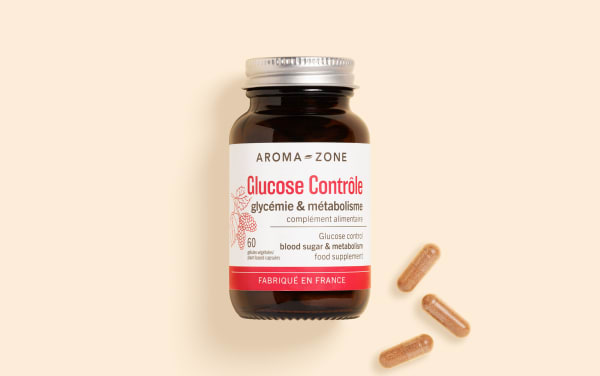
Berberine is currently being studied for its role in maintaining metabolic balance, particularly with regard to blood sugar levels and normal cholesterol levels. As a dietary supplement, it is not intended to treat or correct imbalances, but can support the natural regulation of sugar and lipid metabolism, in addition to a balanced diet and a healthy lifestyle.

By helping to better control these metabolic parameters, berberine can thus be part of a comprehensive weight management approach, without replacing essential measures such as a proper diet, regular physical activity, and a healthy lifestyle.

Read also: What are the best low-glycaemic index foods?

To support intestinal balance

Umbellatin is the subject of studies exploring its potential role in the balance of the gut microbiota, particularly due to antimicrobial activities observed in vitro. By contributing to a more balanced intestinal environment, it could indirectly support the body’s overall proper functioning, given that the gut plays a central role in many physiological mechanisms.

Furthermore, some data suggest that umbellatin may help regulate intestinal transit, which can be beneficial in cases of loose stools, and may have a protective effect on the intestinal mucosa, a key factor in digestive comfort. However, these effects depend on the context of use and should be considered as part of a varied and balanced diet.

Read also: When and why take a course of probiotics?

To prevent premature ageing

Another benefit of berberine: it is said to possess antioxidant properties. In other words, it helps neutralise free radicals involved in the premature ageing of our cells, also known as oxidative stress. It could therefore be a welcome course of supplementation to help prevent the onset of metabolic imbalances that accelerate overall ageing. It may also help preserve the beauty of the skin and hair while minimising the signs of ageing.

Read also: Which foods are rich in antioxidants?

What are the benefits of berberine?

According to currently available scientific data, the effects of berberine vary depending on the physiological systems involved and the associated level of regulatory validation. Some effects are recognised in the context of dietary supplements, while others are based on observations from preliminary experimental or clinical studies.

  • Beneficial for the cardiovascular system: Berberine is recognised for helping maintain normal cholesterol levels, making this one of its best-documented and most strictly regulated uses.

  • Beneficial for the nervous system (preclinical data): Experimental studies suggest that berberine may interact with certain neural mechanisms, particularly through metabolic and enzymatic pathways, although these effects do not currently constitute an authorised health claim.

  • Beneficial for the immune system (scientific hypotheses): Some publications suggest indirect activity via the gut microbiota, but these results remain exploratory and do not allow for a conclusion regarding a direct or claimable effect on immunity.

  • Beneficial for the endocrine system (studies in progress): Berberine is the subject of research into its interaction with carbohydrate and lipid metabolism, however, these effects should be interpreted with caution in the context of a dietary supplement, where it is used to help maintain normal blood sugar levels.

Good to know: Despite the scientific interest it has generated, berberine has low oral bioavailability, estimated at around 1%, which explains the development of improved forms or combinations aimed at optimising its absorption.

In Which Plants Can I Find Berberine?

If you'd like to enjoy the benefits of berberine as a course of supplementation, you have two options. You can either choose a food supplement (capsules made from plant-derived or lab-synthesised berberine, depending on the product), or source it directly by consuming plants that contain it. For example, you can find barberry mother tincture or dried barberry berries, to name just one plant among others. You will find it in particular:

  • In the Berberidaceae family, such as Barberry (Berberis vulgaris), Holly-leaved Mahonia (Berberis aquifolium) and Berberis aristata

  • In the Ranunculaceae, such as Goldenseal (Hydrastis canadensis), Japanese Coptis (Coptis japonica), Coptis teeta, the three-leaved coptis (Coptis trifolia), the Coscinium fenestratum, and the yellow meadowsweet (Thalictrum flavum)

  • In the Rutaceae, such as the Amur cork tree (Phellodendron amurense)

  • In the Menispermaceae, such as Tinospora sinensis and Jateorhiza palmata.

How can you reap the benefits of berberine in your daily life?

Daily use of berberine requires special caution. Indeed, ANSES emphasises that, in the absence of sufficient new data, the safety of berberine cannot currently be guaranteed, particularly when taken regularly as a dietary supplement.

For this reason, it is essential to strictly follow the instructions on the product label, adhering to the dosages and administration guidelines recommended by the manufacturer. These parameters may vary significantly depending on the form, concentration, and formulation of the supplement.

Data available in the scientific literature report varying doses studied depending on the context of use and the populations involved, but these studies do not allow for the establishment of general recommendations that can be safely applied to self-medication. Traditional uses or practices observed in certain countries cannot, on their own, constitute a guarantee of safety.

The right approach: Before considering berberine supplementation, always consult a healthcare professional, particularly if you are taking medication, have a chronic condition, are pregnant, or are breastfeeding. This step allows for an assessment of the appropriateness of use and helps avoid any potential risks associated with improper consumption.

Our Other Natural Solutions with Similar Benefits

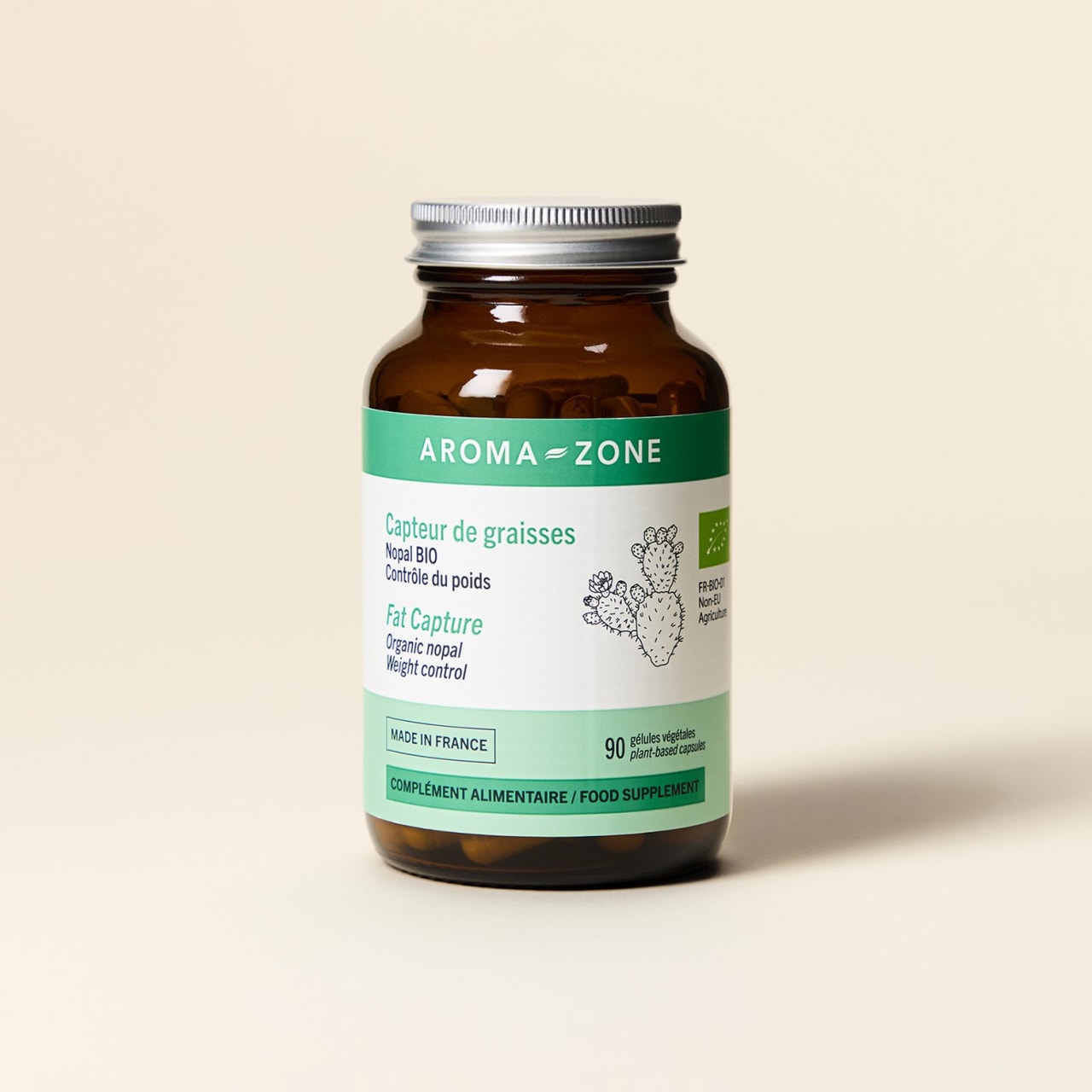
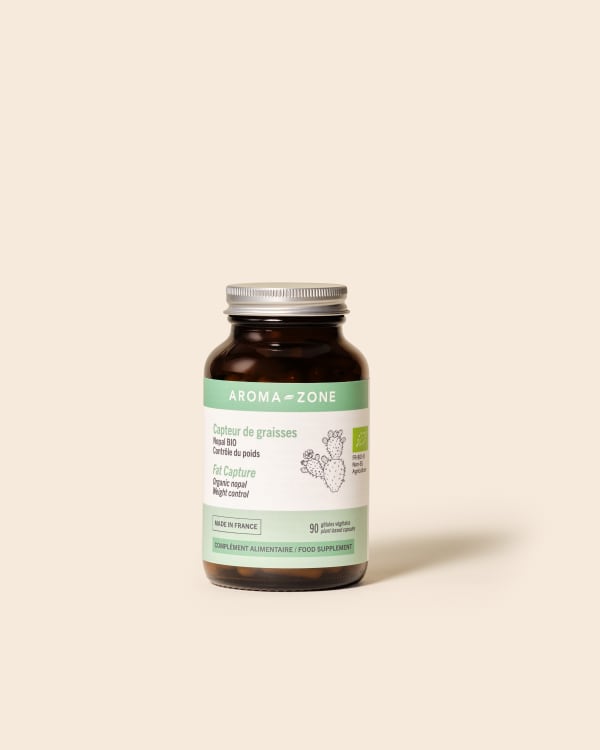
Organic Fat Blocker: to support weight management. Formulated with a selected and patented organic Nopal powder, known to reduce fat absorption, regulate glucose absorption, and decrease feelings of hunger. Take 2 to 3 capsules after main meals (maximum: 6 capsules per day); multiple “courses” are possible throughout the year.

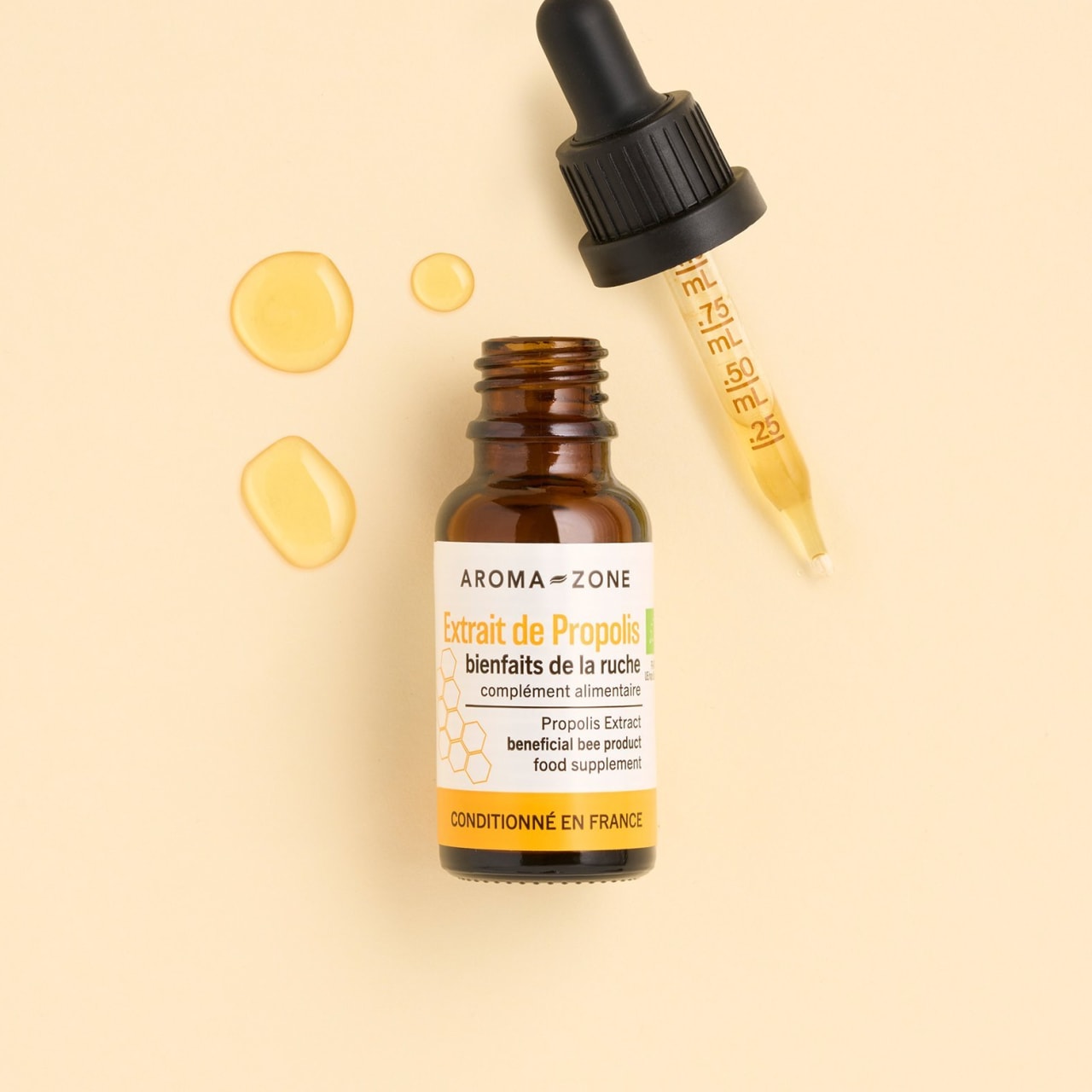
Organic Propolis Extract: to support oral and digestive health. Traditionally used for its naturally occurring plant compounds, propolis is valued for supporting the balance of the mouth and digestive tract, particularly during seasonal changes. This extract is formulated without alcohol, sugar, or preservatives. Easy to use, it can be taken diluted in water, mixed with a little honey, or taken directly in the mouth. Dosage: 1 pipette (1 mL) per day, either as needed or for a short period of 2 to 3 weeks.

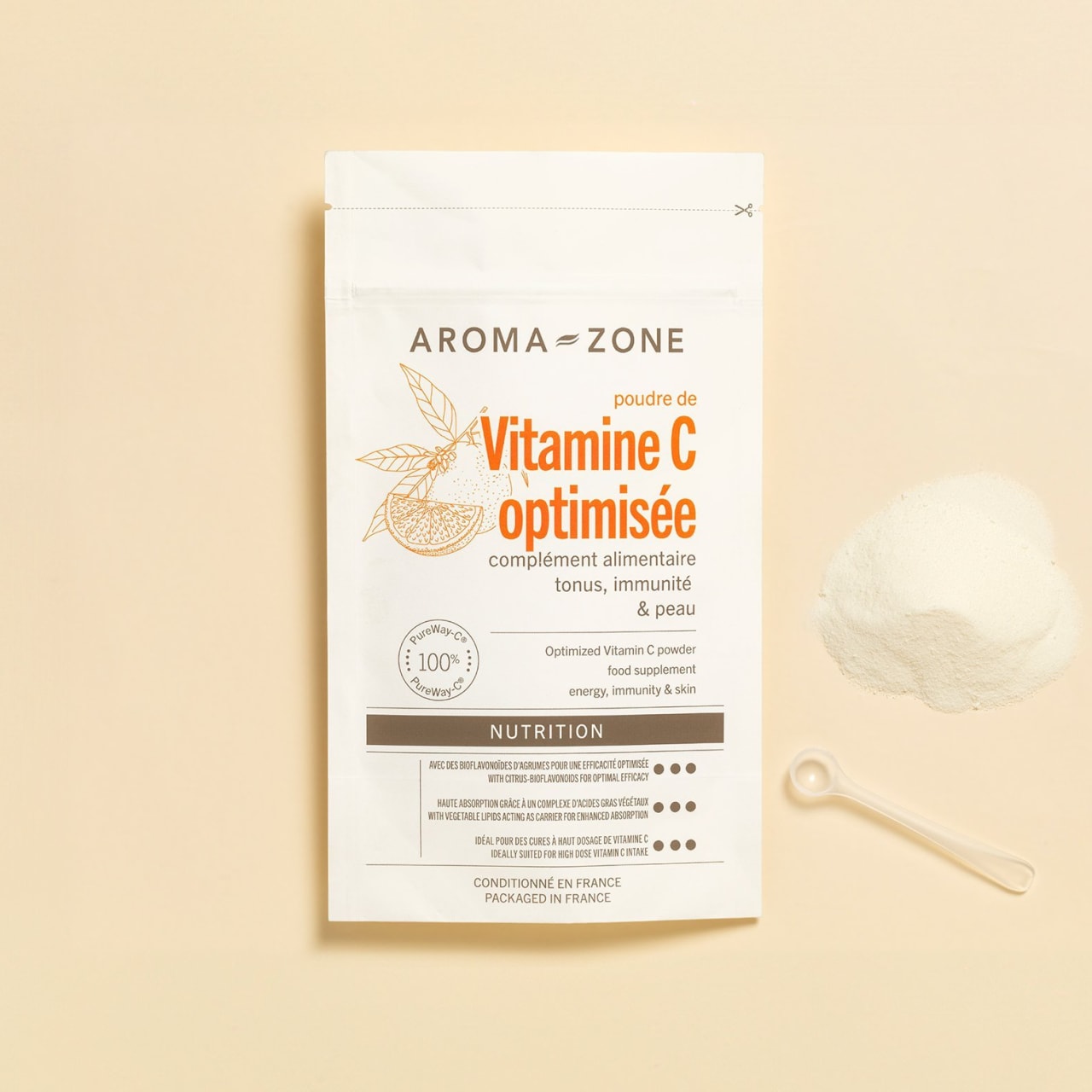
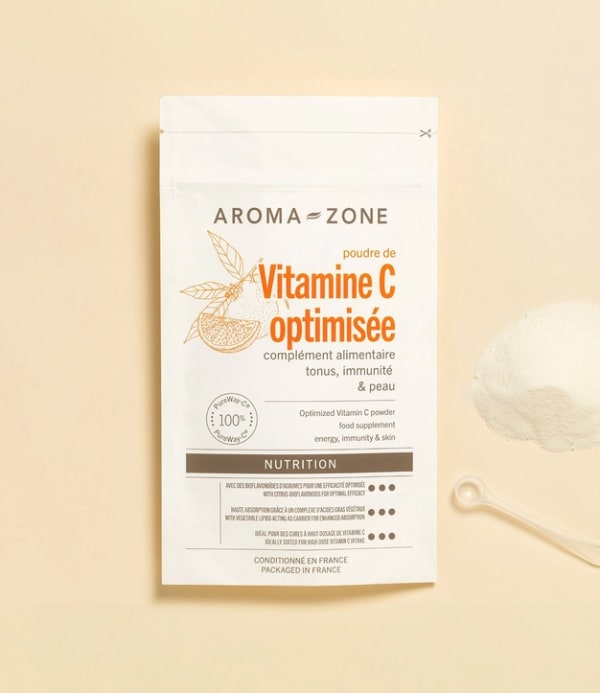
Optimized Vitamin C Powder: to combat oxidative stress. Combined with citrus bioflavonoids to provide optimal effectiveness against premature aging, as well as to support natural collagen synthesis and alleviate temporary fatigue. Take 1 to 2 measuring spoons of powder daily, diluted in a beverage, for a continuous period of 1 to 3 months.

Our Slimming Recipes to Try at Home

My "slimming" matcha tea tonic

Ingredients without a scale

one use

Preparation

1

Whisk the powders into a little cold water to dissolve them thoroughly without any lumps, then add the rest of the water and the lemon juice, stir and drink straight away.

Enjoy every morning at breakfast.

Caffeine and Bellis Anti-Cellulite Cream

Tip

Spoons and scoops should be leveled off: to do this, run a spatula or the edge of a knife along the spoon or scoop to remove any excess product.

Preparation

1

Transfer Phase A (bellis macerate + chaulmoogra vegetable oil + emulsifying wax No. 2) into a bowl.

2

In another bowl, transfer Phase B (mineral water + concentrated ivy extract + natural caffeine).

3

Heat phases A and B separately in a double boiler to 75°C/80°C.

4

Once both phases are at the same temperature and the caffeine is fully dissolved, slowly pour phase B into phase A while continuing to stir vigorously for about 3 minutes. The mixture will turn white and become homogeneous.

5

Place the bowl in a pan of cold water and continue stirring until completely cooled.

6

Finally, add Phase C (the remaining ingredients), mixing after each addition.

7

Stop stirring, then transfer the mixture to your jar.

Note: The pH of this preparation is 6.0–7.0.

Store your jar away from heat.

* Storage: When stored properly and manufactured under optimal hygienic conditions, your product will remain fresh for at least 1 month.

Precautions and contraindications for berberine

The use of berberine is not recommended for pregnant women, as compounds in the alkaloid family may increase uterine contractions. Similarly, the WHO advises against the consumption of certain plants naturally rich in berberine (Berberis vulgaris, Coptis chinensis , and Hydrastis canadensis) for pregnant and breastfeeding women. It is also not recommended for children, people with diabetes, or those with liver or heart conditions. Finally, be aware of potential drug interactions.

Dietary supplements are not a substitute for a varied and balanced diet and a healthy lifestyle. Nor can they replace medical treatment prescribed by your doctor. Always consult a healthcare professional before considering a berberine “treatment.” Follow the recommended dosages. Be particularly cautious if you are already on medication: drug interactions are possible. Ask your doctor for advice.

Expert Advice

Pay attention to the quality of the berberine food supplement you choose. Where possible, opt for products made in France. Also check the information on the labelling and whether any recognised certifications are present (not to be confused with self-certification practices, which have no real value and can be misleading).

Learn more

Does berberine help with weight loss?

Berberine does not cause weight loss per se. It may, however, be beneficial as a supplement to a weight-loss regimen, in addition to a healthy diet and lifestyle. It offers various benefits for lipid metabolism, which could help lower triglyceride and cholesterol levels and promote weight loss.

What are the side effects of berberine?

If you take berberine, you may experience side effects such as gastrointestinal discomfort (diarrhea, constipation, abdominal cramps, nausea). This alkaloid may also be associated with headaches and hypoglycemia. In most cases, reducing the daily dose appears to be sufficient to lessen the severity of side effects. Seek help by consulting a healthcare professional.

Focus on our writer, Hélène Betoux

Hélène Betoux is a French beauty journalist specialising in web media. Every day she writes tips, advice and guides to help consumers choose the right beauty products. With a strong interest in natural, organic and clean cosmetics, she analyses and shares trends and innovations in the sector.

Bibliography

1

ANSES opinion regarding “the safety of using plants containing berberine in the composition of dietary supplements”

Case 2018-SA-0095, August 1, 2019.

2

B. Lacroix, “Berberine: An Alternative to Pharmacological Treatments”

in The Newsletter of the European Institute of Physionutrition and Phytotherapy, No. 32.

3

Ai X et al. “Berberine: A Review of its Pharmacokinetic Properties and Therapeutic Potentials in Diverse Vascular Diseases”

in Front Pharmacol. 2021 Nov 3;12:762654.

4

Berberine is a novel cholesterol-lowering drug that works through a unique mechanism distinct from statins

Kong W. et al., Nature Medicine, 2004.

5

Berberine: New Perspectives for Old Remedies

Tillhon M. et al., Biochemical Pharmacology, 2012.

6

Pharmacokinetic studies of berberine and its metabolites

Feng X. et al., Journal of Ethnopharmacology, 2015.