
Acne in infants, or neonatal acne, is a common condition in newborns between 2 and 5 weeks after birth. It generally manifests itself as the appearance of small red pimples on the face. Around 20% of babies are affected by baby acne in the first few months of life.
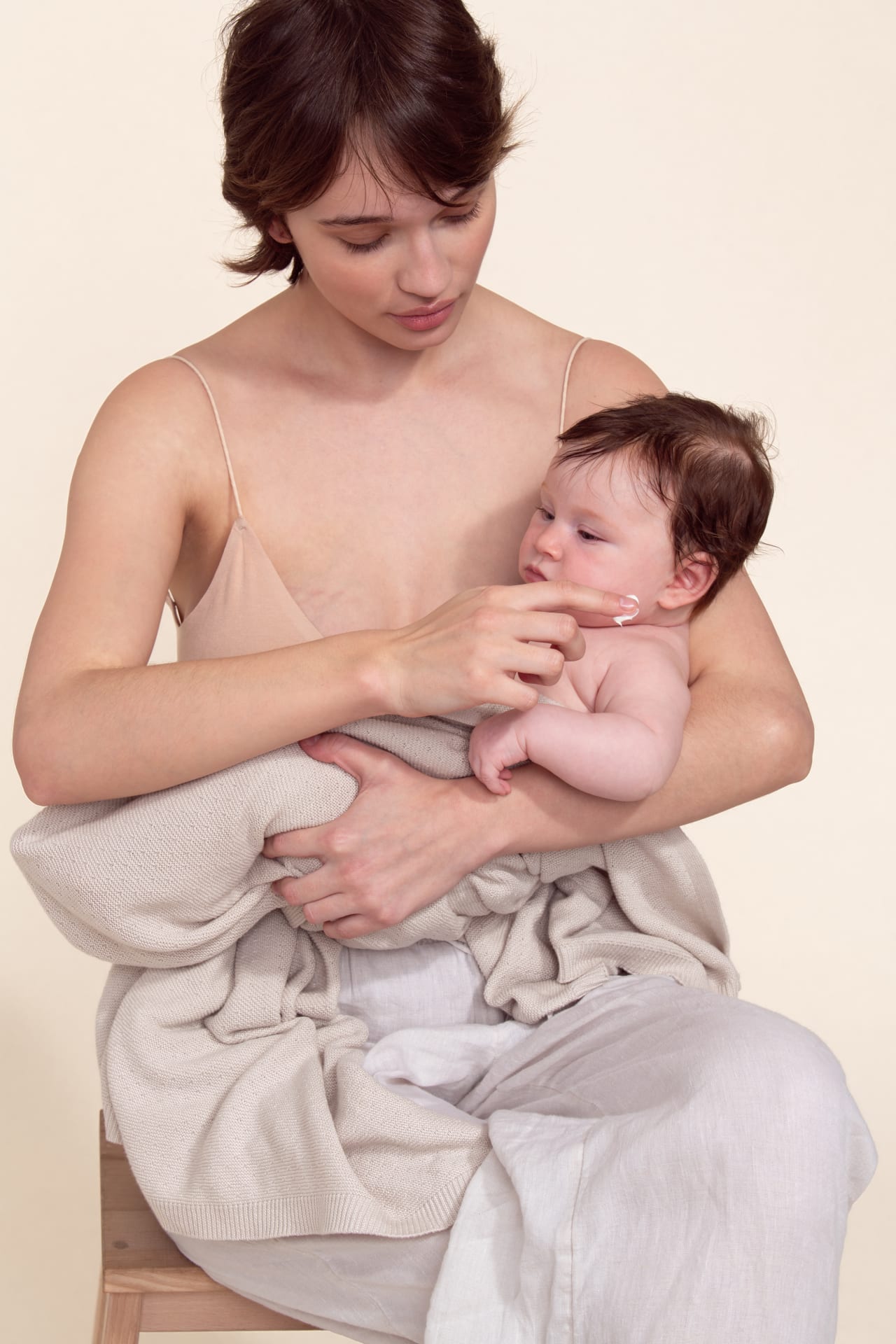
Baby pimples: what is baby acne?
Published on: Wednesday, March 20, 2024, Updated on: Wednesday, September 30, 2026
Does your baby have small pimples on their face? It's probably infant acne. Although infant acne is completely harmless, it can be a source of concern for parents. Rest assured, there are solutions for caring for your baby's skin naturally.
Contents
Related products
£6.00
1 article
£7.00
1 article
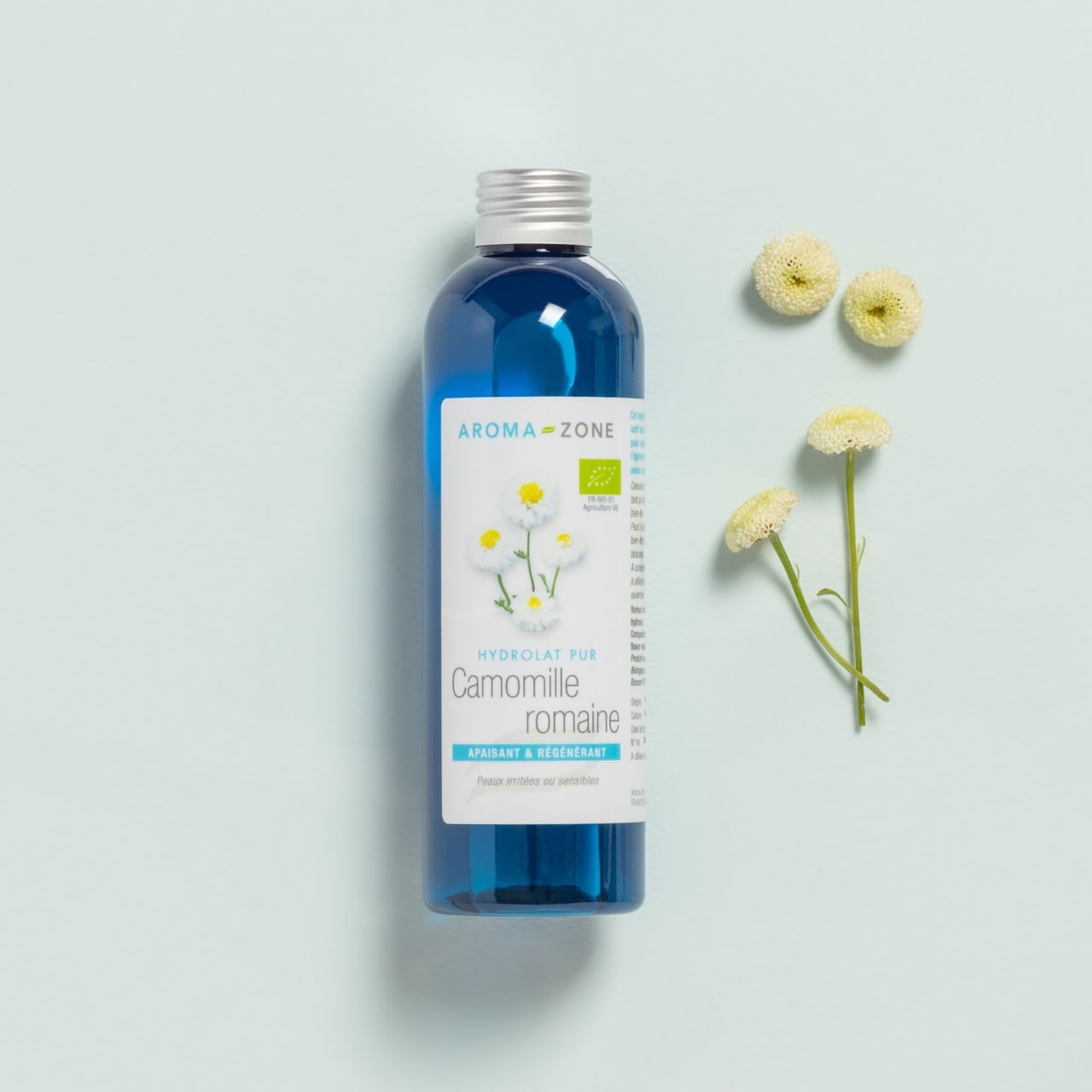
Organic Roman Chamomile Hydrosol
Relaxing
£6.00
200 ml
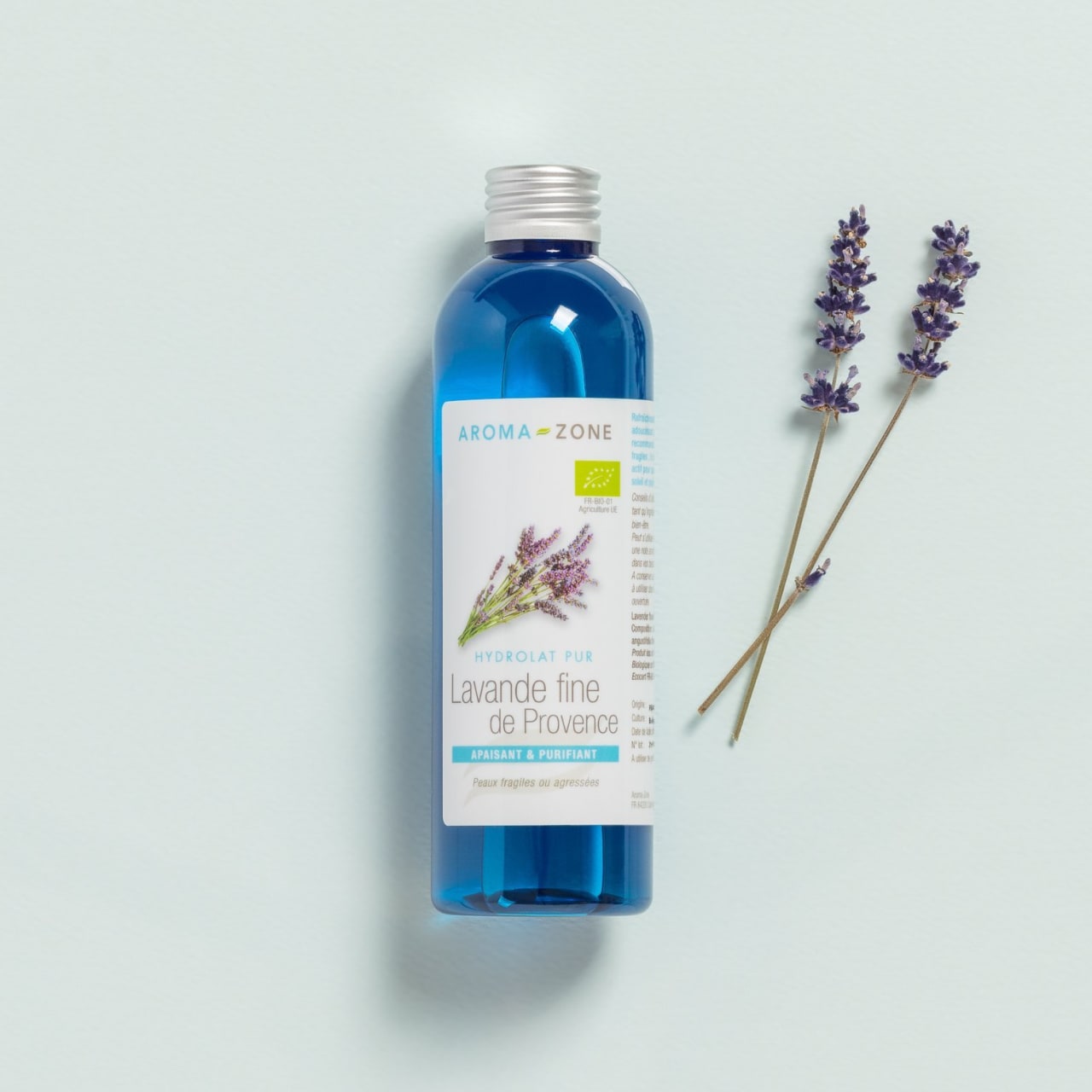
Organic Fine Lavender Hydrosol
Soothing
Refreshing
£4.00
200 ml
What is baby acne?
Causes of acne in babies
Maternal hormonal influence
Baby acne is mainly caused by a hormonal surge in the mother at the end of pregnancy and by androgenic hormones in particular. These hormones penetrate the placenta and reach the foetus. They indirectly affect the baby's sebaceous glands and lead to an overproduction of sebum. This overproduction of sebum can block the skin's immature pores and make small red pimples appear, a symptom of acne. This condition is temporary and generally disappears as hormone levels stabilise.
Obstruction of the sebaceous glands
When sebum is no longer able to evacuate properly, it accumulates in the pores, causing the appearance of small pimples. This phenomenon can be exacerbated by the use of occlusive products that are too greasy or film-forming, which block the pores even more, preventing the skin from breathing and aggravating baby acne.
Bacterial spread
In some cases, baby acne can also be caused by bacterial spread on the baby's skin. However, this is a rarer cause. When the sebaceous glands are blocked, the clogged pores create an enclosed environment helping spread bacteria. This can lead to a localised inflammatory reaction, causing redness and rashes.
What are the associated symptoms?
Facial rash: small red spots on the cheeks, forehead, nose, chin and sometimes the eyelids. The pimples do not cause itching or pain for the infant.
Pimples on the chest: this spread is limited, and the pimples may become slightly inflamed, but they are generally neither painful nor uncomfortable. The pimples may resemble small pustules, i.e. pimples containing sebum or a small amount of pus, but this does not indicate an infection.
How do you recognise baby acne?
Baby acne or eczema
Is your baby suffering from baby acne or eczema? It can be difficult to distinguish between these two skin conditions. But there are some signs that can help you tell the difference:
Baby acne takes the form of small red pimples, while eczema manifests itself as scaly patches.
Eczema generally appears in the form of patches and can be localised all over the body.
Please note that these general guidelines in no way replace a diagnosis by your healthcare professional. If in doubt, contact your paediatrician.
Infant acne or allergy
Infant acne can sometimes present symptoms similar to an allergic reaction in a baby. Unlike a flare-up of baby acne, an allergic skin reaction requires comprehensive management involving identification of the allergen and, in some cases, appropriate treatment. If you suspect your baby has an allergy, ask your GP for advice.
How long does baby acne last?
Baby acne appears from the very first weeks of a baby's life. Acne generally disappears naturally after a few months, without the need for any special treatment.
This common skin condition in toddlers is not painful and does not leave any scars. There is no need for concern.
However, if your baby still has pimples after the age of 6 months, don't hesitate to contact your paediatrician for a diagnosis.
What should I do about baby acne?
Use gentle products
A baby's skin is particularly sensitive. So it's important to be very careful about the hygiene products you use. Make sure you opt for gentle, natural products to clean your baby.
Try your breast milk on it
Are you breast-feeding your baby? Breast milk is a natural antiseptic! It contains numerous active ingredients that regenerate and soothe the skin. To help soothe your baby's skin, try applying a little of your milk directly to the pimples using a clean compress.
Note: breast milk can also be used to relieve the symptoms of nappy rash.
Note: Breast milk can also be used to help relieve the symptoms of diaper rash.
Avoid products that are too oily
To deeply nourish baby's skin, it can be tempting to apply oily creams or natural products. Creams high in lipidic active ingredients such as olive oil, cocoa butter, shea butter, etc. are not suitable if your baby has baby acne due to excess sebum.
Be patient
If your baby has baby acne, you'll need to be patient, especially if it's due to maternal hormones. There are no ready-made solutions. After a few weeks, your baby's body will learn to regulate itself and hormone levels will return to normal. As a result, the acne will disappear on their own.
What should you do to cleanse a baby's skin?
The essential guide:
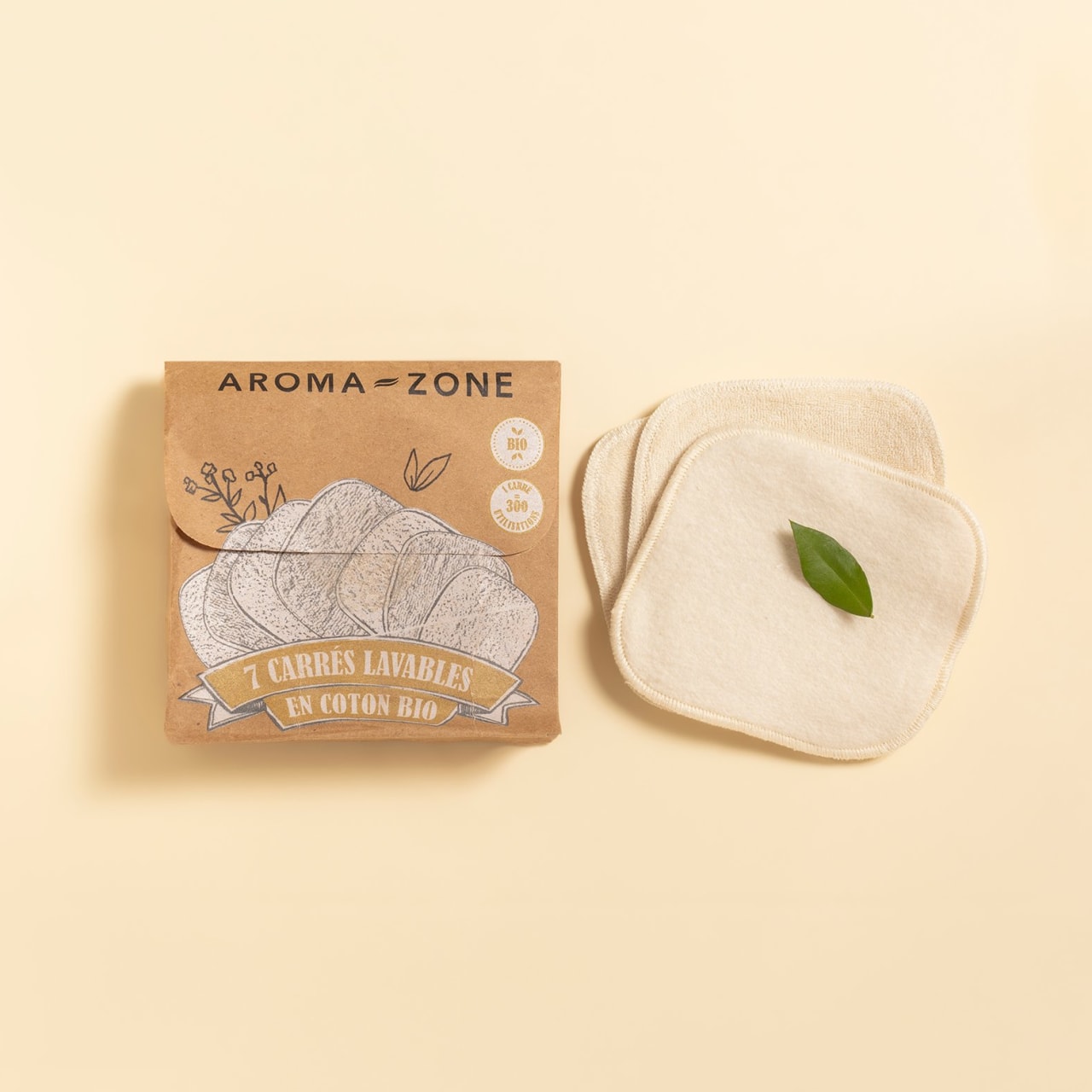
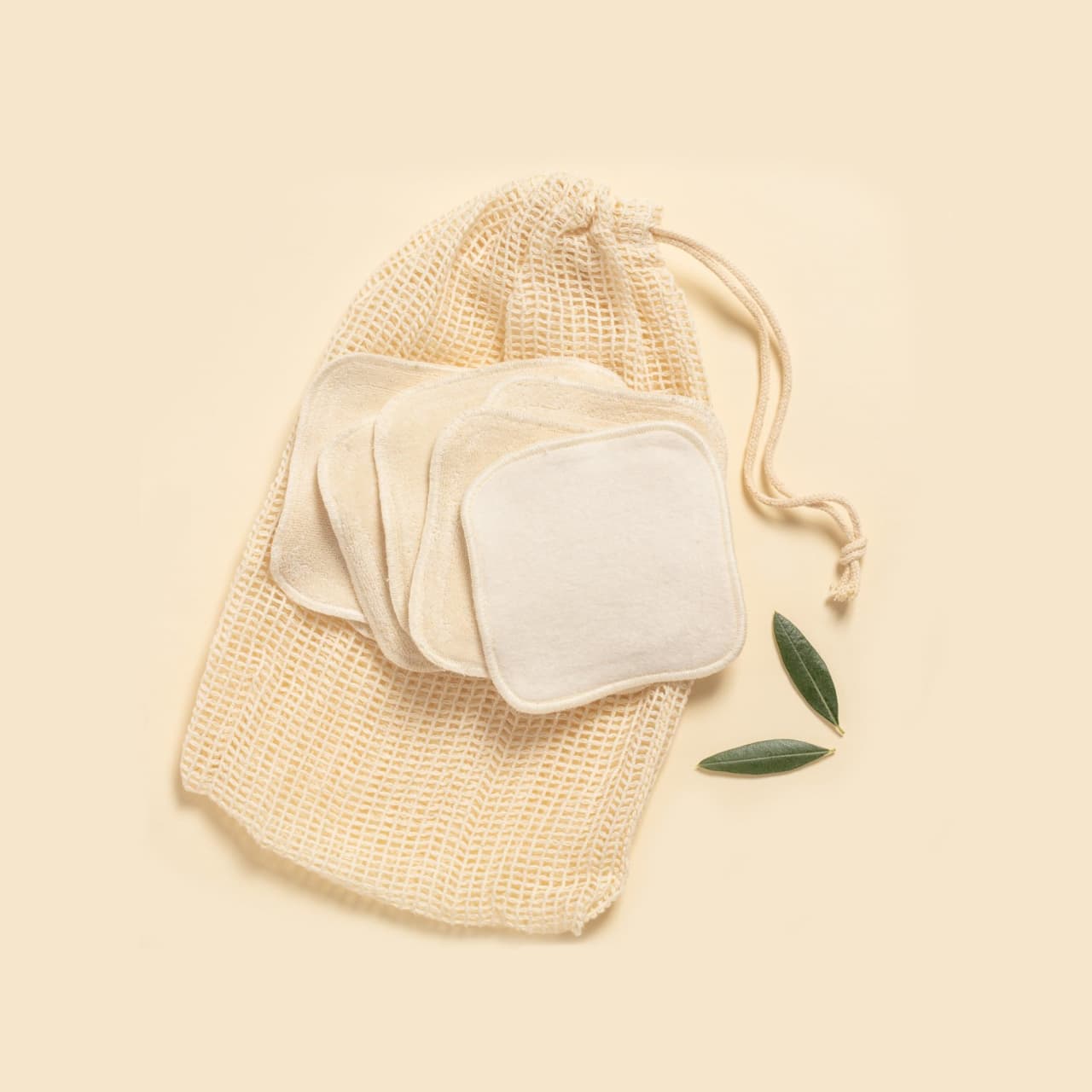
Use organic cotton wool or clean gauze soaked in thermal or mineral water.
If irritation occurs, you can also cleanse a baby with a mild hydrosol or use a cream formulated for infants.
Gently pat your baby's skin dry with a clean cloth.
Precautions to take for cases of baby acne
Above all, don't touch your baby's pimples! Never try to pierce or remove them. They will go away on their own.
In addition, skin reactions in young children can be caused by multiple factors. In infants, a rash may be linked to roseola, atopic dermatitis, a food allergy or an allergy to a hygiene product. It is advisable to consult a health professional to get a precise diagnosis and establish an appropriate treatment plan if necessary.
Expert advice
If your baby has baby acne, you'll certainly want to do everything you can to get their lovely, clear skin back to normal! But be careful about the products you apply to your baby's skin. The skin system of a child under 6 months old operates very differently from that of a child or adult. In toddlers, the compounds contained in hygiene products are absorbed very quickly through the skin.
Be careful when choosing hygiene products for your baby and don't hesitate to ask your GP for advice if you have any doubts. Our advice? Opt for natural products as often as possible. Discover our tips about how to take care of baby's sensitive skin naturally!
Spotlight on Our Naturopathic Writer: Marine Leleux

Marine is a naturopath specialising in children's well-being and a parenting coach. With 10 years' experience in supporting families, she draws on her experience to help her community by sharing natural, caring advice.
Bibliography
Médecin direct : Acné du nourrisson : cause symptômes et traitement.
https://www.medecindirect.fr/maladies/acne-du-nourrisson
Information hospitalière : Estelle Yelouassi, (2022), Acné du nourrisson : quels sont les remèdes naturels ?
https://www.informationhospitaliere.com/acne-du-nourrisson-quels-sont-les-remedes-naturels
Frequently Asked Questions
Associated tip
Body Care Tips


