Azelaic acid or Nicotinamide: how do I choose which serum to use?

Skin problems, premature ageing, pigmentation spots, excess sebum. With so many signs pointing towards treating your whole face with acid serums and creams, which ones should you choose? How should they be combined? And, in particular, how can nicotinamide and azelaic acid be optimised? answer the questions. We answer the common questions about the most well-known acids. Find out more below!

Reading time: 0 min.

Which acid is most effective for the skin?

Unfortunately, there is no simple, straightforward answer to this question, as everything depends on your skin type and the problems you're facing. There is no single acid that is 'more effective' than another. The most important thing is to select them according to what you want your skincare to do, and to pick a smart combination.

Some acids have more keratolytic effects (refining and smoothing skin texture and stripping the top layer of skin containing dead cells) than others: this is the case with salicylic acid. Others have more depigmenting and acne-fighting properties, such as azelaic acid. Others are reputed to be powerful antioxidants that target free radicals and promote cell renewal, such as vitamin C (ascorbic acid). Lastly, some are already world-renowned for their anti-ageing effects, such as retinol and hyaluronic acid.

To keep things as simple as possible, we've summarised which skincare concerns the different acids target:

  • Glycolic acid (part of the AHA - alpha fruit acids): spots, oily or acne-prone skin, fine lines or enlarged pores.

  • Salicylic acid (part of AHAs): thick skin texture, raised blemishes, microcysts, blackheads, spots or oily skin.

  • Hyaluronic acid: dry, dehydrated skin, fine lines or loss of firmness.

  • Retinoic acid, or retinol: spots, fine lines or loss of firmness.

  • Azelaic acid: spots, combination skin, redness, dilated blood vessels or acne-prone skin.

  • Ascorbic acid (vitamin C): pigmentation spots, dull or uneven complexion

Or, put another way, here are the acids to choose based on your skin issues:

  • Dry, dehydrated, sensitive skin: hyaluronic acid.

  • Mature, wrinkled skin: hyaluronic acid, retinol and vitamin C.

  • Acne-prone, oily skin prone to redness (rosacea), dilated pores and microcysts: glycolic and salicylic acids, azelaic acid, retinol and niacinamide (not an acid).

  • Hyperpigmentation and an uneven tone: vitamin C (ascorbic acid), retinol, azelaic acid, glycolic acid and nicotinamide (not an acid).
Azelaic acid: benefits for the face

Azelaic acid is an active ingredient renowned for its many benefits for the face. Firstly, it is known for its anti-inflammatory properties, making it an effective ally in treating acne and skin blemishes. By regulating sebum production, it prevents clogged pores and stops pimples and blackheads from forming.

Azelaic acid is also used for its brightening properties. It works by inhibiting the excessive production of melanin, helping to reduce pigmentation spots, acne scars and post-inflammatory hyperpigmentation. It contributes to a more even, luminous complexion.

Finally, azelaic acid is renowned for its gentle exfoliating properties. By promoting cell renewal, it helps to eliminate dead skin cells and reveal smoother, more radiant skin.

The differences between Azelaic acid and Nicotinamide

Although azelaic acid and nicotinamide are both beneficial active ingredients for the skin, they differ significantly in their actions and applications. Azelaic acid is effective for treating acne and pigmentation spots, while nicotinamide offers a wider range of benefits, including strengthening the skin barrier, reducing the appearance of pores and improving skin texture.

When should an azelaic acid serum be used on the face?

It can be used primarily for two conditions:

  • Acne rosacea with excess sebum.

  • Pigmentation spots and dull complexions.

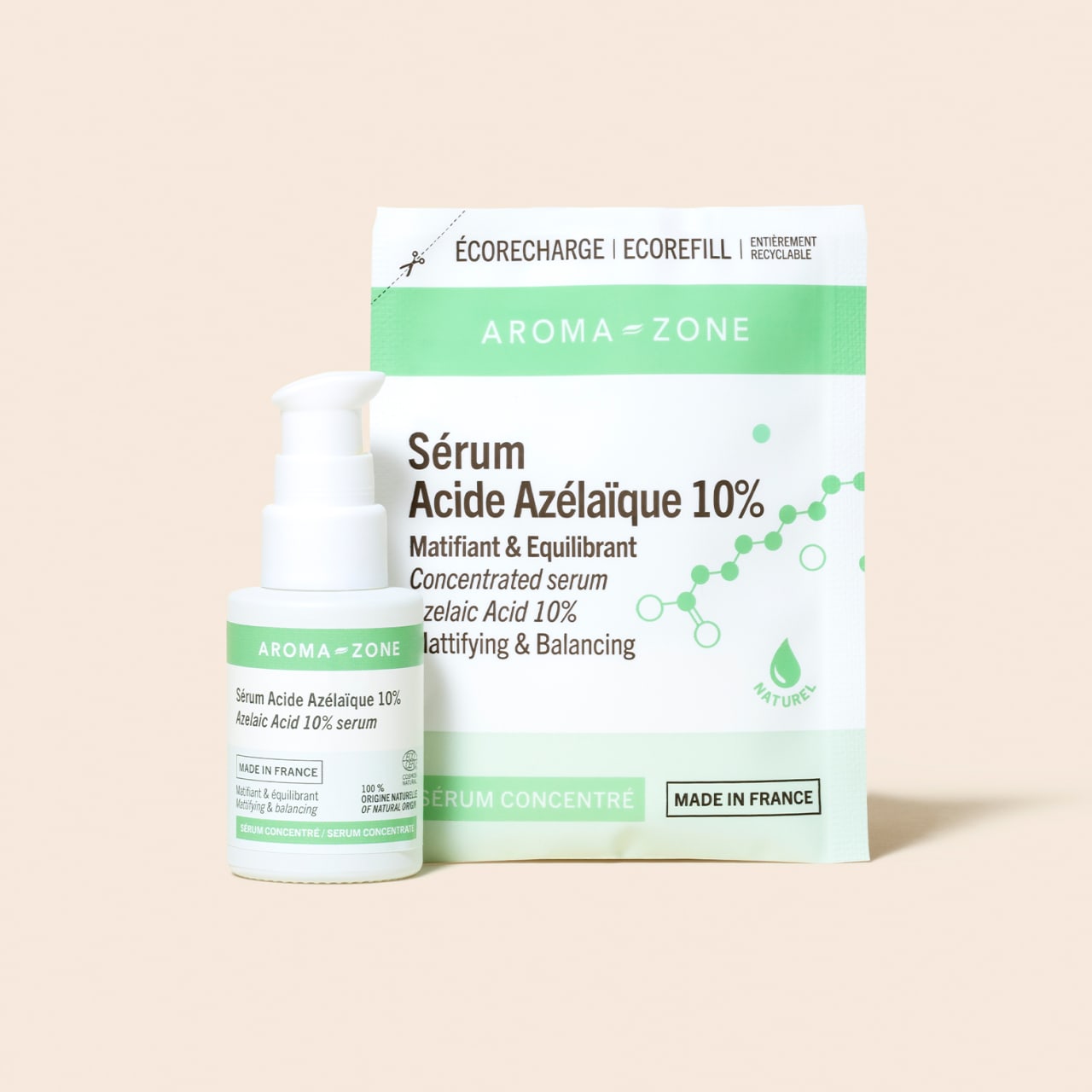
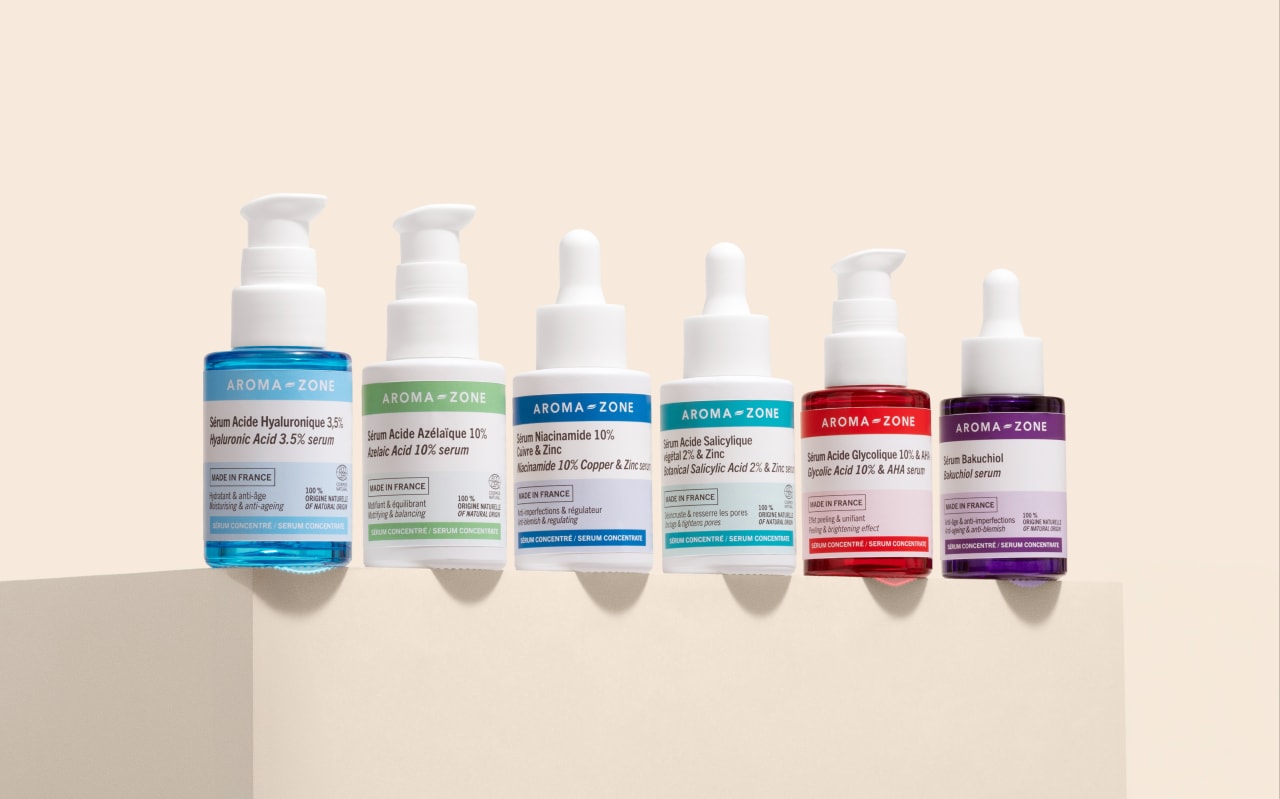
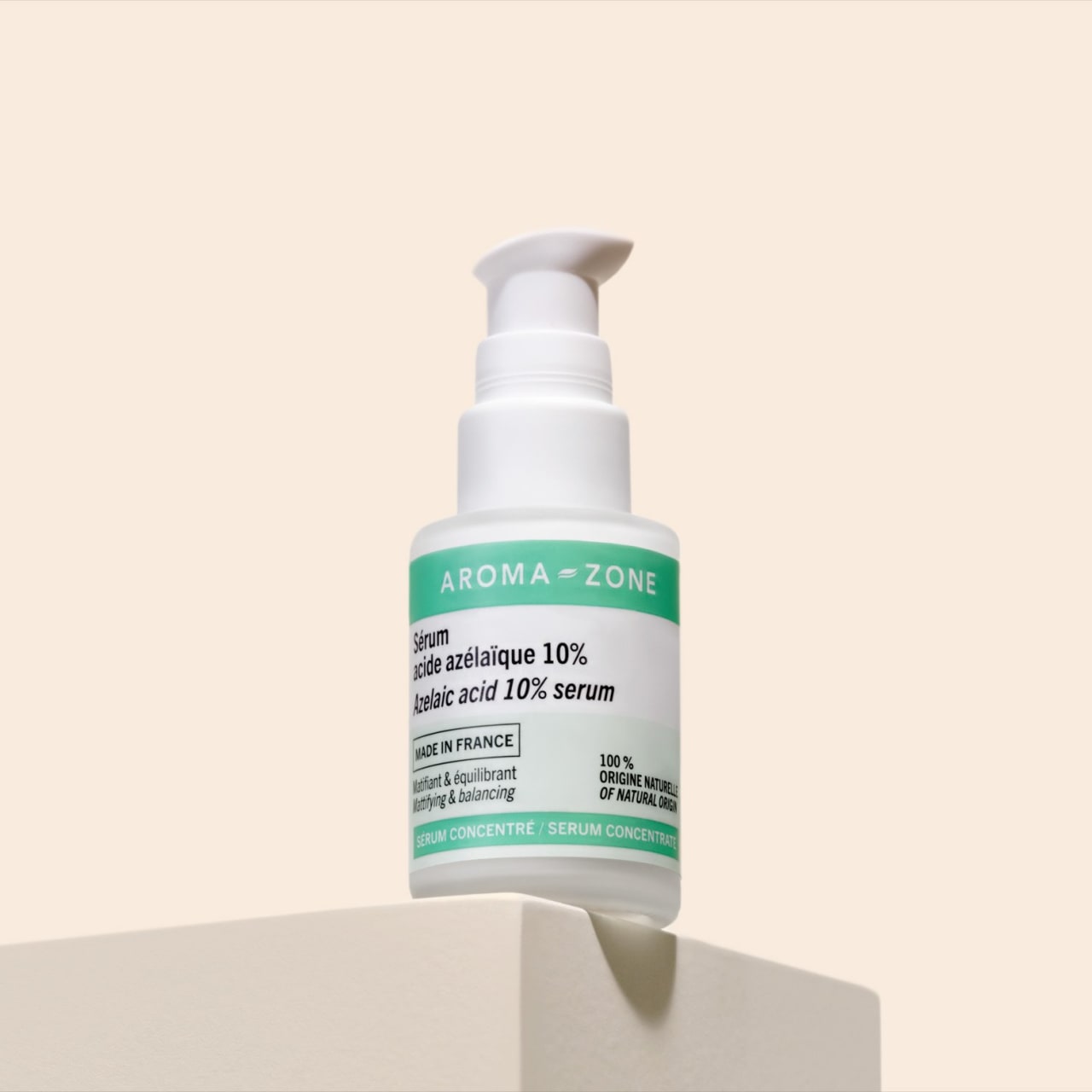
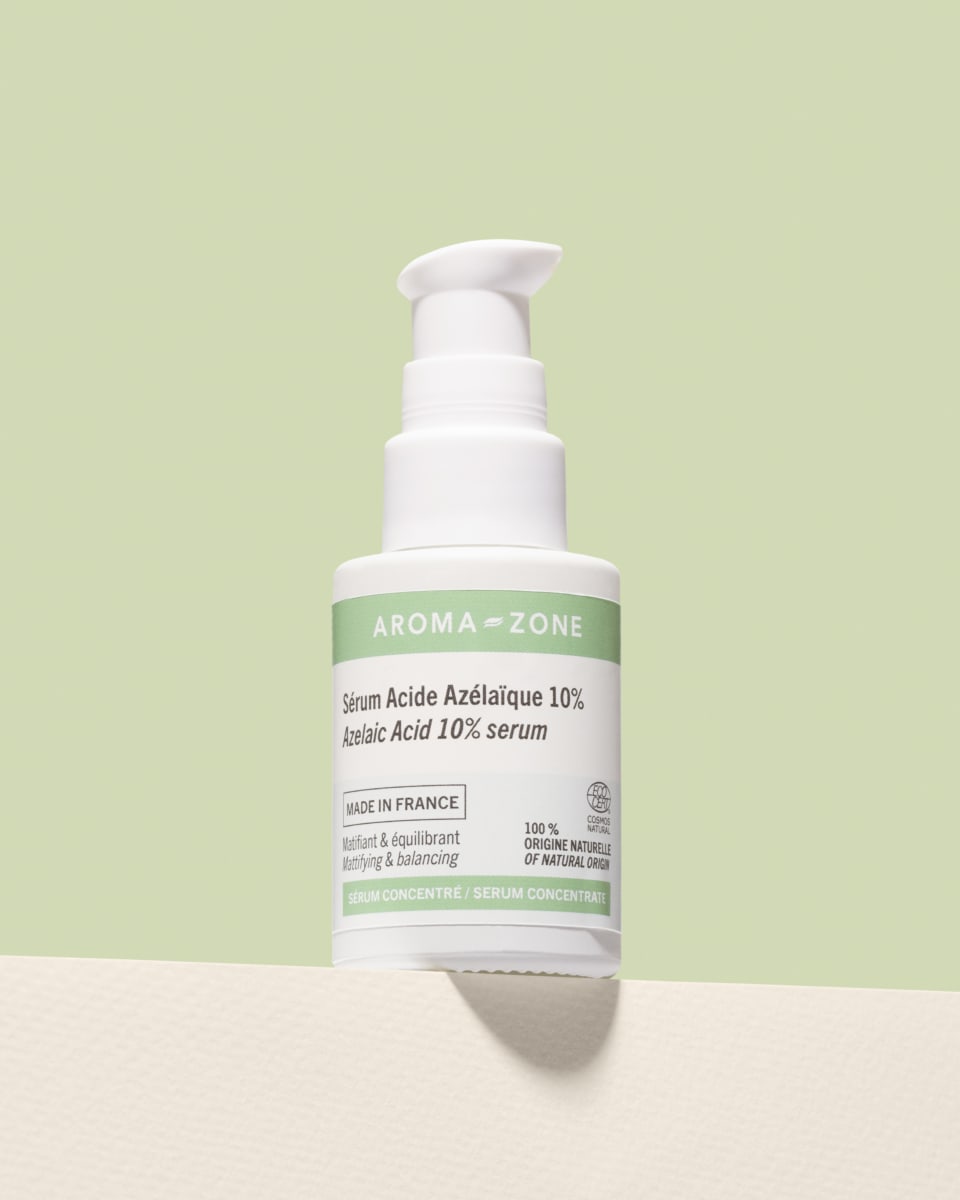
For example, our Azelaic Acid Serum has anti-inflammatory and anti-bacterial properties (particularly against Propionibacterium acnes, responsible for inflammatory acne). It also has keratolytic and sebum-regulating properties.

It contains 10% azelaic acid, as well as silica, hyaluronic acid and plant-derived salicylic acid. Don't combine it with any other salicylic acid to avoid side-effects (irritation, redness, burning). It is suitable for acne-prone skin, as well as skin suffering from rosacea and dull, easily reddened complexions.

It is also suitable for use during pregnancy and while breastfeeding.

A closer look at our Azelaic Acid Serum Concentrate

How do you apply it?

It can be applied in the morning or evening, with no risk of photosensitisation. It should be applied before your usual skincare creams or oils and sun protection.

Can it be combined with other active ingredients?

Azelaic acid can potentially be poorly tolerated by highly reactive skin, so we recommend you avoid combining it with irritating active ingredients, such as AHAs (fruit acids), glycolic acid, salicylic acid, or retinol. Our serum already contains salicylic acid, so there's no point, or even a potential danger, in applying any more salicylic acid to your skin.

On the other hand, combining it with hyaluronic acid is safe and maximises results.

When should I use a nicotinamide serum?

It can be used predominantly for two conditions:

  • Inflammatory acne.

  • Secondary pigmentation spots, primarily skin showing the first signs of ageing and sensitive skin.

Remember that nicotinamide (vitamin B3) is not an acid, and is well tolerated by the skin. This vitamin, which is naturally present in the body and in certain foods, helps to slow cell ageing and limit oxidative stress. In particular, it has an anti-ageing effect, as well as interesting pigmentation-fading properties.

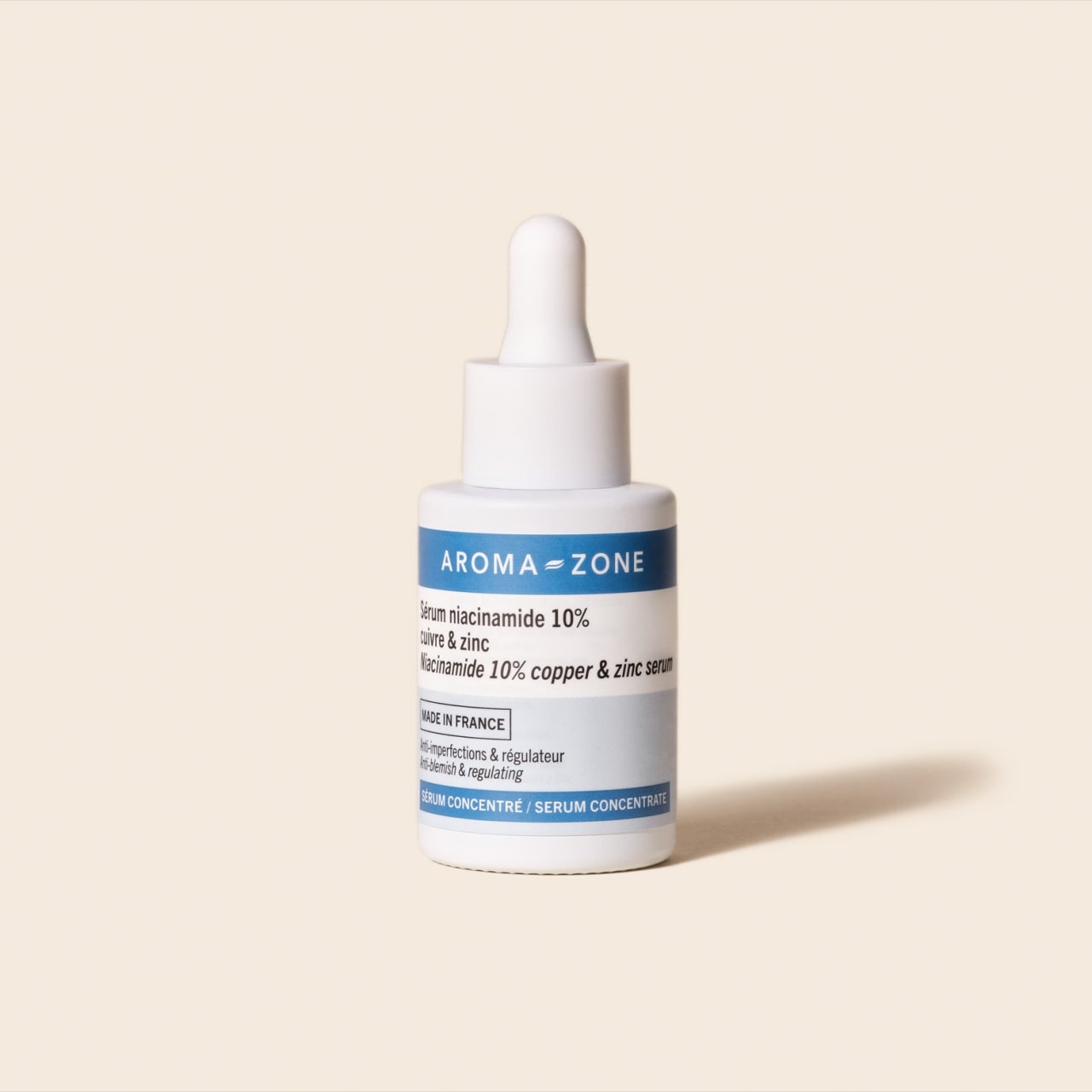
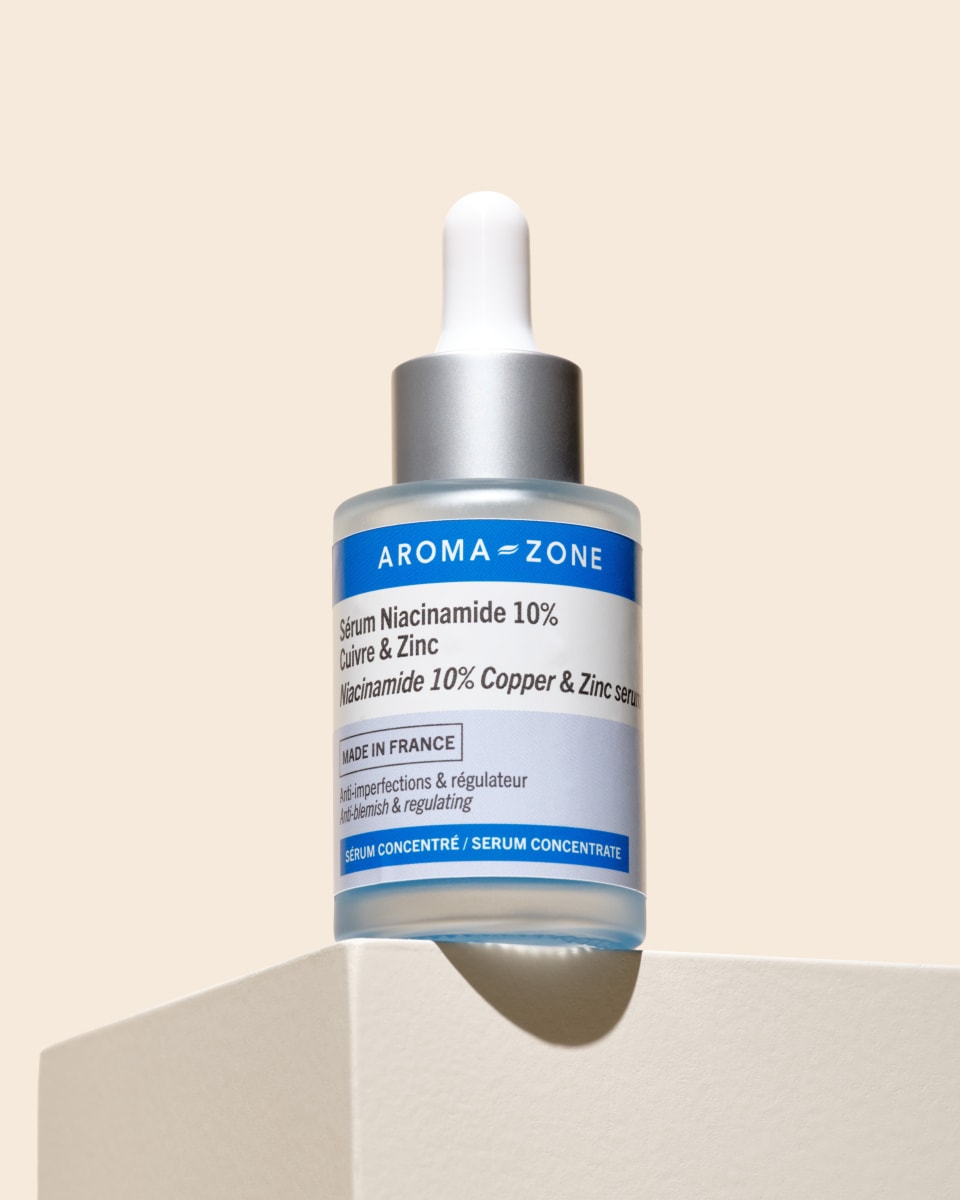
For example, our serum with nicotinamide (vitamin B3), zinc and copper is an essential ally for acne-prone and oily skin that's susceptible to hyperpigmentation and the signs of ageing. Its formula is enriched with hyaluronic acid, so it also brings comfort and hydration to the skin, while reducing skin inflammation, pimples and excess sebum.

A 10% concentration of nicotinamide also helps to gently fade the spots, post-inflammatory hyperpigmentation and redness that can appear after acne on mixed-race or darker skin tones. When Zinc (1%) is combined with copper, it has a strong anti-inflammatory effects and reduces the appearance of red spots and pustules, while improving skin hydration. Finally, it gives the complexion a matte finish and sebum secretion is regulated.

Therefore, it is ideal for oily skin, rosacea, dark spots and reactive skin. It is also suitable for use during pregnancy and while breastfeeding.

Focus on 10% Nicotinamide, Copper & Zinc serum concentrate

How do you apply it?

It can be used morning and/or evening. Massage a few drops of serum into your face and neck before applying your usual day/night skincare. This product is not photosensitising.

Can it be combined with other active ingredients?

It is possible to combine it with AHAs (fruit acids), glycolic acid or salicylic acid, but these combinations should preferably be spread out over the day. For example, nicotinamide serum in the morning, and the other AHAs in the evening, as they are potentially photosensitising. However, in theory, you could combine the two at the same time.

Finally, remember that serums or cosmetic products containing AHAs (glycolic acid in particular) can be irritating. Therefore, they should be reserved for your evening beauty routine to reduce sun exposure as much as possible. Similarly, avoid using too many irritating or abrasive products at the same time (e.g. salon exfoliators, DIY micro-peels and retinol, etc.), as this can damage your skin and make it uncomfortable (redness, itching, stinging, burning, etc.). Finally, including a good skin moisturiser will make your skin feel more soothed, comfortable, and, above all, more beautiful. So, don't hesitate to include hyaluronic acid in your beauty routine!

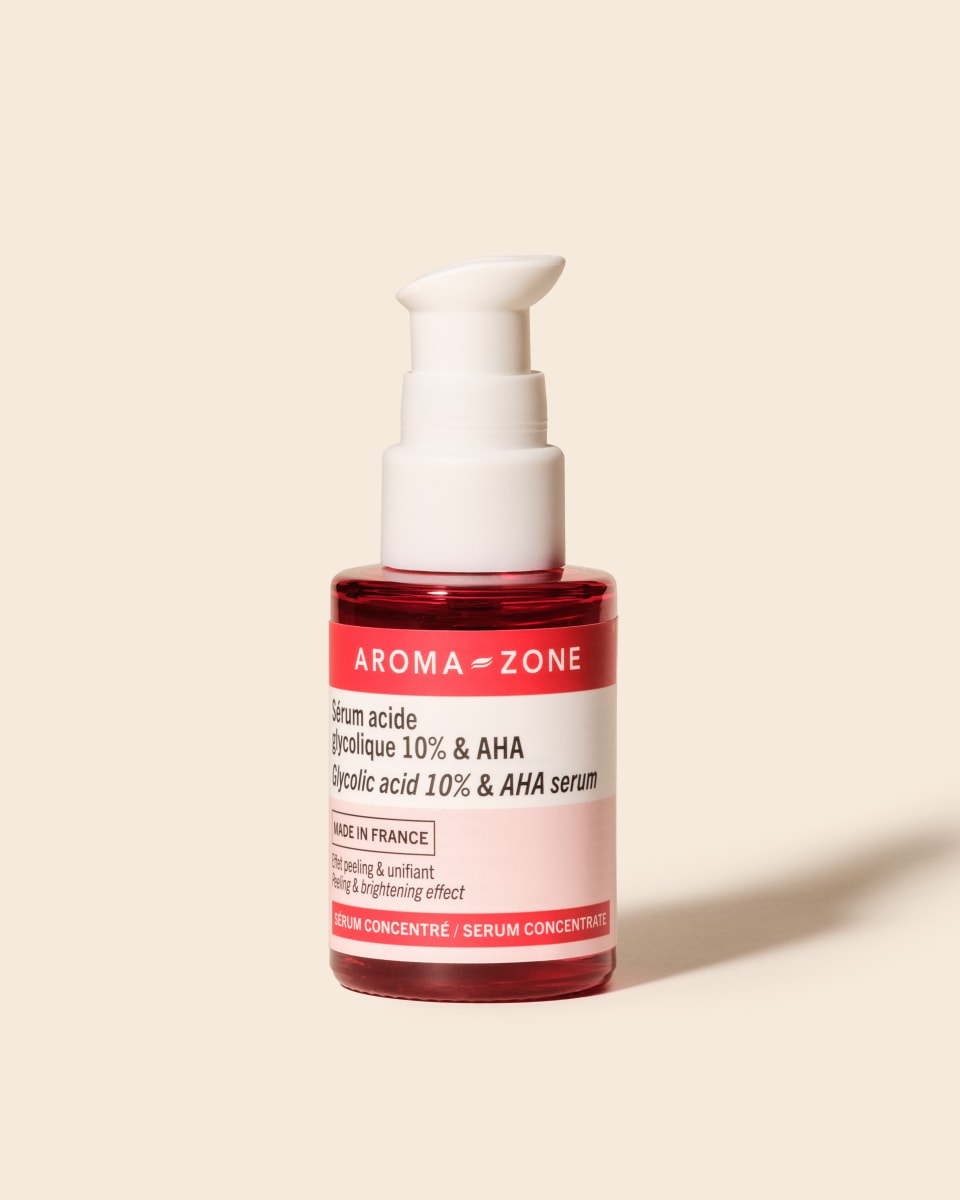
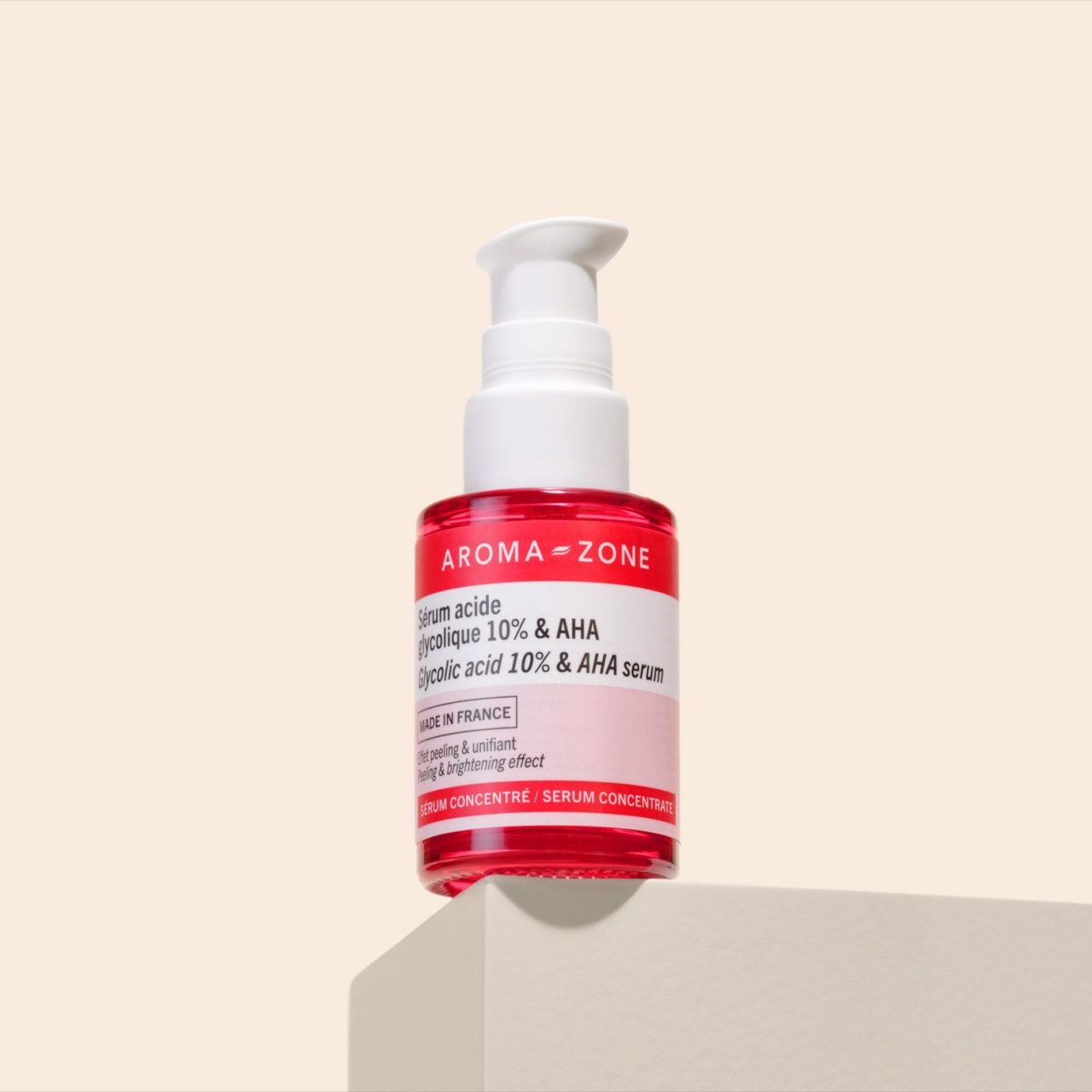
A closer look at our 10% Glycolic Acid AHA Concentrated Serum

Which active ingredient should not be combined with Nicotinamide?

Overall, the simple answer is simple: given that nicotinamide is well tolerated, there's not really a risky combination. However, remember that skincare products containing vitamin C are relatively 'fragile' and it's best to apply them separately from other skincare products, with the exception of hyaluronic acid (or a moisturiser) and sun cream. For example, apply vitamin C with hyaluronic acid in the morning and nicotinamide (with or without other active ingredients) in the evening.

In a nutshell:

Azelaic acid is ideal for oily skin with a tendency towards acne or rosacea, with or without dark spots. And nicotinamide is perfect for more sensitive, reactive and slightly more mature skin, potentially with inflammatory acne.

Finally, the argument about combining nicotinamide with other active ingredients should also be taken into account in this choice, given the excellent tolerance of nicotinamide compared with azelaic acid.

Bonus question: to optimise my anti-ageing routine

Retinol or hyaluronic acid?

Here again, it is important to consider the actions of these two components differently:

Hyaluronic acid is a natural component of the skin, which absorbs water and diminishes with age. When applied as a serum, it plumps the skin, erases fine lines and rehydrates dry, dehydrated or mature skin. It has no direct stripping or abrasive action, and no micro-peeling effect. It is well tolerated and rare to experience any side effects when using it.

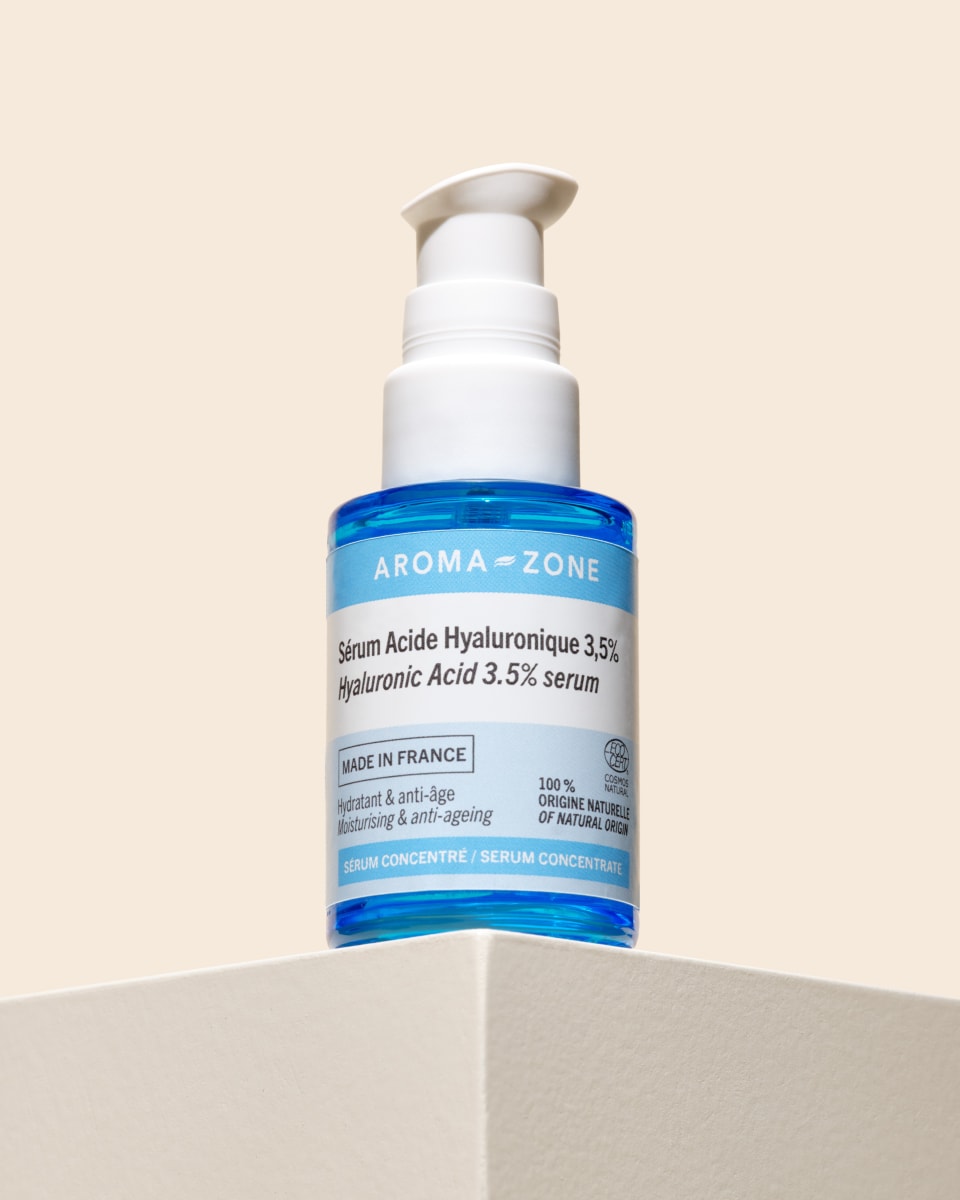
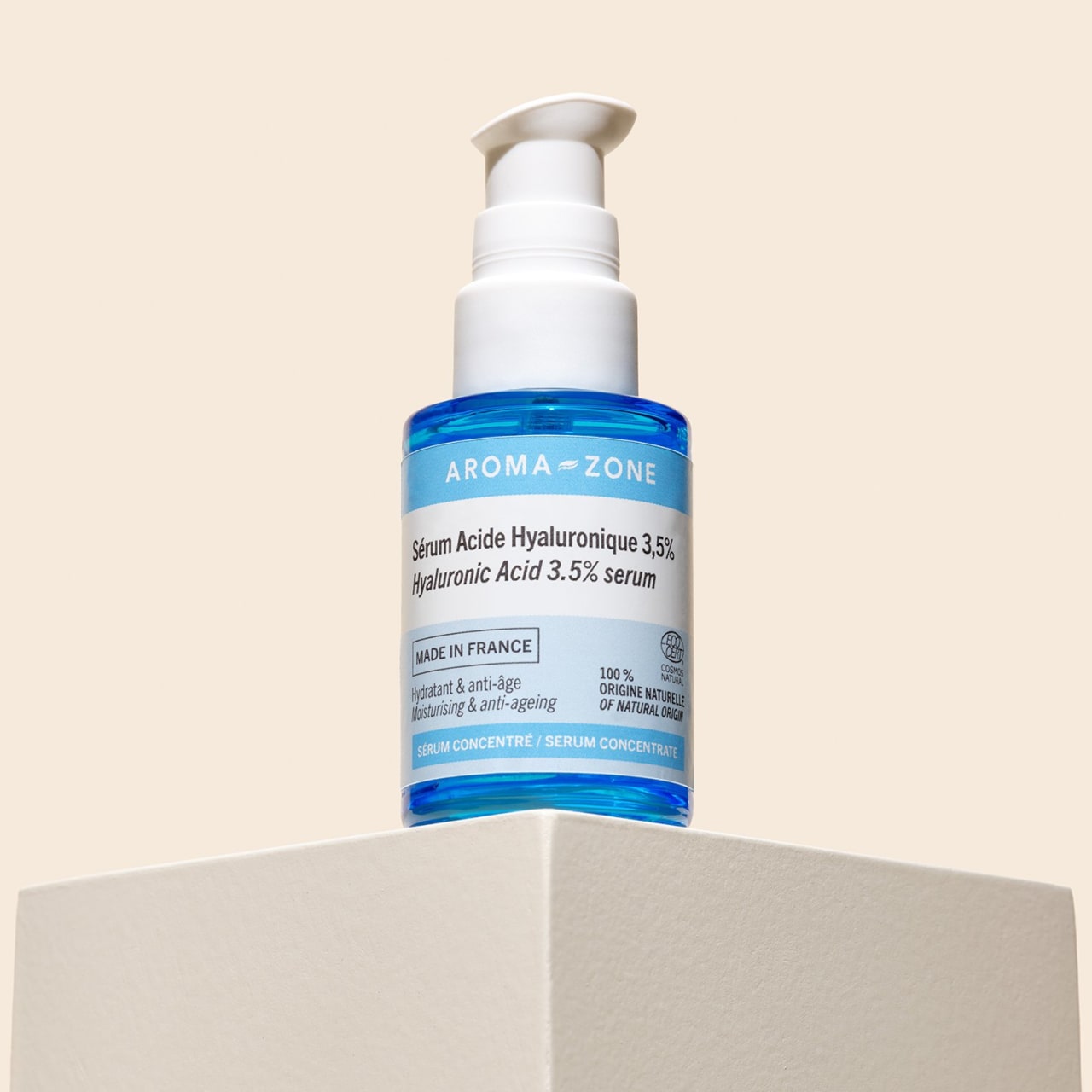
For example, our Hyaluronic Acid Serum is 3.5% concentrated and is suitable for all skin types, but particularly dry and dehydrated skin, thanks to its moisturising and soothing properties.

It can also be used around the eyes, and even on the hair, especially dry, curly or textured hair.

Focus on Hyaluronic acid serum concentrate

What is Retinol?

Retinol, on the other hand, is a derivative of vitamin A acid, which is a retinoid (a powerful keratolytic). It is more suited to mature skin or skin with imperfections. It is often poorly tolerated, especially when first used, because of its keratolytic action.

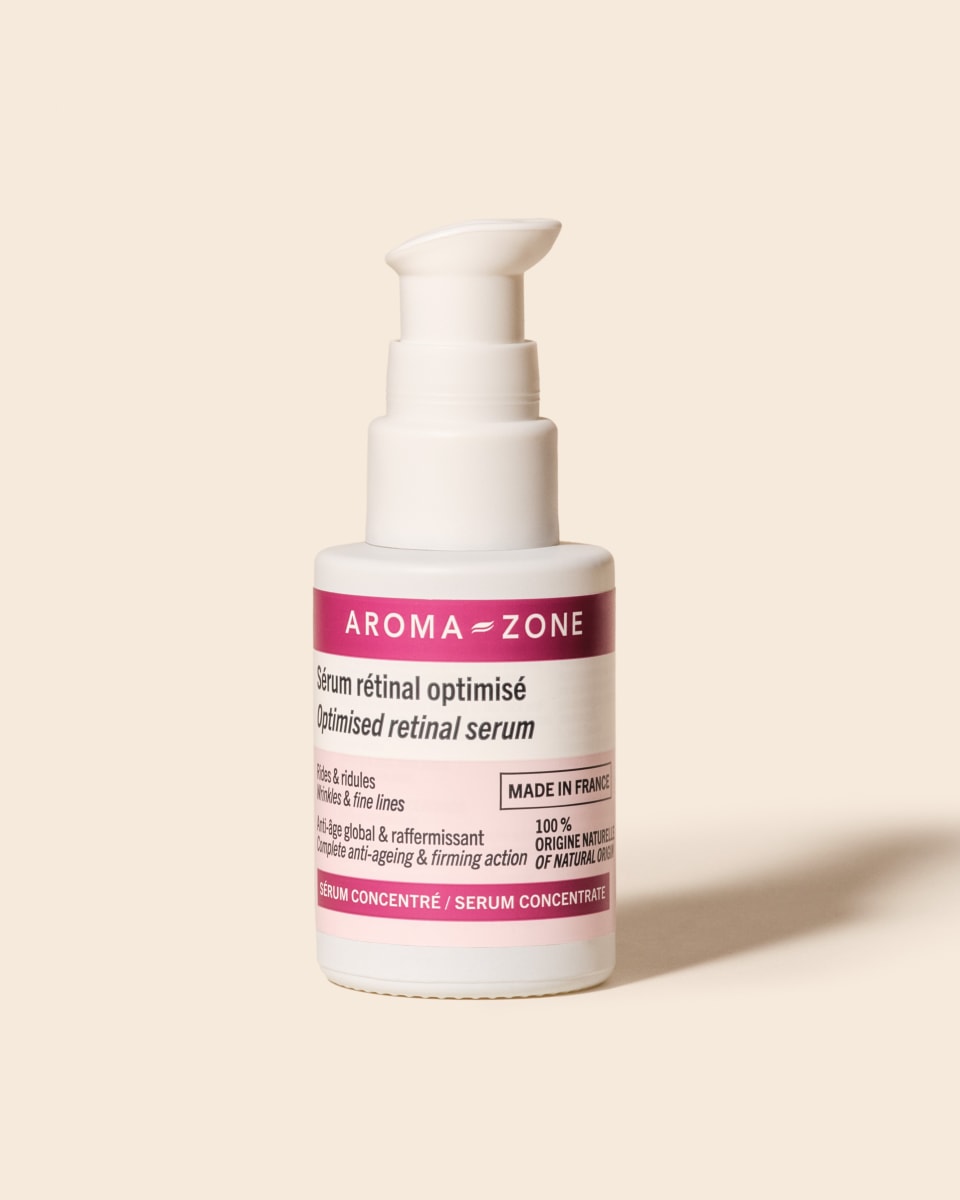
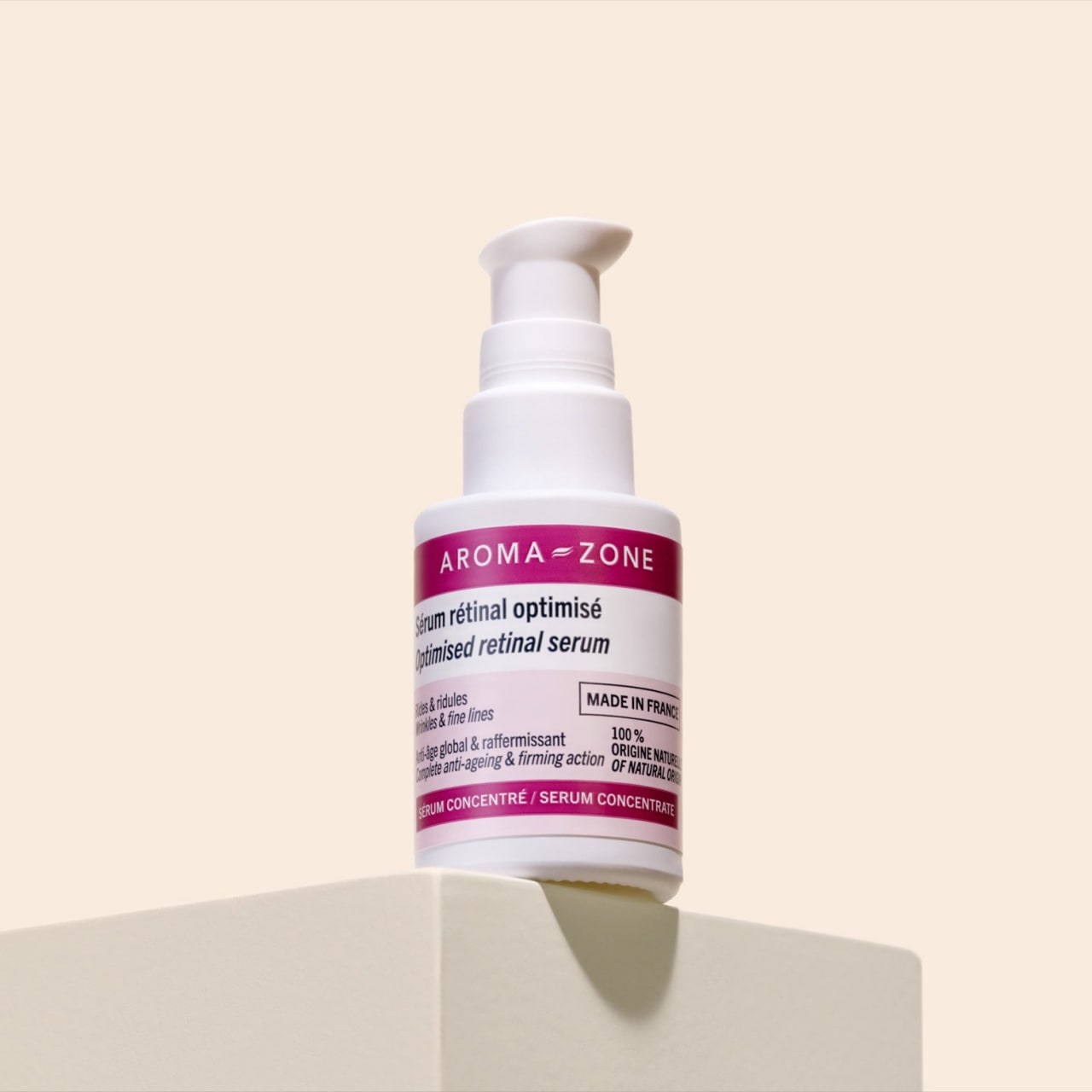
For example, our Optimised Retinal Concentrate Serum is made up of retinal, a precursor of retinoic acid (the active form of vitamin A), and mastic tree extracts, which limit the breakdown of retinoic acid naturally present in our skin. It is also enriched with hyaluronic acid, improving the tolerance of this serum, as well as its moisturising and anti-ageing action.

This serum helps to smooth the skin, tighten pores, reduce blackheads and pimples, and improve the appearance of fine lines and wrinkles. It also improves the complexion, making it more even and luminous, as well as limiting excess sebum.

It is designed for all skin types, but in particular mature skin needing anti-ageing action, oily skin, acne-prone and rosacea-prone skin, and dull or uneven complexions.

We now understand that one moisturises and plumps (hyaluronic acid) the skin, while the other exfoliates it and unclogs pores (retinol).

A closer look at Optimised Retinal Serum Concentrate

To sum up, these two active ingredients work in different ways, and the ideal solution is to combine them! Why not blend them at the same time (preferably in the evening for retinol)? As this improves both efficacy and tolerance.

Dermatologist's advice

As a reminder, retinol, unlike hyaluronic acid, can be poorly tolerated at first (burning, tingling, redness, dryness, etc.) and needs to be used gradually. Start with one or two applications a week, then gradually increase the frequency.

Ideally, for more sensitive skin, combine it with hyaluronic acid in a 'sandwich': apply a layer of hyaluronic acid, then retinol, then a second layer of hyaluronic acid.

Finally, if your skin doesn't tolerate retinol, take a break from applying the product while your skin gets used to it. And, in the meantime, use moisturising masks in the evening.

Find out more

Can azelaic acid and vitamin C be combined?

It's best not to combine azelaic acid directly with vitamin C in the same application, as this could potentially reduce the effectiveness of these active ingredients. However, you can use them at different times in your skincare routine. For example, apply azelaic acid in the morning and vitamin C in the evening, taking care to space their use well apart.

Can glycolic acid and retinol be mixed?

It is generally not advised to use glycolic acid and retinol directly in the same application, as these two active ingredients can be irritating when combined. Preferably, use them separately. Alternate their use by applying glycolic acid on some days and retinol on others, depending on your skin's tolerance.

Glycolic or salicylic acid: which one should I choose? Can they be combined?

Choosing between glycolic acid and salicylic acid depends on your specific skincare needs. Glycolic acid is effective for exfoliating the skin's surface and improving texture, while salicylic acid penetrates deeper into the pores to remove impurities and reduce excess sebum. Mixing them in the same application is generally not recommended, as it may increase the risk of irritation. It's better to use them separately, depending on your skin's needs.

Dr Agathe Aoun - Coussieu is a dermatologist in Martinique, where she practises general, surgical and cosmetic dermatology. Mindful of the skin's well-being, she also offers advice and the most natural skincare products adapted to sensitive or special skin types. She has also set up an Instagram account where you can find her favourite products, explanations of skin pathologies and skin advice (@dragatheaoun).