At what age should you start an anti-wrinkle routine?
Published on: Wednesday, August 26, 2026, Updated on: Tuesday, October 13, 2026
The first fine lines at the corners of the eyes, a feeling that your skin is losing its firmness: the question of when is the right time to start an anti-wrinkle routine comes up time and time again, often tinged with worry or misconceptions. Should you take action in your twenties, as a preventative measure, or wait until the wrinkles are well established? To shed some light on the matter, we answer the most frequently asked questions on the subject and explain the mechanisms of skin ageing, as well as the right time to adapt your skincare routine.
Contents
Related products
Cleansing
Makeup remover
£10.00
80 ml
Anti-ageing
Firming
£11.00
30 ml
4 options
Anti-ageing
Anti-wrinkle
£9.00
30 ml
2 options
Smoothing
Anti-ageing
£12.00
50 ml
2 options
Anti-wrinkle
Firming
£19.00
49.6 g
In brief
You can start as early as your twenties, but it is really only when the first wrinkles appear – usually between the ages of 25 and 35, depending on skin type, sun exposure and lifestyle – that an anti-ageing routine becomes necessary.
Wrinkles result from a gradual slowdown in cell renewal, a decline in collagen and elastin production, and the cumulative effect of free radicals (UV rays, pollution, oxidative stress).
A suitable skincare routine combines moisturising, daily sun protection and targeted natural active ingredients to slow down the appearance of wrinkles and smooth out existing ones.
When and why do wrinkles appear?
Wrinkles appear because cell renewal slows down with age and the production of collagen and elastin gradually decreases, a process accelerated by UV rays, pollution and hormonal changes.
Wrinkles occur because, over time, the skin loses its ability to regenerate and maintain its supportive structure. From your twenties onwards, cell renewal begins to slow down gradually, whilst the production of collagen and elastin—the two proteins that give the skin its firmness and its elasticity, decreases a little more each year. As a result, the dermis thins and loses density, and the skin becomes less able to resist the micro-movements of the face which, repeated thousands of times, eventually leave lasting marks.
In addition to this so-called intrinsic ageing – which is purely chronological and largely genetically determined – there is also extrinsic ageing: UV exposure remains the number one aggravating factor, accelerating the breakdown of existing collagen and generating oxidative stress responsible for the formation of free radicals. Pollution, smoking, an unbalanced diet or poor-quality sleep exacerbate this phenomenon by further weakening the skin’s supportive fibres.
A third factor, often underestimated, comes into play in women: hormonal fluctuations. The decline in oestrogen production, which is particularly marked as the menopause and during it, is accompanied by a significant drop in collagen synthesis and a loss of skin hydration, which visibly accelerates the appearance of wrinkles during this period.
At what age should you start an anti-wrinkle skincare routine?
There is no one-size-fits-all age, but prevention can generally begin in your late twenties, whilst an anti-wrinkle routine targeting existing wrinkles is best considered from the age of 35 onwards, depending on skin type, sun exposure and heredity.
The question of the ‘right age’ actually stems from a common confusion between prevention and correction. From the age of 25–28, cell renewal begins to slow down and the first signs of sagging may appear, particularly in skin that is thin or has been heavily exposed to the sun. This is the time to incorporate preventative measures: daily sun protection, intensive moisturising and antioxidants, without, however, overusing powerful corrective active ingredients that are not yet necessary.
From the age of 35–40, the first expression lines become more permanently etched, and collagen production drops more sharply. It is generally at this stage that a dedicated anti-wrinkle routine really comes into its own, with proven active ingredients capable of improving skin firmness and density.
However, the timing depends on several factors specific to each individual: genetics and skin type play a decisive role, as do cumulative sun exposure over the years, smoking, or even significant hormonal changes (pregnancy, perimenopause). Two women of the same age may therefore have very different skin needs. Consequently, observing your own skin remains the best indicator – far more so than the age stated on your identity card – of the skincare routine you should adopt.
Nutrients to prioritise in your diet
As well as the active ingredients applied to the skin, certain nutrients play a key role in combating skin ageing by supporting collagen production and strengthening the skin’s natural defences against oxidative stress.
Key nutrient | Role in the skin | Main sources |
Vitamin C | Essential co-factor in collagen synthesis, antioxidant action | Citrus fruits, kiwi, peppers, parsley |
Vitamin E | Protects cell membranes from oxidative stress | Almonds, hazelnuts |
Omega-3s | Maintains skin suppleness, reduces inflammation | Oily fish, linseed and chia seeds, walnuts |
Zinc | Supports cell repair | Seeds, nuts, oysters |
Selenium | Boosts antioxidant defences | Brazil nuts, fish, eggs |
Polyphenols | Neutralise free radicals | Green tea, red berries, cocoa |
What simple anti-wrinkle routine should you follow in the morning and evening?
Topical skincare products alone are not enough to prevent the appearance of wrinkles, but when applied in the correct order and regularly, whilst respecting the skin’s barrier, they can significantly slow down their development and improve the skin’s firmness and radiance.
In short, topical skincare products are no substitute for a holistic approach (lifestyle, diet, sun protection), but they play a crucial role when incorporated into a consistent routine and used over the long term. The skin is a living tissue that responds to regular care, provided the correct order of application is followed in your anti-ageing routine, from cleansing to sun protection:
Gentle cleansing, which respects the hydrolipidic film, prepares the skin to better absorb the active ingredients applied afterwards: Preserving the skin barrier at this stage is essential, as a weakened barrier allows water to escape and accelerates dehydration, a factor that exacerbates skin ageing. Preserving the skin barrier is therefore a cornerstone of any anti-ageing routine, just as much as moisturising.
A targeted serum, rich in anti-ageing active ingredients (collagen, peptides, hyaluronic acid), works deep within the skin to improve firmness and hydration.
A suitable cream, applied morning and evening, helps to lock in moisture and reinforce the serum’s long-term effects.
Daily sun protection remains the most effective way to minimise the appearance of new wrinkles.
The key is consistency: these are simple habits, repeated day after day, which help to support the skin and gently slow down the ageing process. To make this a lasting habit, we encourage you to turn it into a relaxing ritual, morning and evening.
Which Aroma-Zone products are most effective?
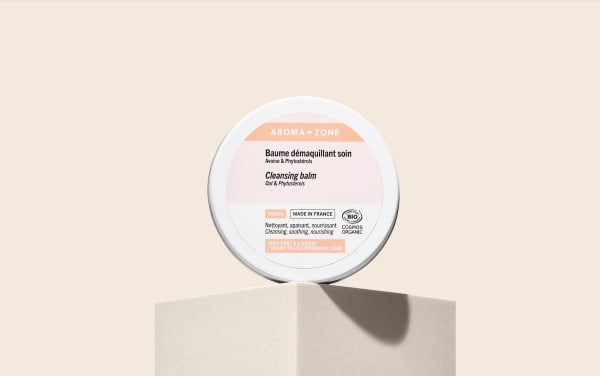
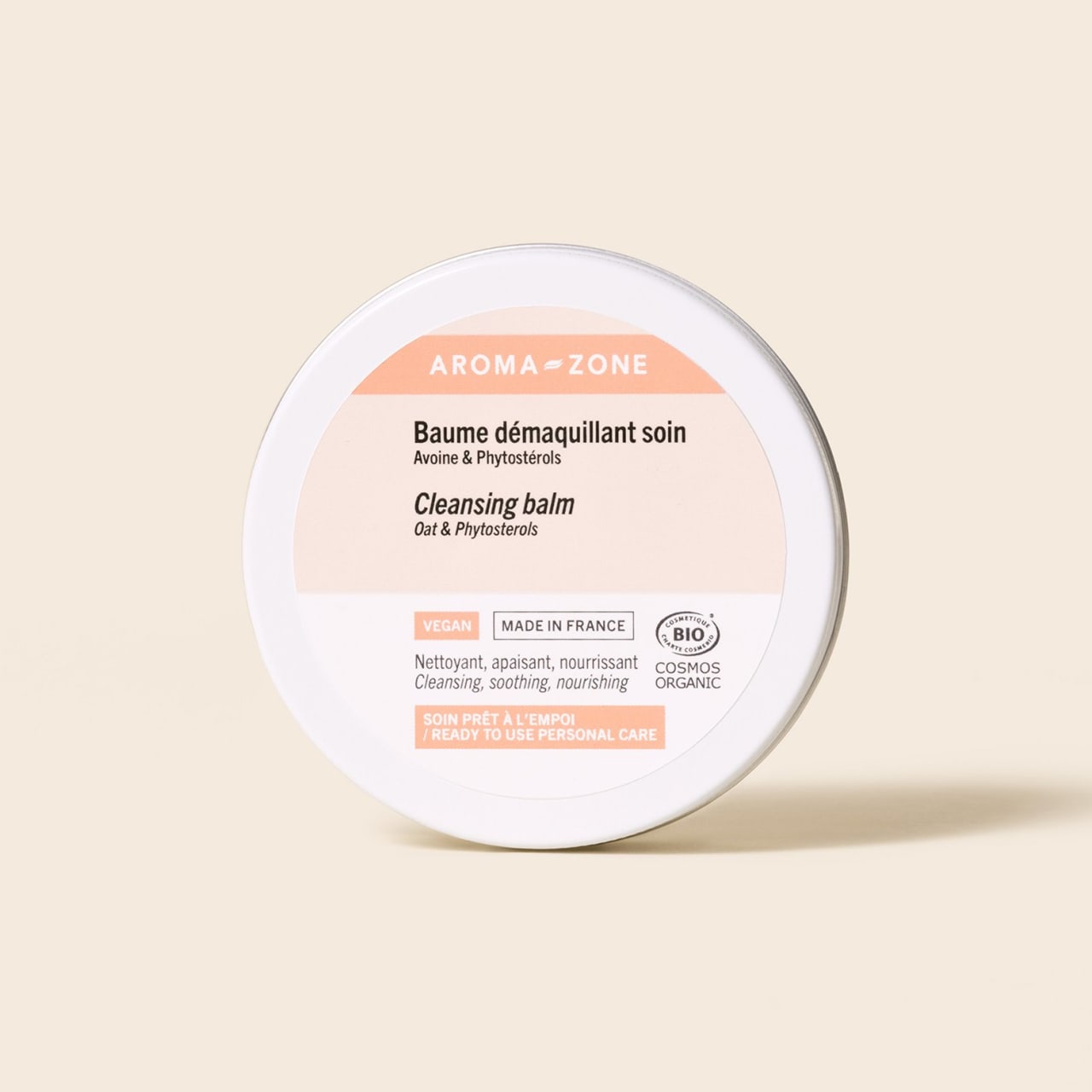
Oat & Phytosterols Make-up Removing Balm: Packed with biomimetic active ingredients and soothing oat oil, this balm removes make-up from the face, lips and eyes, deeply cleanses and soothes sensitive, reactive and redness-prone skin. On contact with water, its enveloping balm texture transforms into a milky veil to remove make-up – even waterproof make-up – impurities and sun filters. Apply directly to dry skin on the face, lips and eyes, massaging gently in circular motions before rinsing.
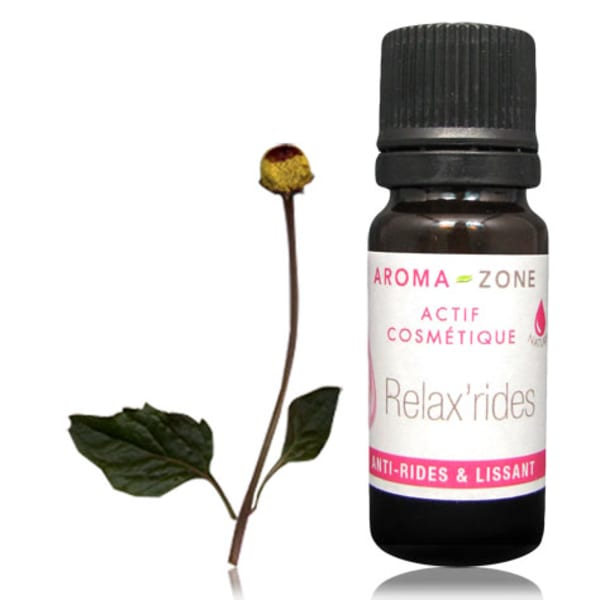
Relax’rides Active Ingredient: Derived from Acmella oleracea, often known as ‘Mafane’ and long used as both food and medicine throughout the Indian Ocean region, Relax’rides is an anti-wrinkle active ingredient specifically targeted at expression lines as it acts on micro-contractions of the skin. It is used to formulate anti-wrinkle skincare products that are both preventative and smoothing, and is particularly suitable for eye and lip contour treatments. Dosage: 2–5 per cent of the total weight of your formulation (cream, lotion, etc.).
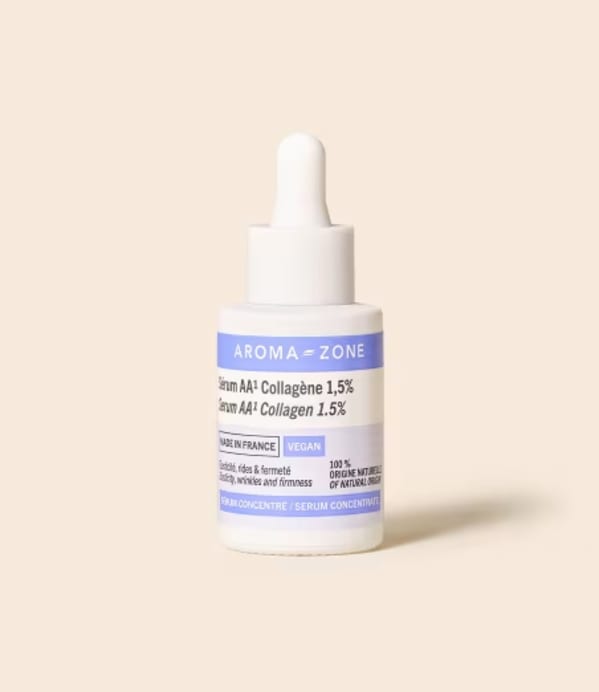
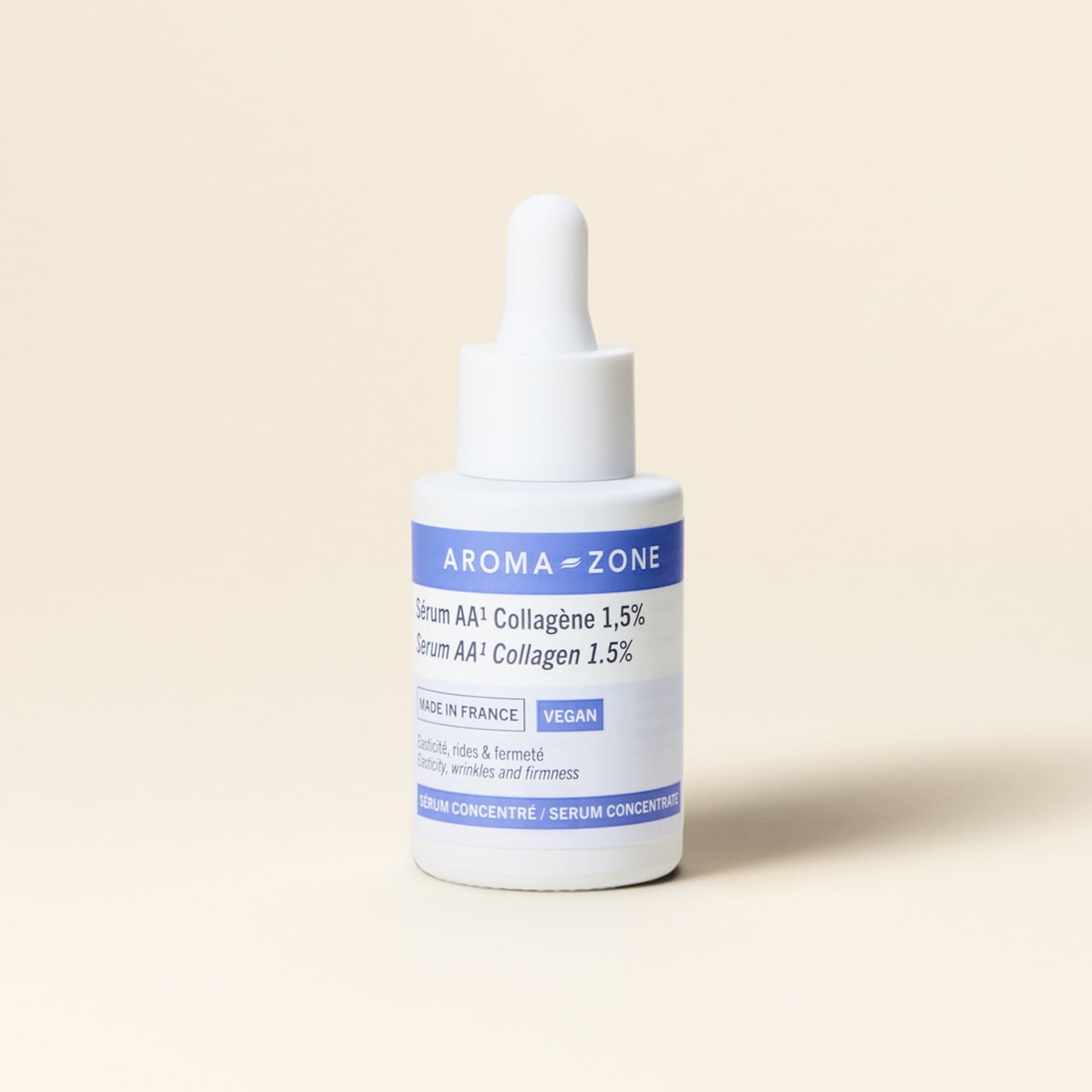
AA Collagen 1.5% Serum: Containing a 1.5% concentration of vegan collagen, this firming, anti-wrinkle serum is ideal for mature and sagging skin. Its biomimetic complex of peptides and amino acids works deep down to promote regeneration, firming and repair. When used in combination with the Collagen Cream and a suitable anti-wrinkle routine, it reduces the appearance of wrinkles and sagging, provides intense hydration thanks to hyaluronic acid, and leaves the skin visibly smoother, softer and firmer, whatever your age. Apply directly to clean, dry skin on the face and neck, massaging gently, before your usual skincare routine.
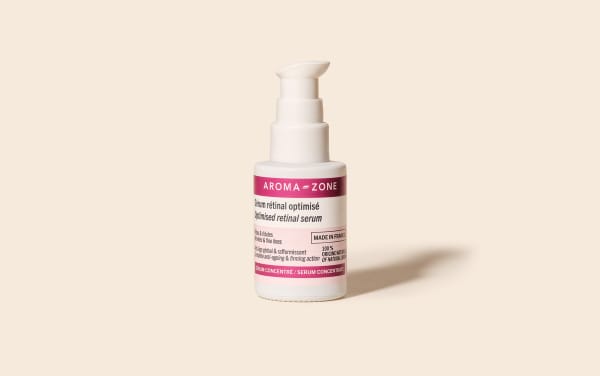
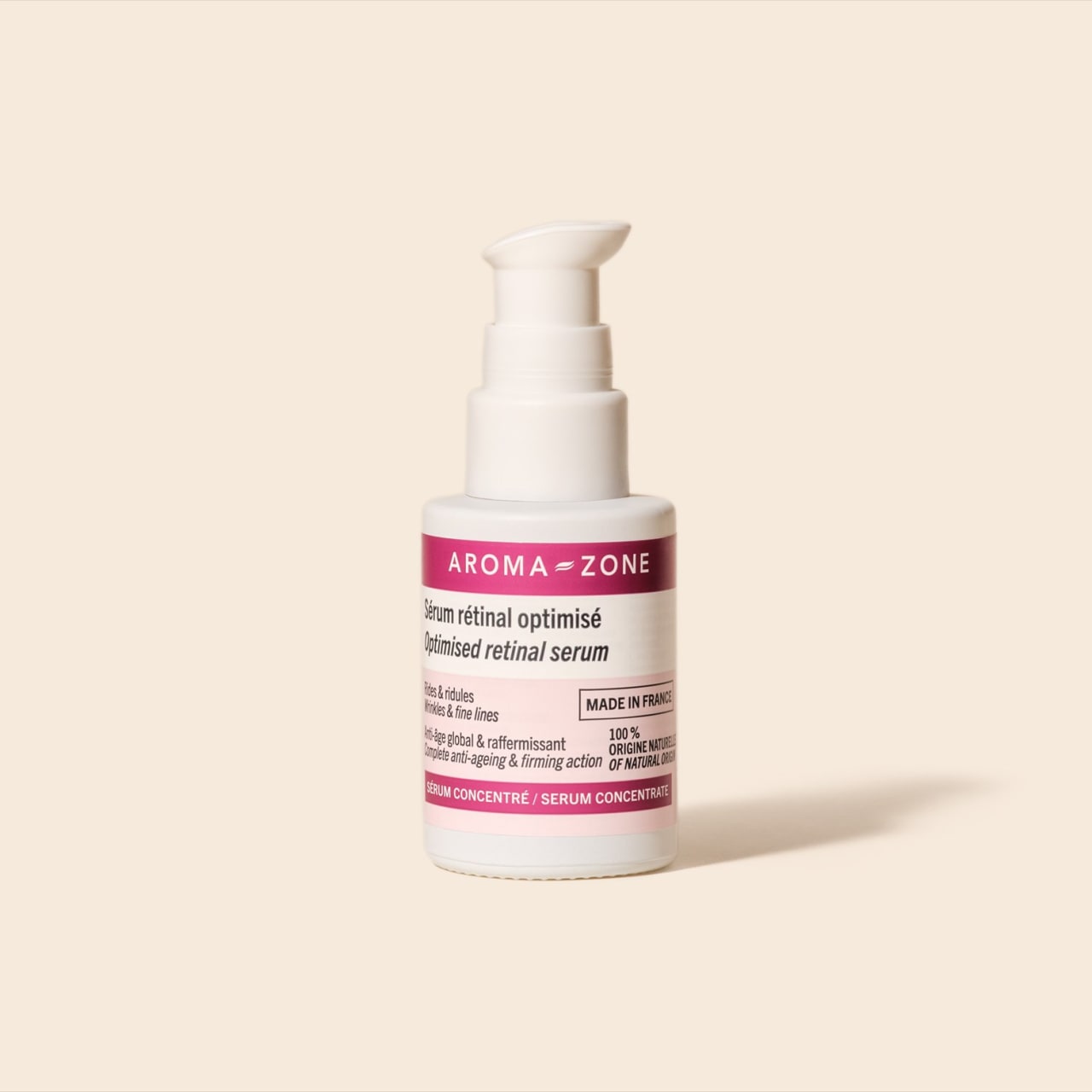
Optimised Retinal Concentrated Face Serum: A comprehensive anti-ageing treatment, this serum is enriched with retinal, an essential multi-targeted active ingredient that combats the signs of ageing, including wrinkles and fine lines. It firms the skin, reduces dark spots and brightens the complexion. Well known for its effectiveness against blemishes, it has anti-inflammatory properties, reduces impurities, purifies, evens out the complexion and helps regulate oily skin.
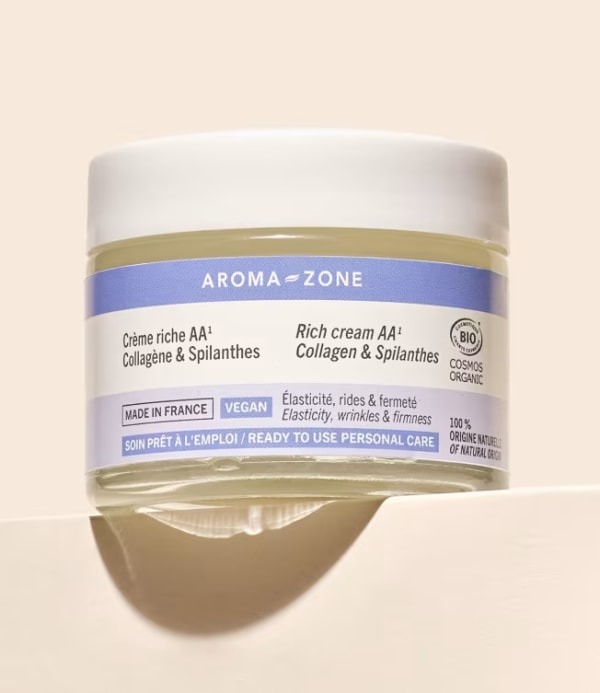
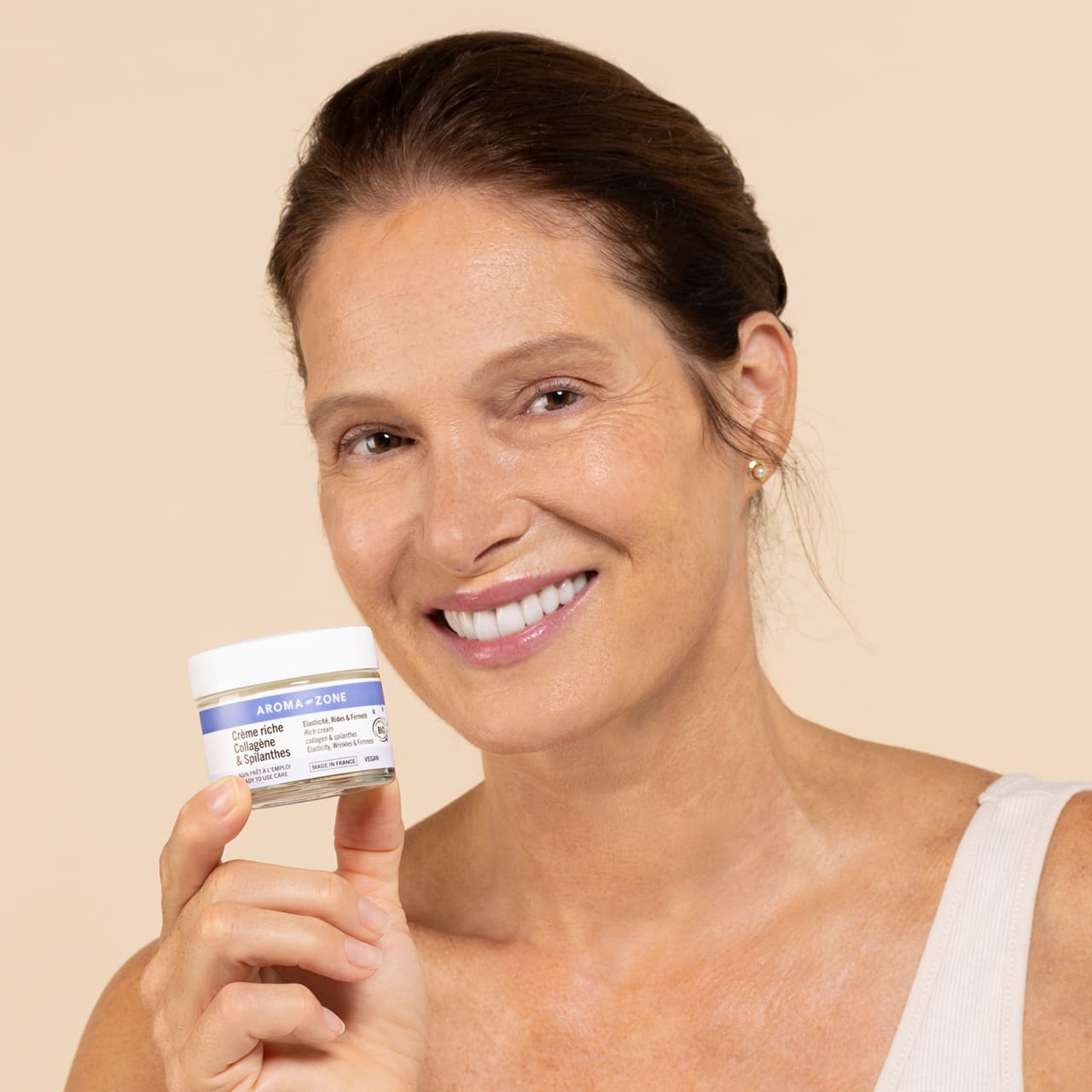
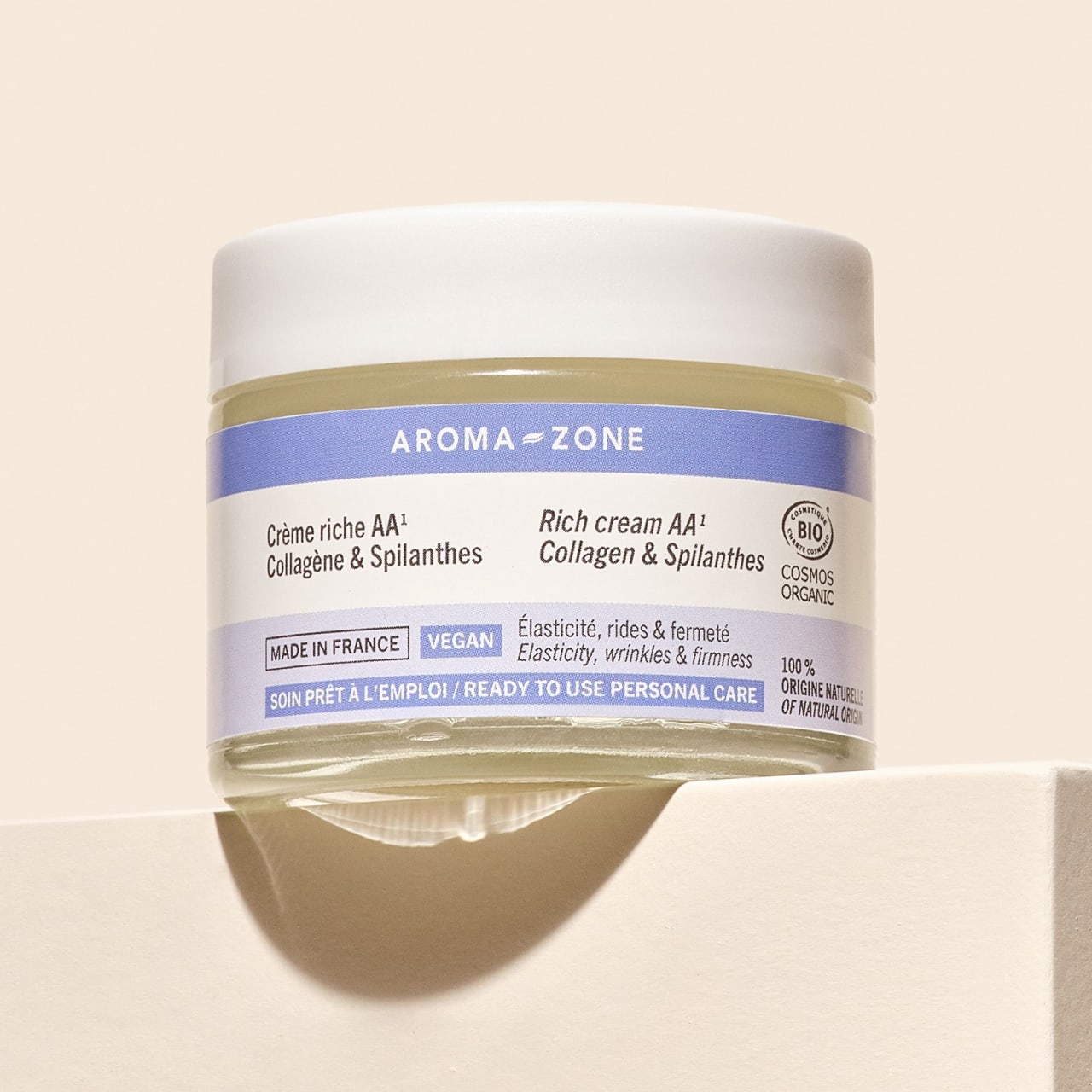
Rich Vegan Collagen & Organic Spilanthes Cream: Wrinkles reduced, skin plumped, facial contours redefined, neck contoured: this certified organic anti-ageing collagen cream has proven effectiveness against 8 signs of ageing. Designed for mature skin, its innovative formula combines firming and lifting vegan collagen, Spilanthes extract with a plant-based ‘Botox-like’ anti-wrinkle and smoothing effect, and plumping and moisturising hyaluronic acid. Apply directly to clean skin on the face and neck, massaging gently, after your serum.
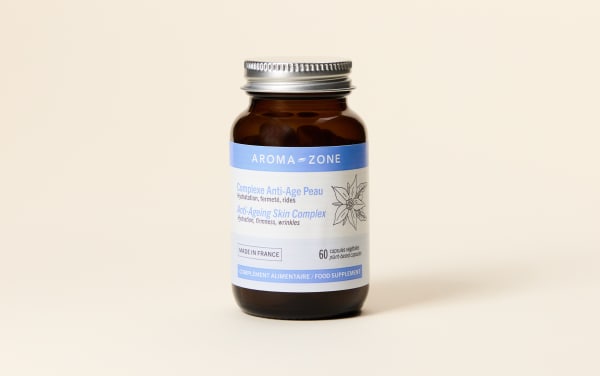
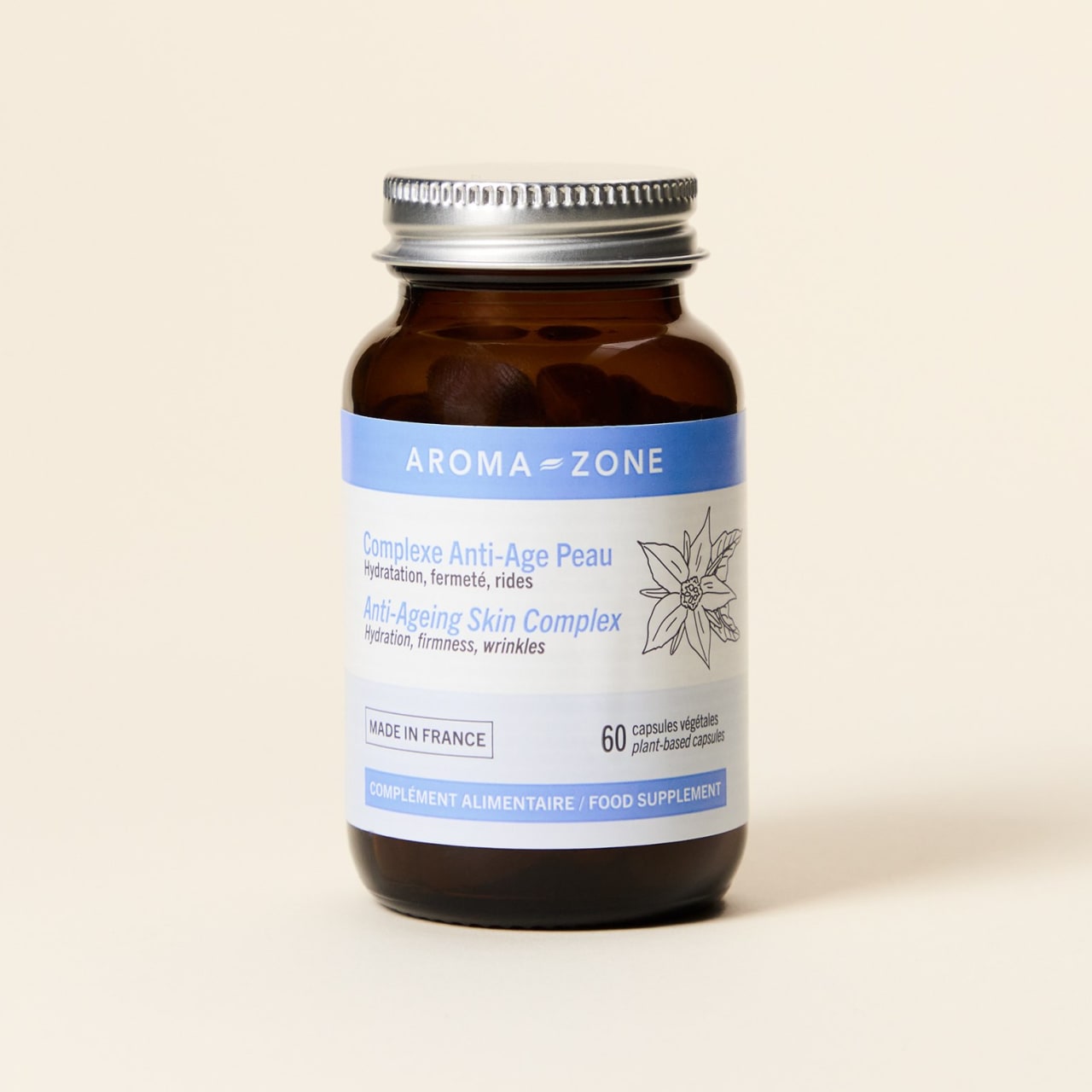
Skin Anti-Ageing Complex: This dietary supplement combines the precious oils of evening primrose and borage with the active ingredient Céramosides™, a concentrate of plant-based ceramides with scientifically proven efficacy on skin firmness and wrinkles, and vitamin E to protect against oxidative stress. Ideal for mature and dry skin, it also helps maintain the skin’s suppleness and hydration during the menopause. Take two capsules a day, with a glass of water. Not a substitute for a varied and balanced diet and a healthy lifestyle. Do not exceed the recommended daily intake: excessive consumption may have a laxative effect. For adults only; not recommended for pregnant or breastfeeding women, or young children.
A dermatologist’s advice
“Wrinkles are natural creases on the face that develop over time.
The decision to prevent or treat these signs is the result of individual preferences and societal pressures.
Far be it from me to lend medical credence to cosmetic diktats: this article provides information so that those who wish to treat them know how to do so."
Dr Reyhan Amode, dermatologist and member of the Aroma-Zone College of Dermatologists
Spotlight on Our Writer: Louise Hourcade

After graduating from ESCP Business School in 2020, Louise began her career as a writer in 2021. Today, she writes a newsletter where she shares cultural recommendations and more personal articles, such as dating apps, therapy, and career guidance. She also writes for media outlets, brands and agencies on subjects such as well-being, mental health, culture, and society.
Bibliography
Hughes MCB, Williams GM, Baker P, Green AC. Sunscreen and prevention of skin ageing: a randomised trial. Annals of Internal Medicine. 2013
https://pubmed.ncbi.nlm.nih.gov/23732711/
Hughes MCB, Williams GM, Baker P, Green AC. Sunscreen and prevention of skin ageing: a randomised trial. Annals of Internal Medicine. 2013
https://pubmed.ncbi.nlm.nih.gov/23732711/
Lephart ED, Nauman KD. Menopause and the skin: old favourites and new innovations in cosmeceuticals for oestrogen-deficient skin. International Journal of Molecular Sciences. 2021
https://pubmed.ncbi.nlm.nih.gov/33668626/
Pavicic T, Gauglitz GG, Lersch P, Schwach-Abdellaoui K, Malle B, Korting HC, Farwick M. Efficacy of novel cream-based formulations of hyaluronic acid with different molecular weights in anti-wrinkle treatment. Journal of Drugs in Dermatology. 2011
https://pubmed.ncbi.nlm.nih.gov/22052267/
Dhaliwal S, Rybak I, Ellis SR, et al. Prospective, randomised, double-blind assessment of topical bakuchiol and retinol for facial photoageing. British Journal of Dermatology. 2018
https://pubmed.ncbi.nlm.nih.gov/29947134/
Pu SY, Huang YL, Pu CM, et al. Effects of oral collagen on skin anti-ageing: a systematic review and meta-analysis. Nutrients. 2023
https://pubmed.ncbi.nlm.nih.gov/37432180/pubmed.ncbi.nlm.nih