Barring special conditions, you can take as many courses as you like over the the year. Ideally, you should take the jelly for short periods rather than a long time. For example, you could do an initial 4-week course in March at the end of winter and beginning of spring. Then, you could take a second course over a similar period in October between autumn and winter. If in doubt, seek the advice of a healthcare professional.
All you need to know about royal jelly
Royal jelly is the most valuable and premium product produced by bees. Also known as "bees' milk", it is the exclusive food of the queen of the colony. An exceptional source of vitamins, minerals and amino acids, it enables the queen to live up to 40 times longer than her workers. Its content of 10-HDA, a fatty acid that it alone possesses, makes it a highly prized active ingredient in apitherapy. In cosmetics, it is used as a skin and hair moisturiser. As a food supplement, it is used to stimulate general health. However, a course of natural royal jelly is not something you can take without researching it. Whether it's fresh, in ampoules or capsules, it must be chosen and consumed with due care and consideration. Here's everything you need to know.

Royal jelly: what is it?
The queen bee's royal treasure
Royal jelly is often considered to be the hive's superfood. It is produced by the hypopharyngeal and mandibular glands of worker-feeding bees. Its composition is quite similar to that of pollen. In fact, it is similar to pre-digested pollen.
Its role is to feed the larvae and future queens. It supports bees' growth for the first three days of their life. For the bees chosen to become queens, it is their only food source and they will consume it throughout their lives.
Colonies produce only as much bees' milk as they need. A French hive generally produces between 300 and 800 g per year. Royal jelly producers use special methods to harvest it without interfering with the proper development of the hive.
Royal jelly's composition
Royal jelly's composition is complex. It also fluctuates according to the species of bees that produce it and its target organism (brood or future queen). That said, it has two remarkable characteristics:
It contains its own fatty acid: 10-HDA (10-hydroxy-2-decenoic acid). Described as the "R Factor" (rejuvenation factor), it has a number of pharmacological applications that are still being studied.
What's more, bees' milk is the most abundant known natural source of vitamin B5 (pantothenic acid). Pantothenic acid is involved in the functioning of energy metabolism and the nervous system.
What else does it contain?
Water (this is the main ingredient, accounting for 65-70%).
Carbohydrates: monosaccharides (fructose, glucose), disaccharides (sucrose, among others), polysaccharides (ribose, melibiose, etc.).
Amino acids (including the 8 essential to the human body: lysine, valine, phenylalanine, leucine, isoleucine, tryptophan, threonine and methionine).
Proteins (MRJP family: MRJP-1, 2, 3 and 4).
Peptides (including royalisin, also known as "defensin").
Fatty acids (particularly 10-HDA).
Sterols (cholesterol).
Waxes.
Phospholipids.
Vitamins (B1, B2, B3, B5, B6, B8, B9, B12, C, E).
Minerals (copper, calcium, zinc, magnesium, sodium, potassium, etc.).
Enzymes.
Acetylcholine.
Traces of hormones (estradiol, testosterone, progesterone) in fresh jelly.
What are the benefits of royal jelly?
Despite all the hype surrounding it, pharmacological and pharmacodynamic studies and clinical trials are still rare. The benefits of royal jelly are mainly hypotheses based on empirical use. Therefore, they should be approached with caution, and we should remain wary of most of its health and beauty claims.
Its benefits for well-being
The use of organic or natural royal jelly could have positive effects for the following:
Immune system.
Menopausal symptoms.
Sexual vigour.
Cholesterol.
Diabetes (type 2).
High blood pressure.
Intellectual and physical fatigue.
Low morale.
Joint pain.
Osteoporosis.
Its benefits for the skin
The properties of royal jelly also apply to cosmetics (INCI name: royal jelly). Applied topically, it is generally credited with the following benefits:
Moisturises the upper layers of the epidermis.
Prevents the signs of ageing.
Combats oxidative stress.
Soothing and healing properties.
Its benefits for the hair
Among its various benefits, organic or natural royal jelly could also be beneficial to the hair. Here are its main properties:
Moisturising.
Fortifying.
Prevents excessive hair loss.
Supports normal healthy growth.
Hair fibre revitaliser.
How do I choose my royal jelly food supplement?
Royal jelly: pay attention to quality
The price of royal jelly is high. Its cost is due to its scarcity and the stringency of its production. Some Asian countries sell cheaper jelly, but this of poor quality (artificially fed bees, frozen jelly, contamination with antibiotics that are banned in France). For your own well-being, it's best to choose a French royal jelly with the GPGR label.
Fresh royal jelly
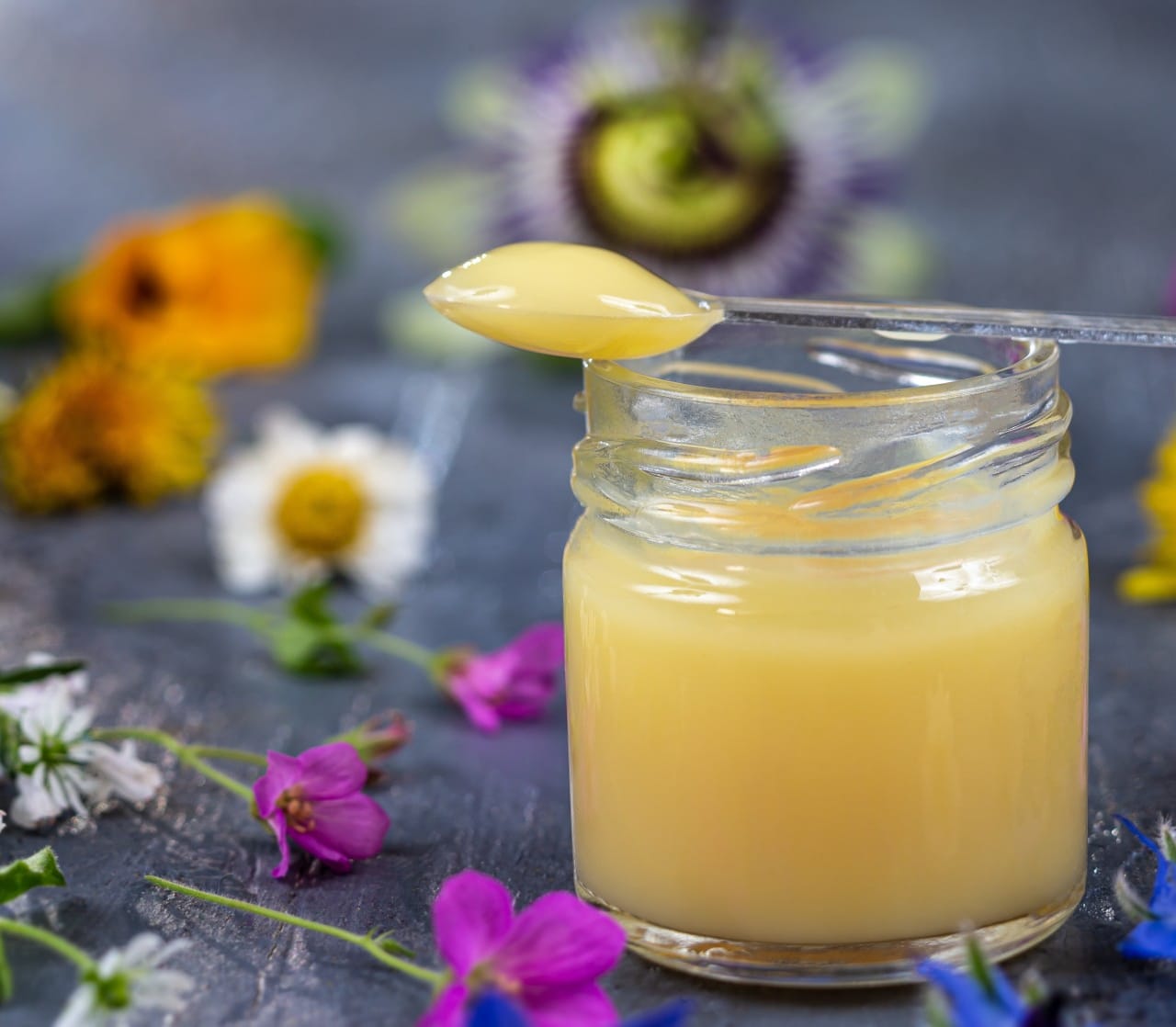
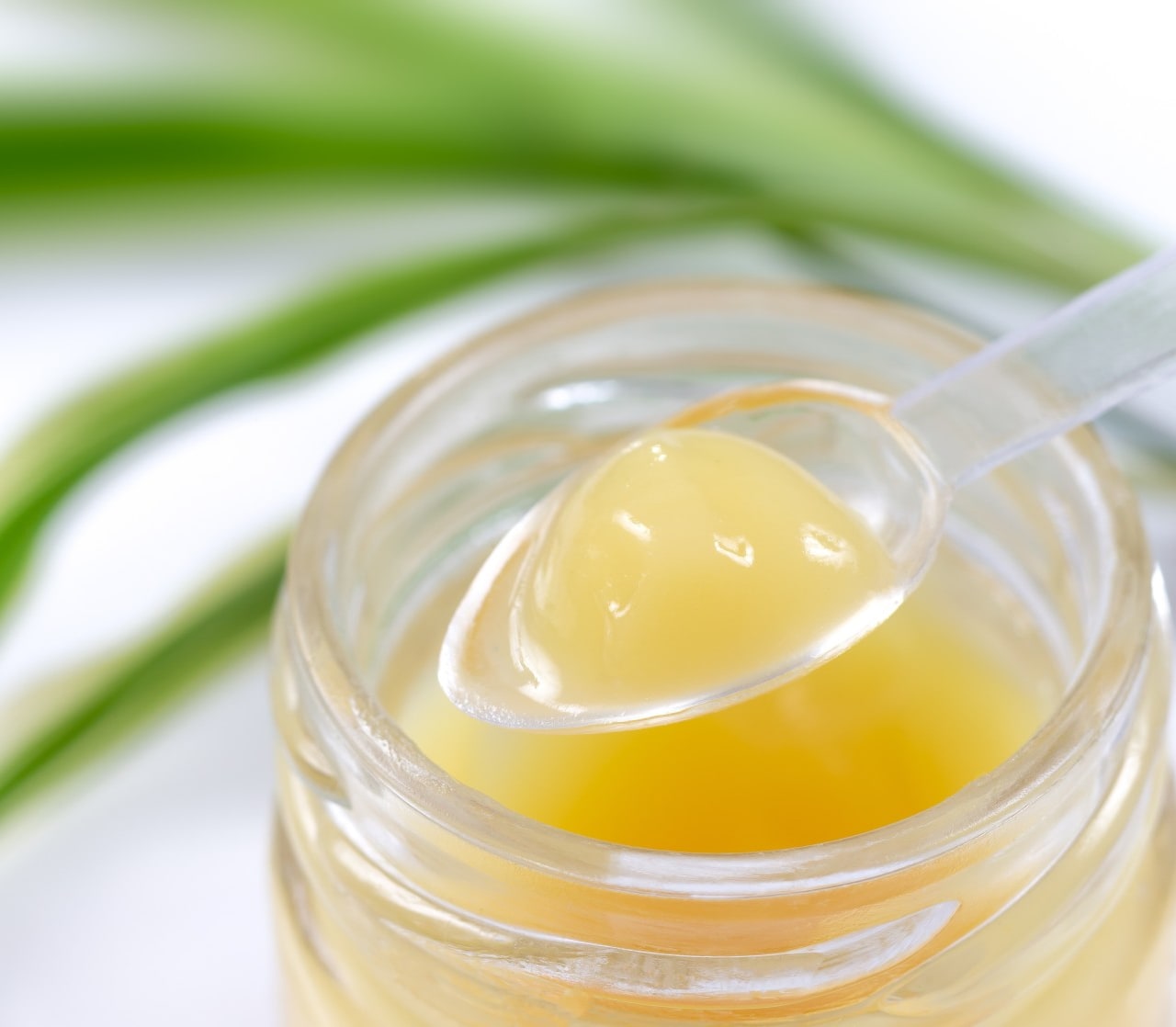
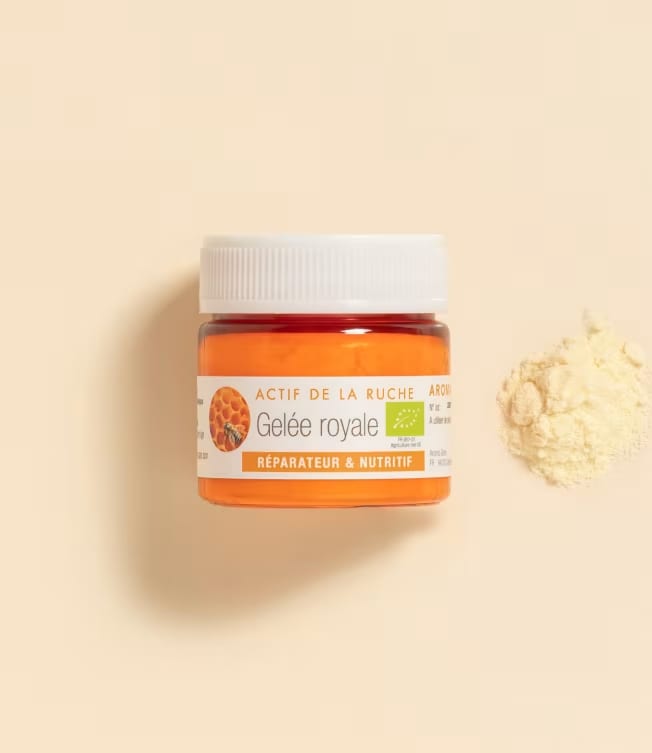
This is pure royal jelly, extracted directly from the hive and put into jars immediately after harvesting. Its raw form is the most premium: when untreated like this, it has a natural high concentration in vitamins. You can recognise it by its pearly white gelatinous texture. It should be stored in a cool place at a temperature below 5°C during your course of treatment.
Freeze-dried bees' milk
This is a common form, as it is easier to transport and store. Freeze-dried royal jelly is in fact a cold-dehydrated jelly. This process means it retains all its precious nutrients. It often comes in capsule form, making it easy to take. However, beware of possible additives and fillers.
Honey and royal jelly blends
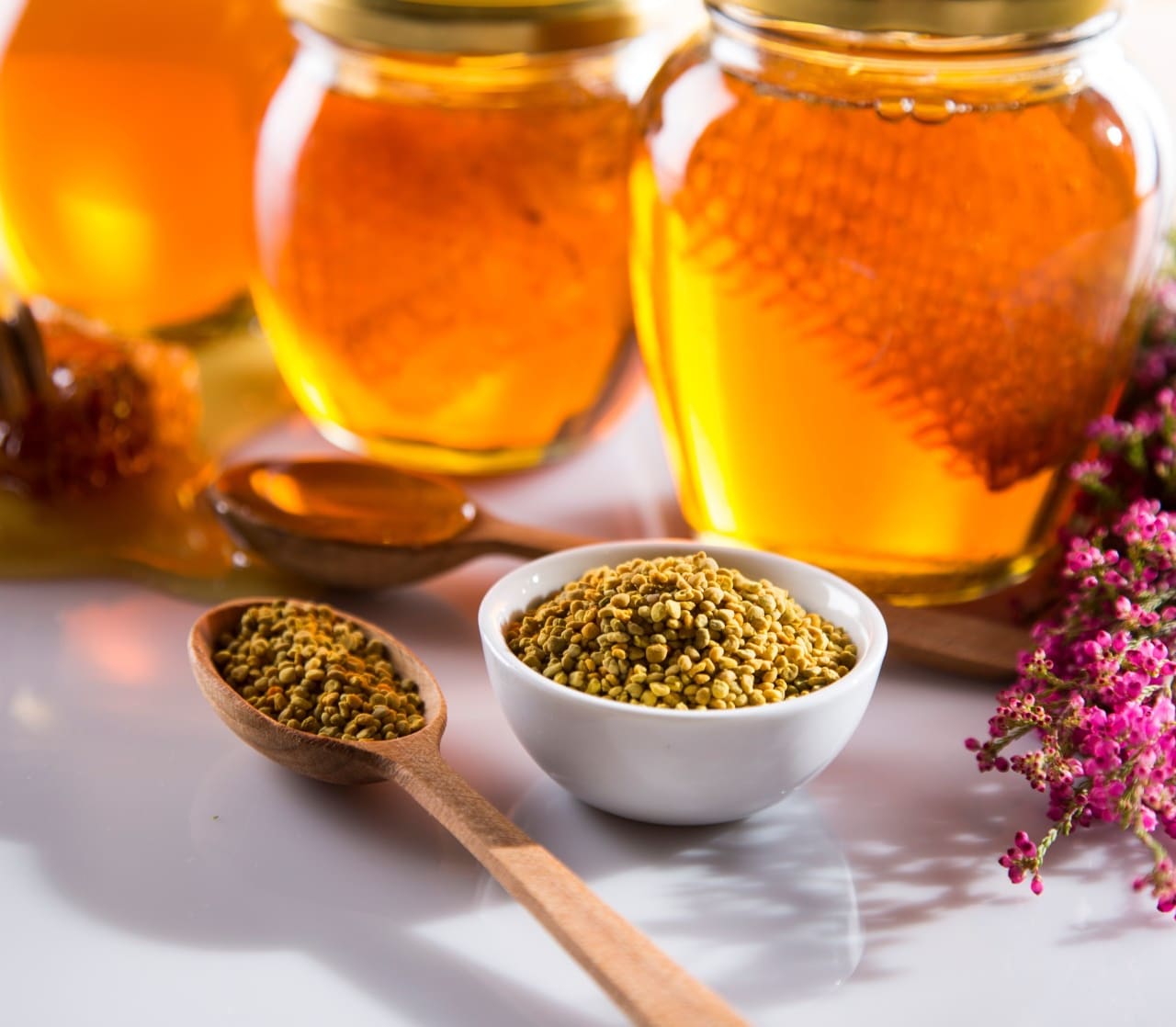
Multiple producers sell small jars of honey enriched with royal jelly. These can be taken as a course of treatment by directly consuming the honey. This solution is ideal for those who don't like the tangy taste of bees' milk. Honey's natural sugar makes it more palatable to take orally. However, these products generally have less nutritional benefits.
Where can I buy royal jelly?
You can find royal jelly from local beekeepers, who are used to harvesting it. Failing that, look in organic shops. Pharmacies sometimes sell ready-to-use royal jelly ampoules or capsules. Wherever you buy it from, make sure you check the origin of your food supplement. Look out for the words "imported product" on the label.
A closer look at Aroma-Zone Organic Royal Jelly - when and how to take royal jelly?

What is the correct dosage?
The dosage of royal jelly depends on the type of food supplement you choose. Some are more concentrated than others. So be sure to consult the manufacturer's instructions before use.
On average, we generally recommend taking 500 mg of royal jelly a day. This figure may vary according to a number of criteria, including your weight. It also depends on the desired effect.
But beware of overdosing. Unless otherwise stated by the manufacturer or your doctor, stick to a range of 150 to 750 mg of fresh jelly per day (for a 75 kg person). Some bee medicine specialists state that there are no contraindications to consuming up to 1g a day. However, this is something you should only consider with caution.
When is the best time to take royal jelly?
Royal jelly producers agree that it should be taken in the morning on an empty stomach at least 30 minutes before breakfast. This optimises its absorption and assimilation. We advise against taking it in the evening because of its potential stimulating effects.
You can take a course of royal jelly at any time of year. The best period is between seasons, more specifically between winter and spring, as seasonal changes can weaken the body's immune defences.
How should royal jelly be taken?
When fresh (in a jar), simply place your daily dose under your tongue and allow it to melt. Using the sublingual route allows the active ingredients to enter the bloodstream directly. For the first few days, feel free to mix it with a little honey to soften its bitterness.
Royal jelly ampoules are generally designed to be diluted with water or fruit juice. As for royal jelly capsules, take these in the same way as conventional capsules or tablets. Simply swallow them with a large glass of water once a day. Be sure to check the instructions for use for the recommended quantity.
What are the dangers of a course of royal jelly?
Contraindications
There are relatively few contraindications to using royal jelly. If you have the slightest doubt, always ask a healthcare professional for advice.
Royal jelly has a high allergenic potential. Therefore, it is not recommended if you suffer from asthma or atopic eczema or if you are allergic to honey or bee-derived products (pollen, propolis, beeswax and bee venom). It should also be avoided if you have an allergy to plants in the Compositae family, such as yarrow or chamomile.
Because of its oestrogenic activity, it is not recommended if you are suffering from a hormone-dependent cancer. Be extremely cautious if you have a history of breast or prostate cancer (or any other hormone-related conditions) in your family.
As its positive and negative effects are not fully known, it is best avoided if you are pregnant and breastfeeding. And, be cautious about giving it to children: ask your paediatrician for advice.
Adverse effects
The adverse effects of royal jelly listed below have been identified by researchers. They are rare, but possible:
Allergic and anaphylactic reactions (symptoms: dizziness, numbness, breathing difficulties, etc.).
Contact dermatitis (or contact eczema).
Haemorrhagic colitis and eosinophilic gastroenteritis (possible symptoms: diarrhoea and abdominal pain).
Find out more

How many courses of royal jelly can you take per year?

How many courses of royal jelly can you take per year?

Why take royal jelly on an empty stomach?

Why take royal jelly on an empty stomach?
Taking royal jelly on an empty stomach optimises the absorption of its water-soluble vitamins (Vitamin C and all the B group vitamins). What's more, consuming it 30 to 60 minutes before your breakfast reduces any possible interactions with other substances. For example, tea (theine) and coffee (caffeine) could slow down the absorption of its active ingredients.

Ginseng and royal jelly: what are they good for?

Ginseng and royal jelly: what are they good for?
Multiple food supplements combine ginseng and royal jelly in their formula. Ginseng is an adaptogen, i.e. a plant reputed to promote the body's general balance (homeostasis). It has long been used in traditional Chinese medicine. Like royal jelly, it is said to have toning and strengthening properties, as well as aphrodisiac properties. Therefore, these two ingredients potentially form a beneficial combination for preventing physical, intellectual and sexual fatigue.

How can you recognise expired royal jelly?

How can you recognise expired royal jelly?
Pure royal jelly is a fragile substance. As it ages, its whitish texture tends to turn yellow, becomes lumpy, and even mouldy. This rancidity is likely to deteriorate its components and active ingredients. Make sure you check the best-before date indicated on the packet. Optimise its shelf life by closing the jar tightly and storing it in the fridge. You generally have up to one year to consume an opened fresh jelly (unless otherwise stated by the manufacturer).
Spotlight on our specialist editor, Hélène Betoux

Hélène Betoux is a French beauty journalist specialising in web media. Every day she writes tips, advice and guides to help consumers choose the right beauty products. With a strong interest in natural, organic and clean cosmetics, she analyses and shares trends and innovations in the sector.