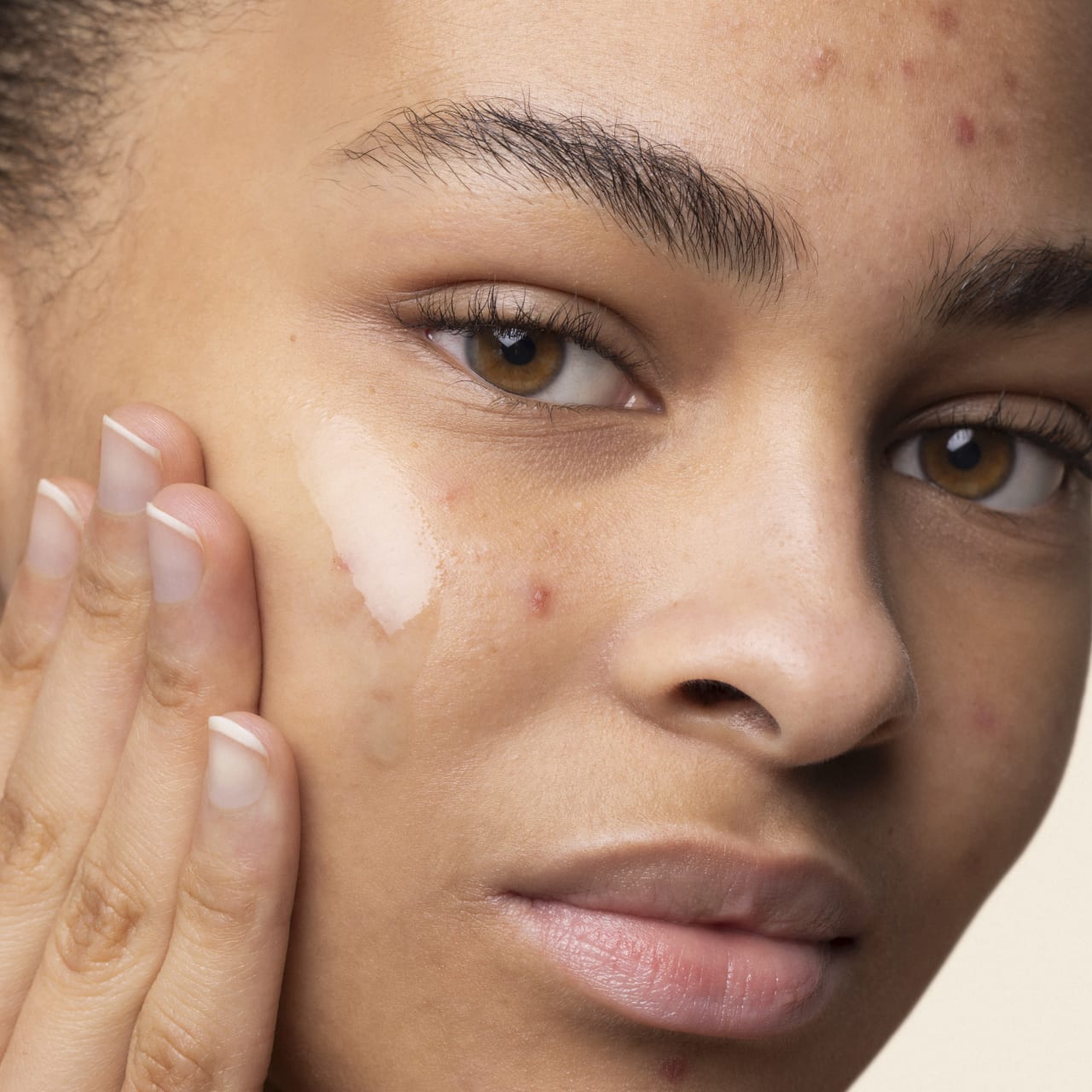
Once the pimples have gone, you may still have some acne scars and marks. There are various different solutions, both invasive and non-invasive, to get rid of them. Here are the most common:
Acne on your back: why and what are the natural solutions?
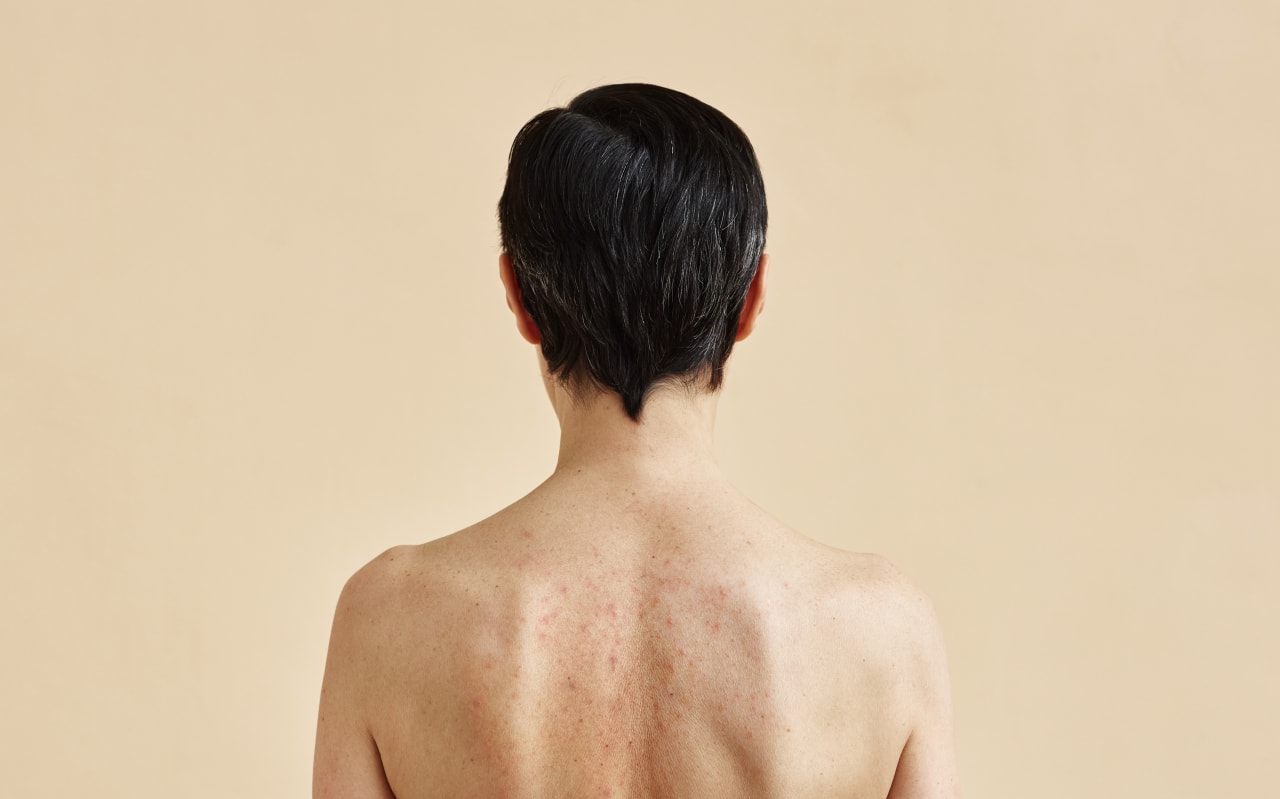
While facial acne can be a source of embarrassment and self-consciousness, back acne can also affect confidence. Although less visible, pimples on the back can make those who experience them feel uncomfortable in their clothes and in their movements. Here, we explain everything you need to know about back acne, including its causes and how to treat it effectively.

What is back acne?
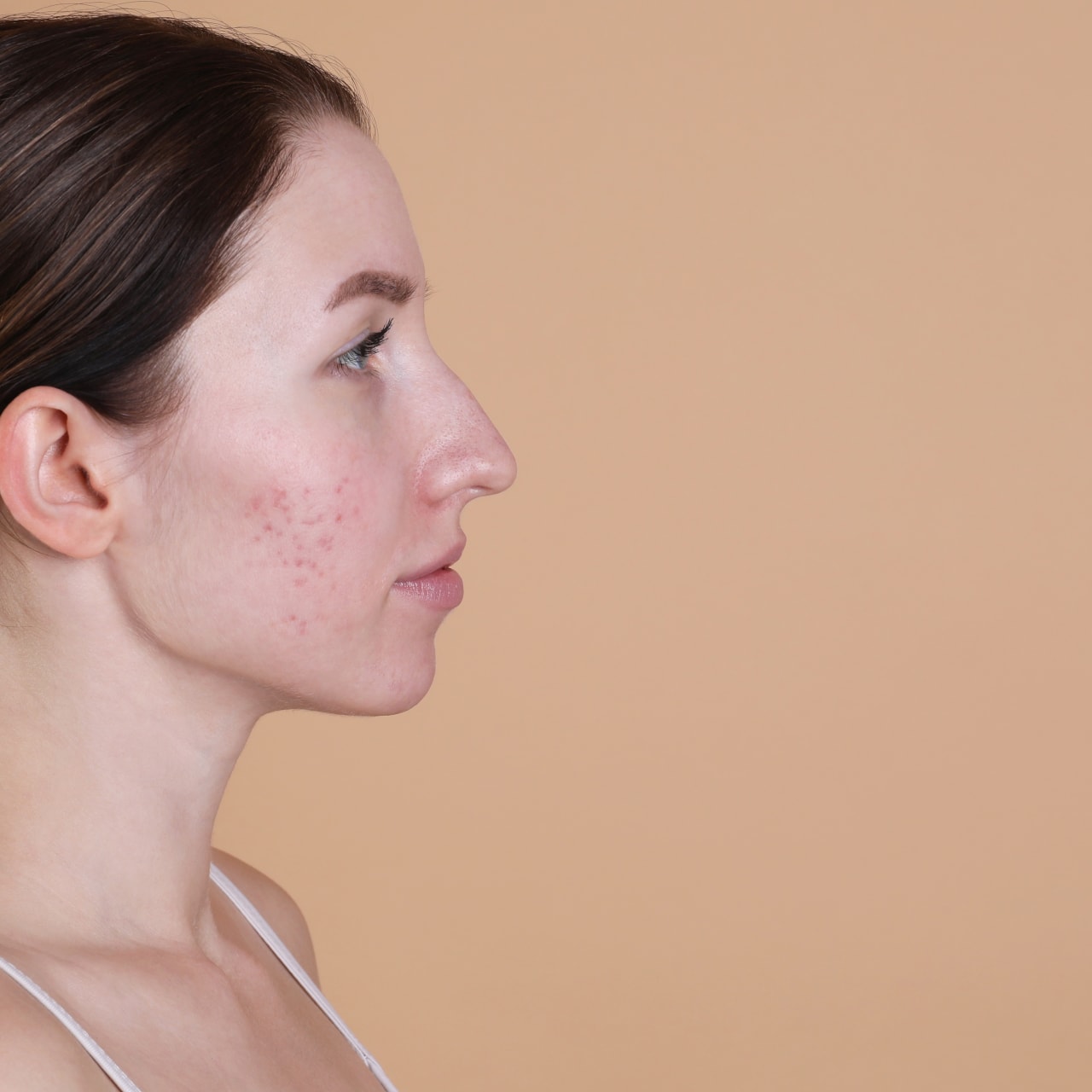
Back acne is a dermatological condition characterised by the appearance of pimples, blackheads, cysts, or nodules on the skin of the back. Like facial acne, it is caused by the blockage of hair follicles by a mixture of sebum, dead skin cells, and bacteria. This creates an environment that encourages inflammation and the formation of skin lesions such as spots and cysts. Unlike facial acne, back acne can be more difficult to treat due to its location. The skin on the back is more prone to sweating, friction from clothing and surfaces, and the build-up of sebum. As it is usually covered by clothing, it cannot breathe as easily and is often cleansed less thoroughly than the face. Sebum therefore tends to accumulate more readily in this area, promoting the proliferation of bacteria and the formation of blackheads. Back acne can be triggered by factors similar to those affecting other areas of the body. Hormonal changes, stress, an unbalanced diet, or the use of harsh products can all contribute to the appearance of spots. Although back acne may be less visible than facial acne, it can affect quality of life just as significantly. It may cause physical discomfort or even pain, and can impact self-confidence. Some people who are prone to back acne avoid wearing clothes that reveal their back and may feel uncomfortable in swimwear. In general, back acne affects: - Up to 50% of people who suffer from acne develop it on both the face and the back. - Adolescents and young adults are the groups most commonly affected by back acne. It can also affect adults, particularly men, due to thicker skin and more active sebaceous glands in this area.
Note: Body acne, especially on the back, is a common phenomenon that is often underestimated because it is less visible than facial acne.
What causes acne on the back?
Several factors can contribute to the appearance of acne, including:
Hormonal factors: hormonal fluctuations play a major role in the development of back acne. During puberty, for example, hormonal changes stimulate the sebaceous glands to produce more sebum. In women, acne can also be caused by the menstrual cycle, pregnancy or the menopause, due to variations in the levels of hormones such as oestrogen and progesterone. Androgen hormones, such as testosterone, play a key role in regulating sebum production, and an imbalance in these hormones can lead to a flare-up of acne on the back.
Genetic factors: unfortunately, acne can have a genetic component. If your parents suffered from acne, you are more likely to suffer from it too. Studies have shown that there is a genetic predisposition to developing severe acne, although the results of these genes can be influenced by other environmental factors.
Environmental factors: multiple factors can aggravate acne. Heat, for example: the more we sweat, the more bacteria can develop and lead to the appearance of pimples, especially on the back. Chronic stress can also trigger inflammatory reactions throughout the body, which in turn can aggravate acne. Finally, certain skincare products containing irritating or comedogenic ingredients can also clog pores. Some shower gels or creams may be too oily or comedogenic for the skin on the back, which may not be able to tolerate them. Understanding these different factors is fundamental to implementing an effective treatment strategy. By factoring in your hormonal, genetic and environmental profile, you will be able to apply appropriate and, above all, effective solutions.
Why do I get acne and pimples on my back?
Acne on the back, also known as back acne, can appear for very similar reasons to acne on the face. Also, the characteristics of the skin in this area can play a role and increase the risk of pimples here.
The role of the sebaceous glands: the sebaceous glands on your back can be particularly active and produce more sebum than necessary. This excess sebum can clog the skin's pores and create a breeding ground for pimples and blackheads.
Sweating: your back is an area prone to perspiration, especially when wearing tight clothing or doing a lot of physical activity. Sweat can clog the skin's pores and encourage bacterial growth, making acne worse.
Rubbing: repeated rubbing against clothes or objects can also irritate the skin on the back and increase the risk of pimples forming. Similarly, wearing tight clothing or clothing made from synthetic fabrics can prevent the skin from breathing. Under such conditions, the skin cannot properly evacuate sweat and sebum, and pimples can form.
It's important to note that back acne can vary in severity from person to person and may require different treatment approaches depending on its underlying causes. By understanding why acne forms on the back, you can take preventive measures and choose the right skincare to prevent blemishes.
What are the consequences of back acne?
Back acne can have a number of consequences that go beyond simple skin blemishes. Here are some of the main repercussions on daily life:
You may develop a complex: people suffering from back acne may develop complexes about the appearance of their skin. Although less visible than acne on the face, back acne can affect self-confidence and emotional well-being. In some cases, people may feel self-conscious about their appearance and refrain from wearing certain clothes that reveal their back.
Scarring: severe back acne can leave permanent scars once the pimples have healed. These scars can take different forms, such as indentations, bumps or pigment spots, and can have a real impact on the skin's appearance.
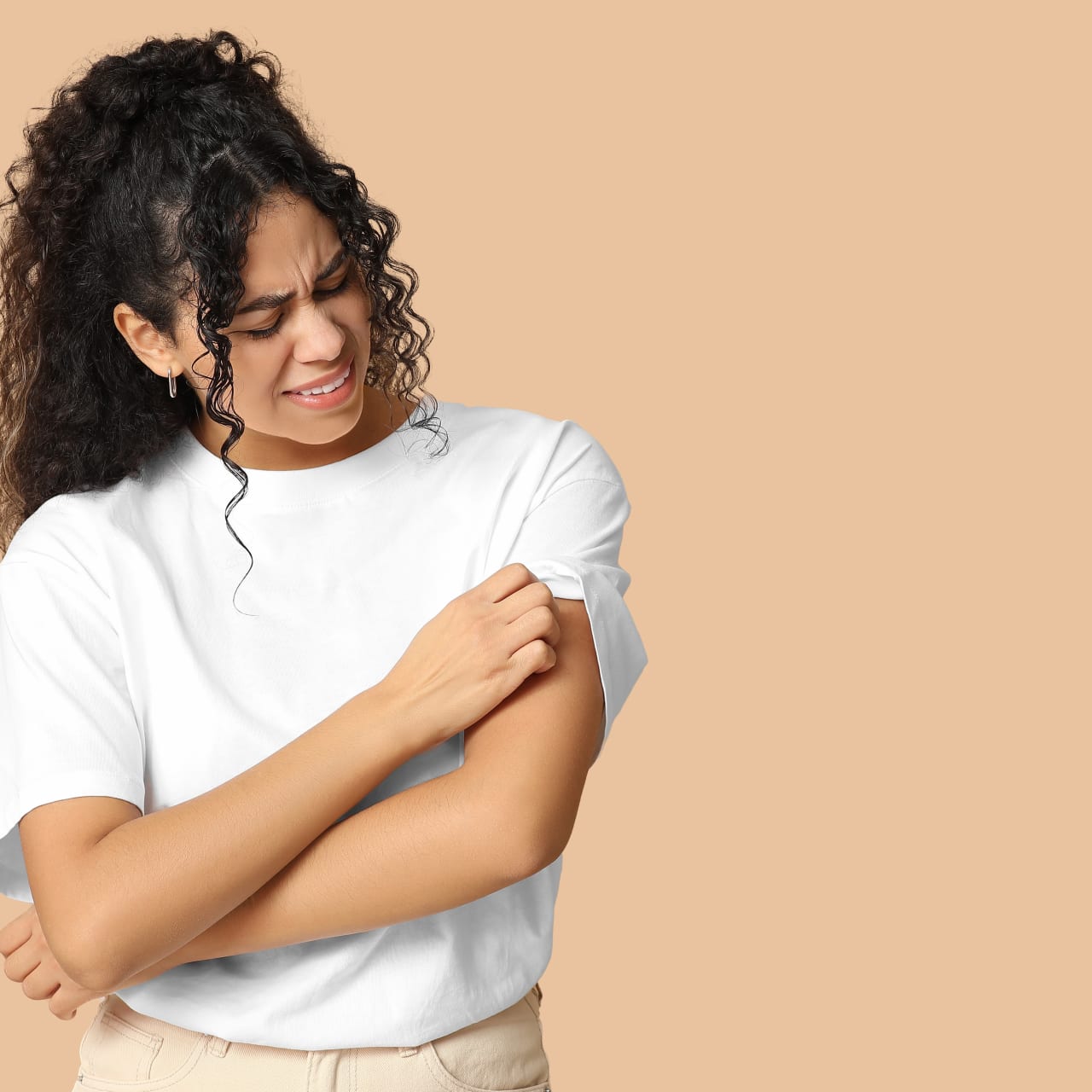
Pain and irritation: pimples on the back can sometimes be painful, especially if they are inflamed or infected. In addition to pain, back acne can cause irritation and itching, making daily life uncomfortable for sufferers.
In addition to these physical and emotional consequences, back acne can also have an impact on people's habits and lifestyle. Some people may want to hide their backs with accessories or concealing hairstyles, and others may not even want to uncover their backs and shoulders in the summer, for example. If this is the case for you, don't let acne ruin your life: make an appointment with a dermatologist or doctor. These professionals will be able to help you and help you find a solution to get rid of it.
How do you get rid of acne on your back? Our selection of effective, natural treatments
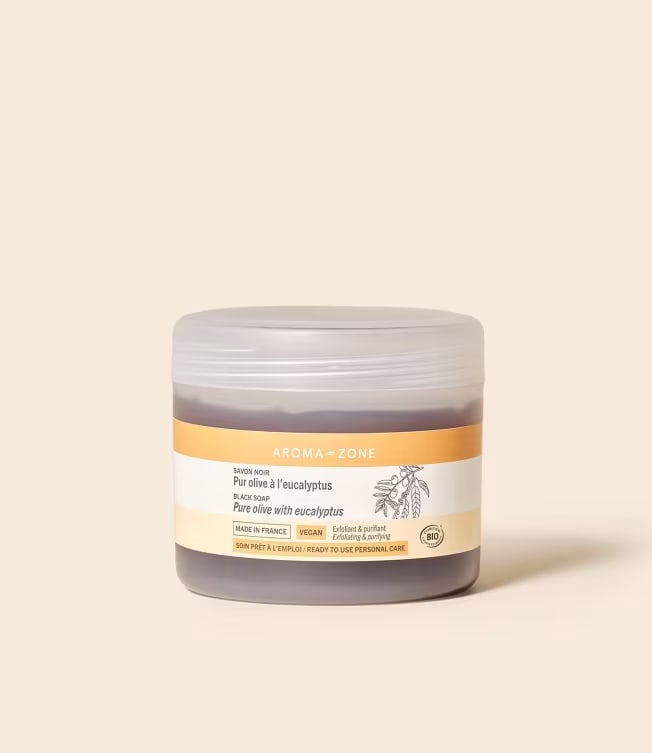
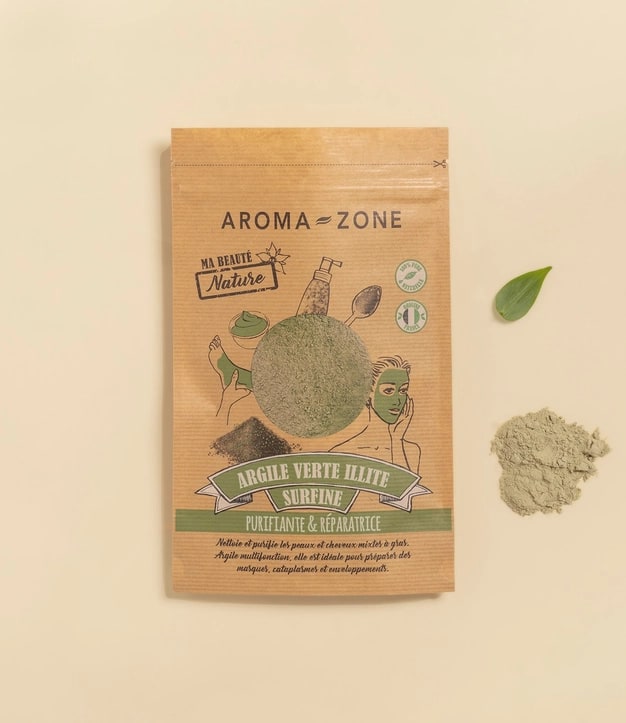
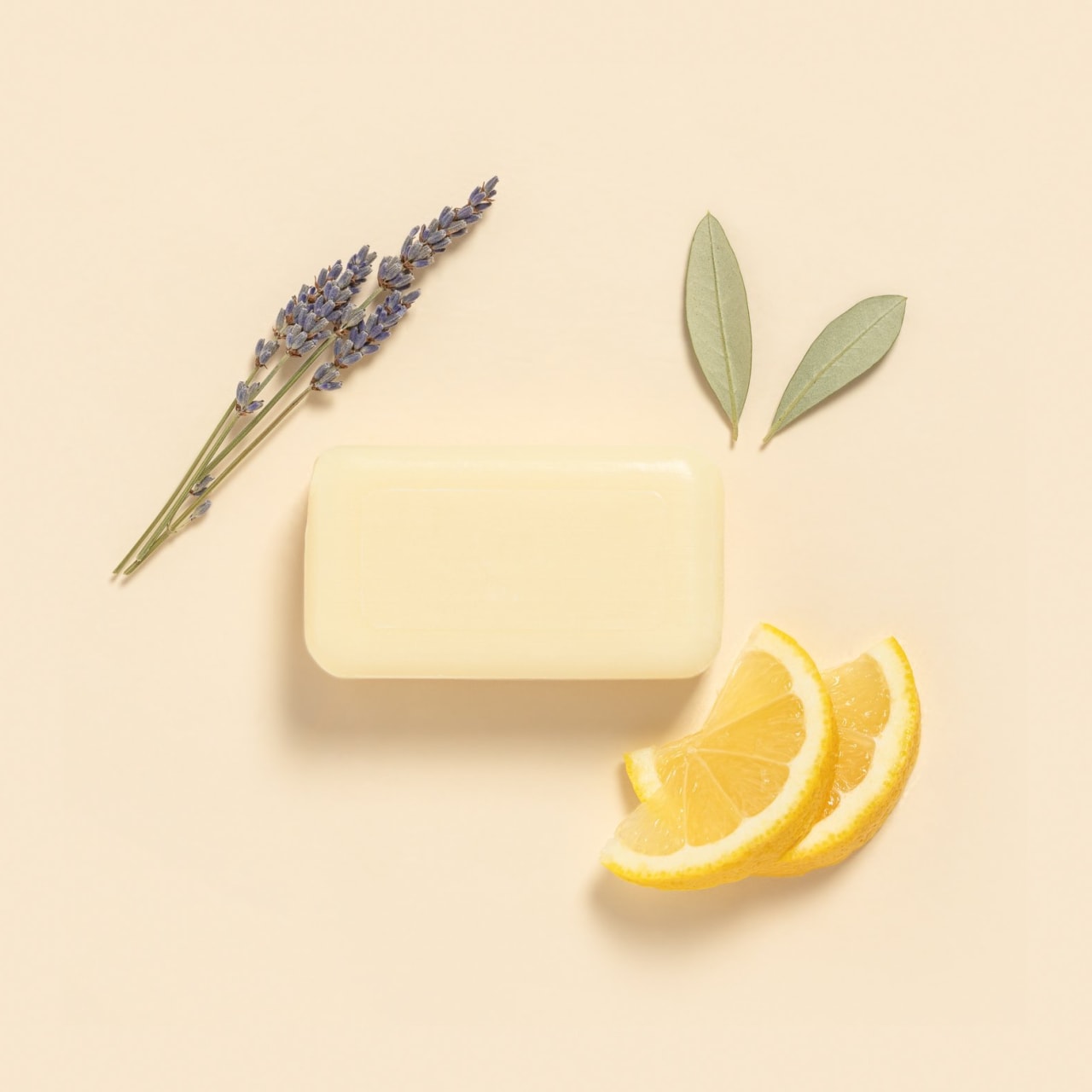
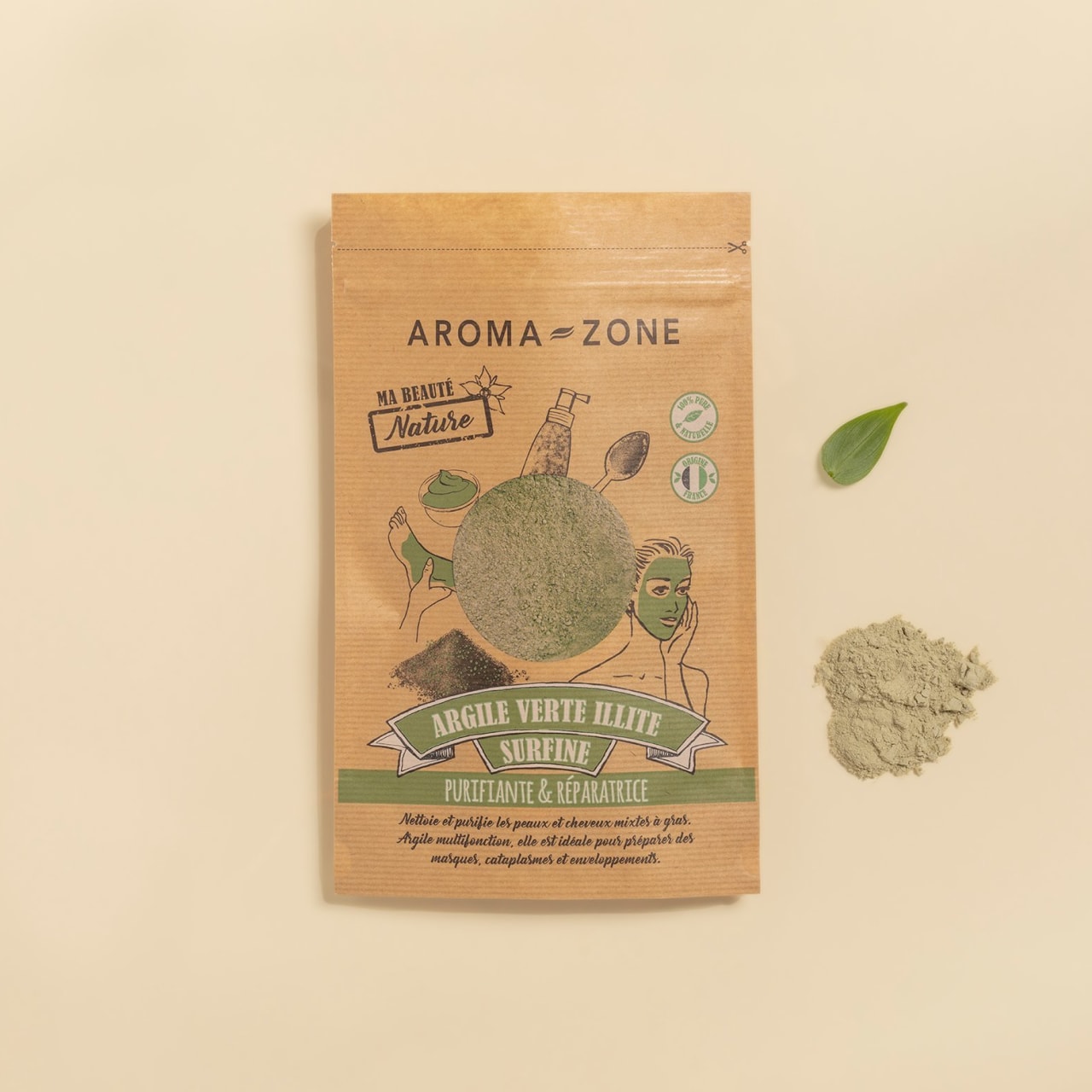
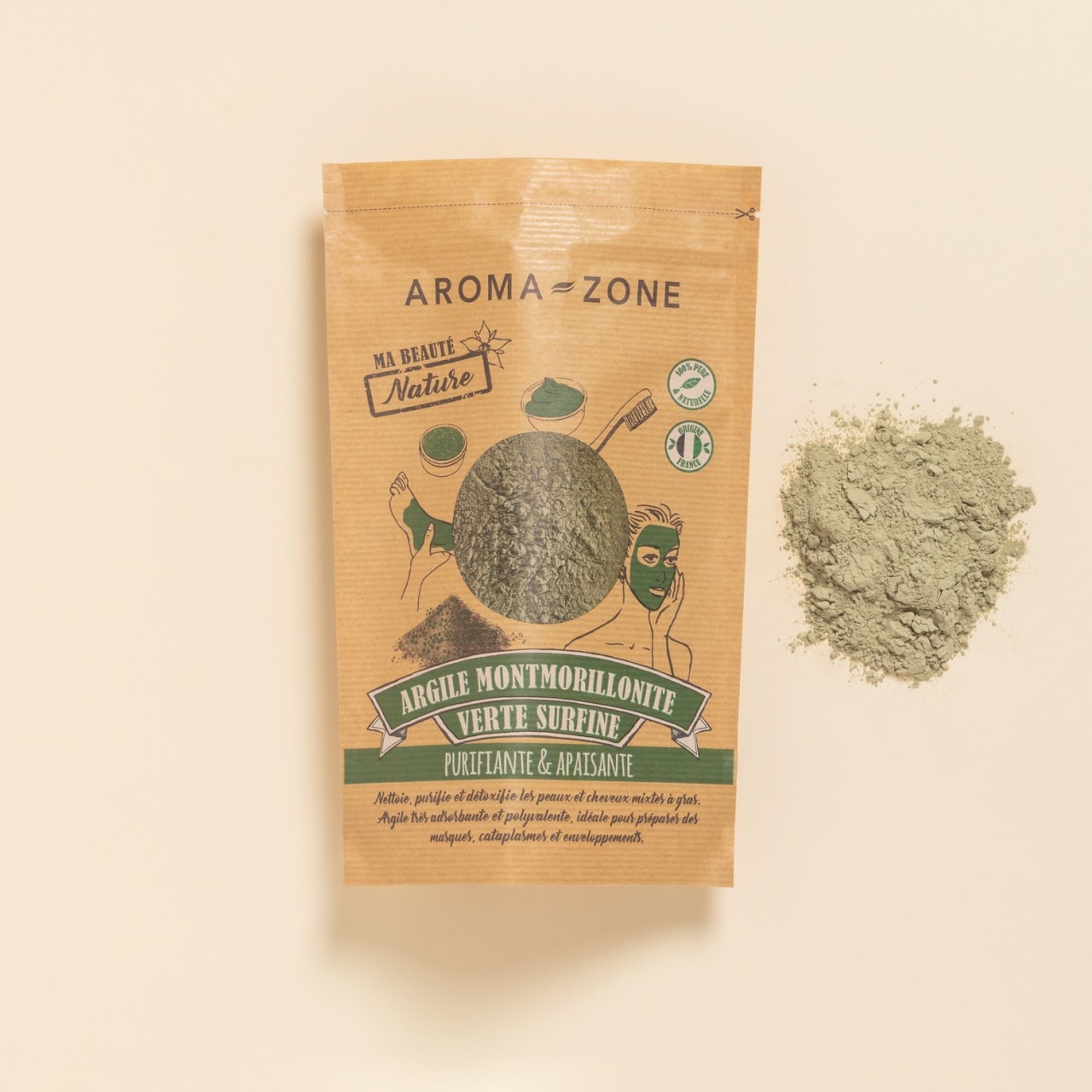
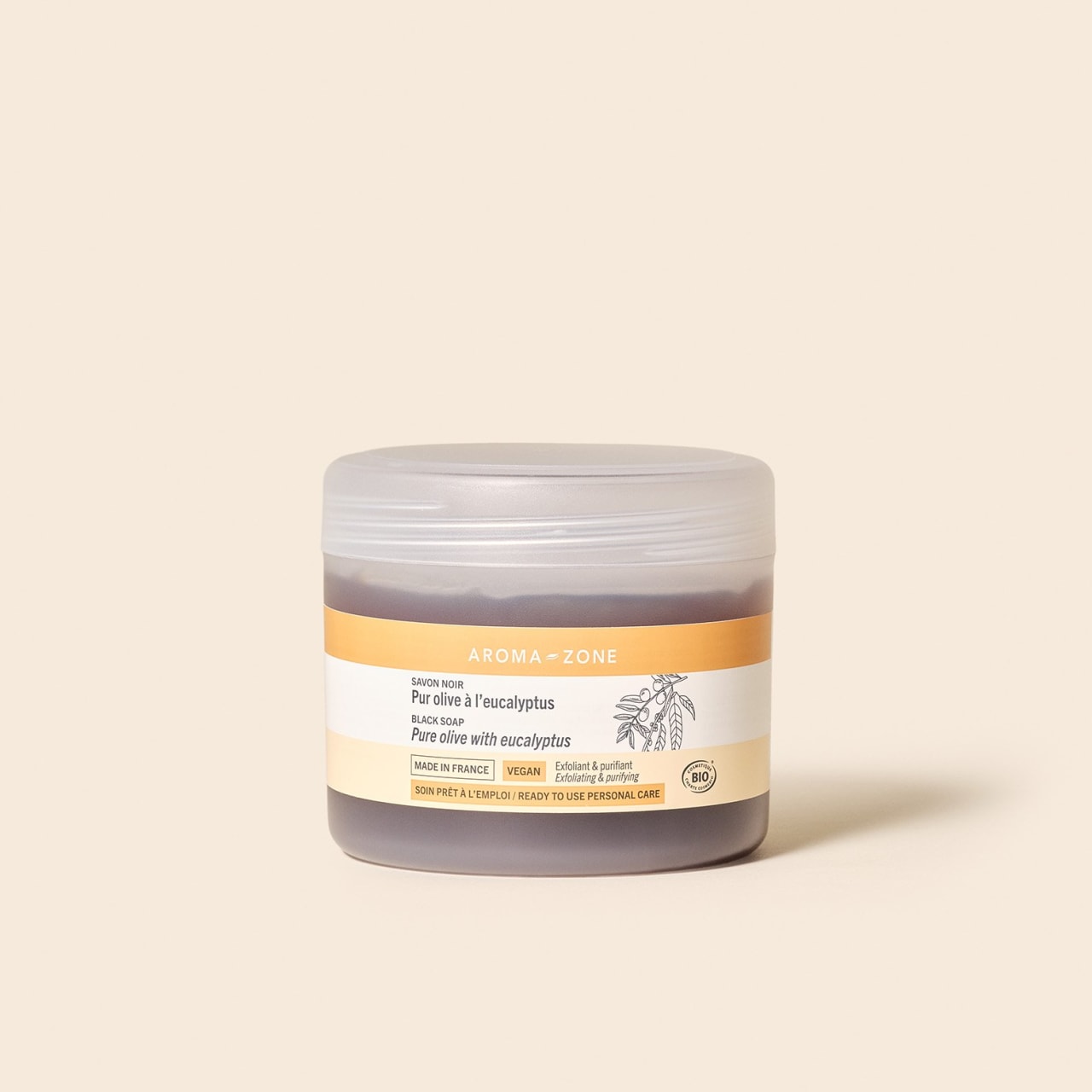
There are various natural products and solutions for back acne. Depending on the cause of your acne, you may prefer certain products to others. Here are 3 products you absolutely must have in your cupboard if you have a tendency to pimples. We'll tell you who they're for and why they're recommended.
In addition to these natural treatments, we recommend that you consult a dermatologist or talk to your GP.
How can I get rid of pimples on my back?
Good habits to get into
Once you've managed to get rid of back acne, it's essential to get into the right habits to prevent it from reappearing. Here are a few things you can do to keep your back looking good.
Ask your GP for advice about whether or not you should take a course of zinc supplements.
Use purifying, non-comedogenic cleansers that are kind on skin
Remember to keep well hydrated by drinking at least 1.5 litres of pure water a day
Choose clothes made from natural fibres wherever possible
Protect your back from UV rays when out in the sun with a high SPF product.
All these tips and natural solutions can help you reduce or get rid of back acne. If the acne persists, don't hesitate to make an appointment with a dermatologist, who will be able to prescribe a suitable treatment.
Precautions for use
If you are unsure about the cause of your back acne, it is essential to consult your doctor and/or a dermatologist, as the treatment for these pimples will vary greatly depending on their cause.
Using sunscreen whenever you are exposed to the sun will also help you avoid the "rebound" effect that can be observed after returning from vacation, for example.
Expert advice
Avoid wearing heavy or tight backpacks, as they can rub against the skin and aggravate acne. Instead, opt for shoulder bags or backpacks with padded straps to reduce pressure on the skin. In addition, try to maintain good hygiene by changing your sheets and clothes regularly to prevent sweat and sebum from accumulating on the skin. By making these simple lifestyle adjustments, you can help reduce the appearance of back acne.
Find out more

How can I remove acne marks and scars on my back?

How can I remove acne marks and scars on my back?

How can you remove acne marks and scars on your back?

How can you remove acne marks and scars on your back?
Aloe vera gel
Aloe vera gel has soothing and healing properties. It cannot make acne scars disappear on its own, especially older ones, but it can help reduce their appearance by reducing redness and accelerating the cell regeneration process. Studies have been conducted on the healing potential of aloe vera on burns and post-surgical lesions, and its benefits may also extend to acne scars. It can also act as a preventive measure by moisturizing and soothing the skin.
Peels
Chemical peels are treatments that use different acids to remove the upper layers of the skin and reveal smoother, more even skin. They can be effective in reducing acne scars on the back by stimulating cell renewal. Peels should preferably be performed in a clinic by a qualified healthcare professional.
Laser treatment
Localized laser treatment can be effective in reducing acne scars on the back by stimulating collagen production in the skin. Fractional laser sessions, such as fractional CO2 laser or fractional erbium laser, can specifically target the affected areas without damaging the surrounding skin. Several sessions may be necessary to achieve optimal results. We recommend consulting a dermatologist or qualified professional to determine the best treatment plan for you.
For more information, see our article How to get rid of acne scars?
Spotlight on our well-being editor, Laura Almeras

Laura is a health, beauty and lifestyle writer. Passionate about travel and gastronomy, she shares her nutritional advice on how to combine pleasure and well-being. Through her articles, she aims to provide you with meaningful information and practical advice to nourish your body and mind.
Bibliography
1
https://dermato-info.fr/fr/la-peau-des-adultes/l%E2%80%99acn%C3%A9
2
https://www.acneaction.ca/fr/types/acne-corporelle/