Wild thyme: definition, benefits and contraindications

Wild thyme: definition, benefits and contraindications


By Gipsy Dauge

Published on: Tuesday, February 20, 2024, Updated on: Wednesday, October 28, 2026

Creeping thyme, also known as wild thyme, is a herbaceous plant with medicinal properties that have been valued for centuries. Highly valued for its benefits, particularly as a powerful tonic and purifier, wild thyme is traditionally used to treat physical and mental fatigue, support the treatment of respiratory conditions and aid digestion.

Contents

What is wild thyme (Thymus serpyllum)?

The genus Thymus (Lamiaceae), which is widely distributed in temperate zones, comprises around 350 species worldwide, including one known as Thymus serpyllum L. or wild, creeping or Breckland thyme.

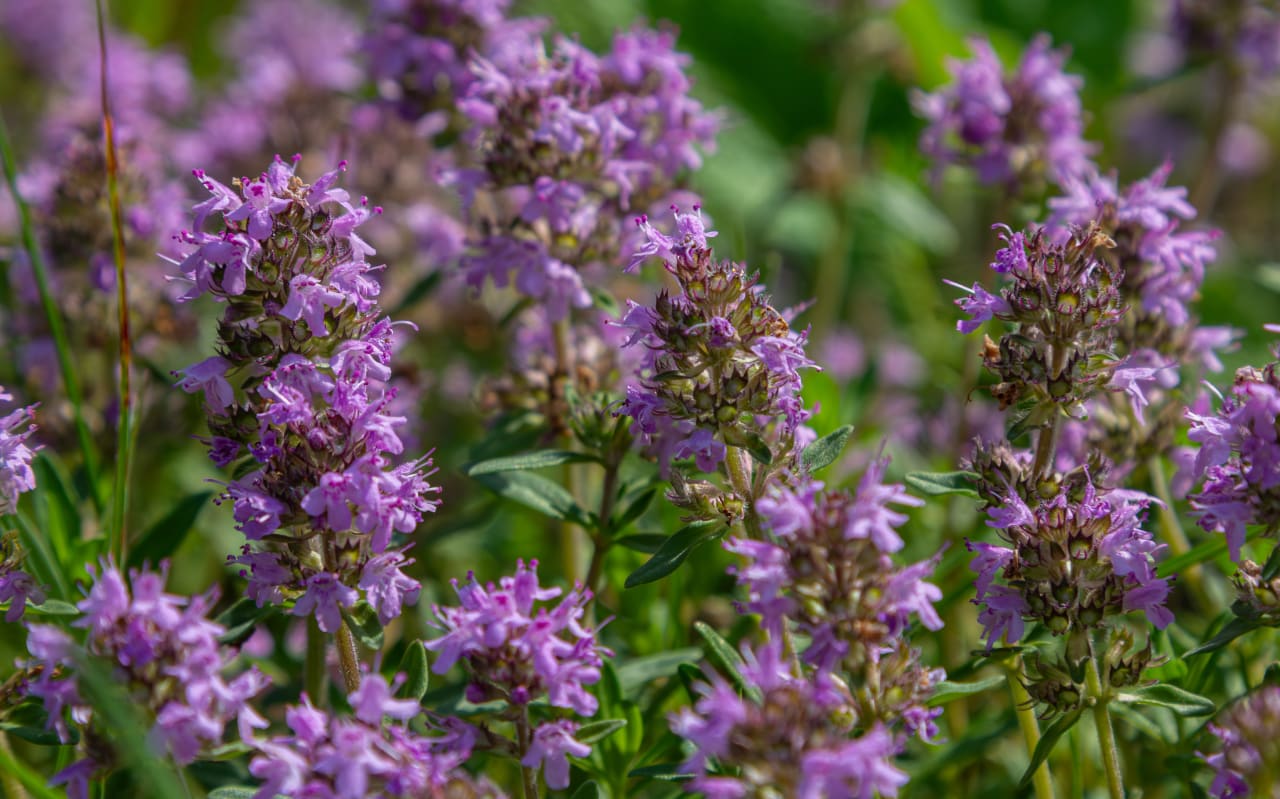
Thymus serpyllum, as it is known by its Latin name, is a fragrant, creeping, perennial subshrub that forms cushion-like clumps 5 to 30 cm high, with a silvery-grey appearance. Its creeping stems, woody at the base, tend to root, particularly at the nodes. These stems are quadrangular, with sparse pubescence.

The leaves are small, simple, generally rounded at the tip and tapering at the base (3 to 10 mm long and 1 to 3 mm wide), and glabrous on both sides. They have long hairs at their base.

The flowers, with mauve corollas, grow in clusters at the tips of older stems, forming inflorescences. Like other species of Thymus, Thymus serpyllum is gynodioecious, meaning it produces two types of plant: one with female flowers and the other with hermaphroditic flowers. It flowers from late May to September. The plant is mainly found on dry, sandy, poor, calcareous soils, particularly on the edges of coniferous forests or on exposed riverbanks, as well as in nutrient-poor grasslands. Highly hardy, wild thyme thrives in sunny locations (scrubland, rocky ground and embankments) and grows wild throughout the south of France up to an altitude of 200 metres.

What is the difference between garden thyme and wild thyme?

Garden thyme (Thymus vulgaris) and wild thyme (Thymus serpyllum) are two plants belonging to the genus Thymus, which comprises over 300 species! 

Thymus vulgaris is a more robust plant with upright stems, broader leaves and a stronger aroma. It is often used in cooking for its aromatic properties and in herbal teas to relieve sore throats and winter ailments. It is a staple of traditional Mediterranean medicine. The history of thyme dates back to antiquity. The Egyptians used it alongside other aromatic plants, such as Frankincense and Myrrh, during mummification rituals. During the Roman Empire, thyme was used in purifying fumigations, as a poultice, in invigorating baths, for anointing and in massage due to its medicinal properties. In the Middle Ages, the healer Hildegard of Bingen described it as follows: “Thyme, combined with other beneficial herbs and spices, removes the putrefaction caused by disease thanks to its warmth and strength”.

Wild thyme has creeping stems, smaller leaves and gives off a milder fragrance. Traditionally used for medicinal purposes, wild thyme is also prized for its relaxing properties and its soothing infusion. The two herbs share similar characteristics, but their aromatic profiles, physical characteristics and uses may vary.

What are the benefits of wild thyme?

Health benefits of wild thyme

Aromatic plants, particularly those of the Lamiaceae family, are recognised for their high content of antioxidants, vitamins (A, C, K, etc.) and minerals (copper, iron, manganese, etc.). Chemical analysis of Thymus essential oils reveals compounds such as thymol and carvacrol, known for their antioxidant activity. 

Wild thyme is traditionally used for its antiseptic properties, as a vermifuge, carminative, expectorant, sedative and tonic.

The herb Thymus serpyllum (wild thyme) has been used for centuries in both conventional and traditional medicine in Europe. The plant’s biological activity stems from the presence of essential oil (0.1–1 per cent) and phenolic compounds, namely flavonoids, phenolic acids and tannins. 

Currently, wild thyme is used in the production of syrups, tinctures and tea blends. Like garden thyme (Thymus vulgaris L.), wild thyme is used internally as an expectorant and antitussive. It helps to increase mucus secretion and exhibits strong antiseptic and antimicrobial effects. In folk medicine, it is used as a stomachic, carminative, diaphoretic and diuretic for bladder and kidney disorders. Due to its relatively high content of phenolic compounds, it also exhibits antioxidant activity. The species is also valued for its ornamental qualities and its high pollen yield, which is eagerly collected by bees.

Benefits of wild thyme essential oil

The essential oil of Thymus serpyllum is rich in terpenic phenols: carvacrol and thymol. It also contains monoterpenes: para-cymene and gamma-terpinene, and monoterpenols including linalool

The species is characterised by biochemical polymorphism. Depending on the major components of the essential oil, several chemotypes of T. serpyllum have been identified. The most sought-after from a pharmacological perspective are those with a high content of thymol and carvacrol. These two compounds are terpenic phenols with distinct antiseptic activity.

Wild thyme essential oil functions as a: 

  • Powerful antiseptic

  • Stomachic, stimulating gastric secretion

  • Antibacterial and antiviral

  • Antifungal, antiparasitic and antimycotic

  • Diuretic

  • Carminative, aiding the elimination of gas

  • Antispasmodic

  • Expectorant, antitussive

  • General stimulant tonic

  • Analgesic

Contraindications and precautions for use

  • Wild thyme essential oil must not be used by pregnant or breastfeeding women, or by children.

  • Skin irritant: never use undiluted on the skin. Always use this essential oil well diluted in a neutral vegetable oil for topical application (max. 5% and for localised use only).

  • As this essential oil is very potent, it should be used in low doses and for a limited period only. Oral use should be under medical supervision only.

  • Contraindicated in cases of liver failure.

Is wild thyme edible? Everything you need to know about its possible uses

Wild thyme (Thymus serpyllum) is edible and can be used for culinary purposes. Its leaves have an aromatic, slightly lemony flavour and can be used as a seasoning to flavour various dishes. Wild thyme is sometimes used as a substitute for or in addition to garden thyme (Thymus vulgaris) in cooking. It can be added to dishes such as soups, stews, sauces, marinades and raw vegetable salads. Its aromatic properties also make it a popular ingredient in the preparation of teas and herbal infusions.

Before consuming wild plants, however, it is important to ensure they are correctly identified and safe to eat, as some plants can be poisonous. If in doubt, it is best to consult an expert.

How do you make wild thyme herbal tea?

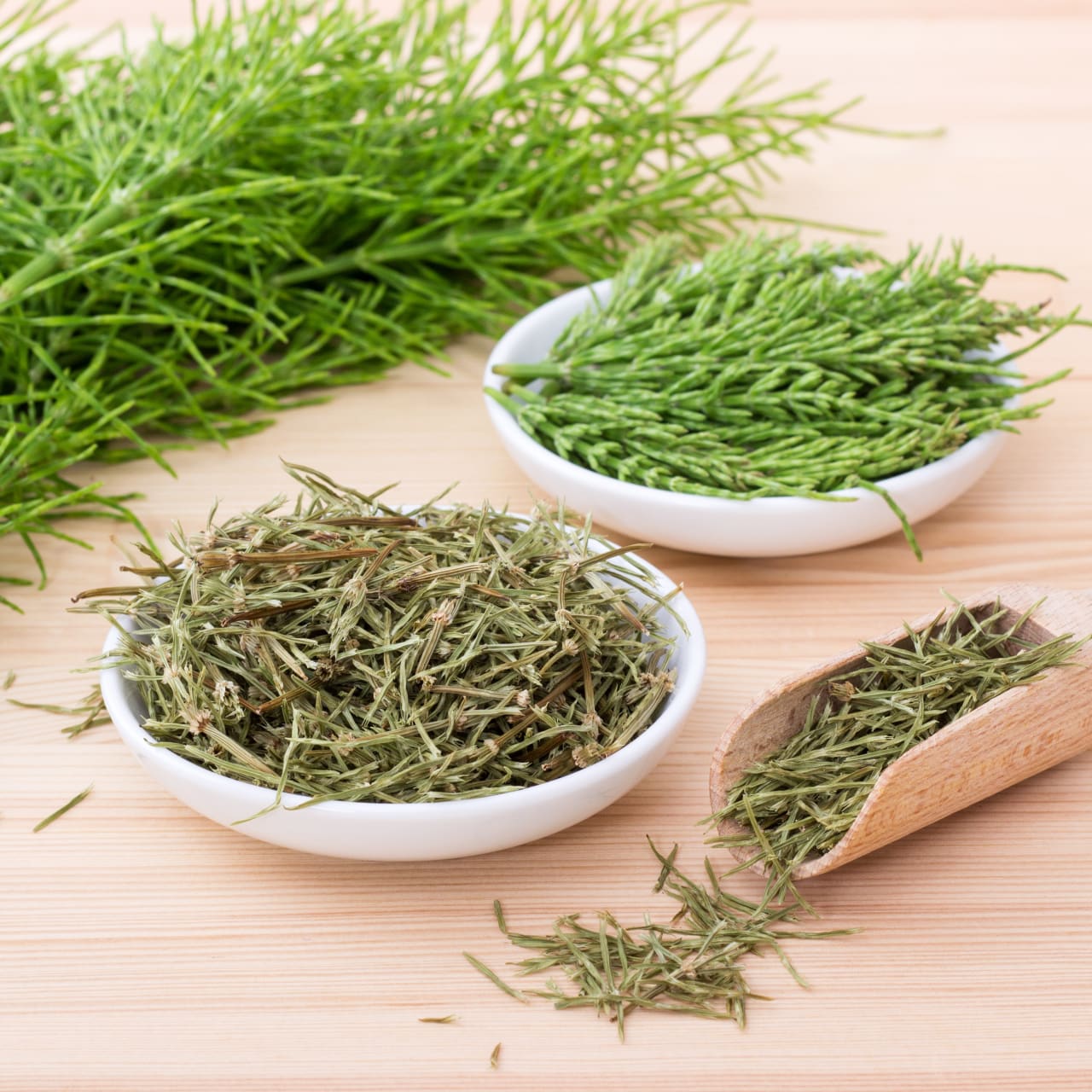
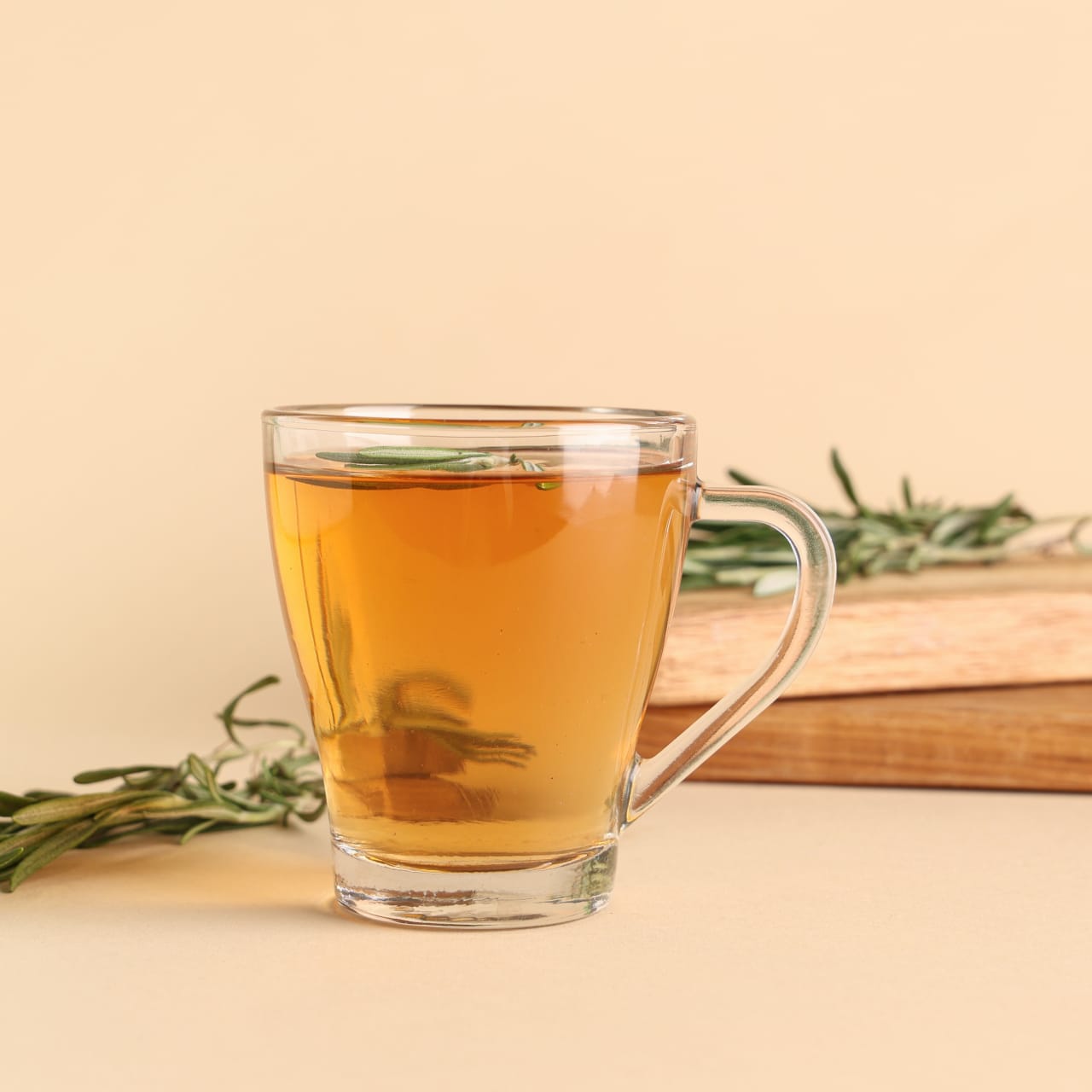
Prepare a soothing wild thyme and honey infusion using 1 teaspoon of dried wild thyme and 1 teaspoon of honey. Simply steep 1 teaspoon of dried wild thyme in a cup of very hot water for about ten minutes. Once strained, add honey (thyme, if possible) before drinking. Enjoy this soothing drink two to three times a day to provide relief for the respiratory system.

For further reading, we recommend our article Thyme Infusion: benefits, properties and uses.

Contraindications for the use of wild thyme

Wild thyme is generally well tolerated when consumed as part of a normal diet, particularly as a herbal tea. However, as with many aromatic plants rich in active compounds, excessive or prolonged consumption may be less well tolerated by some people, particularly in terms of digestion.

As a precaution, its use is not recommended for pregnant or breastfeeding women, or for young children, without medical advice.

If you are taking medication or have a specific medical condition, it is recommended that you seek advice from a healthcare professional before use.

Recipes using Thymus essential oils

Spotlight on our writer: Gipsy Dauge

Gipsy Dauge

Gipsy graduated from ESJ Paris and spent 10 years working in general and women’s magazines before specialising in health and wellbeing. Now a certified Yin Yoga teacher, she combines her passion for writing with her love of yoga. Through her articles, she aims to share simple, practical habits that support wellbeing and encourage a more mindful approach to everyday life.

Bibliography

  1. ANTIOXIDANT PROPERTIES OF THYME (THYMUS VULGARIS L.) AND WILD THYME (THYMUS SERPYLLUM L.) ESSENTIAL OILS

    https://www.researchgate.net/profile/Mladen-Milos/publication/287954724_Antioxidant_properties_of_thyme_Thymus_vulgaris_L_and_wild_thyme_Thymus_serpyllum_L_essential_oils/links/58c7c3d6a6fdcc550cabcb66/Antioxidant-properties-of-thyme-Thymus-vulgaris-L-and-wild-thyme-Thymus-serpyllum-L-essential-oils.pdf

  2. Biological evaluation of wild thyme (Thymus serpyllum)

    https://www.tandfonline.com/doi/full/10.1080/13880200902915622

  3. Aromatic plants for your health

    A short digital guide to aromatic herbs, seeds and spices and their medicinal properties, featuring simple and delicious recipes to treat yourself https://books.google.es/books?id=BN6RDwAAQBAJ&newbks=1&newbks_redir=0&dq=tisane+serpolet&hl=fr&source=gbs_navlinks_s