White Tongue: Understanding the Link with the Liver or Stomach

White Tongue: Understanding the Link with the Liver or Stomach


By Stéphanie Catrysse

Published on: Monday, September 29, 2025, Updated on: Tuesday, November 03, 2026

A white coating on the tongue, sometimes called a "furred tongue," can be puzzling and a little worrying when you spot it in the mirror, often first thing in the morning, along with a furry mouth or an unpleasant taste. Is it simply down to overeating, a sign of an irritated stomach, or a clue that your liver is under strain? This common but telling symptom often reflects the state of our digestive system. In this article, discover the possible causes and the natural solutions that can help you get back to a clean tongue, calmer digestion, and fresher breath.

Contents

Related products

White tongue: what are we talking about?

The tongue is a true mirror of our overall health. Covered in taste buds, it naturally bears a thin layer called tongue coating. Its thickness and colour vary depending on diet, hydration, or general health. A healthy tongue remains pink, supple, and slightly moist. When this surface becomes covered with a white or yellowish coating, it is referred to as a white tongue, also known as "coated tongue."

This coating consists of an accumulation of microorganisms (bacteria, yeast), dead cells, and food debris trapped between the thickened filiform papillae.

We distinguish between:

  • A subtle whitish deposit, common upon waking, generally harmless.

  • A thicker, persistent coating, which may indicate a digestive or liver imbalance or a disturbance in the oral flora.

This is not a disease in itself, but a clinical sign that warrants attention. The appearance of the tongue reflects the state of the digestive system, the quality of bodily fluids, and, more broadly, our overall vitality.

Why does the tongue turn white?

There are many possible explanations for a white tongue. Some are harmless and temporary, while others indicate a more significant internal imbalance that warrants special attention.

Poor oral hygiene

Incomplete oral hygiene promotes the buildup of bacteria, food debris, and dead cells on the tongue. Simply brushing your teeth isn’t always enough: without regular tongue scraping or brushing, the whitish coating thickens and microbial growth takes hold.

Dehydration and dry mouth

A lack of water or saliva accentuates the whiteness of the tongue. Saliva regulates oral flora and protects the mucous membrane. In cases of dehydration, saliva production decreases, which dries out the tongue and promotes white coating. Drinking less than 1.5 litres of water per day reduces saliva flow, disrupts oral pH, and increases tongue coating.

An imbalance in the gut flora

A white tongue may indicate intestinal dysbiosis, that is, an imbalance in the microbiota. It is often accompanied by digestive issues such as bloating, slow digestion, or irregular bowel movements.

Functional digestive disorders

Gastroesophageal reflux (GERD), gastritis, slow digestion, or excess acidity can manifest as a coated tongue. In the case of GERD, the acid that rises irritates the oral cavity and increases the thickness of the plaque. Chronic inflammation of the gastric mucosa or an infection with Helicobacter pylori is frequently associated with a persistent white tongue.

Liver overload or sluggishness

The liver plays a central role in detoxification, nutrient metabolism, and the body’s overall balance. When its function is slowed or liver disorders develop, certain internal imbalances can manifest on the tongue. Liver overload, fatty liver disease, or liver inflammation are sometimes accompanied by a persistent whitish coating, known as a coated tongue. This sign often reflects a less efficient metabolism and impaired toxin elimination.

Oral or fungal infections

Oral candidiasis (thrush) is a common cause of a thick, creamy white tongue, which can sometimes be painful and resistant to scraping. It results from the overgrowth of the fungus Candida albicans and requires appropriate medical care.

Medications, toxins, and irritants

Certain medications (antibiotics, corticosteroids, antidepressants) disrupt the oral flora and reduce saliva production, promoting a coated tongue. Tobacco and alcohol, meanwhile, dry out the mucous membranes, slow down cell renewal, and alter the balance of the oral microbiome.

Chronic stress

Stress alters saliva secretion, weakens the gut microbiome, and disrupts digestive balance. These changes often manifest as a whitish, coated tongue.

Nutritional deficiencies

A deficiency in B vitamins, iron, or zinc affects the renewal of epithelial cells and the normal pigmentation of the tongue. This deficiency makes the tongue paler and more susceptible to deposits.


What are the associated symptoms/characteristics?

A white tongue doesn’t occur on its own. It’s often accompanied by signs that point to its cause:

  • A bitter or metallic taste in the mouth.

  • Persistent bad breath (halitosis)

  • A sensation of a pasty or dry mouth.

  • Enlarged taste buds with a rough texture.

  • A feeling of discomfort or tingling or burning.

  • Digestive issues: bloating, flatulence, heaviness after meals, acid reflux, nausea, slow or irregular bowel movements,

  • General fatigue, a feeling of overall heaviness, or chronic headaches

  • Possible fever or painful lesions when the cause is infectious.

White tongue: liver or stomach?

The liver and stomach, two key organs of digestion, often show signs of sluggish function on the tongue.

Can the liver cause a white tongue?

Yes, but indirectly. The liver filters and metabolises a large number of substances. When it becomes overloaded—whether due to a diet too high in fat, excessive alcohol consumption, certain medications, or the accumulation of toxins—internal imbalances arise. These can manifest as a whitish or slightly yellowish tongue, often accompanied by fatigue upon waking, slow digestion, or a dull complexion.

In some cases, an early-stage liver disorder, such as fatty liver disease or liver inflammation, may manifest through this subtle sign even before pain appears in the liver region.

In traditional approaches to health, the liver is considered a pivotal organ for internal balance. Its sluggishness is frequently reflected on the tongue, which is regarded as a visible indicator of the body’s overall condition.

And what about the stomach?

As the central organ of digestion, the stomach can influence the appearance of the tongue. Gastritis, gastroesophageal reflux, or excessive acidity often cause a whitish coating, sometimes more pronounced in the center of the tongue—an area traditionally associated with the stomach.

When acidity becomes aggressive, the oral mucosa becomes irritated and the papillae thicken, resulting in a persistent white coating. In Helicobacter pylori infections, the tongue may have a thicker coating, sometimes yellowish or even brownish.

In conclusion: A white tongue may reflect an imbalance in either the liver or the stomach. A comprehensive assessment of the patient’s overall condition and other symptoms helps guide the interpretation.

What are the natural solutions to relieve these symptoms?

When a white tongue persists, it’s important to identify the cause with the help of a healthcare professional. At the same time, certain natural approaches can support digestion, rebalance the microbiome, or gently stimulate liver function.

If a white tongue is mainly accompanied by fermentation and bloating:

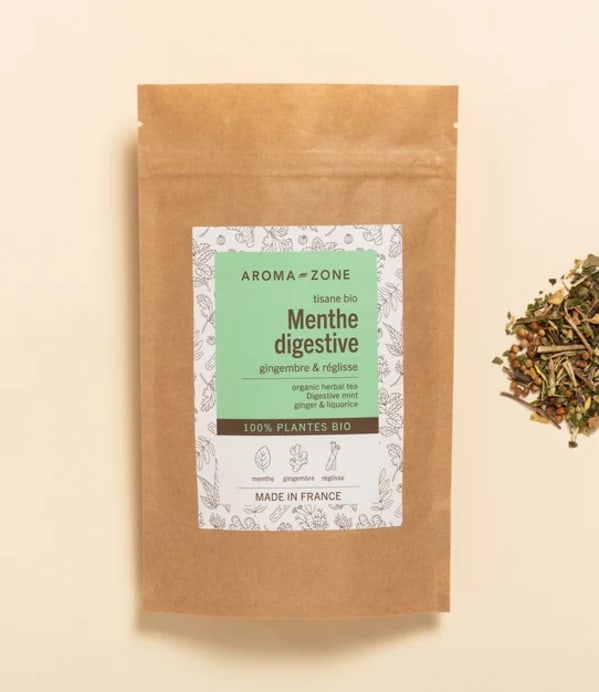
Organic Digestive Mint Herbal Tea: to support digestion after meals

This blend combines several herbs known to aid digestion (peppermint, ginger, licorice, fennel, coriander, etc.). It helps reduce feelings of heaviness, mild digestive spasms, and bloating, which are often associated with a coated tongue caused by fermentation or slow digestion. → Steep 1 teaspoon in hot water for 5 to 10 minutes, to be enjoyed after meals.

Discover Organic Digestive Mint Herbal Tea

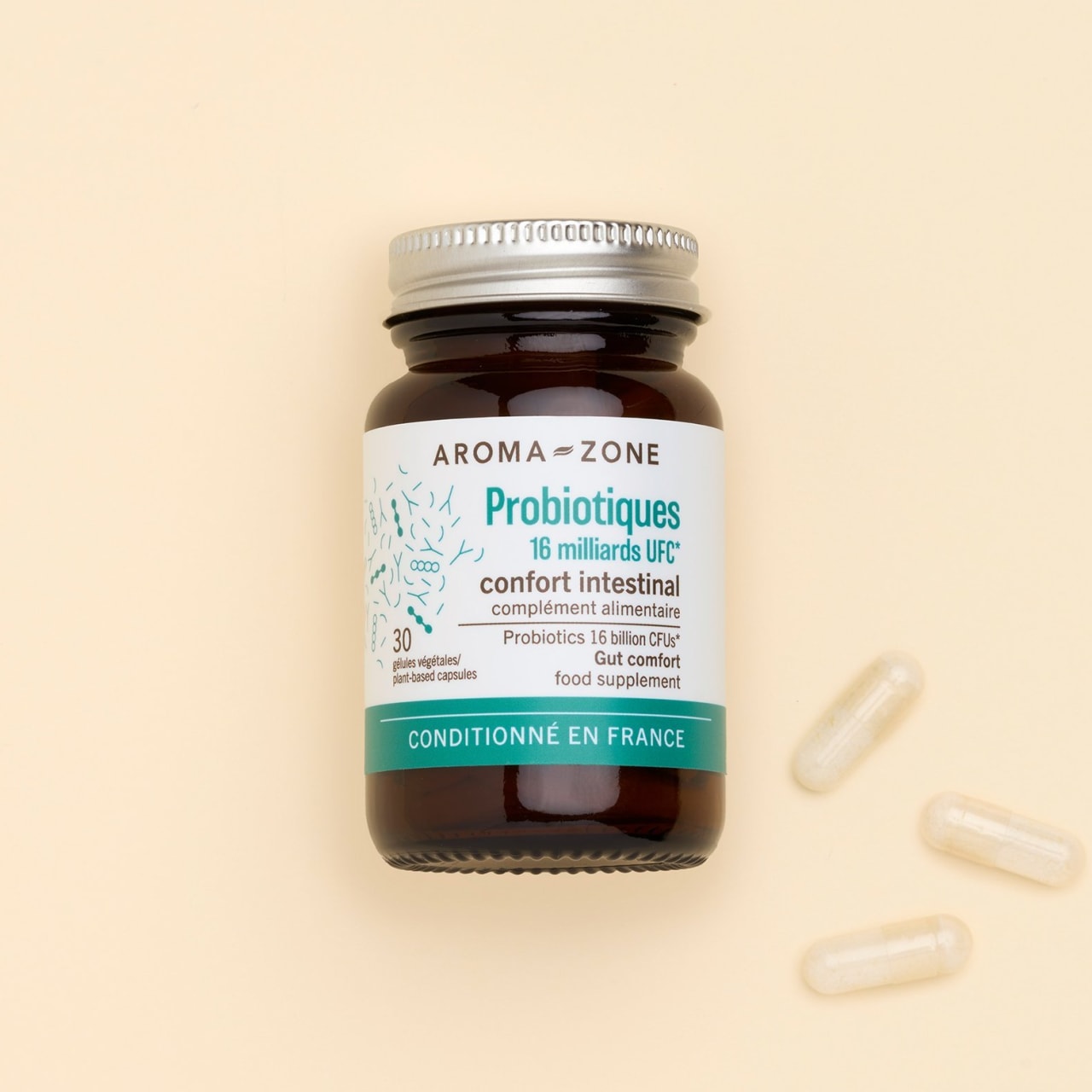
"Intestinal Comfort" Probiotics — 30 capsules : to rebalance the microbiome

A white tongue may indicate intestinal or oral dysbiosis. This probiotic complex combines clinically studied strains (including Lactobacillus plantarum LP01 and Bifidobacterium breve BR03) with prebiotic Acacia fiber to restore a balanced microbiota, improve digestion, and limit the fermentation responsible for the accumulation of whitish deposits on the tongue. The effect on digestive comfort may subsequently result in an improvement in the tongue coating. → Take 1 capsule daily with a glass of water as a course of treatment lasting at least one month. Precautions: For adults only; not recommended for pregnant or breastfeeding women.

Discover “Intestinal Comfort” Probiotics — 30 capsules

If a white tongue appears to be linked to liver overload (morning fatigue, dull complexion, slow digestion):

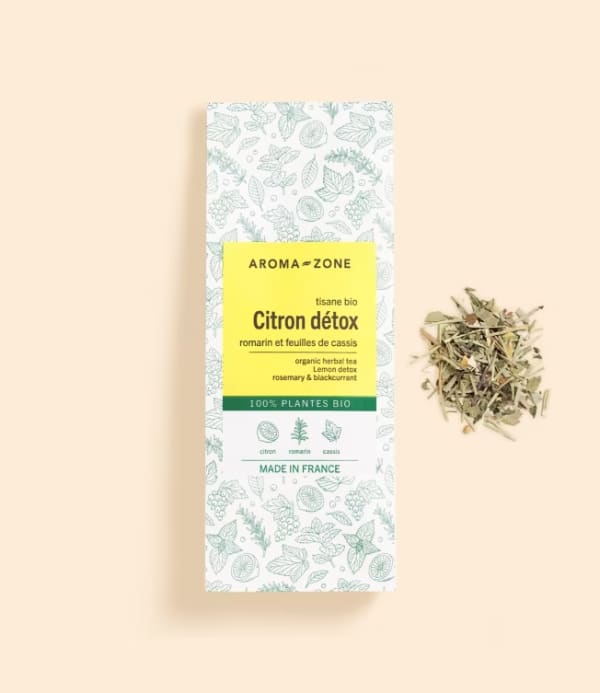
Organic Lemon Detox Herbal Tea

Organic Lemon Detox Herbal Tea: to gently support liver detoxification

This herbal tea combines rosemary, blackcurrant, and other detoxifying herbs to gently stimulate liver function and promote better digestion. It also offers a refreshing taste. In cases of liver overload, a course of herbal tea can improve overall vitality and reduce tongue coating. → Steep 1 teaspoon in simmering water for 5 to 10 minutes. Drink 2 to 3 cups a day, between meals. Precautions: does not replace medical supervision in cases of liver disease.

Discover the Organic Lemon Detox Herbal Tea

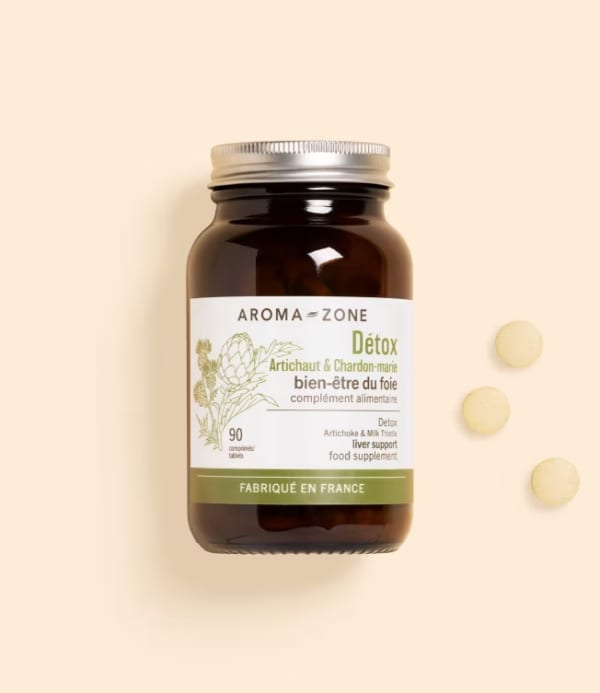
Liver Detox & Wellness - 90 tablets - Dietary supplement

The “Detox” dietary supplement: to target the liver and bile flow

This complex combines artichoke extract (Altilix®), milk thistle with a high silymarin content, and dandelion. These plants support liver function and bile secretion, thereby facilitating the digestion and elimination of fats. When liver function is impaired, the metabolic environment may contribute to a more pronounced coating on the tongue; supporting the liver can therefore help alleviate this indirect sign. → Take 3 tablets daily with a large glass of water. Precautions: For adults only; not recommended during pregnancy, while breastfeeding, or in cases of digestive or liver disorders, or allergy to Asteraceae. Consult a healthcare professional if currently undergoing treatment.

Discover the “Detox” dietary supplement

If the white tongue is caused by oral factors (poor hygiene, imbalanced oral flora)

Aroma-zone-Stick1047

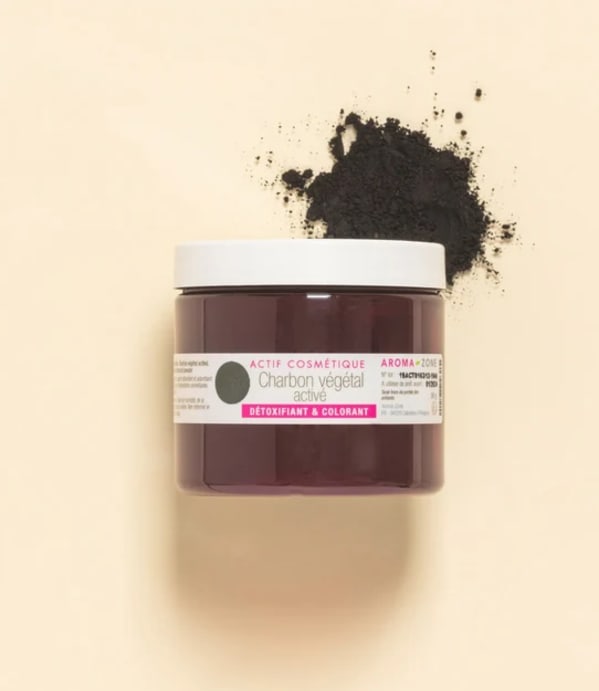
The active ingredient: Activated Vegetable Charcoal: to cleanse and purify the mouth

Activated charcoal captures impurities, limits bacterial growth, and can help reduce the white coating when used topically as part of your oral hygiene routine. It also provides a refreshing sensation and promotes a cleaner mouth every day. → Sprinkle a small amount of powder onto a damp toothbrush, gently brush your tongue and teeth, then rinse.

Precautions: Do not use for prolonged periods without medical advice; avoid if taking medication.

Discover the active ingredient: Activated Vegetable Charcoal

How can you prevent a white tongue?

To minimise the appearance of a white tongue, it’s important to adopt regular habits that support digestion, liver health, and oral health. Here are our practical tips:

  1. Daily hydration: Drink 1.5 to 2 liters of plain water every day to maintain optimal saliva production and limit white buildup on the tongue.

  2. Balanced diet: Prioritise fresh vegetables, fibre, and light meals in the evening to support digestion and prevent intestinal fermentation.

  3. Limit irritants: Reduce your consumption of alcohol, tobacco, and refined sugars, which disrupt the oral and digestive flora.

  4. Comprehensive oral hygiene: Brush your teeth and tongue twice a day, use dental floss and a tongue scraper or spoon to gently remove tongue coating.

  5. Supporting the microbiome: Regularly consume fermented foods such as raw sauerkraut, kefir, or plain yoghurt to maintain gut balance.

  6. Regular physical activity: Engage in gentle exercise to stimulate blood and lymphatic circulation, which promotes the elimination of metabolic waste.

  7. Stress management: Practice mindful breathing, cardiac coherence (5 min, 2 to 3 times/day), yoga, or meditation to limit acid hypersecretion and nervous-related dry mouth.

  8. Seasonal liver support: After consulting a doctor, follow gentle treatment regimens with detoxifying herbs such as artichoke, milk thistle, or dandelion to support the liver and fat digestion.

  9. After meals: Chew seeds of Fennel or Cardamom to aid digestion and freshen breath.

  10. Chewing and eating pace: Eat slowly and chew thoroughly to avoid gastric overload and the buildup of deposits on the tongue.

  11. Monitoring treatments: Certain medications (antibiotics, corticosteroids, antidepressants) can cause dry mouth; discuss this with your doctor if necessary.

  12. Regular dental checkups: See your dentist every 6 months to prevent oral health issues and maintain optimal oral hygiene.

Precautions

A white tongue is often harmless and can disappear in less than ten days with good hygiene, but it should not be ignored. Consult a healthcare professional if the coating persists for more than two weeks or is accompanied by pain, burning, sores, fever, weight loss, or severe fatigue.

Natural remedies (herbal tea, detox supplements, probiotics) provide gentle support but should never replace medical advice. Check for potential interactions with your medications and disclose any chronic conditions, pregnancy, breastfeeding, or ongoing medical treatments before starting a treatment regimen.

Expert Advice

Every morning, gently clean your tongue with a copper tongue scraper. This traditional tool mechanically removes the whitish coating, limits bacterial growth, and leaves your mouth feeling clean and fresh. You can then perform an oil pulling with coconut or sesame oil: gently swish a teaspoon of oil in your mouth for 5 to 10 minutes before spitting it out. This daily practice acts as a gentle cleanser, helps reduce buildup on the tongue, and naturally supports the balance of oral flora.

Spotlight on Our Naturopathic Writer: Stéphanie Catrysse

Stéphanie Catrysse is a naturopath (certified by the FENA), a wellness massage and lymphatic drainage practitioner, and a personal development coach. She is passionate about alternative medicine and practices a holistic approach to health.

Bibliography

  1. MSD Manual (Fr)

    “Gastroesophageal Reflux” (2024)

  2. Health Magazine

    “Milk Thistle, a Plant That Protects the Liver” (2023)

  3. Bruneton, J. (2009)

    Pharmacognosy, Phytochemistry, Medicinal Plants (4th edition). Paris: Lavoisier Tec & Doc.

  4. Lorrain, E.

    Grand Manual of Phytotherapy (2nd edition), Dunod Publishing, 2024

Frequently Asked Questions

Frequently Asked Questions