
Which dietary supplements promote healing?
Published on: Tuesday, January 20, 2026, Updated on: Friday, October 30, 2026
Wound healing is a natural and complex process that involves numerous mechanisms within the body. Contrary to popular belief, there are no dietary supplements specifically designed for wound healing. However, certain nutrients can support the body and help the skin as it goes through this delicate phase. This article helps you understand which nutrients can promote healthier and faster healing.
Contents
Related products
Firming
Sport
£22.00
250 g
Joint comfort
£15.00
article

Anti-ageing
£19.00
23.2 g
Skin
Hair
£9.00
49.5 g
Vitality
£16.00
150 g
What does the skin need to heal?
To repair itself, the skin needs time and nutrients, provided by the diet and, if necessary, supplemented by dietary supplements.
Protein to rebuild tissue
Proteins form the basis of skin tissue. They provide the building blocks needed to form new structures, which are essential when the skin is rebuilding itself following an injury.
Vitamins involved in the normal functioning of the skin
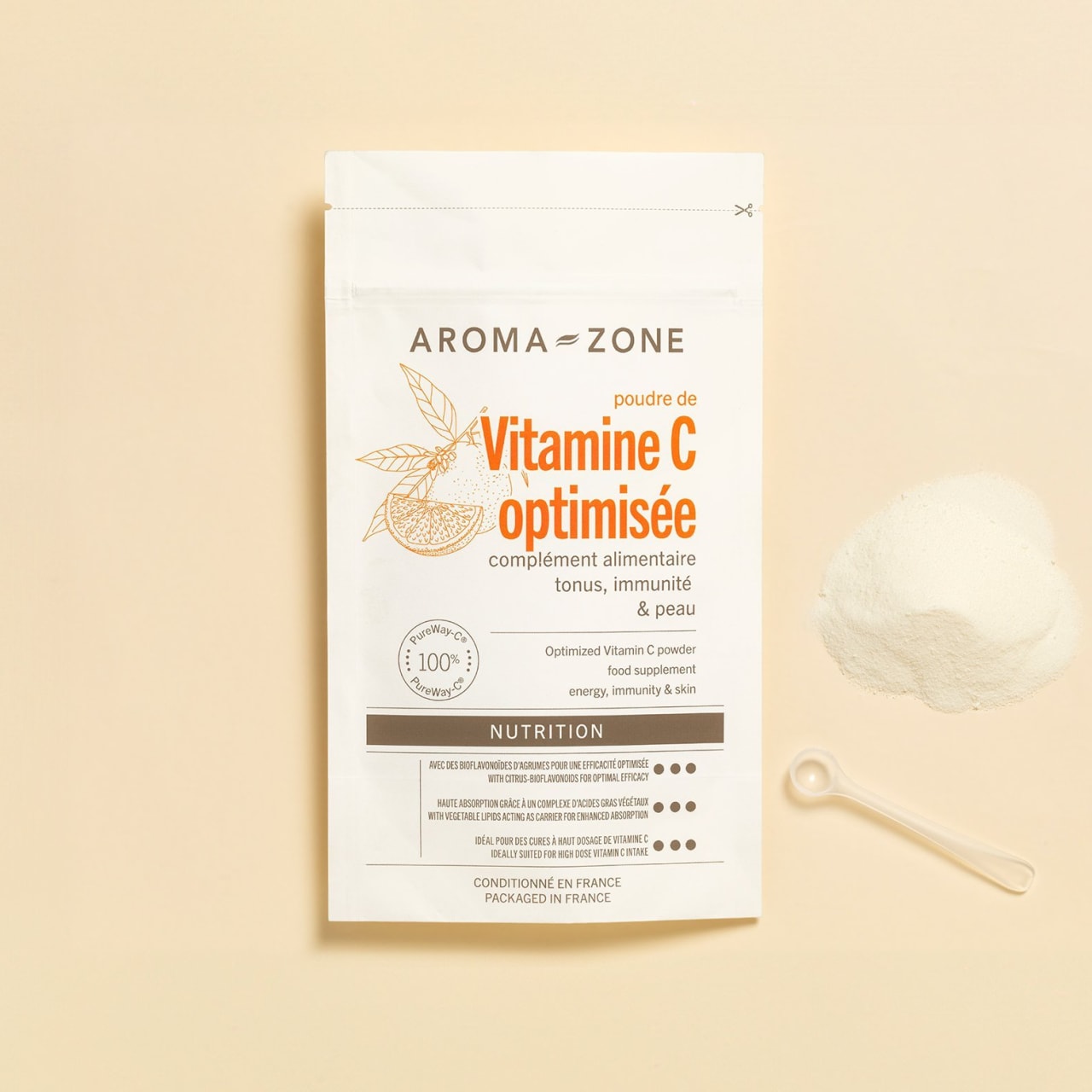
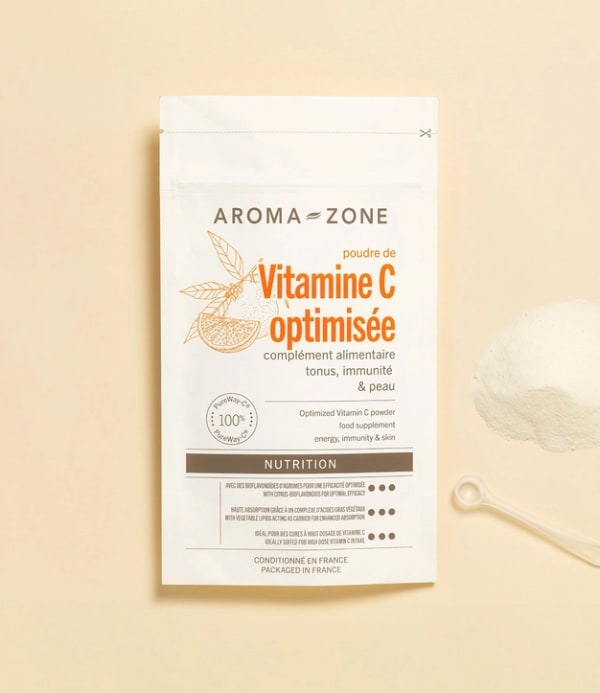
For the skin, certain vitamins, such as vitamin C and vitamin A, are involved in reactions that are essential to its normal functioning. They help maintain the skin’s balance and support the various stages of regeneration.
Trace elements and fatty acids
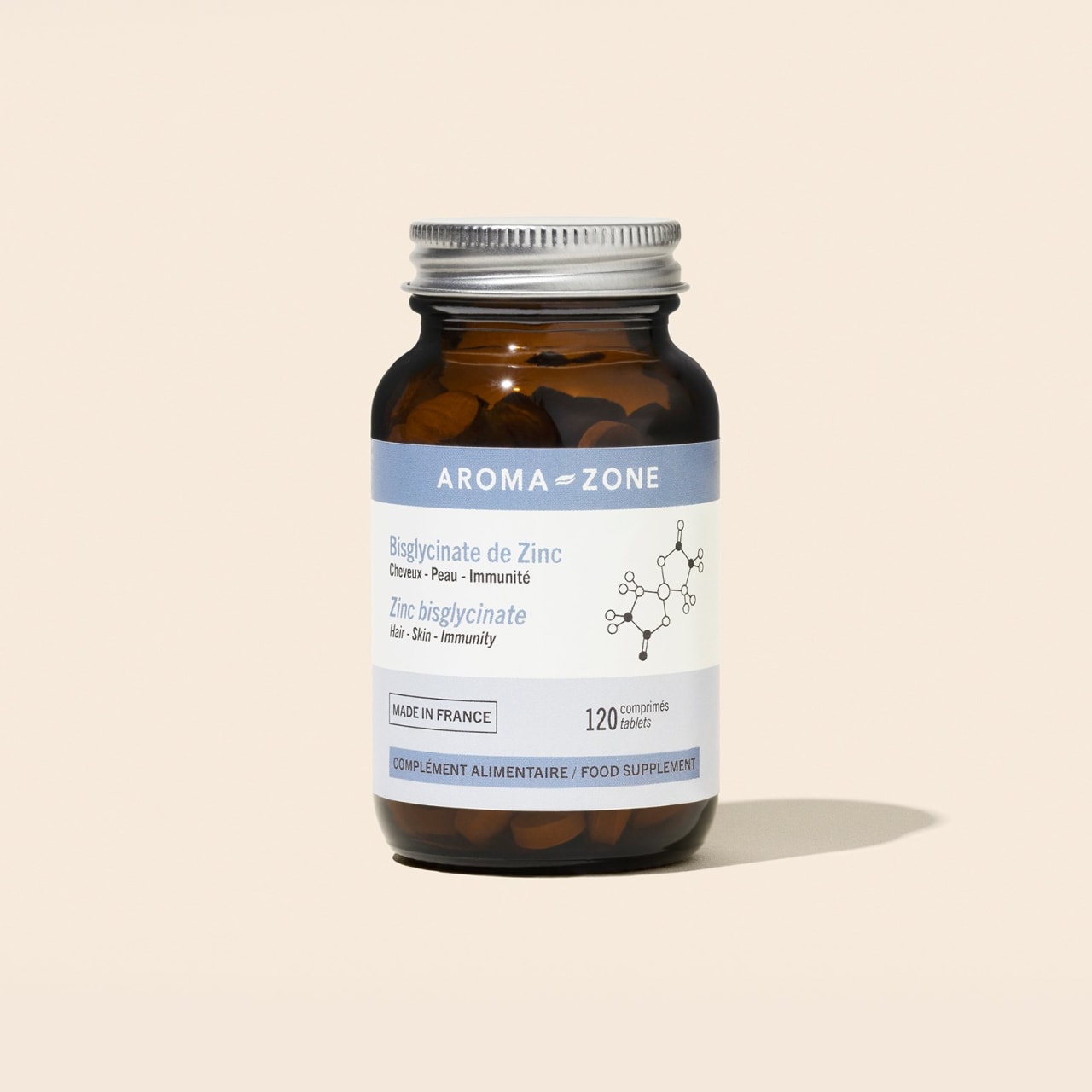
Found in small quantities, trace elements such as zinc, iron and selenium play a key role in maintaining healthy skin, protecting cells and supporting the processes involved in tissue regeneration.
The skin also needs omega-3 fatty acids, which promote healing and reduce the risk of infection. (7)
A balanced cellular environment
When the skin is healing, it becomes more sensitive to everyday imbalances. Maintaining a balanced cellular environment helps to create conditions that are conducive to the healing process. To achieve this, you need to ensure an adequate intake of antioxidants (through diet or targeted supplementation), avoid repeated irritation of the affected area (friction, sun exposure) and maintain good hydration, both through skincare products and by drinking enough water.
How can dietary supplements help the skin to heal naturally?
When a wound closes, the skin begins a genuine process of reconstruction. Behind the scenes, the body orchestrates several stages (protection, reconstruction, then consolidation), all of which have one thing in common: it needs ‘raw materials’ to produce new tissue and maintain the skin’s balance. Dietary supplements do not act on the wound itself, but can support the healing process by meeting certain key nutritional needs.
By supporting the skin’s natural structure
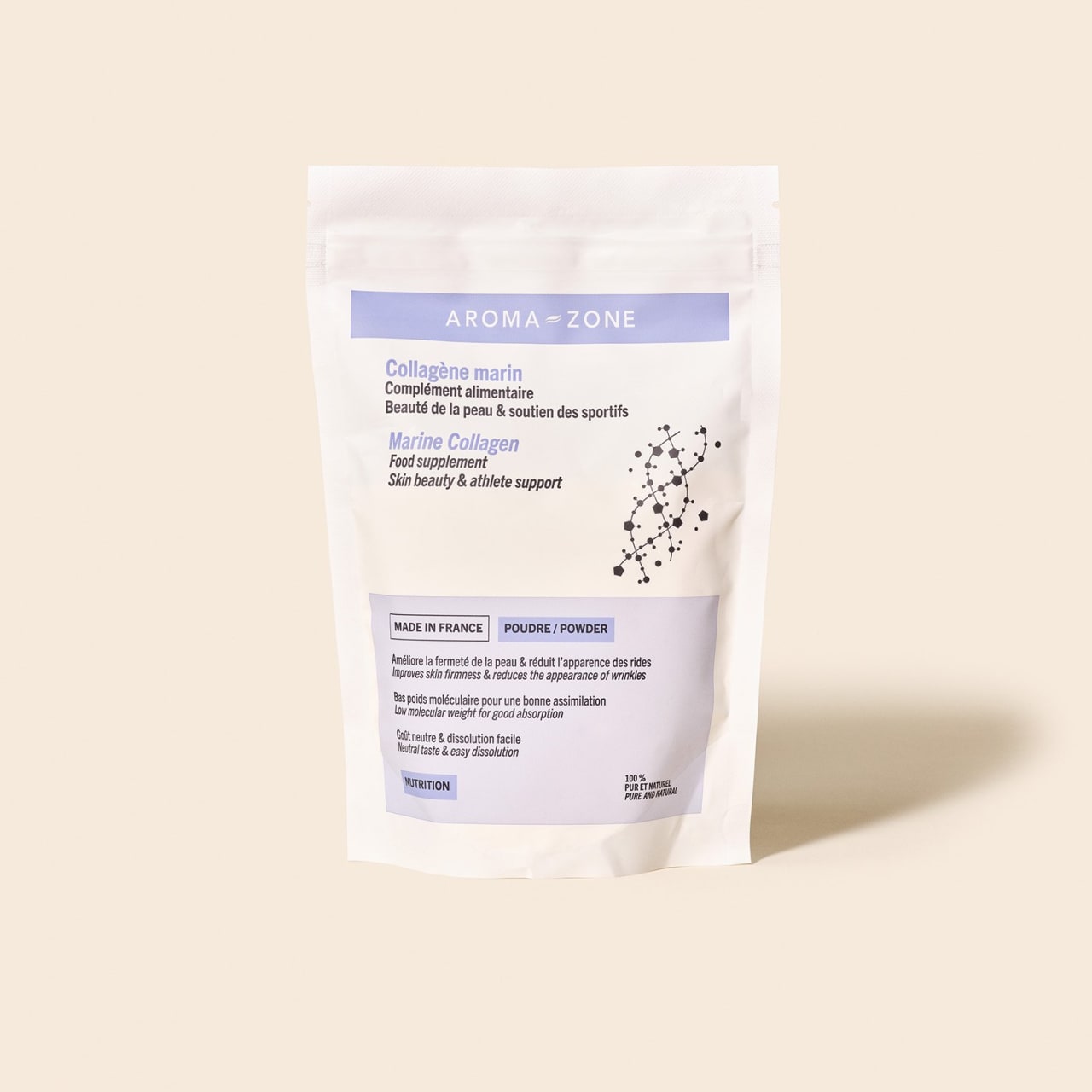
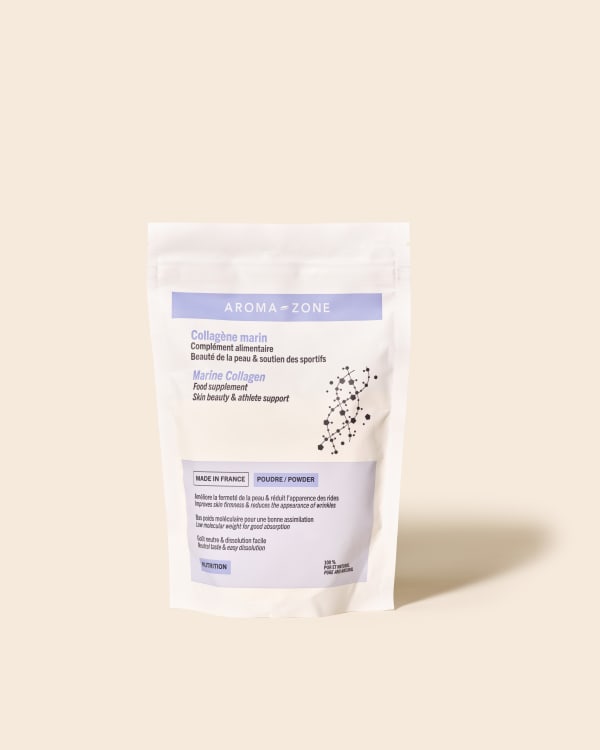
Collagen is one of the skin’s main components. It contributes to the skin’s firmness and resilience. When an area of skin is regenerating, the body needs to produce collagen, a gradual process that requires certain nutrients involved in its normal formation.
By supporting cellular activity
Wound healing involves intense biological activity, which can increase the need for cellular protection. Certain nutrients help protect cells against oxidative stress. This is particularly true of vitamin E, found in certain vegetable oils, nuts and seeds, which helps protect cells. The aim is not to correct a problem, but to support an environment conducive to the normal progression of the process.
By providing amino acids that aid tissue repair
The skin rebuilds itself using proteins, and therefore amino acids. In certain situations (insufficient intake, unbalanced diets, etc.), it may be beneficial to ensure an easier supply of certain amino acids involved in tissue structure. Here again, the focus is on providing the body with what it needs to build, repair and strengthen itself, at its own pace.
Which dietary supplements can improve healing?
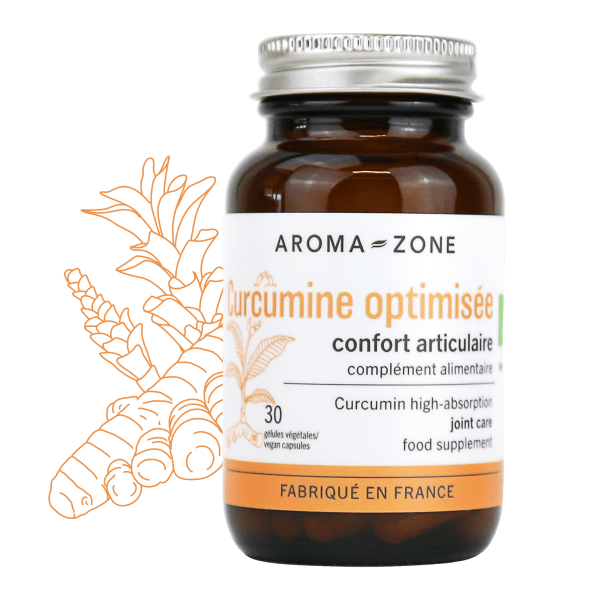
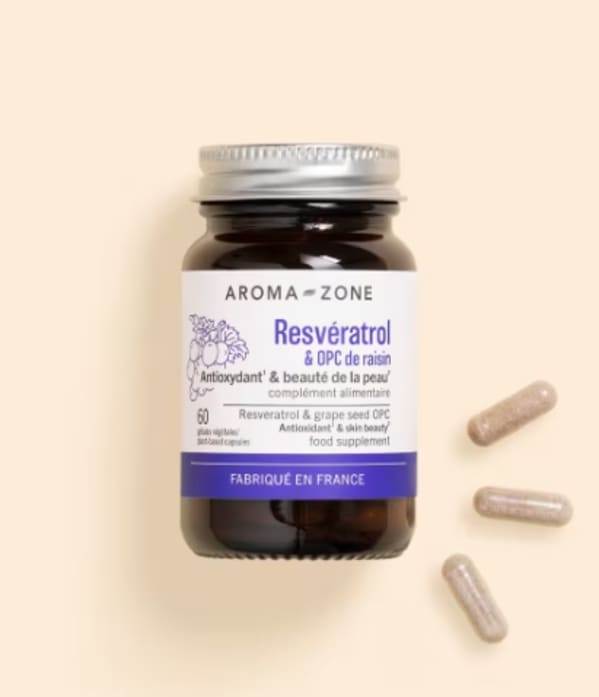
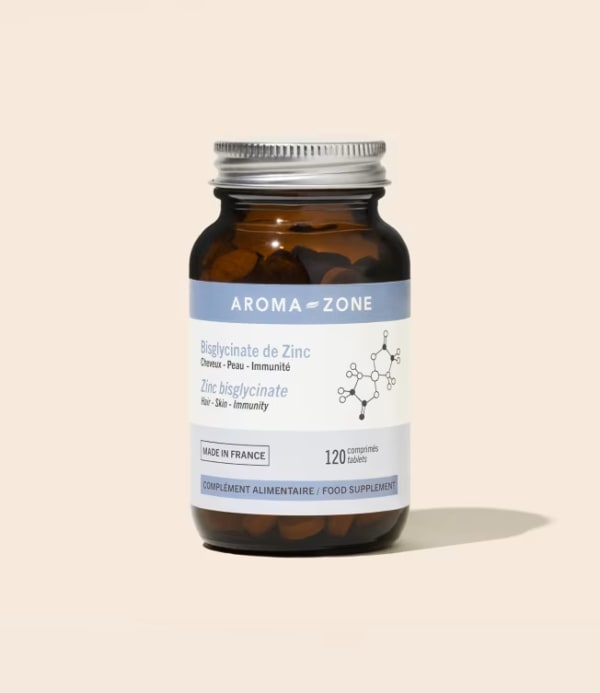
We would like to reiterate: there is no dietary supplement that can heal a wound on its own. Our selection is based on nutrients that can support the body during this phase:
Spotlight on our expert writer: Eloïse Dubois-Gaché.

Eloïse is a certified ‘naturopathic practitioner’ by the Institut Supérieur de Naturopathie (ISUPNAT) and has been practising naturopathy for over 5 years. Thanks to her extensive experience working in various herbalist shops, Éloïse provides, where necessary, comprehensive and precise advice on herbal medicine, aromatherapy, gemmotherapy and micronutrition when drawing up a personalised lifestyle programme tailored to each individual.
Bibliography
Mathew-Steiner S.S., Roy S., Sen C.K., ‘Collagen in wound healing’, 2021, Bioengineering,
https://doi.org/10.3390/bioengineering8050063
Akbik D., Ghadiri M., Chrzanowski W., Rohanizadeh R., Curcumin as a wound healing agent, 2014, Life Sciences,
https://doi.org/10.1016/j.lfs.2014.08.016
Lin P., Sermersheim M., Li H., Lee P.H.U., Steinberg S.M., Ma J., ‘Zinc in wound healing modulation’, 2017, Nutrients,
https://doi.org/10.3390/nu10010016
Geneva University Hospitals (HUG), Wound Healing and Nutrition, n.d., HUG information page,
https://www.hug.ch/dermatologie-venereologie/cicatrisation-alimentation
ANSES, Nutritional Reference Values for Vitamins and Minerals, 2025, ANSES information page,
https://www.anses.fr/fr/content/les-references-nutritionnelles-en-vitamines-et-mineraux
Reinke J., Sorg H., Wound repair and regeneration, 2012, European Surgical Research,
https://doi.org/10.1159/000339613
Stanescu C., Chiscop I., Mihalache D., Boev M., Tamas C., Stoleriu G., ‘The Roles of Micronutrition and Nutraceuticals in Enhancing Wound Healing and Tissue Regeneration: A Systematic Review’, 2025, Molecules,
https://doi.org/10.3390/molecules30173568



