What Natural Home Remedies Are There for Fleas?

What Natural Home Remedies Are There for Fleas?


By Hélène Betoux

Published on: Wednesday, June 26, 2024, Updated on: Wednesday, October 28, 2026

Do you think you have fleas in your home? Start by trying a few natural, home-made treatments to try and stem the infestation. These include diatomaceous earth and lavender essential oil. Take action as soon as you spot any fleas to prevent the problem from getting out of hand. These little creatures reproduce very quickly and can cause unpleasant reactions, both for us and for our pets.

Contents

Related products

What Does a House Flea or a Black Flea Look Like?

Fleas are tiny insects that are difficult to see, as even the largest are no more than 8–10 millimetres long. They belong to the order Siphonaptera. They behave as ectoparasites, that is to say, external parasites. They live on living creatures, particularly mammals, which they bite regularly to feed on their blood and reproduce.

To the human eye, they look like tiny black or brown dots. They are characterised by their ability to jump, which allows them to move easily from one host to another. This is, in fact, often how they are recognised. If you gently move your finger towards one of these tiny spots and it starts to jump, there’s a good chance you’re looking at a flea.

Fleas spread very quickly throughout the environment and our homes. That is why it is important to treat both the host and the home in the event of an infestation.

What Causes a Flea Infestation?

Before trying a home remedy for fleas, try to work out how they got into your home in the first place.

  • You Have a Pet: Dogs and cats are favourite hosts for fleas. Fleas lay their eggs in their fur and then spread throughout the house

  • You Come Into Contact With Wild Animals: Rabbits, hedgehogs, birds, rats, and even squirrels can be infested with fleas

  • You’ve Been Travelling: You may have unwittingly brought fleas home with you whilst out for a walk, on a trip or during a stay in an area infested with fleas

  • You’ve Just Returned From a Long Period Away: The vibrations you cause in your home may wake up fleas that had gone into hibernation several months earlier

  • Treatments Have Been Spaced Too Far Apart: Some flea treatments for dogs or cats require several successive applications. Read the instructions for your treatment carefully to ensure you use it correctly

How Can You Tell if Your Home Is Infested With Fleas?

Fleas are so discreet that it’s not always easy to spot an infestation at first glance. As they shy away from light, they hide in dark, damp, and sometimes hard-to-reach places. Their favourite spots include carpets, rugs, and between the floorboards. However, there are a few tell-tale signs that should put you on the right track.

  1. Your dog or cat is scratching regularly, in a sudden and almost compulsive manner

  2. In some cases, you may find live fleas or flea droppings in your pet’s coat

  3. Your pet has scabs and is losing fur: they may be allergic to fleas

  4. You have large, itchy red spots on your body - these are probably flea bites

  5. It seems that everyone in your family is suffering from this same itching problem (to varying degrees)

What Home Remedies Are There for Getting Rid of Fleas in the House?

Does White Vinegar Kill Fleas?

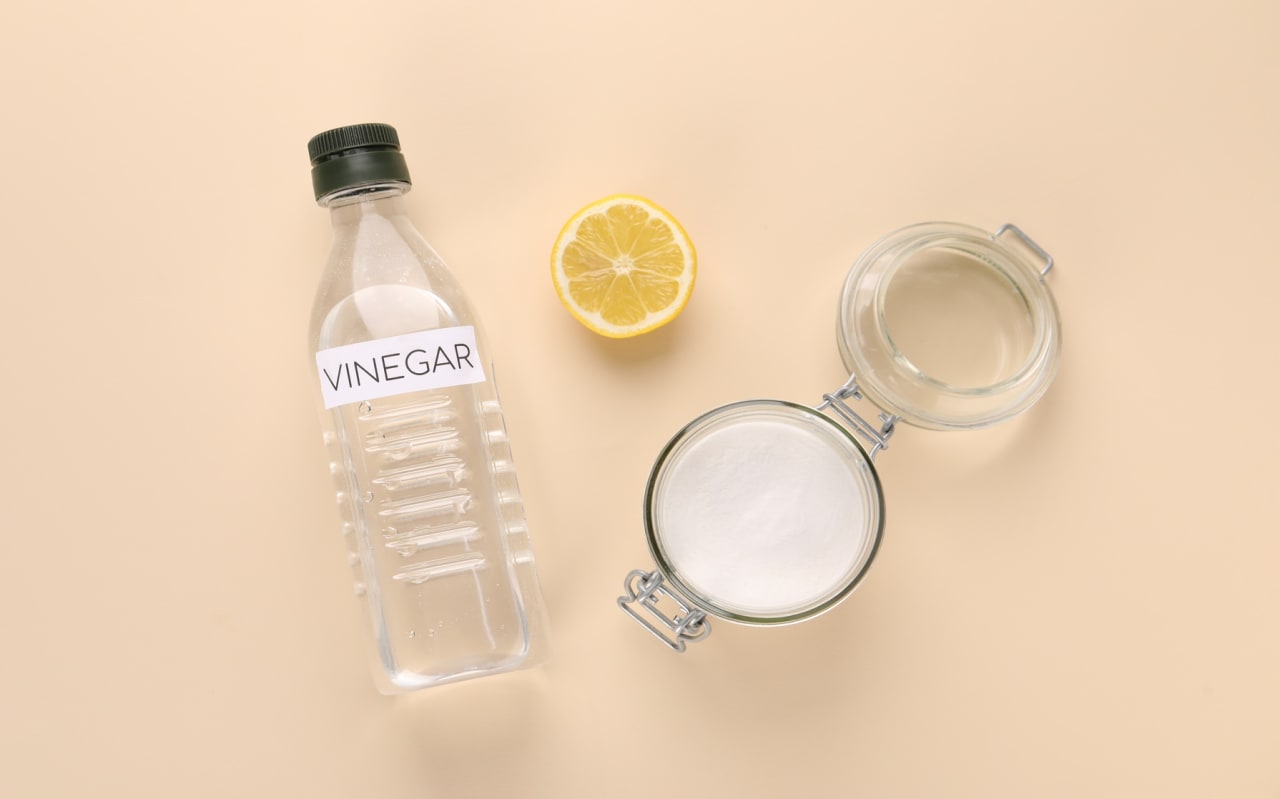
Vinegar (white or cider) isn’t supposed to kill adult fleas. It simply repels them because of its unpleasant smell. So bear in mind that it will merely encourage the pests to move elsewhere as it is not a miracle cure and its effects are limited. That being said, vinegar is nonetheless an excellent ally for cleaning and sanitising your home from top to bottom.

How Do You Use White Vinegar?

Spray a mixture of equal parts water and vinegar onto your rugs, carpets, sofas, armchairs, your pets’ bedding, etc. Test the mixture on a small, hidden area first to check that the fabric can withstand this home remedy.

Bicarbonate of Soda Against House Fleas

Some old wives’ tales suggest that bicarbonate of soda might dehydrate fleas, thereby helping to eradicate them. While there is still a lack of evidence to support the effectiveness of this treatment, you can always try it at home. Bicarbonate of soda has many proven benefits, including the ability to absorb dog odours. When used in small quantities around the home, it poses no particular risk to our four-legged friends.

How Do You Use Bicarbonate of Soda?

Sprinkle bicarbonate of soda generously over your floors (rugs, carpets, etc.) and leave it to work for 24 to 48 hours before vacuuming.

Diatomaceous Earth for Cleaning the House

Also known as ‘kieselguhr’ or ‘infusoria earth’, diatomaceous earth is actually powdered diatomite. It is highly porous, which gives it useful absorbent properties for cleaning and household maintenance. It is traditionally used to combat infestations of bedbugs, cockroaches, termites, and even lice. Just like bicarbonate of soda, it is thought to work by dehydrating insects and parasites.

How Do You Use Diatomaceous Earth?

Sprinkle diatomaceous earth powder over your furniture and soft furnishings, not forgetting your dogs’ and/or cats’ blankets and beds. Also place some in corners and anywhere else you suspect fleas might be present. Vacuum the following day.

Neem Oil (or Indian lilac oil)

Neem oil is used in the manufacture of many insect repellents and anti-parasitic products for pets. It contains a very powerful active ingredient: azadirachtin, which is thought to hinder the proper development of larvae. It is also toxic to them if ingested. It has proven effective against several species of fleas that infest cats, dogs, and even humans.

How Do You Use Neem Oil?

It can be used to make an anti-flea lotion to spray onto your dog’s or cat’s coat. You must discuss this with your vet before applying it to your pet. However natural it may be, it is potentially toxic if used incorrectly.

Essential Oils or Hydrosols as a Home Remedy Against Fleas

Certain plants act as natural repellents against fleas and other insects and parasites. This is the case with true lavender, which contains linalool and linalyl acetate, compounds known for their parasiticidal effects. It is particularly effective when used in combination with geranium, which is widely favoured for diffusion into the air to repel insects and mosquitoes.

How Do You Use Essential Oils or Hydrosols?

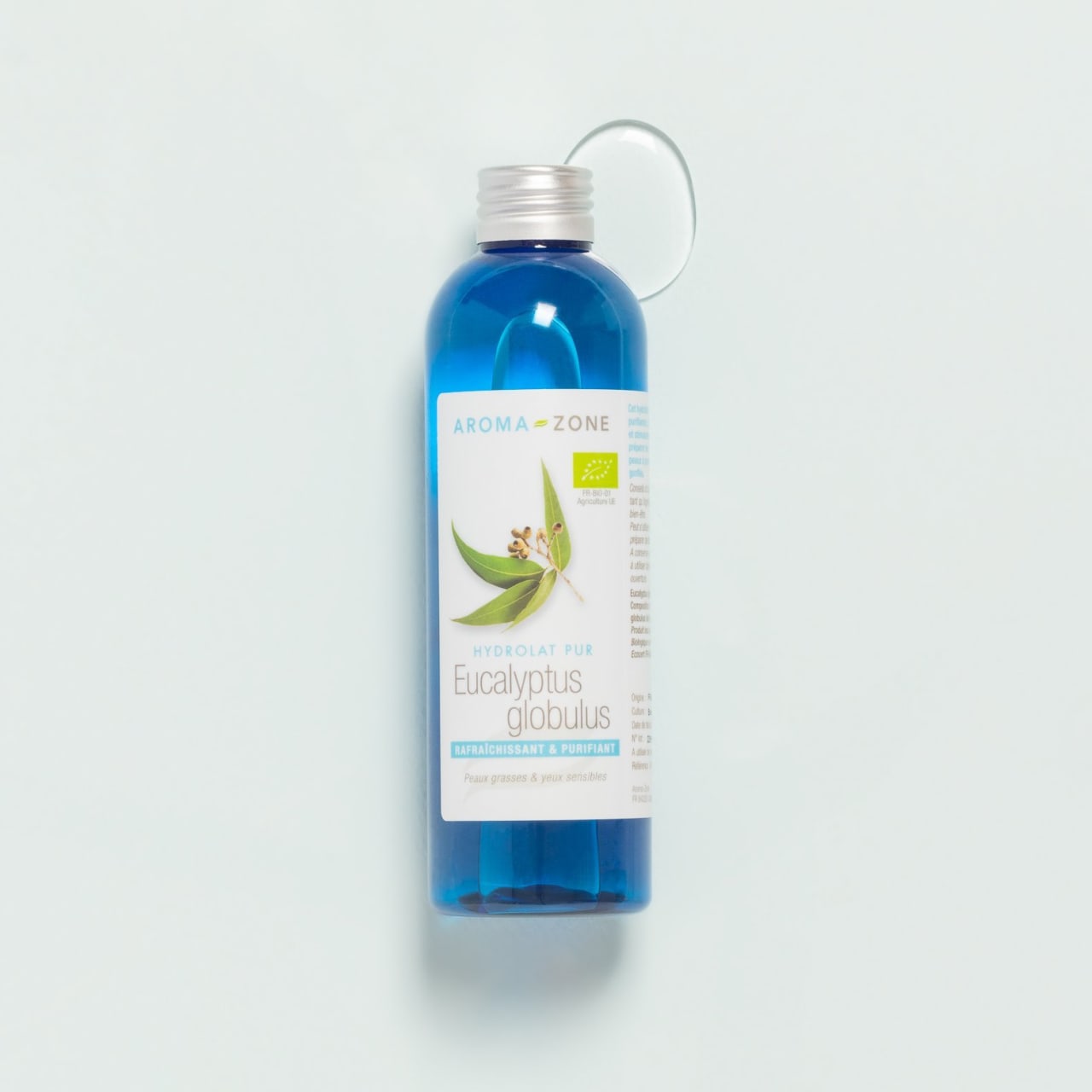
Use these plants in the form of hydrosols and/or essential oils to make a flea-repellent spray or a blend for diffusion. You can also use lavender vinegar to purify your fabrics.

Please Note

Essential oils must be handled with care. It’s essential to read all the instructions for each one.

How Can You Tackle Fleas Naturally?

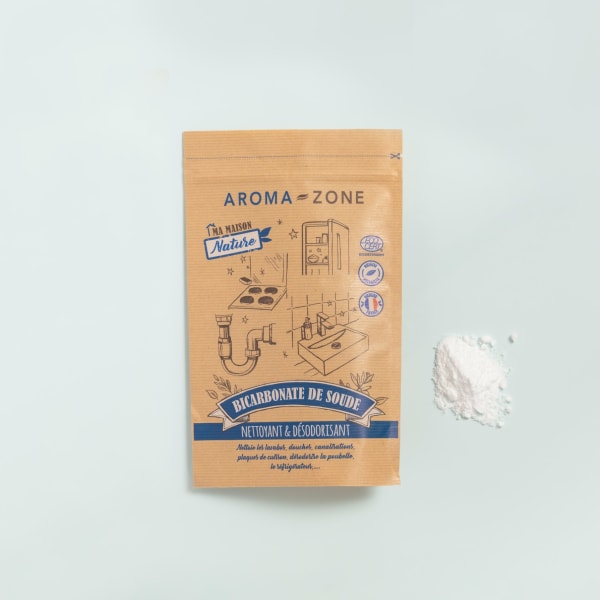
Bicarbonate of soda Ecodétergent 500g

1. Sprinkle your carpets with bicarbonate of soda. Pay particular attention to high-traffic areas. Leave it to work for a whole day, then hoover the entire house. Make sure you hoover the corners and hard-to-reach areas that you don’t often get to

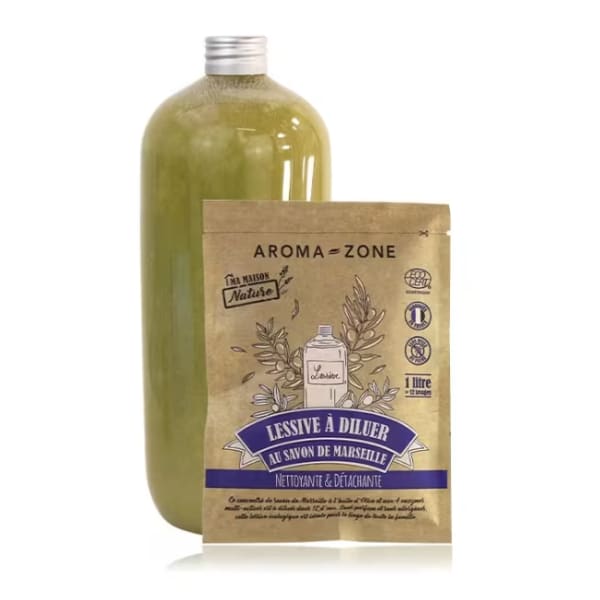
Laundry detergent to be diluted

2. While the bicarbonate of soda is working, wash your blankets, cushions, throws, your pets’ bedding, etc. For example, use our Laundry detergent to be diluted with Marseille soap, which removes stains and grease from as low as 30°C while being gentle on your laundry.

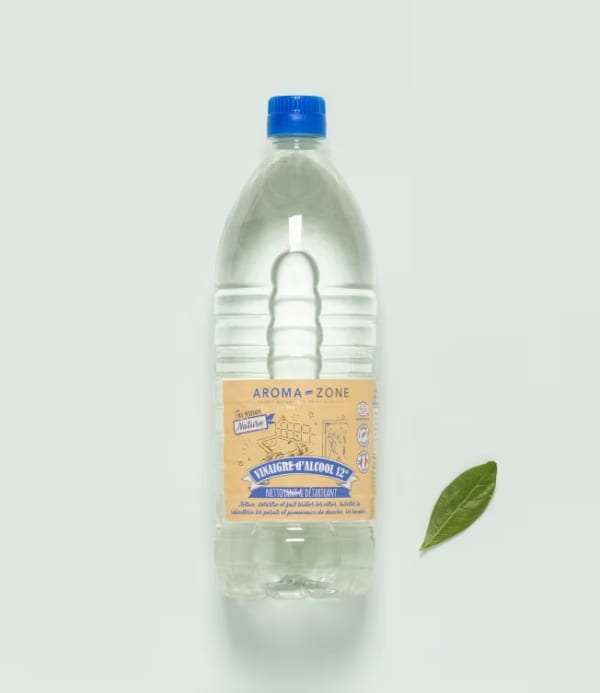
12° Alcoholic Vinegar Eco-detergent

3. Clean the dirtiest areas of your carpets with a mixture of 12% spirit vinegar, washing-up liquid and hot water. Test your mixture on a small, inconspicuous area first. Leave it to work for 15 minutes before wiping it off with a sponge

Our Home Remedies for Soothing Insect Bites

Precautions for Use

The home remedies mentioned in this article are not a substitute for veterinary advice. They do not replace the use of a pest control product recommended by your vet. Take care when using household products or essential oils near pets. Always seek advice from a veterinary professional before use.

  • Bicarbonate of Soda: Keep out of reach of children. Avoid contact with the eyes. Test on an inconspicuous area before first use on fabric or a surface

  • Concentrated Washing-Up Liquid: Keep out of reach of children. For domestic use only

  • 12% Spirit Vinegar: Keep out of reach of children, both pure vinegar and household products containing it. Avoid contact with the eyes and skin. Take care not to spray the product into the eyes when using it from spray bottles. Warning: vinegar may damage certain surfaces (marble, stone, etc.); test on an inconspicuous area first. Do not use at the same time as products containing chlorine (bleach, etc.). Dangerous. Follow the safety instructions. Causes severe eye irritation. Causes skin irritation

Expert Advice

Fleas are very often brought into our homes by our four-legged friends. The best thing to do is to groom them regularly to prevent any infestation and spot fleas as quickly as possible. Bathe your pet if it’s dirty and brush it to keep its coat clean and healthy, especially if it has long hair. If you’re short of time, take it to a groomer. And of course, don’t forget preventative treatments (spot-on treatments, collars or other products).

Spotlight on Our Writer, Hélène Betoux

Hélène Betoux is a French beauty journalist specialising in digital media. She writes practical tips, advice and guides to help readers choose the right beauty products. Passionate about natural, organic and clean beauty, she explores the latest trends and innovations in the industry.

Bibliography

  1. Lagarde A. The relevance of using plant-based external antiparasitic treatments in domestic carnivores

    Master’s thesis, Veterinary Medicine, Toulouse National Veterinary School – ENVT, 2020, 166 pp. Online: https://oatao.univ-toulouse.fr/26079/1/Lagarde_26079.pdf

  2. Zeni V, Baliota GV, Benelli G, Canale A, Athanassiou CG. Diatomaceous Earth for Arthropod Pest Control: Back to the Future.

    Molecules. 2021; 26(24):7487. Online: https://doi.org/10.3390/molecules26247487

  3. Festy D. My Bible of Essential Oils. LEDUC.S Éditions, 2008, p. 183.

Frequently Asked Questions

Frequently Asked Questions